
A cathedral-ceilinged dining room on Aoxing Road brings the cooking traditions of Chaoshan to Fuzhou with uncommon seriousness. Live tanks hold fish shipped from the Chaoshan coast daily, while an ice-bed display of produce echoes the wet markets that define the region's culinary character. The kitchen anchors its menu around braised meats and precisely blanched seafood rooted in authentic Chaoshan technique.
Pearl is the En Primeur Club membership app — saves, bookings, and concierge access live there. Same editors, same standards.
- Address
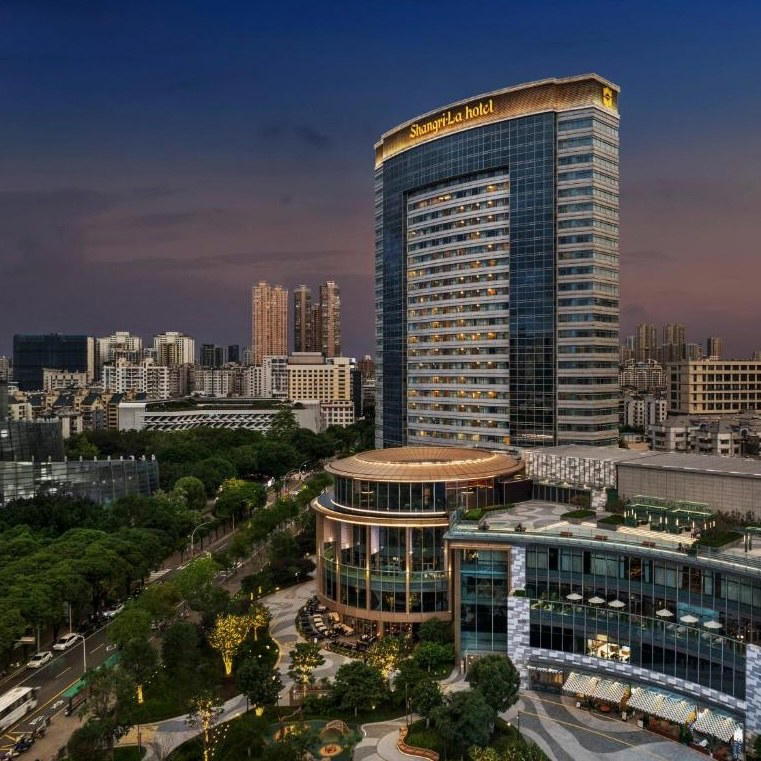
- 194 Aoxing Rd, Taijiang District, Fuzhou, Fujian, China, 350009
- Phone
- +86 134 0053 1366
- Directions
- Get directions
 Saves & bookings on Pearl
A Dining Room That Announces Its Intentions
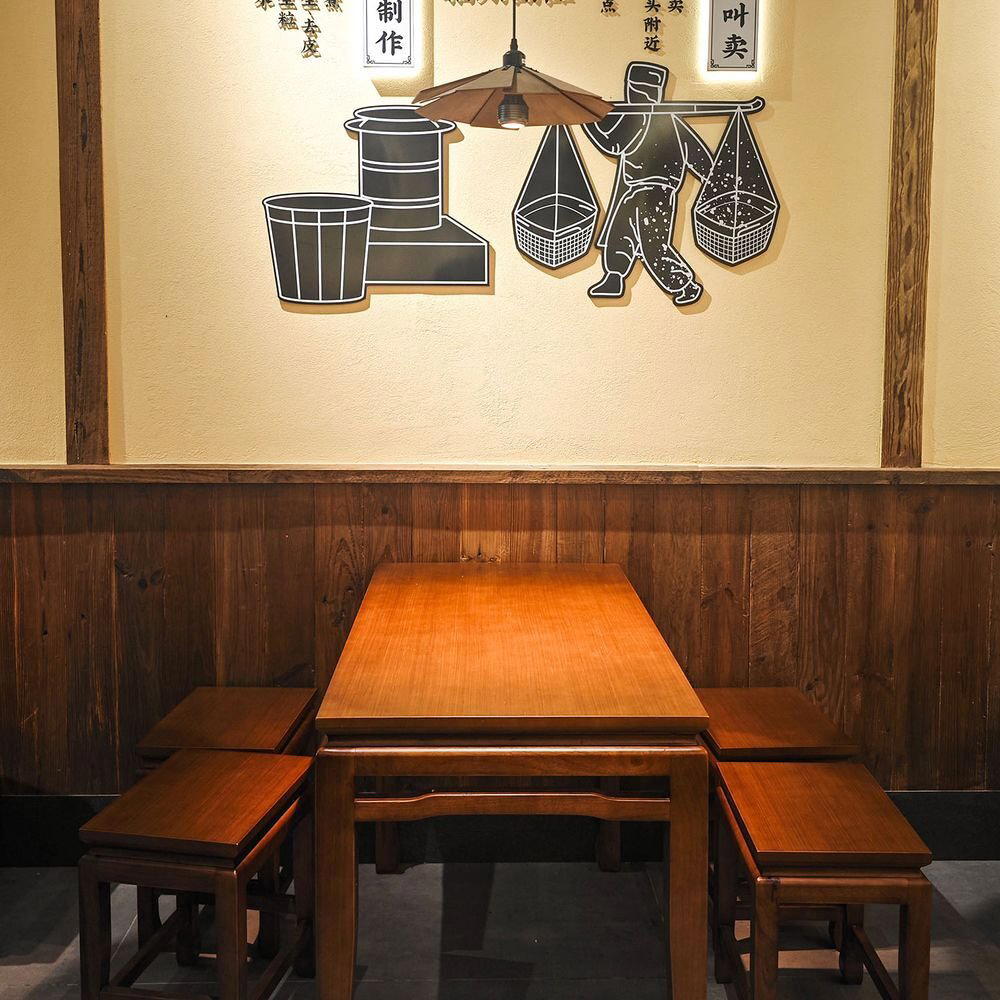
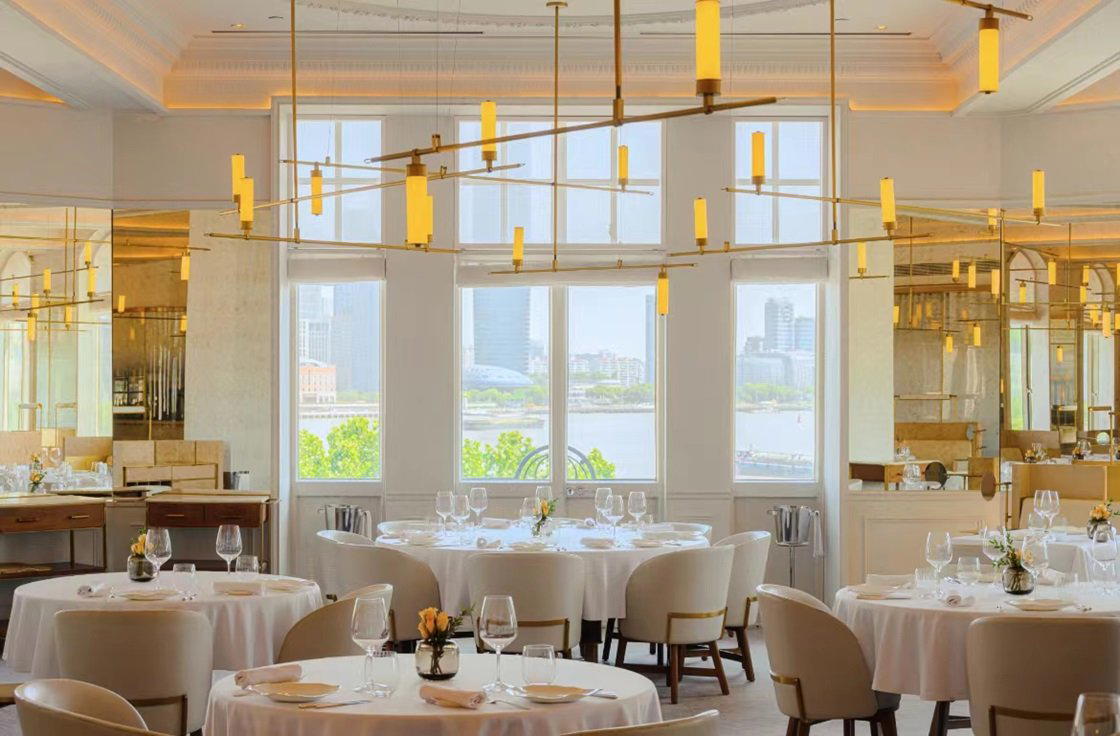
In a city where Fujian cooking sets the baseline, a restaurant that commits fully to Chaoshan cuisine occupies a distinct position. The dining traditions of the Chaoshan region, which spans the coastal prefectures of Chaozhou and Shantou in eastern Guangdong, prize clarity over complexity: clean broths, precisely timed blanching, and braising liquids built over time rather than assembled quickly. At Shang Xing on Aoxing Road in Taijiang District, the restaurant signals this commitment before the menu arrives. The entrance is architecturally pronounced, and the dining room rises to a cathedral ceiling that lends the space a formality unusual for a restaurant operating at this register in Fuzhou. Scale here is not decorative excess, it frames the ritual seriousness of what Chaoshan dining has always required of its practitioners.
The Logic of the Live Tank and the Ice Bed
Chaoshan cuisine is built around the freshest possible seafood, and the sourcing infrastructure at Shang Xing is designed to make that visible. A live fish tank at the front of the restaurant holds the catch shipped from the Chaoshan coast daily, a logistical commitment that separates serious practitioners of this cuisine from those approximating it. Further produce is displayed over a bed of ice in wet market style, a presentation format that functions as both transparency and invitation. Diners who know how to read an ice display can assess provenance, condition, and the day's available options before sitting down.
This approach to presentation is characteristic of the broader Chaoshan dining ritual, where the meal begins well before the first dish reaches the table. Selecting from a live or iced display, confirming with staff how a particular fish should be prepared, and understanding the relationship between cooking method and the specific texture of each catch, these are all part of how Chaoshan restaurants across the region, from Shantou to Hong Kong, have long structured the guest experience. Shang Xing imports that logic to Fuzhou, where it sits as a notably different register from the local Fujian tradition.
The Ritual of the Chaoshan Table
Chaoshan meals follow a pacing logic that rewards patience. Cold dishes typically arrive first, functioning as palate-setters rather than afterthoughts. Blanched fish served cold with a dipping sauce on the side is among the more exacting preparations in this tradition: the fish must be cooked to the precise moment when the flesh separates cleanly, then chilled without losing its natural sweetness. At the restaurant, the blanched yellowtail scad served cold with bean sauce represents exactly this school of cooking, a preparation where the diner's role is to understand what they are tasting, not to have it explained through heavy seasoning.
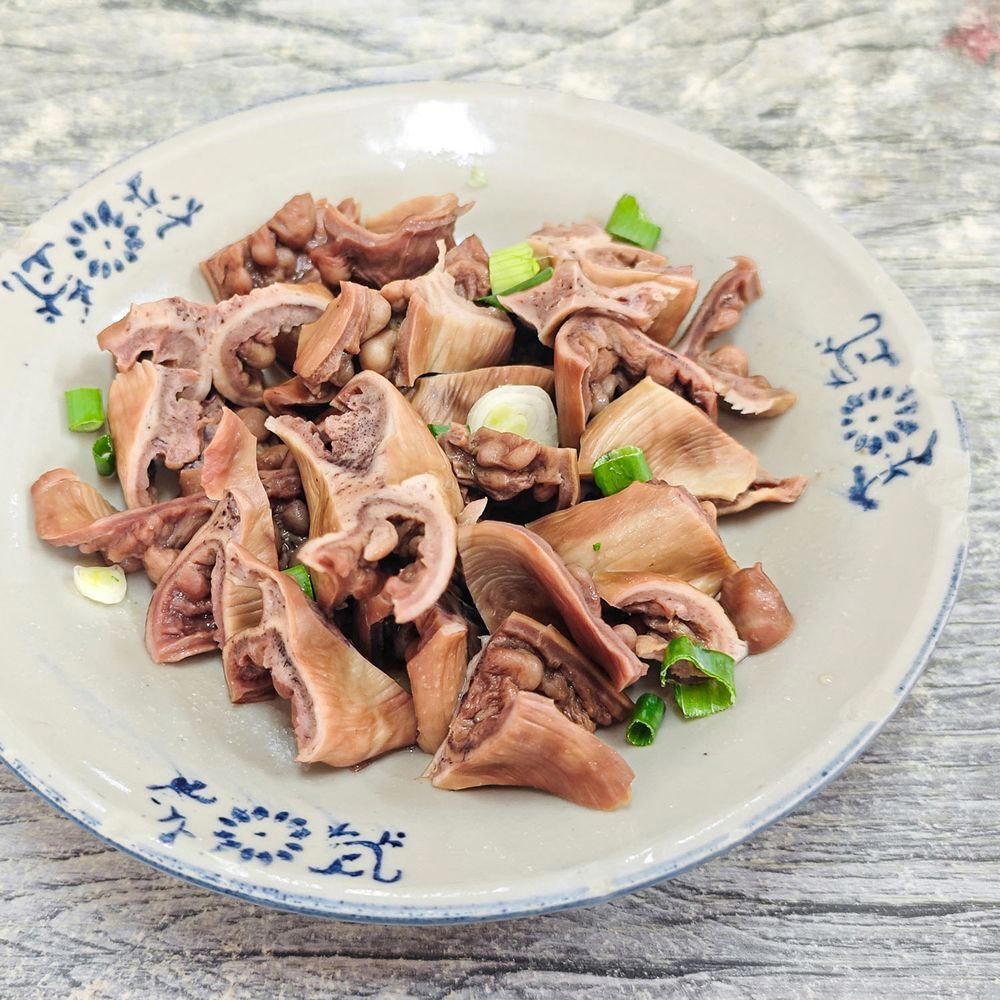
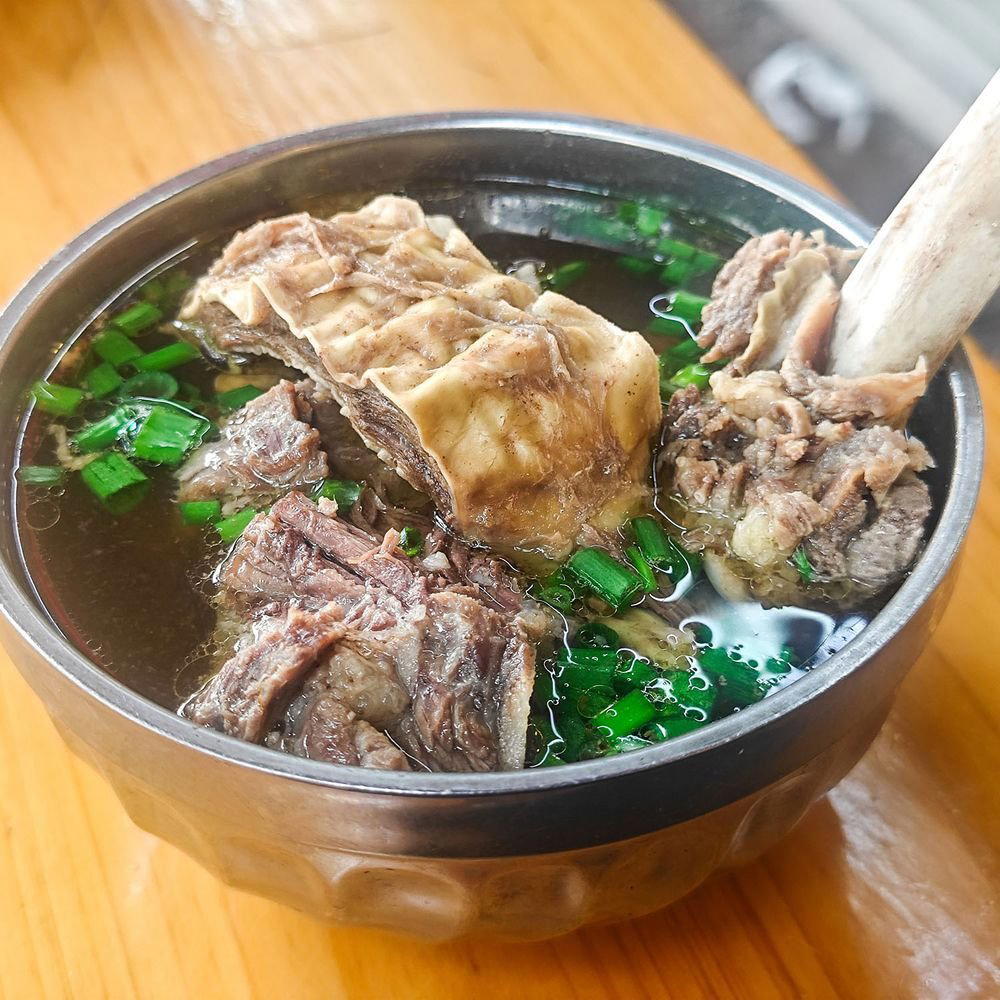
Braised meat in a spiced soy marinade follows a different logic. Lu wei, the practice of braising proteins in a master stock built from soy, spice, and aromatics, is one of the defining techniques of Chaoshan cooking. The marinade accrues complexity over time, and in restaurants that maintain their braising liquid with care, a single bite carries the accumulated character of that process. The Chaoshan chefs at the restaurant apply this to authentic recipes, since Chaoshan braising represents a codified tradition with clear regional parameters.
The combination of cold seafood preparations and slow-braised meats means that a well-ordered meal at the restaurant moves through distinct textural and temperature registers. This is not accidental. It reflects how Chaoshan dining has always been structured: contrast as a compositional principle, with each dish functioning as part of a sequence rather than a standalone item.
Where Shang Xing Sits in Fuzhou's Restaurant Scene
Fuzhou's restaurant offerings span a spectrum from local noodle houses, such as A Xin Xian Lao (Gongnong Road), to more formal regional Chinese rooms. The restaurant occupies the mid-to-upper tier of that range, with a format and dining room scale that position it toward occasions and group meals rather than casual solo visits. The architectural seriousness of the space and the daily sourcing from Chaoshan place it in a category defined by regional authenticity rather than fusion or contemporary reinterpretation.
In that context, the restaurant functions as a reference point for what Chaoshan cooking looks like when it is transplanted to a city where that tradition is not native. For diners who have eaten at Chaoshan-focused rooms in Guangzhou, such as Imperial Treasure Fine Chinese Cuisine in Guangzhou, or in Macau at venues like Chef Tam's Seasons, the question the restaurant poses is whether the supply chain and kitchen discipline hold up outside the region of origin. The daily fish shipments from Chaoshan suggest a commitment to answering that question seriously. Diners interested in other refined Chinese dining experiences in the region might also consider 102 House in Shanghai or Ru Yuan in Hangzhou for comparative context.
For those assembling a broader picture of Fuzhou's dining character, the 167 Shan Hai Li and Chosop represent different regional Chinese registers in the same city.
Planning Your Visit
The restaurant is located at 194 Aoxing Road, Taijiang District, in Fuzhou's Fujian province. The restaurant's scale and format suggest it accommodates group dining, and the wet market-style display of daily produce makes arriving with time before sitting down a sensible approach, the ice bed is worth reading before the meal begins.
Cuisine and Credentials
Comparable venues nearby, for context on price, style, and recognition.
| Venue | Cuisine | Price | Awards | Notes |
|---|---|---|---|---|
| Shang XingThis venue — the venue you are viewing | Classic Chaoshan Cuisine | $$ | Bib Gourmand | Not listed |
| Yi Qiang (Dadao Road) | Dining | Not listed | Bib Gourmand | Fuzhou |
| Fuyuan | Fuqing Fujian Cuisine | $$ | Michelin Plate | Gulou |
| Lin Yi Nen Ming Pai Zhu Xue Hua | Traditional Fuzhou Noodles | $ | Bib Gourmand | Taijiang |
| Harmony Garden (Xierhuan North Road) | Creative Fujian Cuisine | $$$ | Michelin Plate | Gulou |
| Origin | Modern Fujian | $$$ | Michelin Plate | Cangshan |
Recognition history
Dated appearances from independent guides and award organizations, with the underlying list record or original source where available.
Michelin Bib Gourmand
Michelin
At a Glance
- Elegant
- Modern
- Business Dinner
- Group Dining
- Special Occasion
- Open Kitchen
- Local Sourcing
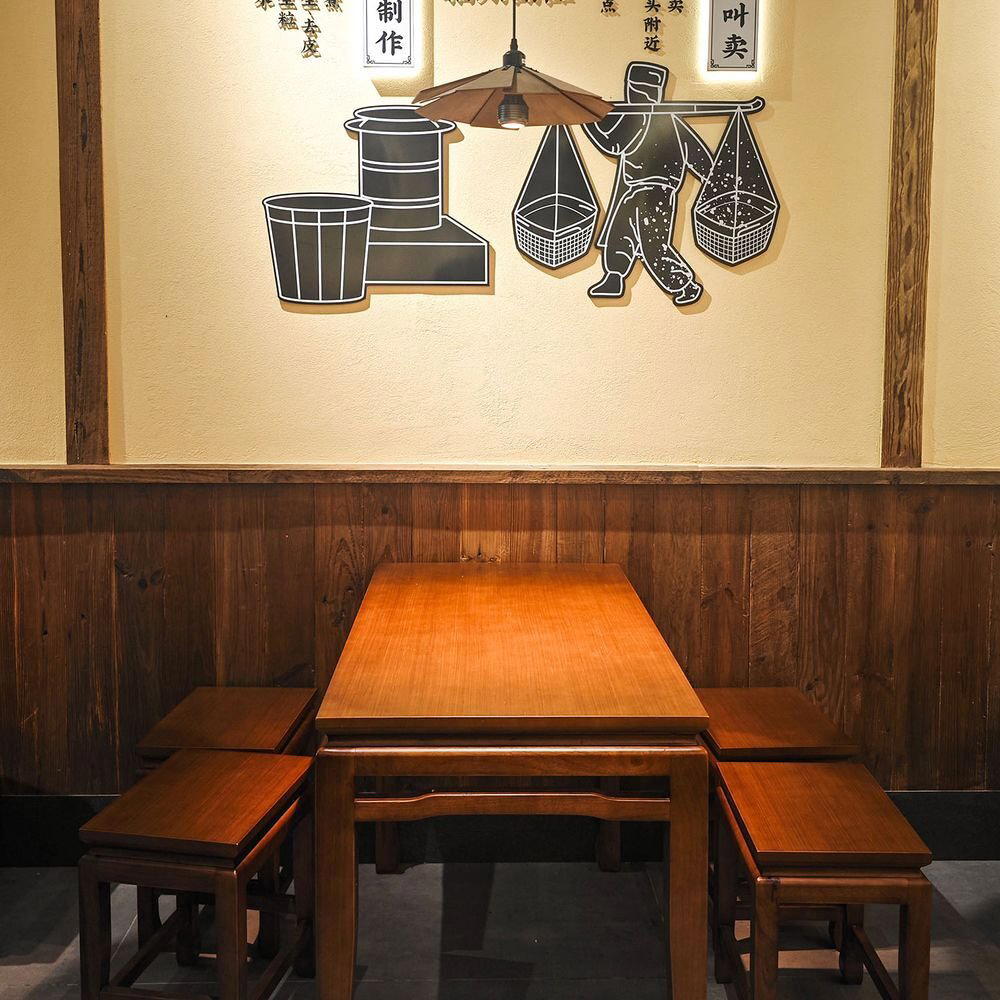
Bright yet relaxed lighting in a vast open space with cathedral ceiling, lively conversational bustle, and theatrical entrance.