

Michelin Plate · Black Pearl 1 Diamond
Our verdict
A Michelin Plate-recognised Jiangzhe restaurant on Nanjing Road (W) in Jing'An, Yong Jiang Zhen holds consecutive Michelin Plate acknowledgements in 2024 and 2025, placing it among a small group of Shanghai addresses maintaining recognition in a tradition that prizes technical restraint over spectacle. The ¥¥¥¥ price tier puts it in the upper bracket of the city's Chinese fine dining.

Pearl is the En Primeur Club membership app, where members save venues, book tables and use the concierge.
The menu
What to order
- Hairy crab ice cream
- Marinated raw white shrimp
- Pangqi crab legs
- Crab and fugu soup
- Steamed hairy crab from Yangcheng Lake
- Braised fugu skin with fish maw and yellow pepper
Nanjing Road (W) and the Weight of Jiangzhe Tradition
Nanjing Road (W) has long operated as a different commercial register from its eastern counterpart. Where Nanjing Road (E) runs through tourist-facing retail, the western stretch through Jing'An tilts toward office towers, residential blocks, and restaurants that serve a repeat local clientele rather than a passing crowd. It is the kind of address where a Jiangzhe restaurant can build the sort of consistent following that Michelin inspectors tend to notice: people who return for specific dishes rather than the novelty of a first visit. Yong Jiang Zhen occupies that position at 1111 Nanjing Road (W), carrying consecutive Michelin Plate recognition in 2024 and 2025 as external confirmation of what the neighbourhood already understood.
Jiangzhe cuisine, covering the traditions of Jiangsu and Zhejiang provinces, sits at the quieter end of Shanghai's Chinese fine dining spectrum. It does not lean on the dried-seafood intensity of Cantonese cooking or the numbing heat of Sichuan. Its signals are subtler: stock clarity, precise seasoning, the management of sweetness and salt in braised preparations, and the kind of knife work that rarely calls attention to itself. In Shanghai, where the local benbang tradition shares considerable DNA with Jiangzhe cooking, this is considered native territory rather than imported cuisine. The restaurants that do it well tend to attract the city's business dining crowd during the week and multi-generational family tables on weekends.
What the Michelin Plate Signals in This Context
The Michelin Plate, introduced as a category below the star tiers, denotes cooking that inspectors regard as good without the exceptional consistency required for a star. In a city as competitive as Shanghai, where the Michelin Guide covers a dense field of Chinese and international restaurants, maintaining consecutive Plate recognition across two editions is a meaningful credential. It places Yong Jiang Zhen in a defined peer group: restaurants that warrant a deliberate visit rather than a casual detour, but that price and position themselves differently from the starred Jiangzhe addresses such as Easeful Cuisine (Jingan) or the broader regional fine dining circuit represented by Lin Jiang Yan.
Across the wider Jiangzhe category in mainland China, the benchmark addresses include Xin Rong Ji (Xinyuan South Road) in Beijing and Xin Rong Ji in Chengdu, both operating in a heavier investment tier. Yong Jiang Zhen is not competing in that bracket, but the sustained Michelin acknowledgement suggests it is doing something technically correct within its own price and format logic.
The Lunch and Dinner Divide
In Chinese fine dining, the gap between lunch and dinner service is often more pronounced than in European restaurant formats. Lunch in this category tends to function as a business occasion or a family gathering focused on specific dishes ordered à la carte, with natural light and a more transactional rhythm. Dinner shifts the register: the same room reads differently in the evening, the pace extends, and the occasions tend toward celebration or hospitality entertaining. For Jiangzhe cooking in particular, dinner service frequently involves the kind of braised and slow-cooked preparations that benefit from full kitchen attention rather than a compressed midday service window.
At the ¥¥¥¥ price tier, Yong Jiang Zhen sits at a point where both services carry weight. Lunch at this level in Jing'An attracts corporate accounts and senior professionals who expect the full range of the kitchen's output, not a reduced set menu. Dinner draws the occasions where a table of six or eight is ordering by course logic, working through cold platters, braised mains, and fish preparations in sequence. The practical implication for visitors: lunch here is not a budget shortcut as it might be at a starred Cantonese address where a dim sum lunch undercuts a dinner tasting menu by half. The pricing pressure at this tier runs fairly level across both services.
For comparison in the Shanghai Chinese fine dining field, addresses like Shanghai Club and Dining Room operate in different cuisine categories but face the same service divide dynamic. The Jing'An neighbourhood specifically has developed a concentration of serious Chinese restaurant addresses, including Moose (Changning) in the adjacent district, that serve this dual-service, repeat-clientele model.
Jiangzhe Beyond Shanghai
Understanding Yong Jiang Zhen in context means placing Jiangzhe cooking within its regional arc. The tradition has strong representation in Nanjing, where Chi Man and Du Shi Li De Xiang Cun carry the regional standard, and in Hangzhou, where Ru Yuan operates closer to the cuisine's Zhejiang source. The broader Chinese fine dining circuit in other cities, represented by addresses like Chef Tam's Seasons in Macau, Imperial Treasure Fine Chinese Cuisine in Guangzhou, and Dai Yuet Heen in Nanjing, offers useful calibration for travellers building a broader itinerary across regional Chinese traditions.
Shanghai's version of Jiangzhe cooking absorbs some local adaptation, particularly in the use of sweetness in braised preparations and in the treatment of freshwater fish sourced from the Yangtze delta region. What distinguishes the Shanghai interpretation from the Nanjing or Hangzhou versions is partly ingredient access and partly the city's historical role as a commercial crossroads, which introduced a certain refinement and presentation consciousness that the more rustic regional forms do not always share.
Planning Your Visit
Yong Jiang Zhen is located at 1111 Nanjing Road (W), Jing'An, Shanghai, within direct reach of the Jing'An Temple metro station on Lines 2 and 7. The address places it alongside one of the district's main commercial corridors, where taxis and ride-hailing apps run with minimal wait times at most hours. Reservations: Booking ahead is advisable at this price tier, particularly for dinner on weeknights when business entertaining peaks and for weekend family-format lunches. Budget: The ¥¥¥¥ designation places per-head spend in the upper range of Shanghai's Chinese restaurant field; expect costs to track closer to the higher end of that bracket when ordering the category of braised and whole-fish preparations that define Jiangzhe menus. Awards: Michelin Plate 2024 and 2025.
For a broader orientation to eating and drinking in the city, see our full Shanghai restaurants guide, alongside guides to Shanghai hotels, Shanghai bars, Shanghai wineries, and Shanghai experiences.
What Do Regulars Order at Yong Jiang Zhen?
Jiangzhe regulars at this tier tend to anchor their orders around the cuisine's technical showcases: braised pork preparations where the quality of the stock and the management of fat and collagen over long cooking times is the real signal of kitchen competence; freshwater fish dishes, particularly those involving river eel or mandarin fish, where the Yangtze delta sourcing gives Shanghai restaurants a genuine ingredient advantage over their counterparts in other cities; and cold appetiser platters that function as the opening statement of any serious Jiangzhe meal, setting the tone for seasoning precision before the braised courses arrive. The Michelin Plate recognition across two consecutive editions suggests the kitchen maintains sufficient consistency in these preparations to satisfy the kind of repeat clientele that would notice any drop in standard.
Frequently asked questions
What price level is Yong Jiang Zhen?
Pricing at Yong Jiang Zhen is listed as ¥¥¥¥.
What distinctions does Yong Jiang Zhen have?
Yong Jiang Zhen has received recognition including: Michelin Plate (2025); Michelin Plate (2024).
What do regulars order at Yong Jiang Zhen?
At ¥¥¥¥ pricing, Yong Jiang Zhen draws an informed crowd that leans toward Jiangzhe technical centerpieces: braised pork preparations demanding precise fat-to-meat layering and extended cooking times, and freshwater fish dishes where sourcing and delicacy of seasoning carry the result. The cuisine's hallmark restraint means dishes read cleaner than Shanghainese red-braise standards, with sweet-savory ratios pulled back in favour of ingredient clarity. Regulars at this Michelin Plate level tend to treat the braised and slow-cooked courses as the kitchen's primary measure.
What's Yong Jiang Zhen's location?
Yong Jiang Zhen is located at 1111 Nanjing Rd (W), 南京西路 Jing'An, Shanghai, China, 200041, Shanghai.
Budget Reality Check
| Venue | Cuisine | Price | Awards | Notes |
|---|---|---|---|---|
| Yong Jiang ZhenThis venue (the venue you are viewing) | Jiangyin and Jiangzhe Seafood | Not listed | Michelin Plate · Black Pearl 1 Diamond | Not listed |
| Fu He Hui | Modern Seasonal Vegetarian Fine Dining | $200–300 | 2 Michelin Stars · World's 50 Best #11 | Vegetarian |
| Ming Court | Cantonese with Shanghainese Influences | $30–50 | 1 Michelin Star · Black Pearl 1 Diamond | Cantonese |
| Polux | French Bistro | $30–50 | Michelin Bib Gourmand | French |
| Royal China Club | Cantonese Dim Sum | $100–150 | Michelin Plate · The Good Food Guide GFG Good | Chinese, Cantonese |
| Scarpetta | Refined Italian Pasta & Pizza | $50–100 | Michelin Plate · Wine Spectator Best of Award of Excellence | Italian |
Recognition history
Dated appearances from independent guides and award organizations, with the underlying list record or original source where available.
Michelin Plate
Michelin
Black Pearl 1 Diamond
Black Pearl
Full recognition history (4 entries)
Michelin Plate
Michelin
Michelin Plate
Michelin
Continue exploring
More in Shanghai
Restaurants in Shanghai
All restaurants in Shanghai →
Bars in Shanghai
All bars in Shanghai →
Details
- Classic
- Elegant
- Sophisticated
- Business Dinner
- Special Occasion
- Private Event
- Private Dining
- Historic Building
- Standalone
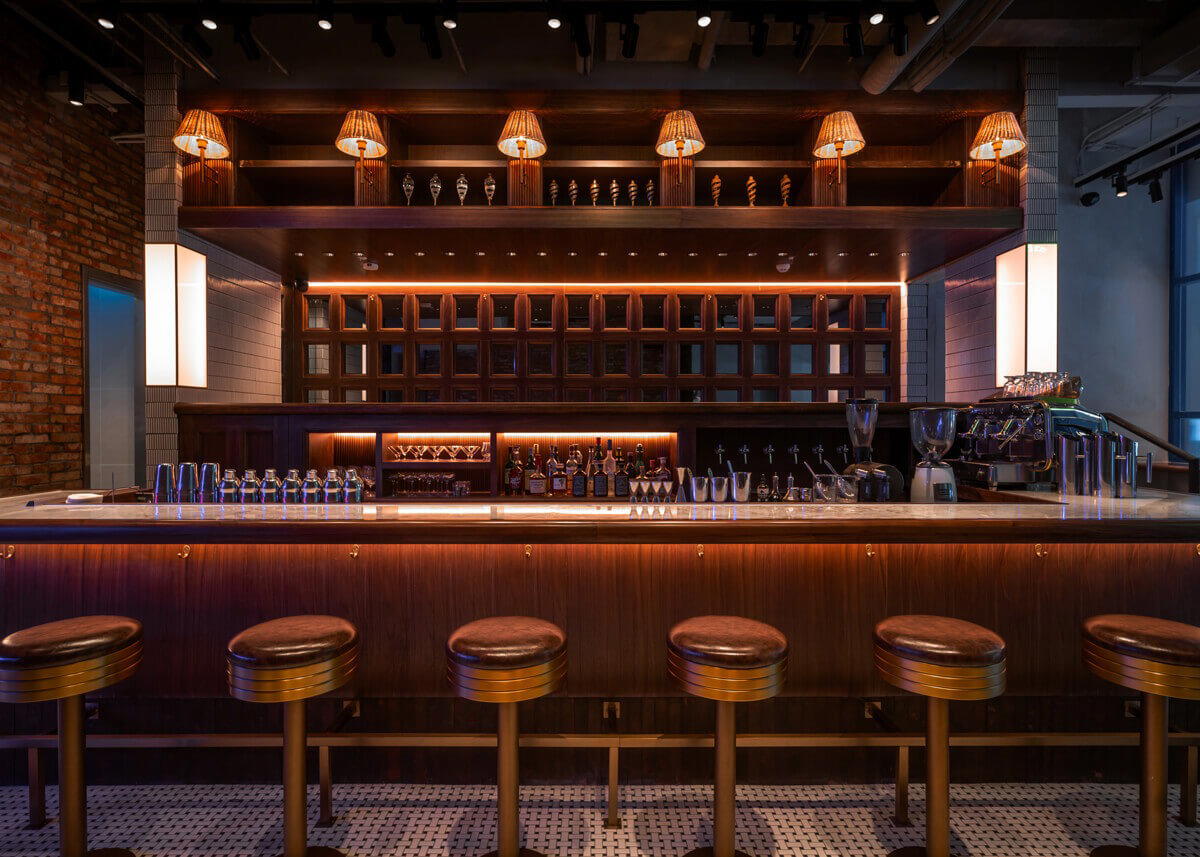
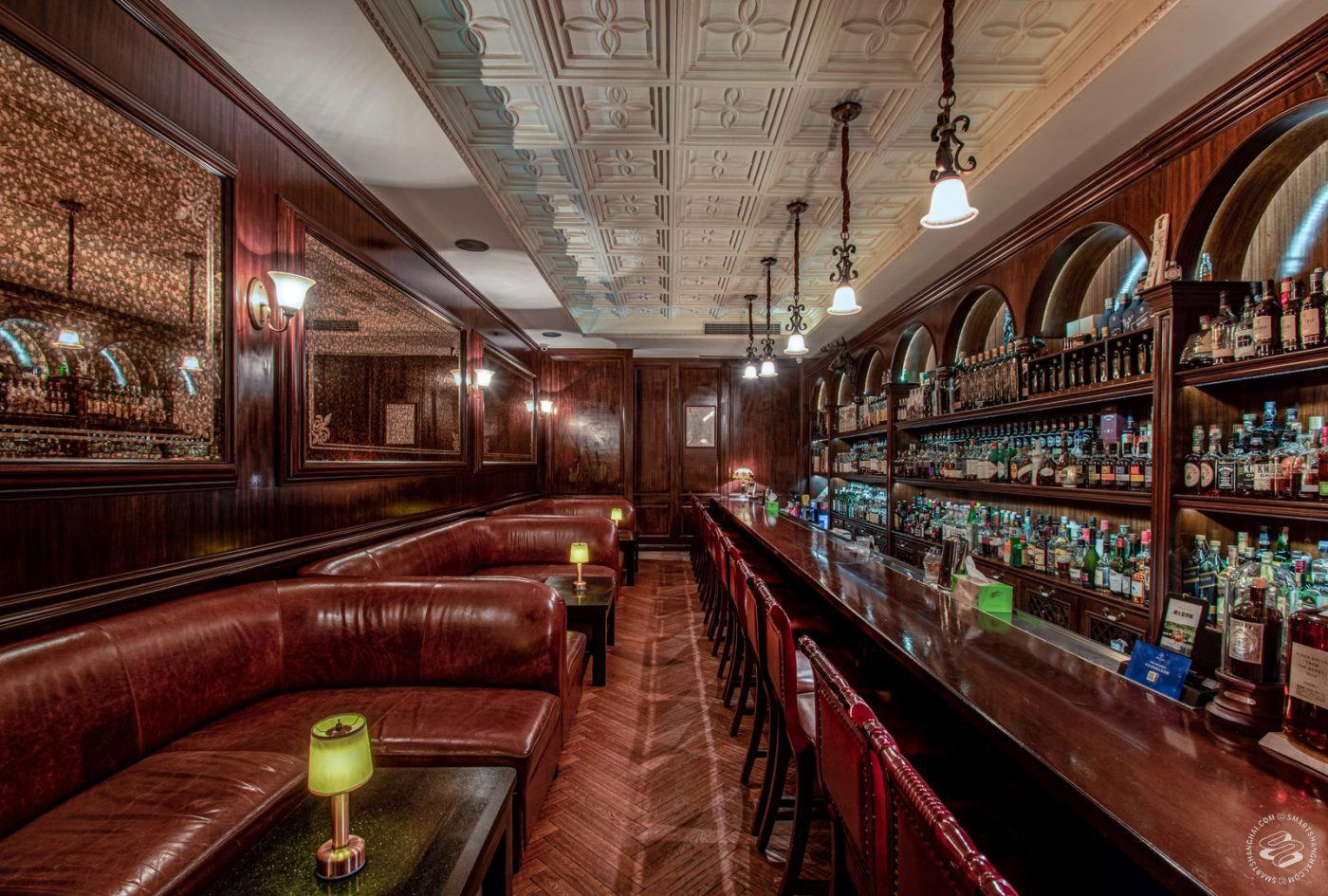
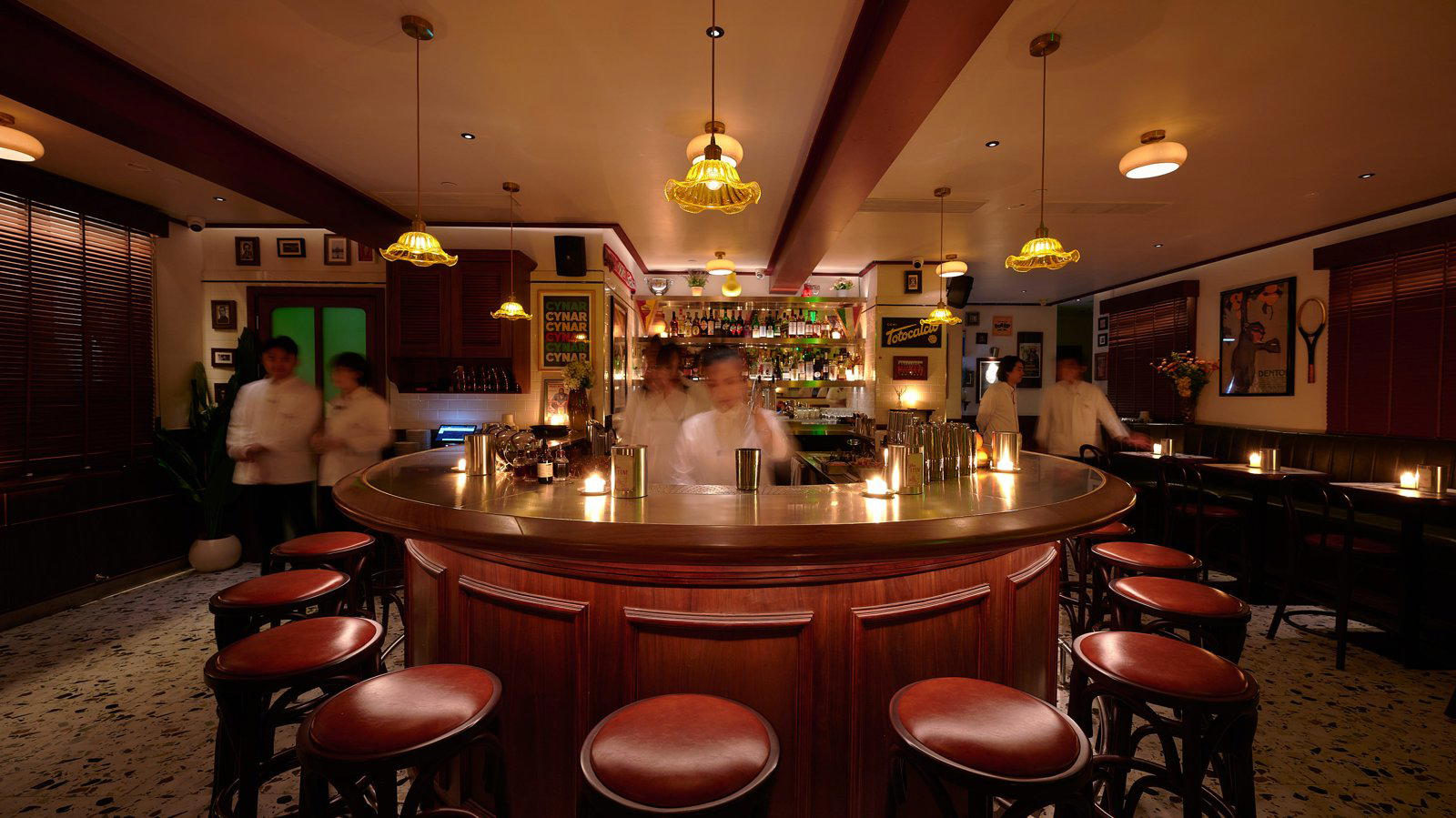
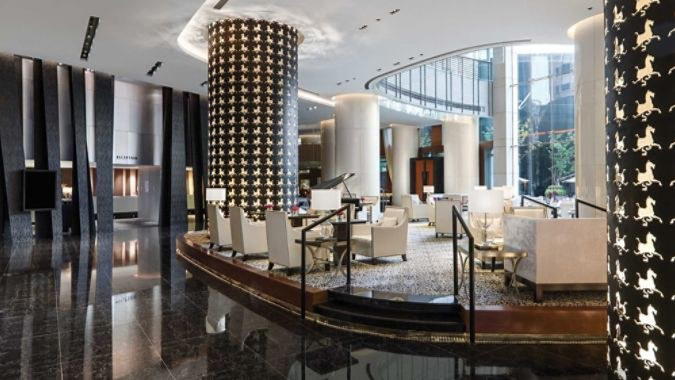
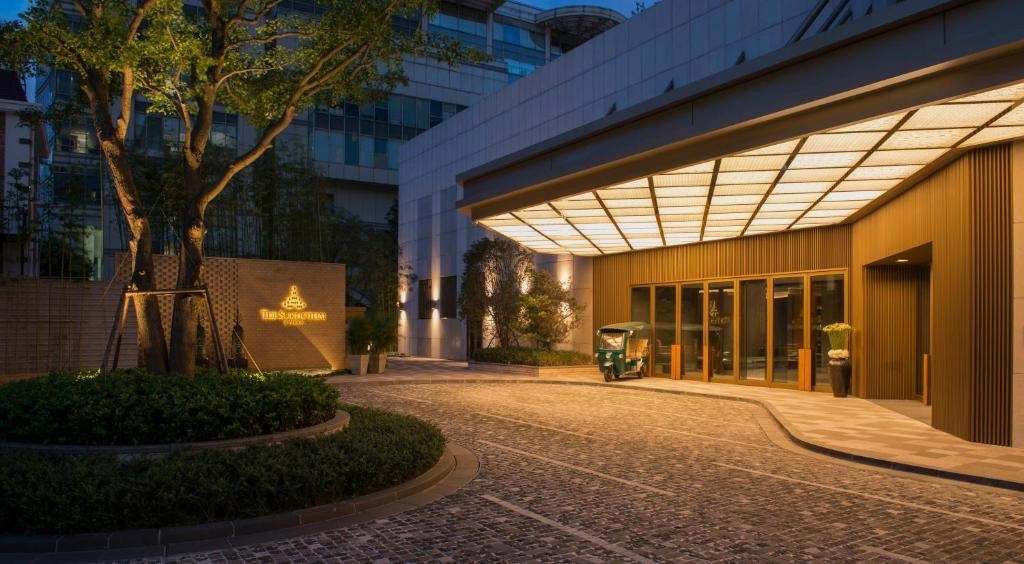
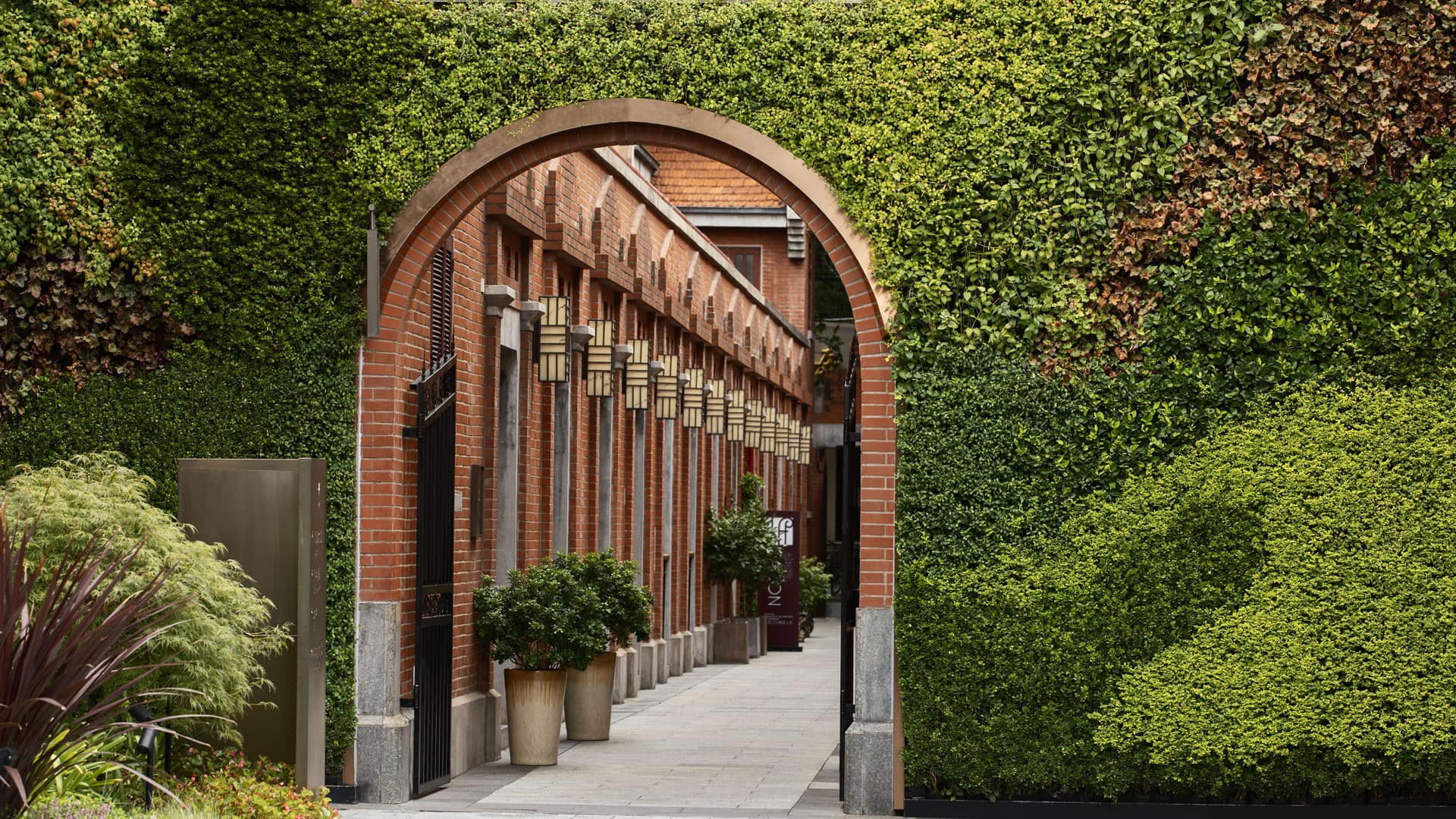
Retro glamour in a historic mansion setting, with private rooms creating a polished and secluded dining atmosphere.