Michelin Plate · Black Pearl 1 Diamond
Our verdict
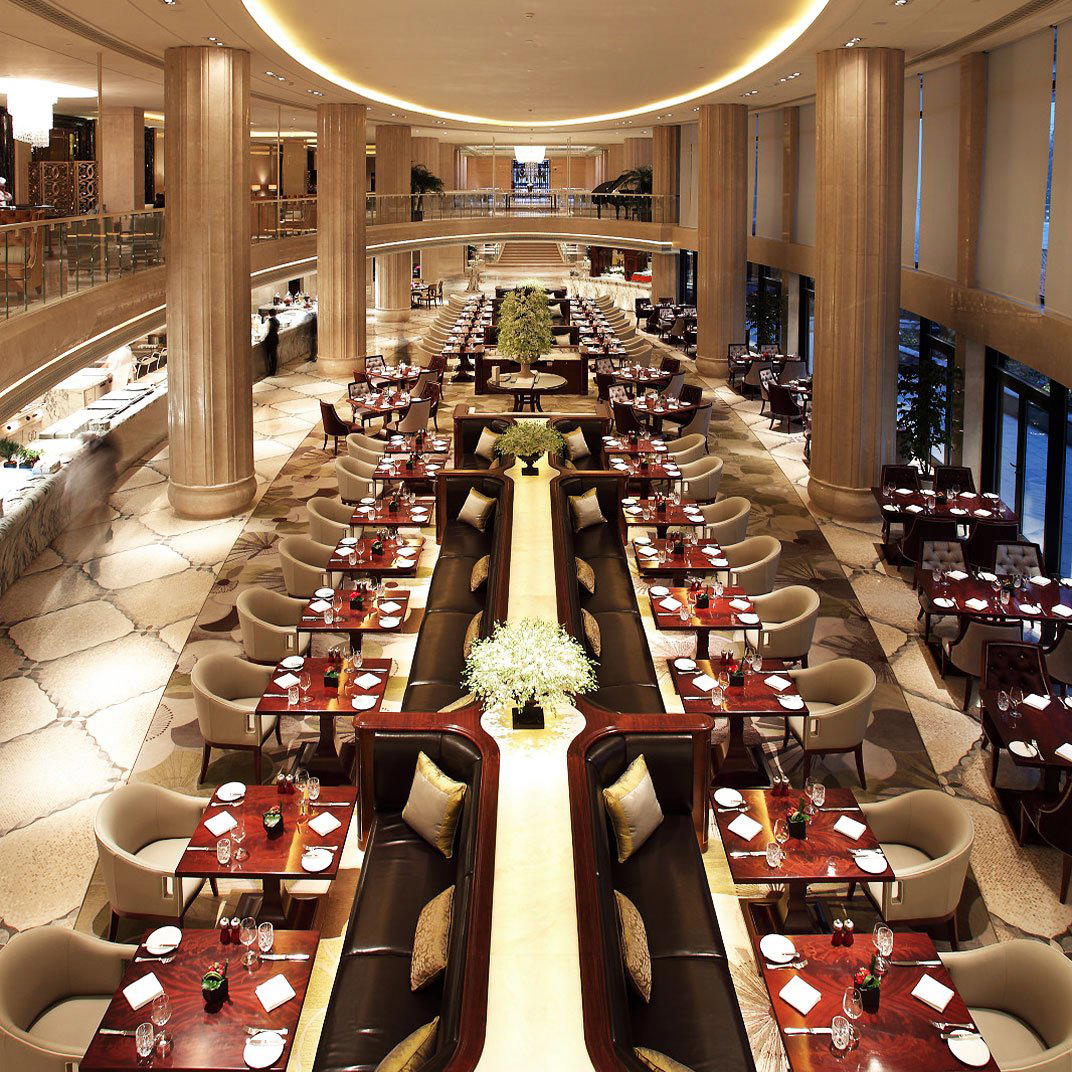
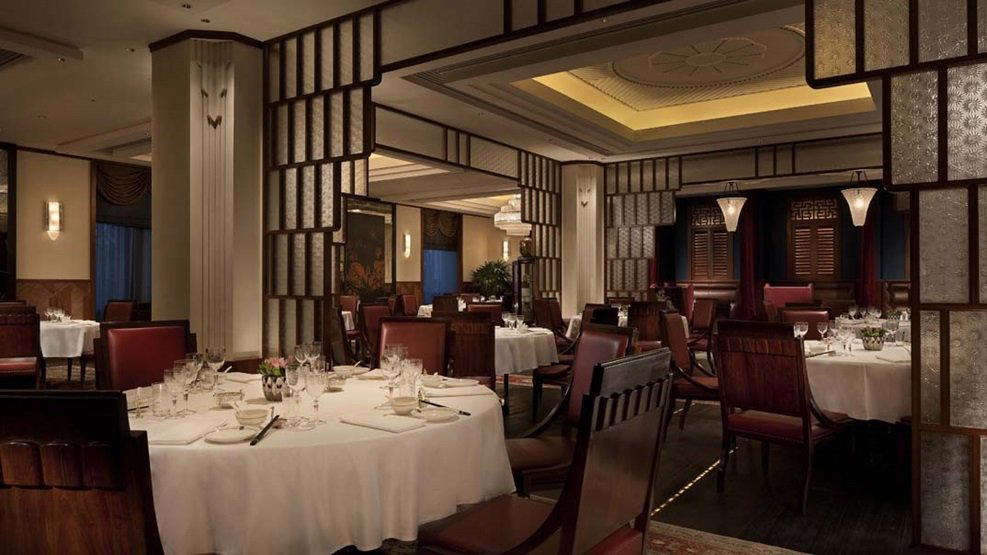
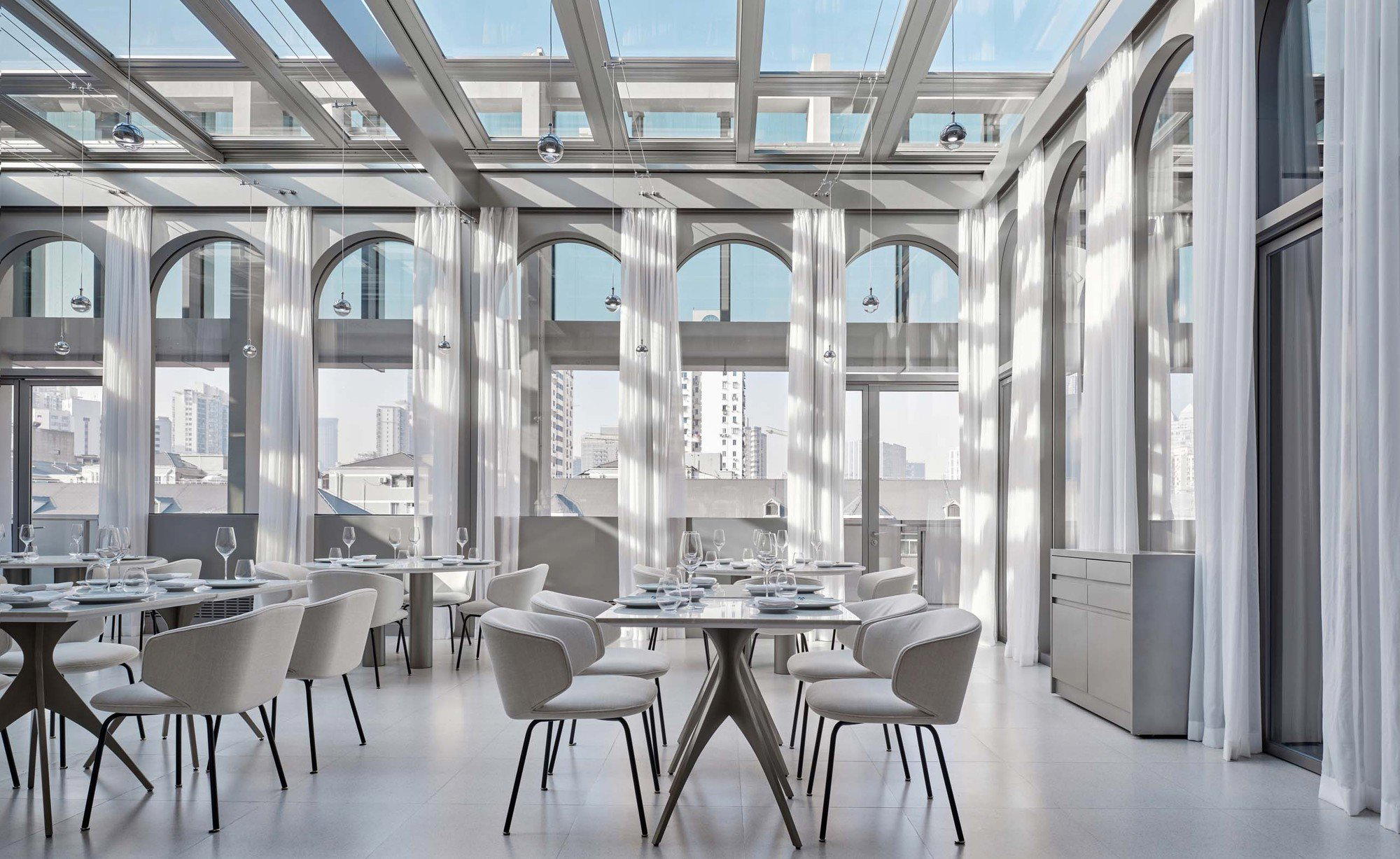
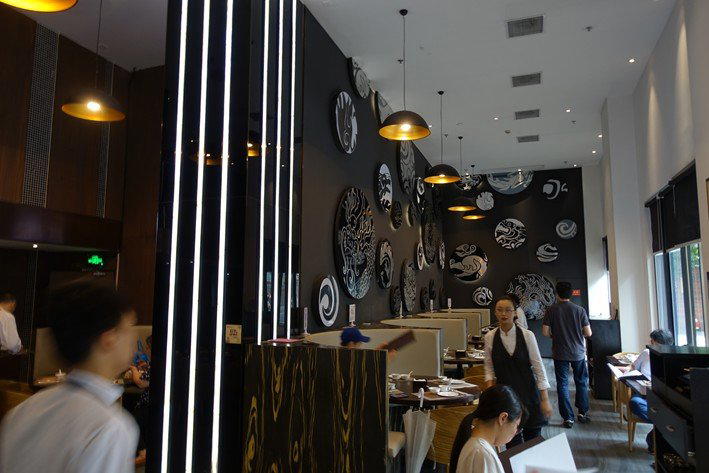
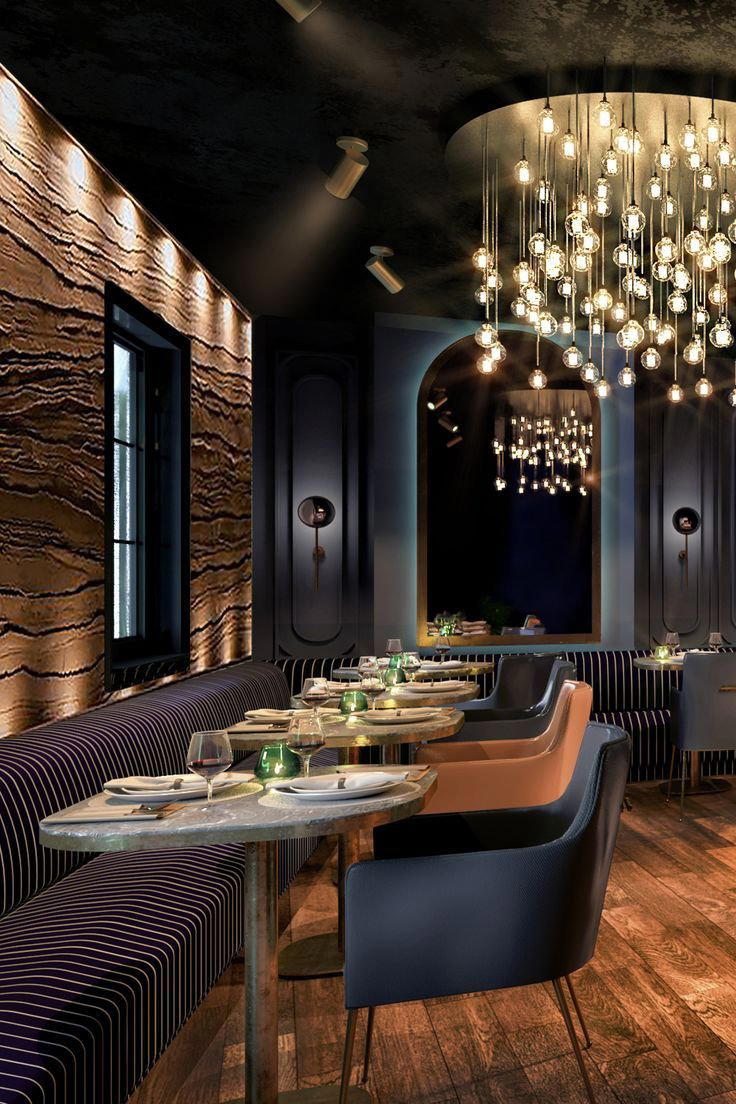
On Huashan Road in Jing'an, Dining Room occupies a high-ceilinged space with full-length windows and booth seating that pulls the room toward something close to a private residence. The kitchen works within the Jiangzhe canon but pushes into less-charted territory: steamed belt fish with fermented grains sits alongside precisely pleated xiao long bao. A Black Pearl 1 Diamond (2025) and Michelin Plate (2024) confirm its standing in Shanghai's mid-to-upper Chinese dining tier.

Pearl is the En Primeur Club membership app, where members save venues, book tables and use the concierge.
The menu
What to order
- Xiao long bao
- Steamed belt fish with fermented grains
- Basil eggplant and scallops
- Black pepper marbled beef
A Jing'an Room That Earns Its Formality
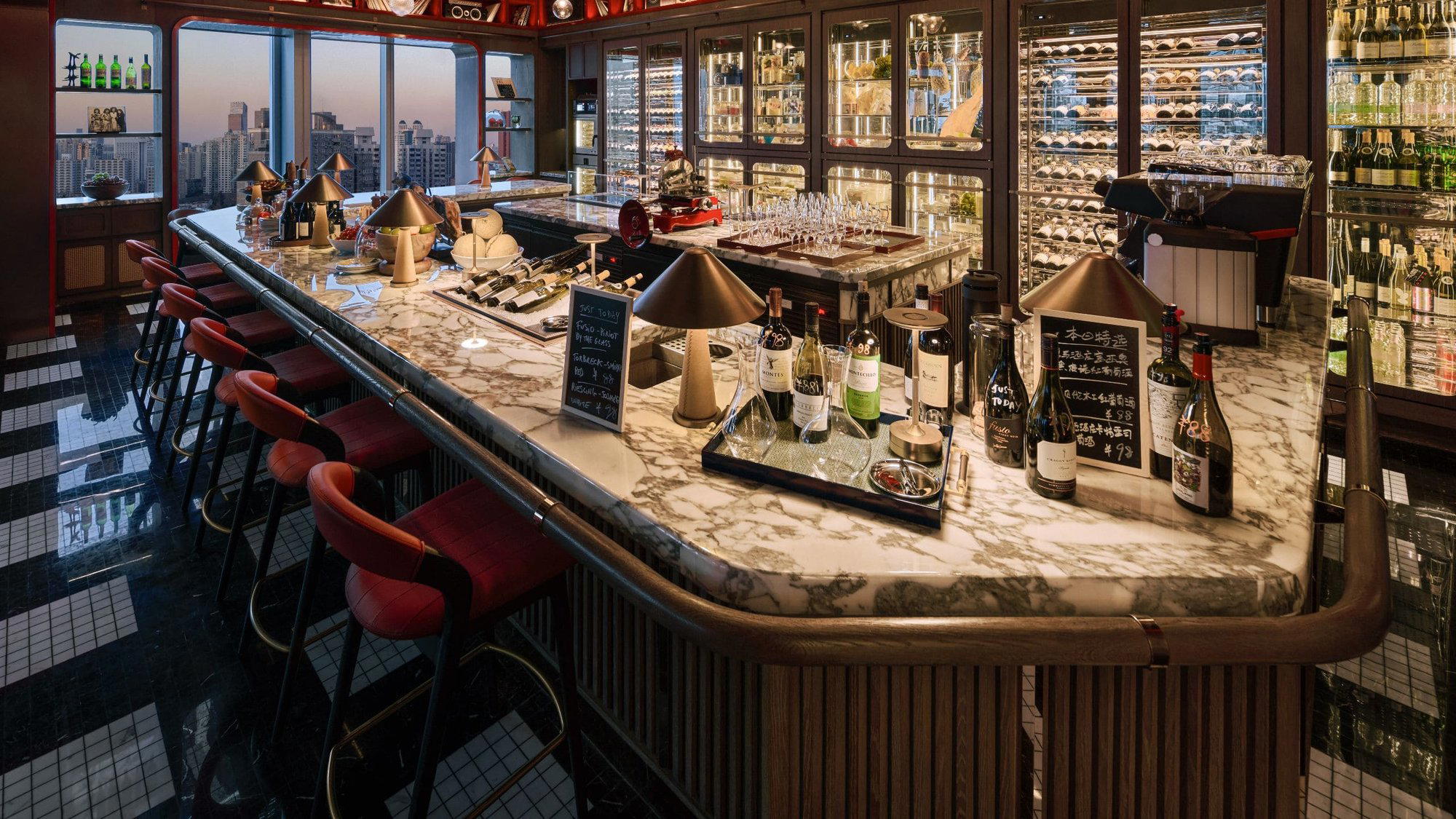
Huashan Road in Jing'an runs through one of Shanghai's more quietly residential stretches, lined with French Concession-era plane trees and a mix of local institutions and long-standing neighbourhood restaurants. At number 480, Dining Room sets its register early: high ceilings, full-length windows, and booth seating that gives the space the feel of a well-kept private dining room rather than a production-scale banquet hall. The warm lighting and home-style furniture push against the formality that the name might imply. The room is generous in scale but composed in its proportions, the kind of space where the noise level stays low enough for conversation and the sightlines reward the occupants of almost every seat.
In Shanghai's crowded field of Jiangzhe restaurants, the mid-to-upper price tier, represented here by the ¥¥¥ bracket, is where the genre's credibility has concentrated over the past decade. Jiangzhe cuisine draws from Jiangsu and Zhejiang provinces, two culinary traditions that share a preference for fresh ingredients treated with restraint: light, often sweet-adjacent seasoning, precise knife work, and a respect for the primary flavour of a given ingredient rather than layering over it. For diners accustomed to the bolder registers of Sichuan or Cantonese, Jiangzhe cooking can read as subtle to the point of understatement. At its finest, that subtlety is the point.
Where the Menu Departs from Convention
Jiangzhe kitchens operate within a well-documented canon: xiao long bao, braised pork belly, fish in rice wine sauce, crab preparations in season. What distinguishes one credible kitchen from another at this level is less about whether the classics appear and more about what surrounds them. Dining Room places recognisable staples alongside dishes that are, by the venue's own framing, rarely found at comparable addresses. Steamed belt fish with fermented grains is one such example: belt fish, known in Mandarin as daiyu, is a long, flat fish common in Zhejiang cooking, but the pairing with fermented grain adds a depth and slight bitterness that moves the preparation away from the straightforwardly delicate and toward something more layered.
The xiao long bao merit specific attention. In a city where the dumpling form is benchmarked at nearly every Chinese restaurant and where certain addresses have made a near-industry of the format, well-executed xiao long bao remain a reliable measure of kitchen discipline. The version here is described as nicely pleated with umami-loaded soupy filling, language that points to a kitchen that has not deprioritised the fundamentals in pursuit of novelty. The appetiser selection is also flagged as a reason to arrive with appetite and time to work through the menu's early courses.
Recognition and Where It Places the Restaurant
Dining Room holds a Black Pearl 1 Diamond for 2025 and a Michelin Plate for 2024. These two designations operate in different frameworks. The Black Pearl Guide, launched by Meituan in 2018, has developed into a meaningful parallel system for Chinese restaurant recognition, with its own methodology and a strong weighting toward Chinese culinary traditions, making it particularly relevant for Jiangzhe addresses that might sit differently within Michelin's European-origin framework. A 1 Diamond in the Black Pearl system places Dining Room in the guide's entry-level recognition tier, confirming it as a kitchen with consistent credentials rather than a neighbourhood convenience. The concurrent Michelin Plate recognition in 2024 indicates Michelin's inspectors found the cooking notable, placing it in the tier below star recognition but inside the guide's considered recommendations.
For comparative context: across the broader Chinese fine dining field in major mainland cities, the combination of Black Pearl and Michelin recognition at equivalent price points is increasingly the baseline for a serious dining address. Within Shanghai, Jiangzhe restaurants occupy a specific niche: they compete less directly with the city's Cantonese fine dining addresses or with the international restaurants concentrated in the Bund area, and more with a smaller cohort of regionally focused kitchens where provenance and technique are the primary measures. Venues such as Easeful Cuisine in Jingan and Lin Jiang Yan occupy adjacent positions in this tier, while Yong Jiang Zhen and Shanghai Club represent different points on the city's Chinese dining spectrum. Moose in Changning takes a different direction entirely, illustrating how varied the broader Shanghai dining proposition has become.
The Floor as Part of the Proposition
At mid-to-upper price points in Chinese fine dining, the division of labour between kitchen and floor has shifted noticeably in the last several years. The dining room experience is increasingly understood as a coordinated effort, not simply a delivery mechanism for what arrives from the kitchen. In Shanghai's more considered Chinese restaurants, this means front-of-house teams that can narrate regional context for dishes, manage pacing across a multi-course table, and make the case for a menu that might include unusual preparations like fermented grain applications to unfamiliar diners. The physical room at Dining Room supports this: booth seating and low noise levels are not incidental design choices. They create conditions where the interaction between table and floor is possible without effort, and where the menu's less familiar sections can be explained rather than merely listed.
This dynamic is visible across the genre at comparable addresses in other Chinese cities. At Xin Rong Ji on Xinyuan South Road in Beijing and Xin Rong Ji in Chengdu, both operating in the Jiangzhe tradition with higher recognition tiers, the floor function has become central to the proposition. At Chef Tam's Seasons in Macau and Ru Yuan in Hangzhou, the format similarly depends on service that contextualises rather than simply presents. Further down the coast, Imperial Treasure Fine Chinese Cuisine in Guangzhou and addresses like Dai Yuet Heen in Nanjing, Chi Man in Nanjing, and Du Shi Li De Xiang Cun in Nanjing show how the Jiangzhe tradition anchors restaurant culture across a wide geography.
Planning a Visit
Dining Room sits at 480 Huashan Road in the Jing'an district, a direct address to reach by metro or taxi from central Shanghai. The ¥¥¥ price range positions it above the city's casual Jiangzhe options and in the same bracket as other credibly recognised Chinese restaurants operating at a similar level of seriousness. Based on current recognition and the specificity of its menu positioning, this is a restaurant where the appetiser course warrants dedicated attention: the menu moves between classics executed with care and less common regional preparations, so arriving without a tight agenda gives the leading return. For anyone building a wider picture of what Shanghai's dining scene currently looks like, our full Shanghai restaurants guide covers the full range. The Shanghai hotels guide, bars guide, wineries guide, and experiences guide complete the broader city picture.
Frequently asked questions
How much does it cost to eat at Dining Room?
Pricing at Dining Room is listed as ¥¥¥.
What cuisine category does Dining Room fall under?
What kind of recognition has Dining Room received?
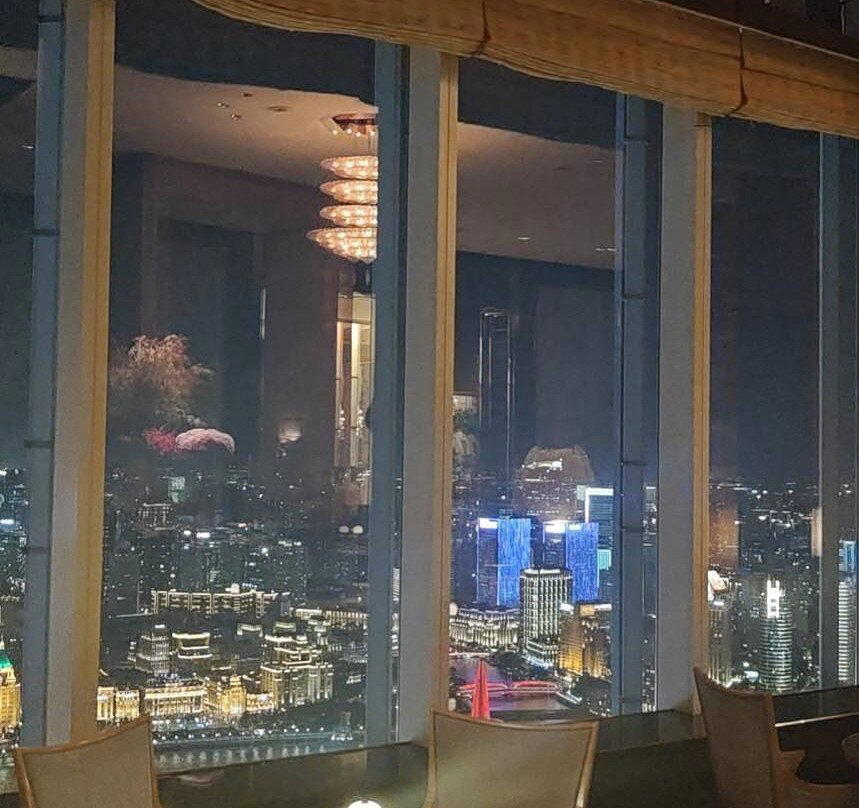
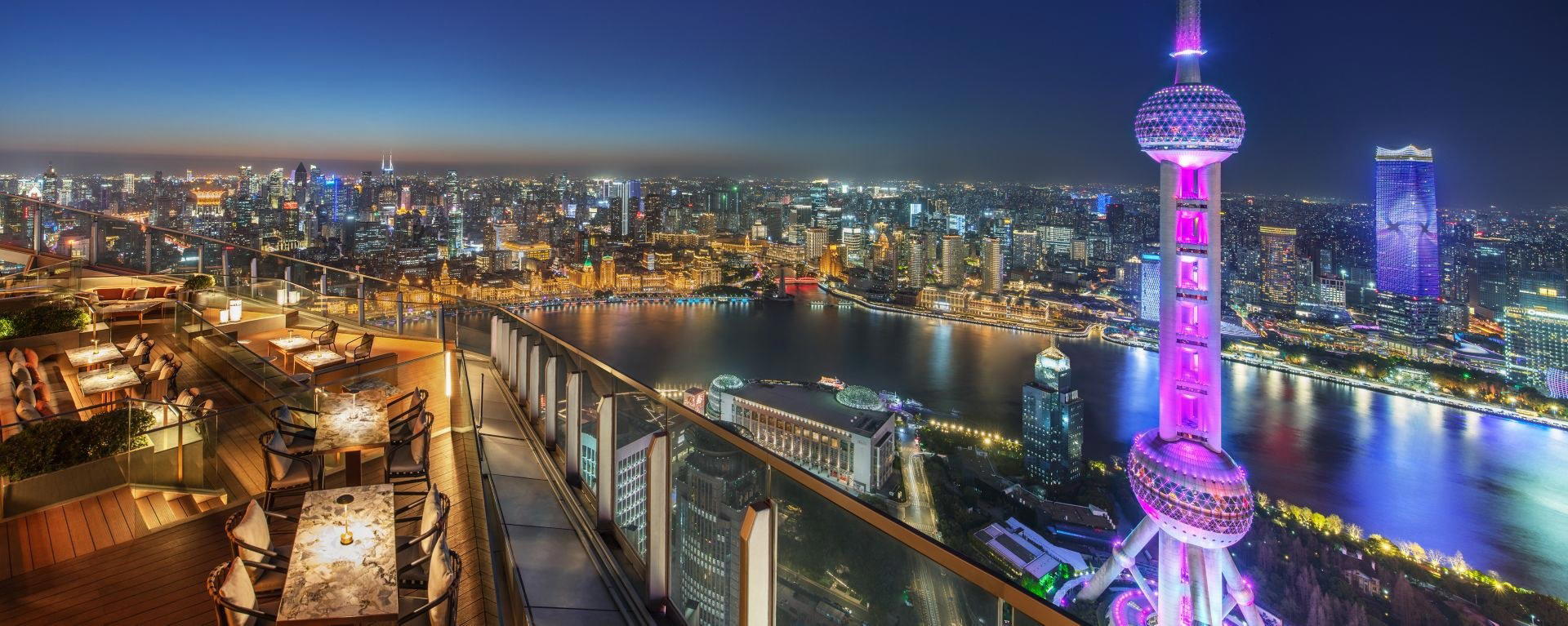
Dining Room has received recognition including: This high-ceilinged room with full-length windows affords panoramic river views, while the home-style furniture, warm lighting and booth seating make for a cosy feel. On the menu, Jiangzhe classics meet creative recipes that are rarely foun….
What's the best thing to order at Dining Room?
The xiao long bao are a reference point: tightly pleated with a filling that carries real depth of flavour. Beyond the dumplings, the steamed belt fish with fermented grains is a dish rarely found on Jiangzhe menus elsewhere, it's the kind of preparation that separates Dining Room from more conventional regional kitchens. The appetiser selection also draws attention from regulars and critics, reflected in the restaurant's Black Pearl 1 Diamond recognition for 2025.
Where the Accolades Land
| Venue | Cuisine | Price | Awards | Notes |
|---|---|---|---|---|
| Dining RoomThis venue (the venue you are viewing) | Modern Shanghainese & Zhejiang Cuisine | $50–100 | Michelin Plate · Black Pearl 1 Diamond | Not listed |
| Fu He Hui | Modern Seasonal Vegetarian Fine Dining | $200–300 | 2 Michelin Stars · World's 50 Best #11 | Vegetarian |
| Ming Court | Cantonese with Shanghainese Influences | $30–50 | 1 Michelin Star · Black Pearl 1 Diamond | Cantonese |
| Polux | French Bistro | $30–50 | Michelin Bib Gourmand | French |
| Royal China Club | Cantonese Dim Sum | $100–150 | Michelin Plate · The Good Food Guide GFG Good | Chinese, Cantonese |
| Scarpetta | Refined Italian Pasta & Pizza | $50–100 | Michelin Plate · Wine Spectator Best of Award of Excellence | Italian |
Recognition history
Dated appearances from independent guides and award organizations, with the underlying list record or original source where available.
Michelin Plate
Michelin
Black Pearl 1 Diamond
Black Pearl
Full recognition history (5 entries)
Black Pearl 1 Diamond
Black Pearl
Michelin Plate
Michelin
Michelin Plate
Michelin