Michelin Plate · Black Pearl 1 Diamond
Our verdict
Lin Jiang Yan brings Jiangzhe cuisine to Pudong's Fucheng Road with consecutive Michelin Plate recognition in 2024 and 2025, alongside a Black Pearl 1 Diamond award. The kitchen works within one of China's most technically demanding regional traditions, balancing the restrained sweetness of Jiangnan cooking with the precision that earns institutional recognition. At the ¥¥¥ price point, it sits in a tier where craft and consistency are the baseline expectation.

Pearl is the En Primeur Club membership app, where members save venues, book tables and use the concierge.

The menu
What to order
- Fukubukuro Yanduxian
- West Lake Vinegar Fish
- Braised Lion’s Head
Pudong's Quieter Register
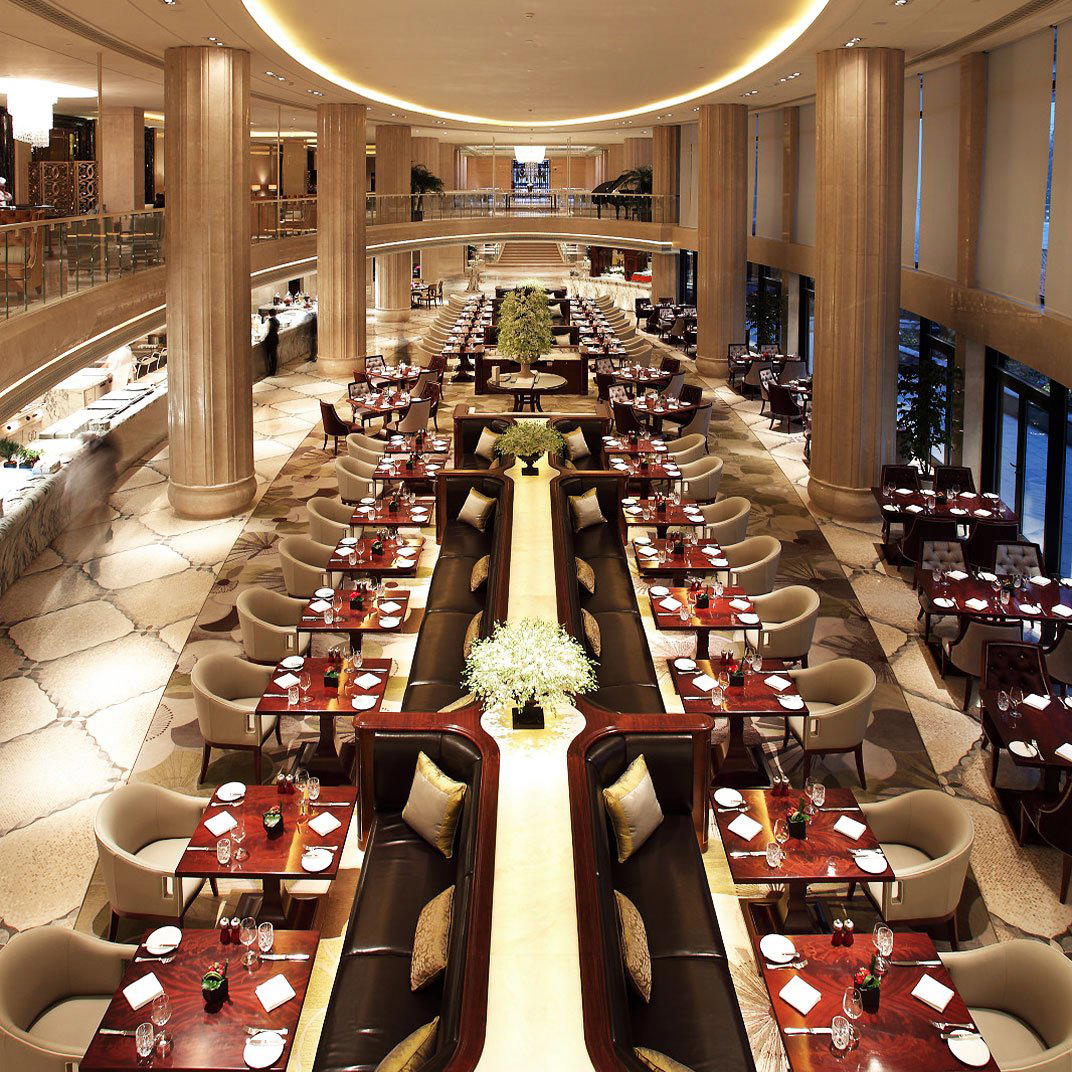
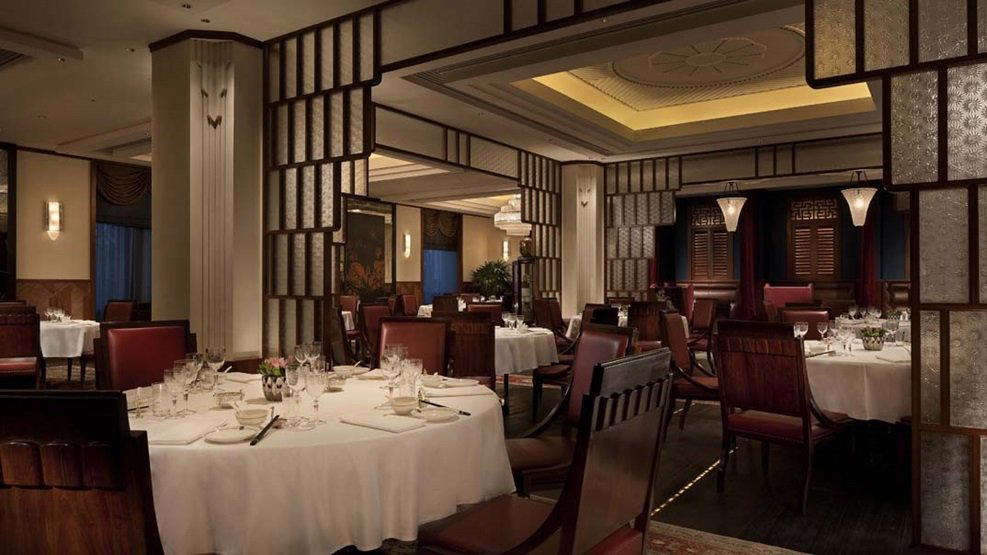
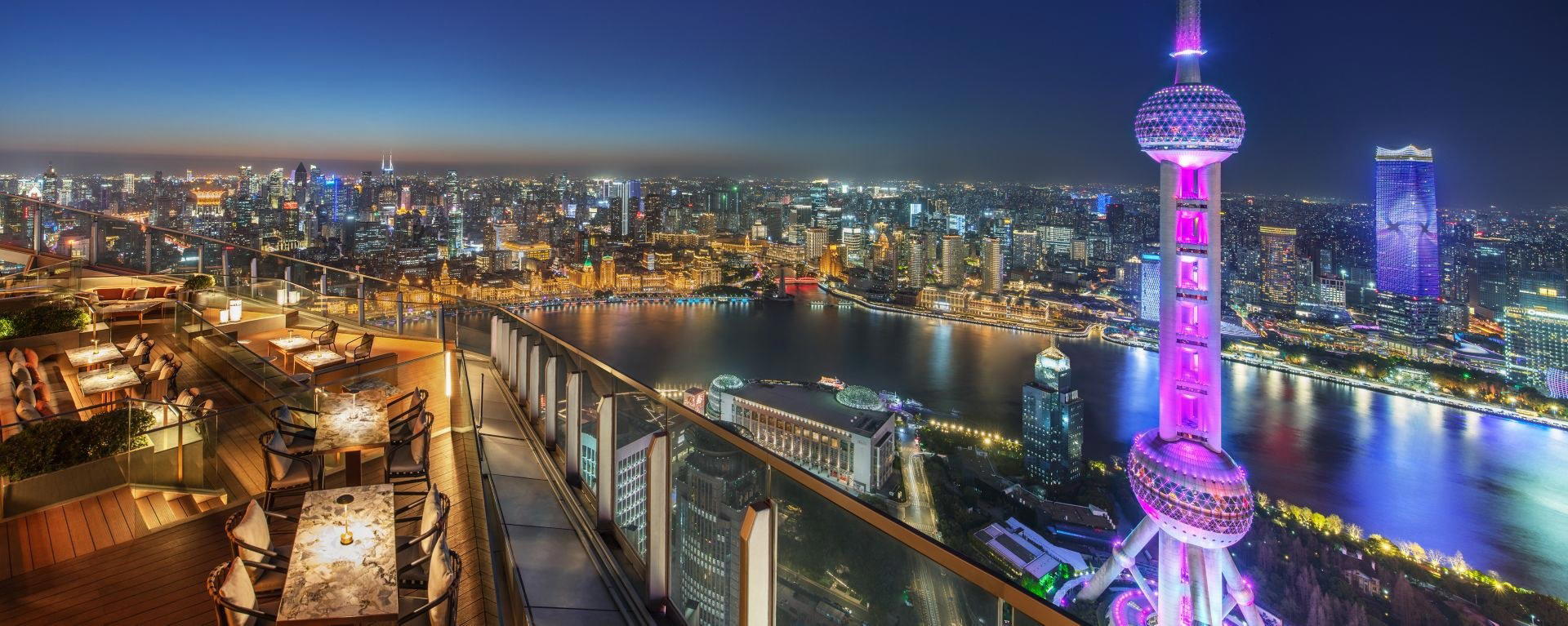
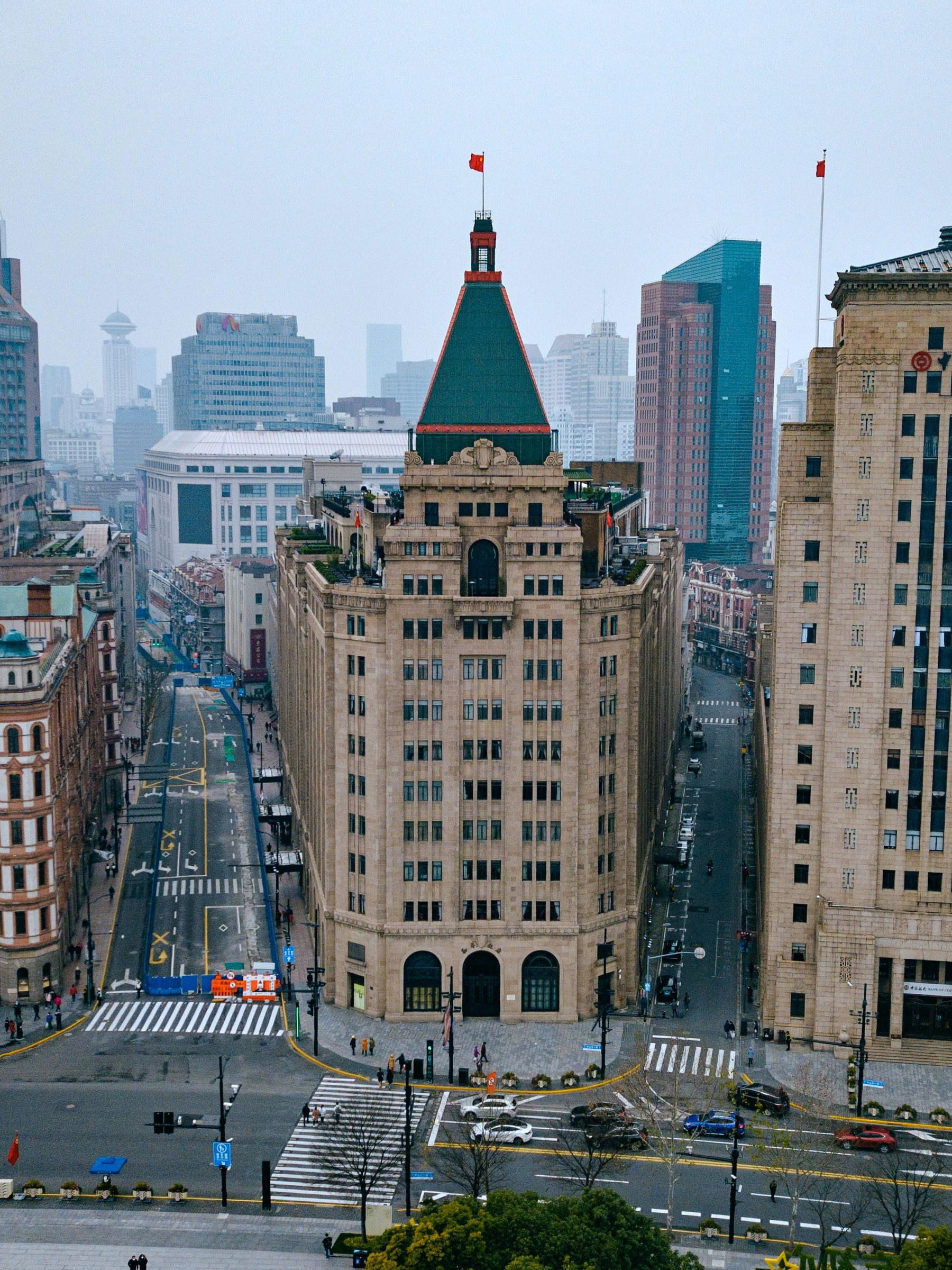
Fucheng Road in Pudong does not compete with the Bund for atmosphere. The street runs through a district built around finance and infrastructure, where the dining scene has historically played second fiddle to the towers that define it. That context matters when reading Lin Jiang Yan: a restaurant holding both a Michelin Plate and a Black Pearl 1 Diamond on this side of the Huangpu is operating against a different set of expectations than its counterparts in Jing'an or Huangpu. The address at 216 Fucheng Road positions it as a destination rather than a neighbourhood walk-in, which changes how it performs and who it draws.
Pudong's institutional dining scene has long skewed toward hotel restaurants and large banquet formats serving the business community. Standalone fine-dining in the Jiangzhe register is a smaller category here, which makes recognition by two separate critical bodies in the same calendar year a more pointed signal. The Michelin Plate, sustained across 2024 and 2025, indicates consistent cooking quality at a level the guide considers worth noting. The Black Pearl 1 Diamond, issued by Meituan's independent Chinese dining guide, adds a local credibility layer that Michelin alone cannot fully supply in a market where Chinese critical opinion carries its own weight.
What Jiangzhe Cuisine Asks of a Kitchen
Jiangzhe cuisine, drawing from the provinces of Jiangsu and Zhejiang, is frequently the most misread of China's major regional traditions by visitors accustomed to the bolder registers of Sichuan or Cantonese cooking. The style prizes subtlety: restrained sweetness from Shaoxing wine, precise control of braising times, and a commitment to showcasing the natural character of freshwater fish, seasonal vegetables, and cured meats. Getting it right in a restaurant setting is technically demanding precisely because there is nowhere to hide. A dish like hongshao rou, red-braised pork belly, asks the kitchen to achieve collagen-rich tenderness without cloying fat, a balance that separates competent execution from genuine command of the tradition.
Shanghai's relationship with Jiangzhe cooking runs deep. The city sits at the cultural and geographic centre of the Jiangnan region, and its own benbang cuisine shares significant DNA with the broader Jiangzhe framework. For a restaurant to earn sustained critical recognition in this tradition in Shanghai, it must satisfy an audience that grew up eating this food at home, which is a harder standard than impressing visitors arriving from outside the region. That local anchoring is part of what the dual recognition at Lin Jiang Yan implies about the kitchen's baseline competence.
For comparable approaches to Jiangzhe cooking in other cities, Chi Man in Nanjing and Du Shi Li De Xiang Cun in Nanjing represent the tradition from within its historical heartland, while Ru Yuan in Hangzhou operates closer to the Zhejiang source. The Shanghai expression at Lin Jiang Yan reflects the city's own inflection of the tradition, which tends toward slightly more refinement in presentation and a dining room register calibrated to an urban professional audience.
Where This Sits in Shanghai's ¥¥¥ Chinese Dining Tier
At ¥¥¥, Lin Jiang Yan occupies a pricing band shared by a range of serious Chinese and international restaurants across the city. Within the Chinese dining category specifically, this tier demands a level of sourcing and kitchen discipline that separates it from casual regional options.
Shanghai's broader Chinese dining scene at this price point has diversified considerably. Cantonese remains well-represented, but regionally specific traditions such as Jiangzhe have found firmer footing as diners have grown more interested in the distinctions between regional Chinese cooking styles rather than treating Chinese cuisine as a single category. That trend benefits a restaurant with a clear stylistic identity. Lin Jiang Yan's positioning as a Jiangzhe specialist in Pudong gives it a defined lane in a market where generalism is the easier commercial choice.
For readers comparing options across Shanghai's Chinese dining spectrum, Yong Jiang Zhen and Easeful Cuisine in Jing'an represent different points on the city's map of Chinese regional cooking. The Dining Room and Shanghai Club offer reference points from the international end of the same price tier, while Moose in Changning reflects the city's appetite for non-Chinese formats at comparable spend levels. For those coming from outside China, the Jiangzhe tradition also has strong representation at Xin Rong Ji in Beijing and Xin Rong Ji in Chengdu, both of which help frame how the cuisine travels and adapts across different Chinese cities.
Reading the Awards in Context
The combination of a Michelin Plate and a Black Pearl 1 Diamond is worth unpacking. Michelin's Plate designation, introduced to acknowledge cooking quality below the star tier, is a quality signal rather than a ranking. It tells you the food is worth your attention without placing the restaurant in the star hierarchy. The Black Pearl guide, which operates as a specifically Chinese critical framework with its own panel and methodology, applies a diamond system where 1 Diamond already represents a meaningful threshold of recognition. Holding both in 2025 indicates that Lin Jiang Yan performs credibly across two distinct critical frameworks, one international and one domestic, which together offer a fuller picture than either alone.
For regional comparison within the broader Chinese fine-dining circuit, Imperial Treasure Fine Chinese Cuisine in Guangzhou, Chef Tam's Seasons in Macau, and Dai Yuet Heen in Nanjing each carry comparable institutional recognition in their respective markets, providing useful benchmarks for how Lin Jiang Yan fits within the wider range of formally recognised Chinese regional dining.
Planning Your Visit
- Address: 216 Fucheng Road, Pudong, Shanghai 200120
- Cuisine: Jiangzhe (Jiangsu-Zhejiang regional Chinese)
- Price range: ¥¥¥
- Awards: Michelin Plate 2024 and 2025; Black Pearl 1 Diamond 2025
- Getting there: Pudong's Fucheng Road is accessible via the Lujiazui metro area; allow additional time if crossing from Puxi during peak hours
- Booking: Contact details not publicly listed at time of writing; reservations are advisable given the recognition profile
- Leading for: Readers with a specific interest in Jiangzhe cooking, business dining in Pudong, or those benchmarking regionally recognised Chinese restaurants across China's major cities
Frequently asked questions
How much does it cost to eat at Lin Jiang Yan?
Pricing at Lin Jiang Yan is listed as ¥¥¥.
What style of cooking does Lin Jiang Yan do?
Has Lin Jiang Yan won any awards?
Lin Jiang Yan has received recognition including: Michelin Plate (2025); Black Pearl 1 Diamond (2025); Michelin Plate (2024).
What's the must-try dish at Lin Jiang Yan?
Specific menu items are not publicly listed for Lin Jiang Yan, which is consistent with many ¥¥¥ Jiangzhe restaurants that rotate dishes seasonally. Jiangzhe cooking from Jiangsu and Zhejiang provinces is built around braised preparations, freshwater fish, and restrained seasoning, so those categories represent the kitchen's structural strengths. The 2025 Michelin Plate and Black Pearl 1 Diamond recognitions suggest the cooking holds up to scrutiny across the menu rather than depending on a single signature. Ask the front-of-house team on arrival for the day's recommended preparations.
Pricing, Compared
| Venue | Cuisine | Price | Awards | Notes |
|---|---|---|---|---|
| Lin Jiang YanThis venue (the venue you are viewing) | Modern Jiangzhe Cuisine | $50–100 | Michelin Plate · Black Pearl 1 Diamond | Not listed |
| Fu He Hui | Modern Seasonal Vegetarian Fine Dining | $200–300 | 2 Michelin Stars · World's 50 Best #11 | Vegetarian |
| Ming Court | Cantonese with Shanghainese Influences | $30–50 | 1 Michelin Star · Black Pearl 1 Diamond | Cantonese |
| Polux | French Bistro | $30–50 | Michelin Bib Gourmand | Not listed |
| Royal China Club | Cantonese Dim Sum | $100–150 | Michelin Plate · The Good Food Guide GFG Good | Not listed |
| Scarpetta | Refined Italian Pasta & Pizza | $50–100 | Michelin Plate · Wine Spectator Best of Award of Excellence | Not listed |
Recognition history
Dated appearances from independent guides and award organizations, with the underlying list record or original source where available.
Michelin Plate
Michelin
Black Pearl 1 Diamond
Black Pearl
Full recognition history (4 entries)
Michelin Plate
Michelin
Michelin Plate
Michelin