
Menya Saisakizaka brings Nagoya’s ramen culture into a broad-format noodle shop: ramen, tsukemen, abura-soba, and maze-soba under one roof. Its 2025 Tabelog 100 selection for Aichi places it within the prefecture’s serious ramen conversation, while the Tsurumai setting keeps the experience grounded in everyday city dining rather than ceremony.
Pearl is the En Primeur Club membership app — saves, bookings, and concierge access live there. Same editors, same standards.
- Address
- Japan, 〒460-0012 Aichi, Nagoya, Naka Ward, Chiyoda, 5 Chome−22−18 Grande Maison Tsurumaikouen, 101
- Phone
- +81 52-228-0142
- Website
- menya-hanzo.com
 Saves & bookings on Pearl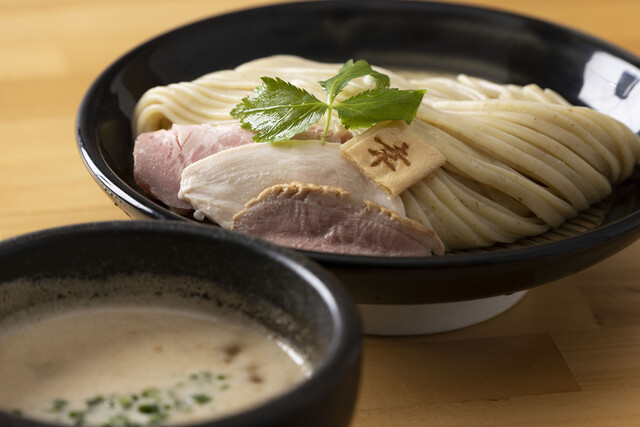
Approaching the shop in Tsurumai, the signal is not luxury theatre but the familiar rhythm of a Japanese noodle house: quick arrivals, solo diners, families, counter seats, tables, and the quiet efficiency of a room built around bowls rather than lingering. Nagoya’s ramen culture has always had a practical streak. The city eats well without needing every meal to announce itself, and that matters here. Menya Saisakizaka belongs to the category of ramen shop where format, pace, and range explain the appeal as much as any single bowl.
For a broader map of the city, start with Our full Nagoya restaurants guide, then use this stop as a reminder that Nagoya dining is not only kaiseki counters, yakiniku rooms, and hotel restaurants. The city’s noodle shops carry a different kind of cultural weight: accessible, repeatable, and judged by regulars who know the difference between a focused kitchen and a merely busy one.
Ramen culture in Nagoya rewards range, not just a single house style
Japan’s ramen scene is often discussed through regional shorthand, but serious noodle shops rarely fit cleanly into one label. The modern ramen counter now competes across several forms: soup ramen, dipping noodles, oil-based abura-soba, and maze-soba, the mixed noodle style especially associated with Nagoya’s contemporary appetite for bolder, sauce-led bowls. Menya Saisakizaka works across all four categories, which places it in a broader urban pattern rather than a narrow nostalgia lane.
That range matters because Nagoya’s dining audience is unusually fluent in casual specialization. A diner can spend lightly at a bakery such as SURIPU, move into mid-priced meat at Yakiniku Tomiya, or treat Itsuki as a serious splurge; ramen sits in the daily-use tier but is judged with the same insistence on execution. Within that spread, a noodle shop selected for Tabelog 100 - Ramen - AICHI - 2025 carries a clear signal: it has moved beyond neighbourhood convenience into prefecture-level recognition.
The Tabelog selection should be read carefully. It is not a luxury badge, and it does not turn a ramen counter into a formal restaurant. Its value is more specific: it identifies shops that have earned attention within a dense local category where many meals are inexpensive, fast, and repeat-driven. In that context, recognition is less about spectacle and more about consistency across a high-volume format.
The room is built for the way people actually eat noodles
Ramen shops reveal their priorities through seating as much as through broth. A counter suits solo diners and quick turnover; tables make the room usable for small groups and families. This shop has both, which changes the read of the experience. It is not a hushed counter for specialists only, and it is not a broad casual chain room either. It occupies the middle ground where noodle culture remains democratic but the kitchen is expected to perform.
That mixed-use character is important in Nagoya, where meals often fit around rail movement, work schedules, and neighbourhood routines. Tsurumai is not the polished shopping theatre of Sakae or the business-hotel orbit of Nagoya Station. It has parks, transit, students, office workers, and residents moving through at different speeds. A ramen shop in this setting has to satisfy more than destination diners; it has to work for repeat local use.
The format also explains why comparisons to Nagoya’s formal restaurants can mislead. La Vagabonde and LA VAGABONDE belong to a different dining grammar, while All Day Dining Montmartre speaks the language of hotels. Ramen’s discipline is compressed: order, wait, eat, leave. The critical question is whether the shop can make that compression feel intentional rather than hurried. The combination of noodle formats, counter seating, table seating, and Aichi-level recognition suggests a room designed for both quick solo meals and more flexible casual dining.
How to place it in a Nagoya itinerary
Menya Saisakizaka is strongest as a cultural counterpoint to the city’s heavier dining categories. Nagoya has well-known associations with miso, grilled eel, chicken wings, and sauce-driven comfort food; ramen fits that appetite for intensity while offering a more adaptable meal. Tsukemen brings a slower dipping rhythm, abura-soba and maze-soba strip away the soup-centred expectation, and standard ramen keeps the shop tied to the national form.
Travellers building a Nagoya food day should resist treating every meal as a trophy booking. A city becomes clearer when its casual institutions are taken seriously. Pair noodle-focused dining with the wider EP Club map: Our full Nagoya hotels guide for where to stay, Our full Nagoya bars guide for the evening, Our full Nagoya wineries guide for wine-led detours, and Our full Nagoya experiences guide for cultural planning beyond restaurants.
For readers comparing Japanese casual formats across cities, the useful lesson is how each place compresses craft into a modest setting. Nagoya’s ramen conversation can sit alongside curry in Sapporo at [Curry Senmon Ten] Maruyama Kyoju. in Sapporo, onigiri culture at Onigiri Time in Pasadena, sake-bar cooking at Jōdo Saké Bar in Los Angeles, and compact specialist rooms such as .cafe in Osaka, .know in Kumamoto, (Shoku) Vietnam in Kawasaki. 鮪と炭火焼き うお炭 秋葉原店 in Tokyo, and -Grilled beef Sukiyaki- KAMAKURA TANUKIAN 鎌倉 たぬき庵 in Kamakura. Within Nagoya’s own EP Club orbit, cross-reference 1022, 451, Aaron, Alan. and All Day Dining Montmartre to see how varied the city’s dining register becomes.
The editorial case for the restaurant is not that it asks for reverence. It asks to be understood in the correct tier: a recognized Aichi ramen shop with multiple noodle formats, a room suited to everyday use, and a place in Nagoya’s practical, deeply competitive casual dining culture.
Category Peers
Comparable options at the same price tier.
| Venue | Cuisine | Price | Notes |
|---|---|---|---|
| Menya SaisakizakaThis venue — the venue you are viewing | Modern Japanese ramen & tsukemen | $ | Not listed |
| BUCYO COFFEE | Nagoya kissaten café with Ogura toast | $ | Nakamura |
| KAKO Yanagibashi ten | Japanese Kissaten / Coffee Shop | $ | Nakamura |
| coffee house KAKO Hanaguruma honten | Traditional Nagoya kissaten & coffeehouse | $ | Nakamura |
| O Dashi to Ginshari Chuka Soba Nito | Ramen & chuka soba near Nagoya Station | $ | Nakamura |
| Menya Ierou | Japanese Ramen | $ | Nakagawa |
Recognition history
Dated appearances from independent guides and award organizations, with the underlying list record or original source where available.
Tabelog 100 #37 · No. 37
Tabelog · Tabelog 100 - Ramen - AICHI - 2025
Continue exploring
More in Nagoya
Restaurants in Nagoya
Browse all →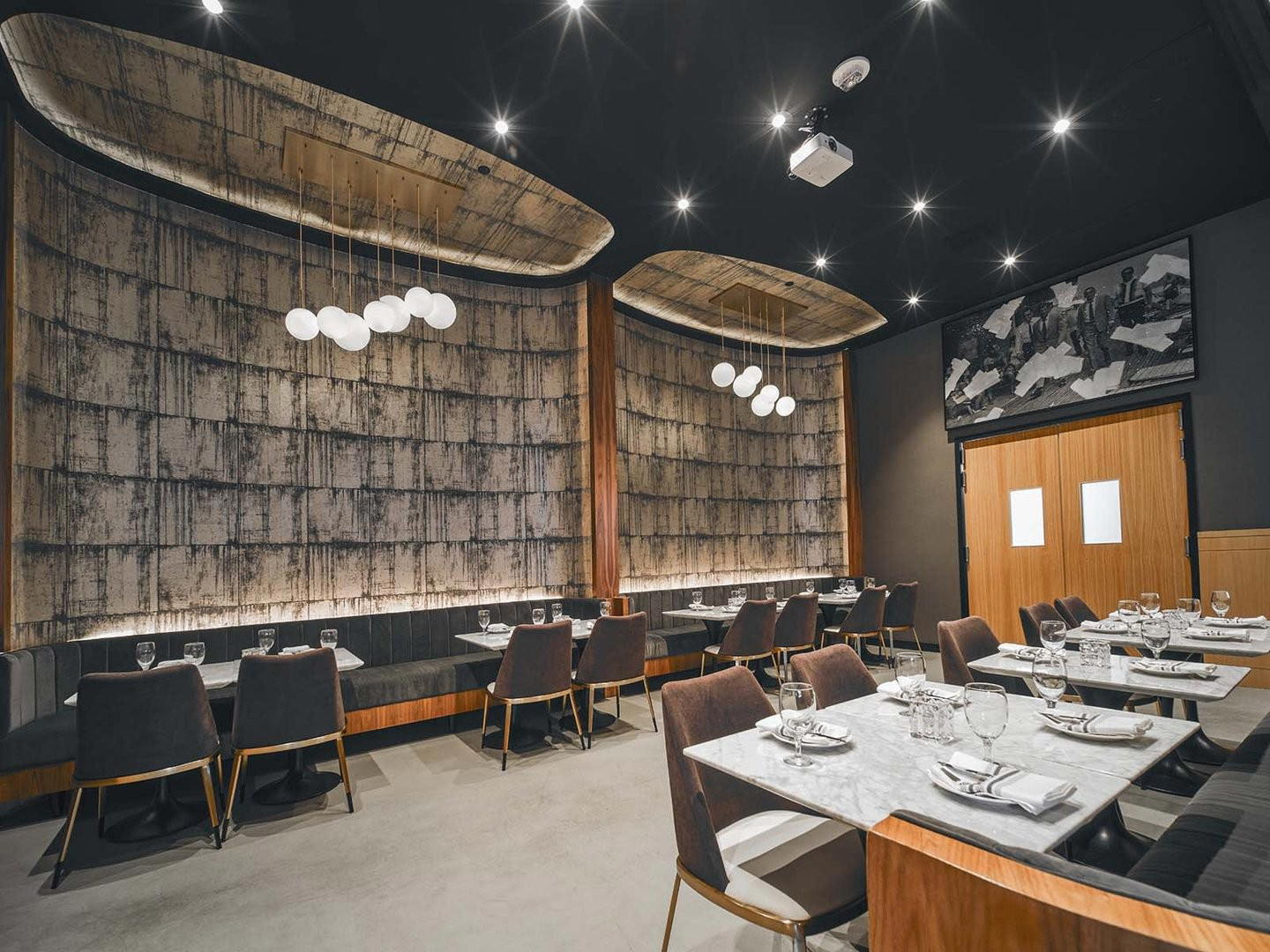
At a Glance
- Cozy
- Modern
- Minimalist
- Solo
- Casual Hangout
- Family
- After Work
- Group Dining
- Standalone
- Local Sourcing
Current opening hours
- Monday
- 11 AM–2:30 PM, 5:30–9:30 PM
- Tuesday
- 11 AM–2:30 PM, 5:30–9:30 PM
- Wednesday
- 11 AM–2:30 PM, 5:30–9:30 PM
- Thursday
- 11 AM–2:30 PM, 5:30–9:30 PM
- Friday
- 11 AM–2:30 PM, 5:30–9:30 PM
- Saturday
- 11 AM–2:30 PM, 5:30–9:30 PM
- Sunday
- 11 AM–2:30 PM, 5:30–9:30 PM
Hours can change for holidays and private events. Last verified .
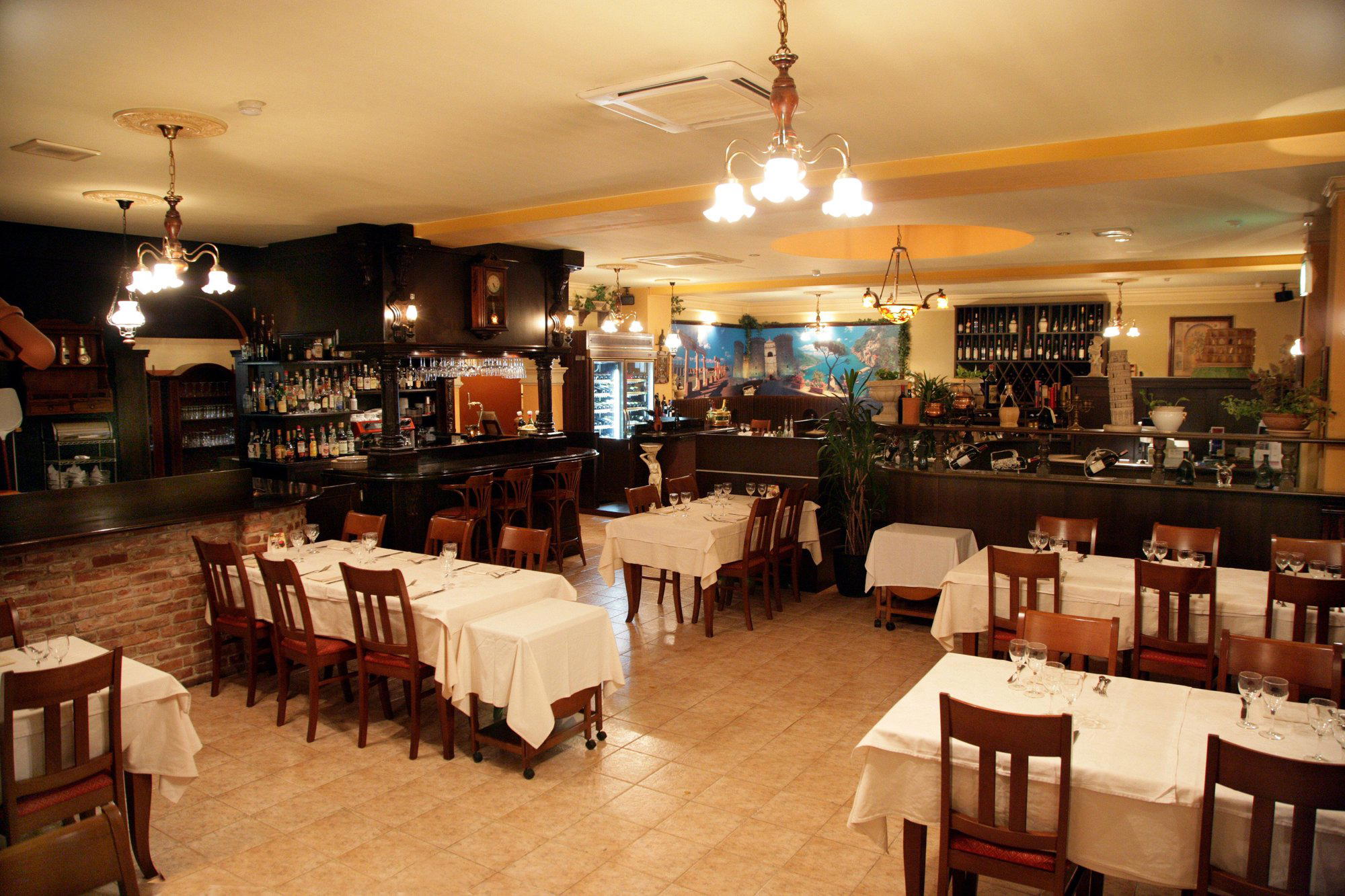
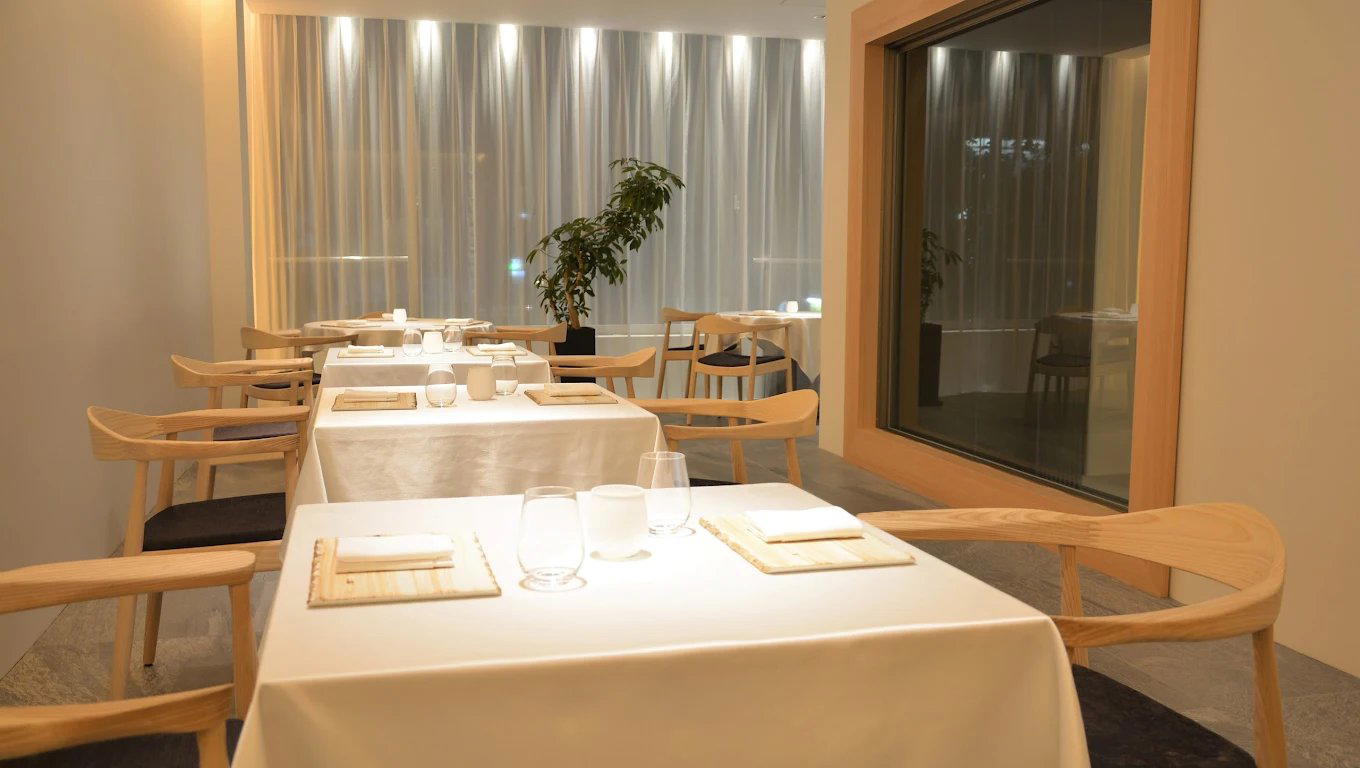
Relaxed and casual with a clean, blond-wood interior and a mix of counter and table seating, giving a modern yet warm feel that works for solo diners, couples, and families after a visit to nearby Tsurumai Park.