
Tabelog Bronze #515
Our verdict
Yamasaryokan puts Usa’s inland Oita food culture into a formal ryotei-ryokan frame, with suppon, Japanese cuisine, private rooms, tatami seating, and a long-running awards record on Tabelog. The appeal is not urban spectacle; it is ingredient-led regional dining with a format built for groups, business meals, and travelers who want a more traditional room than a counter or casual izakaya.

Pearl is the En Primeur Club membership app, where members save venues, book tables and use the concierge.
Approach dining in Ajimu as an inland Oita proposition rather than a city-restaurant exercise. The pace is quieter, the room language is more ryotei than bistro, and the meal belongs to a tradition in which privacy, seasonal fish, sake, shochu, and formal pacing carry as much weight as the plate itself. Yamasaryokan sits in that register: a traditional inn and Japanese restaurant whose public identity is tied to suppon, the soft-shell turtle cuisine that occupies a narrow but serious lane in Japanese regional dining.
That matters because suppon is not a generic luxury ingredient. In Japan it has long been treated as a warming, collagen-rich, restorative food, often served in formats that reward broth, texture, and controlled seasoning rather than visual excess. Oita’s rural geography gives the style a different tone from Tokyo’s counter-driven dining culture. The meal is less about speed and chef-facing theatre, more about a room, a table, and a sequence that can support conversation. For readers comparing Japan’s food map, this is closer to destination ryotei dining than the metropolitan tasting-menu circuit.
Suppon gives inland Oita dining its defining argument
Regional Japanese restaurants often rise or fall on whether the ingredient focus feels ornamental or structural. Here, the category itself is the argument. Suppon places the kitchen inside a lineage of freshwater and rural Japanese cooking, where the prestige comes from handling a specialist ingredient with enough restraint that broth, skin, meat, and supporting dishes read as a coherent meal. That is a different kind of confidence from a kaiseki room built around many seasonal references or a seafood counter structured around market variety.
The awards record gives the format measurable weight. Ryotei Yamasa Ryokan is listed as a Tabelog Award 2026 Bronze winner with a 4.28 score, and its recognition stretches across multiple Bronze years from 2017 through 2026, with selection for Tabelog Japanese Cuisine WEST 100 in 2021. In Japan, where Tabelog’s high-score restaurants tend to be scrutinized by experienced diners, that continuity is a stronger signal than a single burst of attention. It places the restaurant in a durable regional tier rather than a novelty category.
The comparison set also clarifies the decision. Enowa Yufuin represents a Japanese kaiseki route in Oita’s hospitality orbit, while Atelier sits in a higher listed spend band among out-of-metro peers. Yamasaryokan is more ingredient-specific: not a broad luxury-resort meal, not a city omakase, not a Westernized rural dining room. The relevant question is whether suppon is the reason for the journey. If it is, the restaurant’s long recognition record makes the case with unusual clarity.
Private-room dining changes the tempo of the meal
Format matters in rural Japan. A room with private dining spaces and tatami seating encourages a slower social rhythm than a chef’s counter, and that changes how the food is read. Suppon cuisine benefits from that pace because its pleasures are cumulative: broth, texture, heat, and the sense of a meal built around extraction rather than garnish. The setting also suits business meals and multi-generational groups, where privacy can be more valuable than a front-row seat to the kitchen.
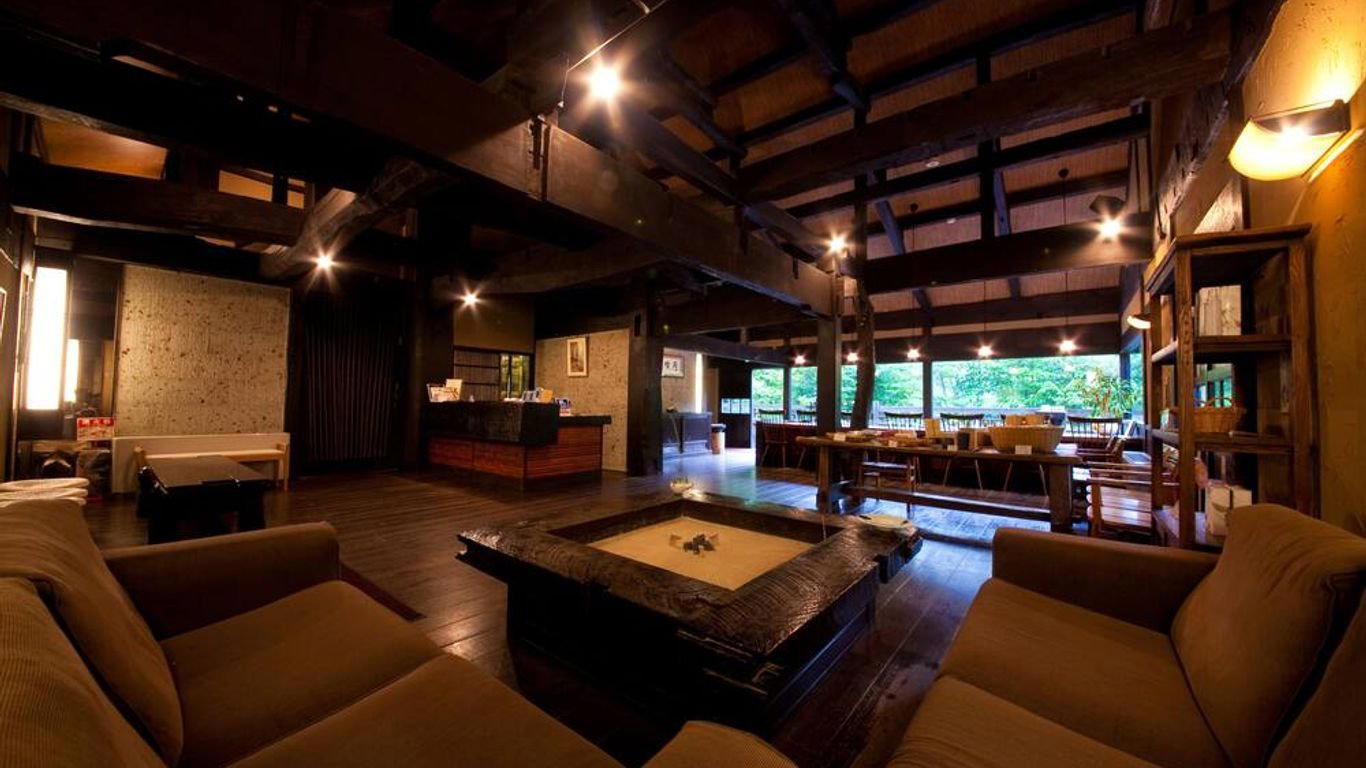
The scale is larger than the intimate ryotei stereotype. The restaurant lists 100 seats, seven private rooms for small groups, and a hall that can handle larger parties. That makes it unusually flexible for a specialist Japanese restaurant: formal enough for a planned meal, but not limited to the tiny reservation economies that define many urban counters. Non-smoking rooms, card acceptance, QR payments, parking, and large-bus access point to a dining house accustomed to regional travel as much as local regulars.
There is also a take-out service, which is worth reading as part of the local function rather than a luxury add-on. In smaller Japanese cities and towns, serious restaurants often serve both destination diners and community demand. That dual role is one reason long-running regional houses can develop authority outside the capital-city media cycle.
How to place it within a wider Japan itinerary
For a traveler building a Japan food itinerary, Usa should not be treated like a substitute for Tokyo, Kyoto, or Osaka. Its value is specificity. This is where a meal can show how regional restaurants preserve ingredients and service formats that urban dining sometimes abstracts into theme. Pairing a specialist rural table with city meals gives the trip more range: a sushi counter in Tokyo, a contemporary Kyoto room such as [ki:] in Kyoto, or a Kansai beef address such as #肉といえば松田 奈良本店 in Kashihara will read differently after a suppon-led meal in Oita.
EP Club’s Japan restaurant map is intentionally broad because the country’s dining culture is not one hierarchy. A traveler might move from . 鮪と炭火焼き うお炭 秋葉原店 in Tokyo to .cafe in Osaka, .know in Kumamoto, or [Curry Senmon Ten] Maruyama Kyoju. in Sapporo and encounter entirely different expectations of price, service, and culinary identity. The same applies beyond Japan: Jōdo Saké Bar in Los Angeles, Onigiri Time in Pasadena, and Francesco Martucci Miami show how Japanese and Italian formats travel, adapt, or resist adaptation.
Use the city guides as planning scaffolding rather than as a ranking exercise. Start with our full Usa restaurants guide, then widen the trip with our full Usa hotels guide, our full Usa bars guide, our full Usa wineries guide, and our full Usa experiences guide. For travelers tracing traditional Japanese dining in other regions, -Grilled beef Sukiyaki- KAMAKURA TANUKIAN 鎌倉 たぬき庵 in Kamakura, (Shoku) Vietnam in Kawasaki, 1/3 HAMBURGER FACTORY in Kanazawa, and 1000 in Yokohama round out a more varied reading of contemporary dining in Japan.
The editorial verdict is precise: Yamasaryokan is for diners who want a regional Japanese meal anchored by suppon and served in a formal, private-room setting. It is less compelling as a casual stop between sights and more persuasive as a planned inland Oita meal, especially for groups who value a traditional room, a specialist ingredient, and a recognition record that has held over many award cycles.
Frequently asked questions
Is Yamasaryokan good for families?
Yes, if the group wants a private-room meal in Usa, Oita. Yamasaryokan lists private rooms for 2 to over 30 people, plus a large hall, which makes it workable for family gatherings rather than counter-style dining.
How would you describe the vibe at Yamasaryokan?
It reads as a ryotei with space to spare: 100 seats, tatami rooms, private rooms, and a large hall in Ajimumachi Shimoge 1785, Usa-shi. The setting is geared toward unhurried group meals, with service available for lunch and dinner daily.
Is Yamasaryokan open every day?
Hours at Yamasaryokan: Mon, Tue, Wed, Thu, Fri, Sat, Sun, Public Holiday 11:00 - 15:00 L.O. Drinks 14:30 17:00 - 21:00 L.O. Drinks 20:30.
How do I find Yamasaryokan?
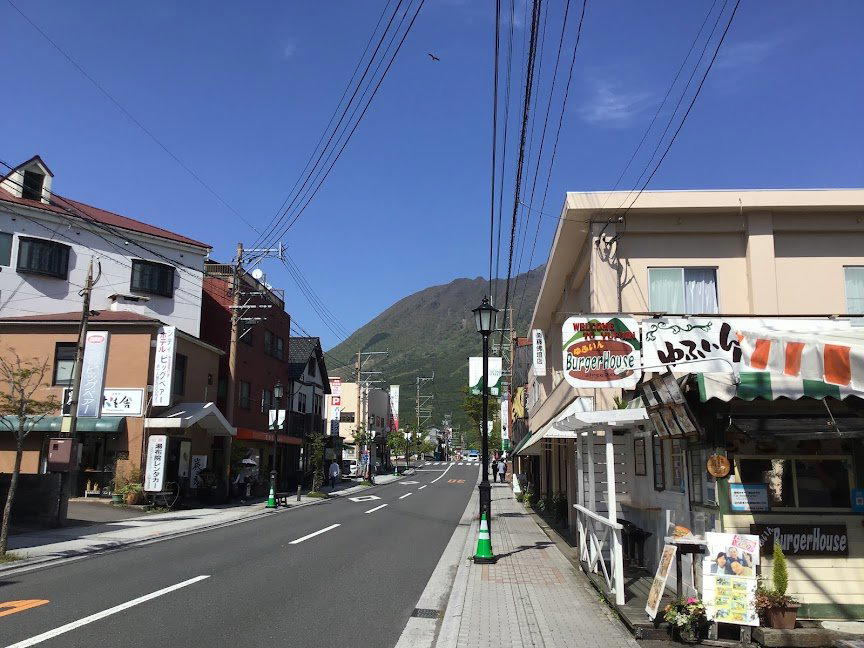
Yamasaryokan is located in Usa.
What's the standout thing about Yamasaryokan?
Its defining feature is suppon, or soft-shell turtle cuisine, backed by a long awards run, including the 2026 Tabelog Bronze award and earlier Bronze selections. That combination gives it a clearer identity than many regional Japanese restaurants in Oita.
Do they accommodate allergies at Yamasaryokan?
Those details are not published. It accepts reservations and has credit card and QR code payment options, which makes coordination simpler. Check the venue's official channels for the latest details.
Fast Comparison
Comparable venues by cuisine and price in the same metro.
| Venue | Cuisine | Price | Awards | Notes |
|---|---|---|---|---|
| YamasaryokanThis venue (the venue you are viewing) | Traditional Japanese Suppon Kaiseki | Not listed | Tabelog Bronze #515 | Not listed |
| Sanroku | Traditional Japanese Robatayaki Chicken | $20–30 | Tabelog Silver #115 | Kahokumachi Shiimochi, Yamaga |
| Terasawa | Traditional Japanese Fine Dining | Not listed | Tabelog Bronze #457 | Ōdōri |
| Kawakami-an (軽井沢 川上庵) | Japanese Soba | $20–30 | Tabelog 100 #11 | Karuizawa |
| DEL SOLE | Authentic Neapolitan Pizza | Not listed | Not listed | Niseko |
| カムラナ食堂 | Japanese & Thai Fusion | Not listed | Not listed | Akakura |
Recognition history
Dated appearances from independent guides and award organizations, with the underlying list record or original source where available.
Tabelog Bronze #515
Tabelog
Full recognition history (2 entries)
Tabelog Bronze
Tabelog
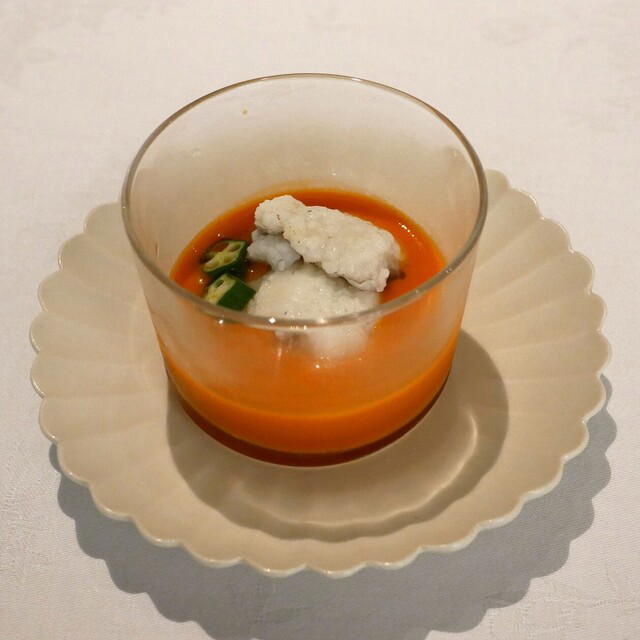
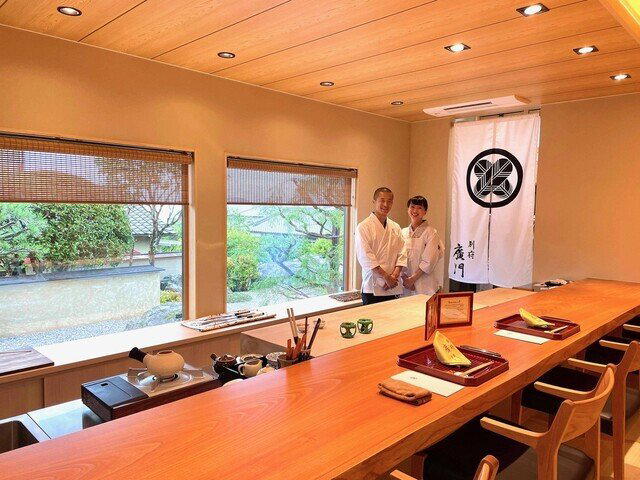
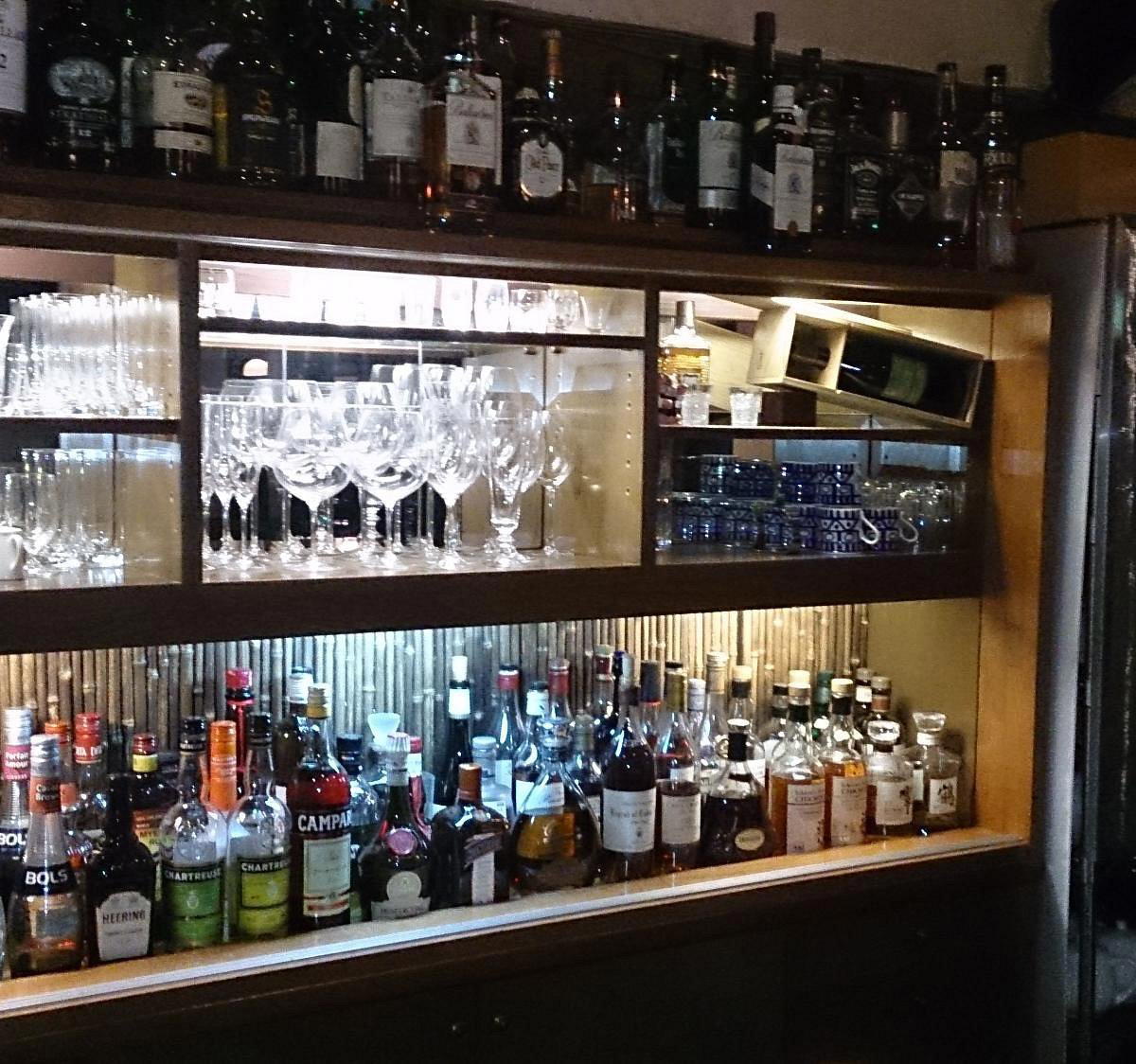
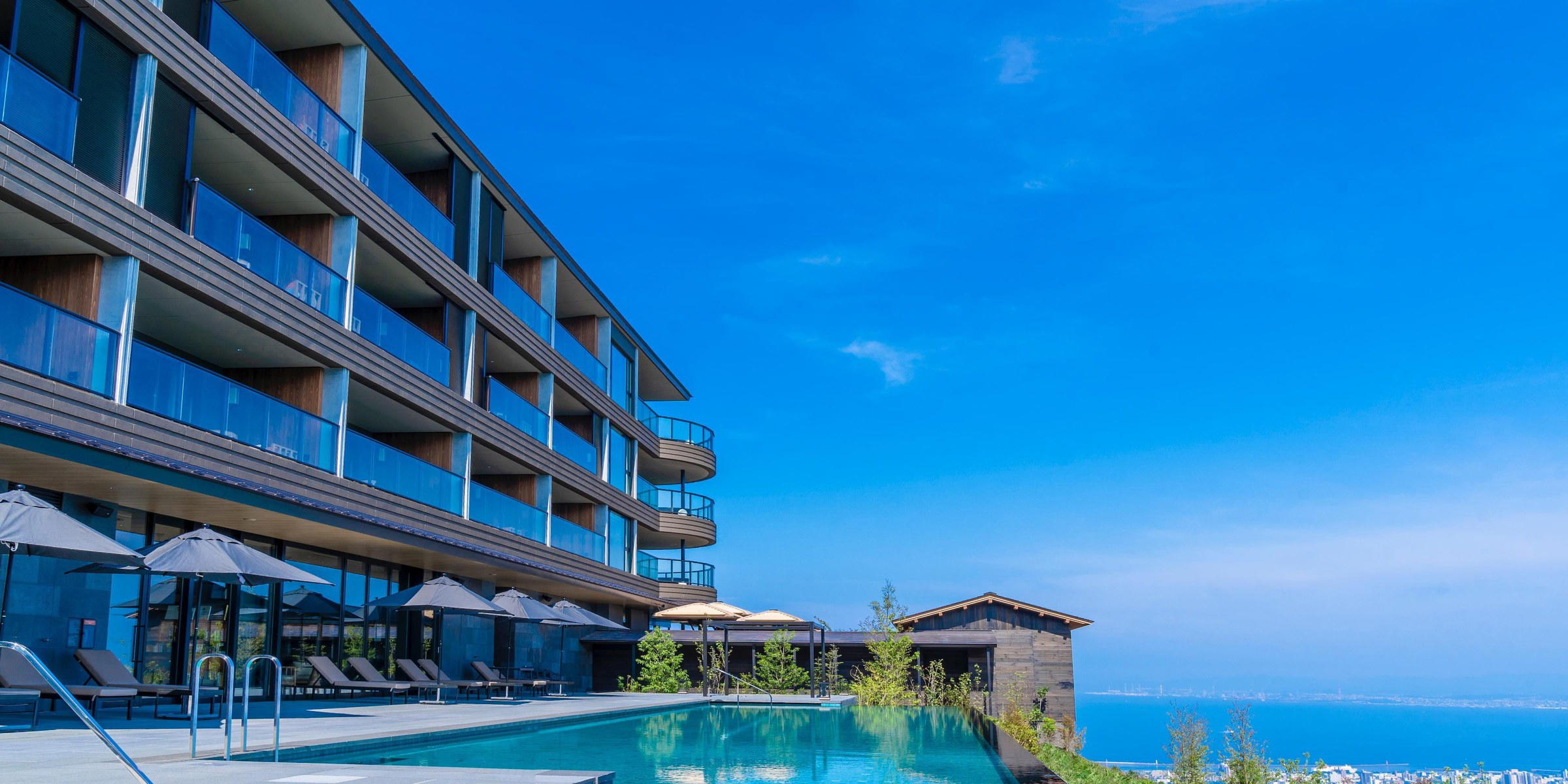
Details
- Classic
- Quiet
- Cozy
- Special Occasion
- Celebration
- Business Dinner
- Group Dining
- Historic Building
- Hotel Restaurant
- Private Dining
- Local Sourcing
- Set Menu
- Ajimu Wine
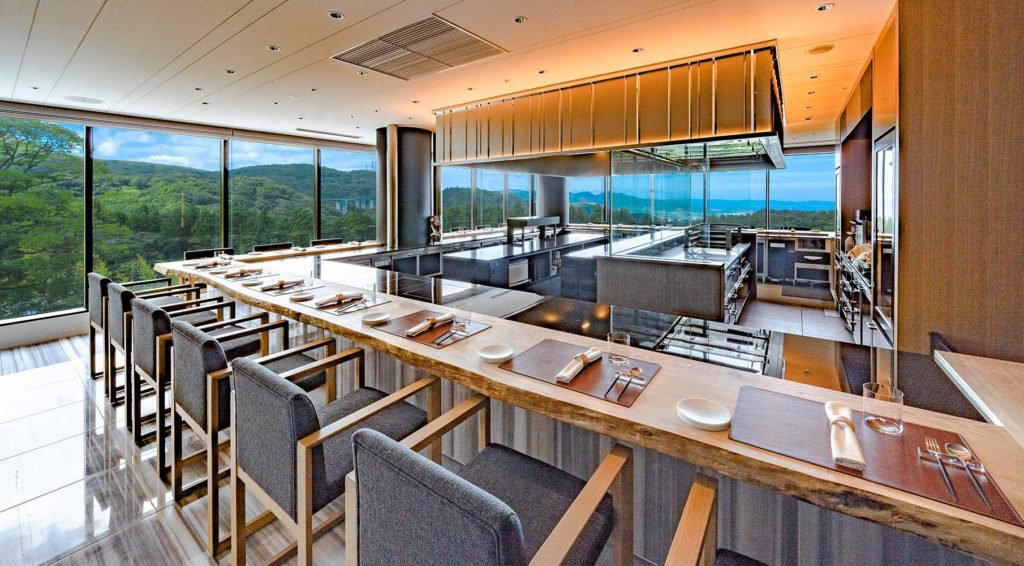
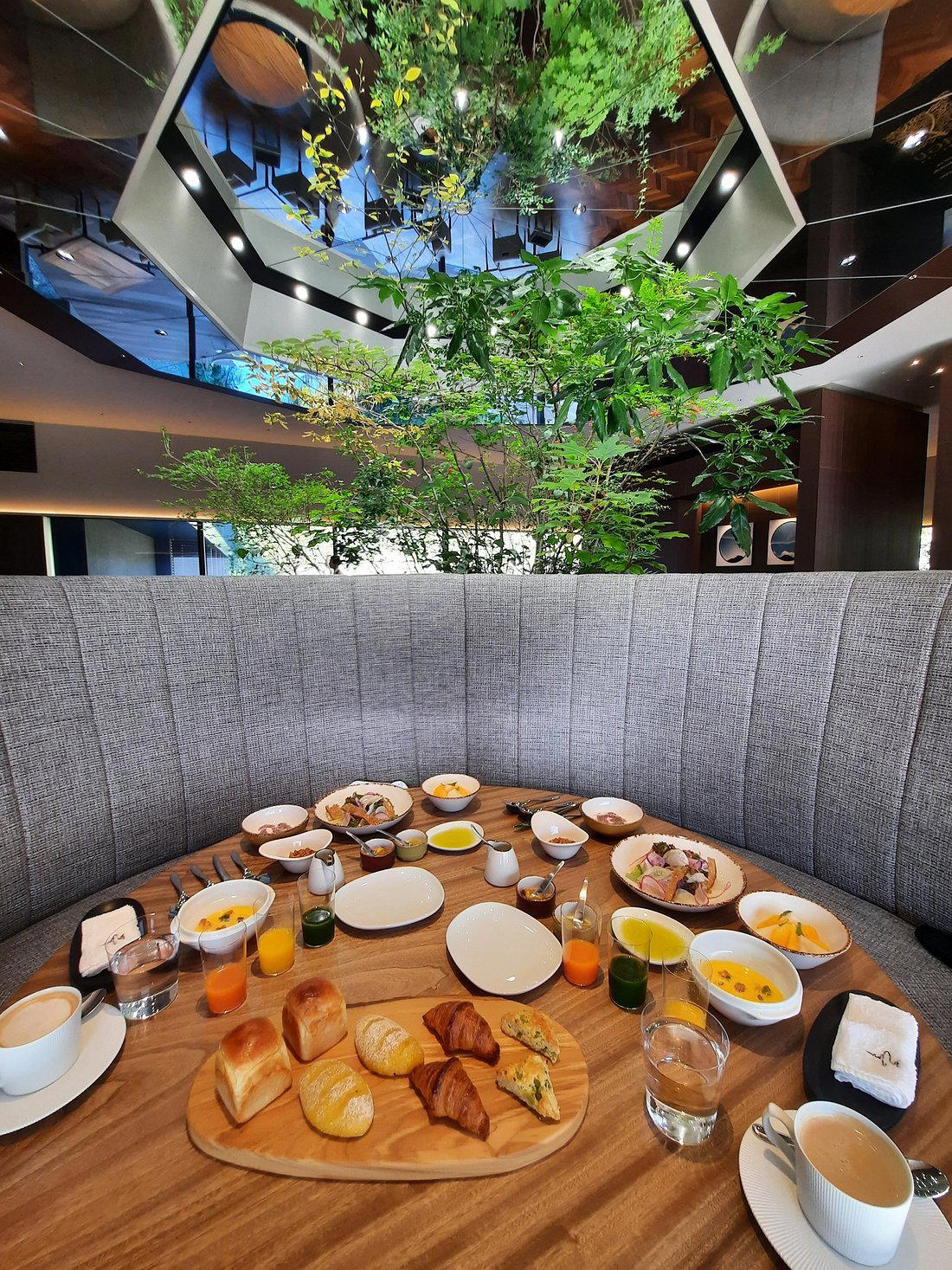
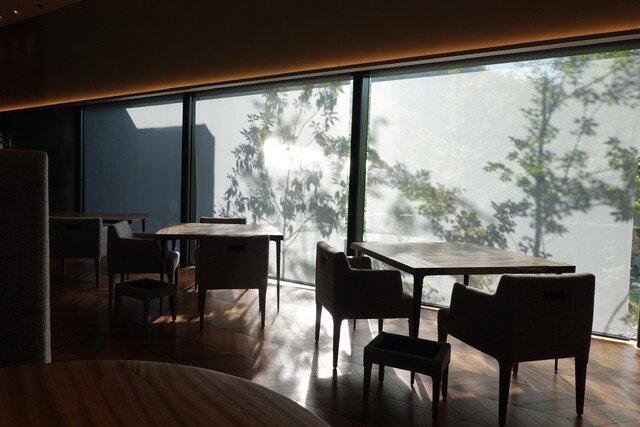
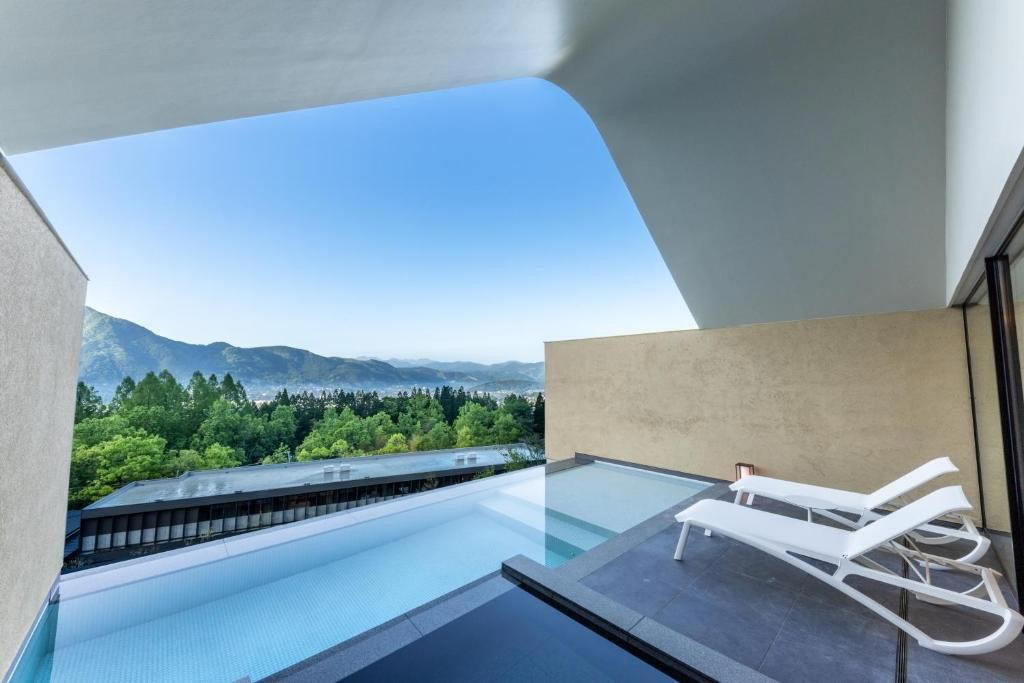
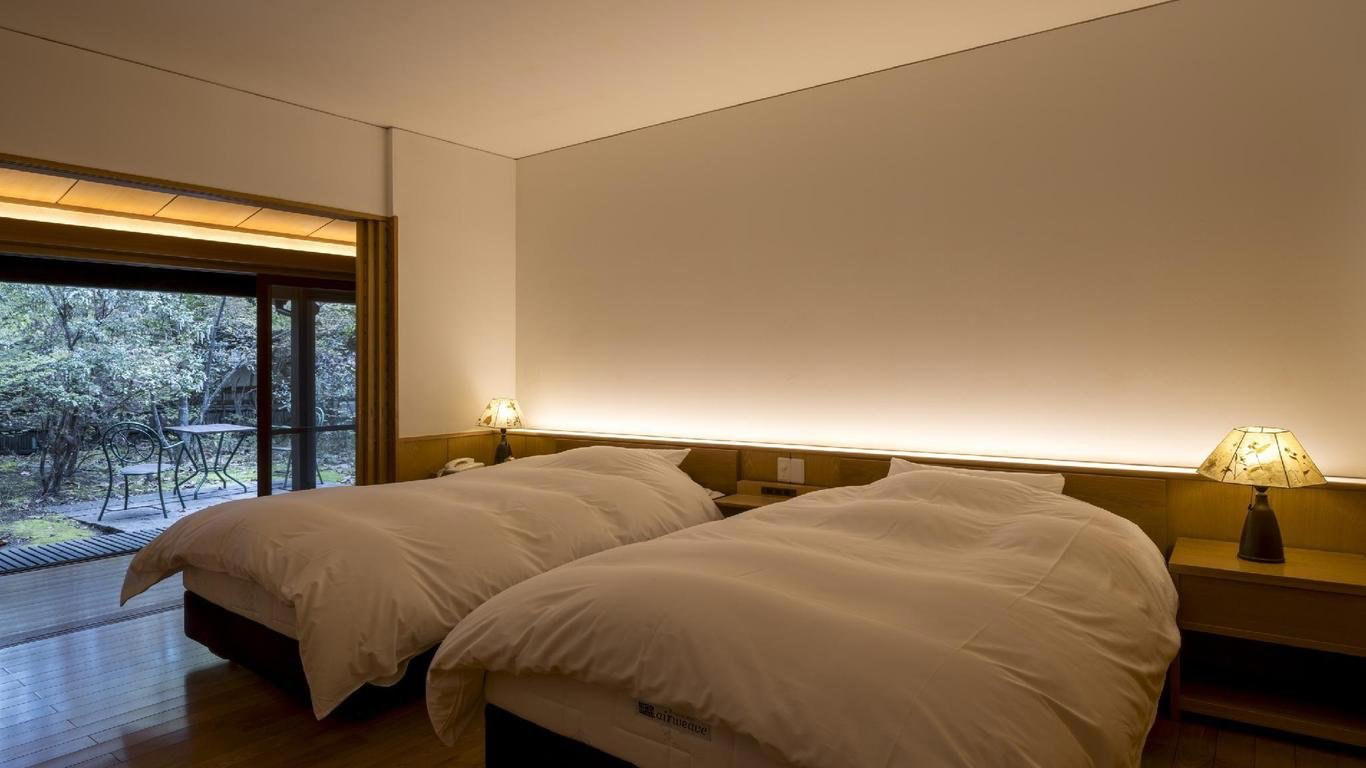
Traditional and calm, with spacious Japanese-style rooms described as relaxing and suited to leisurely meals, ceremonies, banquets, and overnight stays.