On Landhausgasse, one of Graz's most architecturally charged streets, El Pescador occupies a position where the city's appetite for seafood meets a dining room shaped by years of incremental reinvention. The address places it steps from the Styrian parliament building and within the dense restaurant corridor that defines central Graz's midrange-to-serious dining tier.
Pearl is the En Primeur Club membership app — saves, bookings, and concierge access live there. Same editors, same standards.
- Address
- Landhausgasse 6, 8010 Graz, Austria
- Phone
- +43316829030
- Website
- elpescador.at
- Directions
- Get directions
 Saves & bookings on Pearl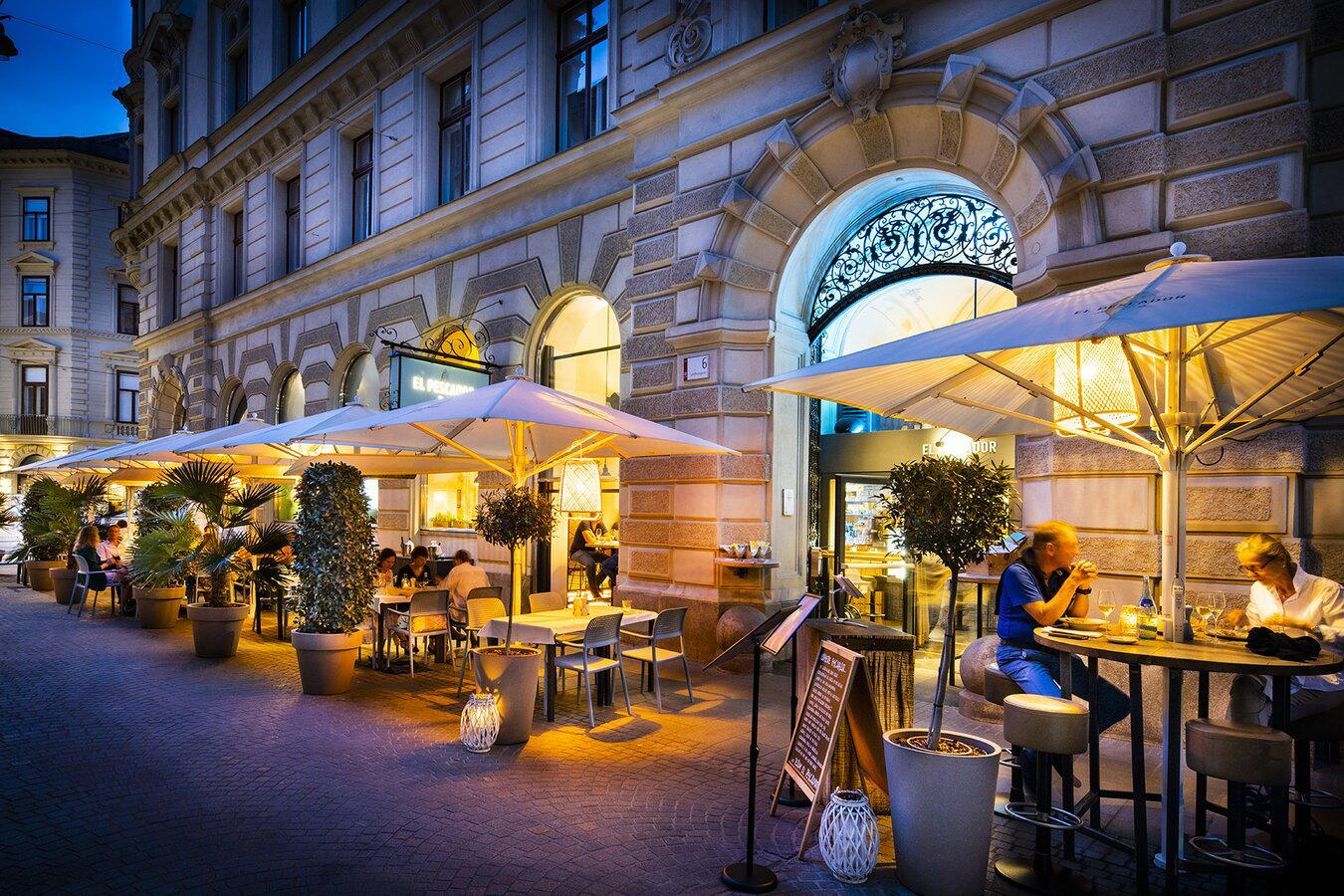
Seafood in a Landlocked City: What El Pescador Represents on Landhausgasse
Graz sits roughly 200 kilometres from the nearest coastline, which makes the durability of a seafood-focused address in its historic centre a telling signal about how the city's dining culture has shifted over the past few decades. Austria's broader restaurant scene has long been weighted toward alpine produce, game, and cured meats, the tradition that places like Steirereck im Stadtpark in Vienna and Obauer in Werfen have built reputations around. A seafood restaurant that holds a central Graz address across multiple years of a changing market is, almost by definition, doing something right, or doing something differently than it once did.
El Pescador sits at Landhausgasse 6, a short walk from the Hauptplatz and directly adjacent to the Landhaus courtyard, among the more photographed Renaissance ensembles in Central Europe. That geography matters. This part of the Altstadt draws a mixture of government workers, tourists, and the lunch-driven professional crowd that keeps midday covers steady year-round. A seafood concept in this location has to earn repeat business from locals while remaining legible to visitors arriving without a deep knowledge of the Graz scene.
How the Austrian Interior Has Come to Take Seafood Seriously
Austrian landlocked dining has historically treated seafood as a specialty import rather than a cuisine category in its own right. That has changed. Improved cold-chain logistics from the Adriatic and the Atlantic, a generation of Austrian chefs trained across European coastal kitchens, and a shift in consumer expectations have together created space for fish-forward restaurants to operate outside Vienna. Graz, with its proximity to Slovenia and the northern Adriatic via Trieste, sits in a more favourable supply position than most Austrian cities of comparable size.
The restaurants that have survived and evolved in this niche tend to operate along one of two models: the Viennese-influenced formal fish house, where classical technique and a long wine list carry the experience, or the more casual Adriatic-leaning format, where the produce is the argument and the cooking stays close to the source. How El Pescador positions itself within that divide shapes what kind of visit it offers. The restaurant's seafood focus reads as a deliberate counter-programming choice within the city's dining mix.
The Landhausgasse Corridor and Where El Pescador Fits
Street-level dining concentration around the Landhaus and the Herrengasse spine has always attracted a certain kind of restaurant: addresses with enough visual presence to capture passing trade but enough substance to hold a regular clientele. Adelphia and Aiola im Schloss, both operating in the broader inner-city cluster, occupy different segments of that spectrum. aiola upstairs takes the rooftop-view approach. The restaurant's position on Landhausgasse itself places it in direct competition with whatever the street can attract on any given weekday lunch or weekend evening.
This is a neighbourhood where the architectural backdrop does some of the work, but the menu has to follow through. Graz diners in the historic centre have access to a reasonably wide range, from the international scope at Schmidhofer im Palais to the grounded regional cooking that defines addresses further from the centre. A seafood specialist holds a niche that none of those alternatives directly fills, which is both the opportunity and the ongoing editorial question.
Reinvention and the Long Arc of a Fish Restaurant
One honest frame for the restaurant is duration and adaptation. Seafood restaurants in landlocked European cities have a particular survival challenge: they depend on supply chains that are more volatile than local-produce menus, and they attract a customer who is often comparing the experience to coastal memories. Restaurants in this category that last tend to do so by narrowing their identity over time rather than broadening it, finding one or two things they do with consistent precision and building a reputation around those.
Across Austria, the restaurants that have navigated the longest arcs tend to be those that committed to a clear position: Landhaus Bacher in Mautern an der Donau and Döllerer in Golling an der Salzach are both examples of family-run addresses that evolved their identity deliberately without losing their core character. The parallel isn't well-suited, those are primarily land-produce kitchens, but the principle applies: longevity in the Austrian restaurant market generally reflects a willingness to sharpen rather than scatter.
Internationally, the benchmark for seafood restaurants that sustain a precise identity over time is demanding. Le Bernardin in New York City is the obvious reference point for fish-first formal dining at the highest tier. Closer in format and ambition to what a central-European city restaurant realistically achieves, the question is whether a Graz address in this category can hold its own against the casual-dining drift that has reshaped European high streets since 2020. Lazy Bear in San Francisco represents another model entirely, the communal format that has gathered prestige through experience design rather than product alone, but it signals how far the conversation has moved from simply sourcing well.
Planning a Visit: Practical Notes
The restaurant's address at Landhausgasse 6 in 8010 Graz is central enough to reach on foot from the Hauptplatz in under five minutes, or from the Jakominiplatz tram hub in roughly ten. The Altstadt is compact and largely pedestrianised at its core, so arriving by car requires using one of the nearby public car parks rather than street parking immediately adjacent. For visitors combining the meal with the broader historic centre, the Landhaus courtyard is directly alongside, and the Kunsthaus Graz is less than a ten-minute walk east across the Mur.
Reservations are recommended, and the restaurant is open Monday through Saturday from 11:30 AM to 12 AM, with Sunday closed. Those looking at comparable experiences elsewhere in Austria should also note the tight fish-focused menus at addresses like Schwarzer Adler in Hall in Tirol and the seasonal precision of Ois in Neufelden, both of which illustrate how alpine-region restaurants are working with fish alongside their land-produce foundations.
Recognition, Side-by-Side
Comparable venues nearby, for context on price, style, and recognition.
| Venue | Cuisine | Price | Notes |
|---|---|---|---|
| El PescadorThis venue — the venue you are viewing | Mediterranean Seafood | $$$ | Not listed |
| NOVA-AIR Graz | International Fusion with Austrian & Styrian Influences | $$$ | Gösting |
| YAMAMOTO SUSHIBAR | Authentic Japanese Sushi | $$$ | Innere Stadt |
| Noonbar | Modern Japanese Tapas & Ramen | $$ | Geidorf |
| Café Fotter • Graz | Traditional Austrian Café | $$ | Geidorf |
| Landhauskeller | Traditional Styrian/Austrian | $$$ | Innere Stadt |
Continue exploring
More in Graz
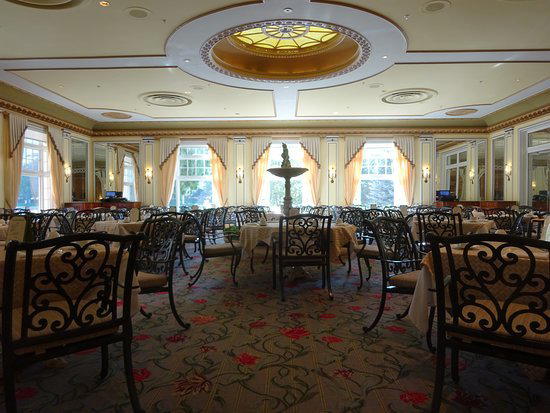
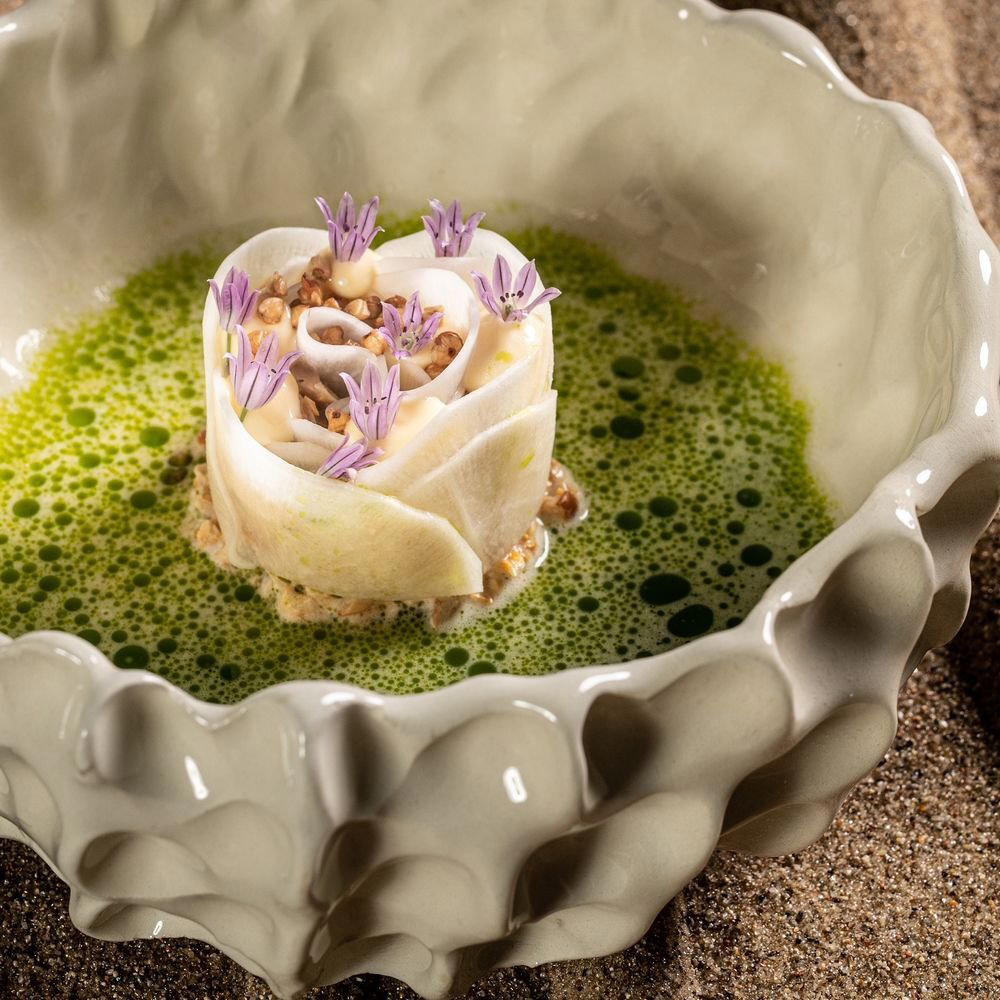
Restaurants in Graz
Browse all →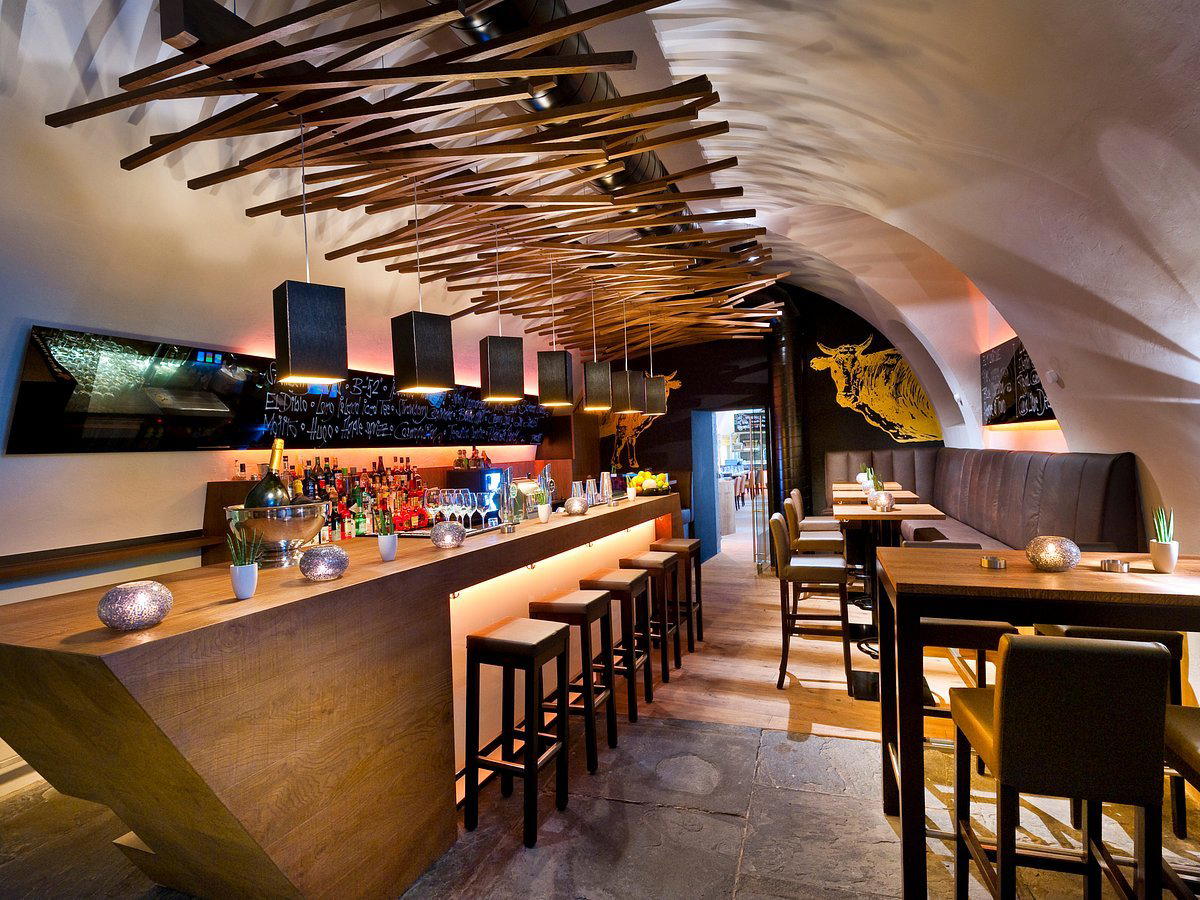
Bars in Graz
Browse all →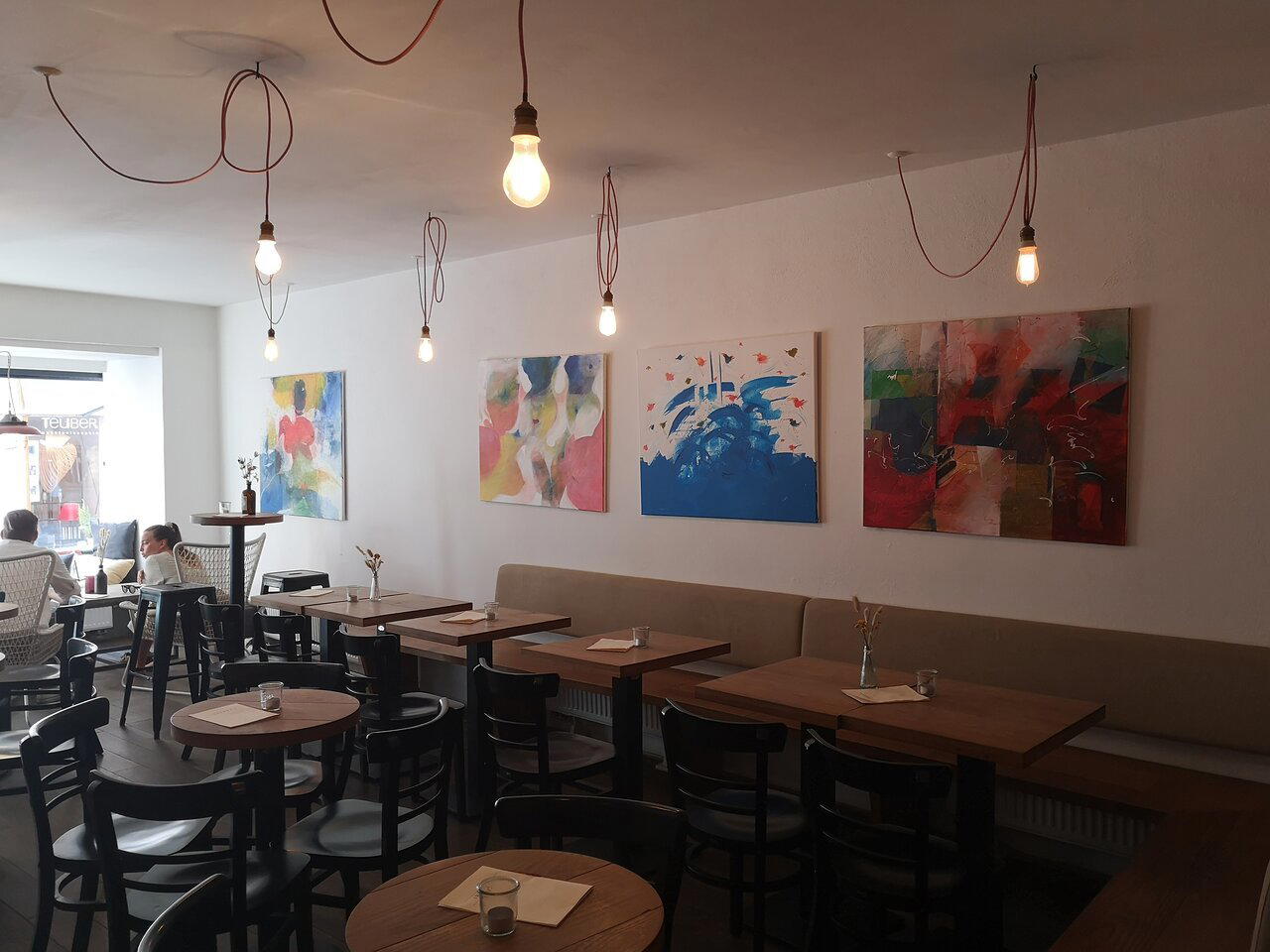
Hotels in Graz
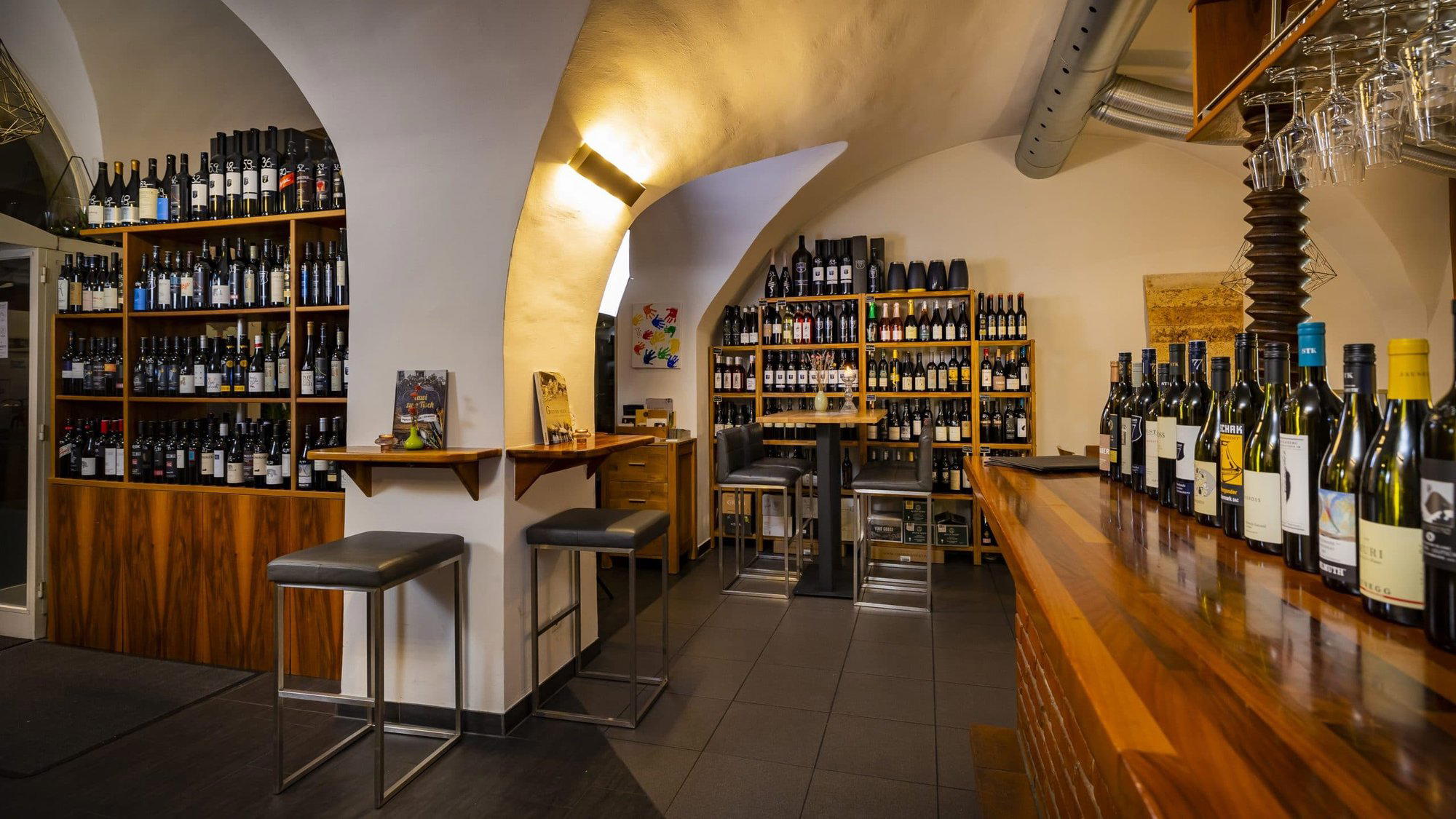
Browse all →

At a Glance
- Cozy
- Casual
- Lunch
- Dinner
- Historic Building
- Sustainable Seafood
Current opening hours
- Monday
- 11:30 AM–12 AM
- Tuesday
- 11:30 AM–12 AM
- Wednesday
- 11:30 AM–12 AM
- Thursday
- 11:30 AM–12 AM
- Friday
- 11:30 AM–12 AM
- Saturday
- 11:30 AM–12 AM
- Sunday
- Closed
Hours can change for holidays and private events. Last verified .
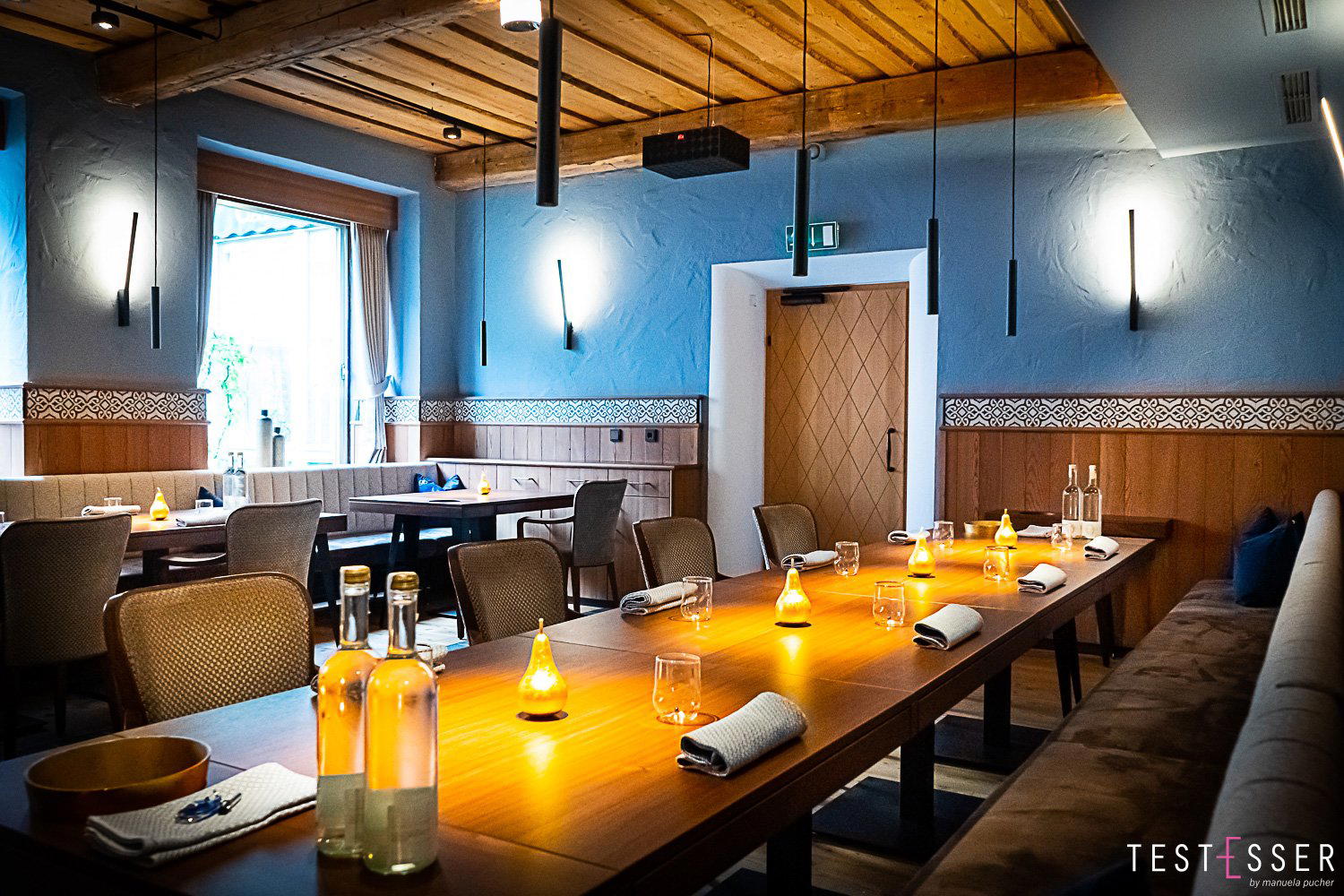
Casual, cozy, and comfortable with maritime harbor vibes in a top location within the historic city hall.