Google: 4.7 · 115 reviews


A 16-seat counter in Minami-Aoyama's basement level, Yakitori Kurosaki has earned Tabelog Bronze recognition in both 2025 and 2026, alongside selection for the Sushi Tokyo Tabelog 100. Operating on a reservation-only basis with dinner pricing between JPY 60,000 and JPY 79,999, it occupies the upper tier of Tokyo's yakitori scene, where the format discipline and sourcing rigour rival the city's most decorated omakase counters.
Pearl is the En Primeur Club membership app — saves, bookings, and concierge access live there. Same editors, same standards.

Sixteen Seats Below Minami-Aoyama
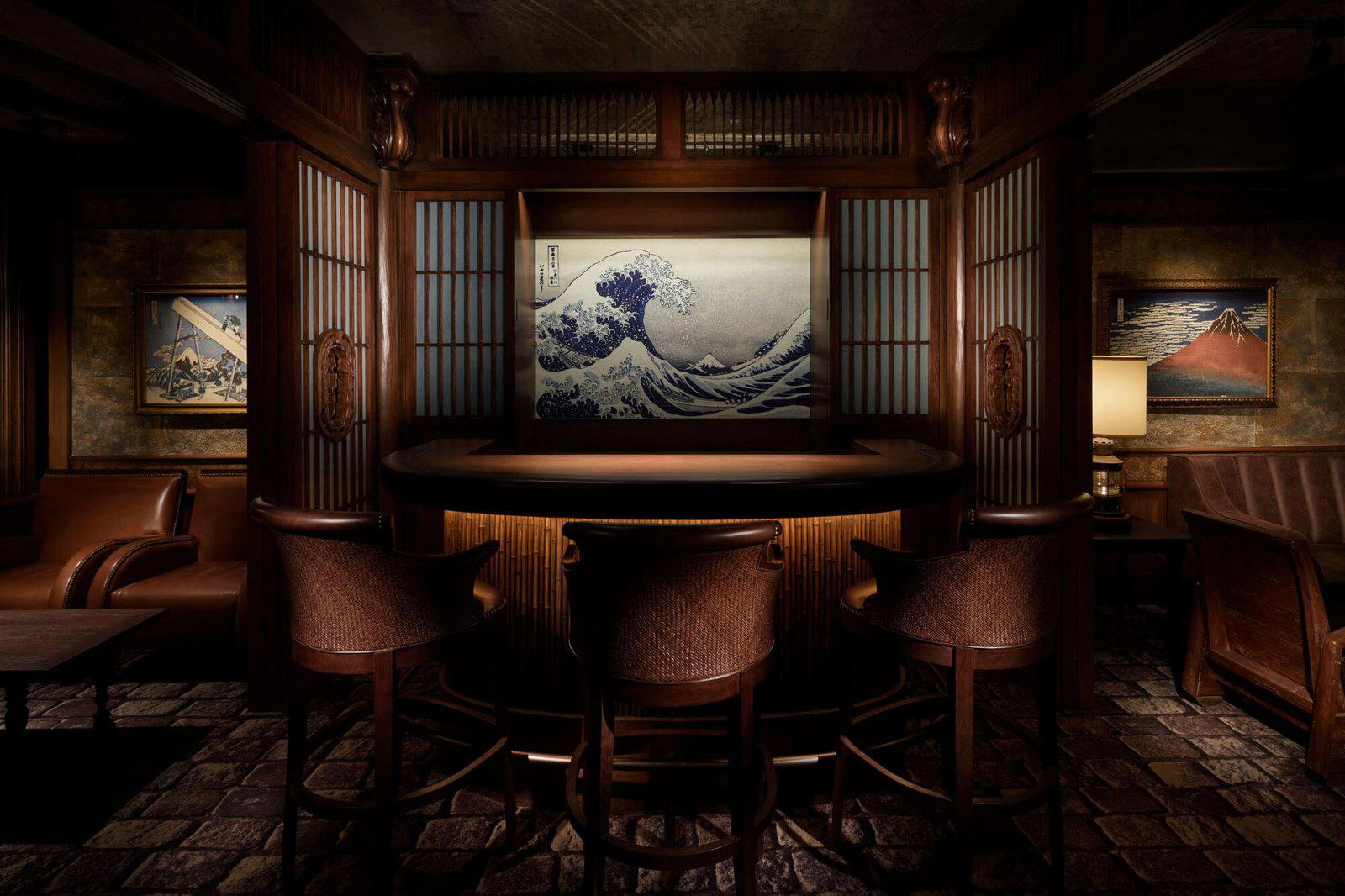
Sixteen seats. That number, carved out of the basement level of FPG Links MINAMIAOYAMA on a quiet stretch of Minami-Aoyama, tells you something immediate about the category Yakitori Kurosaki occupies. Tokyo's yakitori scene spans an enormous range, from standing counters around Yurakucho's tracks to polished omakase-style rooms where a single sitting costs more than most restaurant meals in any other city. Kurosaki positions itself firmly at that upper end, where pricing in the JPY 60,000 to JPY 79,999 dinner bracket places it level with some of the capital's most serious sushi and kaiseki rooms.
Minami-Aoyama, the stretch of Minato City running south from Omotesando, has long functioned as a quiet alternative to the louder luxury of Ginza or the tourist density around Shinjuku. The streets here carry design studios, gallery spaces, and a particular type of small, deliberate restaurant that doesn't announce itself. A basement address, accessible on foot in seven minutes from Omotesando Station on the Tokyo Metro, suits the neighbourhood's register. Kurosaki's counter exists on those terms: you find it because you've sought it out, not because it's on the way anywhere.
Where Yakitori Meets Sushi-Counter Discipline
Japan's grilled-chicken tradition has two broad modes. The first is convivial and abundant, beer-led, built around volume and smoke. The second is a more recent development, a tightening of the yakitori format into something that borrows the pacing, the intentionality, and the material seriousness of omakase sushi. Kurosaki operates in that second mode. The Tabelog listing categorises the restaurant under sushi, which points to something real: the counter format, the sourcing rigour described as "particular about fish," and the pricing tier all place it in competitive conversation with Tokyo's premium sushi counters rather than its more casual yakitori houses.
That positioning is reflected in the accolades. The Tabelog Award, which draws on aggregate review data from one of Japan's most active dining platforms, awarded Kurosaki Bronze recognition in both 2025 and 2026. The venue also appears in the Tabelog Sushi Tokyo 100 for 2025, a selection that covers the hundred most reviewed and rated sushi-adjacent restaurants in the capital. A score of 4.37 on Tabelog's scale, which compresses meaningful distinctions into a narrow band between roughly 3.5 and 4.5, places Kurosaki in a genuinely competitive percentile. For context, most Tabelog-listed restaurants in Tokyo score below 3.5; reaching the mid-4s requires consistent, documented excellence across a large review sample. Google reviews align: a 4.6 average across 92 responses.
Opened on 7 February 2022, the restaurant has accumulated that recognition across just three years of operation, which is a short runway by the standards of Tokyo's more established counters. Compare that trajectory to, say, the decades it has taken some of the city's foundational sushi rooms to build comparable Tabelog scores, and the pace becomes notable.
The Counter and the Room
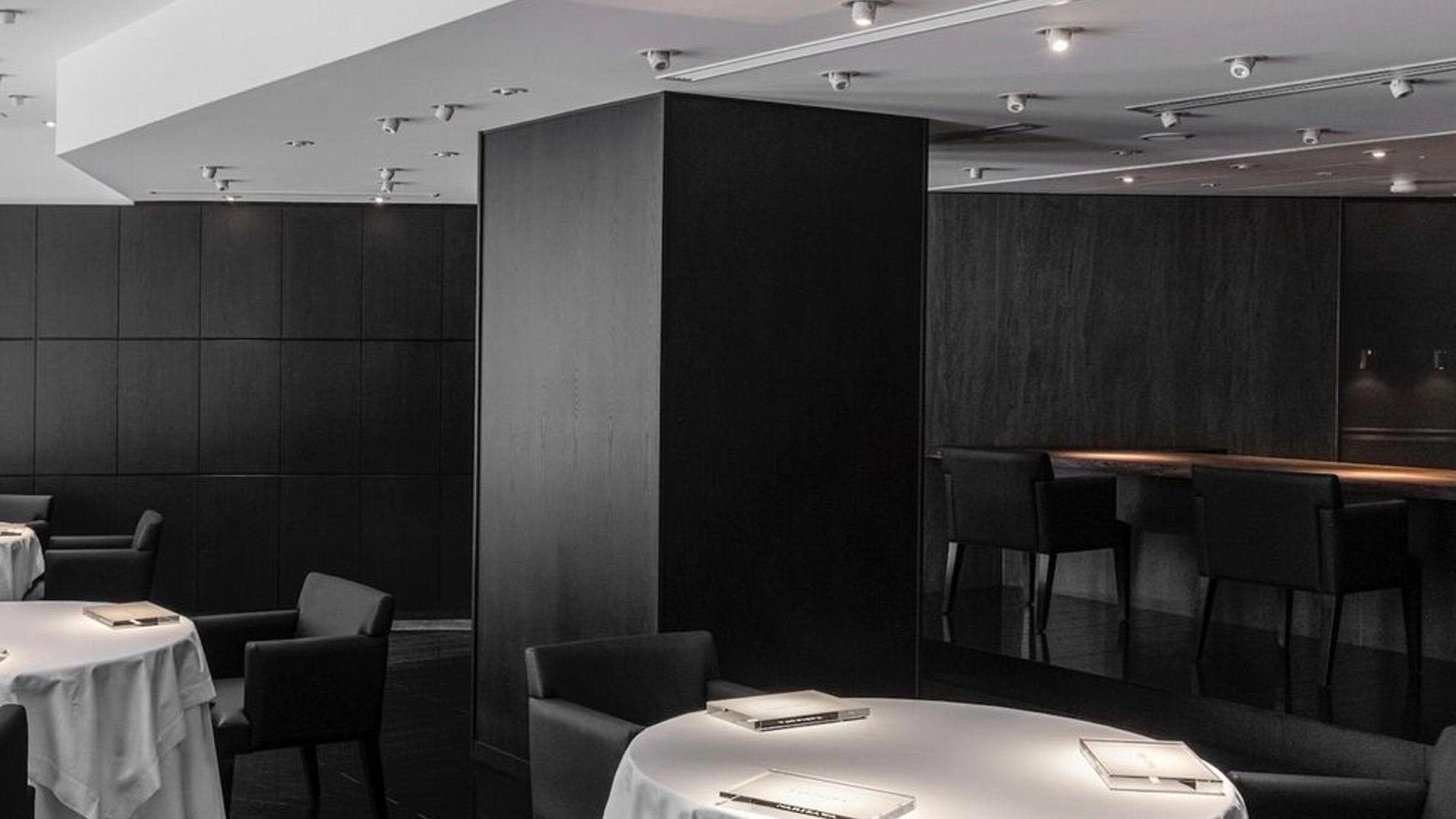
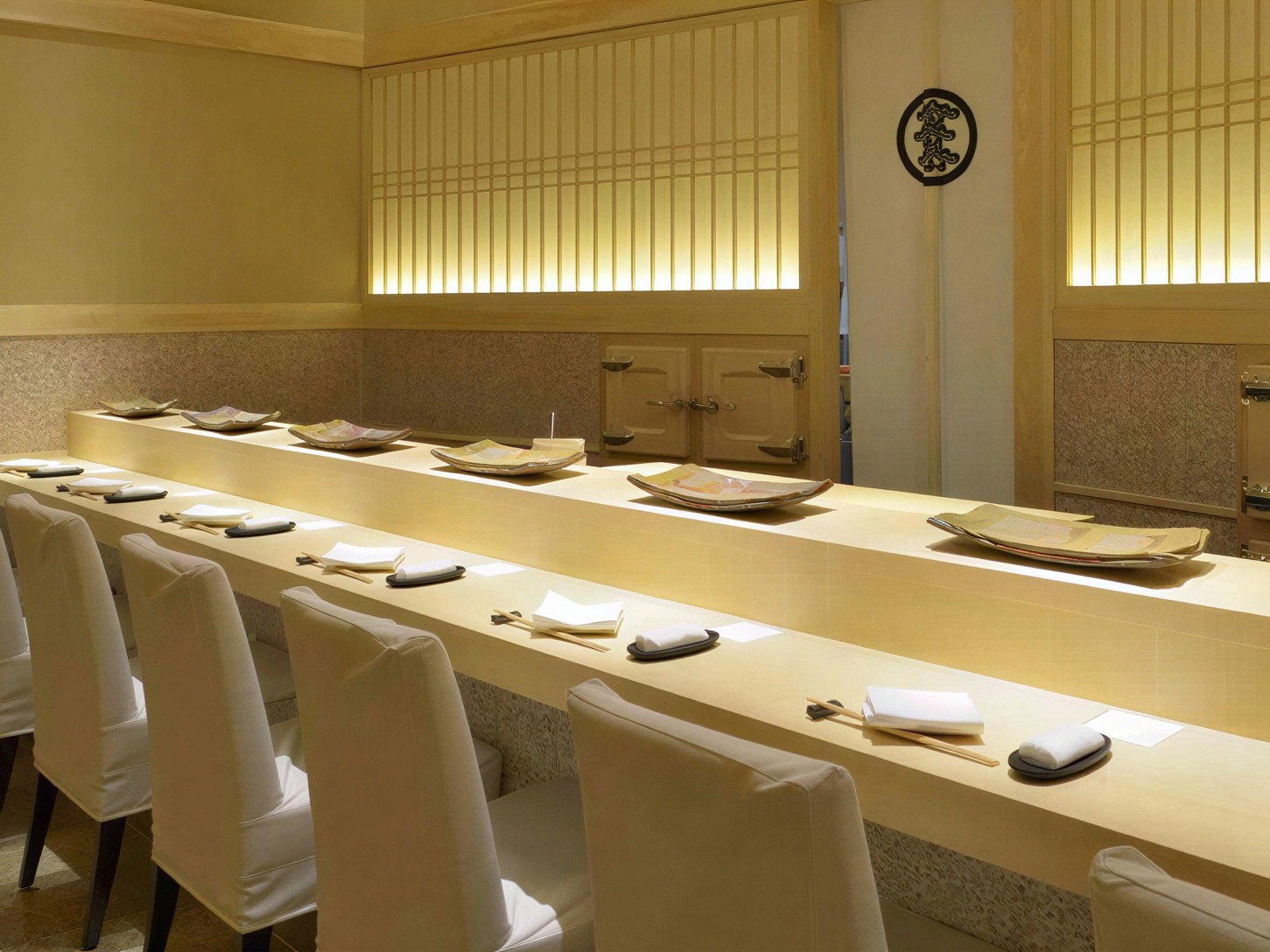
Counter seating for 16 guests, private rooms available, and a strict reservation-only policy that ties each booking to the individual who made it: these are the structural facts of an evening at Kurosaki. The reservation system carries a direct consequence, stated plainly by the venue: if someone other than the reservation holder arrives, the booking is treated as a cancellation. This is not bureaucratic severity for its own sake. It reflects the economics and logistics of small-counter dining at this level, where each seat is a committed variable in the night's preparation.
Two sittings run from 17:30, with the second beginning from 20:30. The restaurant operates Monday through Saturday and closes on Sundays and public holidays. Credit cards are accepted; electronic money and QR code payments are not. No parking is available at the venue, though coin parking exists nearby, and the walk from Omotesando Station is the expected mode of arrival for most guests.
The drinks programme skews toward sake, with the venue described as particularly attentive to nihonshu selection. Shochu and wine are also available. No perfume or strongly scented products at the table, no video recording, and a dress code that stops short of formal requirements but rules out shorts, tracksuits, and sandals: these policies read as consistent with the counter's broader register, a room that expects a certain level of attention and composure from both sides of the pass.
Minami-Aoyama as Context
The neighbourhood context matters here. Minami-Aoyama sits in a zone that doesn't concentrate its premium dining in one visible strip; the good rooms are distributed across side streets and lower floors, requiring local knowledge or deliberate research to find. This is a different dynamic from Ginza's density of high-end options, where the concentration of Michelin-starred restaurants and major hotel dining rooms creates something closer to a dining district. In Minami-Aoyama, each restaurant tends to define its own micro-territory.
For visitors building an itinerary around Tokyo's broader yakitori range, the field is wide. Yakitori Omino and Asagaya BIRD LAND represent different points on the spectrum, while 124. KAGURAZAKA and Aramaki offer adjacent reference points for the kind of counter-focused precision dining that Tokyo does across multiple formats. Aria di Takubo works the boundary between Japanese tradition and European technique, a useful counterpoint for anyone tracing how the city's smaller rooms are evolving.
For the yakitori format specifically, comparisons extend beyond Tokyo. Ichimatsu in Osaka and Torisaki in Kyoto each operate within their own regional registers, and placing Kurosaki alongside them sharpens what is specific to Tokyo's version of the premium yakitori counter.
Visitors to Japan exploring the full range of high-end dining can extend their itinerary to HAJIME in Osaka, Gion Sasaki in Kyoto, akordu in Nara, Goh in Fukuoka, 1000 in Yokohama, or 6 in Okinawa.
For broader Tokyo planning, see our full Tokyo restaurants guide, our full Tokyo hotels guide, our full Tokyo bars guide, our full Tokyo wineries guide, and our full Tokyo experiences guide.
Know Before You Go
- Address: 4-16-15 FPG Links MINAMIAOYAMA B2F, Minami-Aoyama, Minato City, Tokyo 107-0062
- Access: 7-minute walk from Omotesando Station (Tokyo Metro); approximately 400 metres from Omotesando
- Hours: Monday to Saturday, 17:30 onwards; two sittings (second from 20:30). Closed Sundays and public holidays
- Price: Dinner JPY 60,000 to JPY 79,999 per person (based on Tabelog review data)
- Reservations: Required. Booking must be made in the name of the attending guest; substitutions result in cancellation
- Payment: Credit cards accepted; electronic money and QR code payments not accepted
- Dress code: No formal requirement, but shorts, tracksuits, and sandals are not permitted
- Seats: 16 counter seats; private rooms available; full venue hire available
- Drinks: Sake (nihonshu focus), shochu, wine
- Smoking: Non-smoking throughout
- Parking: Not available at venue; coin parking nearby
- Note: Perfume and strongly scented products are discouraged; video recording is not permitted
- Phone: 03-6455-4596
Awards and Standing
A compact peer set to orient you in the local landscape.
| Venue | Awards | Cuisine | Notes |
|---|---|---|---|
| Yakitori Kurosaki | {"Year":"2026","Award Source":"Tabelog",… | Yakitori | This venue |
| Harutaka | Michelin 3 Star | Sushi | Sushi, ¥¥¥¥ |
| RyuGin | Michelin 3 Star | Kaiseki, Japanese | Kaiseki, Japanese, ¥¥¥¥ |
| L'Effervescence | Michelin 3 Star | French | French, ¥¥¥¥ |
| HOMMAGE | Michelin 2 Star | Innovtive French, French | Innovtive French, French, ¥¥¥¥ |
| MAZ | Michelin 2 Star | Innovative | Innovative, ¥¥¥¥ |