Yakitori Asahina

Yakitori Asahina places Kitakyushu’s charcoal-grill tradition in a tighter, counter-led register, with Kyoto Kosaka Chicken and a reservation-only format. The small Kokura room sits in the JPY 10,000–14,999 dinner bracket and has been selected for Tabelog 100 Yakitori WEST in 2024 and 2025, making it a serious stop for yakitori-focused dining in Fukuoka Prefecture.
Pearl is the En Primeur Club membership app — saves, bookings, and concierge access live there. Same editors, same standards.
- Address
- 福岡県北九州市小倉北区鍛冶町1-3-1 2F
- Phone
- +81935133636
- Website
- tabelog.com
 Saves & bookings on Pearl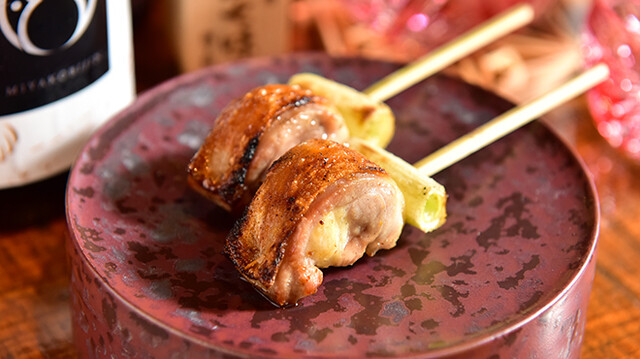
The approach to serious yakitori in Kokura is less about spectacle than compression: a small room, counter seating, smoke discipline, and a meal built around timing rather than abundance. In that context, Yakitori Asahina belongs to the modern specialist tier of Japanese chicken cookery, where the grill is not a casual after-work accessory but the organizing principle of dinner.
Kitakyushu has always eaten with a sharper working-city edge than Fukuoka’s more polished dining districts. Ramen, udon, eel, sweets, and tavern food all sit close together in the local rhythm, which is why a focused yakitori counter carries particular weight here. It translates an everyday izakaya language into a controlled course format without stripping it of its charcoal-grilled roots.
Charcoal chicken cookery treated as a serious course format
Yakitori’s cultural force comes from its apparent simplicity. Chicken, salt or tare, fire, and a sequence of small decisions: cut, spacing, fat, heat, rest. At the high end, the difference is not theatrical garnish but control. The cuisine rewards narrow specialization because each skewer asks for a different relationship with the grill. Breast meat, thigh, skin, cartilage, liver, and offal do not behave alike, and the counter format lets the kitchen serve each piece when it is ready rather than when a table’s full order has been assembled.
Yakitori Asahina’s public identity is anchored by Kyoto Kosaka Chicken, a named bird that signals a more ingredient-specific approach than the generic chicken-and-drink model common to casual izakaya. The point is not provenance as decoration; in yakitori, breed and handling matter because the cooking window is short and unforgiving. A better bird gives the grill something to articulate, especially when seasoning is restrained and the meal is paced skewer by skewer.
The Tabelog 100 Yakitori WEST selections in 2024 and 2025 place the restaurant inside a regional conversation rather than a purely local one. That matters in western Japan, where yakitori culture competes for attention with sushi counters, kappo rooms, ramen institutions, and regional noodle shops. Recognition in a yakitori-specific list suggests a restaurant being judged against other grill specialists, not merely against general dining rooms in Kokura.
For a broader view of the city’s range, Gyoran Tei Honten and Imanami Udon show the everyday end of Kitakyushu’s appetite, while Inaka An Kokura honten sits in a different traditional lane. The comparison is useful: Asahina is not trying to be the city’s all-purpose dinner address. It is for the diner who wants the grill, the bird, and the timing to carry the evening.
A Kokura counter in the specialist dining tier
The scale changes the social contract. A nine-seat counter is not a dining room that happens to serve skewers; it is a narrow performance space where the guest watches repetition become judgment. This is why the category has moved upward in Japan’s dining hierarchy. The old division between sushi as serious and yakitori as casual no longer holds at the upper end. Both are counter cuisines built on sequence, temperature, and the confidence to serve small portions with no distraction.
Asahina’s no-smoking policy, adult-only rule, and request to avoid heavy perfume all point to the same editorial conclusion: this is a fragrance- and smoke-sensitive format, and the room is designed around the food rather than the party. Those rules may sound severe outside Japan, but they are consistent with a grill counter where aroma is part of the meal’s structure. Charcoal, chicken fat, tare, and sake or beer all register differently when perfume is absent and the room is kept tight.
The price band also separates the restaurant from more casual Kokura eating. Hountei sits in a far lighter everyday bracket, while the city’s higher-priced sushi counters form another category altogether. Asahina occupies the middle-to-serious specialist lane: more formal than an izakaya crawl, less ceremonially expensive than upper sushi, and more ingredient-driven than a generic grilled-chicken stop.
That middle lane is where yakitori has become interesting across Japan. It carries enough informality to keep the meal direct, yet enough technical ambition to justify a destination dinner. The counter’s value is measured less by luxury signals than by whether each course advances the bird. Repetition is the test. If the sequence feels merely similar, the format collapses; if the kitchen varies texture, seasoning, and heat with discipline, the meal gains momentum.
How to place it within a Kitakyushu itinerary
For travelers building a food-led stay, Yakitori Asahina is the kind of dinner that benefits from a restrained day around it. Kokura’s central area makes it easy to pair the evening with lighter daytime eating, coffee, or sweets rather than a second heavy meal. Hyo Kashiya KOMARU covers the confectionery side of the city, while the wider Kitakyushu restaurants guide helps map the local spread without turning dinner into a checklist.
The restaurant’s format also suits diners who understand that yakitori is not a lesser substitute for sushi or kaiseki. It is its own grammar. Sushi privileges rice temperature, fish handling, and counter pacing; kaiseki organizes seasonality through composed courses; yakitori turns butchery and fire into a sequence of small arguments. In Kitakyushu, that makes Asahina a useful lens on the city’s practical, flavor-first dining character.
Visitors extending the trip can use the city guides as supporting context rather than forcing every meal into the same register: Kitakyushu hotels, Kitakyushu bars, Kitakyushu wineries, and Kitakyushu experiences. For contrast beyond the city, EP Club’s Japan and international listings range from -Grilled beef Sukiyaki- KAMAKURA TANUKIAN 鎌倉 たぬき庵 in Kamakura and. 鮪と炭火焼き うお炭 秋葉原店 in Tokyo to.cafe in Osaka.know in Kumamoto, (Shoku) Vietnam in Kawasaki, [Curry Senmon Ten] Maruyama Kyoju. in Sapporo, Jōdo Saké Bar in Los Angeles, and Onigiri Time in Pasadena.
The editorial read is clear: this is a compact, adult, grill-focused counter for diners who want yakitori treated with seriousness. Its appeal is not breadth. It is concentration.
A Pricing-First Comparison
Nearby venues at a similar price tier for orientation.
| Venue | Cuisine | Price | Notes |
|---|---|---|---|
| Yakitori AsahinaThis venue — the venue you are viewing | Kokura Kita, Modern Yakitori Omakase | $$$ | Not listed |
| Inakaan (田舎庵 小倉本店) | Not listed | $$$ | Kokurakita-ku, Traditional Japanese Unagi |
| Terasawa | Ōdōri, Traditional Japanese Fine Dining | Not listed | Not listed |
| Sushi Morita (もり田) | Kokurakita-ku, Kyushu-mae Sushi | $$$$ | Not listed |
| teppan sakaba hitojiman | Not listed | $$ | Kokuraminami-ku, Teppan izakaya with okonomiyaki & monjayaki |
| Tenzushi (天寿し 京町店) | Kokura Kita-ku, Kyushu-mae Omakase Sushi | $$$$ | Not listed |
Recognition history
Dated appearances from independent guides and award organizations, with the underlying list record or original source where available.
Tabelog 100 #44 · No. 44
Tabelog · Tabelog 100 - Yakitori - WEST - 2025
Continue exploring
More in Kitakyushu
Restaurants in Kitakyushu
Browse all →
Bars in Kitakyushu
Browse all →
At a Glance
- Elegant
- Cozy
- Intimate
- Sophisticated
- Date Night
- Business Dinner
- Special Occasion
- Celebration
- After Work
- Solo
- Chefs Counter
- Standalone
- Design Destination
- Sake Program
- Extensive Wine List
- Local Sourcing
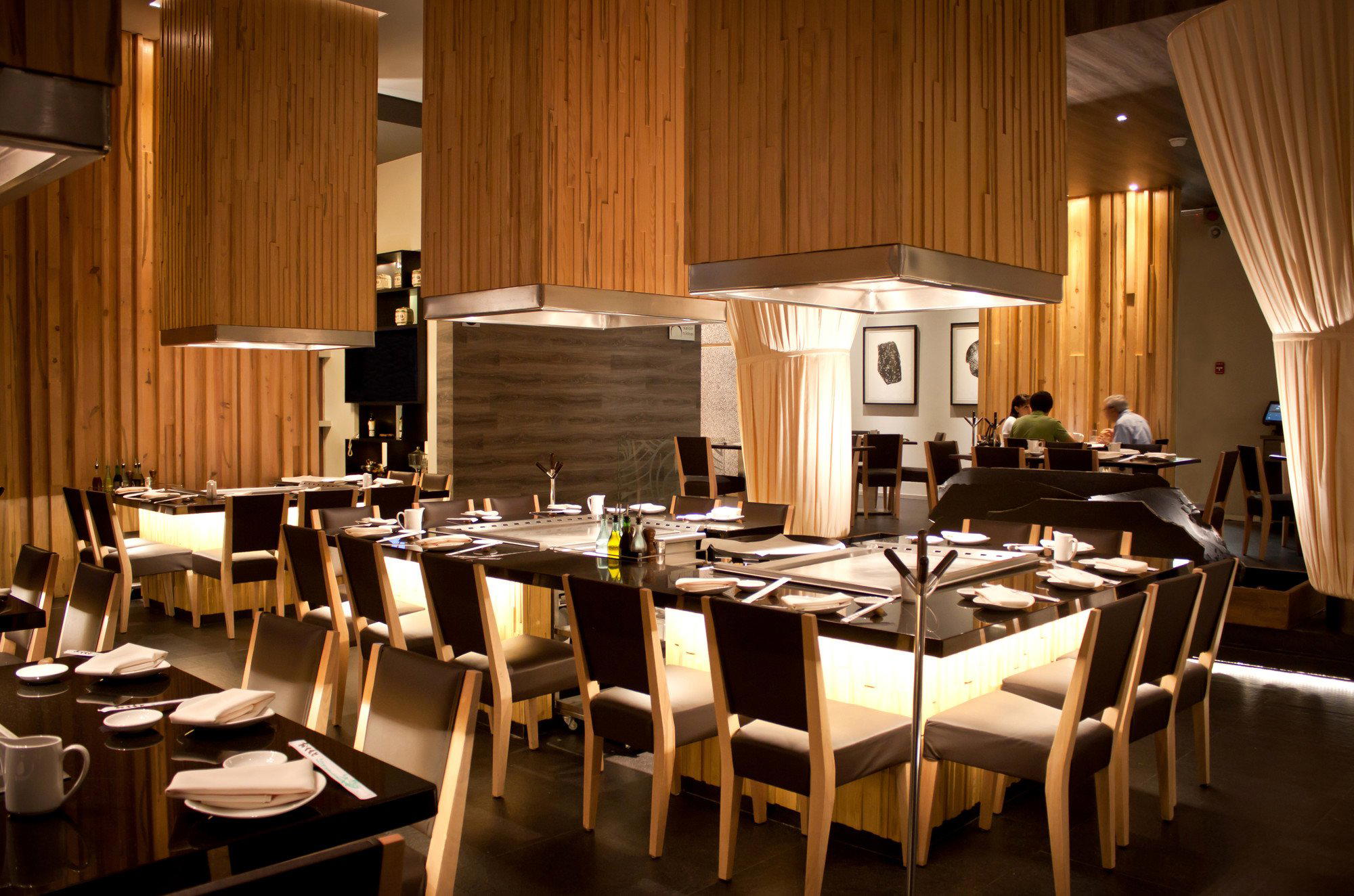
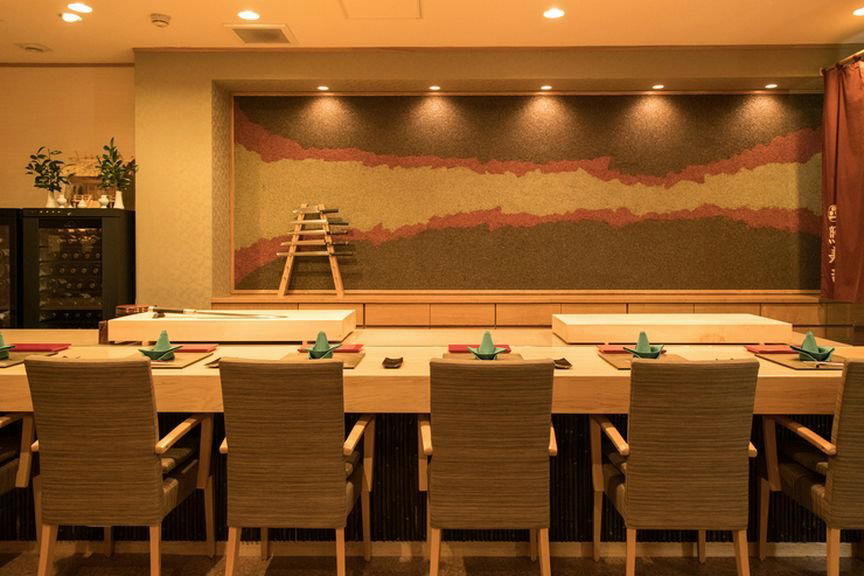
A small, refined counter-only space with stylish, minimalist Japanese design, warm lighting, and a calm, intimate atmosphere suited to dates and special occasions rather than casual drinking crowds.