Hountei

Tabelog 100 #74
Our verdict
Hountei belongs to Kitakyushu’s compact, late-day dumpling culture rather than Japan’s luxury tasting-menu circuit. Its Tabelog 100 Dumplings 2024 selection, small counter-led room, and low-spend format make it a useful Kokura reference point for travelers reading the city through gyoza, champon, Chinese-Japanese cooking, and shochu rather than ceremony.

Pearl is the En Primeur Club membership app, where members save venues, book tables and use the concierge.
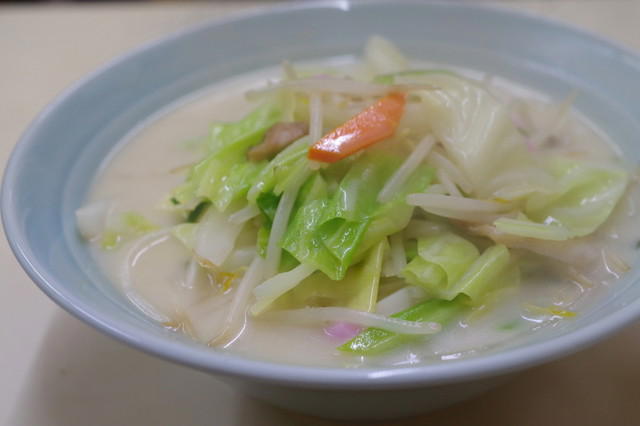
The menu
What to order
- Hakata-style one-bite gyoza
- Champon noodle soup
- Sara udon
Approaching Hountei in Kitakyushu signals a different kind of dining from the white-tablecloth vocabulary of much premium Japan travel. The cues are local and direct: heat, pace, familiar flavors, and the appetite of a city where everyday eating can be as revealing as formal cuisine. Hountei sits in that register, where dumplings are not treated as an afterthought but as the reason to make the stop.
Kitakyushu rewards this reading. Often folded into a broader Fukuoka itinerary, the city has its own food grammar: noodle shops, casual counters, Chinese-Japanese rooms, and evening dining routes across the city. For a wider local map, Our full Kitakyushu restaurants guide is the starting point; the planning rails, from Our full Kitakyushu hotels guide to Our full Kitakyushu bars guide, place dinner in the city rather than treating it as an isolated stop.
Gyoza as Kitakyushu drinking food, not a tasting-menu performance
Japan’s gyoza culture is broad enough that a national list matters only when the category is taken seriously. A Tabelog 100 Dumplings 2024 selection places Hountei among specialist dumpling houses, not simply as a broad casual stop with gyoza somewhere on the menu. The category is unforgiving: wrappers, filling, heat control, and rhythm must work at speed, usually in rooms where diners can sense the kitchen’s repetition.
The format also reveals sourcing and scale without needing luxury theater. Gyoza houses at this level rely less on rare ingredients than consistency in everyday components: filling, wrapper texture, seasoning balance, cooking fat, and condiments that keep the plate moving. The ingredient story is not spectacle, but how ordinary materials become a house style through freshness, batch rhythm, and repetition. In this kind of setting, immediacy becomes part of the value: the pleasure depends on food arriving hot, direct, and without unnecessary ceremony.
That discipline separates the experience from Kitakyushu’s more formal or higher-spend addresses. Yakitori Asahina and Inaka An Kokura honten operate in different registers, shaping a meal around their own specialties rather than dumplings. Hountei’s dumpling, champon noodle soup, and Chinese categories sit lower in spend and faster in tempo, which is why it belongs in the same itinerary: it captures the everyday end of Kitakyushu’s serious eating culture.
Where dumplings meet champon, Chinese-Japanese comfort, and drinks
The listed categories, dumpling, champon noodle soup, and Chinese, point to a Kyushu pattern rather than a single-dish specialist in isolation. Champon is a regional noodle form with Chinese influence, absorbed into everyday western Japan cooking. Beside gyoza, the meal reads less like a formal restaurant sequence than a compact table: a plate, a bowl, and whatever drink best suits the moment.
That combination has force in Kitakyushu. The city rewards food that is repeated, shared, and eaten without ceremony. The better version of that tradition is not crude; it is quietly exacting. A dumpling house must manage wrapper resilience, filling moisture, pan heat, and table pace while diners order in short bursts. Drinks can strengthen that local reading, sitting naturally beside salty, hot, fat-driven food. The point is not theatre; it is function, pace, and compatibility.
Travelers can sharpen a Kitakyushu itinerary by pairing this address with other local idioms rather than chasing one category all night. Other local dining rooms give noodles another reference point, while Inaka An Kokura honten can move the itinerary into a different mood. For sweets or a lighter daytime counterpoint, unnamed local options add another register. This is how Kitakyushu makes sense: not through one grand meal, but through focused rooms in sequence.
A small-scale choice for diners who care about category precision
The practical case is simple. Hountei is for diners wanting a tightly defined gyoza stop with recognized category credibility, not a multi-course destination meal. The Tabelog score of 3.50 and 2024 Dumplings 100 selection give it a public quality signal, while the modest listed price range grounds expectations. This is a casual-format choice, and the pleasure depends on accepting its scale rather than asking it to behave like a luxury restaurant.
That distinction helps travelers compare Japan across cities. In larger urban itineraries, a similar evening might sit beside cocktail bars, sushi counters, or niche kappo rooms; in Kitakyushu, the more revealing move is to read gyoza next to local noodles, other casual Chinese-Japanese cooking, and the city’s broader everyday dining scene. Broader Japan itineraries can pull in contrasts across unnamed dining rooms in other cities. Outside Japan, Japanese drinking and snack formats can translate abroad, often with a different relationship to sourcing and price.
The editorial verdict is that Hountei belongs on a Kitakyushu eating route when the aim is category literacy. It is not the city’s grand-occasion answer, and that is the point. The value lies in seeing how a dumpling room, recognized on a national gyoza list, expresses Kitakyushu’s practical food culture through repeatable technique, compact service, and ingredients handled for immediacy rather than display. Round out the trip with Our full Kitakyushu wineries guide and Our full Kitakyushu experiences guide if the itinerary extends beyond dinner; for this stop, the right expectation is narrower and more rewarding: gyoza as a local language, spoken fluently in Kitakyushu.
Frequently asked questions
Is Hountei expensive?
Pricing at Hountei is listed as JPY 1,000 - JPY 1,999 View spending breakdown.
When can I go to Hountei?
Specific opening hours were not provided in the verified venue facts; confirm directly with Hountei before visiting.
What's Hountei's location?
Kitakyushu.
What is Hountei known for?
Hountei is known in the provided listings for dumpling, champon noodle soup, and Chinese categories in Kitakyushu, with a 2024 Tabelog 100 Dumplings selection.
Snapshot
Comparable venues by cuisine and price in the same metro.
| Venue | Cuisine | Price | Awards | Notes |
|---|---|---|---|---|
| HounteiThis venue (the venue you are viewing) | Hakata-style one-bite gyoza & Chinese snacks | $10–20 | Tabelog 100 #74 | Not listed |
| Kurosaki Inakaan Hibiya | Japanese Unagi (Eel) | Not listed | Tabelog 100 #68 | Kurosaki |
| Tamago Monogatari Egg Story | Omurice-focused Japanese yoshoku | $10–20 | Tabelog 100 #26 | / Kokurakita Ward |
| Imanami Udon | Japanese Udon Noodles | $1–10 | Tabelog 100 #41 | Kokuraminami-ku |
| Tsudaya Kanbee | Dining | Not listed | Tabelog 100 #61 | Kitakyushu |
| Shiroya Bakery Kokura ten | Japanese Bakery | $1–10 | Tabelog 100 #15 | Kokurakita-ku |
Recognition history
Dated appearances from independent guides and award organizations, with the underlying list record or original source where available.
Tabelog 100 #74 · No. 74
Tabelog · Tabelog 100 - Dumplings - 2024
Continue exploring
More in Kitakyushu
Restaurants in Kitakyushu
All restaurants in Kitakyushu →

Bars in Kitakyushu
Browse all →


Details
- Lively
- Classic
- Cozy
- Intimate
- Solo
- Casual Hangout
- After Work
- Late Night
- Standalone
- A La Carte
- Counter Dining
- Small Plates
- Beer
- Shochu
Current opening hours
- Monday
- Closed
- Tuesday
- 5–10 PM
- Wednesday
- 5–10 PM
- Thursday
- 5–10 PM
- Friday
- 5–10 PM
- Saturday
- 5–10 PM
- Sunday
- Closed
Hours can change for holidays and private events. Hours as of .
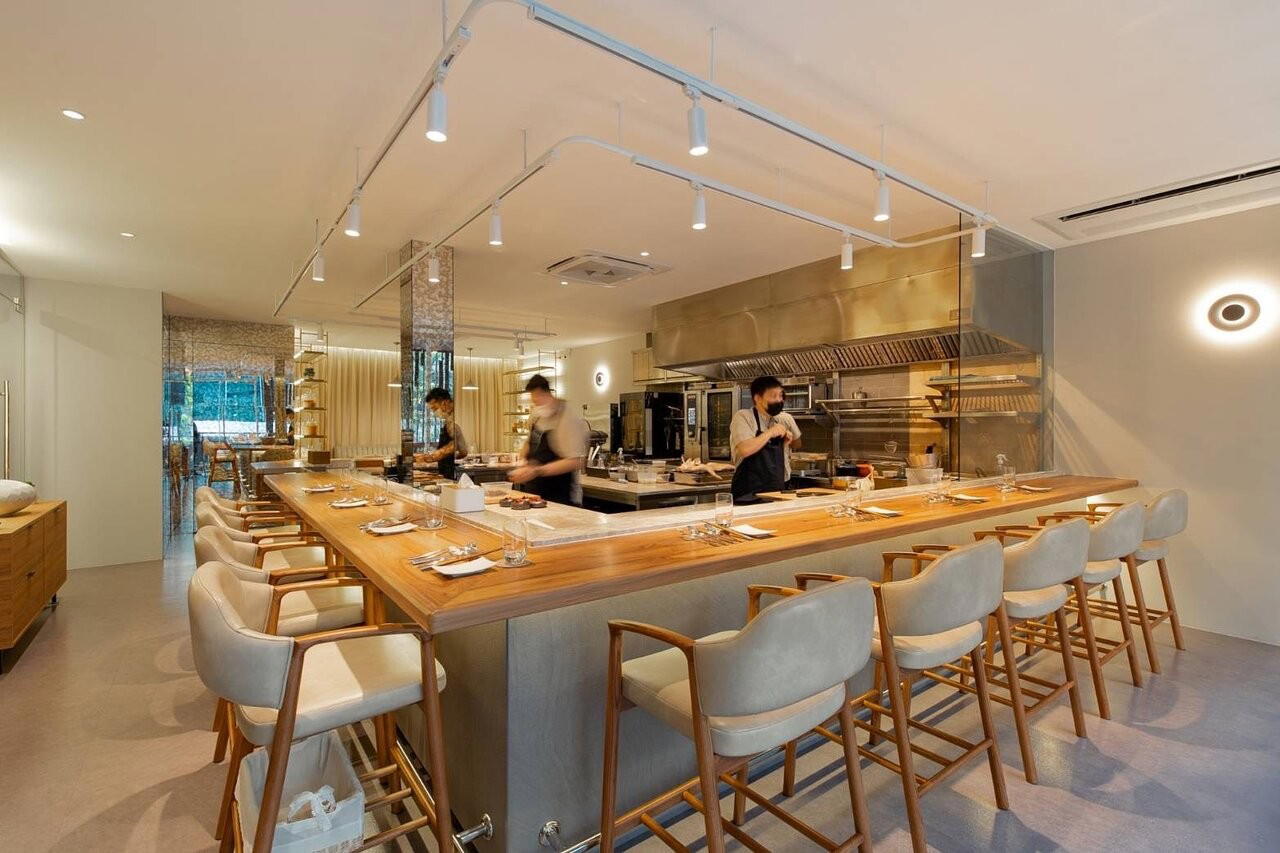
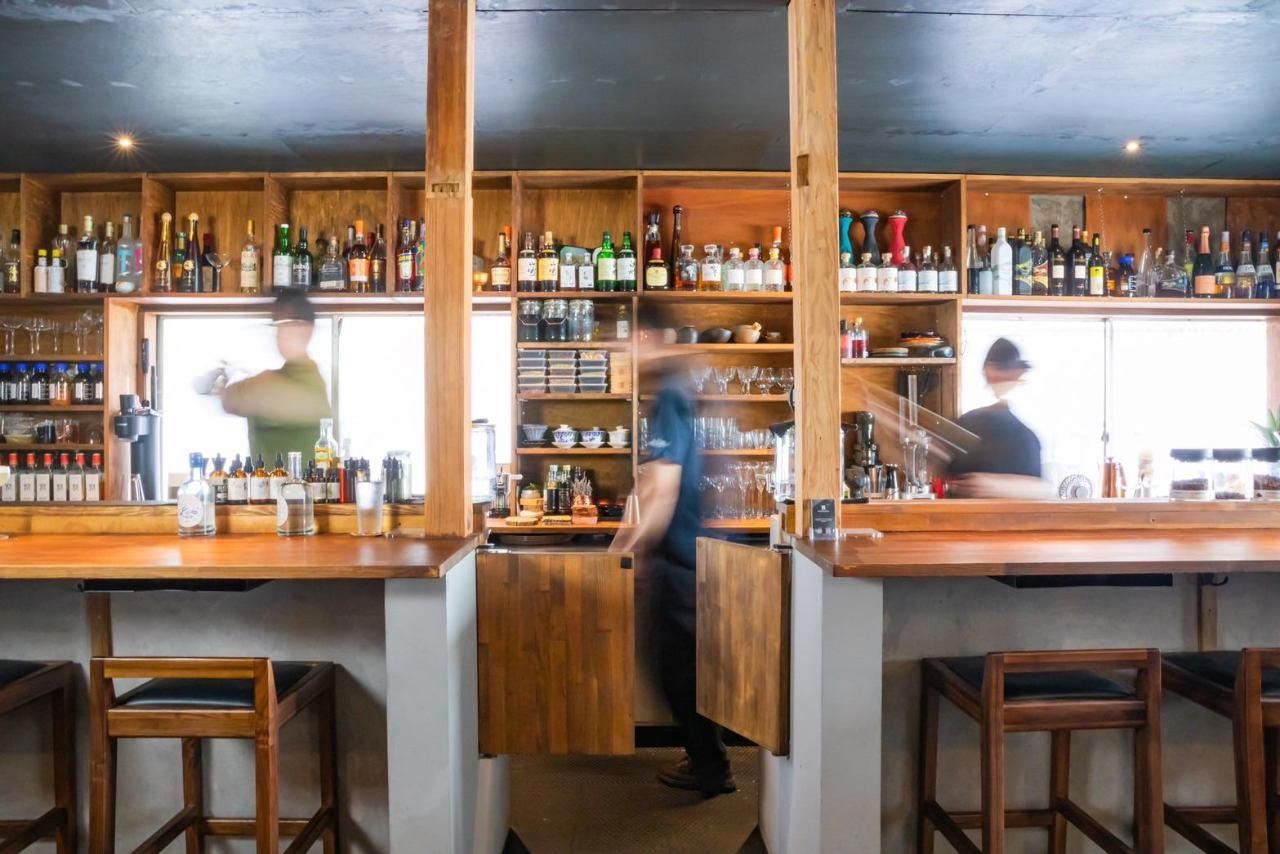
A compact, old-school Chinese dumpling joint with just 17 seats, centered around a counter, where guests sit close together in a lively, smoky room as gyoza and champon come out of the open cooking area late into the night.