
Yakiniku Yazawa Toukyou puts Yaesu yakiniku in a polished, staff-grilled register: a compact 29-seat room near Tokyo Station, built around black-haired Wagyu, wine-aware service, and private-room flexibility. Its repeated Tabelog 100 Yakiniku selections, including Tokyo 2025, place it in the city’s serious grilled-beef conversation rather than the casual barbecue tier.
Pearl is the En Primeur Club membership app — saves, bookings, and concierge access live there. Same editors, same standards.
- Address
- 東京都中央区八重洲1-5-10 トーイン八重洲ビル 1F
- Phone
- +81332422914
- Website
- valuet.co.jp
 Saves & bookings on Pearl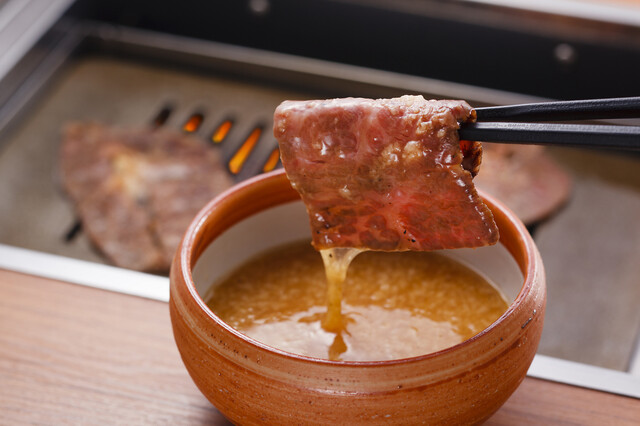
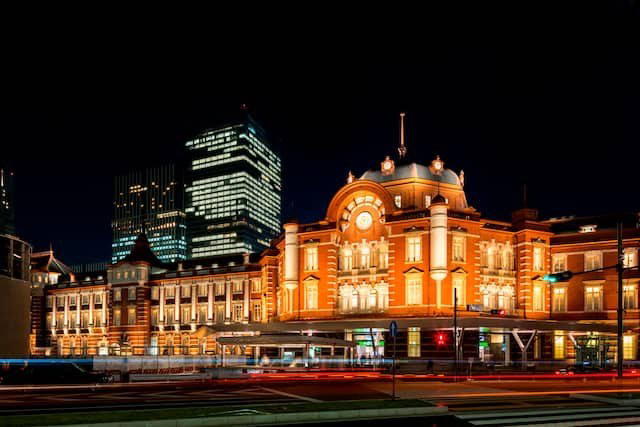
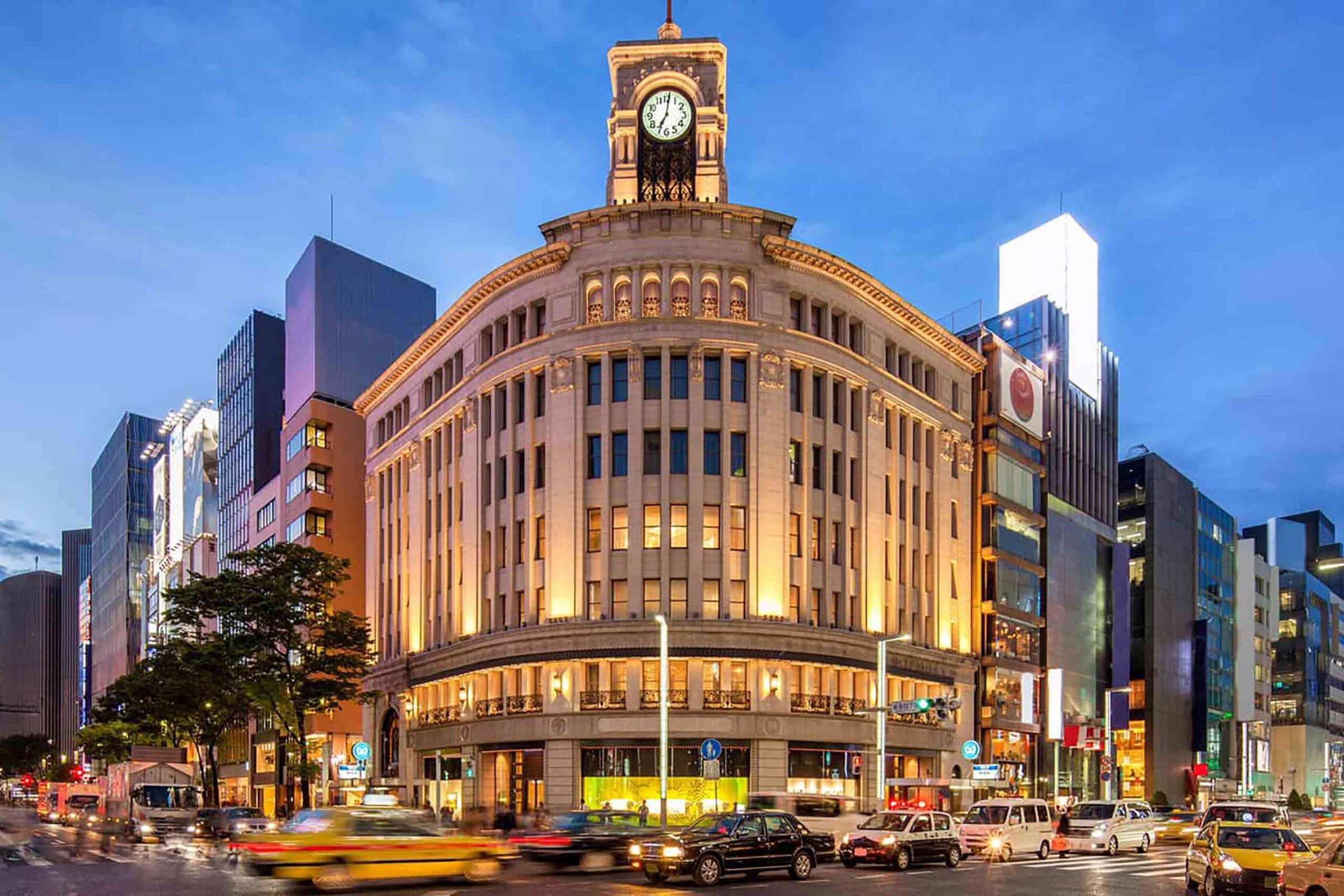
Yaesu does not ask diners to linger outside: office towers, station traffic, and people using Tokyo Station as a hinge between appointments, trains, and late dinners. Inside a small first-floor room, yakiniku shifts from social grill-it-yourself informality into a managed format, with heat, timing, and pace held partly by the floor team rather than only the table.
In Tokyo, that matters. Yakiniku ranges from smoky neighbourhood rooms to high-spend Wagyu counters, but the serious end is increasingly service-led. Meat is only part of the proposition. The stronger rooms ask whether staff can control the grill, whether drinks can move beyond beer, and whether the meal can feel composed without losing the shared-table pleasure of Japanese barbecue.
Staff-grilled Wagyu in Tokyo's controlled yakiniku tier
Yakiniku Yazawa Toukyou sits on the composed side of the genre. The category is Japanese BBQ, the house is directly managed by Yazawa Meat, and the published description centres on carefully selected black-haired Wagyu grilled by staff. That changes dinner’s rhythm: instead of a table negotiating doneness cut by cut, the meal depends on coordination between grill hand, front-of-house pace, and drinking program.
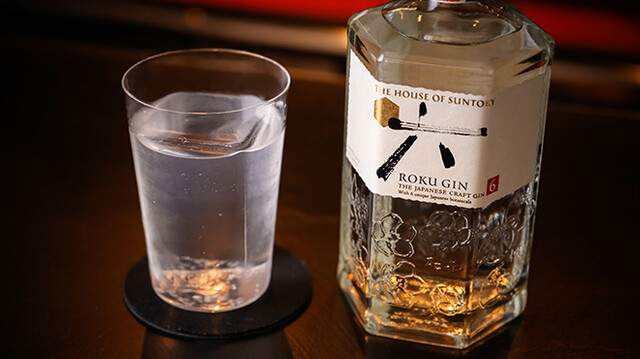
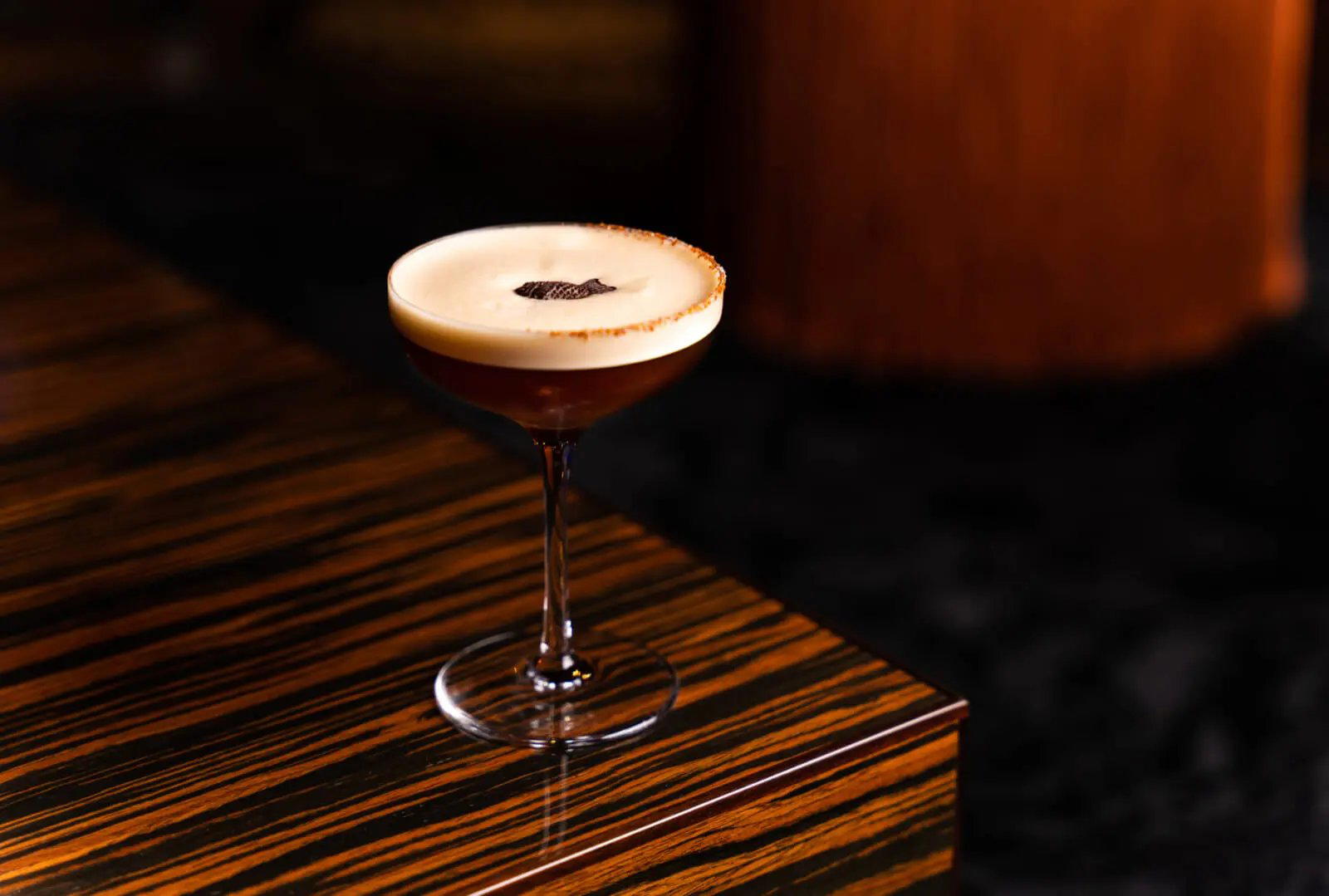
The team dynamic becomes the story. A sommelier is listed among the services, and drinks cover sake, shochu, wine, and cocktails, with particular attention to wine. In Tokyo yakiniku, that signals a move beyond the older assumption that grilled beef belongs mainly to lager and highballs. The richer the beef, the more the room needs acidity, tannin, temperature control, and service timing to prevent heaviness. Staff grilling works only when front of house reads the table as carefully as the grill.
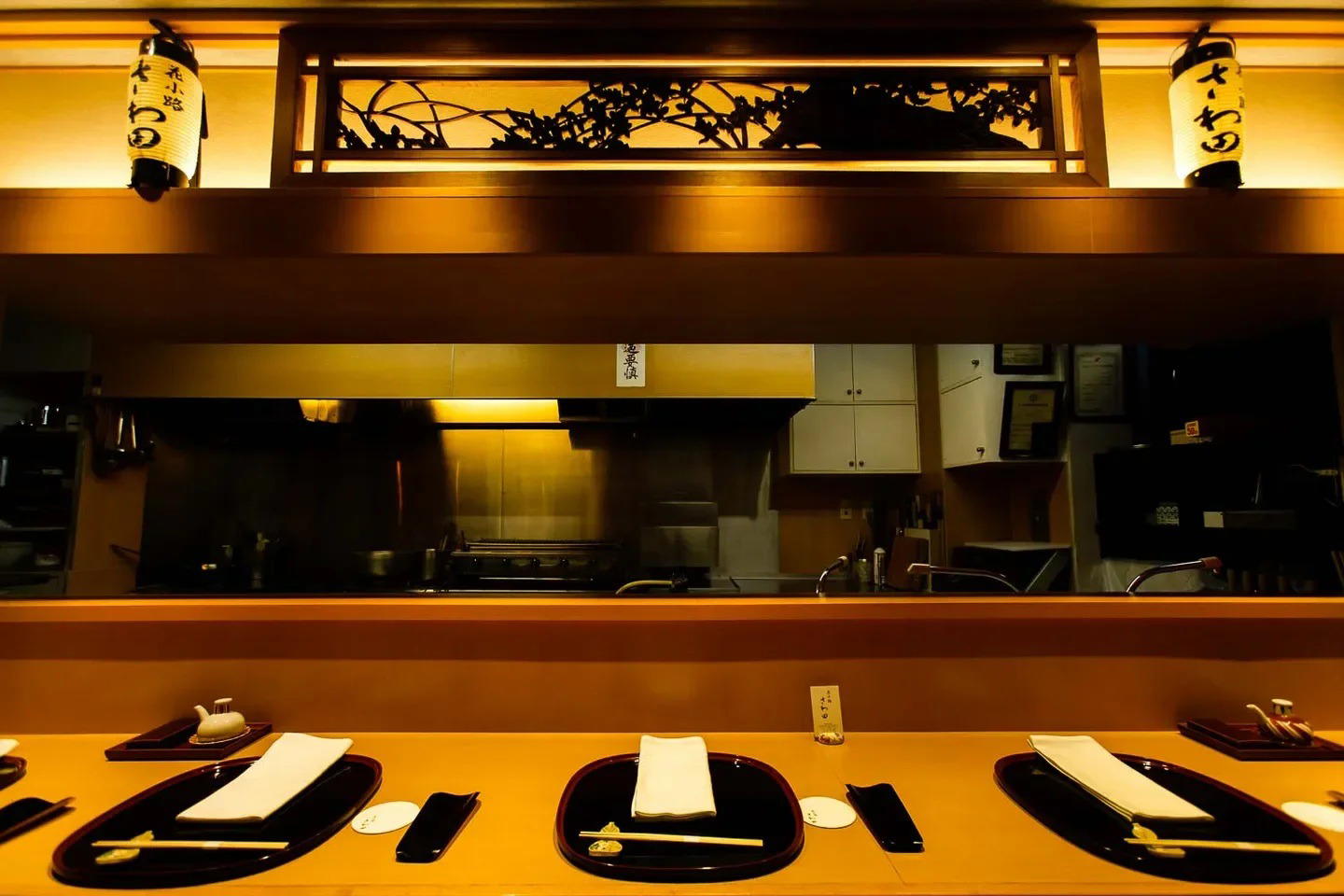
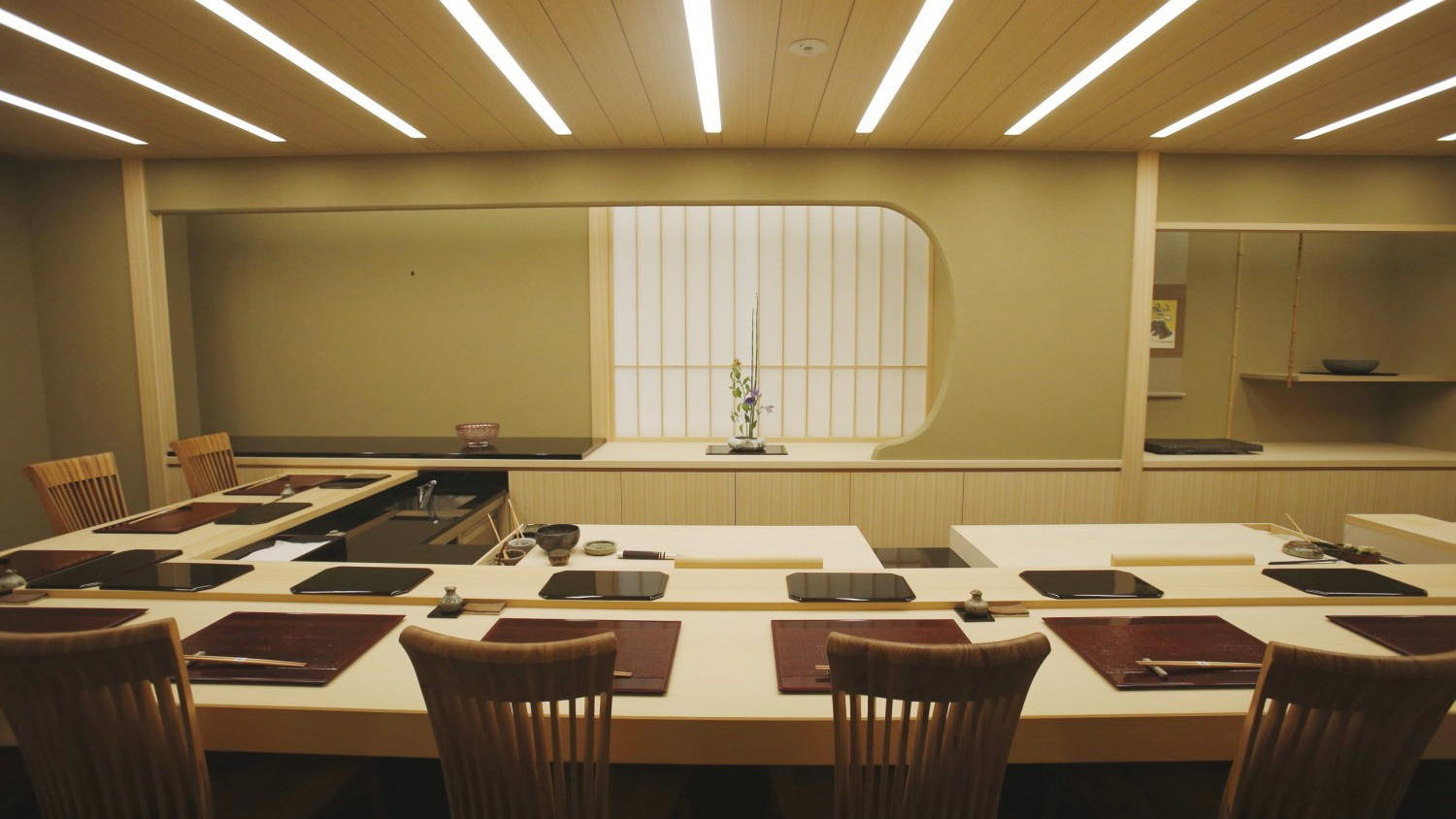
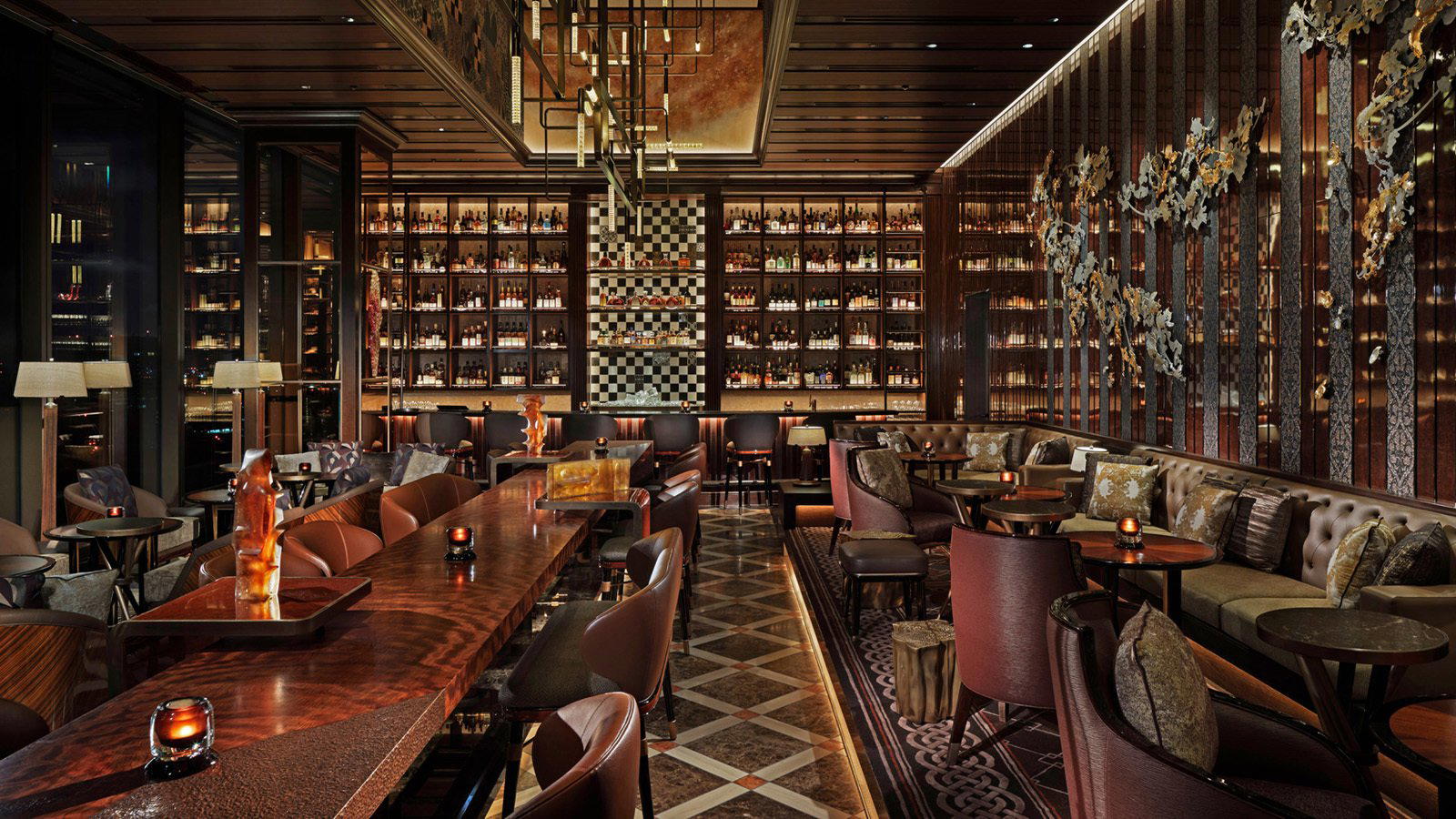
The scale reinforces that discipline. With 29 seats and private rooms for smaller groups, the restaurant sits closer to a managed dining room than a large barbecue hall. Private use is available for groups of 20 to 50, explaining the polished, occasion-friendly register: celebrations are part of the service vocabulary, children are welcome, and English menus and English-speaking staff are listed. For travellers, that reduces friction without turning the meal into an international hotel experience.
Recognition frames the competition. The restaurant was selected for Tabelog 100 Yakiniku Tokyo 2025, with previous Tabelog 100 selections in 2018, 2019, 2020, 2021, 2022, and 2023. Tabelog’s Hyakumeiten lists are category-specific, so the signal is narrower than a general dining award: recognition inside Tokyo’s crowded yakiniku field, not a broad all-restaurant accolade. Its Tabelog score is 3.66, useful in a market where category lists often matter more than English-language guidebook visibility.
Yaesu makes the meal sharper, not softer
Location shapes the decision. Yaesu and Nihombashi sit where eating well often means choosing between old specialist shops, corporate dining rooms, and station-adjacent restaurants built for punctuality. Nearby comparisons show the range: Yaesu Unagi Hashimoto keeps to freshwater eel, Nihonbashi Nagato occupies a lower everyday spend band, Kisetsu Ryori Ishii sits in a kaiseki-leaning seasonal bracket, and Piacere operates at a higher quoted dinner range. Yakiniku here must justify itself through execution and tempo, not neighbourhood romance.
That makes Yakiniku Yazawa Toukyou useful for a particular Tokyo dinner: polished but not ceremonial, meat-focused but not loose, convenient without feeling like a station compromise. The average price is JPY 10,000 to JPY 14,999, while review-based spending is JPY 15,000 to JPY 19,999. Practically, it sits above casual yakiniku and below rarefied counter formats where scarcity and chef theatre drive the bill. Value lies in controlled grilling, team service, and a drinks program broad enough to support Wagyu rather than merely accompany it.
There are trade-offs. A 90-minute seating limit makes the format efficient, not languid. The room is non-smoking, parking is unavailable, and strollers are not allowed inside because the space is compact, though baby chairs are listed. Those details define the room’s function: it can handle families and celebrations, but it is built around tight service choreography. Arriving late has consequences, with a 15-minute grace period before a reservation is treated as a cancellation.
How to place it within a Tokyo eating itinerary
For visitors planning Tokyo dining, this is not the slot for sushi ceremony or avant-garde kaiseki. It is the slot for beef, heat, and competent service near the city’s transport core. The smarter comparison is not a far-flung destination restaurant, but other serious central-Tokyo meals where the question is how much control the house brings to a familiar format. Here, staff grilling and wine-aware service are the differentiators.
Tokyo’s dining range can be mapped through contrasts: yakitori precision at 124. KAGURAZAKA (Yakitori), casual visual theatre at 2D Cafe, curry specificity at 3 Chome no Curry Ya San, or grilled and seafood-led options such as . 鮪と炭火焼き うお炭 秋葉原店 and 12/10 Shinjuku ten. For a wider city edit, use Our full Tokyo restaurants guide, then build the trip through Our full Tokyo hotels guide, Our full Tokyo bars guide, Our full Tokyo wineries guide, and Our full Tokyo experiences guide.
Travellers extending the food itinerary beyond central Tokyo can compare other Japanese dining registers through -Grilled beef Sukiyaki- KAMAKURA TANUKIAN 鎌倉 たぬき庵 in Kamakura.cafe in Osaka.know in Kumamoto, (Shoku) Vietnam in Kawasaki, [Curry Senmon Ten] Maruyama Kyoju. in Sapporo, and [ki:] in Kyoto. For Japanese food culture abroad, Jōdo Saké Bar in Los Angeles and Onigiri Time in Pasadena show how specific formats travel when context changes.
The editorial case is clear: choose this for a controlled Yaesu yakiniku dinner where staff grilling, Wagyu sourcing, wine service, and compact-room logistics work as one system. It is not Tokyo’s loosest night out, and that is the point. In a city full of beef rooms, discipline separates simply eating grilled meat from understanding why the category keeps earning its own serious following.
Reputation Context
Comparable venues for context, by category and price tier.
| Venue | Cuisine | Price | Notes |
|---|---|---|---|
| Yakiniku Yazawa ToukyouThis venue — the venue you are viewing | Yakiniku (Japanese BBQ) | $$$ | Not listed |
| Ogami Shabu Shabu | Premium Shabu-Shabu | $$$ | Chūō |
| Unagi Akimoto | Traditional Japanese Unagi | $$$ | Chiyoda |
| Shirogane Toritama Kagurazaka ten | Yakitori & Izakaya | $$$ | Shinjuku |
| かぶん | Yakiniku (Japanese BBQ) | $$$ | Minato |
| Ebisu Kuroiwa | Kaiseki | $$$ | Shibuya |
Recognition history
Dated appearances from independent guides and award organizations, with the underlying list record or original source where available.
Tabelog 100 #55 · No. 55
Tabelog · Tabelog 100 - Yakiniku - TOKYO - 2025







At a Glance
- Elegant
- Sophisticated
- Modern
- Business Dinner
- Group Dining
- Special Occasion
- Celebration
- Open Kitchen
- Standalone
- Sake Program
- Beer Program
- Local Sourcing
A premium, polished yakiniku space with a refined, upscale feel centered on expertly prepared Wagyu.