
Nagoya’s yakiniku scene is broad, but the Tsurumai address puts Yakiniku Tomiya in a useful middle tier: serious beef, izakaya flexibility, and a price band below the city’s high-ticket counters. Its Tabelog 100 Yakiniku EAST 2025 selection gives it a clear credential without turning the meal into ceremony.
Pearl is the En Primeur Club membership app — saves, bookings, and concierge access live there. Same editors, same standards.
- Address
- Japan, 〒460-0012 Aichi, Nagoya, Naka Ward, Chiyoda, 5 Chome−20−2 アラキビル 1F
- Phone
- +81 52-269-9034
- Website
- tomiya.co
 Saves & bookings on Pearl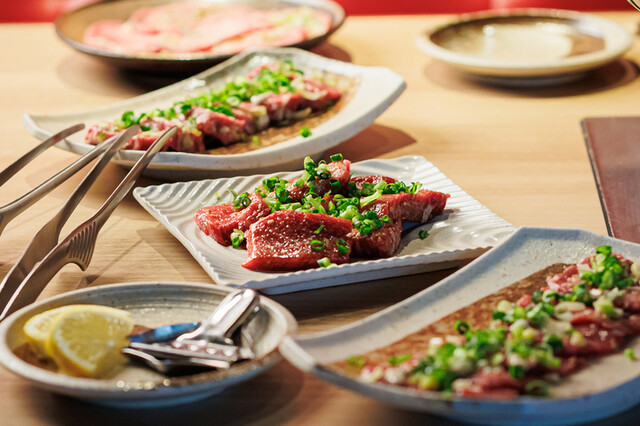
After dark, Tsurumai feels less polished than the hotel-and-department-store axis around Meieki and Sakae. Its lived-in rhythm, rail traffic, hospital workers, students, office groups, and late dinners moving through side streets rather than destination corridors, matters for yakiniku. The format works well when it stays social and direct, with the grill doing the work and the room giving groups space to settle.
Yakiniku Tomiya fits that Nagoya register: not a luxury steakhouse, not a bargain grill, but a beef-led evening table structured enough for Tabelog’s 100 Yakiniku EAST 2025 list. In a city where premium dining often splits between French-influenced tasting menus and specialized counters, this is a more local seriousness. The practical evidence is as telling as the critical signal: 54 seats, private rooms, family-friendly use, izakaya-adjacent categories, and a dinner band of JPY 6,000 to JPY 7,999. That combination says much about Nagoya dining culture.
Tsurumai gives yakiniku a less formal Nagoya frame
Yakiniku in Japan is often discussed through beef quality alone, but location changes the meal. In central Tokyo, high-demand counters can turn grilled beef into reservation sport; in Nagoya, the better rooms serve broader occasions. Tsurumai helps explain why Tomiya reads as adaptable: dates, families, and group dinners without the hushed grammar of a tasting menu.
Tabelog’s classification is useful because it places the restaurant inside yakiniku rather than the wider field of Japanese grills. The 100 lists are category-led, and the 2025 EAST selection gives the address a signal beyond neighbourhood word of mouth. Its 3.71 score should be read in Japanese review-site context: above the mid-threes can indicate concentrated approval, especially where regulars compare many closely priced rooms.
Against Nagoya peers in the comparison set, the value proposition is narrow and clear. Itsuki sits much higher at JPY 20,000 to JPY 29,999, while Masaka shares the JPY 6,000 to JPY 7,999 range. Menya Saisakizaka, at JPY 1,000 to JPY 1,999, is a different dining decision. Yakiniku Tomiya is therefore less about splurge logic than category confidence: a full grilled-beef dinner without special-occasion pricing.
Beef, wine, tripe, and the izakaya edge
The category mix tells the story without a long menu recital. Yakiniku is the anchor, but the listing also identifies izakaya cooking and tripe. That matters because Japanese grilled-beef restaurants run on a spectrum: some focus on luxury cuts and quiet pacing; others lean into drinking food, offal, repeat orders, and tables that build their own rhythm. Wine as a noted drink focus pushes the room beyond a beer-only grill while keeping it informal.
Nagoya is a practical eating city, and that shows in how restaurants blur categories. A yakiniku address with private rooms and family-friendly notes is not imitating counter-only omakase. It is built for mixed parties: diners wanting beef, someone wanting offal, a table ordering around the grill, and groups preferring conversation to a chef-led sequence. That is a strength when the brief is convivial rather than ceremonial.
The 2025 price revision notice, tied to rising beef and raw-material costs, reflects broader pressure across Japan’s meat-focused restaurants. Yakiniku is especially exposed because the central product is hard to disguise. When a restaurant in this bracket adjusts prices while staying moderate, the useful question is not whether it is cheap, but whether the experience remains coherent against nearby alternatives. For diners wanting a recognised category address without the financial weight of Nagoya’s higher-ticket rooms, it does.
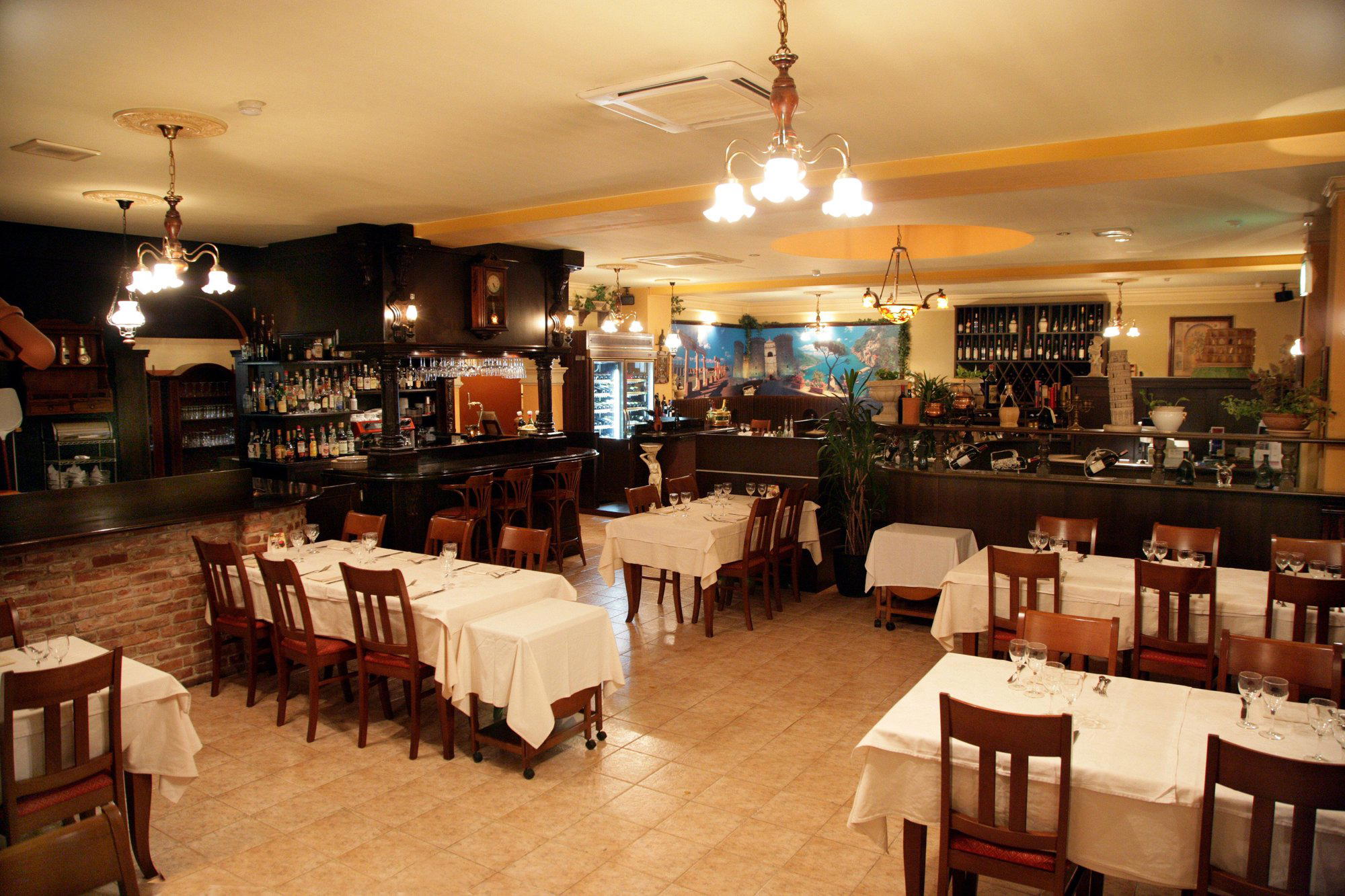
For planning, place it within a Nagoya itinerary rather than as a standalone pilgrimage. The city’s restaurant map runs from ramen and casual counters to formal European rooms, and the contrast is part of the appeal. Travellers can use Our full Nagoya restaurants guide for the broader dining field, then branch into hotel, bar, winery, and activity planning through Our full Nagoya hotels guide, Our full Nagoya bars guide, Our full Nagoya wineries guide, and Our full Nagoya experiences guide.
How to place it in a Nagoya itinerary
Use it for an evening when the group wants beef but not a stiff room. The daily dinner schedule fits after sightseeing, and Tsurumai station access keeps it from becoming taxi-dependent. Private rooms and stroller-friendly notes widen its use for family travel, while the smoking-area detail means smoke-sensitive diners should factor room policy into the decision.
Payment is more flexible than at many smaller Japanese restaurants: major credit cards are accepted, electronic money is not, and QR payment is available through d Barai. There is no restaurant parking, though nearby coin parking is noted, matching the urban Tsurumai setting. Groups of six or more have a specific reservation-change instruction by phone, so larger parties should treat booking as planned dinner rather than casual walk-in.
For Nagoya comparisons beyond yakiniku, the editorial map includes venues with different budgets and formats, from 1022, 451, Aaron, Alan., and All Day Dining Montmartre. Japan-wide, widen the lens with -Grilled beef Sukiyaki- KAMAKURA TANUKIAN 鎌倉 たぬき庵 in Kamakura. 鮪と炭火焼き うお炭 秋葉原店 in Tokyo.cafe in Osaka.know in Kumamoto, (Shoku) Vietnam in Kawasaki, and [Curry Senmon Ten] Maruyama Kyoju. in Sapporo. For a transpacific sake-and-Japanese-food thread, Jōdo Saké Bar in Los Angeles and Onigiri Time in Pasadena sit in a different cultural register but show how Japanese casual formats translate abroad.
The verdict is editorial rather than theatrical: Yakiniku Tomiya is for diners wanting Nagoya yakiniku with a recognised category credential, group-friendly logistics, and a price point that leaves room for the rest of the trip. It is not trying to be a chef-counter event. Its value lies in fitting the city naturally: direct, social, beef-focused, and grounded in a neighbourhood where dinner feels like daily life rather than staged performance.
The Quick Read
Comparable venues for context, by category and price tier.
| Venue | Cuisine | Price | Notes |
|---|---|---|---|
| Yakiniku TomiyaThis venue — the venue you are viewing | Naka, Japanese Yakiniku | $$ | Not listed |
| Murasakiya | Naka, Traditional Japanese Wagashi Cafe | $$ | Not listed |
| 料亭 香楽 | Not listed | Not listed | Higashi, Nagoya Hitsumabushi Eel Restaurant |
| Obanzai Anko | Not listed | $$ | Nakamura, Traditional Japanese Obanzai Izakaya |
| Mitsumura | Not listed | $$ | Kita, Traditional Tempura & Kakiage Donburi |
| Izakaya Ooedo | Not listed | $$ | Naka, Creative Japanese Izakaya & Kushi-age |
Recognition history
Dated appearances from independent guides and award organizations, with the underlying list record or original source where available.
Tabelog 100 #61 · No. 61
Tabelog · Tabelog 100 - Yakiniku - EAST - 2025
Continue exploring
More in Nagoya
Restaurants in Nagoya
Browse all →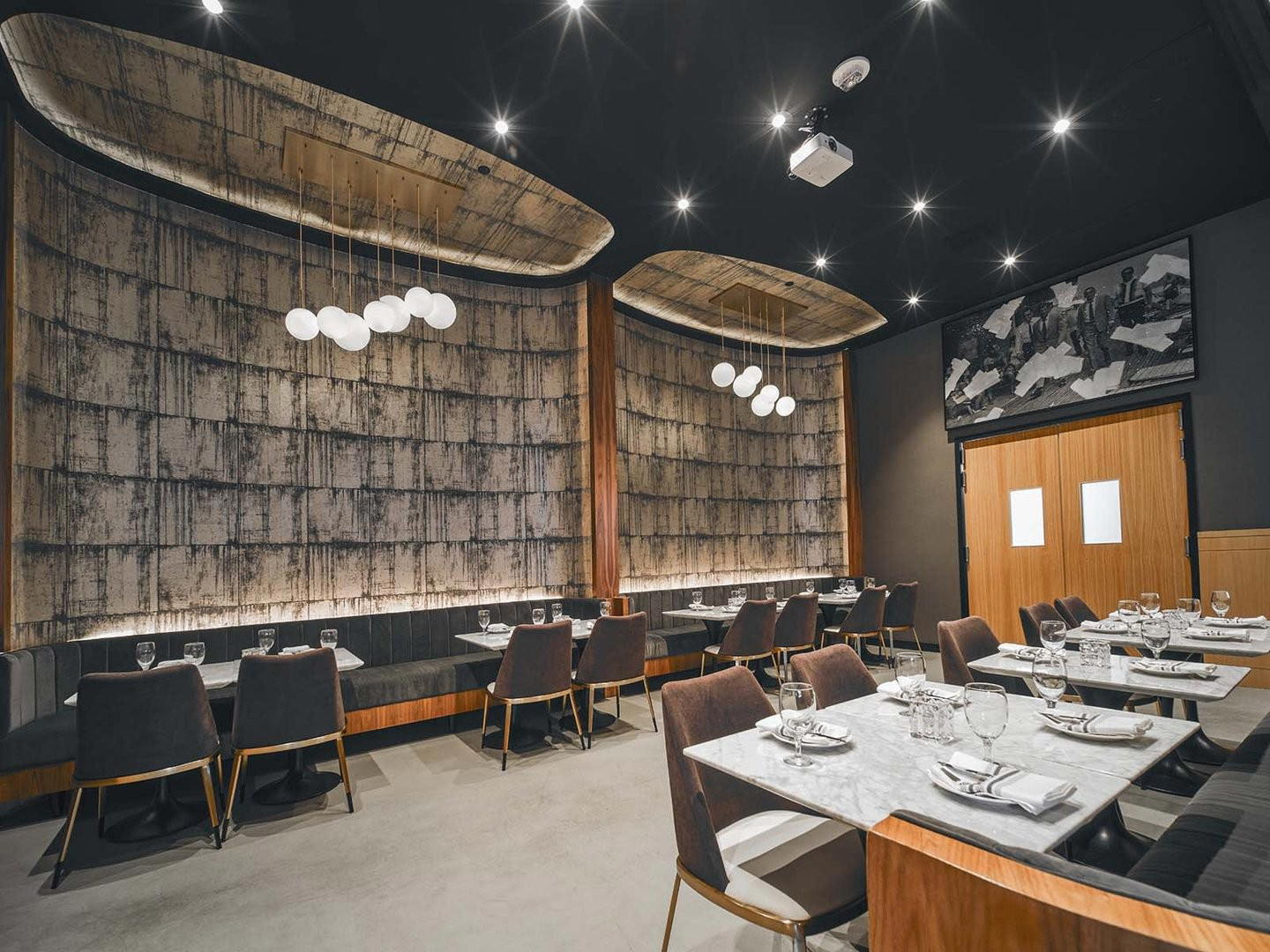
At a Glance
- Cozy
- Classic
- Intimate
- Group Dining
- Casual Hangout
- After Work
- Standalone
- Open Kitchen
- Beer Program
- Sake Program
- Local Sourcing
Current opening hours
- Monday
- 5–11 PM
- Tuesday
- 5–11 PM
- Wednesday
- 5–11 PM
- Thursday
- 5–11 PM
- Friday
- 5–11 PM
- Saturday
- 5–11 PM
- Sunday
- 5–11 PM
Hours can change for holidays and private events. Last verified .
A relaxed, meat-focused yakiniku setting that feels intimate and traditional rather than flashy, with an emphasis on casual comfort and serious grill quality.