
Yakiniku Horumon Kopu sits in Kobe’s Sannomiya yakiniku circuit, where the ritual is less about spectacle than timing, cut selection, and control over the grill. Its Tabelog 100 Yakiniku WEST 2025 selection and compact 24-seat format place it in a focused tier for diners who want wagyu, horumon, wine, and a hands-on meal rather than a hotel dining room performance.
Pearl is the En Primeur Club membership app — saves, bookings, and concierge access live there. Same editors, same standards.
- Address
- 兵庫県神戸市中央区北長狭通1-20-13 キングストンビル 4F
- Website
- tabelog.com
 Saves & bookings on Pearl
The approach to a fourth-floor yakiniku room in Sannomiya changes dinner’s tempo before the first grill is lit. Kobe beef culture is often sold through polished teppanyaki counters, but yakiniku asks for different attention: smoke management, pacing, heat, and the shared responsibility of cooking each piece at the table. Yakiniku Horumon Kopu belongs to that participatory side of the city’s meat tradition, where the meal is measured in short turns over flame rather than a chef’s extended performance across steel.
That distinction matters in Kobe. The city’s reputation is tied to beef, yet not every serious beef dinner needs the same luxury script. Teppanyaki frames the cook as technician; sukiyaki turns the table into a slower, sweeter ceremony; yakiniku sits between appetite and craft. The diner controls timing, while the restaurant’s sourcing and cut selection define the experience. Here, the emphasis falls on yakiniku, tripe, and Korean-influenced formats, with wine treated as part of the meal rather than an afterthought.
Grill-side discipline in Sannomiya's beef culture
Sannomiya suits this dinner because it compresses Kobe’s social dining habits into a walkable evening district. Bars, casual counters, beef restaurants, coffee rooms, and late meals sit close together, so yakiniku need not carry the weight of a formal occasion. It can be a date, family dinner, or compact meat-focused stop before the night moves elsewhere. The 2025 Tabelog 100 Yakiniku WEST selection gives Kopu a clear category credential without turning the meal into a trophy exercise.
The ritual is direct but not passive. Cuts arrive for the grill, diners manage heat and doneness, and the table moves in waves rather than courses. Horumon changes the rhythm because offal rewards attention: overcook it and texture tightens; rush it and the point is lost. Red meat gives the familiar Kobe anchor, but tripe and Korean categories signal a broader yakiniku vocabulary that prizes texture and seasoning as much as marbling.
Kobe’s meat restaurants split across several lanes. Aburi Niku Kobo Wakkoku Shinkobe ten and Aburi Niku Kobo Wakkoqu Kitano Sakamoto Ten sit closer to the beef-specialist lane, while Kopu centers the shared-grill format. In the comparison set, Sumiyaki Niku Ishidaya. Hanare prices in the same dinner bracket, while Rojiura Stand Abec, Misaku Kobe kitano ten, and Yaoki occupy more casual spending territory. That is the useful context: Kopu is not the cheapest way to eat beef in Kobe, and it is not trying to be a hotel-style beef temple.
Why the horumon focus changes the meal
Horumon is often misunderstood by visitors who read Kobe through steak alone. In Japanese yakiniku culture, offal is not secondary; it tests handling, freshness, seasoning, and grill judgment. A restaurant that puts horumon in the name claims texture-led eating, not just value. The table has to slow down, cook in smaller batches, and watch the heat. That is the point of the format.
The Tabelog score of 3.65 places the restaurant in a competitive band for a young, category-specific Kobe address, and the 2025 Yakiniku WEST recognition supplies the external signal that matters more than inflated language. The opening date, 2023.3.30, also gives context: this is a recent entrant in a city with deep beef habits, not a decades-old institution trading on nostalgia. That makes the recognition more revealing, because yakiniku regulars are demanding about price, sourcing, and consistency.
Wine is another clue to the intended rhythm. Yakiniku can default to beer, highballs, and speed, but a wine-aware program points to a longer table and richer cuts. That does not make the room formal; it means the meal is designed to stretch beyond quick grilling into pairings that handle fat, char, sauce, and mineral offal textures. For travelers mapping Kobe, it sits beside other evening categories: Akari for another restaurant reference point, Akaneya Coffee Ten for coffee culture, and Ali's Halal Kitchen for a different dining register.
How to place it in a Kobe itinerary
The practical decision is less whether Kobe has beef than which beef ritual fits the evening. Choose teppanyaki for observation and precision from the other side of the counter. Choose yakiniku when the table wants control, conversation, and a meal that moves cut by cut. Kopu’s compact 24-seat scale reinforces that second mode: focused dining, not large-room ceremony.
Read the logistics before planning. Reservations are available, seatings carry a 2-hour limit, and late arrival can be treated as cancellation after 20 minutes if contact cannot be made. Online reservation slots may not show every available seat or time. Tuesday closure matters when visitors compress Kobe into one or two nights. Parking is unavailable, so Sannomiya access is the natural frame.
For broader planning, use Our full Kobe restaurants guide to place dinner among Kobe’s beef rooms, izakaya counters, and coffee stops. The surrounding trip can widen through Our full Kobe hotels guide, Our full Kobe bars guide, Our full Kobe wineries guide, and Our full Kobe experiences guide. Readers comparing Japanese meat formats beyond Kobe can also look at -Grilled beef Sukiyaki- KAMAKURA TANUKIAN 鎌倉 たぬき庵 in Kamakura, while a wider Japan dining map might include. 鮪と炭火焼き うお炭 秋葉原店 in Tokyo.cafe in Osaka.know in Kumamoto, (Shoku) Vietnam in Kawasaki, and [Curry Senmon Ten] Maruyama Kyoju. in Sapporo. For overseas contrasts in Japanese drinking and casual formats, Jōdo Saké Bar in Los Angeles and Onigiri Time in Pasadena show how differently Japanese dining codes travel outside Japan.
The editorial read is clear: this is for diners who want Kobe beef culture without surrendering the table to ceremony. The appeal is the discipline of yakiniku itself, the small decisions made over heat, and how horumon broadens a Kobe dinner beyond steak-house expectations.
Category Peers
Side-by-side context: comparable cuisine and price.
| Venue | Cuisine | Price | Notes |
|---|---|---|---|
| Yakiniku Horumon KopuThis venue — the venue you are viewing | Yakiniku / Horumon BBQ | $$$ | Not listed |
| Toriryori Ranpu | Chicken Dishes / Izakaya | $$$ | Chūō |
| Kiraku | Traditional Kobe Yakiniku | $$$ | Chūō |
| kobe-Beef Steak Ishida.sannomiya-Shop | Kobe Beef Teppanyaki | $$$$ | Chūō |
| European Ryori Mon | Classic Yoshoku (Japanese Western-style) | $$ | Chūō |
| Yakiniku Zen | Traditional Kobe Yakiniku | $$$ | Chūō |
Recognition history
Dated appearances from independent guides and award organizations, with the underlying list record or original source where available.
Tabelog 100 #64 · No. 64
Tabelog · Tabelog 100 - Yakiniku - WEST - 2025
Continue exploring
More in Kobe
Restaurants in Kobe
Browse all →
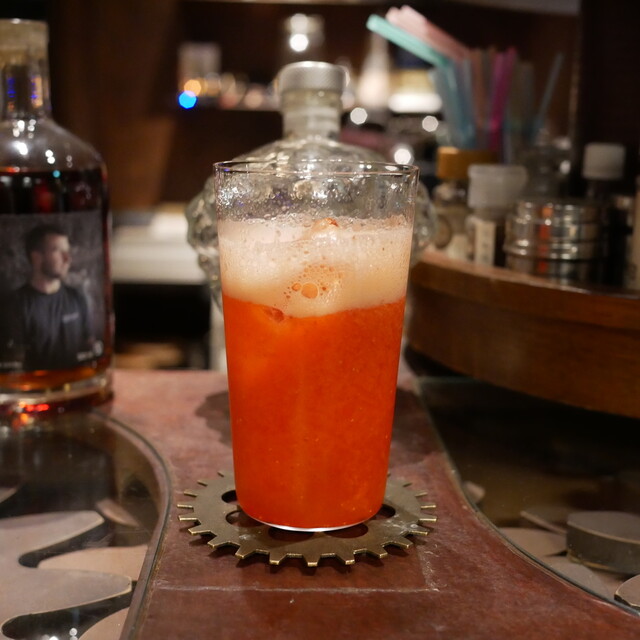
Bars in Kobe
Browse all →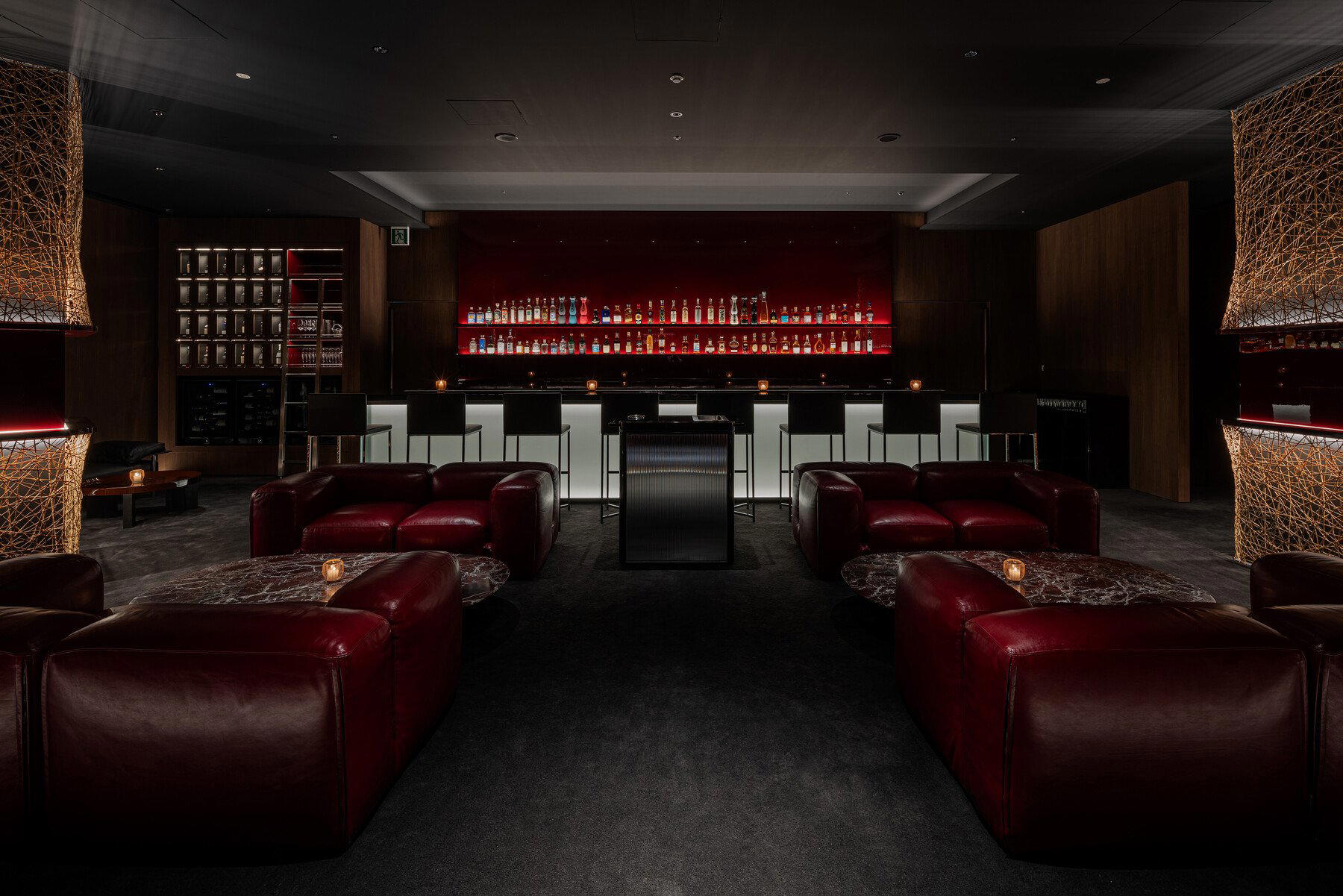



Hotels in Kobe
Browse all →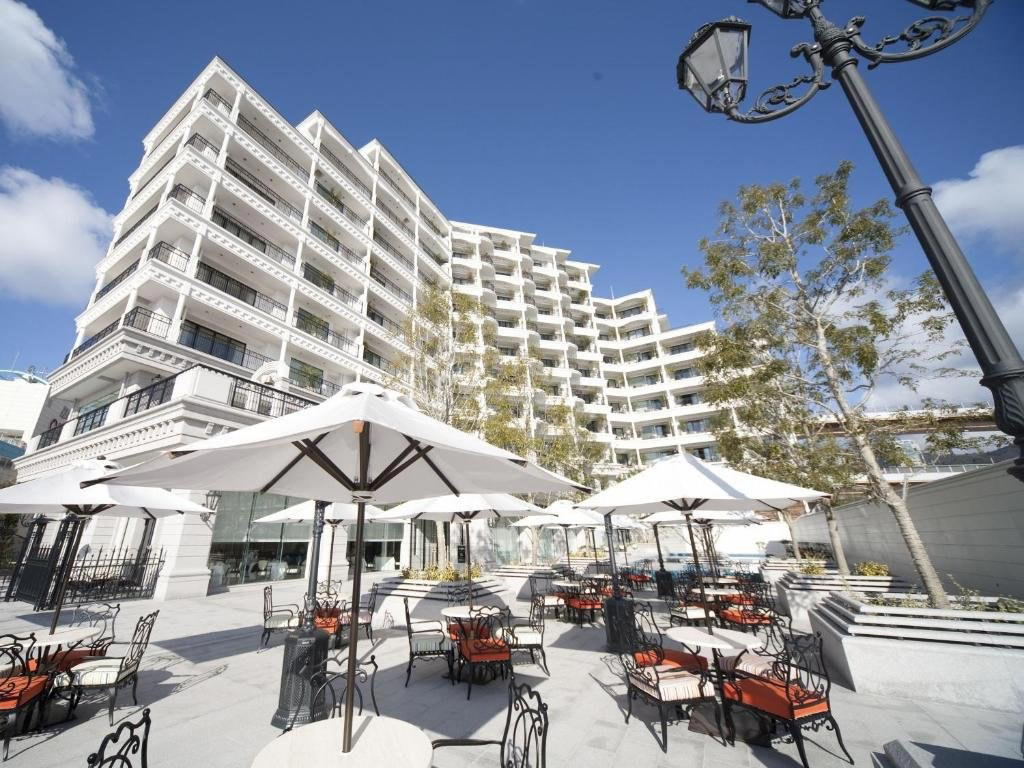


At a Glance
- Cozy
- Modern
- Intimate
- Group Dining
- Casual Hangout
- After Work
- Special Occasion
- Standalone
- Beer Program
- Sake Program
- Craft Cocktails
- Local Sourcing
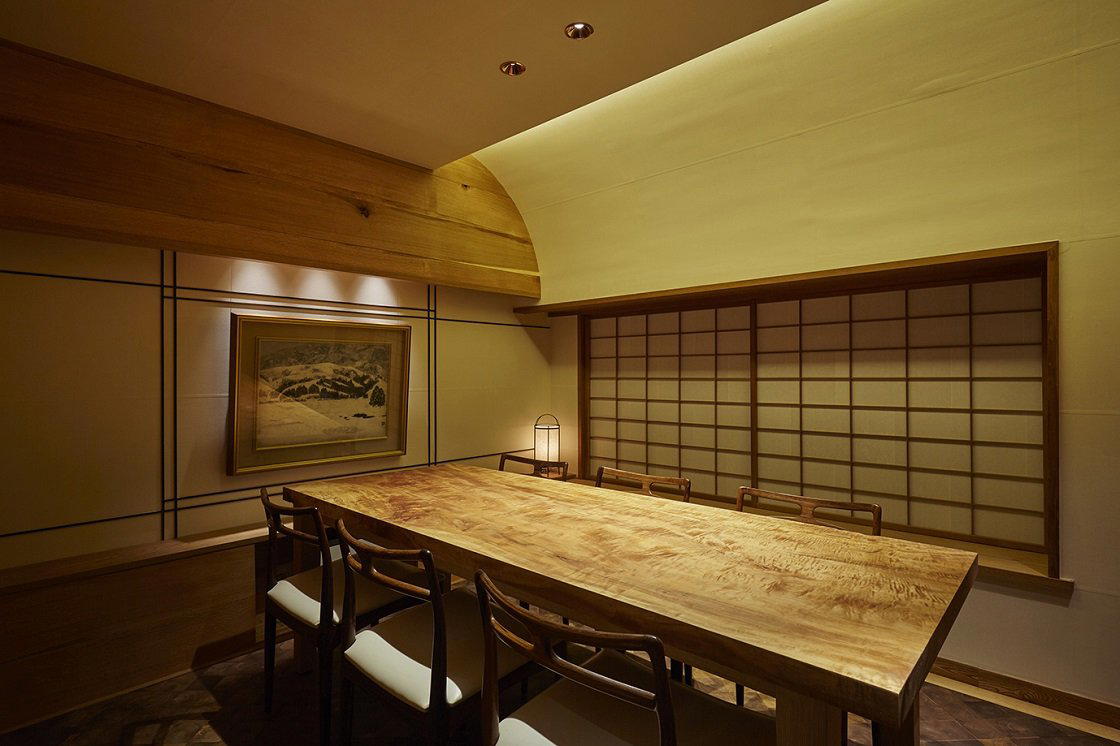
A stylish, smoke-conscious yakiniku room with sofa seating and a compact, intimate feel designed for relaxed grilling without feeling heavy.