
Tabelog 100 #45
Our verdict
Yakiniku Horumon Kinju belongs to Akasaka’s after-dark grill culture rather than the neighbourhood’s quick lunch economy. Its Tabelog 100 Yakiniku Tokyo 2025 selection, horumon focus, and mid-market dinner pricing place it in a useful lane for travellers who want serious yakiniku without moving into ceremonial wagyu-counter territory.

Pearl is the En Primeur Club membership app, where members save venues, book tables and use the concierge.
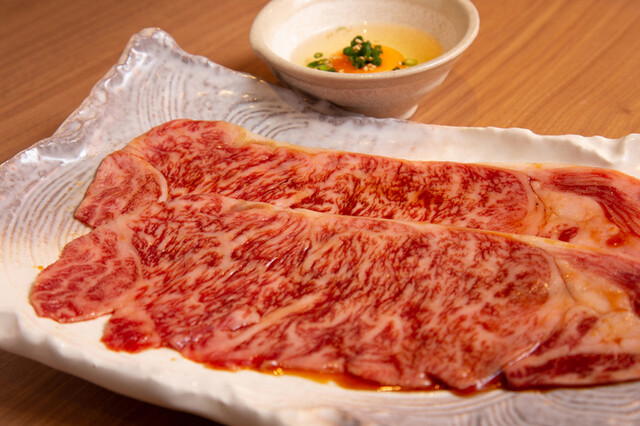
The menu
What to order
- Morioka-style reimen
- Horumon
- House-made kimchi
Tokyo changes character after office hours. By day, it runs on quick set meals, confectionery counters, lunch counters, and working-day dining rooms; after dark, smoke, drinks, and table grills redraw the map. In that evening register, Yakiniku Horumon Kinju belongs to Tokyo dining where the meal is social, meat-led, and closer to local ritual than tasting-menu theatre.
The distinction matters because travellers often misread yakiniku as one category. It is not. There are polished beef rooms built around premium cuts, family-style grill rooms where value matters, and horumon specialists where offal and texture carry the meal. Tokyo has its own rhythm: business dinners, late tables, and after-work dining culture. Kinju’s inclusion in Tabelog’s Hyakumeiten selection for 2025 places it in a competitive citywide category, but the more useful reading is practical. This is not formal luxury theatre. It belongs to a city where dinner often starts after the last meeting and can run deep into the night.
Tokyo's lunch economy gives way to grill smoke after dark
The lunch-versus-dinner split in Tokyo is sharp. Daytime dining rewards speed and repeat custom: Akasaka Ichiryu Bekkan, Shiono, and Libertable Akasaka ten occupy a lighter, lower-spend rhythm, while Cheongsol fits the working-day appetite in its own way. Dinner asks for another calculation. Yakiniku needs table time, ordering in rounds, heat management, and drinking alongside the grill. That format does not suit a rushed midday schedule; it matches Tokyo’s evening crowd.
Horumon also changes the value conversation. In premium beef restaurants, status can attach to provenance and marbling; in horumon cooking, the test is breadth, handling, and a guest’s willingness to eat beyond safe cuts. Kinju’s category listing, Yakiniku and Tripe, signals more than sliced beef. It points to the tactile side of Japanese barbecue, where chew, fat, char, and seasoning matter as much as name recognition. For travellers, that makes it a stronger dinner choice than a ceremonial splurge: the appeal is participation, not performance.
The Tabelog score of 3.72 needs context. On Japanese review platforms, numbers move conservatively, especially in crowded urban categories. A Hyakumeiten selection carries more editorial weight than the decimal alone, because it places the restaurant within a recognized Tokyo yakiniku field for the year. That trust signal is useful, but not automatic luxury positioning. The format remains table-grill, mid-market by Tokyo premium standards, and rooted in a shared-meal tradition.
What the recognition says, and what it does not
Tabelog Hyakumeiten recognition is a scene marker, not a guarantee of quiet luxury. In Tokyo, yakiniku excellence can be informal, smoky, tightly spaced, and ingredient-focused without the choreography of more formal dining rooms. Kinju’s appeal sits on the communal side. The format works for groups as much as couples, important in a cuisine where ordering variety improves the meal.
The restaurant’s listed categories give the clearest clue: Yakiniku and Tripe. That combination is common in a Tokyo grill culture where meat, offal, seasoning, and heat management carry the evening. The meal is grill-led rather than ceremony-led, and the strongest experience is likely to come from ordering broadly rather than treating dinner as a single showcase cut.
Tokyo’s grill culture has broadened in recent years. High-end beef rooms attract prestige-chasing travellers, while casual formats serve speed and familiarity. The more interesting middle tier is where specialists compete on cut selection, handling, and repeat local demand. Kinju sits there. Its listed dinner price band, JPY 6,000 - JPY 7,999, is not budget dining, but it avoids the escalation of the city’s luxury beef counters. That makes it useful for visitors who want to experience yakiniku as Tokyo residents often do: at a table, in company, with ordering decisions made progressively rather than fixed in advance.
How to place it in a Tokyo dining itinerary
This is an evening anchor, not a daytime detour. Build the day around lighter meals and keep dinner flexible enough for a grill session. Tokyo makes it easy to pair dinner with a later drink or a simple transfer elsewhere in the city, but the smarter move is to treat yakiniku as the main event rather than a prelude. Meat-heavy meals punish over-scheduling.
For a broader Tokyo plan, compare the category rather than chase one template. Other Tokyo dining rooms may point toward counter cooking, casual comfort, café culture, or more formal service, each with a different rhythm from a late grill meal. That contrast is useful: yakiniku asks diners to manage smoke, pace, and shared ordering in a way that lighter formats do not.
Travellers extending beyond Tokyo can use other Japanese dining as contrast rather than substitutes. Beef can be framed through different formats, casual rooms shift the register, comfort specialists move into another kind of appetite, and Kyoto or other regional dining belongs to different city grammars. Outside Japan, Japanese-inspired bars and casual formats show how these ideas travel and change abroad, but they should not be treated as equivalents to a Tokyo horumon dinner.
Kinju is strongest as part of Tokyo’s evening infrastructure: serious enough to earn citywide yakiniku recognition, relaxed enough for a group dinner, and specific enough through its horumon identity to avoid becoming another generic beef stop. Use Our full Tokyo restaurants guide for dining context, then cross-check the trip around Our full Tokyo hotels guide, Our full Tokyo bars guide, Our full Tokyo wineries guide, and Our full Tokyo experiences guide. The right reader is not looking for hushed ceremony; the better fit wants Tokyo barbecue with credible recognition, late-dinner energy, and enough offal emphasis to feel rooted in the category.
Comparison Snapshot
Comparable venues at the same tier.
| Venue | Cuisine | Price | Awards | Notes |
|---|---|---|---|---|
| Yakiniku Horumon KinjuThis venue (the venue you are viewing) | Japanese Yakiniku BBQ | $50–100 | Tabelog 100 #45 | Not listed |
| Yukinoshita Pancake | Japanese Thick Pancakes & Shaved Ice | $10–20 | Not listed | Ginza |
| Renga Tei | Classic Ginza Yoshoku (Japanese-style Western) | $30–50 | Tabelog 100 #74 | Chūō |
| Masudaya | Traditional Sukiyaki & Shabu-Shabu | $50–100 | Tabelog 100 #64 | Shinjuku |
| Kitsune An | Traditional Udon Noodle Bar | $10–20 | Tabelog 100 #4 | Chūō |
| Ginza Hachigo | Modern French-inspired Ramen | $10–20 | Michelin Bib Gourmand · Tabelog 100 #74 | Chūō |
Recognition history
Dated appearances from independent guides and award organizations, with the underlying list record or original source where available.
Tabelog 100 #45 · No. 45
Tabelog · Tabelog 100 - Yakiniku - TOKYO - 2025
Continue exploring
More in Tokyo
Restaurants in Tokyo
All restaurants in Tokyo →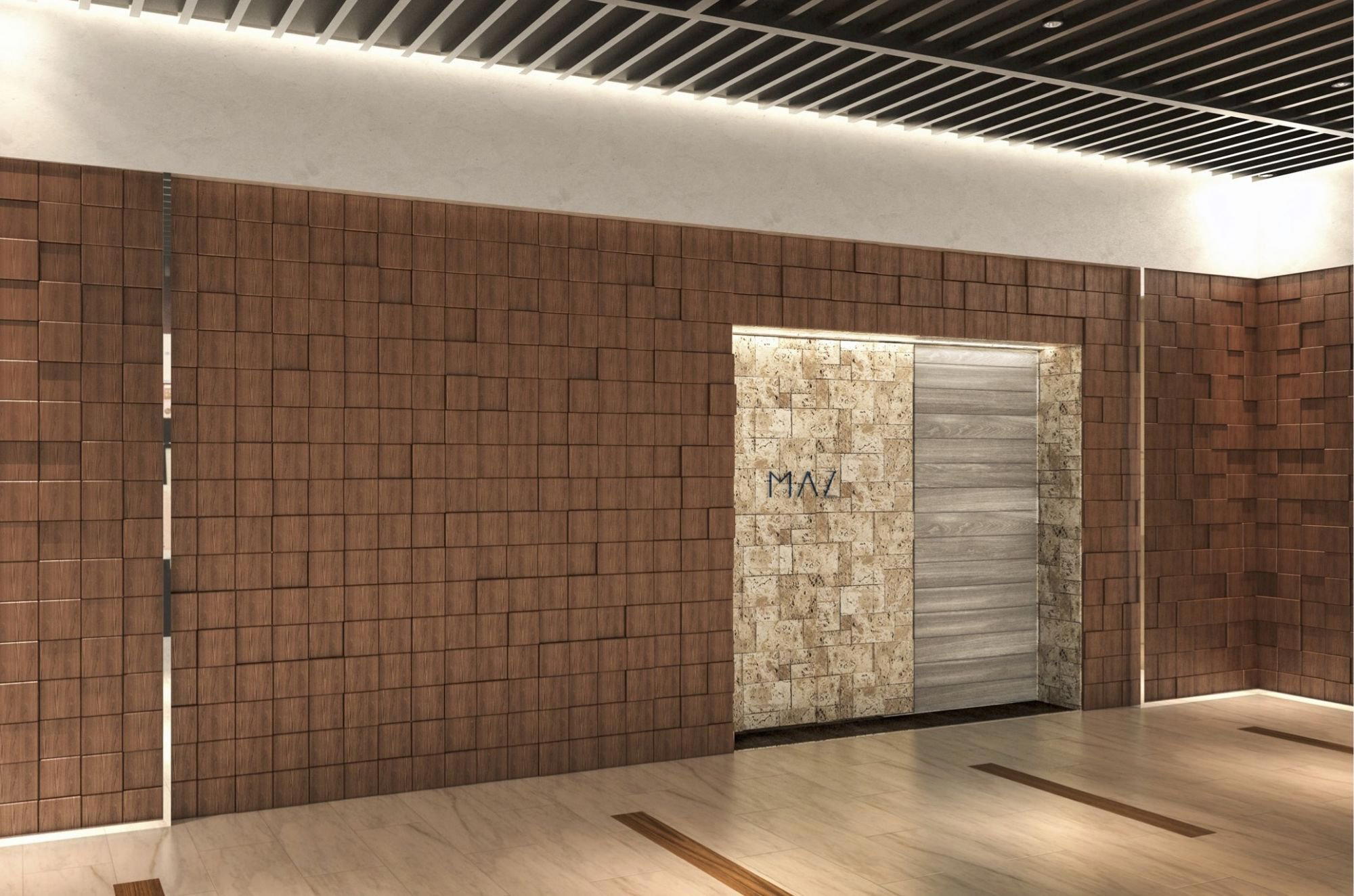
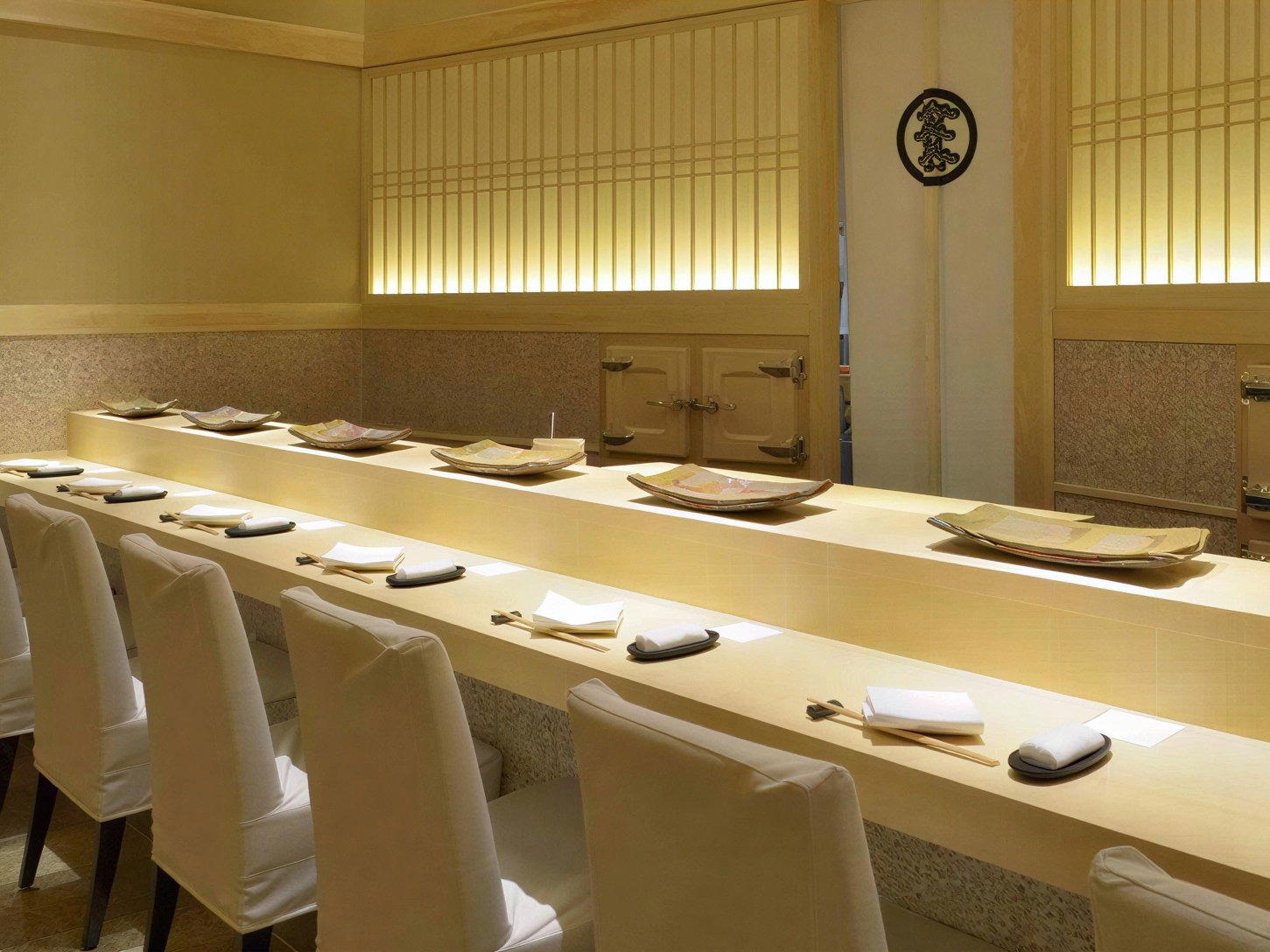
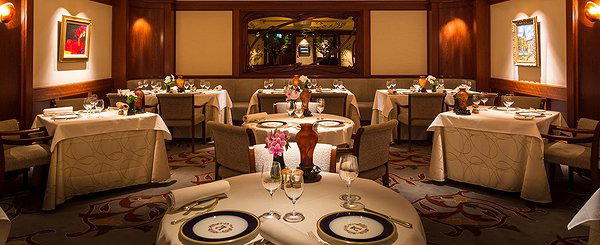
Bars in Tokyo
All bars in Tokyo →

Details
- Cozy
- Classic
- Energetic
- Casual
- Family
- Group Dining
- Casual Hangout
- After Work
- Celebration
- Standalone
- Beer Program
- Local Sourcing
- A La Carte
- Beer
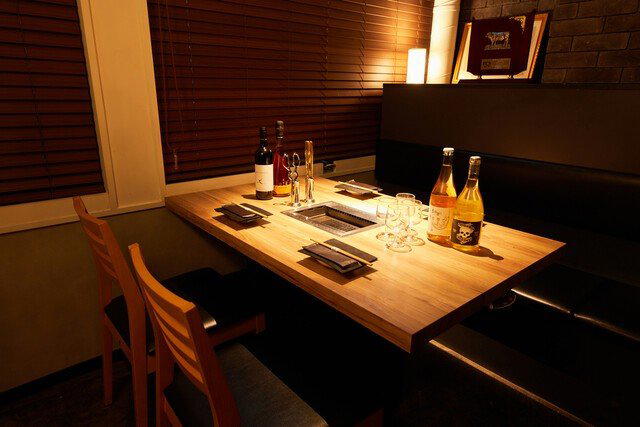
A casual, lively yakiniku house with an unpretentious, comfortable atmosphere designed for friends, families, and celebratory meals rather than a polished or trendy dining room.