Tabelog 100 #74
Our verdict
Renga Tei places Ginza’s yoshoku tradition in a sharply defined, everyday register: omelette rice, meat dishes, sake and wine rather than luxury-course theatre. Its selection for Tabelog 100 Yoshoku EAST 2025 puts it among the recognized names in a category that explains how Tokyo absorbed Western cooking and made it domestic.

Pearl is the En Primeur Club membership app, where members save venues, book tables and use the concierge.
The menu
What to order
- Pork cutlet (tonkatsu)
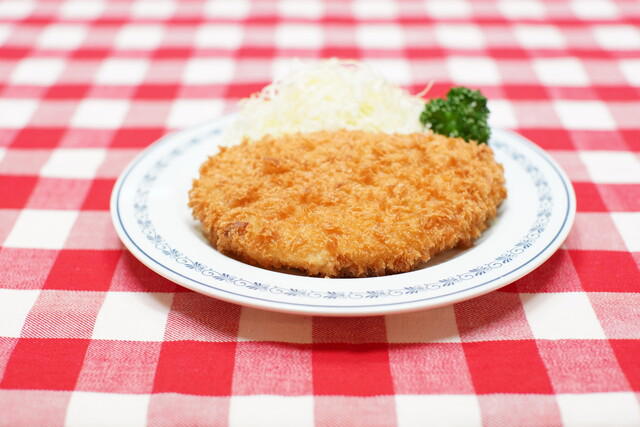
- Omurice (rice omelette)
- Fried oysters
- Hayashi rice
- Fried prawns (ebi furai)
Tokyo often announces money through glass, stone, and silence. Yoshoku works differently. The mood is closer to a dining room with memory: a familiar restaurant format and the kind of Japanese-Western menu that belongs to Tokyo’s long habit of adapting foreign forms until they become local comfort. Renga Tei sits inside that tradition rather than outside it, a useful counterweight to the city’s luxury sushi counters, French dining rooms, and polished destination restaurants.
Yoshoku is not simply Western food served in Japan. It is Japanese cooking that absorbed Western technique, names, and formats, then reassembled them around rice, sauce, omelettes, meat plates, and set-meal logic. In Tokyo, that history matters because the city has long been a testing ground for imported taste: cafés, grills, department-store dining, French rooms, and hybrid menus all found audiences here. Renga Tei’s category listing, Yoshoku, omurice, and meat dishes, places it in that urban lineage rather than in the contemporary tasting-menu economy.
Yoshoku in Tokyo, not Tokyo luxury by another name
The useful comparison is not with kaiseki or high-end French, but with Tokyo’s durable casual institutions. Ginza Swiss Honten occupies a related Japanese-Western register, while BEIGE Alain Ducasse and Ginza Fujiyama illustrate another Tokyo: formal, luxury-coded, and built around international or ceremonial dining languages. Renga Tei reads as a different answer to the same city question. It keeps Tokyo close to daily appetite.
That distinction is easy to miss in a city where awards often push readers toward scarcity. The Tabelog Hyakumeiten recognition in 2025 is a meaningful signal because it recognizes a genre that is often judged by consistency, familiarity, and local attachment rather than by spectacle. Its listed Tabelog score of 3.49 reinforces the point: this is not only a matter of mood, but a restaurant situated within a category that rewards repetition and restraint.
The evolution angle is built into yoshoku itself. Dishes once marked as Western became standard Japanese restaurant language, and the category now covers everything from counter lunches to rooms with broad menus. Omurice is the clearest example in the listing: a Western omelette form redirected toward rice and sauce, now understood in Tokyo as a native comfort dish. Meat dishes carry the same logic. The genre’s achievement is not novelty, but normalization.
A democratic room in a district trained for hierarchy
Tokyo dining can divide sharply by access: members-only counters, private rooms, booked-out omakase, luxury hotel tables, and restaurants where the bill declares the occasion before the first course. Yoshoku softens that hierarchy. Renga Tei’s listed budget, Dinner: JPY 2,000 - JPY 2,999 and Lunch: JPY 1,000 - JPY 1,999, points to a restaurant culture that can function across everyday occasions rather than only for a narrow expense-account audience.
That price frame also changes the reading of the room. A yoshoku restaurant in Tokyo is not trying to mimic the intimacy of an elite counter. It belongs to a public city, one where office workers, families, shoppers, and long-time regulars can all understand the menu without translation into luxury codes. Japanese-Western food does not require a Westernized dining posture. The category has been domesticated completely enough to sit comfortably inside Tokyo restaurant conventions.
The menu categories make the same argument in miniature. Yoshoku can face more than one direction without anxiety. It can carry Western ancestry through omelette rice and meat dishes, while the table still reads unmistakably as Japanese. That dual fluency is why the genre remains useful in Tokyo: it gives mixed groups an easy grammar without reducing dinner to compromise.
Readers building a Tokyo food map should treat this as part of a wider pattern, not a single stop in isolation. For adjacent city context, Our full Tokyo restaurants guide covers the broader dining field, while Our full Tokyo bars guide, Our full Tokyo hotels guide, Our full Tokyo wineries guide, and Our full Tokyo experiences guide help place the restaurant within a larger travel day. For contrast inside Japan’s casual and specialist dining spectrum, compare it with other Tokyo dining rooms that approach comfort, category, and repetition in different ways.
How to read the table: continuity over performance
The draw here is not chef-as-author theatre. No named chef is needed to understand the value of the place, and making the story biographical would flatten the broader cultural point. Yoshoku restaurants tend to be judged by whether familiar forms hold their shape: omelette rice, meat plates, sauces, rice, and service rhythm. The category’s seriousness comes from everyday repetition, not from a manifesto.
That is also why Renga Tei makes sense for travellers who have already scheduled sushi, tempura, or kaiseki and want a different Tokyo vocabulary. It explains how the city ate modernity before it became global luxury capital. In an itinerary, it works as a corrective: less ceremony, more historical texture; less rarity, more civic continuity.
Outside Tokyo, the same reading can help with broader comparisons. Japanese dining culture is not a single prestige ladder, and useful contrasts can be found in many unnamed regional restaurants, cafés, bars, and casual specialists. Even overseas Japanese formats show how portable Japanese food categories become when the format is clear. Renga Tei belongs to that larger story because its category is legible, durable, and already absorbed into everyday appetite.
The verdict is simple: for Tokyo, this is a historically literate choice rather than a status choice. The Tabelog Hyakumeiten recognition in 2025 gives it external validation, but the stronger reason to pay attention is what the category reveals. Tokyo did not become a great eating city only through refinement and exclusivity. It also became one through adaptation, repetition, and rooms where Western names stopped feeling foreign.
Frequently asked questions
Where is Renga Tei located?
Tokyo.
What does dinner at Renga Tei typically cost?
Pricing at Renga Tei is listed as Dinner: JPY 2,000 - JPY 2,999; Lunch: JPY 1,000 - JPY 1,999.
Is Renga Tei reservation-only?
The provided listing details do not specify reservation rules. For planning, use the confirmed venue information and check directly with the restaurant before visiting.
What do critics highlight about Renga Tei?
The clearest signal is its Tabelog Hyakumeiten recognition in 2025. The menu frame is yoshoku, with omurice and meat dishes listed, which places it in the classic Tokyo Japanese-style Western category rather than fine-dining theatrics.
Is Renga Tei allergy-friendly?
The listing does not specify allergy protocols, so guests with allergy concerns should contact the restaurant directly before visiting. The confirmed city location is Tokyo.
Is Renga Tei okay with children?
The provided listing details do not specify a children policy. Its listed budget is Dinner: JPY 2,000 - JPY 2,999; Lunch: JPY 1,000 - JPY 1,999.
A Pricing-First Comparison
Comparable venues at a glance for context.
| Venue | Cuisine | Price | Awards | Notes |
|---|---|---|---|---|
| Renga TeiThis venue (the venue you are viewing) | Classic Ginza Yoshoku (Japanese-style Western) | $30–50 | Tabelog 100 #74 | Not listed |
| 麺処くるり 市ヶ谷本店 | Miso Ramen Specialist | $10–20 | Not listed | Ichigaya, Miso Ramen Specialist |
| Tantantei | Classic Tokyo Shina Soba & Wonton Ramen | $10–20 | Tabelog 100 #84 | Hamadayama, Old-School Chuka Soba |
| Re:s Cafe Bar & Sweets | Japanese Dessert Cafe | $20–30 | Not listed | Nishi Waseda, Japanese Dessert Cafe |
| TORAYA TOKYO | Traditional Japanese Wagashi & Tea Café | $20–30 | Tabelog 100 #64 | Chiyoda, Traditional Japanese Wagashi & Tea Café |
| Takeno | Traditional Tsukiji seafood shokudo / izakaya | $30–50 | Tabelog 100 #94 | Chūō, Traditional Tsukiji seafood shokudo / izakaya |
Recognition history
Dated appearances from independent guides and award organizations, with the underlying list record or original source where available.
Tabelog 100 #74 · No. 74
Tabelog · Tabelog 100 - Yoshoku - EAST - 2025