
Tabelog 100 #4
Our verdict
Kitsune An places Ginza’s udon culture in a compact counter format, with Tabelog 100 Udon EAST 2024 recognition and a seven-seat room that suits solo dining. The appeal is less ceremony than precision: wheat noodles, sake as the listed drink focus, and a price tier that keeps it closer to everyday Tokyo eating than Ginza’s luxury dining circuit.

Pearl is the En Primeur Club membership app, where members save venues, book tables and use the concierge.
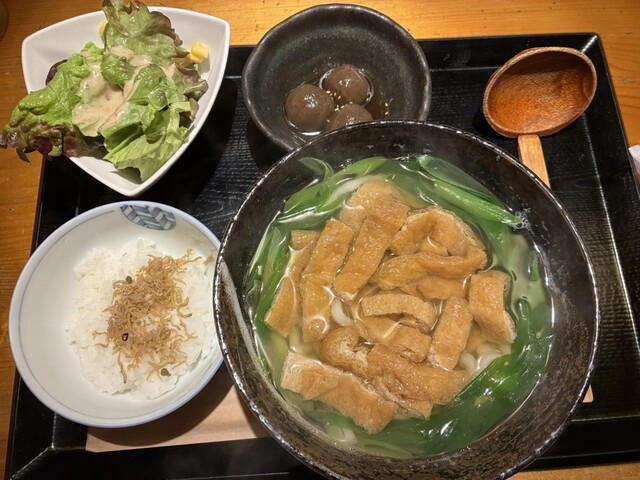
Tokyo can make even lunch feel staged: polished crossings, quiet upper floors, and small dining rooms above the street. Udon is a useful counterpoint to the city’s luxury grammar: direct, fast when needed, and judged by texture, broth discipline, and rhythm rather than theatre. Kitsune An fits a smaller Tokyo category: a focused udon specialist with Tabelog Hyakumeiten recognition in 2024 and a modest listed budget that signals a considered noodle meal, not a purely functional stop.
That matters in Tokyo because udon lacks the international shorthand of sushi, tempura, or ramen. It is less exportable as spectacle; the pleasure is in wheat, heat, proportion, how a bowl behaves across ten minutes, and whether the room lets the cooking stay central. Tokyo has high-spend dining, from sushi counters to French rooms and beef-focused formats, but a small udon specialist here asks a sharper question: how much craft can sit inside a modest price band without fine-dining costume?
Tokyo udon without the luxury script
The useful comparison in Tokyo is not only with other noodle shops, but with the city’s spending range. Nearby peer venues run from casual addresses such as L'ibisco Ginza ten to higher-ticket rooms such as Koran. Against that spread, Kitsune An’s JPY 1,000-JPY 1,999 range for lunch and dinner keeps the meal in a different civic register: recognisably Tokyo in setting, but closer to the city’s everyday noodle economy.
The Tabelog Hyakumeiten 2024 recognition gives the place a clearer credential than local affection alone. Tabelog’s Hyakumeiten lists are useful where Michelin coverage is not the dominant filter, especially for Japanese staples that reward repetition and local consensus. For Kitsune An, the available recognition points to a focused udon address rather than a venue trading on ceremony or spectacle.
For travellers, the lesson is broader than one bowl. Tokyo’s serious casual dining often hides in plain formats: curry counters, yakitori rooms, kissaten, standing bars, and noodle shops where the bill stays low but standards are exacting. For wider city mapping, Our full Tokyo restaurants guide is the natural next layer; drinking-focused itineraries belong in Our full Tokyo bars guide, while hotel planning sits separately in Our full Tokyo hotels guide. Tokyo’s restaurant culture is not one hierarchy, but formats with their own evidence of seriousness.
Counter scale and the discipline of a short meal
The drink-list assignment here is best treated cautiously: the confirmed public record for Kitsune An centres on udon, with pricing in the JPY 1,000-JPY 1,999 band. That framing matters because a noodle meal can feel complete without the architecture of a long pairing menu. Wheat noodles, broth, garnish, and timing can carry the experience on proportion and focus alone.
Tokyo drinking and dining culture often separates by format: cocktail bars prize technique, izakaya prize range and pace, fine-dining rooms prize pairing architecture. A small udon specialist sits outside those categories, letting the diner slow a short meal without turning it into a tasting menu. In Tokyo, where casual can jump abruptly to ceremonial, restraint reads as clarity, not a lack of ambition.
The compact-specialist format changes the dining calculus. This is not a venue to approach like a large room built for lingering meetings or elaborate service choreography. It suits diners who are comfortable with a focused meal, aligning with many Tokyo specialists at their strongest: minimal distraction, efficient pacing, and close attention to the main product. The format makes timing matter more than at larger restaurants, even when the category appears casual.
For readers cross-shopping Tokyo’s casual depth, the city rewards category hopping. Other Tokyo dining rooms may emphasise seafood, grilled dishes, compact specialist formats, yakitori, curry, coffee, or daytime sweets. For daytime contrast, the point is less any one address than the way Tokyo’s casual categories become destinations without formal-service pricing.
How to place it in a Tokyo itinerary
Kitsune An is best understood as a precision lunch or early-evening noodle stop within a Tokyo day, not a substitute for long omakase or a multi-course dinner. It folds easily into routes where the main aim is to balance shopping, galleries, wandering, or a later bar reservation with one focused meal. If planning around peak times, treat it as a flexible anchor rather than assuming the rhythm of a formal reservation restaurant.
The practical setup should be read as category discipline rather than inconvenience. The confirmed listing places both lunch and dinner in the JPY 1,000-JPY 1,999 range and identifies the restaurant as an udon specialist. Beyond that, operational details should be checked directly before going. This is a focused stop for wheat noodles, not a room trying to solve every dining occasion.
Across Japan, stronger travel itineraries mix recognised specialists with regional and genre contrasts. Around the country, that might mean unnamed local specialists in grilled beef, cafe cooking, Vietnamese food, curry, or Kyoto dining. For a broader international thread, Japanese casual forms also travel beyond Japan, though Tokyo remains the reference for density and format precision.
EP Club’s read: this is a narrow-format Tokyo address with credible udon recognition, modest listed pricing, and enough focus to make a short meal feel considered. Use it when the itinerary needs craft without ceremony. For broader planning beyond restaurants, Our full Tokyo wineries guide and Our full Tokyo experiences guide help separate drinking, dining, and cultural time instead of forcing them into one overpacked day.
Frequently asked questions
How do I find Kitsune An?
Kitsune An is located in Tokyo.
What price level is Kitsune An?
Pricing at Kitsune An is listed as JPY 1,000 - JPY 1,999 for dinner and JPY 1,000 - JPY 1,999 for lunch.
What days is Kitsune An closed?
The provided listing does not confirm regular closing days. Check the venue's official channels for the latest details before visiting.
What has Kitsune An built its reputation on?
Its reputation rests on a narrow, concrete formula: udon in Tokyo, a modest listed budget, and Tabelog Hyakumeiten recognition in 2024. The setup points to a focused noodle stop rather than a long dining session.
Can Kitsune An adjust for dietary needs?
The public record lists udon, or wheat noodles, but no adjustment policy or allergen menu. Any dietary request should be checked against the restaurant’s actual service on the day. Check the venue's official channels for the latest details.
Can I bring kids to Kitsune An?
There is no family policy stated in the provided listing. The format is best approached as a focused noodle meal, so check the venue's official channels for the latest details before visiting with children.
Peers in This Market
Comparable venues for cuisine and category context.
| Venue | Cuisine | Price | Awards | Notes |
|---|---|---|---|---|
| Kitsune AnThis venue (the venue you are viewing) | Traditional Udon Noodle Bar | $10–20 | Tabelog 100 #4 | Not listed |
| ル ボーズ | French-Japanese Fusion | Not listed | Not listed | Not listed |
| L'ibisco Ginza ten | Japanese-style Gelato & Desserts | $1–10 | Tabelog 100 #12 | JPY 999 |
| Coffee Senmon Ten Sanjikken Ginza honten | Not listed | $10–20 | Tabelog 100 #80 | JPY 1,000 - JPY 1,999 JPY 1,000 - JPY 1,999 View spending breakdown |
| Koran | Seasonal Japanese Kaiseki Counter | $200–300 | Tabelog 100 #79 | JPY 40,000 - JPY 49,999 JPY 20,000 - JPY 29,999 |
Recognition history
Dated appearances from independent guides and award organizations, with the underlying list record or original source where available.
Tabelog 100 #4 · No. 4
Tabelog · Tabelog 100 - Udon - EAST - 2024
Continue exploring
More in Tokyo
Restaurants in Tokyo
All restaurants in Tokyo →
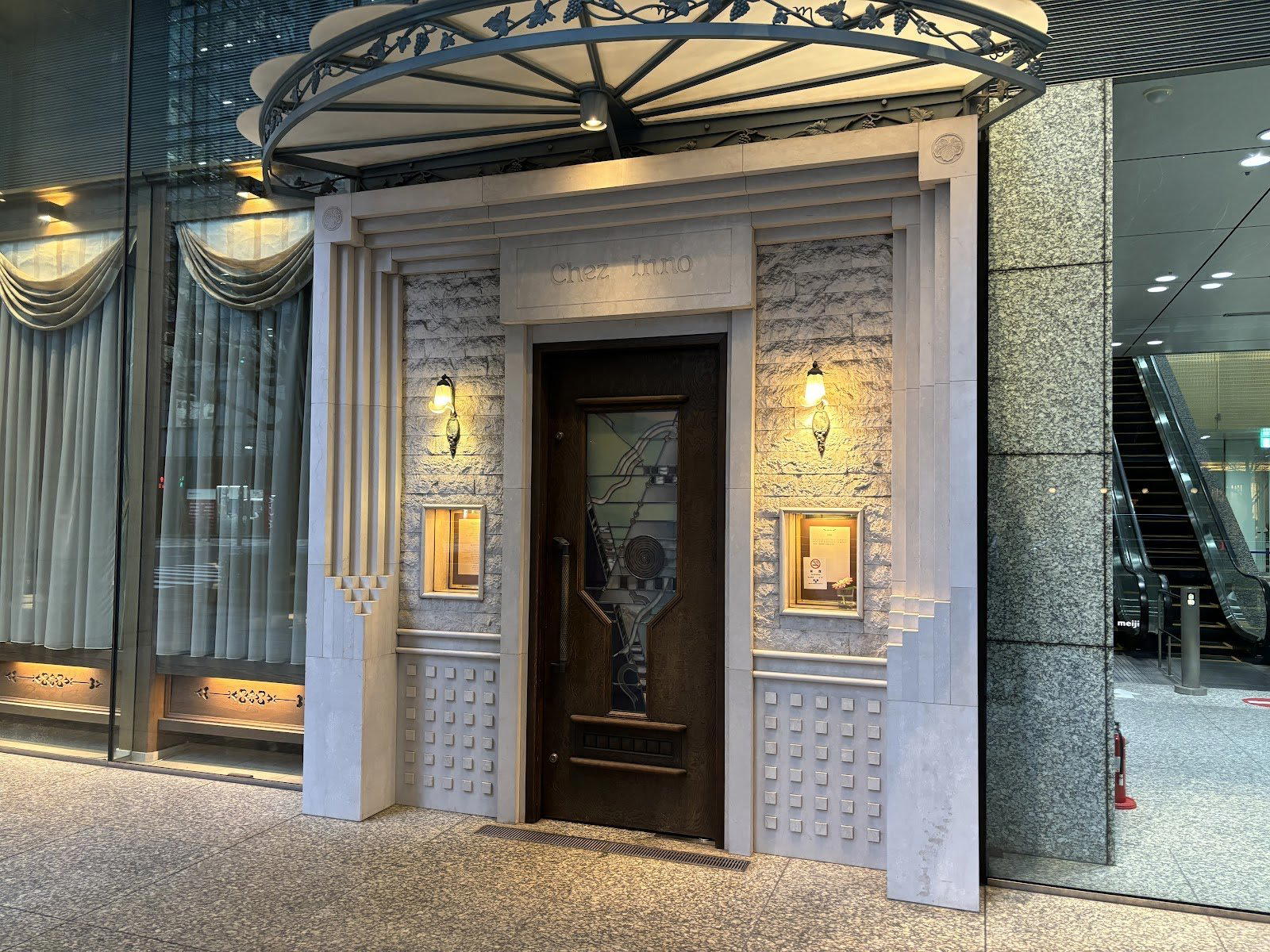
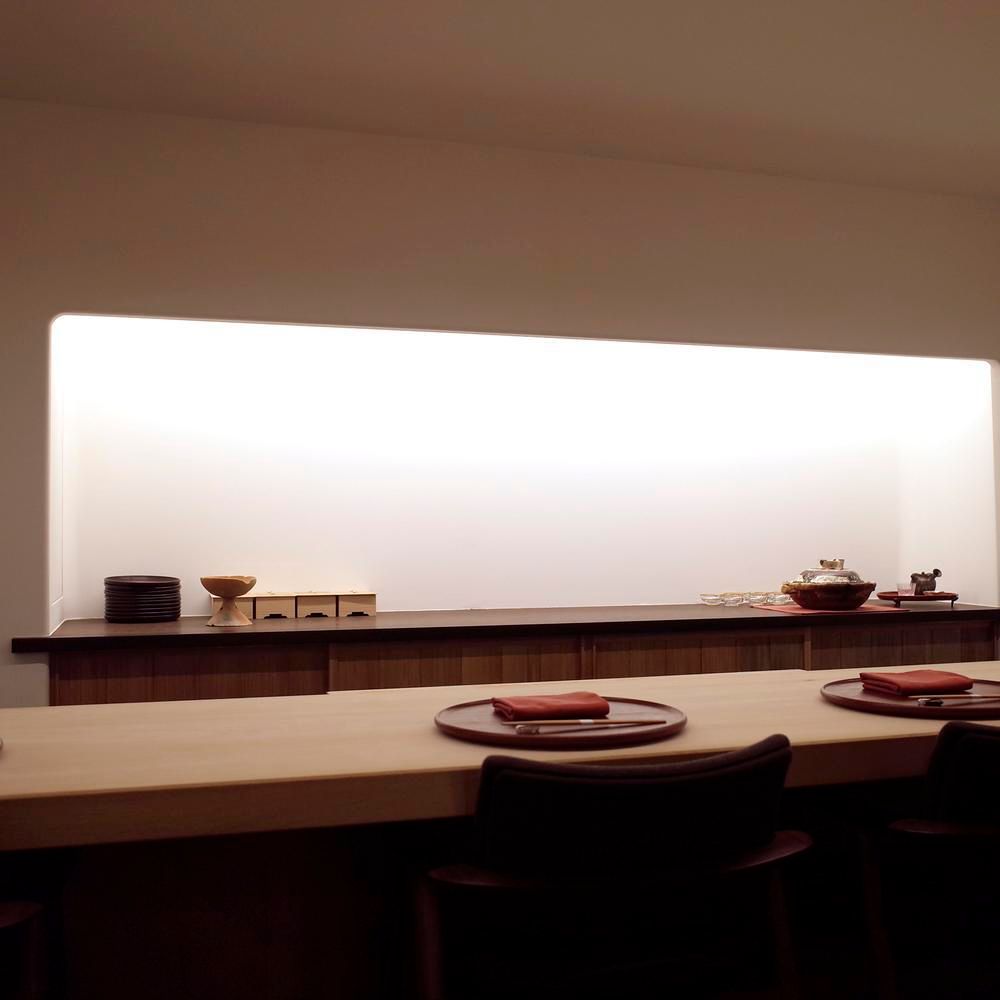
Details
- Cozy
- Quiet
- Classic
- Intimate
- Solo
- Casual Hangout
- Late Night
- Standalone
- A La Carte
- Counter Dining
- Sake
- Beer
Current opening hours
- Monday
- 11 AM–3:30 PM, 5–8:30 PM
- Tuesday
- 11 AM–3:30 PM, 5–8:30 PM
- Wednesday
- 11 AM–3:30 PM, 5–8:30 PM
- Thursday
- 11 AM–3:30 PM, 5–8:30 PM
- Friday
- 11 AM–3:30 PM, 5–8:30 PM
- Saturday
- 11 AM–3:30 PM
- Sunday
- 11 AM–3:30 PM
Hours can change for holidays and private events. Hours as of .
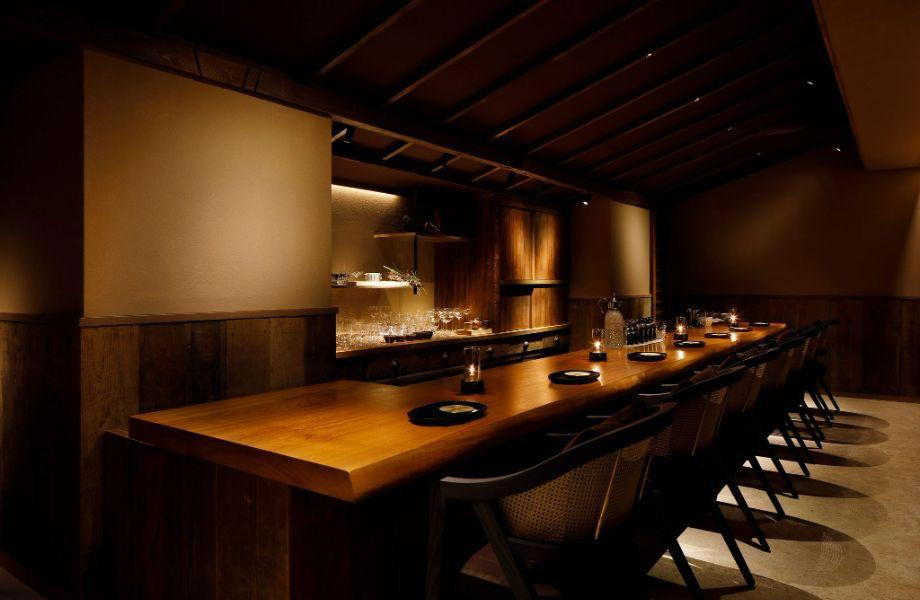
An intimate second-floor counter with only a handful of seats, subdued and quiet, where guests linger over carefully made udon in a relaxed, traditional-feeling setting.