
Tabelog 100 #67
Our verdict
Tokyo yakitori often splits between central counter glamour and neighbourhood rooms where the craft stays close to daily life. Tori Cho sits in Nerima’s residential dining orbit, with Tabelog 100 Yakitori EAST 2025 recognition, a 17-seat format, counter seating, private rooms, and a drink list spanning sake, shochu and wine.

Pearl is the En Primeur Club membership app — saves, bookings, and concierge access live there. Same editors, same standards.
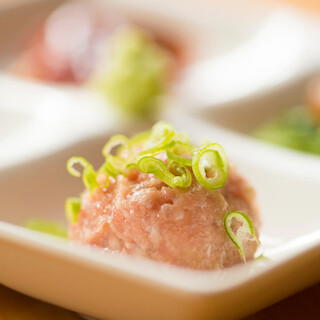
The menu
What to order
- Namatsukune (raw chicken meatball sashimi)
- Yakitori course
- Foie gras hot pot
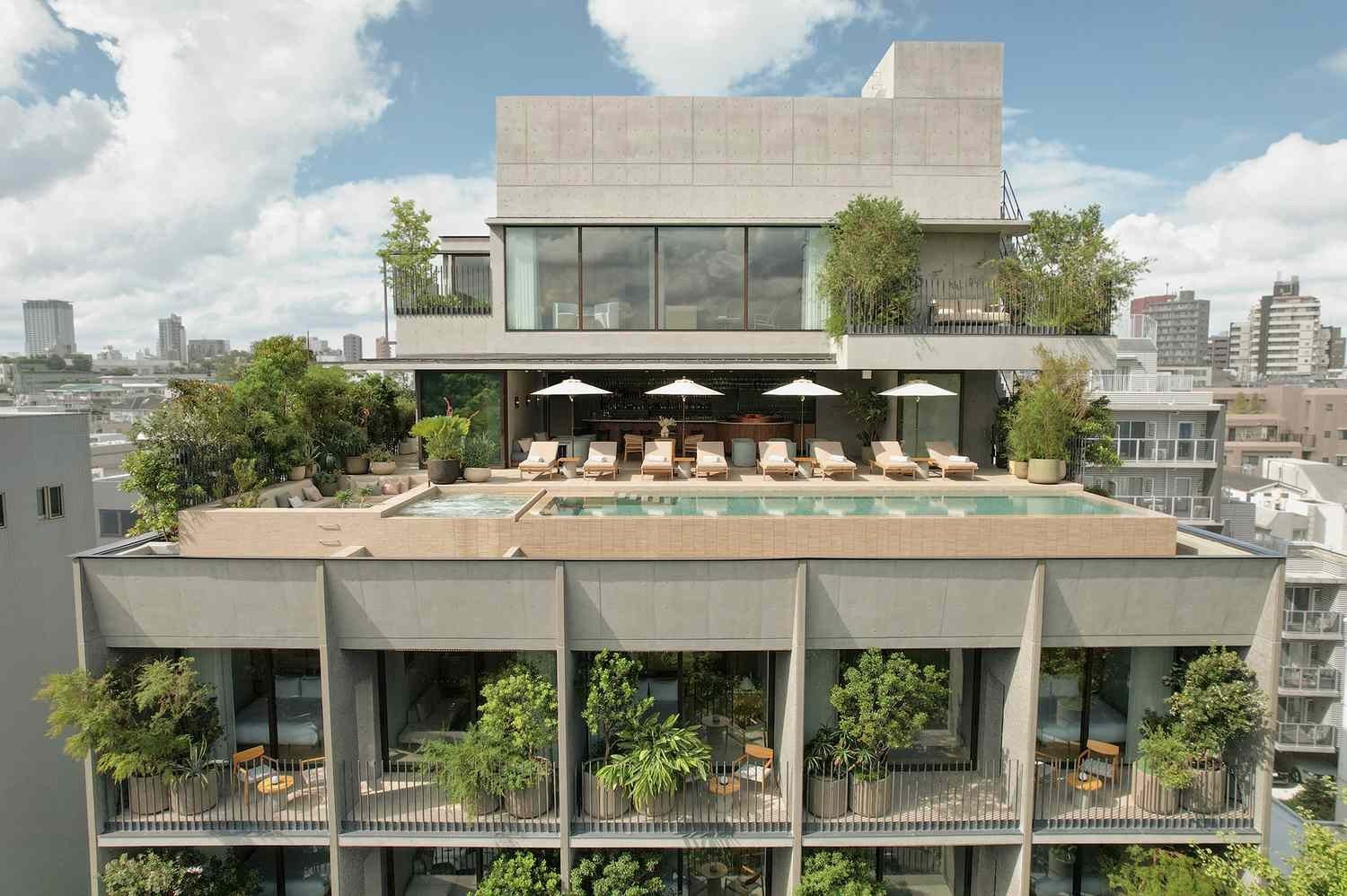
Approaching Tori Cho changes the rhythm of a Tokyo dinner. The city’s central dining districts can trade on vertical buildings, elevator lobbies and compressed spectacle; a focused yakitori restaurant works at a different volume. The signal is smaller: a grill-led kitchen, a room framed around the meal, and the patient tempo of skewers cooked in sequence rather than rushed as a set piece.
That scale matters. Tokyo’s yakitori culture has widened into several lanes: polished omakase counters, casual beer-and-skewer shops, and houses where poultry cookery is treated with the seriousness usually reserved for sushi or tempura. Tori Cho belongs to that craft-led lane. Its recognition in the 2025 Tabelog Hyakumeiten context places it in a competitive category where consistency, grill control and repeat approval carry more weight than theatrical dining-room design.
Tokyo yakitori, treated as craft rather than nightlife
Yakitori is often misunderstood by visitors as a drinking format first and a cuisine second. In Tokyo, the stronger houses reverse that order. The craft sits in portioning, seasoning, heat management and pacing: separate cuts demand different timing, and the value of the meal is built skewer by skewer. A focused format amplifies that discipline because the kitchen cannot hide behind scale.
The format reads as focused rather than sprawling. That points to a style of dinner closer to workshop than banquet hall. It also aligns with a lower-waste logic built into serious yakitori: using chicken across multiple parts, cooking to order, and keeping the menu’s centre of gravity narrow rather than sprawling across unrelated categories. The environmental story is not a slogan; it is embedded in the cuisine’s anatomy. A yakitori house that takes chicken seriously has every reason to respect yield, stock control and the labour of the grill.
Tokyo adds another layer. This is not only about expense-account theatre or late-night density. The appeal can be more local in feel, more category-led, and less dependent on destination dining choreography. That context changes the reader decision. A meal here is not about chasing skyline glamour; it is about understanding how Tokyo sustains serious restaurants without needing the visual codes of the centre.
Recognition without the central-Tokyo costume
Tabelog’s yakitori recognition is useful because the category is crowded and intensely local. Tori Cho’s 2025 Hyakumeiten listing gives the restaurant a public credibility signal beyond ordinary word of mouth. In a city where small counters can become reputationally large, that recognition places a restrained restaurant inside a more demanding competitive frame.
The comparison is instructive. Other Tokyo venues in everyday categories operate across different spend levels: Naniwa, Gen-soba Nonaka, Nogata Gyoza Honten, Parlor Ekoda and L'AUTOMNE Nakano ten sit in a broader casual-dining conversation. Tori Cho occupies a dinner tier listed at JPY 10,000 - JPY 14,999 while retaining a restrained format. That tension is part of the point: premium Tokyo dining does not always announce itself through marble, tasting-menu choreography or hotel-adjacent polish.
The category also reads as properly Japanese rather than generic. Tori Cho is listed for Yakitori and Chicken dishes, which suits a meal built around range rather than breadth. Grilled chicken can move from lean to fatty, salted to sauced, delicate to assertive; the smarter culture around yakitori recognises that range without forcing the meal into fine-dining ceremony.
How to place it within a Tokyo itinerary
For travellers building a Tokyo food week, this is the kind of address that balances the central-city heavyweights. A night in Tokyo gives context to the city’s dining geography: connected, focused in feel, and still serious about craft. It pairs naturally with broader planning through Our full Tokyo restaurants guide, especially for readers comparing focused dining with other Tokyo options and more central dining rooms.
The practical read is simple: choose it for a focused yakitori dinner rather than a high-volume night out. Tori Cho is listed under Yakitori and Chicken dishes, and its Tabelog score of 3.76 places it in a recognisable public-review frame. The listed dinner budget is JPY 10,000 - JPY 14,999, with lunch not listed, so it works best as a deliberate dinner plan rather than an improvised daytime stop. For a fuller city plan, the restaurant map can sit alongside broader Tokyo hotel, bar, winery and experience research.
For a broader Japan-and-beyond food itinerary, the same editorial lens applies: compare formats, not hype. That might mean looking at other Tokyo dining generically, thinking about casual counters versus craft-led rooms, or balancing a yakitori dinner with simpler daytime meals elsewhere in the city. Tori Cho’s value is clearest when treated not as a checklist name, but as a focused example of how one category can carry a full evening.
Frequently asked questions
Where is Tori Cho located?
Tokyo.
What's the best way to book Tori Cho?
Use the venue's official channels or current listing information when planning. Tori Cho’s 2025 Tabelog Hyakumeiten recognition suggests it is worth organising the meal in advance rather than treating it as an impulse stop.
What's the defining dish or idea at Tori Cho?
The defining idea is yakitori handled with restraint: Tori Cho is listed under Yakitori and Chicken dishes. The 2025 Tabelog Hyakumeiten recognition underlines that this is a place built around the grill, not a wider menu.
Nearby-ish Comparables
Comparable venues at a similar level for quick context.
| Venue | Cuisine | Price | Awards | Notes |
|---|---|---|---|---|
| Tori ChoThis venue (the venue you are viewing) | High-end Yakitori Omakase | $100–150 | Tabelog 100 #67 | Not listed |
| Tatsumi Soba Shimahei | Traditional soba kappo (multi-course buckwheat noodles) | $50–100 | Tabelog 100 #14 | Shinjuku |
| Yakitori Sekine | Modern Yakitori Counter | $50–100 | Tabelog 100 #86 | Toshima |
| Toriyaki to Torinabe Kakoi | Yakitori & chicken hot pot | $30–50 | Tabelog 100 #83 | Minato |
| Yakiniku Horumon Kinju Hanare | Yakiniku & horumon with Morioka-style cold noodles | $50–100 | Tabelog 100 #48 | Minato |
| Zakuro Ginza ten | Traditional Wagyu Shabu-shabu & Sukiyaki | $50–100 | Tabelog 100 #57 | Chūō |
Recognition history
Dated appearances from independent guides and award organizations, with the underlying list record or original source where available.
Tabelog 100 #67 · No. 67
Tabelog · Tabelog 100 - Yakitori - EAST - 2025
Continue exploring
More in Tokyo
Restaurants in Tokyo
All restaurants in Tokyo →

Bars in Tokyo
All bars in Tokyo →




Details
- Cozy
- Intimate
- Elegant
- Date Night
- Special Occasion
- Solo
- After Work
- Chefs Counter
- Open Kitchen
- Standalone
- Design Destination
- Sake Program
- Local Sourcing
- Tasting Menu
- Counter Dining
- Omakase
- Sake
- Beer
- Pescatarian Friendly
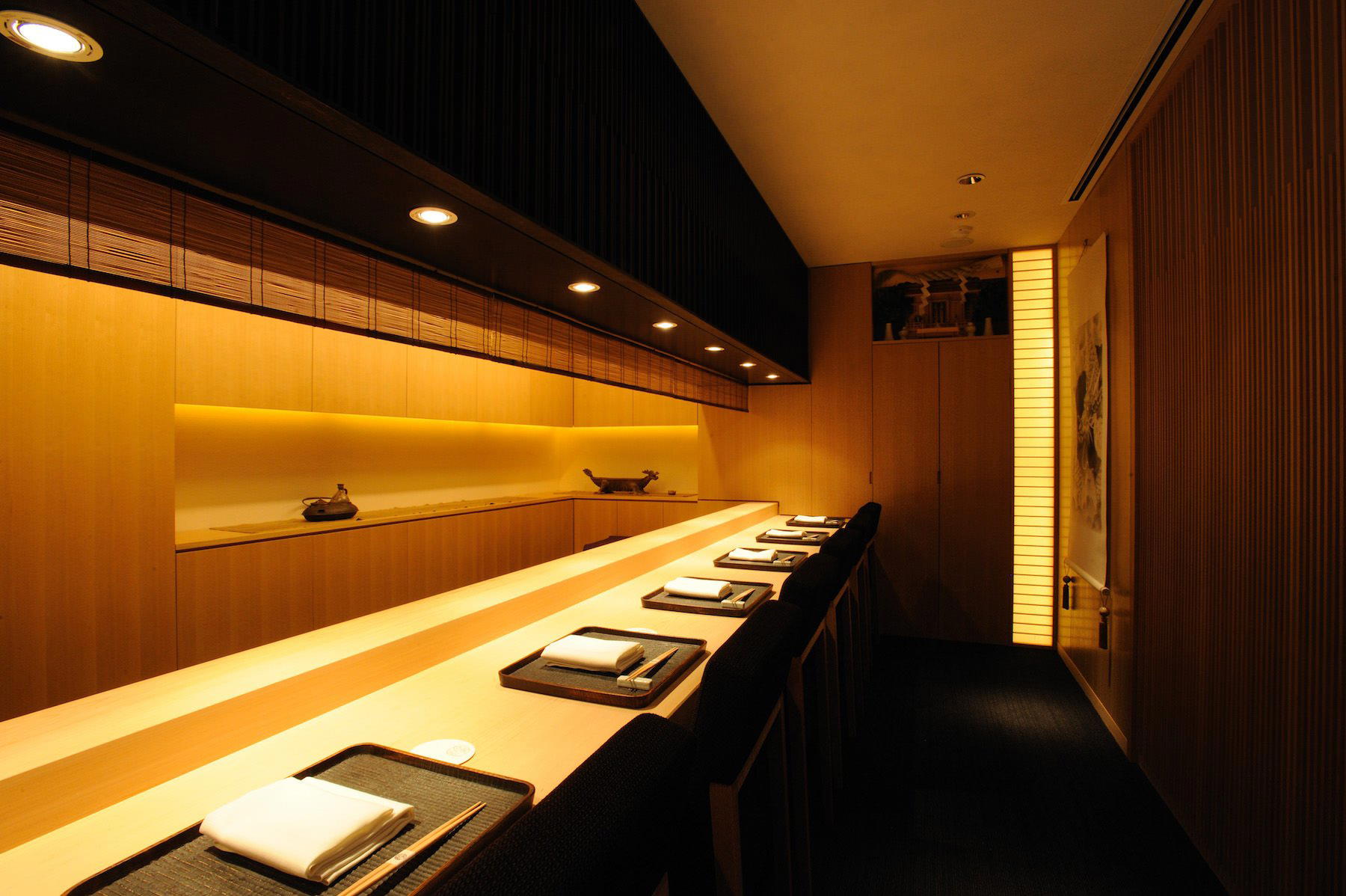
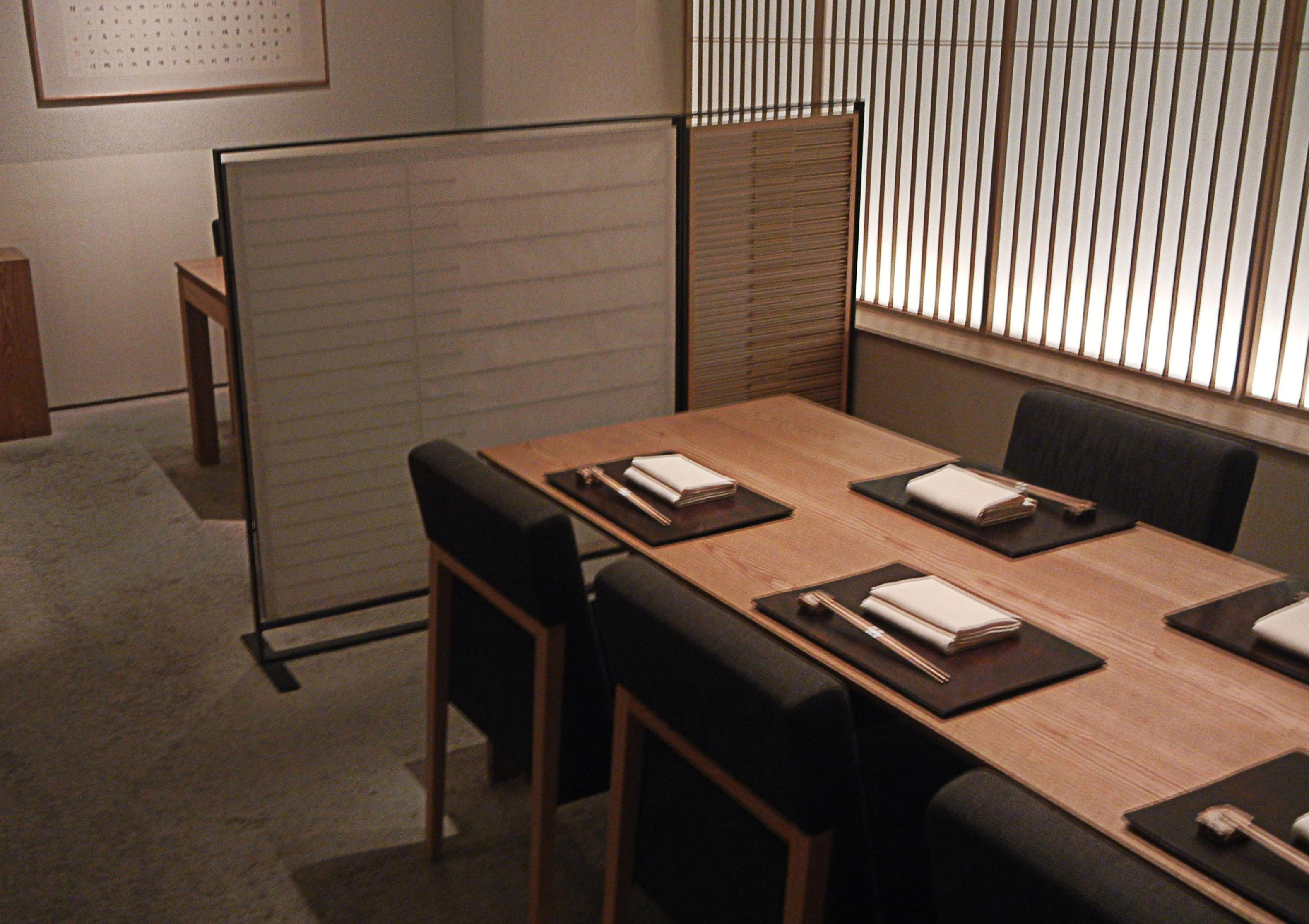
A small, high-sense yet relaxed neighborhood yakitori with counter-style intimacy, warm lighting, and a calm residential feel, designed as a refined but unpretentious space filled with the owner’s personal touches.