

Michelin Plate
Our verdict
Yè Shanghai on Huangpi South Road brings traditional Shanghainese cooking into the mid-range tier with sustained regional recognition: an OAD Top 209 Asia ranking in 2025 and back-to-back Michelin Plates. The kitchen, led by Chef Sze Man Sui, holds its ground in a city where classic hu cai faces pressure from both nostalgia-driven heritage houses and modernist reinvention. A reliable address for braised and steamed Shanghainese technique.

Pearl is the En Primeur Club membership app, where members save venues, book tables and use the concierge.
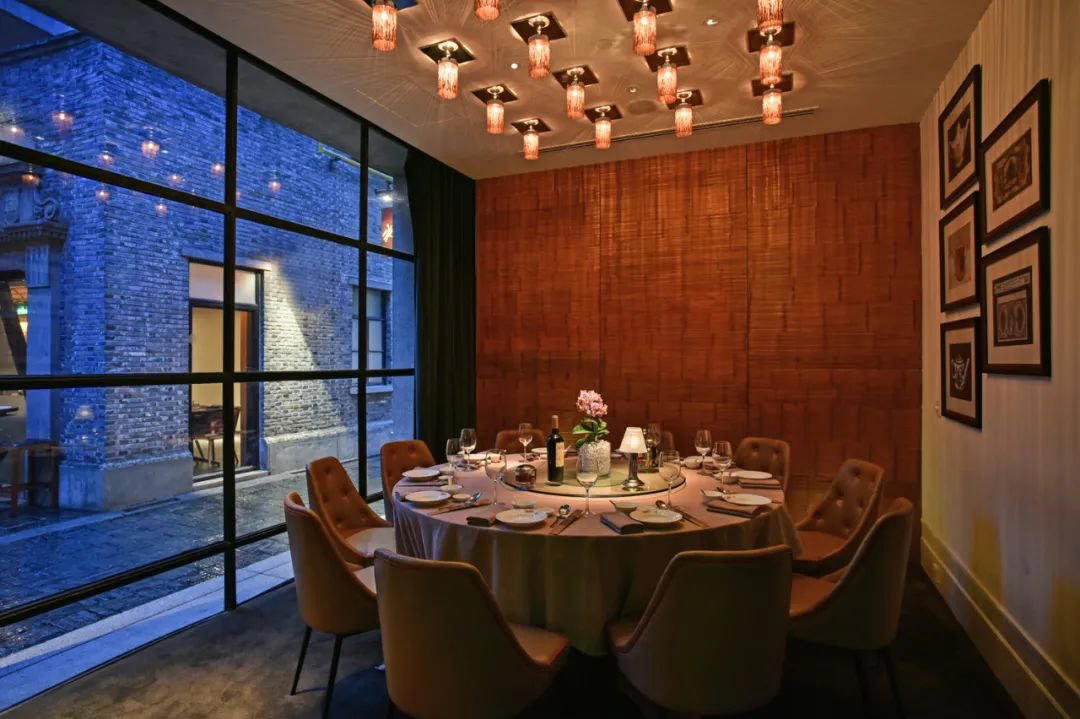
Where Huangpu's Street Grid Meets the Steamer Basket
Huangpi South Road sits at the edge of the former French Concession's northeastern boundary, where the tree-lined residential lanes of Xintiandi give way to the denser commercial fabric of Huangpu proper. This stretch has long supported a different tier of Shanghainese dining than the heritage villa addresses to the south: less theatrical in setting, more focused on the cooking itself.
The neighbourhood context matters because Shanghai's Shanghainese dining market has fragmented sharply over the past decade. At one end sit heritage mansions repurposed as dining destinations, the Fu 1088, Fu 1015, and Fu 1039 addresses carry as much real-estate prestige as culinary identity. At the other end, Shanghainese street-food registers have been folded into fast-casual formats. Yè Shanghai operates in the middle register: a ¥¥ price point with credentials that position it well above casual canteens, sitting alongside addresses like Lao Zheng Xing and Cheng Long Hang (Huangpu) in the category of formally recognised, mid-range Shanghainese kitchens.
The Dim Sum Question in a Shanghainese Kitchen
The relationship between dim sum and Shanghainese cuisine is subtler, and more contested, than the Cantonese tradition most international diners associate with bamboo steamers and trolley service. Shanghainese dim sum operates through a different vocabulary: xiao long bao (soup dumplings), sheng jian bao (pan-fried pork buns with crackling skins), cold-dressed appetisers, and braised preparations that read as dim sum in the morning but shift into full dishes by the afternoon sitting. The steamer basket appears in both traditions, but what it holds and how it arrives differ considerably.
In a restaurant like Yè Shanghai, the mid-morning to early-afternoon sitting rewards a different kind of attention than the evening service. Shanghainese dim sum is less about spectacle and more about precision: the ratio of skin to filling in a xiao long bao, the balance of pork fat and ginger in a steamed meat preparation, the temperature discipline required to serve cold-dressed dishes at their proper chill without losing texture. Kitchens operating a continuous service from 11:30 am manage this transition across the day, and the consistency of that execution over time is, in part, what generates the sustained critical attention Yè Shanghai has received.
What the Awards Record Actually Says
Yè Shanghai has appeared in Opinionated About Dining's Leading Restaurants in Asia ranking for three consecutive tracked years: Highly Recommended in 2023, ranked 216th in 2024, and climbing to 209th in 2025. The OAD ranking system is built from critic votes rather than a single inspector's assessment, which means sustained positioning across three years reflects consistent regard from a distributed pool of informed diners and professionals across the region. It is a different signal from a Michelin star, but in some respects a harder one to maintain, because it requires broad consensus rather than a single annual inspection outcome.
The Michelin Plate designation in both 2024 and 2025 confirms that the kitchen meets the guide's baseline threshold for quality, without the distinction of a star recommendation. For Shanghainese cooking at this price tier, the Plate represents a meaningful quality signal: it places Yè Shanghai above the vast category of undistinguished local restaurants while situating it below the starred Shanghainese houses that command significantly higher prices. For context, starred Shanghainese addresses in the city sit at ¥¥¥ to ¥¥¥¥ price bands, meaning Yè Shanghai's sustained recognition at ¥¥ represents a specific kind of value proposition within the category.
That score sits below what might be expected given the OAD and Michelin recognition, which likely reflects the heterogeneous audience of a restaurant operating in a high-footfall commercial neighbourhood: tourist diners, office-area lunchers, and the smaller cohort of informed visitors seeking out the awards record. Critical consensus and crowd-sourced aggregation frequently diverge at this level of Shanghainese dining, where the expectations carried by different visitor types rarely align.
Chef Sze Man Sui and the Shanghainese Kitchen Tradition
Chef Sze Man Sui leads the kitchen. The wider Shanghainese fine-dining category has seen greater chef-name recognition at the starred tier, while mid-range kitchens of Yè Shanghai's type tend to be evaluated more on institutional consistency than individual personality. The continued OAD climb from Highly Recommended to a top-210 position over three years is more consistent with a stable kitchen team holding to a defined technical standard than with the kind of headline-driven reputation cycles that accompany high-profile chef movements. The Shanghainese tradition rewards that kind of institutional patience: hu cai cooking at its finest is not reinventive, it is replicative in the leading sense, preserving a set of techniques and flavour relationships that have been refined over generations.
For diners interested in how Shanghainese cooking is being maintained and transmitted across the region's restaurants, the contrast with other Chinese regional operators is instructive. Liu Yuan Pavilion in Hong Kong and Shanghai Cuisine in Beijing represent the same tradition operating in different urban contexts, each navigating the challenge of presenting hu cai to audiences that don't share the city's culinary memory. Inside Shanghai, Yè Shanghai's competition is more direct, and its sustained rankings suggest it is holding its position in a crowded field.
Planning a Visit
Yè Shanghai is at 338 Huangpi Road South, Huangpu, in the commercial block between Xintiandi and People's Square. The full-week 11:30 am to 10 pm schedule means it is one of the more accessible Shanghainese addresses for midday visits, which is where the dim sum and steamed-preparation format is at its most coherent.
How Yè Shanghai Compares at This Price Tier
| Venue | Cuisine | Price | Key Recognition |
|---|---|---|---|
| Yè Shanghai | Shanghainese | ¥¥ | OAD Top 209 Asia (2025), Michelin Plate (2025) |
| Lao Zheng Xing | Shanghainese | ¥¥ | Heritage Shanghainese, century-old address |
| Polux | French | ¥¥ | Contemporary French, same price tier |
| Fu He Hui | Vegetarian | ¥¥¥¥ | High-concept, starred vegetarian |
| Ming Court | Cantonese | ¥¥¥ | Cantonese, higher price bracket |
For broader planning across Shanghai, see our full Shanghai restaurants guide, our full Shanghai hotels guide, our full Shanghai bars guide, our full Shanghai experiences guide, and our full Shanghai wineries guide.
Diners visiting other Chinese cities with similar culinary interests may find relevant comparisons at Xin Rong Ji in Beijing, Ru Yuan in Hangzhou, Xin Rong Ji in Chengdu, Chef Tam's Seasons in Macau, Imperial Treasure Fine Chinese Cuisine in Guangzhou, and Dai Yuet Heen in Nanjing.
Frequently asked questions
What should I eat at Yè Shanghai?
The kitchen's sustained OAD and Michelin recognition across three consecutive years points to a consistent command of core Shanghainese technique, which means the steamed preparations and braised dishes that anchor hu cai cooking are the logical entry points. Chef Sze Man Sui's kitchen has held its position in the OAD Top 210 Asia ranking, which in this category signals reliable execution of the Shanghainese canon rather than headline-grabbing novelty.
Pricing, Compared
| Venue | Cuisine | Price | Awards | Notes |
|---|---|---|---|---|
| Yè ShanghaiThis venue (the venue you are viewing) | Modern Shanghainese Cuisine | Not listed | Michelin Plate | Not listed |
| Fu He Hui | Modern Seasonal Vegetarian Fine Dining | $200–300 | 2 Michelin Stars · World's 50 Best #11 | Vegetarian |
| Ming Court | Cantonese with Shanghainese Influences | $30–50 | 1 Michelin Star · Black Pearl 1 Diamond | Cantonese |
| Polux | French Bistro | $30–50 | Michelin Bib Gourmand | French |
| Royal China Club | Cantonese Dim Sum | $100–150 | Michelin Plate · The Good Food Guide GFG Good | Chinese, Cantonese |
| Scarpetta | Refined Italian Pasta & Pizza | $50–100 | Michelin Plate · Wine Spectator Best of Award of Excellence | Italian |
Recognition history
Dated appearances from independent guides and award organizations, with the underlying list record or original source where available.
Michelin Plate
Michelin
Opinionated About Dining Top Restaurants in Asia Ranked #209
Opinionated About Dining
Full recognition history (5 entries)
Michelin Plate
Michelin
Opinionated About Dining Top Restaurants in Asia Ranked #216
Opinionated About Dining
Opinionated About Dining Top Restaurants in Asia Highly Recommended
Opinionated About Dining
Continue exploring
More in Shanghai
Restaurants in Shanghai
All restaurants in Shanghai →
Bars in Shanghai
All bars in Shanghai →
Details
- Elegant
- Sophisticated
- Classic
- Modern
- Business Dinner
- Group Dining
- Private Event
- Celebration
- Special Occasion
- Private Dining
- Standalone
- A La Carte
Current opening hours
- Monday
- 11 AM–2:30 PM, 5–10:30 PM
- Tuesday
- 11 AM–2:30 PM, 5–10:30 PM
- Wednesday
- 11 AM–2:30 PM, 5–10:30 PM
- Thursday
- 11 AM–2:30 PM, 5–10:30 PM
- Friday
- 11 AM–2:30 PM, 5–10:30 PM
- Saturday
- 11 AM–2:30 PM, 5–10:30 PM
- Sunday
- 11 AM–2:30 PM, 5–10:30 PM
Hours can change for holidays and private events. Hours as of .
Stylish, sensuous, and alluring, with a heritage-inspired atmosphere that emphasizes artwork, music, and a celebration of Shanghai's old-world character.