
Michelin Bib Gourmand
Our verdict
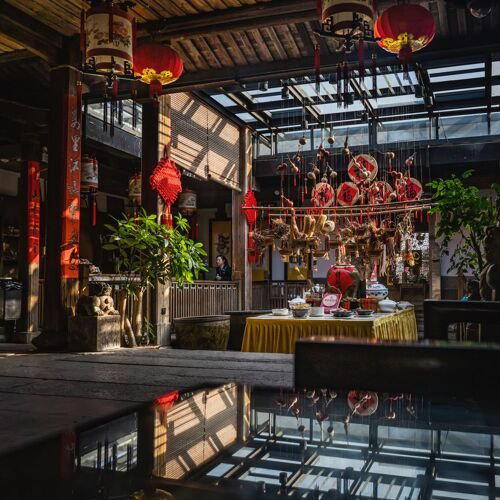
A Michelin Bib Gourmand recipient in both 2024 and 2025, Shan Hai Nan Yan occupies a cluster of restored buildings in Fuzhou's Shangxiahang Historical District, close to the Yongde Guild Hall. The menu centres on Fujianese cooking, with a few Cantonese dishes and original creations alongside. Private rooms, a main dining room, and a tea parlour give the space a range of formats for different occasions.

Pearl is the En Primeur Club membership app, where members save venues, book tables and use the concierge.
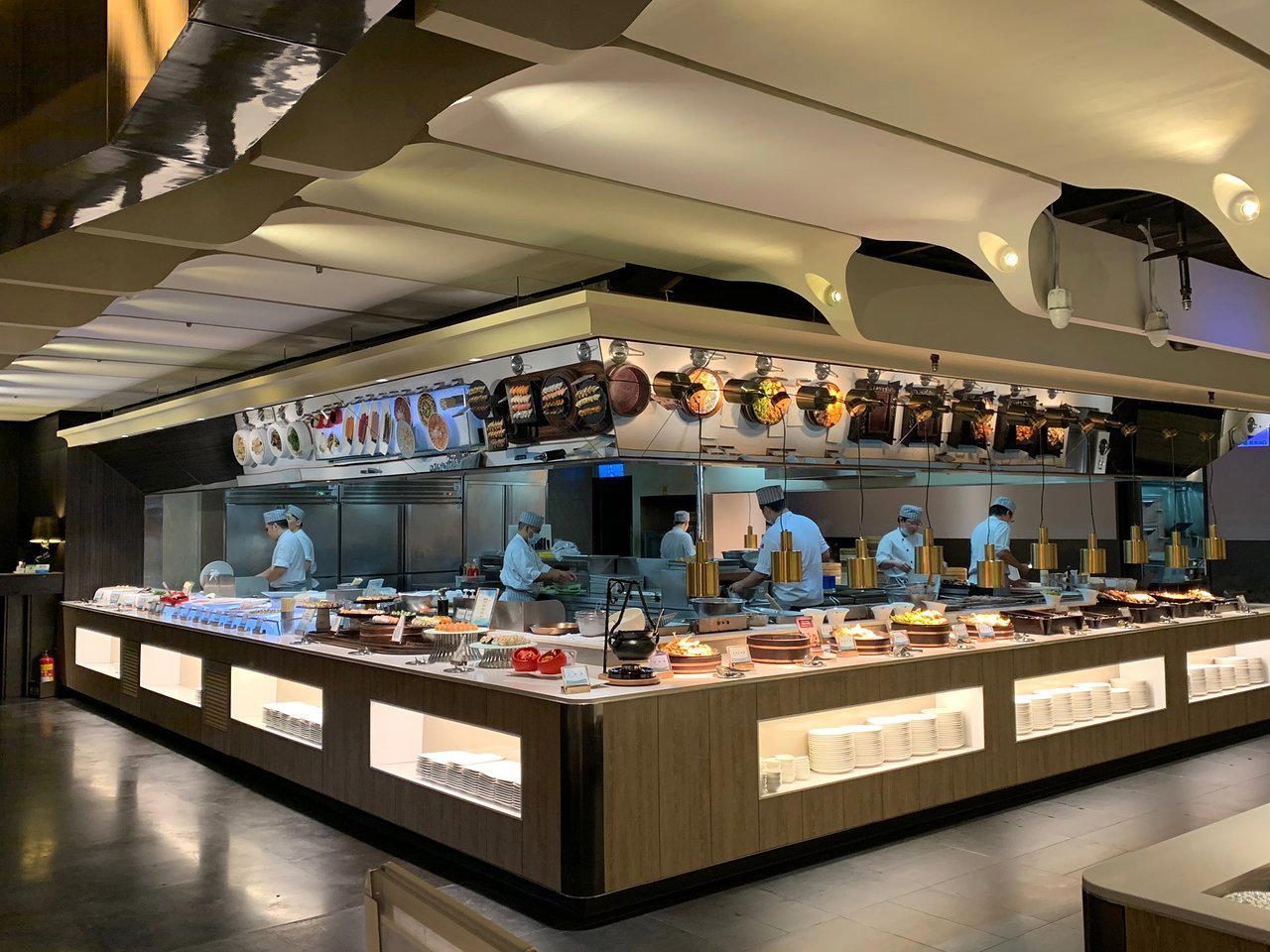
The menu
What to order
- Yongchun white duck soup
- Xiamen Sha Cha seafood hot pot
A Restored Quarter, a Particular Kitchen
Fuzhou's Shangxiahang Historical District is one of those rare urban zones where heritage preservation and working commerce coexist without either side looking forced. The lanes around the Yongde Guild Hall hold late-Qing merchant architecture alongside tea houses and small restaurants, and it is into this fabric that Shan Hai Nan Yan fits. The restaurant occupies a group of restored buildings arranged around private rooms, a main dining room, and a tea parlour, a spatial logic that reflects how Fujianese hospitality has traditionally operated: the group meal, the shared pot, the long afternoon of tea after.
That physical setting matters to how the food reads. Fujian cooking is one of the more internally differentiated regional cuisines in China, spanning the light, stock-heavy dishes of Fuzhou itself, the sha cha spice culture of Xiamen, and the fermented and dried ingredient traditions of the interior. A restaurant that situates itself inside a historic district is implicitly making a claim about rootedness, and at Shan Hai Nan Yan the menu follows through: it is predominantly Fujianese, with a handful of Cantonese dishes and a category of original creations that sit alongside the regional canon rather than replacing it.
What the Michelin Recognition Actually Signals
Shan Hai Nan Yan has held the Michelin Bib Gourmand in both 2024 and 2025. The Bib Gourmand designation is worth parsing carefully: it is awarded to restaurants offering food of inspectors' standard at a price point considered accessible relative to the city's dining tier. In Fuzhou, that means the restaurant competes on quality with higher-priced peers while maintaining a ¥¥ price range, which for this city represents mid-market. The back-to-back recognition confirms consistency rather than a single strong year, which is the more useful data point for a traveller planning around it.
For context within Fuzhou's Fujian-cuisine segment, Jing Li sits at the same ¥¥ price tier and the same cuisine category, making the two the closest direct comparators in the market. At the city level, see our full Fuzhou restaurants guide for how the broader dining map breaks down across price tiers and cuisine types.
Fujian cuisine has been gaining traction across mainland China's major dining cities in recent years, partly through the Minnan diaspora and partly through renewed critical interest in regional cooking. Hokkien Cuisine in Chengdu and Hokklo in Xiamen represent how the same culinary tradition reads in different city contexts, the comparison is instructive for anyone trying to calibrate what Fuzhou-based Fujian cooking offers that its exported versions do not.
The Menu's Register
Two dishes from the kitchen are documented specifically in the Michelin record. The Yongchun white duck soup is described as impressive for its deep herbal aromas, Yongchun being an inland Fujian county with its own preserved ingredient and medicinal food traditions, so the duck soup carries regional specificity rather than generic Chinese herbal-soup character. The Xiamen Sha Cha seafood hot pot with abalone, squid, oysters, and prawns draws on the southern Fujian condiment tradition: sha cha sauce (sometimes compared loosely to satay, though the Minnan version is its own thing, built from dried shrimp, shallots, and brill fish) as the aromatic base for a pot of shellfish. Both dishes sit within recognisable Fujian categories while being tied to specific sub-regional traditions.
The presence of Cantonese options alongside the Fujian core is worth noting. Fuzhou has historically had strong commercial and cultural links with Guangdong, and hybrid menus that acknowledge both traditions are not unusual in the city's more established restaurants. For travellers who want a pure Cantonese reference point in the broader region, Imperial Treasure Fine Chinese Cuisine in Guangzhou provides that baseline.
Planning Around This Restaurant
Shan Hai Nan Yan's address places it at 81 Liuhe Road, Gulou District, the Shangxiahang Historical District sits in central Fuzhou and is walkable from the main commercial areas north of the Min River. The Yongde Guild Hall, which the Michelin record describes as a short walk away, is a useful navigation landmark in a district where map apps sometimes struggle with the lane-level detail of restored heritage blocks.
Given the Michelin Bib Gourmand status and the private-room format, walk-in availability at peak meal times is not something to assume. Weekend lunch in particular, which is the peak booking window for this style of Fujianese multi-course dining in Fuzhou, will likely require advance planning. The ¥¥ price point means the restaurant draws both local regulars and visiting food travellers, both of whom tend to book ahead.
The multi-room format does create flexibility: the private rooms suit business or family dining, while the main dining room is accessible for smaller groups and individual travellers. The tea parlour adds a dimension that most restaurants in this tier do not offer as an integrated space, it allows the meal to extend naturally rather than ending at the table. For Fuzhou hotels in the surrounding area, our full Fuzhou hotels guide covers the options near the historic centre.
Where Shan Hai Nan Yan Sits in the Wider Scene
Fuzhou's dining scene has several distinct tiers. At the low end, places like Longkushan Eatery represent the everyday Fujianese eating culture, fast, affordable, deeply local. At the mid-tier where Shan Hai Nan Yan operates, the competition includes Wenru No.9 and Fuyuan, both of which address the same market of considered, ingredient-led Fujianese cooking in a setting that matches the food's ambition. Harmony Garden on Xierhuan North Road adds another reference point in the city's formal dining segment.
Across China, Fujian cooking's most prestigious expressions tend to concentrate in coastal cities with historic Minnan or Fuzhou merchant culture. Xin Rong Ji in Beijing and Xin Rong Ji in Chengdu show how the cuisine translates upmarket and northward; 102 House in Shanghai and Ru Yuan in Hangzhou represent how eastern China's high-end regional dining scene has absorbed and refined these traditions. For those planning a broader trip, our Fuzhou bars guide, our Fuzhou experiences guide, and our Fuzhou wineries guide cover the rest of the city's offer.
Frequently asked questions
Is Shan Hai Nan Yan expensive?
Pricing at Shan Hai Nan Yan is listed as ¥¥.
What awards or recognition does Shan Hai Nan Yan have?
Shan Hai Nan Yan has received recognition including: Just a stone's throw from the famous Yongde Guild Hall, this restaurant in the Shangxiahang Historical District is made up of the restored buildings housing private rooms, a main dining room and a tea parlour. The menu is mostly Fujianese, ….
What do regulars order at Shan Hai Nan Yan?
The Michelin record singles out two dishes specifically: the Yongchun white duck soup, noted for deep herbal aromas, and the Xiamen Sha Cha seafood hot pot, which combines abalone, squid, oysters, and shrimps. Both sit within the core Fujianese register the kitchen is built around, though the menu also includes Cantonese options and original creations.
What part of town is Shan Hai Nan Yan in?
Shan Hai Nan Yan is located at China, CN 福建省 福州市 鼓楼区 柳河路 81 81号电影机械厂4座105 邮政编码: 350025, Fuzhou.
Who runs the kitchen at Shan Hai Nan Yan?
The chef associated with Shan Hai Nan Yan is Marcio Shihomatsu / Bia Freitas / Joey Lim.
Is Shan Hai Nan Yan reservation-only?
No booking contact or website is currently listed for the restaurant. Given two consecutive Michelin Bib Gourmand years (2024 and 2025) and a layout that includes private rooms, arriving without a prior arrangement carries real risk, enquiring through the venue directly or via a hotel concierge in Gulou District is the practical approach.
A Pricing-First Comparison
| Venue | Cuisine | Price | Awards |
|---|---|---|---|
| Shan Hai Nan YanThis venue (the venue you are viewing) | Fujianese with Cantonese influences | Not listed | Michelin Bib Gourmand |
| Hou Jie Lao Hua (Yadao Lane) | Fuzhou Lao Hua Noodles | $1–10 | Michelin Bib Gourmand |
| Jing Li | Modern Fujian Cuisine | Not listed | Michelin Bib Gourmand |
| Mei Ya Bo Hua Sheng Tang | Traditional Fuzhou Peanut Soup and Desserts | $1–10 | Michelin Bib Gourmand |
| Jiangnan Wok‧Rong | Huaiyang | Not listed | Michelin 1 Star |
| Chosop | Authentic Sichuan | $20–30 | Michelin Plate |
Recognition history
Dated appearances from independent guides and award organizations, with the underlying list record or original source where available.
Michelin Bib Gourmand
Michelin
Full recognition history (3 entries)
Michelin Bib Gourmand
Michelin
Michelin Bib Gourmand
Michelin
Continue exploring
More in Fuzhou
Restaurants in Fuzhou
All restaurants in Fuzhou →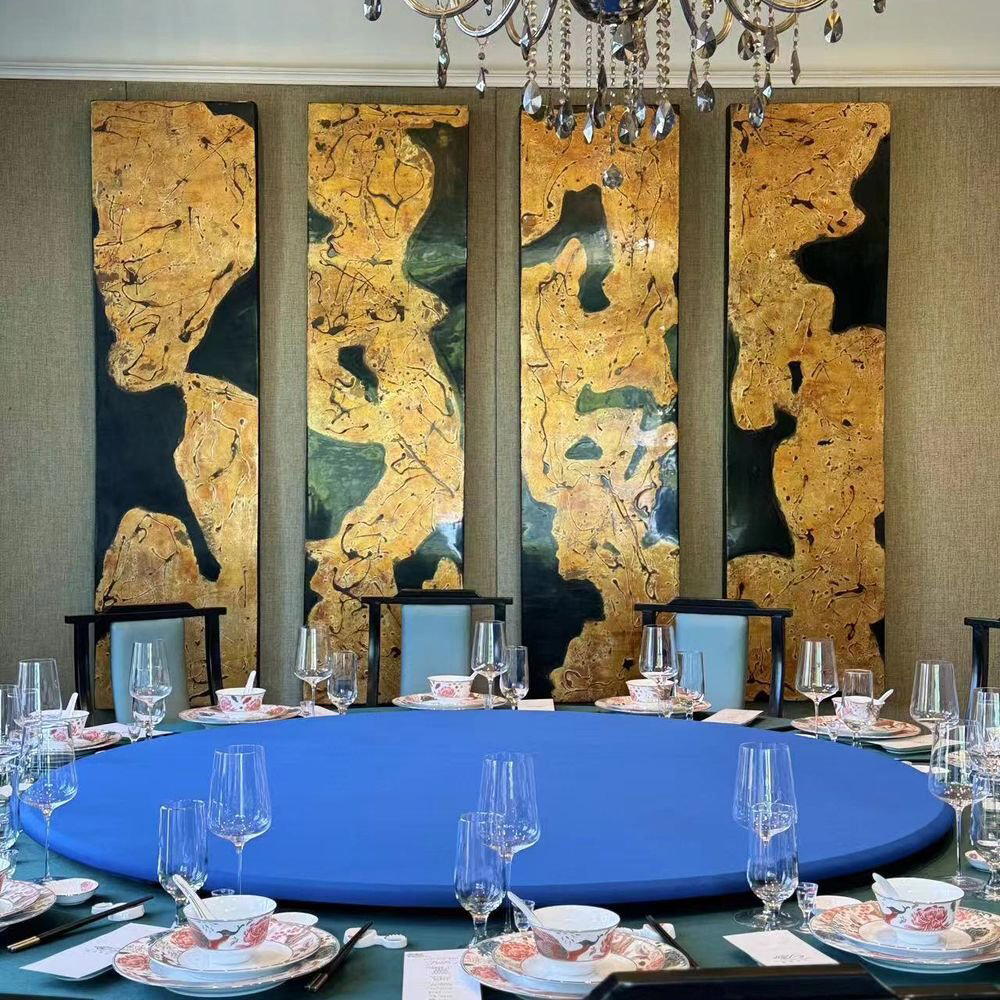
Hotels in Fuzhou
All hotels in Fuzhou →
Details
- Historic
- Elegant
- Intimate
- Special Occasion
- Historic Building
- Private Dining
- Street Scene
- A La Carte
Historic and elegant atmosphere from restored traditional buildings.