
Michelin Plate
Our verdict
A 1920s villa in Baoshan earns its 2025 Michelin Plate through a Cantonese menu anchored in roasting and curing traditions: roast goose, salt-baked chicken, and char siu pork are the signatures, with seasonal pre-order menus, including an autumn mushroom menu, adding depth. Period furniture, a fireplace, and Chinese artwork across two floors make this one of Shanghai's more atmospherically distinctive rooms for southern Chinese cooking at mid-range prices.

Pearl is the En Primeur Club membership app, where members save venues, book tables and use the concierge.
The menu
What to order
- Roast goose
- Salt-baked chicken
- Char siu pork
- Dim sum
A 1920s Villa and the Cantonese Roasting Tradition
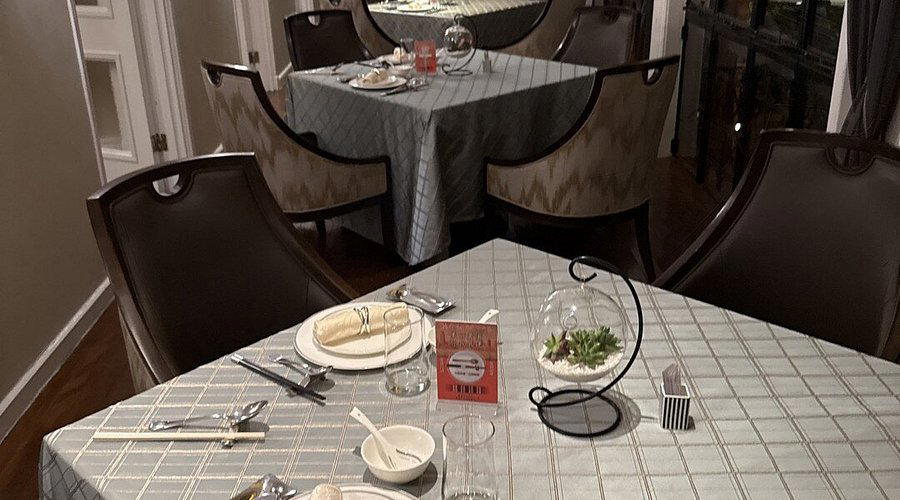
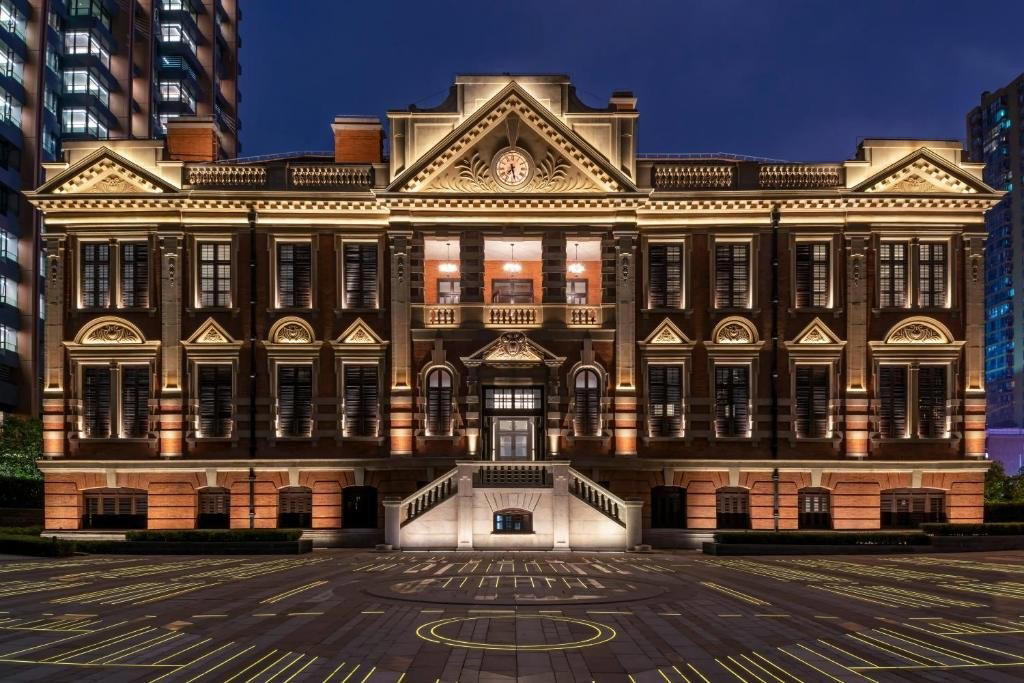
There is a particular kind of Cantonese restaurant that operates at a remove from the glass-and-marble dining rooms that dominate Shanghai's high-end Chinese category. Xin Yuan Lou, set inside a 1920s villa on Huma Road in Baoshan, belongs to that quieter register. Period furniture, a working fireplace, and Chinese artwork distributed across two floors produce a setting that reads less like a restaurant in the conventional sense and more like a private house that happens to serve Michelin-recognised food. The approach to décor is consistent with a broader Shanghainese habit of embedding serious cooking inside preserved Republican-era architecture, a pattern visible elsewhere in the city's older residential neighbourhoods.
What the room communicates before a dish arrives is restraint. The bar, lounge, tea room, and several private dining rooms are arranged without the kind of theatrical flourish that defines many of the city's newer Cantonese openings. For the category and price point, the restaurant holds a 2025 Michelin Plate and prices at mid-range (¥¥), that physical discipline is an editorial statement about what matters here, and what matters is the cooking.
Wok Heat, Smoke, and the Cantonese Roasting Canon
Cantonese cuisine at its core is a discipline of heat management. The techniques that define the tradition, whether wok hei generated through intense flame contact, the dry-heat precision of the roasting oven, or the slow, controlled penetration of salt-baking, all require a cook to understand exactly how heat moves through protein and fat at speed. These are not forgiving methods. A roast goose held too long past its window loses the lacquered skin tension that makes the dish; char siu pork cut from a carcass that was rushed through the oven reads as sweet without depth.
At Xin Yuan Lou, the menu is anchored in that roasting and curing tradition. Marinated meats, roast goose, salt-baked chicken, and char siu pork represent the structural pillars of the Cantonese roast-meat canon, a canon that runs from the siu mei shops of Hong Kong's side streets through to destinations like Forum in Hong Kong and Le Palais in Taipei, where the same techniques are executed at a different price tier. Positioning these dishes at mid-range prices in Shanghai is a specific editorial choice: it keeps the repertoire grounded in the working Cantonese tradition rather than repositioning it as a luxury object.
The Shanghainese additions to the menu acknowledge geography without disrupting the kitchen's primary orientation. Shanghai's own cooking tradition intersects with Cantonese at points of shared technique, particularly in braising and cold preparation, so the overlap reads as logical rather than incongruous.
The Seasonal Pre-Order Dimension
One of the more telling details in how Xin Yuan Lou operates is the existence of a seasonal pre-order menu. The autumn mushroom menu, which must be arranged before arrival, reflects a practice common across serious Chinese kitchens where peak-season ingredients require planning and sourcing lead time that walk-in service cannot support. Pre-order menus of this kind shift the dining relationship: the kitchen commits to sourcing a specific product, the guest commits to a specific experience, and the result tends to be more focused than what a standard menu can deliver.
Across the region, comparable approaches appear at kitchens like Ru Yuan in Hangzhou and Xin Rong Ji in Chengdu, where seasonal availability drives the most interesting parts of a given visit. Guests planning a visit to Xin Yuan Lou in autumn should make contact about the mushroom menu well in advance rather than treating it as a spontaneous addition.
Where Xin Yuan Lou Sits in Shanghai's Cantonese Field
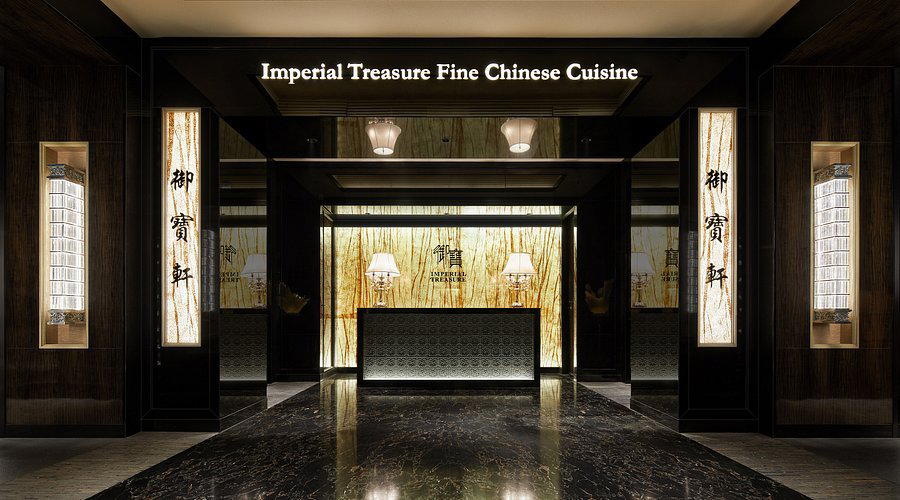
Shanghai's Cantonese offering has expanded significantly over the past decade, and the category now runs from high-volume dim sum operations through to formal tasting-menu formats. Xin Yuan Lou occupies a specific band within that range: a Michelin Plate holder at ¥¥ pricing, which positions it below the ¥¥¥ tier that includes venues like Bao Li Xuan and Canton 8 (Huangpu), and at a considerable distance from the higher-register rooms like Imperial Treasure Fine Chinese Cuisine or Ji Pin Court.
For Cantonese cooking at this price point to receive Michelin recognition in a city as competitive as Shanghai is a meaningful signal. The Plate designation does not carry the same weight as a star, but it marks the restaurant as operating at a level the guide's inspectors consider worth directing readers toward. In a category where execution consistency matters enormously, roast meats are unforgiving benchmarks, that recognition carries practical information.
Within the broader circuit of Cantonese cooking across mainland China, the restaurant sits alongside addresses like Xin Rong Ji in Beijing, Chef Tam's Seasons in Macau, Imperial Treasure Fine Chinese Cuisine in Guangzhou, and Dai Yuet Heen in Nanjing as part of a wider map of southern Chinese cooking practiced at recognised quality levels outside Guangdong and Hong Kong. For readers building a broader understanding of this tradition across China, 102 House offers useful context on how Shanghai's older residential architecture intersects with contemporary dining.
Planning a Visit
Baoshan sits north of the city centre, which means Xin Yuan Lou draws a more local clientele than the Jing'an or Huangpu Cantonese rooms that appear on most visitor itineraries. That geography is worth factoring into logistics, but it also explains part of the restaurant's character: a venue serving a neighbourhood audience rather than tourist traffic tends to maintain stricter internal standards because repeat guests are its actual market.
| Detail | Xin Yuan Lou | Canton 8 (Huangpu) | Bao Li Xuan | Imperial Treasure |
|---|---|---|---|---|
| Cuisine | Cantonese (+Shanghainese) | Cantonese | Cantonese | Cantonese |
| Price tier | ¥¥ | ¥¥ | ¥¥¥ | ¥¥¥¥ |
| Michelin recognition | Plate (2025) | Check EP guide | Check EP guide | Check EP guide |
| Setting | 1920s villa, Baoshan | Central Huangpu | Central Shanghai | Central Shanghai |
| Seasonal pre-order | Yes (mushroom menu) | Not confirmed | Not confirmed | Not confirmed |
Phone and online booking details are not publicly listed in current sources; arrival in person or contact through the hotel concierge is the practical approach until direct booking channels are confirmed. For readers planning a full Shanghai itinerary, see our full Shanghai restaurants guide, our full Shanghai hotels guide, our full Shanghai bars guide, our full Shanghai wineries guide, and our full Shanghai experiences guide.
Frequently asked questions
How would you describe the vibe at Xin Yuan Lou?
The setting is a restored 1920s villa with period furniture, a working fireplace, and Chinese artwork spread across two floors, closer in atmosphere to a private house than a restaurant dining room. The layout includes a bar, lounge, tea room, and several private rooms, which means the overall register is composed and unhurried. Baoshan's location north of central Shanghai keeps the clientele predominantly local rather than tourist-facing.
What should I budget for a meal at Xin Yuan Lou?
Pricing at Xin Yuan Lou is listed as ¥¥.
What distinctions does Xin Yuan Lou have?
Xin Yuan Lou has received recognition including: Michelin Plate (2025); A 1920s villa plays host to this Cantonese restaurant boasting plenty of old-world charm thanks to its period furniture, fireplace and Chinese artwork. It’s spread over two floors and includes a bar, a lounge, a tea r….
What do people recommend at Xin Yuan Lou?
The roast meats are the kitchen's core argument: roast goose, salt-baked chicken, char siu pork, and marinated meats represent the Cantonese roasting tradition the restaurant is built around. The menu also incorporates Shanghainese dishes alongside the Cantonese base. The autumn mushroom menu is a seasonal pre-order offering worth planning ahead for, it will not be available on arrival without advance arrangement.
What part of town is Xin Yuan Lou in?
Xin Yuan Lou is located at 8CQW+CP9, Huma Rd, Baoshan, Shanghai, China, 200431, Shanghai.
Do I need a reservation for Xin Yuan Lou?
A reservation is advisable. The restaurant holds Michelin Plate recognition for 2025, and with a multi-room villa format that includes private dining, tables are not held back for walk-ins. For seasonal menus such as the autumn mushroom programme, pre-ordering is a requirement rather than a preference, factor that into planning if those dishes are the draw.
A Quick Peer Check
A quick peer reference to anchor this venue in its category.
| Venue | Cuisine | Price | Awards | Notes |
|---|---|---|---|---|
| Xin Yuan LouThis venue (the venue you are viewing) | Cantonese and Shanghainese in Historic Villa | $50–100 | Michelin Plate | Not listed |
| Fu He Hui | Modern Seasonal Vegetarian Fine Dining | $200–300 | 2 Michelin Stars · World's 50 Best #11 | Vegetarian |
| Ming Court | Cantonese with Shanghainese Influences | $30–50 | 1 Michelin Star · Black Pearl 1 Diamond | Cantonese |
| Polux | French Bistro | $30–50 | Michelin Bib Gourmand | French |
| Royal China Club | Cantonese Dim Sum | $100–150 | Michelin Plate · The Good Food Guide GFG Good | Chinese, Cantonese |
| Scarpetta | Refined Italian Pasta & Pizza | $50–100 | Michelin Plate · Wine Spectator Best of Award of Excellence | Italian |
Recognition history
Dated appearances from independent guides and award organizations, with the underlying list record or original source where available.
Michelin Plate
Michelin
Full recognition history (3 entries)
Michelin Plate
Michelin
Michelin Plate
Michelin
Continue exploring
More in Shanghai
Restaurants in Shanghai
All restaurants in Shanghai →
Bars in Shanghai
All bars in Shanghai →


Details
- Elegant
- Classic
- Intimate
- Sophisticated
- Business Dinner
- Special Occasion
- Private Event
- Private Dining
- Historic Building
- Sake Program
- Garden
- A La Carte
Warm and elegant atmosphere with period furniture, fireplace, Chinese artwork, amber lighting, and a gentle glow from porcelain in a historic villa setting.