Woodlands
Woodlands sits on South Orange Blossom Trail, a corridor that tells a more honest story about Orlando's food culture than the resort strips to the north. The address alone signals a dining room oriented toward the city's working neighborhoods rather than tourist infrastructure. For anyone mapping Orlando's full dining range, it belongs in the conversation alongside the corridor's other ingredient-driven operations.
Pearl is the En Primeur Club membership app — saves, bookings, and concierge access live there. Same editors, same standards.
- Address
- 6040 S Orange Blossom Trl, Orlando, FL 32809
- Phone
- +14078543330
- Website
- woodlandsusa.com
- Directions
- Get directions
 Saves & bookings on Pearl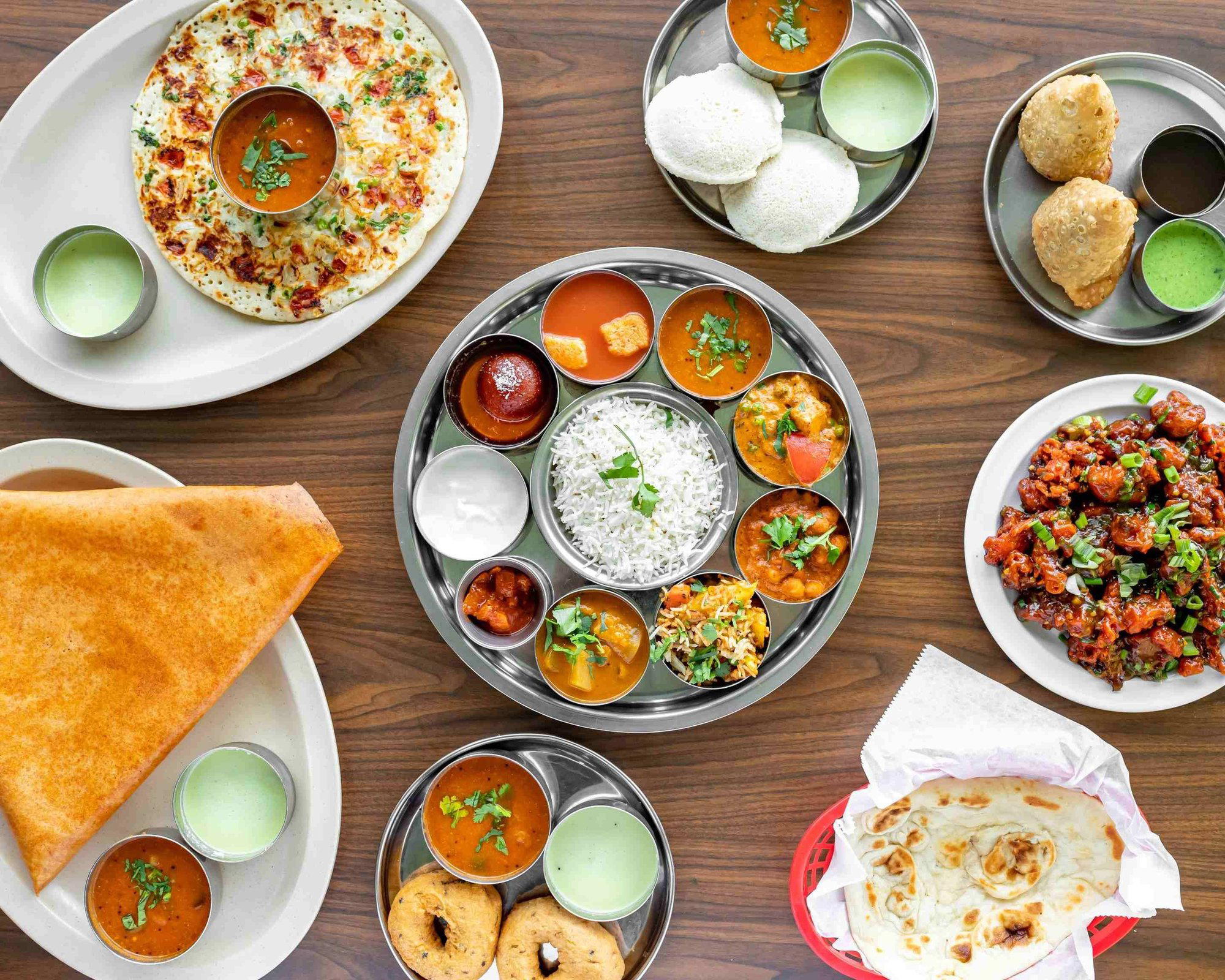
South Orange Blossom Trail and What It Says About Orlando Eating
Orlando's dining identity is routinely reduced to its resort corridors, where the logistical demands of theme-park tourism shape almost every menu decision. South Orange Blossom Trail operates differently. The stretch running through the 32809 zip code hosts a density of working restaurants oriented toward Orlando's permanent residents rather than its visitors, and the sourcing priorities that define those kitchens tend to be more direct, less mediated by hospitality-group procurement chains. Woodlands, at 6040 S Orange Blossom Trail, is a casual, walk-in-friendly restaurant in Orlando serving authentic South Indian vegetarian food at about $15 per person. Its address places it outside the convention corridor.
That distinction matters more than it might appear. In American cities where tourism infrastructure dominates the restaurant economy, the neighborhoods that sit outside the promotional apparatus often sustain the more ingredient-honest cooking. The same pattern holds in New Orleans, where spots away from the French Quarter tend to price and source differently, or in San Francisco, where the Mission district's operations diverge sharply from the Ferry Building cluster. Orlando's South OBT corridor follows comparable logic.
Ingredient Sourcing as the Organizing Principle
Florida's agricultural calendar is one of the more favorable in the continental United States. The state's position as a winter growing region means that from roughly November through April, local sourcing yields produce unavailable from northern suppliers at equivalent freshness. Tomatoes, citrus, tropical fruits, and a range of leafy greens move through Florida's farm-to-market channels during months when most American restaurant kitchens are drawing from storage or long-haul cold chain. A restaurant on South Orange Blossom Trail, embedded in a neighborhood with significant connections to Florida's agricultural and food-production workforce, sits closer to those supply lines than its resort-district counterparts.
This is the frame that makes Woodlands worth understanding as more than a local address. Restaurants in this part of Orlando have historically drawn on the proximity to Central Florida's produce networks, and the dining rooms that have built loyal followings here tend to do so through consistency and sourcing discipline rather than through décor investment or celebrity-kitchen branding. The ingredient is the argument, not the room.
For comparison, operations like Single Thread Farm in Healdsburg or Blue Hill at Stone Barns in Tarrytown have made farm integration the explicit center of their identity, building tasting menus around what the land produces in a given week. Those are high-architecture expressions of the same underlying instinct: source well, cook accordingly. South OBT's restaurants, including Woodlands, often practice a quieter version of that discipline, one without the prix-fixe signaling but with comparable sourcing seriousness at the base level.
Where Woodlands Sits in Orlando's Wider Dining Picture
Orlando's premium dining tier has grown considerably over the past decade. Restaurants like Capa, the steakhouse operating at Four Seasons Resort Orlando, and Kadence, the Japanese counter that consistently draws attention from regional food writers, define one end of the city's range. Sorekara and Natsu extend the Japanese dining conversation further, while Camille represents the Vietnamese fine-dining category at its most considered local expression.
Woodlands occupies a different coordinate in that map. It is not in competition with the $$$$ omakase counters or the hotel dining rooms drawing on national PR networks. It belongs to the tier of Orlando restaurants that sustain a neighborhood through reliability and sourcing quality rather than through destination-dining mechanics. That tier is, in many respects, harder to sustain, because it depends on repeat local business rather than tourist throughput or critical-award cycles.
Nationally, the restaurants that have most successfully defined ingredient sourcing as a value proposition include Providence in Los Angeles, which built its reputation on seafood provenance, and The French Laundry in Napa, where the kitchen garden's output shapes the menu seasonally. At the other end of the format spectrum, Lazy Bear in San Francisco and Alinea in Chicago demonstrate how technique-forward kitchens can also foreground sourcing without it becoming a marketing cliché. The point is that across formats and price points, the restaurants with particularly durable reputations tend to have a coherent answer to the question of where the food comes from.
Beyond the domestic frame, international operations like Le Bernardin in New York City and Atomix, also in New York, have shown that sourcing rigor translates across cuisine categories and produces the kind of editorial recognition that sustains long-term reputation. Addison in San Diego, The Inn at Little Washington, and Emeril's in New Orleans each represent regional anchors that built their standing partly through consistent sourcing relationships. 8½ Otto e Mezzo Bombana in Hong Kong extends the same principle to Italian fine dining in an Asian context, demonstrating that provenance-consciousness is not a regional American trend but a global dining shift.
Reading the South OBT Neighborhood
The South Orange Blossom Trail corridor has a demographic and commercial character distinct from Orlando's tourist zones. It is a working neighborhood with a significant Latin American and Caribbean population, and the restaurants along it reflect that diversity in their ingredient relationships. Produce markets, specialty suppliers, and food-production operations serving those communities sit within the same commercial corridor, which means that a restaurant located at 6040 S OBT has access to supply networks that are simply not available to kitchens in the resort district. This is a structural advantage, not a promotional claim.
Know Before You Go
| Address | 6040 S Orange Blossom Trail, Orlando, FL 32809 |
|---|---|
| Neighbourhood | South Orange Blossom Trail corridor, outside the resort district |
| Booking | |
| Price Range | About $15 per person |
| Hours | Not confirmed; verify before visiting |
- Masala Dosai
- South Indian Thali
- Vegetable Biryani
- Dal Makhani
- Paneer Chili
- Ras Malai
Cuisine-First Comparison
Comparable venues nearby, for context on price, style, and recognition.
| Venue | Cuisine | Price | Notes |
|---|---|---|---|
| WoodlandsThis venue — the venue you are viewing | Authentic South Indian Vegetarian | $$ | Not listed |
| Helena Modern Riviera | Mediterranean-American Fusion | $$ | Convention Center |
| Talay | Thai Seafood | $$ | North Quarter |
| Krazy Good Food | American Seafood and Burgers | $$ | Millenia |
| Kavas Tacos + Tequila | Tex-Mex Tacos + Tequila | $$ | International Drive |
| Mamak Asian Street Food | Malaysian Street Food | $$ | Mills 50 |
At a Glance
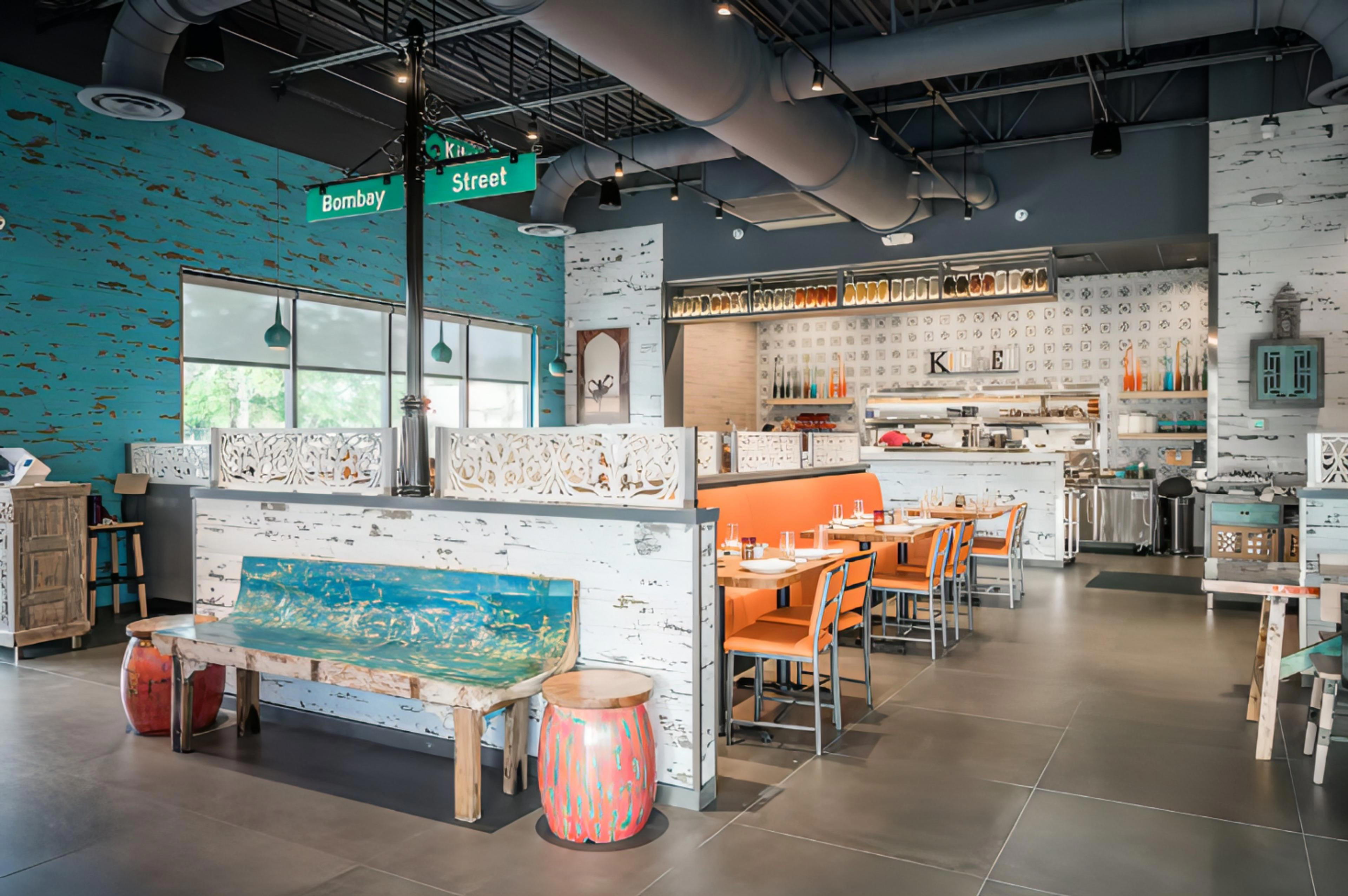
- Classic
- Cozy
- Casual Hangout
- Family
- Standalone
Current opening hours
- Monday
- 11:30 AM–3 PM, 5–9:30 PM
- Tuesday
- 11:30 AM–3 PM, 5–9:30 PM
- Wednesday
- 11:30 AM–3 PM, 5–9:30 PM
- Thursday
- 11:30 AM–3 PM, 5–9:30 PM
- Friday
- 11:30 AM–3 PM, 5–9:45 PM
- Saturday
- 11:30 AM–3 PM, 5–9:45 PM
- Sunday
- 11:30 AM–3 PM, 5–9 PM
Hours can change for holidays and private events. Last verified .
Casual vegetarian Indian dining with a direct, traditional restaurant atmosphere.