Mamak Asian Street Food
On East Colonial Drive, Orlando's most densely international dining corridor, Mamak Asian Street Food brings the hawker-stall tradition to a city better known for theme-park spectacle than Southeast Asian cooking. The address places it squarely inside a stretch where Vietnamese, Filipino, and pan-Asian kitchens compete on specificity and price rather than atmosphere. For Orlando diners who want something closer to a night market than a sit-down occasion, Mamak fits that gap.
 Discover on Pearl
Pearl is the En Primeur Club membership app — saves, bookings, and concierge access live there. Same editors, same standards.
- Address
- 1231 E Colonial Dr, Orlando, FL 32803
- Phone
- +1 407 270 4688
- Website
- mamakeats.com
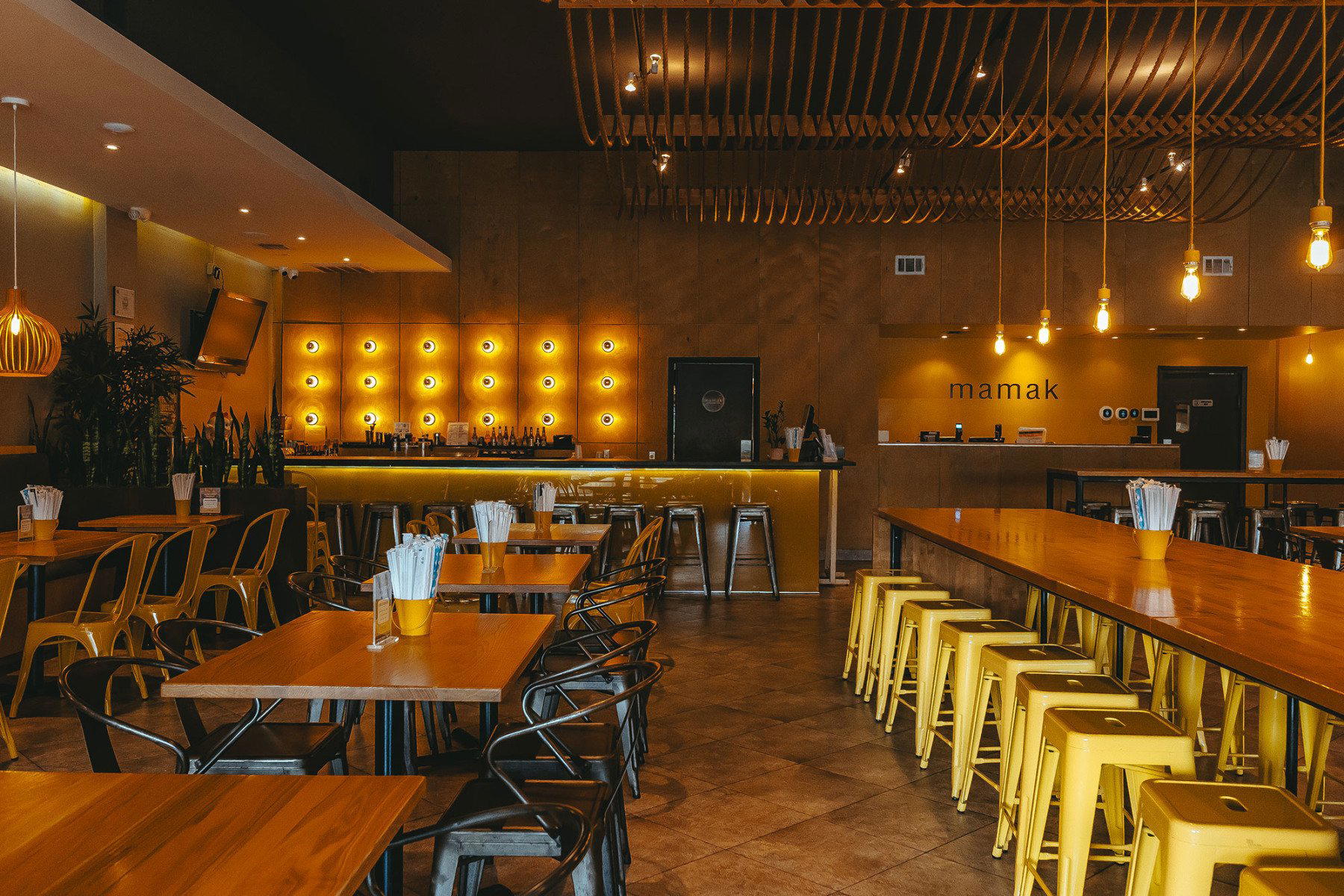
East Colonial Drive and the Case for Street-Food Seriousness
Mamak Asian Street Food is a restaurant in Orlando serving Malaysian Street Food at 1231 E Colonial Dr, Orlando, FL 32803. East Colonial Drive, running northeast from downtown through the Mills 50 district and into the broader Asian commercial stretch near Fairbanks, has accumulated the kind of density that only happens when immigrant communities establish themselves over decades rather than through a developer's master plan. Vietnamese pho houses, Filipino bakeries, Chinese roast-meat counters, and pan-Asian grocers stack up along this road in a way that owes nothing to tourism. Mamak Asian Street Food, at 1231 E Colonial Drive, sits inside that tradition rather than adjacent to it.
The address itself is an editorial statement. East Colonial is where Orlando residents who know the city eat, not where visitors are directed. In a metropolitan area whose dining conversation is frequently dominated by resort corridors and celebrity chef outposts, the Colonial Drive stretch operates as a corrective, a reminder that the most sustained cooking cultures are built on neighbourhood loyalty, not hotel room rates.
The Hawker Tradition and What It Demands of a Restaurant
Malaysian street food, which Mamak's name signals directly, carries specific obligations. The word "mamak" in Malaysian usage refers to the Tamil-Muslim community whose stalls became foundational to the country's round-the-clock eating culture. Mamak stalls in Kuala Lumpur and Penang are open late, inexpensive, and built around dishes that cross ethnic lines: roti canai pulled and griddle-cooked to order, teh tarik poured between vessels to build its characteristic foam, mee goreng fried with a combination of influences that reflects Malaysia's Chinese, Indian, and Malay layers simultaneously. These are not fusion dishes in any contemporary marketing sense. They are the result of centuries of proximity, commerce, and improvisation.
Bringing that format to a North American city presents an immediate calibration problem. The informality and speed of a hawker stall do not translate automatically into a fixed restaurant setting. The kitchens that do it well tend to hold the price point down, keep the menu focused on a manageable list of dishes that actually replicate the original technique, and resist the pressure to anglicise heat levels or portion sizes. Orlando has a Malaysian-origin community large enough to provide the kind of regular, informed customer base that keeps a kitchen honest.
Where Mamak Sits in Orlando's Pan-Asian Picture
Orlando's upper tier of Asian dining has tilted heavily Japanese in recent years. Kadence and Natsu represent the omakase and kaiseki end of that spectrum, while Sorekara occupies a different register of Japanese cooking. Vietnamese has its own credible representative in Camille, which operates at the fine-dining price point of $$$$. None of these directly addresses the Southeast Asian hawker format that Mamak targets.
That gap matters because the hawker and street-food category operates on entirely different economics and expectations. Where Capa prices against resort steakhouse peers and requires a Four Seasons address to anchor its position, a street-food kitchen prices against the neighbourhood and earns its repeat business through consistency of execution at accessible cost. These are parallel markets, not competing ones. The diner choosing between Mamak and Capa is not making the same type of decision; they are operating in different registers of the dining week.
For a broader sense of what premium dining across the United States looks like at the other end of the spectrum, our coverage includes Le Bernardin in New York City, The French Laundry in Napa, Lazy Bear in San Francisco, Smyth in Chicago, Providence in Los Angeles, Blue Hill at Stone Barns in Tarrytown, Addison in San Diego, The Inn at Little Washington, Emeril's in New Orleans, Single Thread Farm in Healdsburg, Atomix in New York City, and Atelier Moessmer Norbert Niederkofler in Brunico. The point of that range is context: understanding where a street-food kitchen fits requires knowing what the full register of dining looks like.
Getting There and Practical Orientation
East Colonial Drive is accessible by car from most Orlando neighbourhoods within 15 to 25 minutes depending on origin point. The Mills 50 district anchors the western end of this corridor and offers walkable density if you are already in that area. Parking along E Colonial varies by block; the commercial strips generally have adjacent lots.
What the Colonial Drive Address Signals About the Experience
Restaurants choose their locations for reasons that are partly economic and partly cultural. A kitchen opening on East Colonial in 2024 is making a statement about its intended audience: not tourists on International Drive, not resort guests, but the Orlando residents who have been eating along this corridor for years. That decision shapes everything from portion expectations to the spice calibration of the menu.
The Malaysian street-food format, when executed at the neighbourhood level rather than packaged for an upscale audience, tends to be among the more honest expressions of a cuisine. There is no tasting menu architecture to hide behind, no wine program to absorb margin. The cooking has to carry the room on its own terms. East Colonial gives Mamak both a ready customer base and an implicit standard: the diners on this stretch have reference points for what the food should taste like.
The Minimal Set
Comparable venues nearby, for context on price, style, and recognition.
| Venue | Cuisine | Price | Notes |
|---|---|---|---|
| Mamak Asian Street FoodThis venue — the venue you are viewing | $$ | ||
| Lisbon Portuguese Cuisine | The Rialto, Authentic Portuguese Cuisine | $$ | |
| F&D Cantina | Thornton Park, Mexican Cantina | $$ | |
| Mamazzita Gastrobar | $$ | near Florida Mall, Peruvian Latin Fusion Gastrobar | |
| Nile Ethiopian | International Drive, Authentic Ethiopian | $$ | |
| Café Osceola | $$ | Convention Center, American Breakfast Buffet |
At a Glance
- Modern
- Trendy
- Cozy
- Lively
- Casual Hangout
- Group Dining
- Open Kitchen
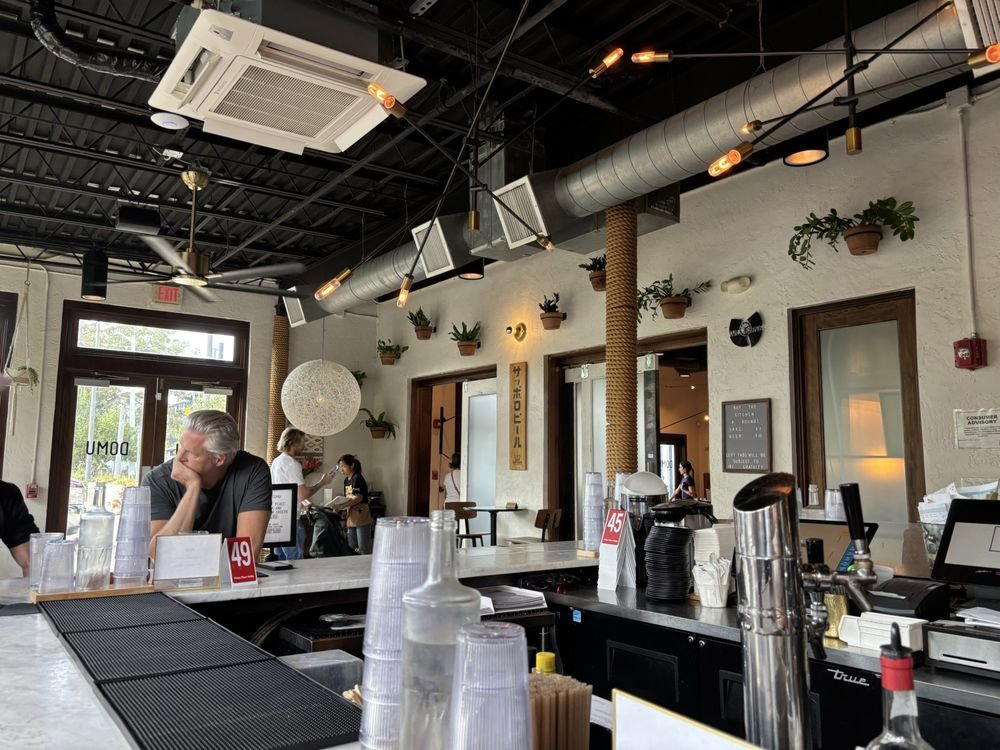
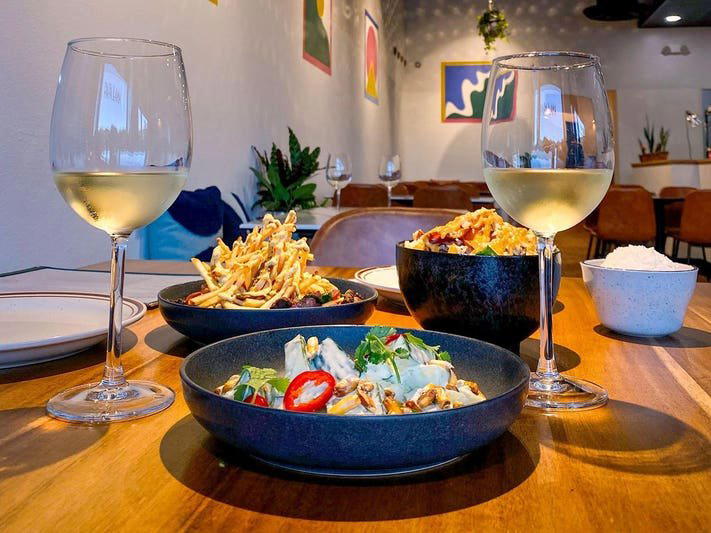
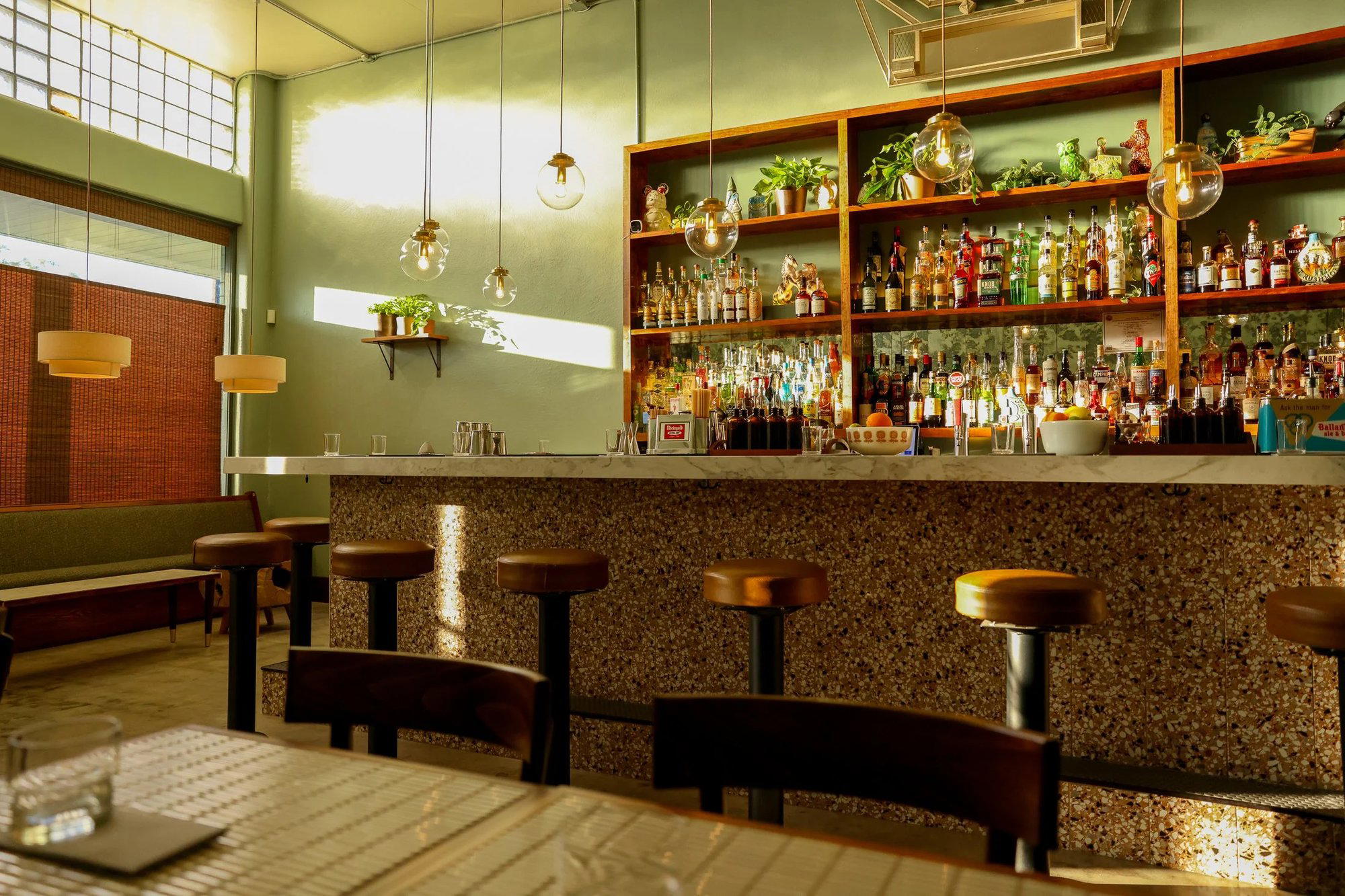
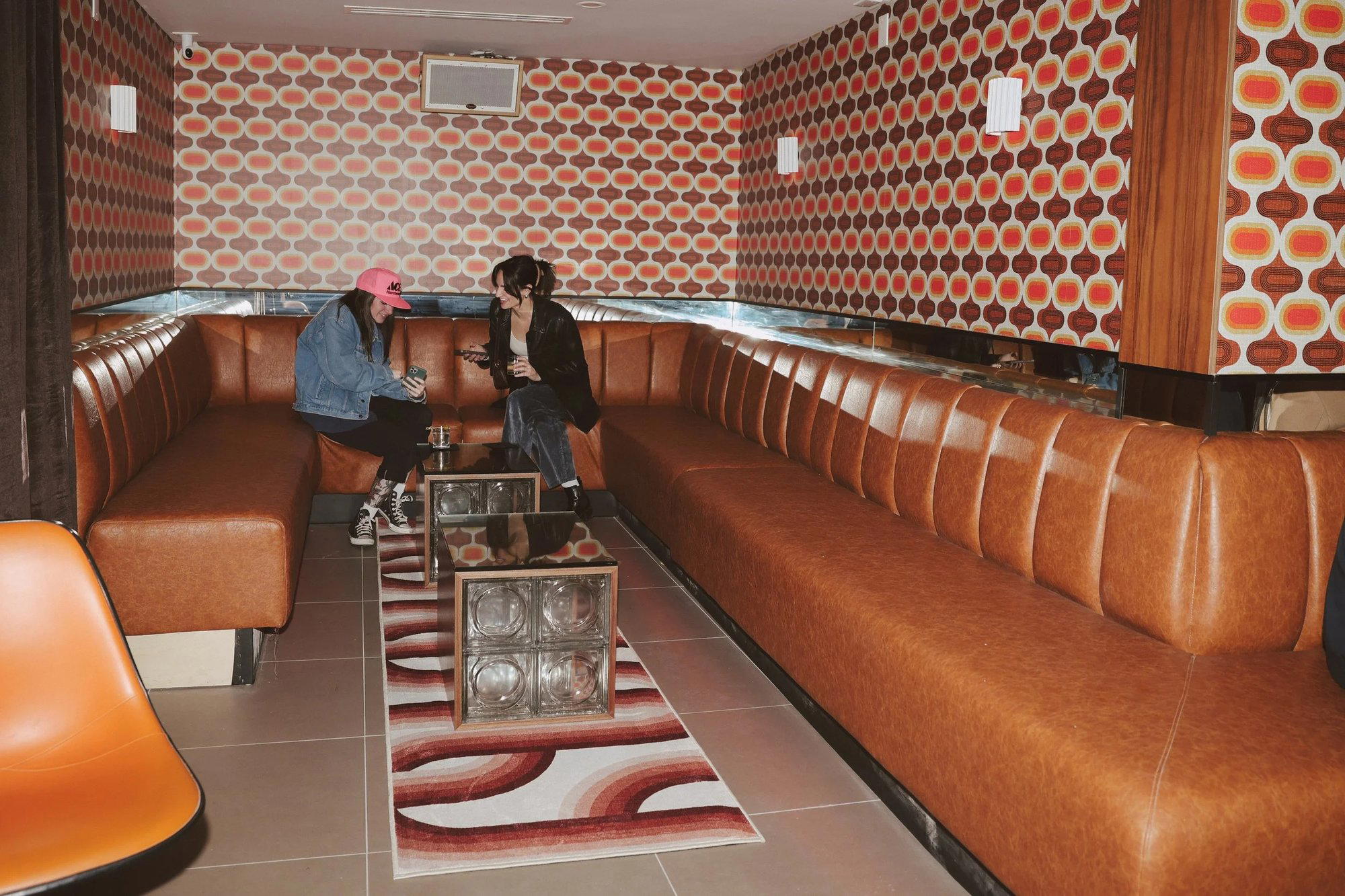
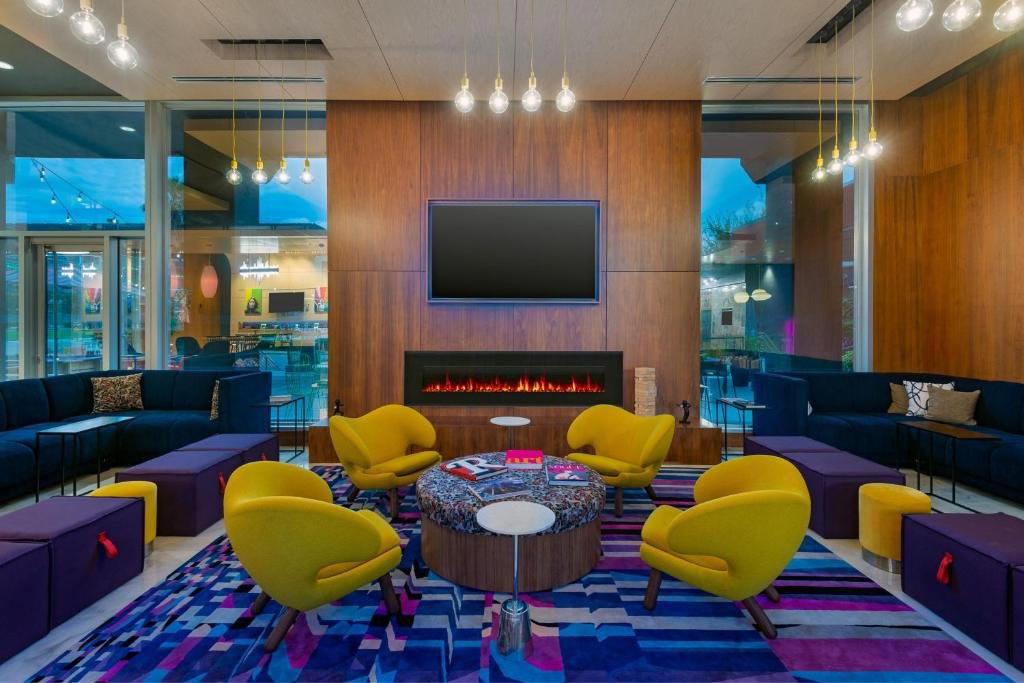
Modern and chic decor with dark woods, warm yellow walls, hanging light fixtures, and a long communal table creating a cozy, upbeat atmosphere.