Google: 4.8 · 281 reviews
Witlof
.png)
Witlof holds a Michelin Plate for 2024 and 2025, placing it in Nijmegen's small tier of recognised farm-to-table addresses. Sitting on the Lage Markt, the restaurant organises its menu around seasonal produce sourced close to the Gelderland region, with a price point that positions it above the city's bistro tier but below the city's sole starred table. A 4.7 Google rating across 274 reviews suggests consistent delivery.
 Discover on Pearl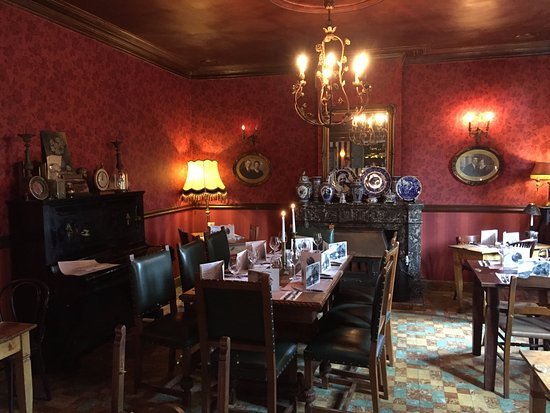
Where Nijmegen's Farm-to-Table Ethic Gets a Formal Structure
Lage Markt is one of Nijmegen's older squares, a few streets back from the Waal riverfront, where the city's hospitality offer concentrates in a mix of terrace cafés, mid-range restaurants, and the occasional address that punches above its surroundings. Witlof sits at number 79, and from the outside it reads as part of the square's rhythm rather than apart from it. That integration is part of what the farm-to-table format does well in the Netherlands: it tends to work from the inside out, letting seasonal produce shape both the menu and the room's atmosphere, rather than announcing itself through design theatrics.
The Farm-to-Table Tier in a Mid-Sized Dutch City
Farm-to-table dining in the Netherlands has matured well past its early-2010s novelty phase. The format now splits broadly into two operating modes: loose, informal addresses that use seasonal sourcing as a positioning note without committing to a rigorous menu structure, and restaurants where the produce provenance shapes how the menu is built from week to week. Witlof sits in the second category, holding a Michelin Plate for both 2024 and 2025. The Plate designation does not indicate a star, but in Michelin's current framework it signals that inspectors found consistent cooking worth noting, and it appears in consecutive years here, which implies the kitchen is maintaining rather than drifting.
Within Nijmegen specifically, that puts Witlof in a defined position. De Nieuwe Winkel operates at €€€€ with an organic programme that has drawn national attention and sits in a different competitive tier. Below Witlof, Bistrot Regent and Groenewoud occupy the €€ French and modern French registers, where the format is less produce-led. Bistrobar Berlin and Flores fill other price and format slots. Witlof's €€€ price point lands it in the middle of this range, pairing a recognised produce-first approach with a cost that stays accessible relative to the leading of the city's dining offer.
How the Menu Is Structured
The farm-to-table format, at its most rigorous, imposes a particular discipline on menu architecture. Rather than building around hero proteins and filling the plate with predictable accompaniments, kitchens in this mode tend to start with what the season makes available from trusted suppliers, then construct dishes outward from there. This produces menus that shift more frequently than conventional restaurant formats and that often have a shorter card with fewer choices but more internal coherence between dishes. Vegetables move from supporting role to structural element. Fermentation, preservation, and pickling become technical tools rather than garnish choices.
Witlof's name itself is a signal. Witlof is chicory in Dutch, a winter vegetable that appears in Flemish and Dutch cooking as both a raw bitter green and a braised or roasted base note. Naming a restaurant after a root vegetable is a choice that points toward where the kitchen's interests lie. It suggests a menu that does not subordinate produce to protein, and that is comfortable with the quieter, more technically demanding register that vegetables require.
Against the broader Dutch farm-to-table peer set, Witlof competes with addresses across the country that have pursued similar approaches. De Woage in Gramsbergen and Spetters in Breskens operate at the same €€€ price and farm-to-table positioning, each anchored in their own regional supply chains. The format's strength nationally has been in building genuinely local sourcing networks rather than importing a generic seasonal menu concept, and the most credible addresses in this category are typically those with demonstrable ties to producers within a defined radius.
Nijmegen as a Dining City
Nijmegen is the oldest city in the Netherlands by most historical accounts, with Roman foundations that predate the country's better-known historical centres. Its dining scene has developed more quietly than Amsterdam or Den Haag, but the city's university population and relative prosperity have supported a food culture that goes beyond the tourist-driven restaurant economy found in larger centres. The Lage Markt area, where Witlof operates, functions as a genuine neighbourhood dining district rather than a visitor-facing strip.
For context on how Nijmegen's recognised restaurant tier compares regionally, it is worth noting that Dutch Michelin-recognised cooking is spread across the country in ways that reward exploration outside the major cities. De Librije in Zwolle, Aan de Poel in Amstelveen, De Bokkedoorns in Overveen, De Groene Lantaarn in Staphorst, De Lindehof in Nuenen, and De Lindenhof in Giethoorn are among the addresses that demonstrate how broadly the country's serious cooking has dispersed beyond the capital. Witlof holds its Michelin Plate recognition in that distributed national context.
Planning a Visit
Witlof is at Lage Markt 79, 6511 VK Nijmegen, in the historic centre. The €€€ price positioning reflects a meal that sits meaningfully above casual dining without requiring the commitment of a full tasting menu at starred level. At a 4.7 Google rating across 274 reviews, the kitchen appears to deliver consistently enough to sustain that score through a reasonable volume of covers. The Michelin Plate in consecutive years reinforces that the cooking is not a one-season event. For visitors building a full Nijmegen itinerary, the city's broader restaurant, hotel, bar, and experience offer can be found via our full Nijmegen restaurants guide, our Nijmegen hotels guide, our Nijmegen bars guide, our Nijmegen wineries guide, and our Nijmegen experiences guide.
The farm-to-table format is also most rewarding when visited with some awareness of the growing season. Autumn and winter visits in the Gelderland region bring root vegetables, preserved items, and heavier preparations that suit the format's strengths. Spring and summer shift the menu toward lighter produce, broader herb use, and raw or quickly cooked preparations. Either season offers a different view of how the kitchen thinks, which is perhaps the more useful reason to visit more than once.
What Should I Order at Witlof?
Because Witlof's format is anchored in seasonal produce, specific dish recommendations age quickly and the menu is likely to shift with the harvest calendar and available supply. The farm-to-table structure means that what was on the menu last month may not appear this month. The safest approach is to trust the kitchen's selection rather than arriving with a fixed expectation: at a Michelin Plate address in this format, the menu architecture is the product. Asking the front of house about the current seasonal focus at the time of booking or arrival will give a more reliable read than any static list. For broader context on what the Nijmegen dining tier offers alongside Witlof, the full Nijmegen restaurants guide covers the range from entry-level modern cuisine through to the city's organic flagship at €€€€.
Comparable Options
A quick peer reference to anchor this venue in its category.
| Venue | Cuisine | Price | Notes |
|---|---|---|---|
| Witlof | €€€ · Farm to table | €€€ | This venue |
| De Nieuwe Winkel | €€€€ · Organic | €€€€ | €€€€ · Organic, €€€€ |
| Bistrobar Berlin | € · Modern Cuisine | € | € · Modern Cuisine, € |
| Bistrot Regent | €€ · French | €€ | €€ · French, €€ |
| Groenewoud | €€ · Modern French | €€ | €€ · Modern French, €€ |
| Restaurant MANNA | €€€ · International | €€€ | €€€ · International, €€€ |
At a Glance
- Cozy
- Intimate
- Elegant
- Date Night
- Special Occasion
- Celebration
- Open Kitchen
- Extensive Wine List
- Farm To Table
- Local Sourcing
- Waterfront
- Street Scene
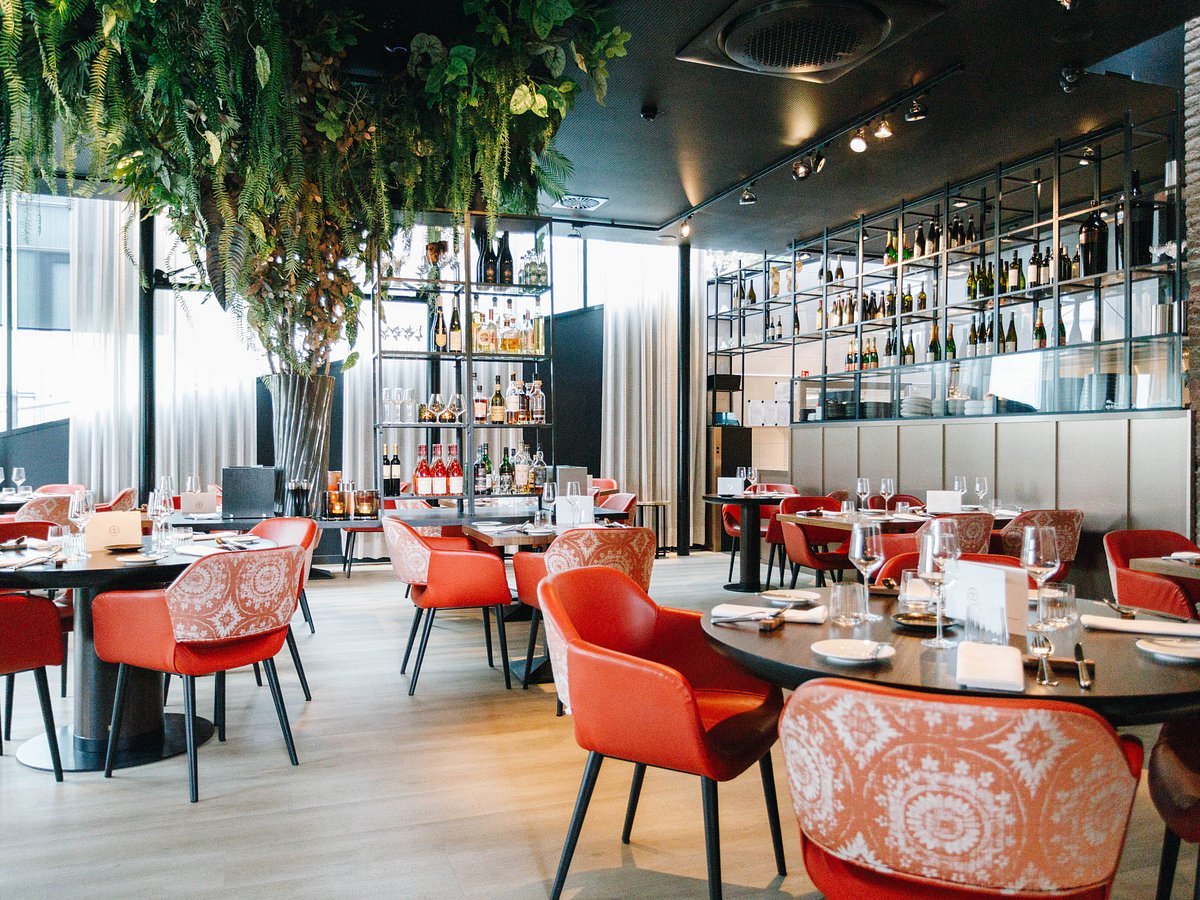
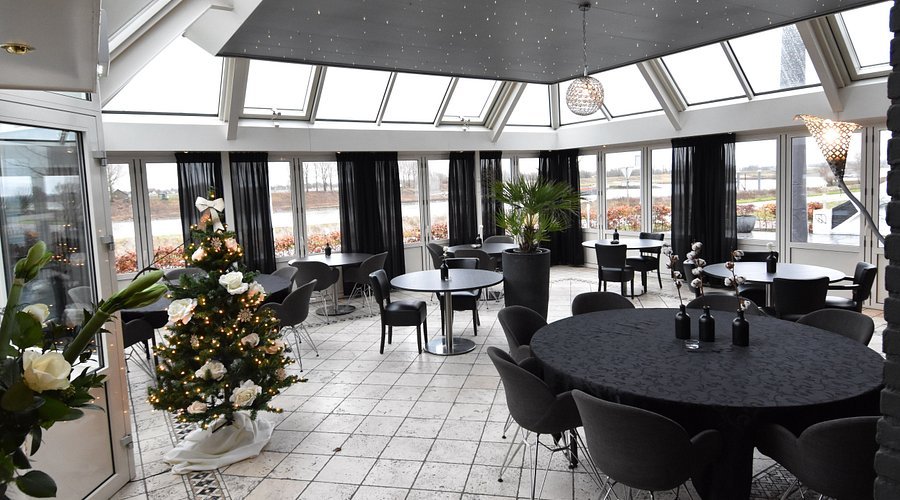
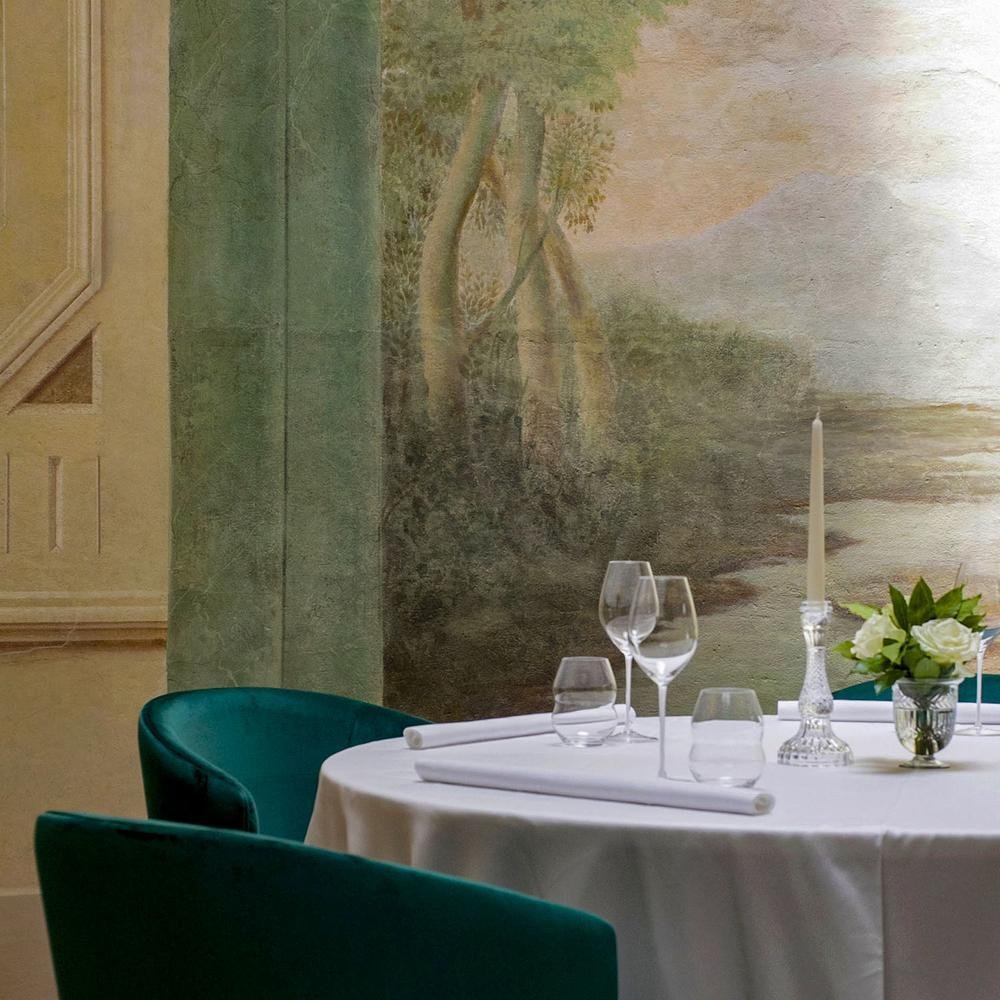
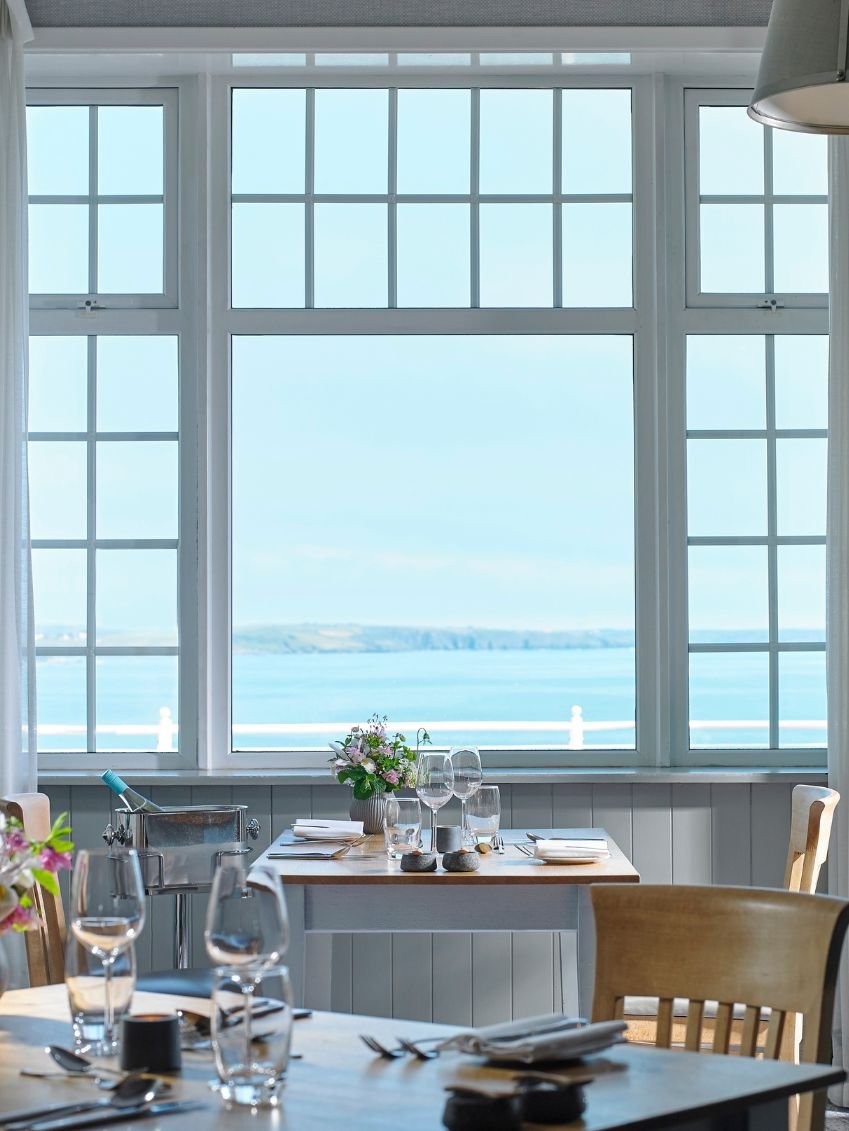
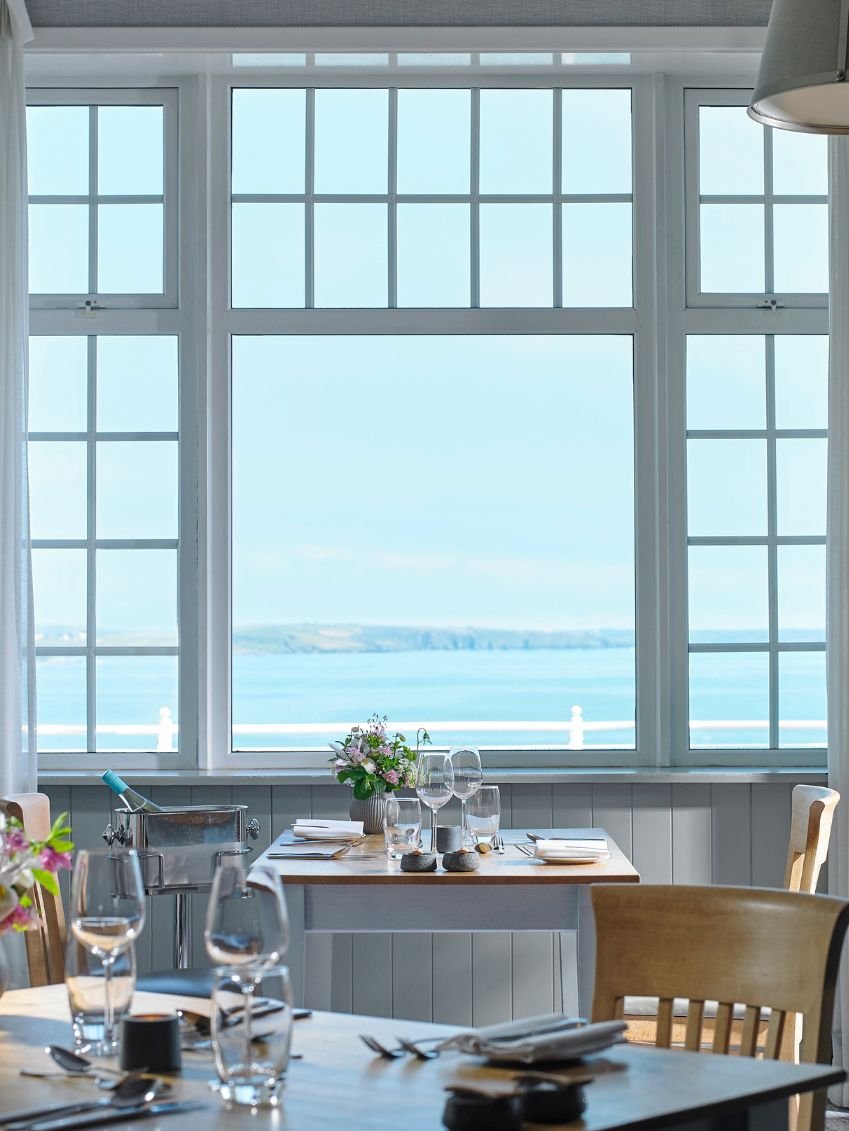
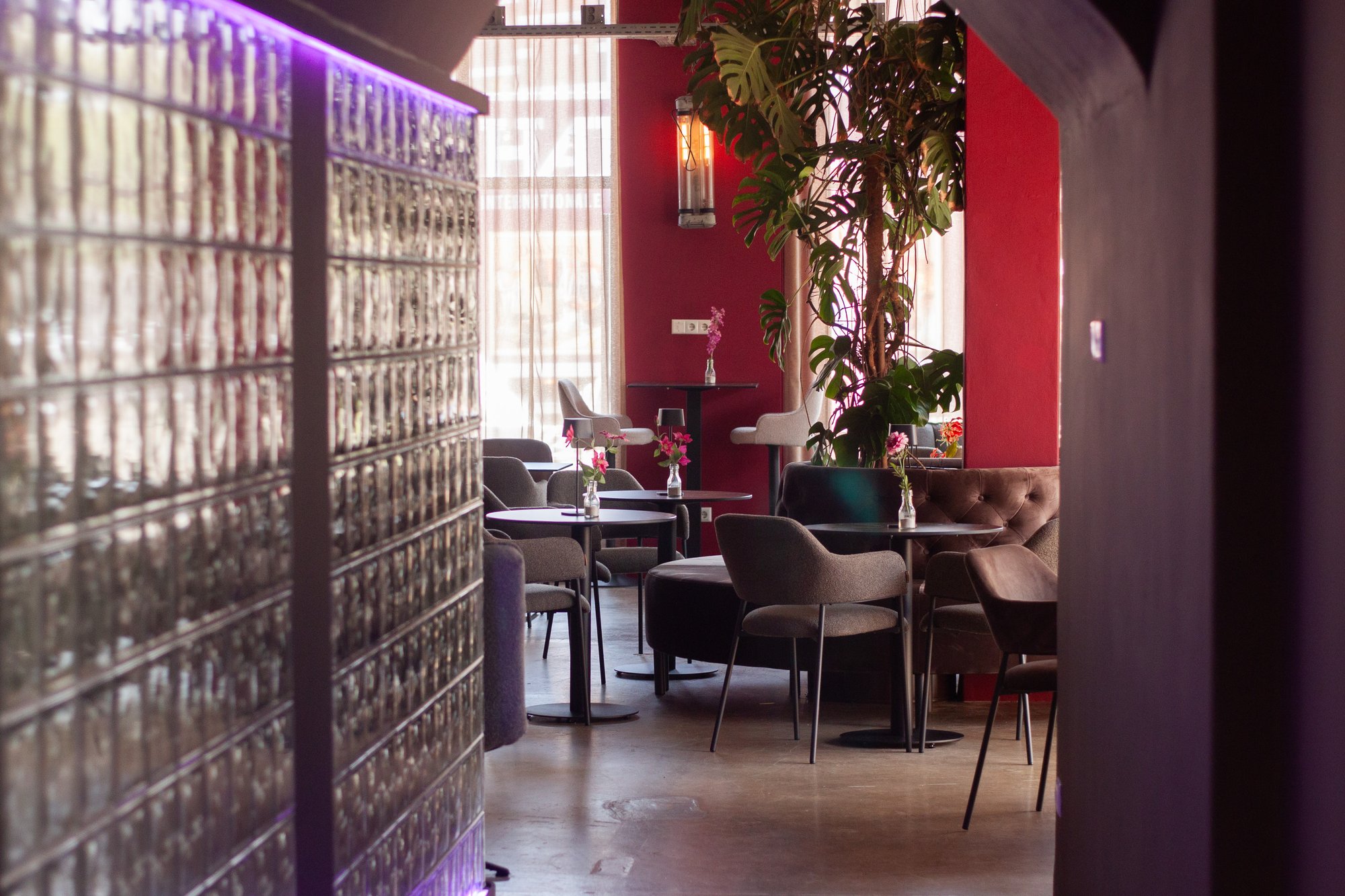
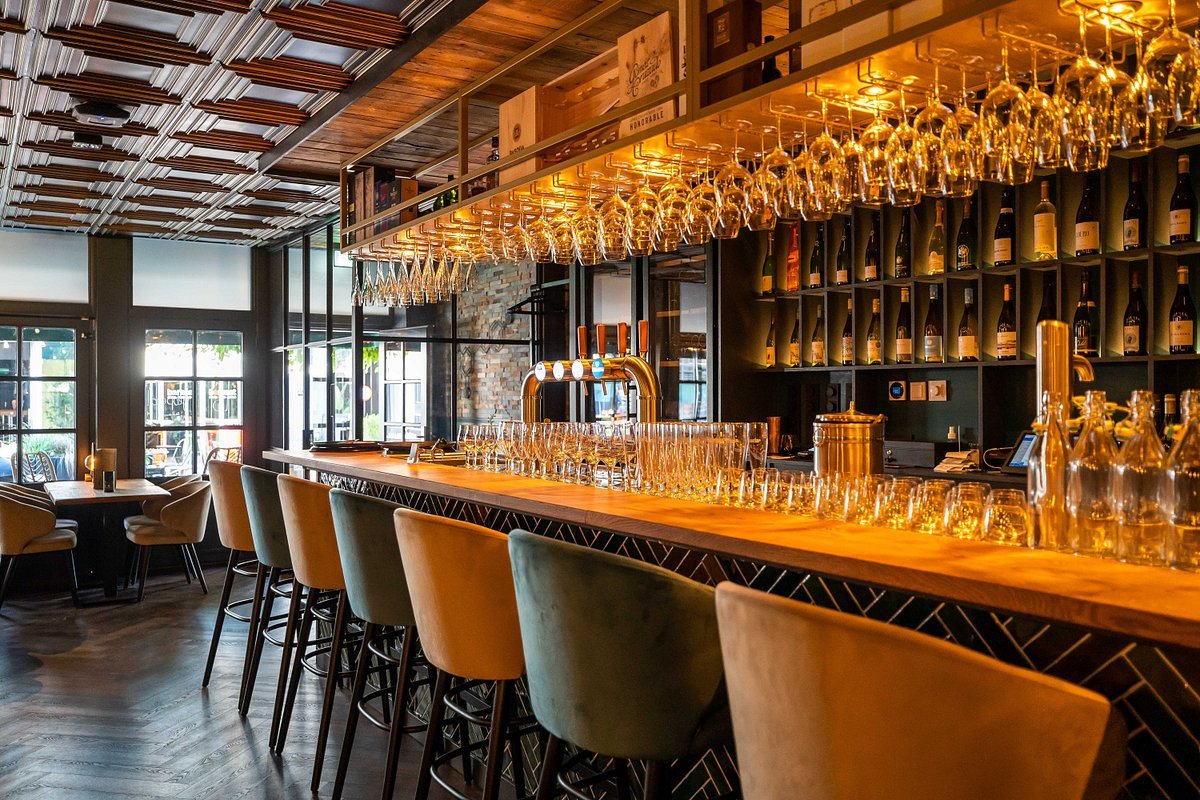
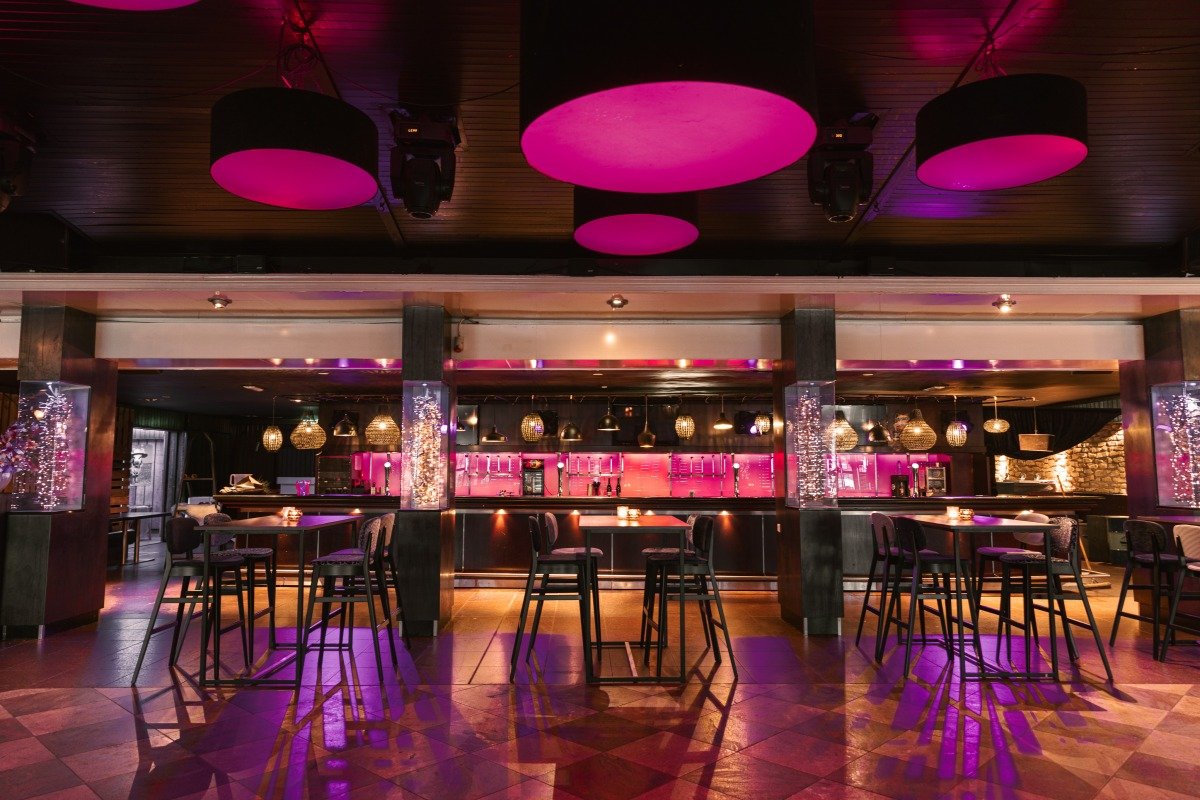
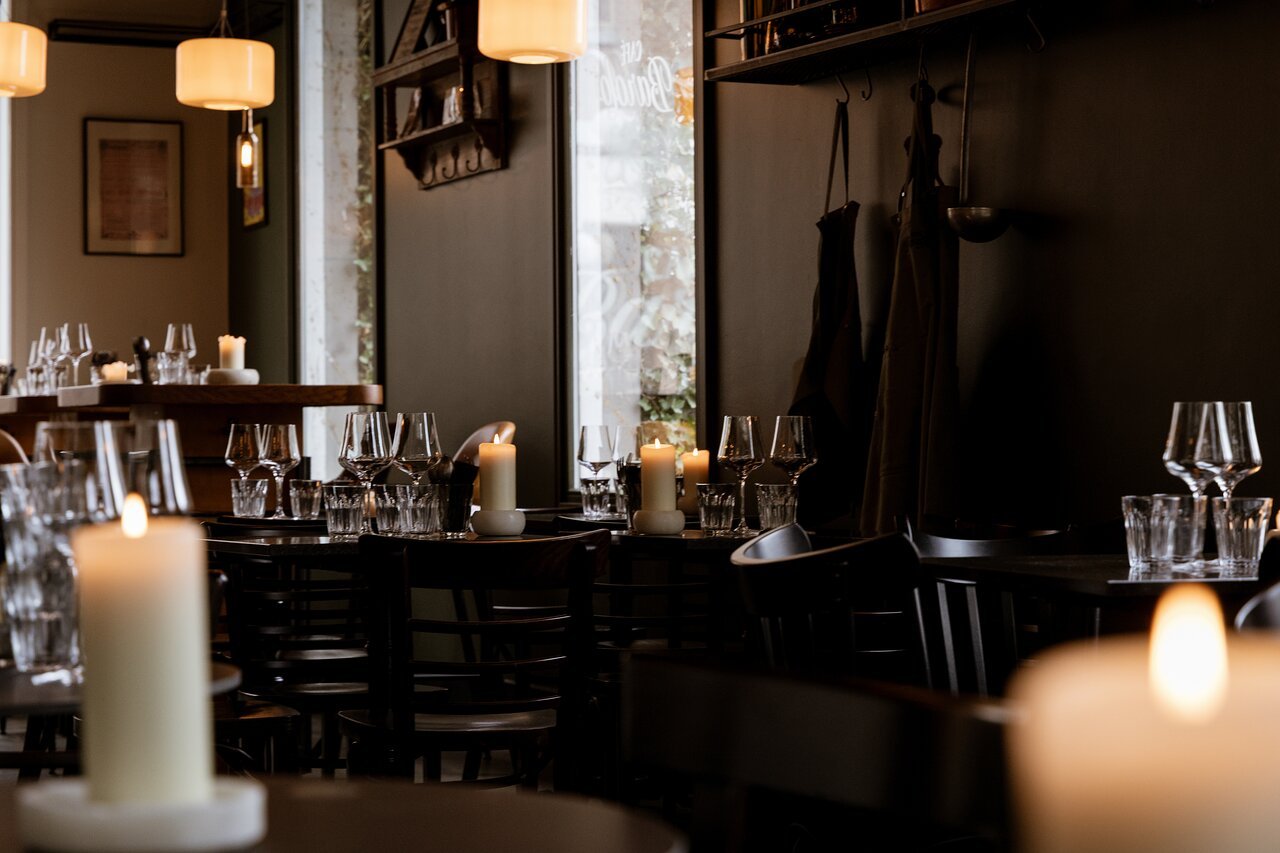
Warm, cozy, and welcoming atmosphere in a stylish historic interior with river views, though acoustics can be challenging when full.