't Raedthuys

1 Michelin Star
Our verdict
A Michelin-starred address in a 19th-century building along Duiven's Rijksweg, 't Raedthuys pairs classically grounded French cooking with an imported wine collection curated specifically to match the kitchen's output. The kitchen leans on Dutch provenance, lamb, eel, while the dining room's contemporary art and open kitchen view set a tone that sits between heritage property and modern restaurant.

Pearl is the En Primeur Club membership app, where members save venues, book tables and use the concierge.
The menu
What to order
- Tournedos Rossini
- Dutch lamb leg
- Cheese trolley
A 19th-Century Shell, a Modern Kitchen
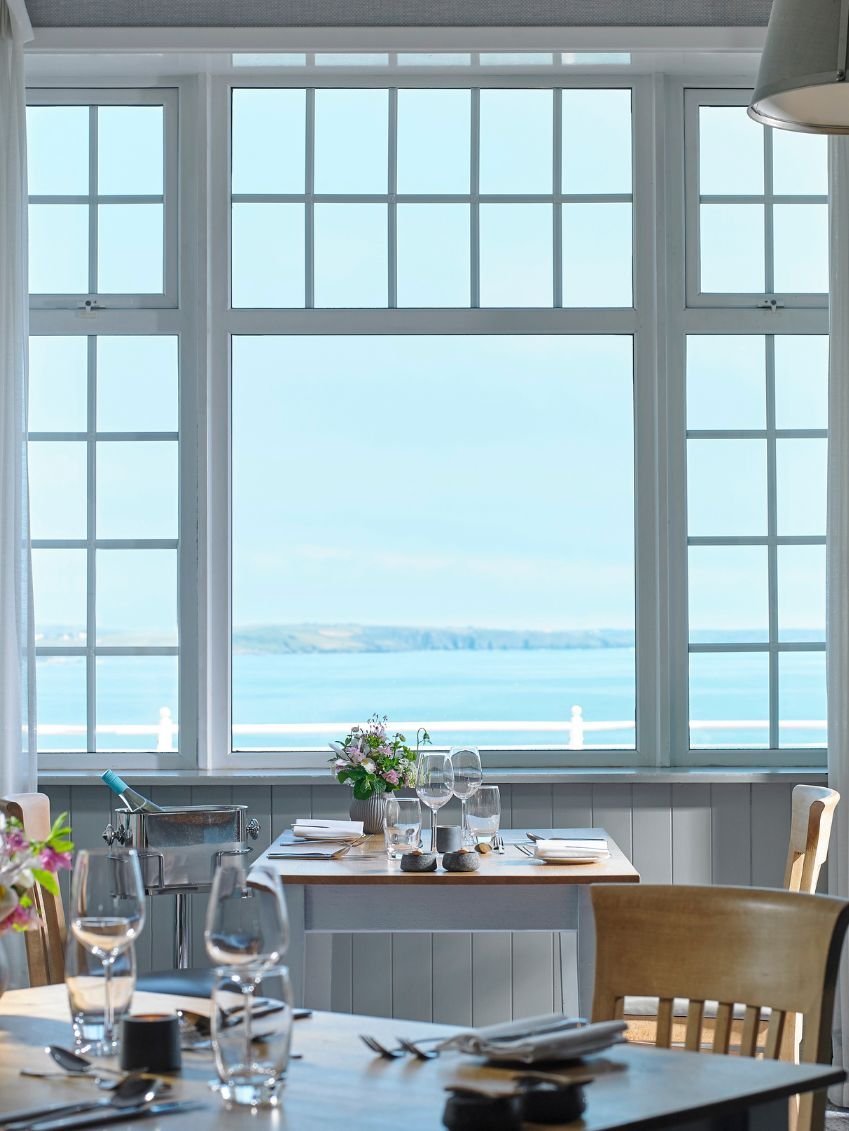
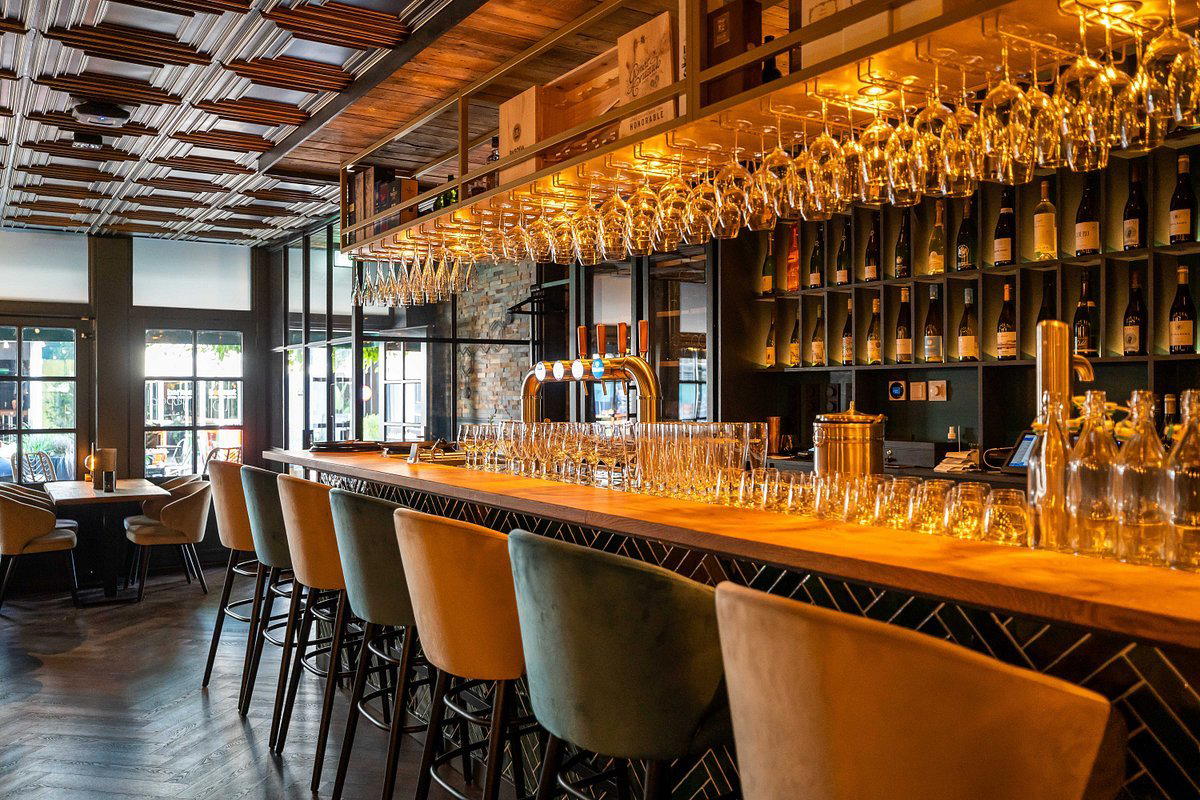
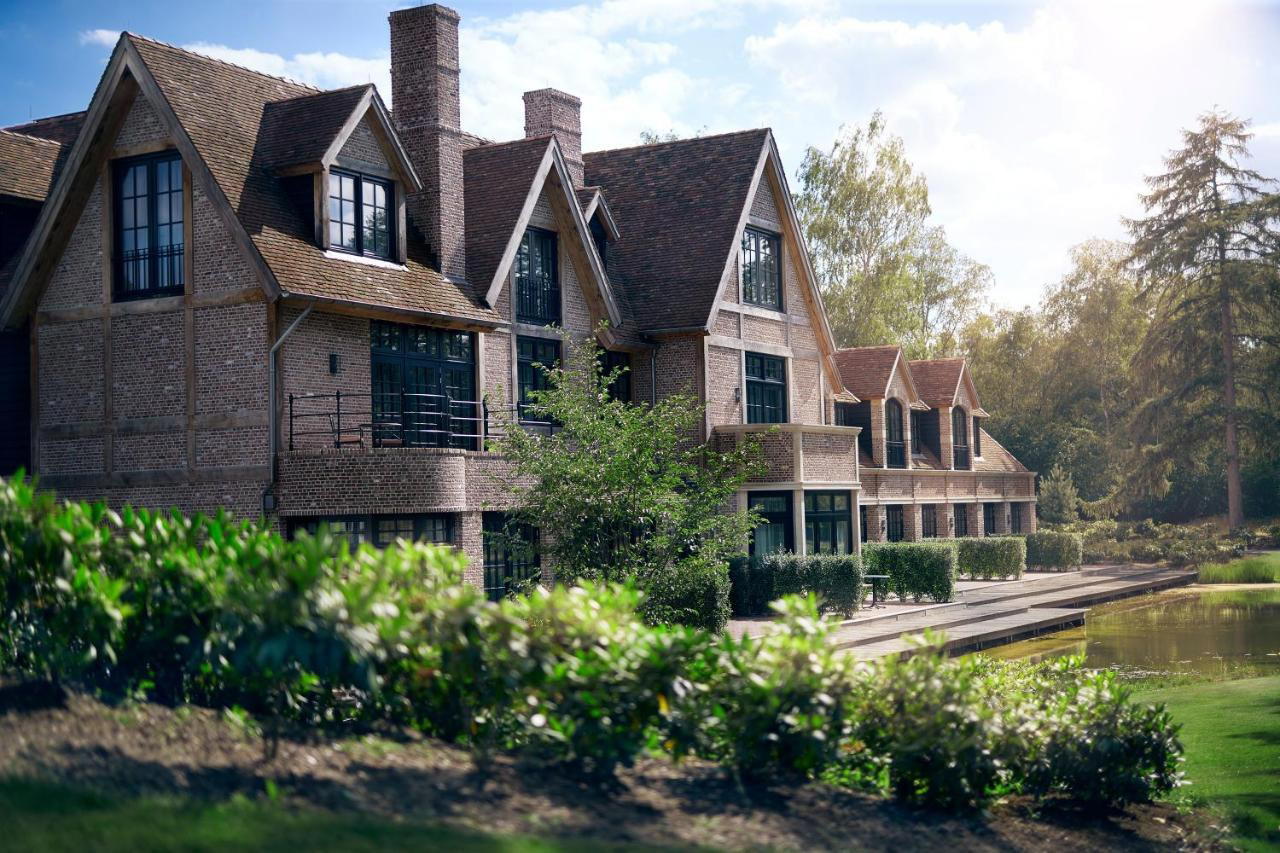
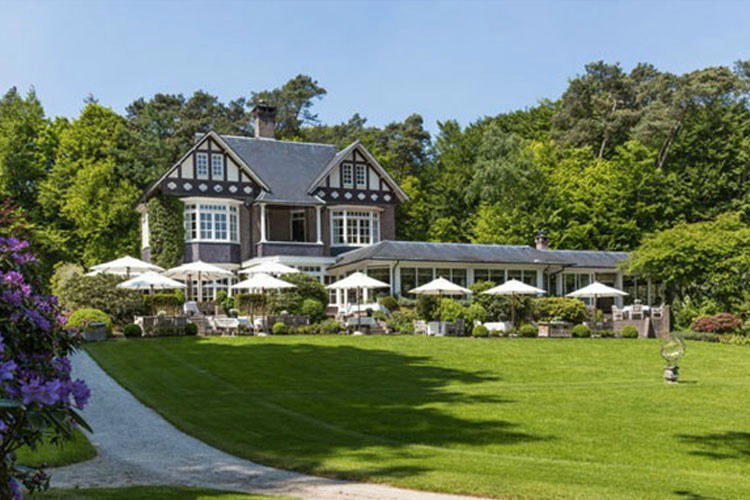
Buildings along the Dutch Rijksweg were built to last, and the structure at Rijksweg 51 in Duiven has done exactly that. Dating to 1863, the property carries the kind of physical authority that most contemporary restaurants spend considerable money trying to simulate. The dining room uses that heritage as a foundation rather than a decorative reference: contemporary art fills the walls, the kitchen is visible through a pass window, and the overall register is less period-piece restoration and more considered collision between eras. That tension is deliberate and it works. Dutch fine dining at the €€€ tier frequently occupies this middle ground, respecting the physical context of a space while resisting the urge to let nostalgia dictate the menu.
For practical planning: the restaurant opens Wednesday through Friday from midday to 4 PM and again from 6 PM to midnight, with Saturday evenings only from 6 PM, and Sunday hours matching the midweek pattern. Monday and Tuesday are closed. The address, Rijksweg 51, 6921 AC Duiven, sits on the main through-road, and lunch service on weekdays makes it a viable destination for those travelling through the Arnhem-Nijmegen corridor rather than specifically into a city centre.
Provenance on the Plate: Dutch Lamb, Smoked Eel, and the Logic of the Menu
The editorial angle on French-influenced cooking in the Netherlands is rarely about pure replication. The country's geography, polders, rivers, coastal inlets, agricultural land of high productivity, supplies ingredients that fit classical French technique without requiring importation of the raw material itself. At 't Raedthuys, this dynamic shows clearly. A leg of Dutch lamb cooked to retain moisture and seasoning precision, and smoked eel paired with Jerusalem artichoke presented in multiple forms (chips, cream, raw, pickled), both illustrate a kitchen that thinks in terms of provenance first, technique second.
The Jerusalem artichoke treatment in particular is worth noting as a signal of the kitchen's sensibility. The plant is common across Dutch agricultural land and often underused in fine dining. Presenting it in four preparations simultaneously is not a technical exercise for its own sake, it reflects a working knowledge of how a single ingredient behaves under different treatments, and a willingness to let Dutch produce anchor what could otherwise read as a straightforwardly French tasting menu. Tournedos Rossini, a dish with deep classical French roots, appears alongside this kind of Dutch-specific ingredient work. The menu holds both registers without apparent tension.
A savoury crème brûlée also appears in the kitchen's repertoire, a format that inverts a familiar dessert logic and uses the textural expectation of the dish to reframe a savoury component. This is the kind of technique-led surprise that Michelin inspectors at the one-star level tend to reward: competent execution of a known canon, combined with controlled creativity that demonstrates the kitchen is thinking rather than repeating.
Where 't Raedthuys Sits in the Dutch Fine Dining Conversation
The Netherlands has accumulated a notably dense Michelin presence relative to its geography. Within the broader range of starred Dutch restaurants, the hierarchy is clear enough: De Librije in Zwolle holds three stars, while two-star houses like 't Nonnetje in Harderwijk, De Lindehof in Nuenen, and De Nieuwe Winkel in Nijmegen occupy a tier defined by sustained creative ambition and international visibility. 't Raedthuys sits at one star, awarded in 2024, which places it in the company of houses that have cleared the consistency threshold without yet accumulating the volume of recognition that pushes toward multi-star status.
The price point at €€€ rather than €€€€ is itself a positioning signal. The kitchen is not pricing against three-star peers. It sits closer to Aan de Poel in Amstelveen and De Bokkedoorns in Overveen in terms of accessibility, and that affects the type of dining experience being offered: serious cooking in a genuine building, without the full ceremony or multi-hour commitment of the top tier. Among Modern French addresses in the Netherlands, comparable €€€ peers include 't Ganzenest in Rijswijk and Amarone in Rotterdam. The Gelderland region adds De Treeswijkhoeve in Waalre, De Groene Lantaarn in Staphorst, Brut172 in Reijmerstok, De Lindenhof in Giethoorn, and Ciel Bleu in Amsterdam to the wider comparison set for those building a multi-stop Dutch fine dining itinerary.
For Duiven specifically, 't Raedthuys is the reference point. The town sits east of Arnhem and is not a dining destination in the sense that Amsterdam or Den Haag draw visitors for their restaurant scenes. A Michelin star in this context carries a different weight than in a capital city: it identifies a restaurant that draws from a regional catchment, serves a repeat local clientele, and earns its recognition without the platform advantage of metropolitan foot traffic.
The Wine Program and the Role of the Sommelier
Wine-to-food alignment at this level of French cooking in the Netherlands typically involves a strong imported portfolio, domestic Dutch wine production exists but operates at a scale that cannot supply a serious restaurant program. The sommelier, Karina van der Kolk, works with a collection described as imported and curated with specific attention to the kitchen's output. That framing matters: a wine list built to match a particular kitchen's flavour register is a more disciplined project than a list assembled for range or prestige alone.
The cheese trolley, carrying approximately 30 cheeses, functions as a bridge between the kitchen and the wine program. A selection of that size suggests genuine depth in the affinage choices rather than a token gesture toward the classic French service sequence. It also represents a commitment to a traditional dining format that is less common at the €€€ tier than it once was, where many houses have simplified the cheese course or moved to a pre-plated selection.
Planning a Visit
The front terrace at Rijksweg 51 offers outdoor seating when conditions allow. Given the latitude and the Dutch climate, meaningful terrace use concentrates in late spring and summer. A weekday lunch on a clear day operates on a different rhythm than a Friday or Saturday dinner service, and the midday window (noon to 4 PM, Wednesday through Friday) is the less obvious booking slot for those who prefer a quieter pace.
For Duiven's wider dining and hospitality context, our full Duiven restaurants guide, hotels guide, bars guide, wineries guide, and experiences guide cover the broader area.
Frequently asked questions
What does dinner at 't Raedthuys typically cost?
Pricing at 't Raedthuys is listed as €€€.
Quick Comparison
| Venue | Cuisine | Price | Awards | Notes |
|---|---|---|---|---|
| 't RaedthuysThis venue (the venue you are viewing) | Modern French Fine Dining | $100–150 | 1 Michelin Star | Not listed |
| De Librije | Modern Dutch Fine Dining | $200–300 | 3 Michelin Stars · World's 50 Best #46 | Modern Cuisine |
| Aan de Poel | Modern French Fine Dining | $150–200 | 2 Michelin Stars · La Liste Top Restaurants | Creative |
| De Lindehof | Contemporary Dutch, Creative | Not listed | Michelin 2 Star | Not listed |
| Fred | Modern French Fine Dining | $200–300 | 2 Michelin Stars · La Liste Top Restaurants | Creative French |
| De Nieuwe Winkel | Botanical Fine Dining | $300–500 | 2 Michelin Stars · La Liste Top Restaurants | Organic |
Recognition history
Dated appearances from independent guides and award organizations, with the underlying list record or original source where available.
Michelin 1 Star
Michelin
Full recognition history (2 entries)
Michelin 1 Star
Michelin
Continue exploring
More in Duiven
Restaurants in Duiven
All restaurants in Duiven →
Bars in Duiven
Browse all →
Details
- Elegant
- Sophisticated
- Cozy
- Historic
- Special Occasion
- Date Night
- Historic Building
- Open Kitchen
- Terrace
- Extensive Wine List
- Sommelier Led
- Local Sourcing
- Tasting Menu
- Wine
- Vegetarian Friendly
- Vegan Options
- Gluten Free Options
Current opening hours
- Monday
- Closed
- Tuesday
- Closed
- Wednesday
- 12–4 PM, 6 PM–12 AM
- Thursday
- 12–4 PM, 6 PM–12 AM
- Friday
- 12–4 PM, 6 PM–12 AM
- Saturday
- 6 PM–12 AM
- Sunday
- 12–4 PM, 6 PM–12 AM
Hours can change for holidays and private events. Hours as of .
Elegant and historic ambiance with modern art-filled interior, cozy atmosphere enhanced by eclectic art pieces and preserved authentic character.