Willis; Willibald Frauwallner
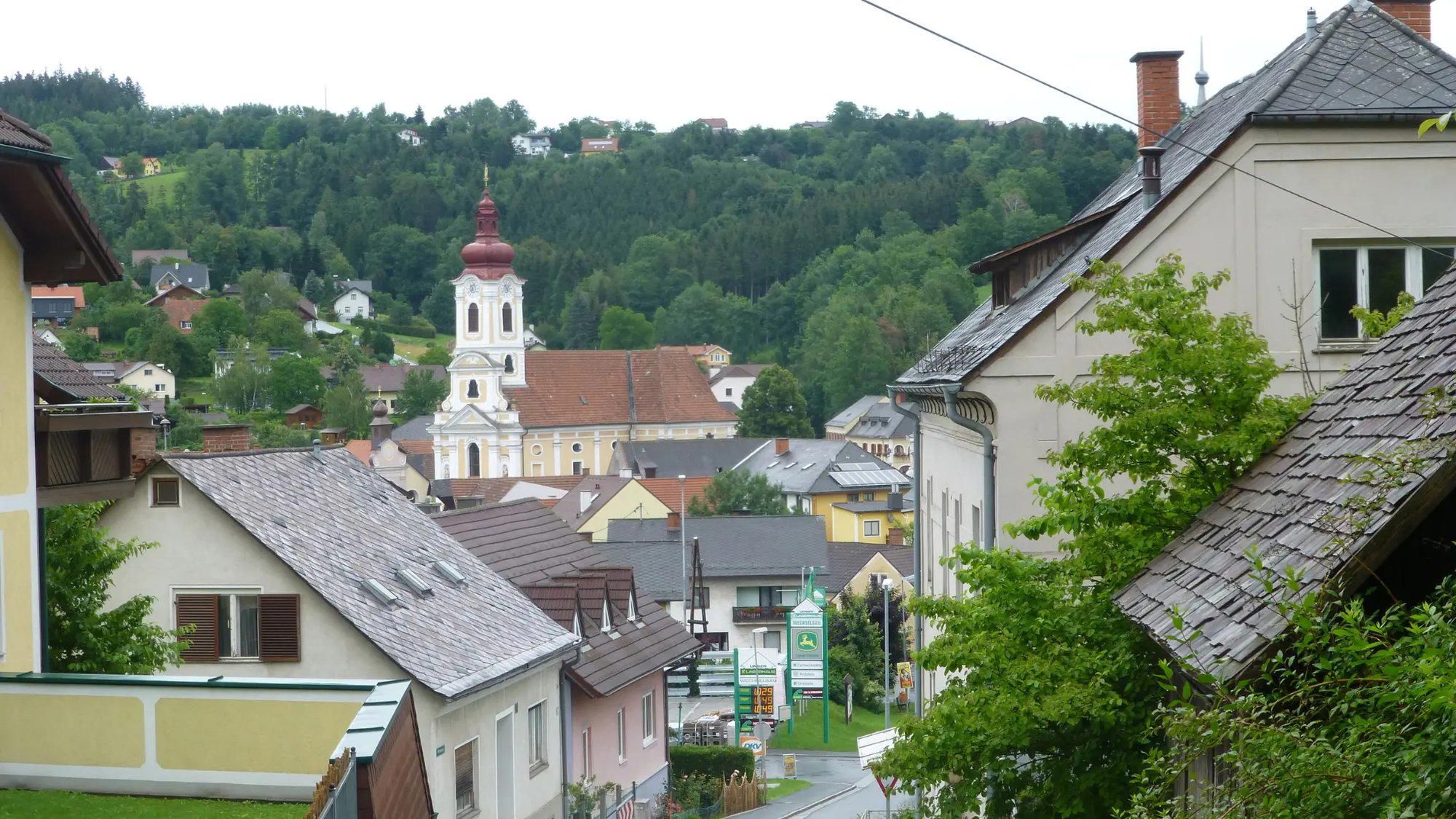
Willis; Willibald Frauwallner sits in Bad Waltersdorf, a small spa town in Styria's Thermenland region where thermal wellness and agricultural tradition shape the local dining identity. The restaurant operates within a part of Austria where the land itself dictates the menu, and regional sourcing is a practical reality rather than a marketing position. For visitors to the area, it represents a grounded entry point into Styrian hospitality.
Pearl is the En Primeur Club membership app — saves, bookings, and concierge access live there. Same editors, same standards.
- Address
- Bad Waltersdorf 348, 8271 Bad Waltersdorf, Austria
- Phone
- +4333332400020
- Website
- willis-restaurant.com
- Directions
- Get directions
 Saves & bookings on Pearl
Styria's Thermenland Table: What Bad Waltersdorf Does Differently
The southeastern corner of Styria operates on different logic to Austria's alpine restaurant circuit. Where the mountain corridor from Salzburg through Tyrol has built a premium dining tier around ski-season demand and international visitor flow, the Thermenland region around Bad Waltersdorf runs quieter, slower, and closer to the agricultural calendar. Thermal spa towns in this pocket of Styria have long attracted a domestic Austrian clientele rather than an international one, and the restaurants that serve them tend to reflect that orientation: seasonal, regionally anchored, and less interested in the cosmopolitan signaling that defines places like Steirereck im Stadtpark in Vienna or Ikarus in Salzburg.
Willis; Willibald Frauwallner sits at the address Bad Waltersdorf 348, inside this agricultural and thermal spa context. The name itself signals something about the place: it carries both a familiar diminutive (Willis) and a full formal surname, a combination that in Styrian hospitality culture typically marks a family-run operation where personal identity and the dining room are genuinely intertwined. That structural pattern is common in the region, and it matters for understanding what kind of experience the address is likely to offer.
Where the Ingredients Come From, and Why That Shapes the Plate
Styria's Thermenland sits within one of Austria's most productive agricultural zones. The hills rolling south and east of Graz support pumpkin cultivation on a scale that makes Styrian pumpkin seed oil one of the country's most recognizable regional exports. The same terrain yields apples, wine grapes along the southern Slovenian border, and a dairy and livestock tradition that remains genuinely active rather than purely heritage. Restaurants in Bad Waltersdorf and the surrounding villages draw from this supply in ways that larger urban kitchens cannot replicate by logistics alone: proximity to the source compresses the gap between field and plate in a way that matters at the table.
That sourcing reality distinguishes the Thermenland dining scene from the more composed, produce-from-everywhere approach of Austria's upper-tier creative kitchens. Döllerer in Golling an der Salzach and Landhaus Bacher in Mautern an der Donau both operate within strong regional sourcing traditions, but their culinary ambitions extend well beyond the immediate agricultural hinterland. A place like Willis; Willibald Frauwallner, embedded in a thermal spa village with a domestic clientele, is more likely to operate from what the surrounding farms and suppliers actually provide week to week, with the seasonal calendar as a hard constraint rather than an aesthetic choice.
Styrian pumpkin, local lake and river fish, foraged herbs from the surrounding hills, cured meats from regional producers: these are the building blocks of the Thermenland kitchen tradition. The broader Austrian restaurant scene at the creative end, from Kräuterreich by Vitus Winkler in Sankt Veit im Pongau to Ois in Neufelden, has spent the last decade making that kind of sourcing explicit and foregrounded in the dining experience. At more grounded regional tables, the same sourcing exists without the editorial frame around it: the pumpkin seed oil arrives because that is what this part of Styria produces, not because of a philosophy statement.
The Spa Town Dining Pattern
Bad Waltersdorf is a small settlement whose identity is almost entirely shaped by its thermal spa infrastructure. The visitor profile skews toward wellness-oriented Austrian and German guests who arrive for multi-day thermal cure stays rather than destination dining trips. That visitor pattern shapes what restaurants in the area need to do: offer competent, regionally grounded cooking that complements the slow pace of a spa stay, without the theatrics or price architecture of the alpine gourmet circuit.
This is a meaningfully different brief from what drives restaurant ambition in, say, Griggeler Stuba in Lech or Stüva in Ischgl, where the seasonal concentration of high-spending visitors creates both the demand and the margin for high-investment kitchens. The Thermenland model rewards consistency and regional character over innovation, which suits the Willibald Frauwallner family-name format. Nearby, Safenhof operates within the same local framework, and between the two, the dining options in Bad Waltersdorf cover the kind of Styrian hospitality that the region's spa guests actually seek out.
Visitors arriving from Graz, which sits roughly forty kilometers to the northwest, will find Bad Waltersdorf a practical half-day excursion or a comfortable base for a longer thermal stay. The address at Bad Waltersdorf 348 places Willis clearly within the village rather than in a rural-isolated position, which for a family-run restaurant in a spa town suggests walk-in accessibility for guests staying in the immediate area.
How Bad Waltersdorf Reads Against the Broader Austrian Scene
Austria's fine dining recognition clusters heavily around Vienna, Salzburg, and the alpine west. The southeast Styrian region receives less critical attention relative to its agricultural depth, partly because the visitor numbers that drive press interest concentrate elsewhere, and partly because the restaurants here are not pitching to the international audience that generates international coverage. That dynamic has kept places like this address in a quieter register, known to their local and regional regulars without accumulating the external validation that places such as Taubenkobel in Schützen am Gebirge or Schwarzer Adler in Hall in Tirol have built.
For the traveler oriented toward what a region actually eats rather than what its most decorated kitchens have decided to serve, that quiet register is precisely the point. The distance between a Thermenland family restaurant and something like Le Bernardin in New York City or Atomix in New York City is not only one of ambition or investment: it is a difference in what the dining room is actually for, and who it is feeding. At a spa town table in rural Styria, the answer to both questions is considerably more local than at any globally recognized counter. The Graz dining scene, thirty minutes west, offers more options for those seeking creative range, with Artis in Graz representing the kind of polished urban format that Bad Waltersdorf is not trying to compete with.
See our full Bad Waltersdorf restaurants guide for broader coverage of dining in the area, and for context on how the Thermenland table fits into Styria's wider food geography alongside places like Gourmetrestaurant Tannenhof in Sankt Anton am Arlberg, Obauer in Werfen, and Restaurant 141 by Joachim Jaud in Mieming.
Practical Considerations
Visitors timing a visit around the thermal spa season, which peaks in spring and autumn for Austrian wellness travelers, should expect the restaurant to be busiest during those periods and may benefit from reserving ahead if combining a meal with a spa day.
- Wiener Schnitzel
- Lachsforellenfilet auf Spargelrisotto
- Eierschwammerlgulasch mit Serviettenknödel
- Cordon Bleu
- Tafelspitz
- Marillenpalatschinken
A Quick Peer Check
Comparable venues nearby, for context on price, style, and recognition.
| Venue | Cuisine | Price | Notes |
|---|---|---|---|
| Willis; Willibald FrauwallnerThis venue — the venue you are viewing | Traditional Austrian Grill & Wine | $$$$ | Not listed |
| Safenhof | Modern Styrian Austrian | $$$ | Bad Waltersdorf |
| Gasthaus Restaurant Thaller | Modern Austrian Seasonal Fine Dining | $$$$ | Sankt Veit am Vogau |
| MÖRWALD "Toni M." | Modern Austrian Gourmet | $$$$ | Feuersbrunn am Wagram |
| Presshaus | Traditional Austrian Regional | $$$ | Illmitz |
| Ennstalerhof | Modern Austrian Fine Dining | $$$$ | Ramsau am Dachstein |
Continue exploring
More in Bad Waltersdorf
Restaurants in Bad Waltersdorf
Browse all →
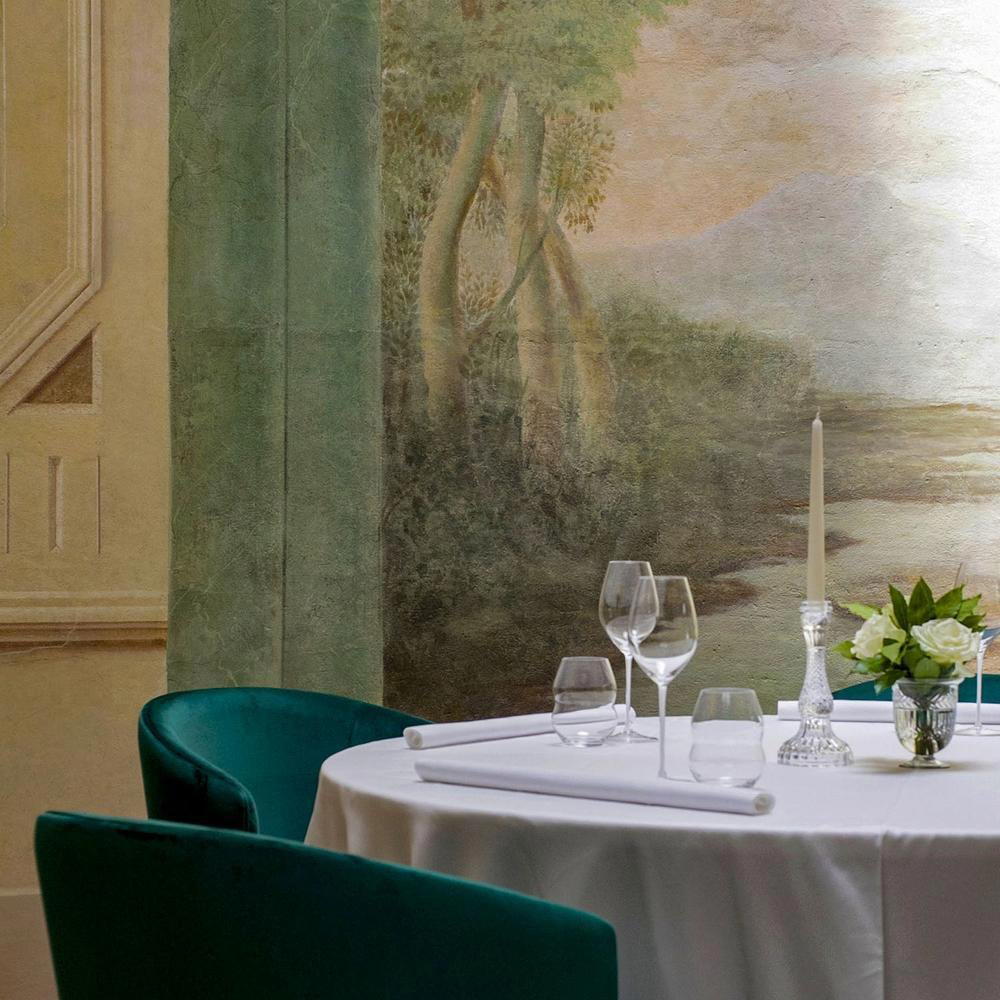
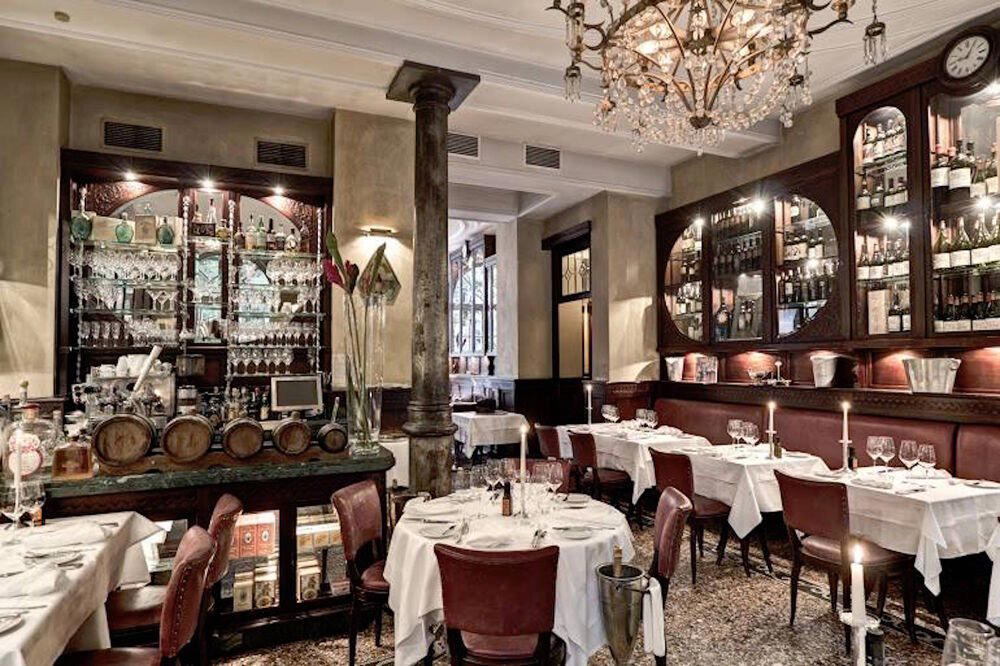
Bars in Bad Waltersdorf
Browse all →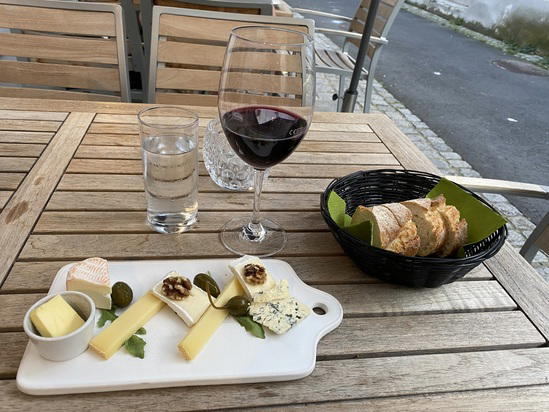
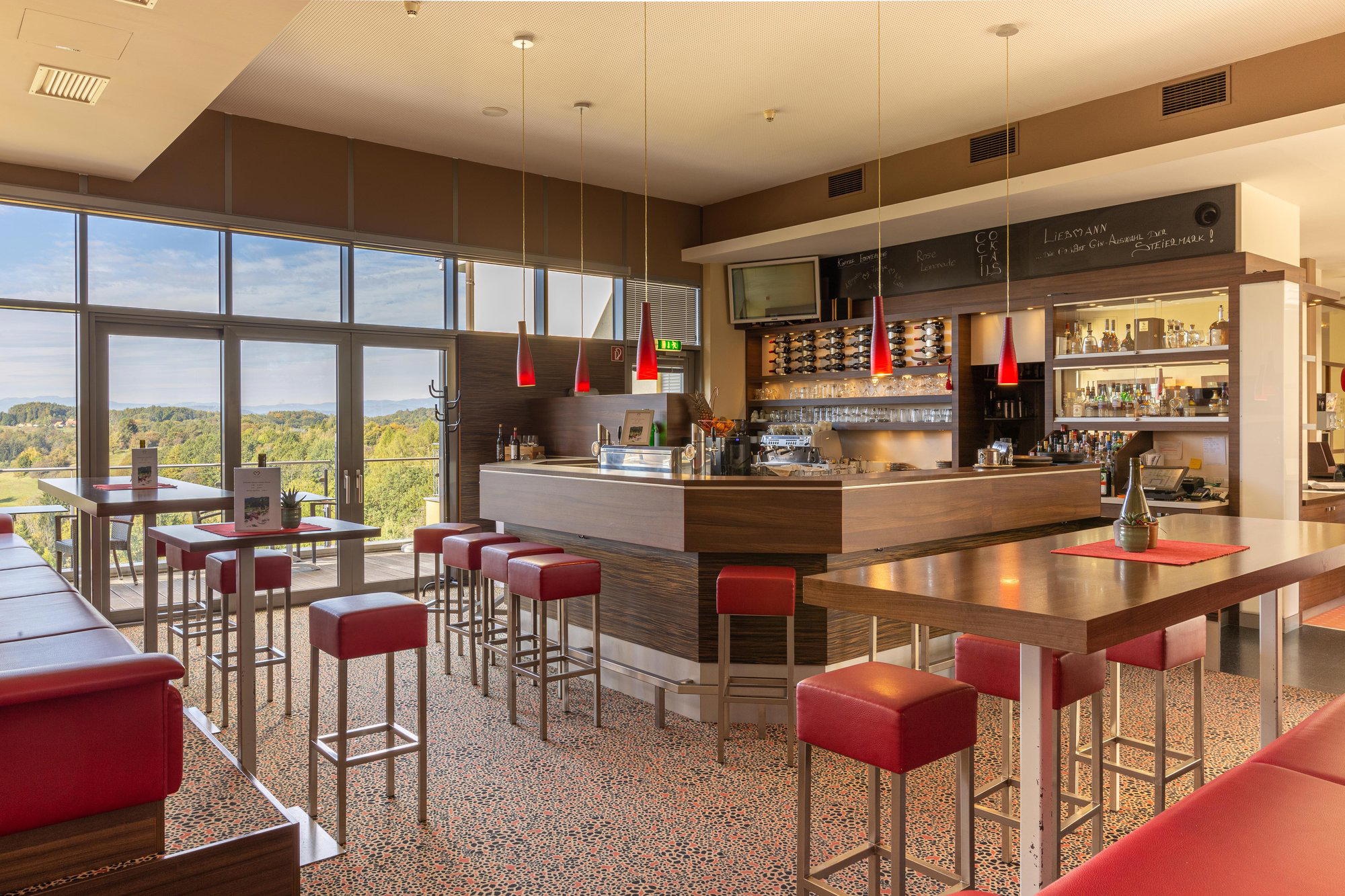
Hotels in Bad Waltersdorf
Browse all →
At a Glance
- Cozy
- Classic
- Rustic
- Scenic
- Group Dining
- Casual Hangout
- Celebration
- After Work
- Terrace
- Garden
- Open Kitchen
- Panoramic View
- Sommelier Led
- Local Sourcing
- Farm To Table
- Garden
- Vineyard
Current opening hours
- Monday
- 9 AM–7 PM
- Tuesday
- 9 AM–7 PM
- Wednesday
- 9 AM–7 PM
- Thursday
- 9 AM–7 PM
- Friday
- 9 AM–7 PM
- Saturday
- 9 AM–7 PM
- Sunday
- 9 AM–7 PM
Hours can change for holidays and private events. Last verified .
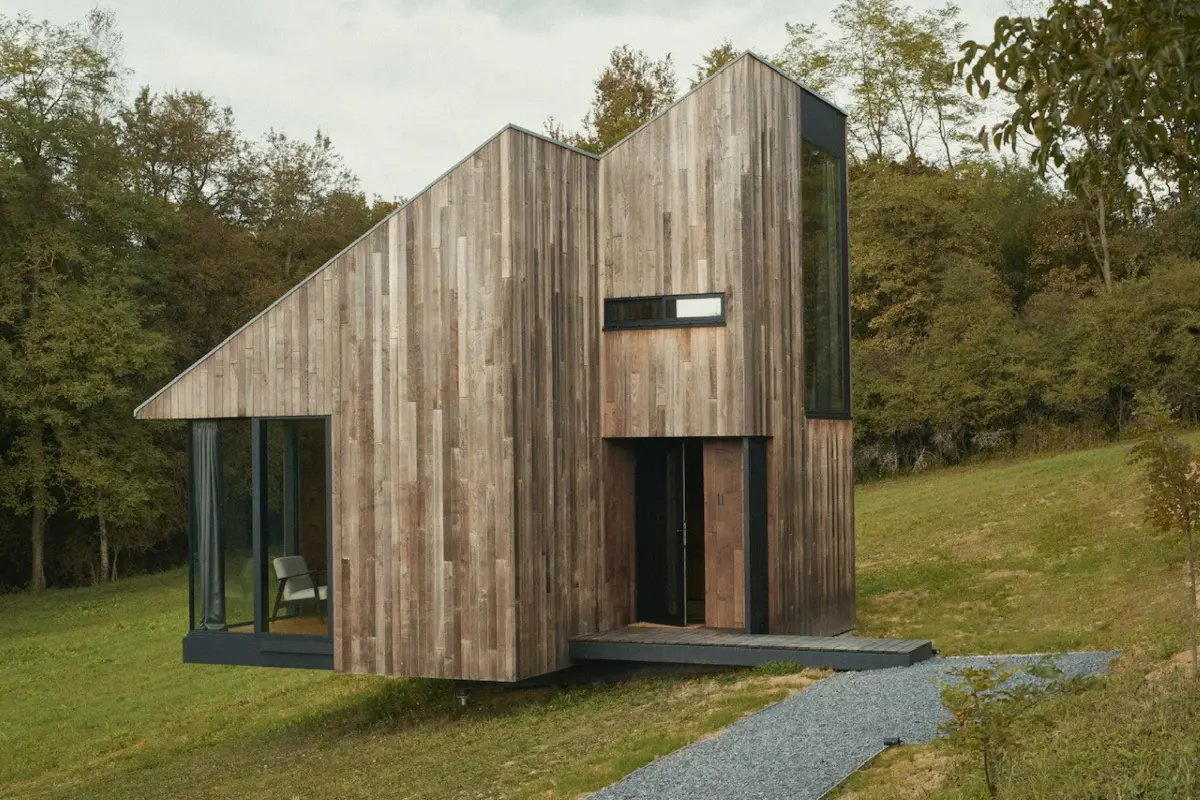
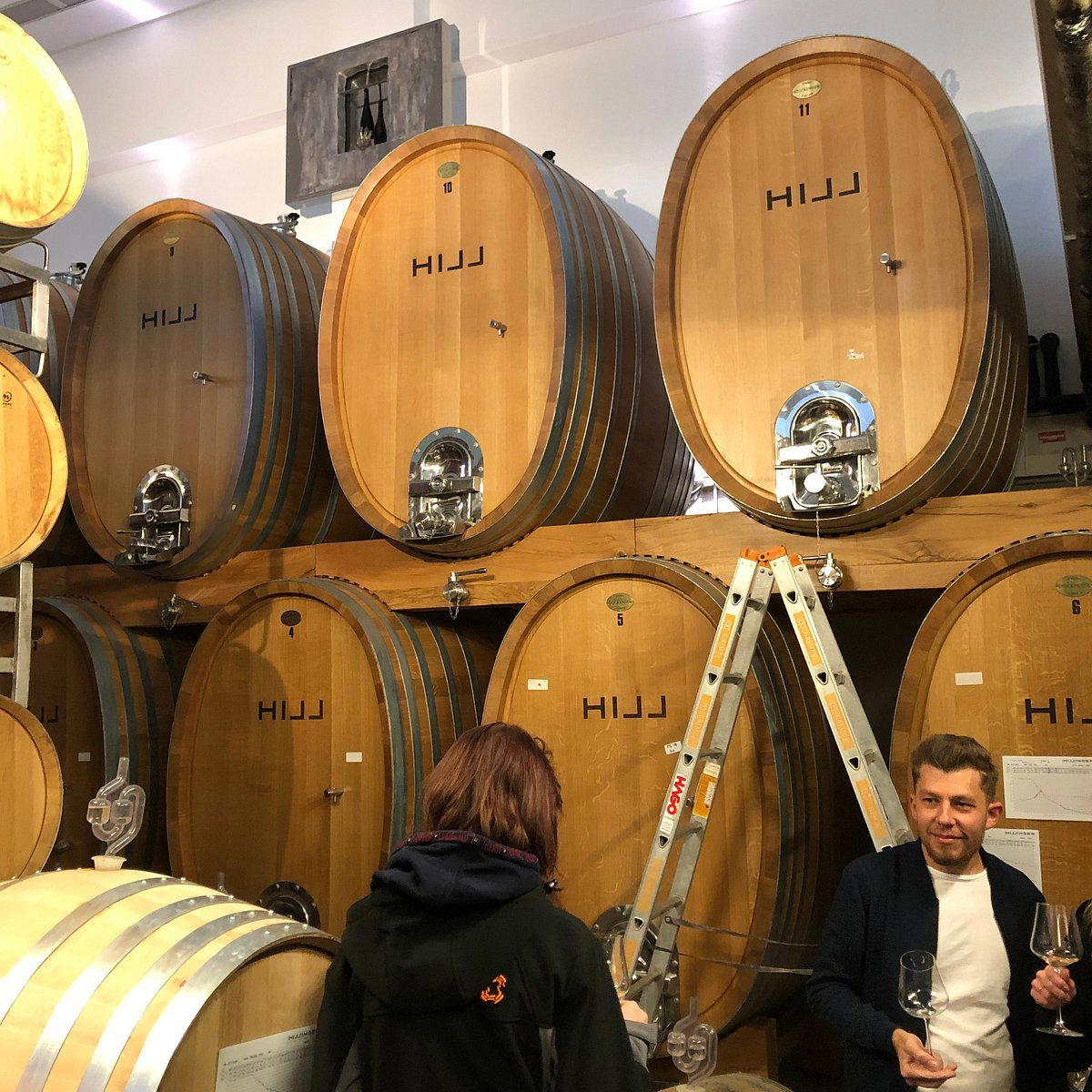
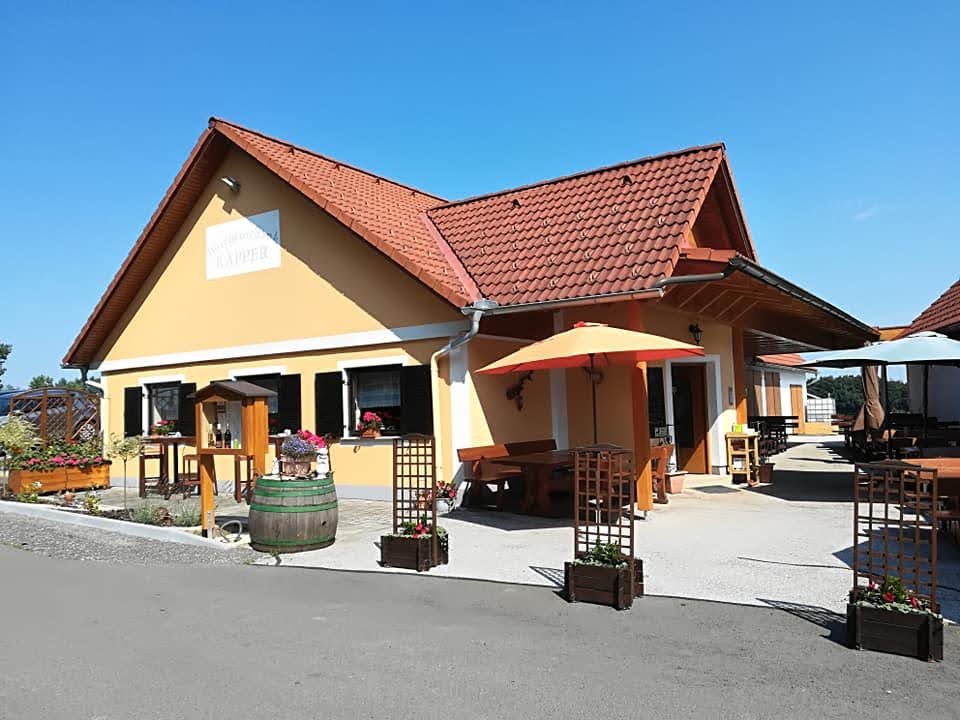
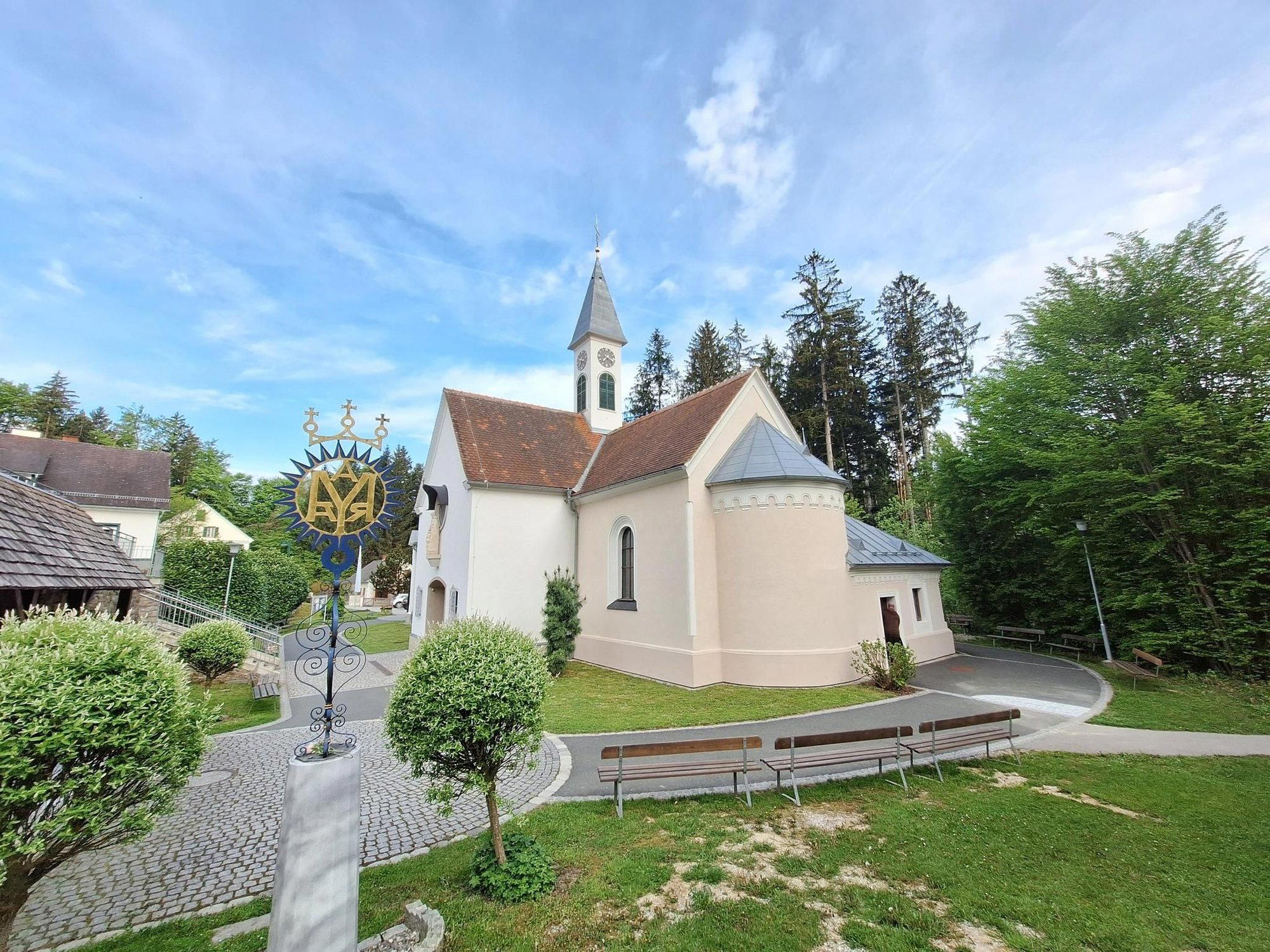
Warm and welcoming Austrian countryside setting with a cozy dining room and sunny terrace overlooking surrounding hills and vineyards; frequented by golfers who consider it a second home.