Gasthaus Restaurant Thaller


Gasthaus Restaurant Thaller sits on the church square in Sankt Veit am Vogau, in the heart of Styria's wine country. Run by a husband-and-wife team, it pairs rooted regional cooking with a wine list weighted toward Styrian and Austrian producers. For visitors exploring southern Styria's villages and vineyards, it represents the kind of cooking that makes the detour worthwhile.
Pearl is the En Primeur Club membership app — saves, bookings, and concierge access live there. Same editors, same standards.
- Address
- Am Kirchplatz 4, Sankt Veit am Vogau
- Phone
- +43 3453 2508
- Website
- gasthaus-thaller.at
- Directions
- Get directions
 Saves & bookings on Pearl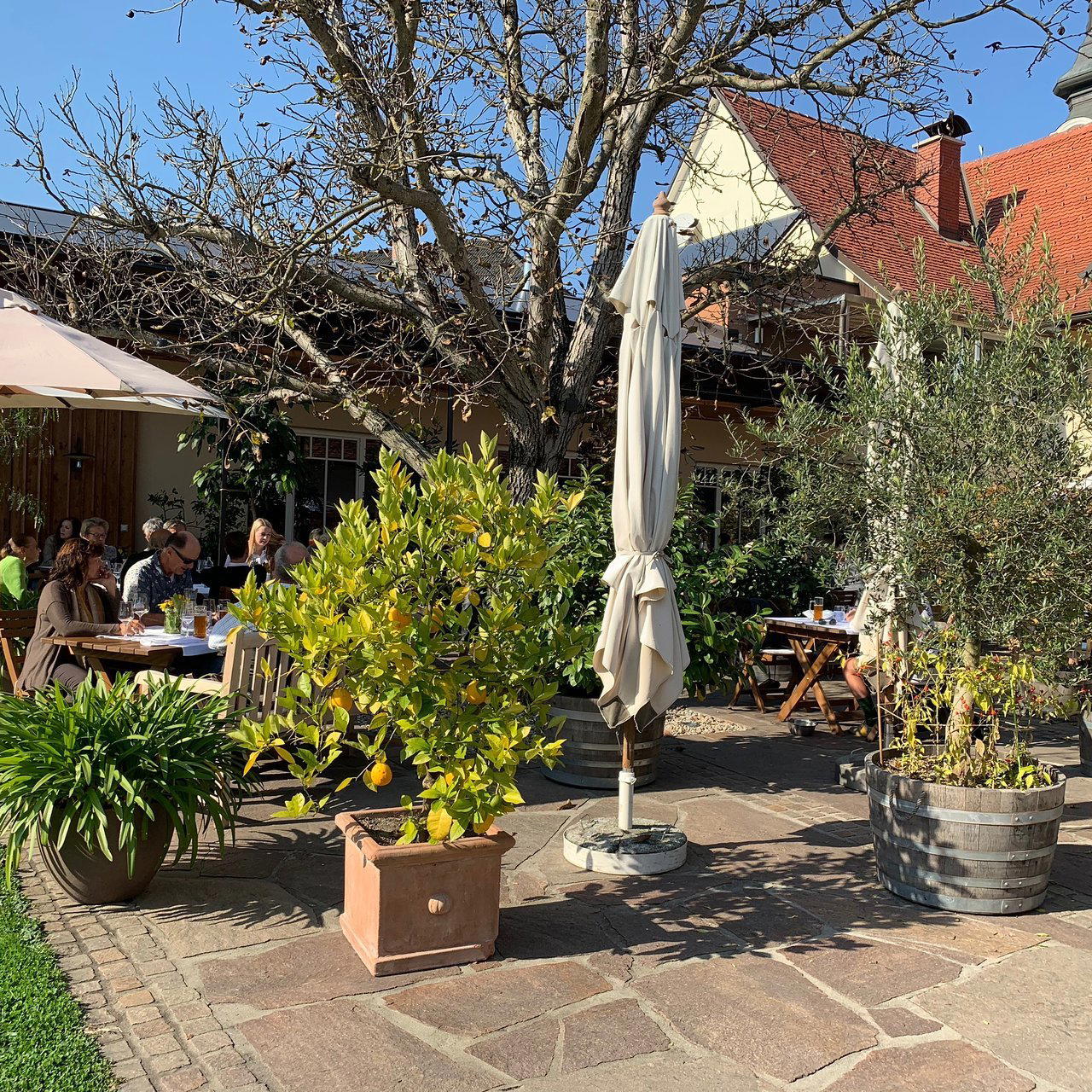
Southern Styria on a Plate: Why the Setting Shapes the Food
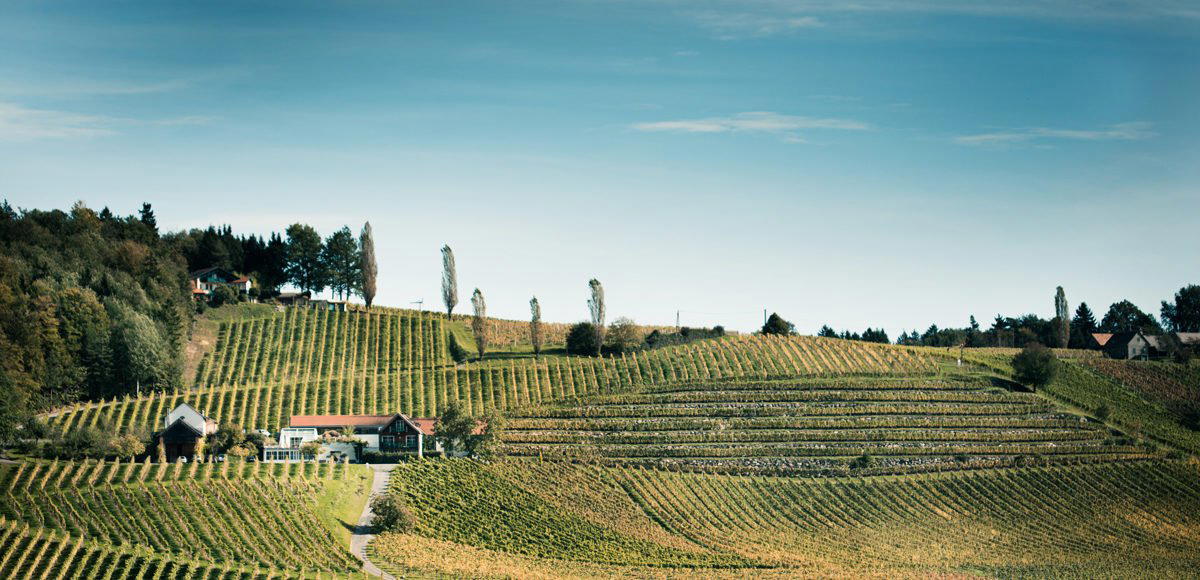
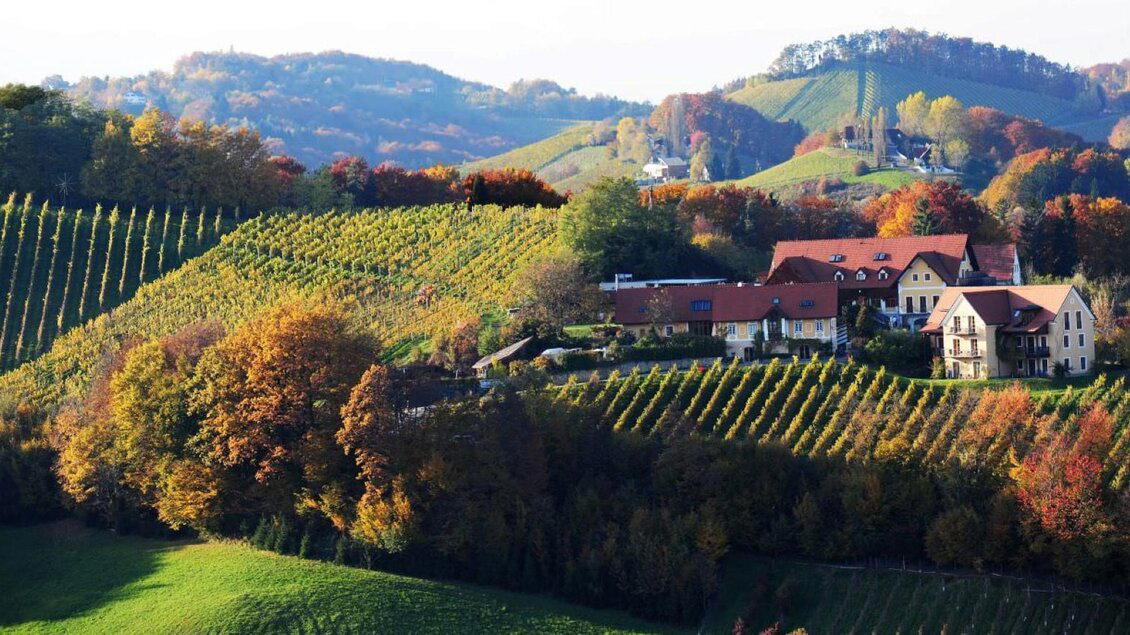
Southern Styria is not a region that announces itself loudly. The landscape between Graz and the Slovenian border moves in gentle vine-covered slopes, small parish villages, and farmsteads where the gap between what grows in the field and what appears on the table is measured in minutes rather than supply chains. Am Kirchplatz 4 in Sankt Veit am Vogau places Gasthaus Restaurant Thaller at the centre of this quietly productive world, overlooking the church square of a village that functions as an anchor point for the surrounding wine country rather than a destination in its own right. Arriving on foot from the square, the setting reads immediately as a working gasthaus, not a concept restaurant that has borrowed rural aesthetics for effect.
That distinction matters in Styria, where the gasthaus tradition has genuine depth. Unlike the alpine dining rooms of Tyrol or the grand bourgeois establishments of Vienna, the Styrian gasthaus operates as a civic institution, a place where farmers, winemakers, and visitors share the same dining room without the menu changing to accommodate them separately. Thaller operates inside that tradition, which shapes the sourcing logic, the wine program, and the register of the cooking in ways that no amount of design or branding could replicate from scratch.
Ingredient Sourcing as Editorial Position
In Styrian cooking, the sourcing question answers itself if the kitchen is paying attention. This is a region where pumpkin seed oil from the eastern slopes, Schilcher rosé from the Weststeiermark, and cured meats from village producers carry genuine provenance and measurable quality differentiation from their industrial equivalents. Restaurants that lean into this geography are making an implicit argument about what Austrian food can mean when it is not flattened for export.
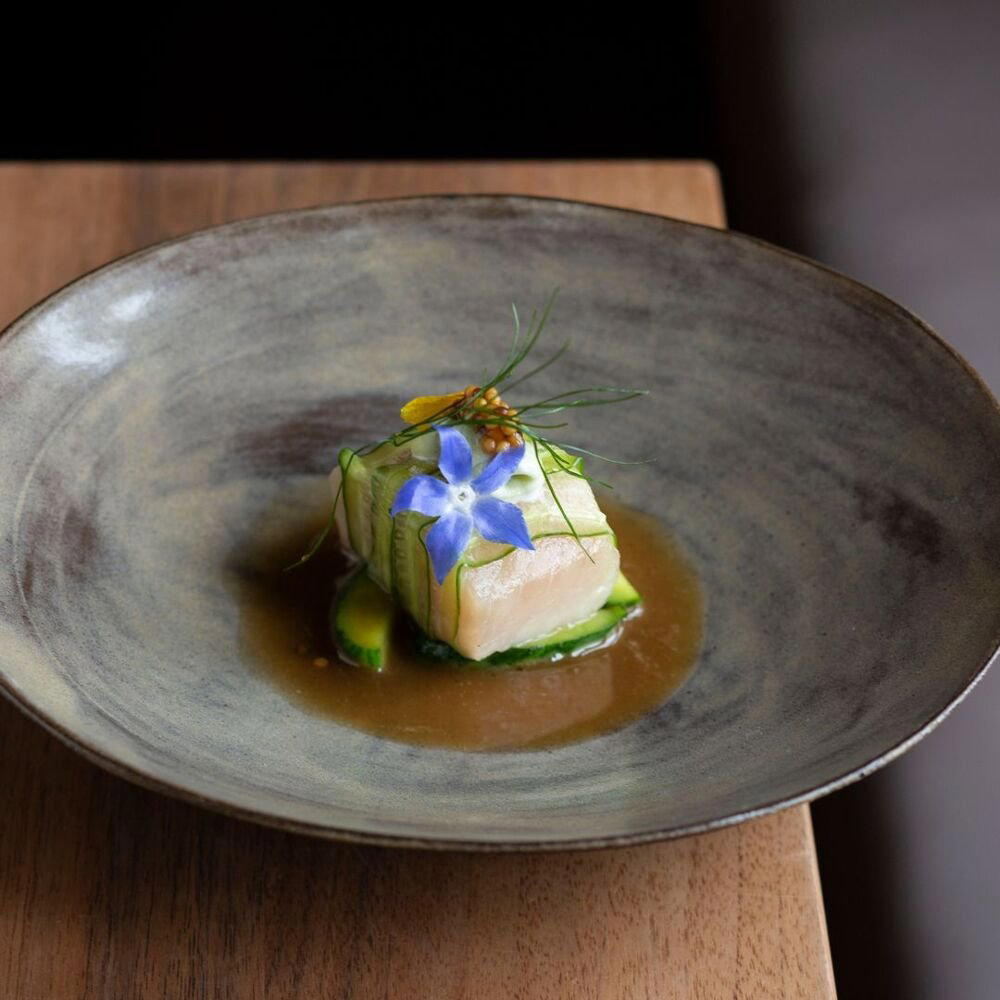
Thaller's documented approach reflects exactly that argument. The framing of the kitchen as grounded in regionality is not incidental, it is the operating principle. In practice, that means the pantry references a radius rather than a global sourcing network, and the menu reads as a seasonal record of what the surrounding area produces well at any given point in the year. For diners coming from cities where provenance claims have become marketing shorthand, a gasthaus in this position carries a different kind of credibility: the village itself is the provenance, visible from the dining room window.
That sourcing orientation places Thaller in a distinct tier from Austria's more internationally inflected fine-dining rooms. Consider the comparison set: Steirereck im Stadtpark in Vienna operates at the creative end of the Austrian spectrum, where regional ingredients become the raw material for technical elaboration at the €€€€ price point. Landhaus Bacher in Mautern an der Donau represents the classic Austrian fine-dining model, also at the leading price tier. Thaller's hospitality is calibrated differently: rooted cooking in a genuine village context, where the ambition is fidelity to place rather than departure from it.
The Wine List as a Regional Argument
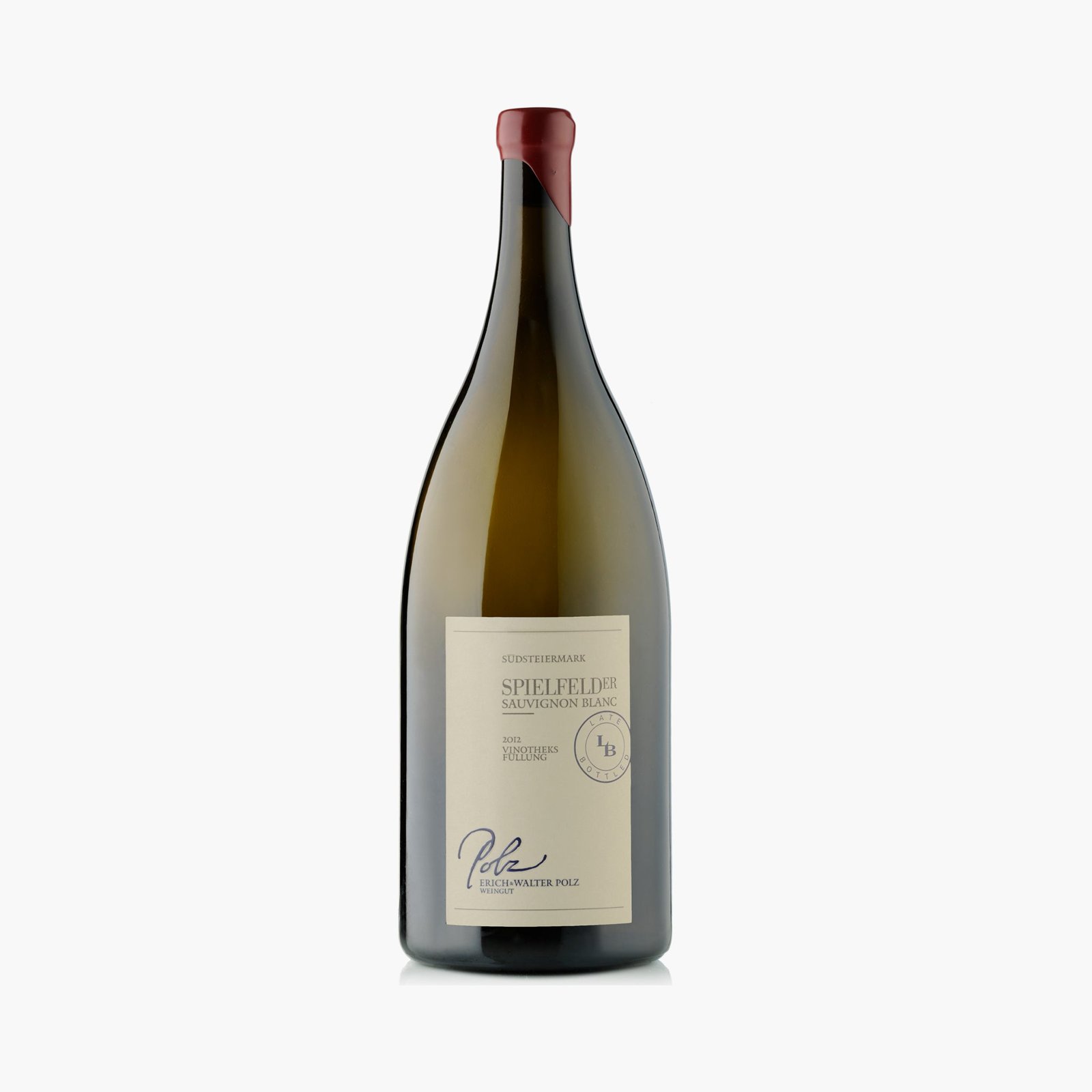
Southern Styria is Austria's most concentrated premium white wine zone, with Sauvignon Blanc and Morillon (the local name for Chardonnay) from producers such as Tement, Polz, and Muster carrying serious international recognition. Any restaurant in this corridor that does not reflect that fact in its wine program is making an active choice to look away from its own backyard. Thaller does the opposite: the wine list puts an emphasis on Styrian and Austrian producers and, by the team's own description, has something for everyone, which in this context means depth across price points rather than a token regional selection appended to an international list.
In practical terms, this makes the wine program one of the more coherent arguments for visiting rather than simply eating locally. The pairing of regional cooking with regional producers in an actual wine-producing village creates a coherence that restaurants in urban settings spend considerable effort trying to manufacture.
Husband-and-Wife Operations and What They Signal
Across Austria's better regional restaurants, the husband-and-wife format recurs often enough to function as a structural category rather than a biographical detail. It tends to signal a particular kind of ownership: front-of-house and kitchen closely integrated, decision-making short-circuited, and the personal stakes of reputation embedded directly in the dining room experience. Obauer in Werfen is one decorated example of this model in Austria, but the pattern appears throughout the country's regional dining scene, from Kräuterreich by Vitus Winkler in Sankt Veit im Pongau to smaller operations that receive less coverage.
At Thaller, the husband-and-wife team running both the service and the kitchen creates a continuity of intent that corporate-managed restaurants in this category cannot easily replicate. The sourcing decisions, the wine selections, and the tone of service are all held by people with a direct personal investment in the outcome of every sitting. In a village setting, where the restaurant's reputation travels through the local community as readily as through review platforms, that accountability is structural rather than aspirational.
Planning a Visit: What to Know
Sankt Veit am Vogau sits in southern Styria, accessible from Graz by road in under an hour, and close enough to the Slovenian border to function as a logical stopping point on a longer southern Styrian itinerary. For visitors building a route around the region's wine estates and village restaurants, the area rewards overnight stays; The village itself has a compact character that suits a slow morning before lunch or an evening sitting after a day spent in the vineyards.
Given the scale typical of a gasthaus in this setting and the documented reputation for balancing regional ambition with genuine hospitality, booking ahead is advisable, particularly on weekends when the combination of local custom and regional visitors creates consistent demand. For those planning a broader itinerary across Austria's regional restaurants, comparison points worth considering include Ois in Neufelden and Griggeler Stuba in Lech for different regional registers, or Ikarus in Salzburg for the more internationally oriented end of the Austrian dining spectrum.
Side-by-Side Snapshot
Comparable venues nearby, for context on price, style, and recognition.
| Venue | Cuisine | Price | Awards | Notes |
|---|---|---|---|---|
| Gasthaus Restaurant ThallerThis venue — the venue you are viewing | Modern Austrian Seasonal Fine Dining | $$$$ | Not listed | Not listed |
| Thaller - Gasthaus | Modern Styrian Regional | $$$ | Michelin 1 Star | Sankt Veit am Vogau |
| Burg Deutschlandsberg | Modern Austrian Fine Dining with Styrian Specialties | $$$$ | Not listed | Deutschlandsberg |
| Jaglhof | Modern Styrian | $$$$ | Not listed | Gamlitz |
| Das Kappel | Modern Styrian Regional | $$$ | Not listed | Kitzeck im Sausal |
| Das LiebEck | Refined Regional Austrian with International Influences | $$$$ | Not listed | Stainz bei Straden |
Recognition history
Dated appearances from independent guides and award organizations, with the underlying list record or original source where available.
Michelin Bib Gourmand
Michelin
Star Wine List
Star Wine List
Continue exploring
More in Sankt Veit am Vogau
Restaurants in Sankt Veit am Vogau
Browse all →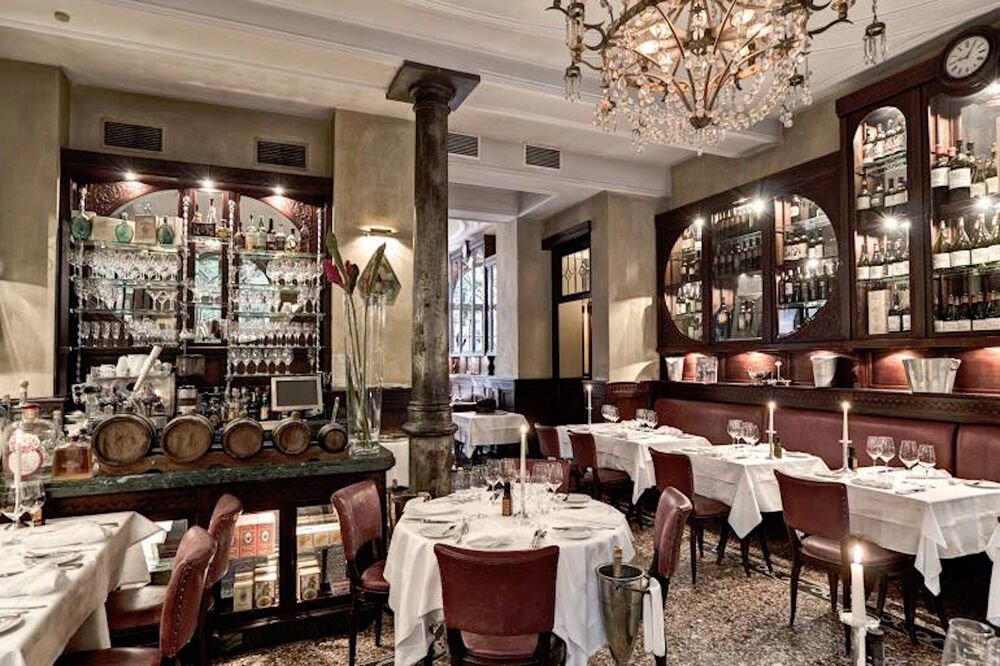
Bars in Sankt Veit am Vogau
Browse all →
Hotels in Sankt Veit am Vogau
Browse all →




At a Glance
- Cozy
- Elegant
- Rustic
- Intimate
- Sophisticated
- Date Night
- Special Occasion
- Terrace
- Garden
- Extensive Wine List
- Natural Wine
- Farm To Table
- Local Sourcing
- Garden
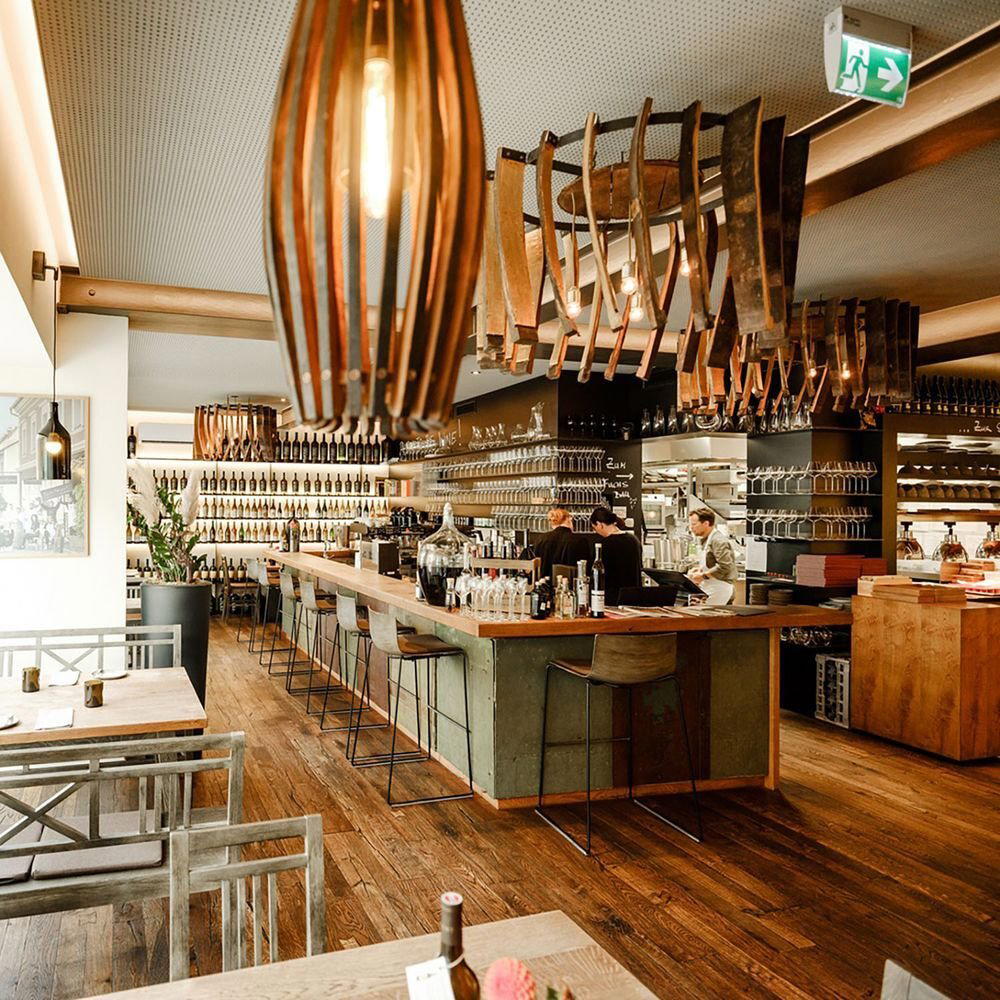
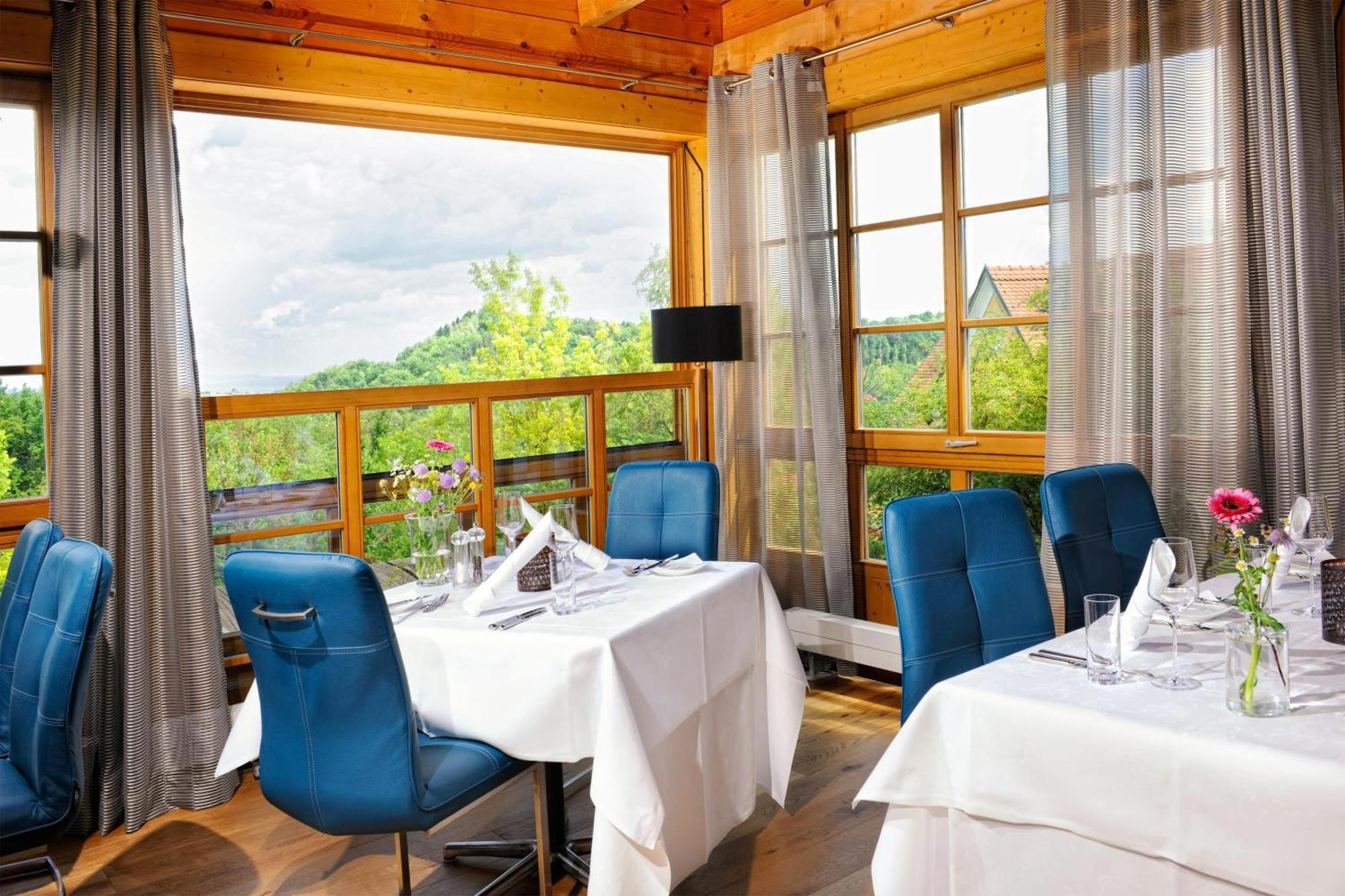
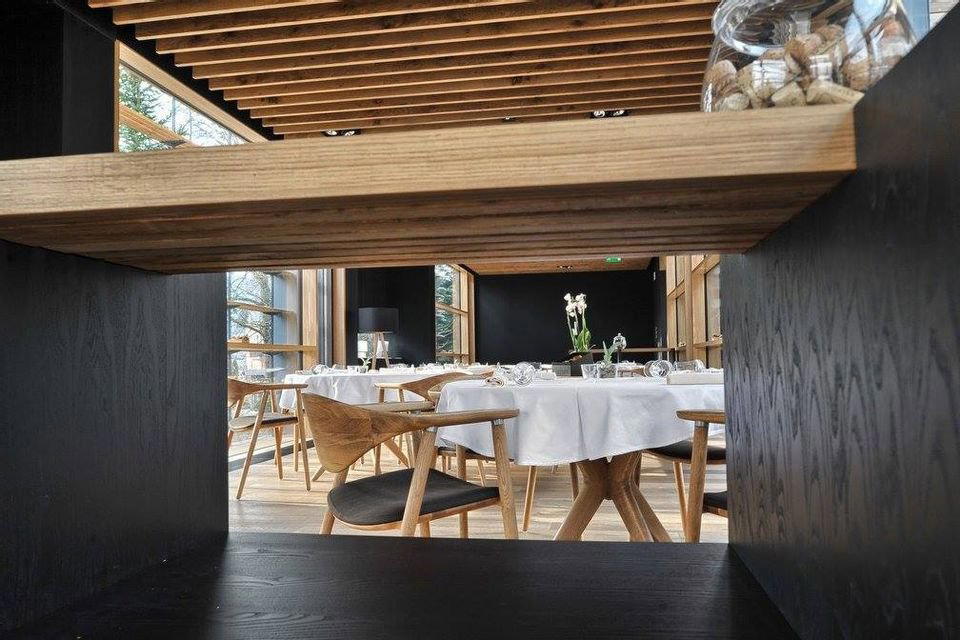
Polished wood and soft lighting blend old-world charm with contemporary refinement; terrace offers garden views.