Safenhof
Safenhof sits on Hauptstraße in Bad Waltersdorf, a Styrian thermal spa village that has quietly developed one of regional Austria's more serious dining clusters. The address places it within reach of the southeastern Styrian hills, where local producers supply a hospitality scene shaped as much by wellness tourism as by agricultural tradition. For context on the broader dining picture, see our full Bad Waltersdorf restaurants guide.
Pearl is the En Primeur Club membership app — saves, bookings, and concierge access live there. Same editors, same standards.
- Address
- Hauptstraße 78, 8271 Bad Waltersdorf, Austria
- Phone
- +434333332239
- Website
- safenhof.at
- Directions
- Get directions
 Saves & bookings on Pearl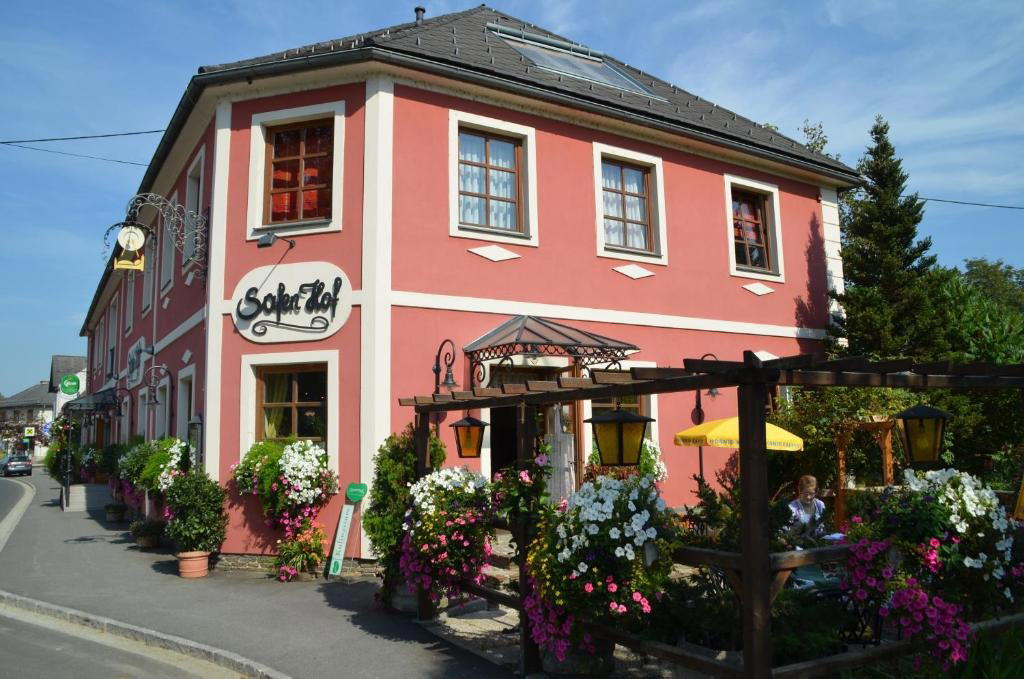
Styria's Thermal Belt and What It Asks of a Kitchen
Bad Waltersdorf sits in the southeastern corner of Styria, a province that has spent decades building a credible argument for serious regional cooking. The thermal spa corridor running through this part of Austria, from Bad Radkersburg up through Bad Waltersdorf and toward Bad Blumau, draws a particular kind of guest: one who has already decided to slow down, and who tends to eat with more attention than average. That audience shapes what kitchens here are asked to do, and Safenhof, positioned on Hauptstraße at the centre of the village, operates within that context.
Styrian cooking has its own distinct register within the Austrian tradition. Where Vienna tilts toward classical technique and the Salzburg region toward Alpine robustness, Styria works from a Mediterranean-adjacent pantry: pumpkin seed oil pressed locally, Schilcher rosé wine from the western hills, white wines from the Südsteiermark that travel internationally, and a vegetable culture sustained by the region's relatively mild climate. A kitchen drawing on that tradition is not working with scarcity, it is working with specificity, and the discipline required is different.
Steirereck im Stadtpark in Vienna represents the apex of the creative-Austrian tier, while Landhaus Bacher in Mautern an der Donau anchors the classical end of the regional spectrum. The gap between those poles is where most serious Austrian provincial restaurants operate, and Safenhof's Bad Waltersdorf address places it squarely in that provincial-serious category.
The Village Address and What It Signals
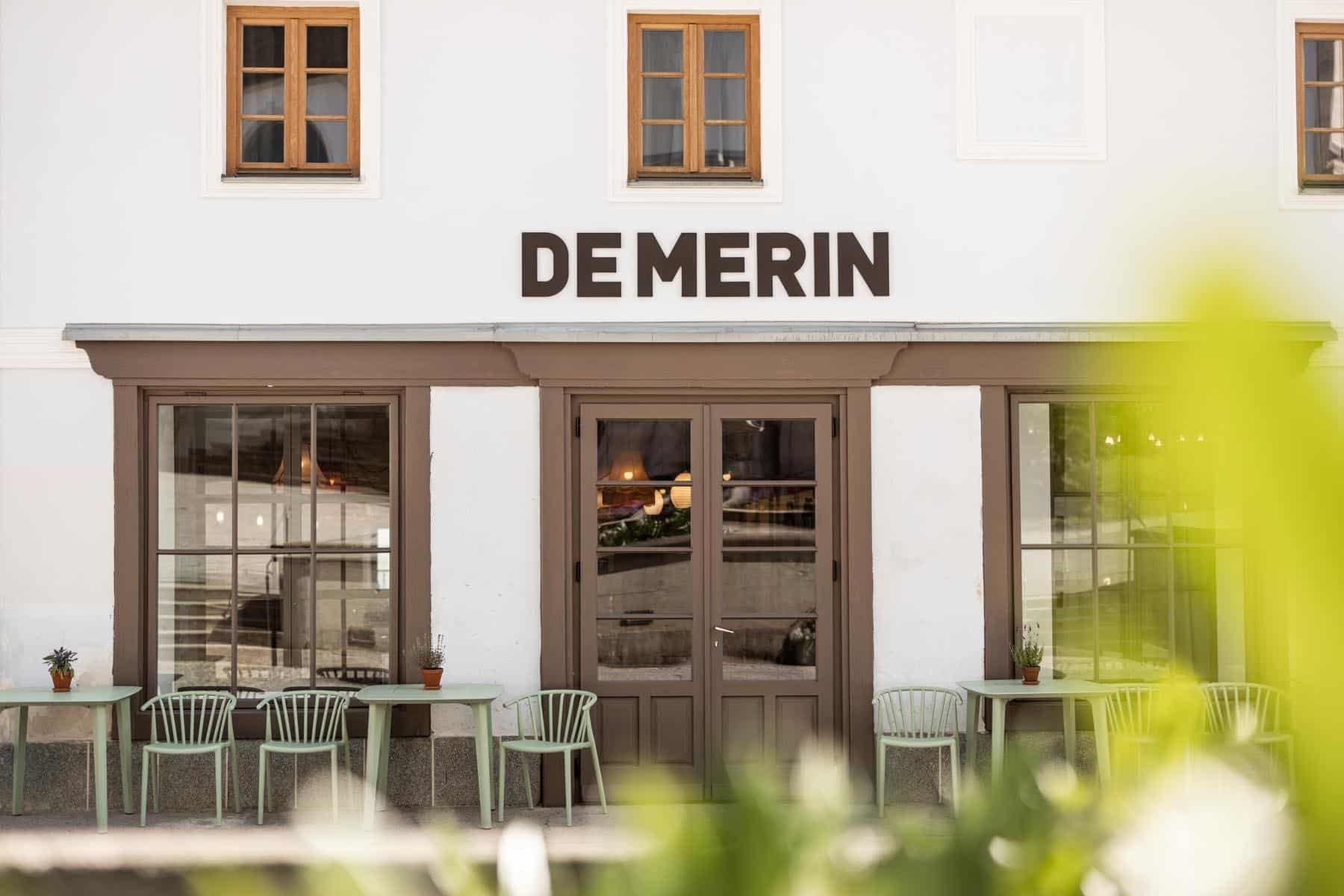
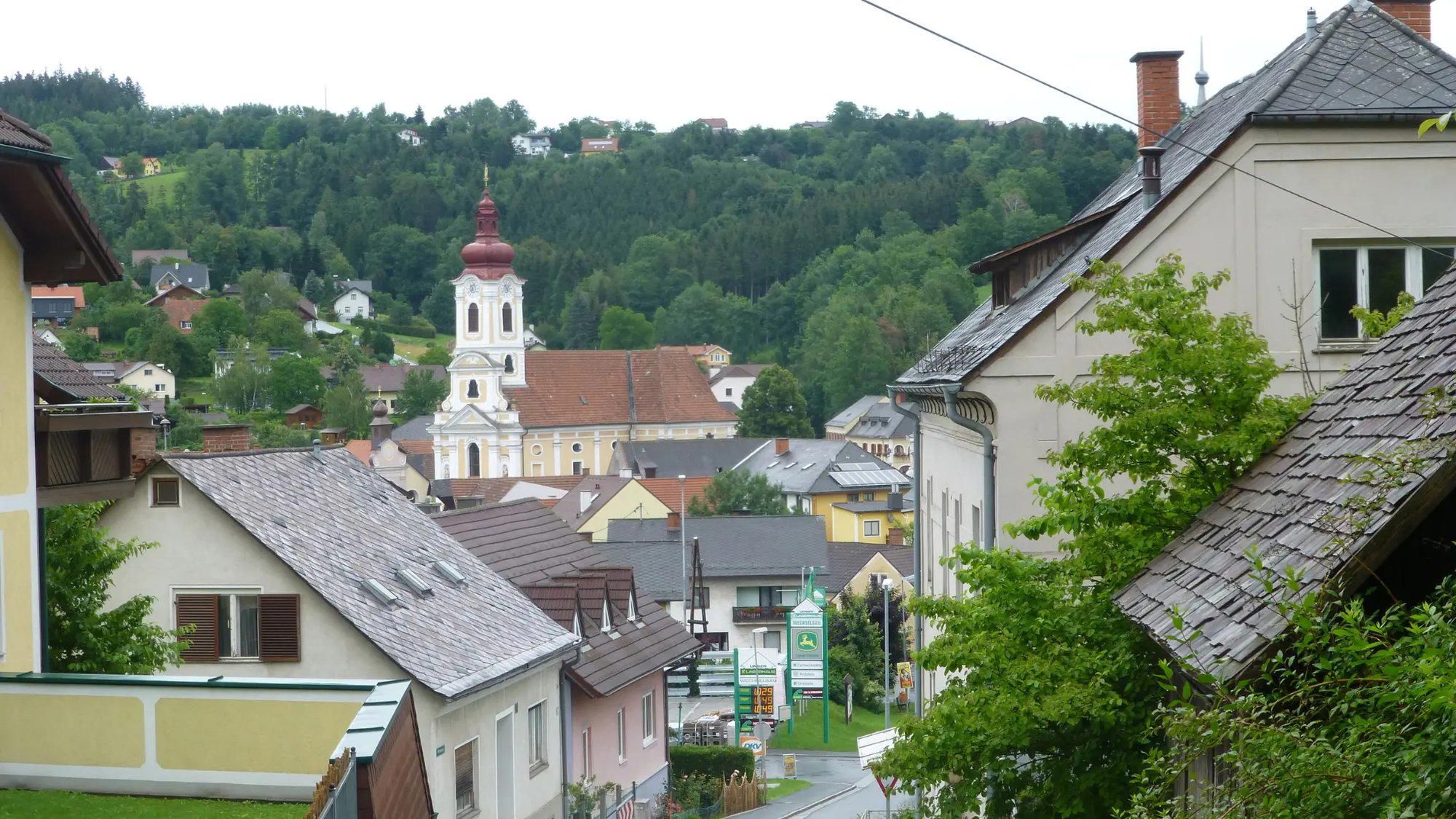
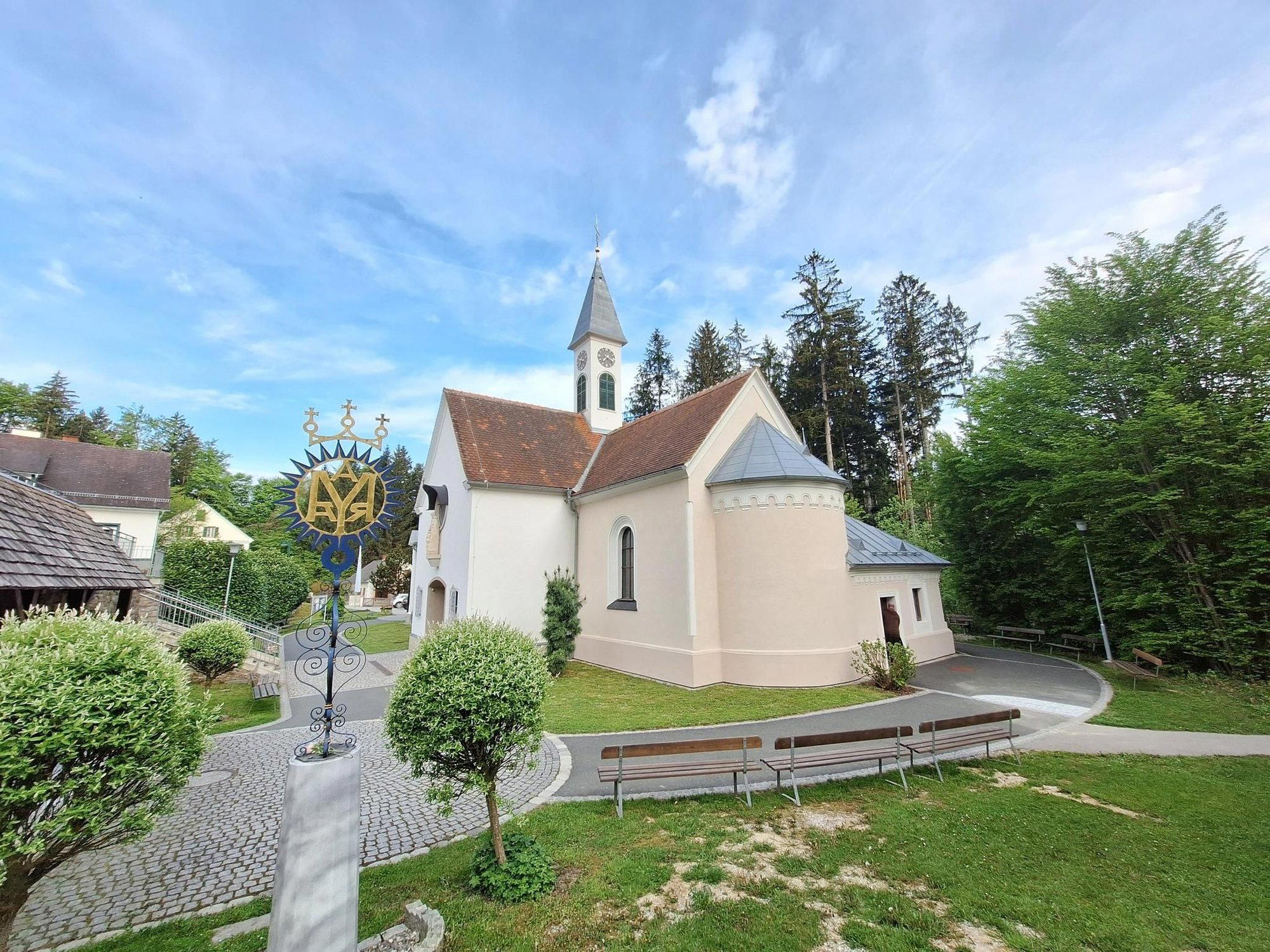
Arriving on Hauptstraße in Bad Waltersdorf, the scale is immediately apparent: this is a small village built around its thermal offer, not a culinary destination in the urban sense. The logic of dining here is different from city dining. Guests are typically staying in the area for two or three nights, the thermal circuit is the primary draw, and meals function as anchors to longer, slower days. That context rewards kitchens that can hold attention across a full sitting, not just produce a single memorable dish and send guests back into the night.
Bad Waltersdorf is not a large market, which means the restaurants that persist here tend to develop a loyal regional following rather than relying on tourist throughput. Willis; Willibald Frauwallner, the other notable address in the village, illustrates how a tight geographic cluster can sustain more than one serious kitchen by drawing from the same regional base of repeat visitors and local connoisseurs.
Austrian Regional Cooking at This Price Point
The broader Austrian regional dining scene has become more internally differentiated over the past decade. A cluster of kitchens has moved decisively toward creative tasting-menu formats, Döllerer in Golling an der Salzach and Ikarus in Salzburg sit in that tier, while another group maintains a more grounded relationship with regional ingredients and classic technique. The Alpine resort circuit adds a third lane: venues like Griggeler Stuba in Lech, Stüva in Ischgl, and Gourmetrestaurant Tannenhof in Sankt Anton am Arlberg operate within a ski-resort economy that has its own pricing logic and guest expectations.
Styrian thermal-belt dining sits outside all three of those lanes. The price signals, the pace, and the sourcing priorities are specific to this geography. Venues like Taubenkobel in Schützen am Gebirge, further north in the Burgenland wine country, demonstrate how southeastern Austria has produced a sub-category of hospitality that is driven by agricultural terroir and wellness-adjacent calm rather than urban prestige or mountain spectacle. Safenhof operates within that sub-category.
Kitchens working this register in Austria tend to draw comparisons with what Obauer in Werfen built over decades: a commitment to a specific regional identity, sustained across long periods, without chasing the format shifts that animate city dining. The Styrian version of that commitment means engaging with pumpkin seed oil, local pork, freshwater fish from nearby rivers, and a wine list that leans heavily on Südsteiermark Sauvignon Blanc and Welschriesling. Kräuterreich by Vitus Winkler in Sankt Veit im Pongau represents the herb-and-garden variant of this approach in the Salzburg region; the Styrian equivalent draws more from field vegetables and pressed oils.
Graz as the Regional Reference Point
Graz, Styria's capital, is approximately 50 kilometres southwest of Bad Waltersdorf, close enough that the city's dining culture sets the reference frame for guests visiting the thermal belt. Artis in Graz represents the urban end of Styrian fine dining, and the distance between a Graz address and a Bad Waltersdorf one is not just geographic: the guest mix, the booking rhythm, and the expectations around service formality all shift when you move from a regional capital to a spa village. Provincial kitchens tend to earn their reputation through consistency and local sourcing rather than through the critical attention that flows more naturally toward city restaurants. For international comparison, the kind of ingredient-led discipline that characterises this tier of European regional dining has parallels in venues like Le Bernardin in New York City or the technique-forward precision of Atomix in New York City, though the cultural register could not be more different.
Venues such as Schwarzer Adler in Hall in Tirol, Restaurant 141 by Joachim Jaud in Mieming, and Ois in Neufelden illustrate how Austrian provincial serious dining extends across multiple states with broadly similar dynamics: small catchment areas, repeat local clientele, and a regional sourcing identity that substitutes for the marketing advantages of a city address.
Planning a Visit
Safenhof is located at Hauptstraße 78 in Bad Waltersdorf, a village most visitors reach by car from Graz or from the broader Styrian thermal resort corridor. Reservations are recommended. The area rewards a multi-night stay rather than a day trip: the thermal facilities, the surrounding Styrian hill countryside, and the combination of dining addresses in the village are calibrated for a slower pace than a single-meal excursion would allow. Visitors coming from outside Austria typically use Graz as the nearest airport gateway before driving east into the thermal belt.
Pricing, Compared
Comparable venues nearby, for context on price, style, and recognition.
| Venue | Cuisine | Price | Notes |
|---|---|---|---|
| SafenhofThis venue — the venue you are viewing | Bad Waltersdorf, Modern Styrian Austrian | $$$ | Not listed |
| Willis; Willibald Frauwallner | Not listed | $$$$ | Bad Waltersdorf, Traditional Austrian Grill & Wine |
| GenussReich | Bad Blumau, Austrian Steakhouse | $$$ | Not listed |
| Gugumuck Bistro & Gartenbar | Not listed | $$$ | Per Albin Hansson Siedlung, Viennese Escargot Farm-to-Table Bistro |
| Demel Vienna cafe | Not listed | $$$ | Stephansdom, Traditional Viennese Pastry Cafe |
| HOPFELD – Restaurant DREIKÖNIGSHOF | Stockerau, Refined Austrian Regional | $$$ | Not listed |
Continue exploring
More in Bad Waltersdorf
Restaurants in Bad Waltersdorf
Browse all →
Bars in Bad Waltersdorf
Browse all →
Hotels in Bad Waltersdorf
Browse all →
At a Glance
- Cozy
- Rustic
- Classic
- Family
- Special Occasion
- Garden
- Terrace
- Extensive Wine List
- Local Sourcing
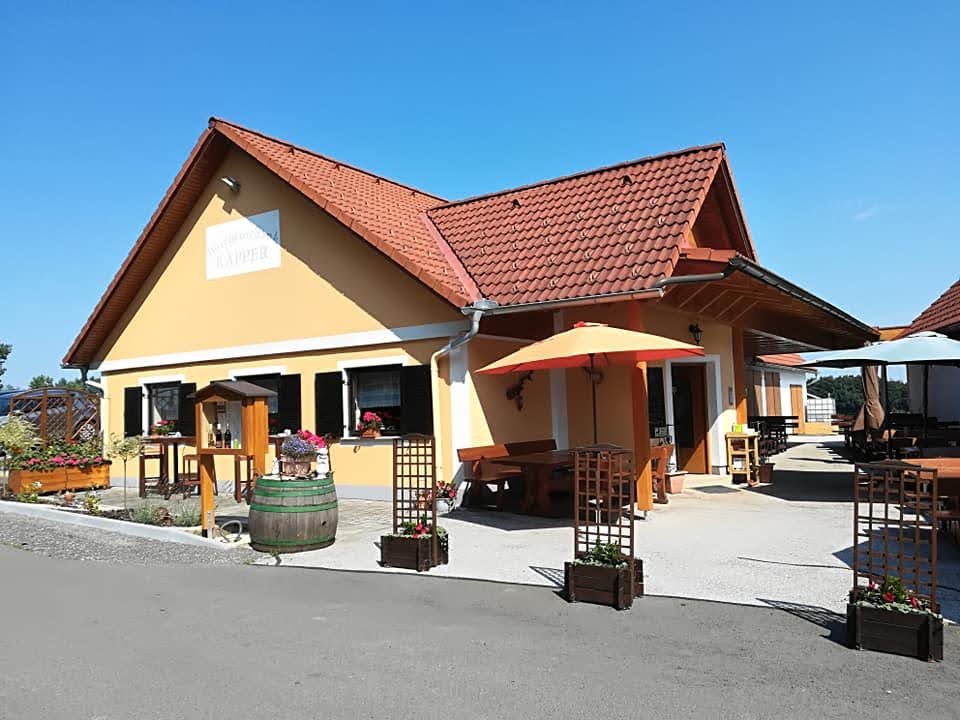
Cozy inn atmosphere with charming village setting.