
La Lune occupies a considered position in Hangzhou's contemporary Chinese dining scene, holding a 2025 Michelin Plate at the ¥¥¥ price tier. The kitchen works within the Chinese Contemporary format, a mode that draws on classical Zhejiang and broader Han culinary tradition while applying modern technique..
Pearl is the En Primeur Club membership app — saves, bookings, and concierge access live there. Same editors, same standards.
- Address
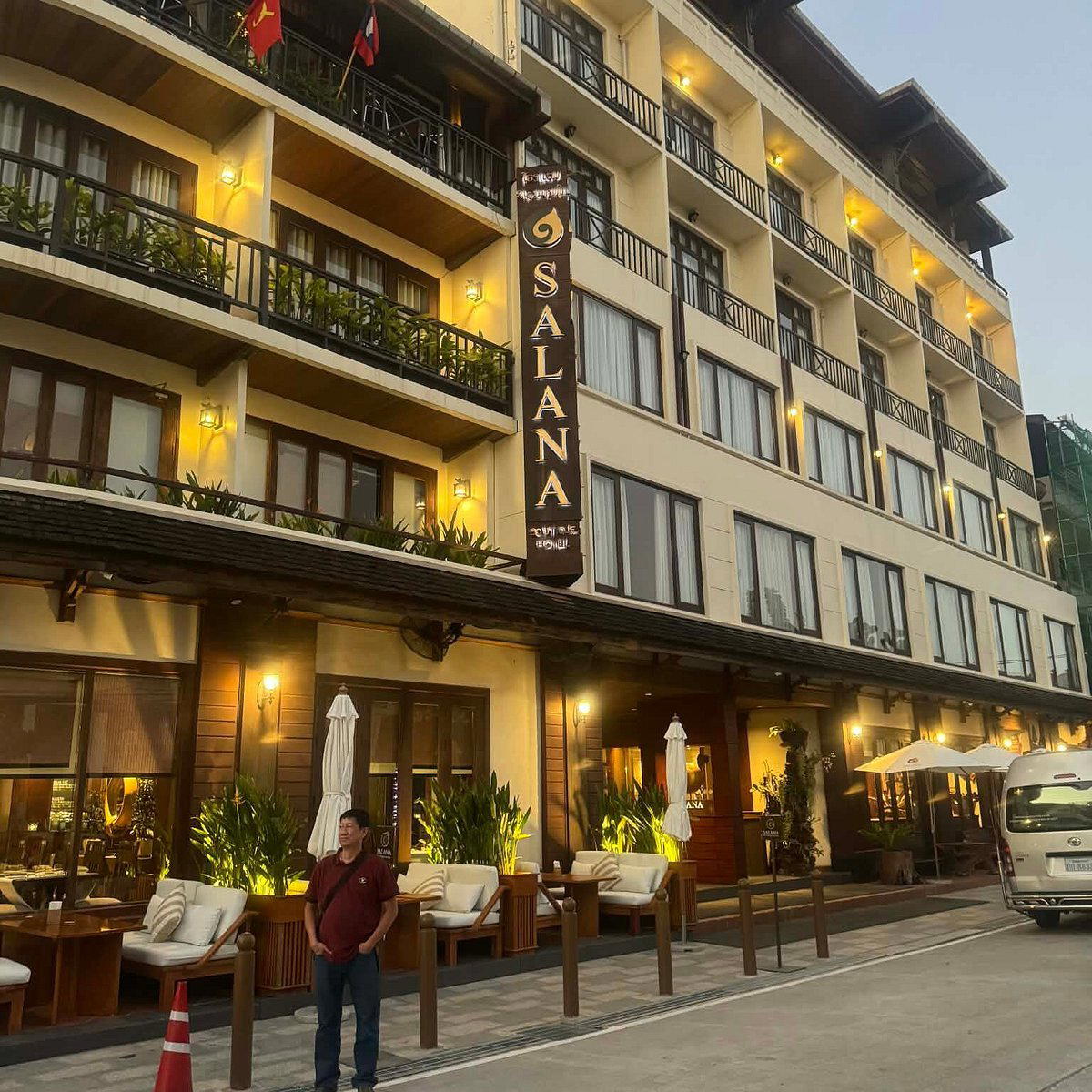
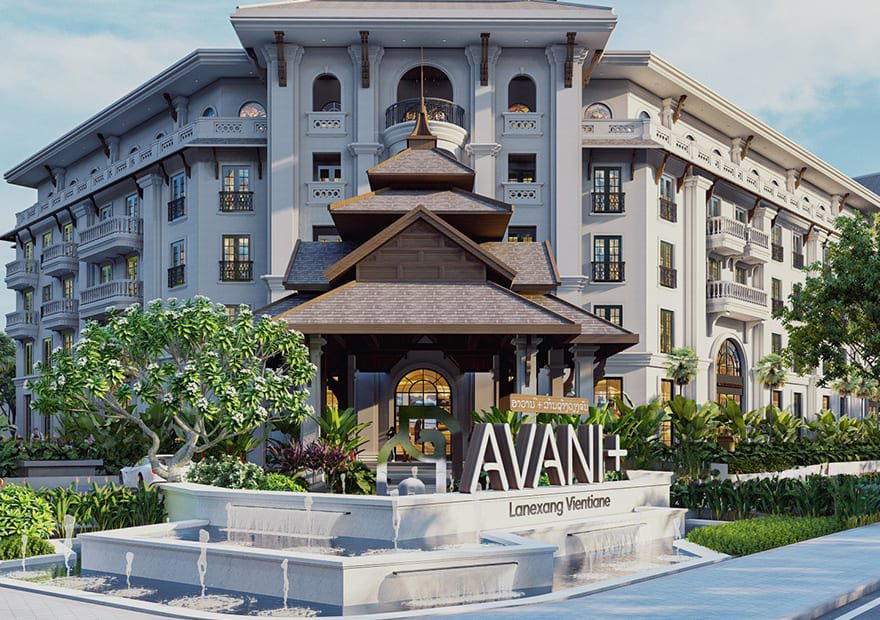
- Khun Bu Lom Rd, Vientiane, Laos
- Phone
- +856 21 255 283
- Directions
- Get directions
 Saves & bookings on Pearl
Where Hangzhou's Contemporary Chinese Dining Stands
Hangzhou has spent the better part of a decade building a fine-dining identity that sits apart from Shanghai's cosmopolitan restaurant scene and Beijing's formality-driven banquet culture. The city's culinary argument rests on Zhejiang cuisine, one of China's Eight Great Culinary Traditions, and its particular strengths: freshwater fish from West Lake, longjing tea pressed into sauces and brines, and a preference for sweetness and delicacy over the heat and weight of inland cooking. Contemporary Chinese kitchens here have largely chosen to work with that inheritance rather than against it, refining classical technique through modern plating and seasonal precision rather than importing foreign frameworks wholesale.
La Lune operates within that tradition at the ¥¥¥ price tier, earning a Michelin Plate in 2025, a recognition that signals kitchen competence and consistent cooking, one step below a starred designation. In Hangzhou's current Michelin landscape, that positions La Lune in a tier that includes peers like Ambré Ciel (Innovative) and Wild Yeast, while sitting below the starred tier occupied by Ru Yuan (Zhejiang) with its two Michelin Stars and the single-starred Guiyu (Xihu) (Zhejiang). For the reader deciding where to spend a meal, a Michelin Plate at ¥¥¥ represents a middle-register bet: the kitchen has passed independent scrutiny, and the price point remains below the city's top tier.
Chinese Contemporary as a Format, Not Just a Style
The Chinese Contemporary category now functions as a distinct dining format across China's major cities. It is neither fusion nor traditional revival: it draws on classical techniques, regional ingredient logic, and dynastic food culture, then applies contemporary structure, tasting menus, precision plating, sourced-ingredient storytelling, to that material. In Shanghai, venues like Da Dong (Xuhui) and Gastro Esthetics at DaDong have made the format internationally legible, while 102 House in Shanghai works similar territory at a more intimate scale. In Macau, Chef Tam's Seasons applies it to Cantonese foundations. In Chengdu, Xin Rong Ji anchors it to Sichuan sourcing and product obsession.
In Hangzhou, the Chinese Contemporary kitchen faces a specific editorial challenge: Zhejiang cuisine is already restrained and produce-forward by nature. The contemporary treatment does not need to sand down bold flavours, the cuisine's default register is already delicate. What contemporary technique adds here is structural: tighter sequencing, sharper temperature discipline, and a more explicit curation of the local ingredient calendar. La Lune's positioning within this mode places it in a category that rewards attention to those quieter distinctions. For comparison, Xin Rong Ji (Xinyuan South Road) in Beijing and Imperial Treasure Fine Chinese Cuisine in Guangzhou represent how the high-end Chinese dining format plays out in cities where the culinary identity is more assertive. Hangzhou's version, by contrast, tends toward quieter expression.
The Cultural Roots Behind the Menu Logic
Zhejiang's culinary heritage runs through imperial history. Hangzhou was the Southern Song capital from the 12th century onward, and court cuisine here developed a distinct refinement, lighter stocks, freshwater ingredients, preserved vegetables, and a technique-heavy approach to fish preparation that contrasts with the salt-and-fermentation boldness of neighbouring Anhui or Jiangxi cooking. Dishes like West Lake vinegar fish and Dongpo pork are not merely regional classics; they are arguments about what Hangzhou cooking considers important: texture contrast, controlled sweetness, and the precise management of delicate proteins.
Contemporary Chinese kitchens drawing on this tradition are not departing from it so much as making it legible to a modern dining room. The tasting menu format, which structures discovery and pacing, suits Zhejiang cuisine's inherent sequencing logic better than it does cuisines built around table-sharing and simultaneous service. The restaurant's Chinese Contemporary designation places it inside this shift, at a price point that sits between everyday Zhejiang dining and the upper bracket occupied by Hangzhou House (Zhejiang). That middle register is where most serious cooking in the city now happens, and where the Michelin Plate tier has its most useful editorial function.
For comparable dining in the broader Yangtze Delta region, Dai Yuet Heen in Nanjing represents how premium Chinese dining formats play in a city with a different but related culinary ancestry.
Planning a Visit
The restaurant sits at ¥¥¥ pricing, which in Hangzhou's contemporary Chinese tier typically corresponds to a mid-range tasting menu or a la carte dinner at a level where per-person spend falls below the starred restaurants but above casual Zhejiang dining. The 2025 Michelin Plate designation provides a useful anchor for expectation-setting: this is a kitchen that has passed scrutiny for consistent quality, not one coasting on reputation. Booking ahead is advisable at any Michelin-recognised address in Hangzhou, particularly in spring and autumn when West Lake draws visitors and the city's finer restaurants fill quickly.
Recognition, Side-by-Side
Comparable venues nearby, for context on price, style, and recognition.
| Venue | Cuisine | Price | Awards | Notes |
|---|---|---|---|---|
| La Lune | Chinese Contemporary Fusion | $$$$ | Michelin Plate | Shangcheng |
| ZiWei Ting | Hangzhou Cuisine | $$$$ | Not listed | XiHu District |
| Hokkien Huay Kuan | Fujian Fine Dining | $$$ | Not listed | Xuhui District |
| Hangzhou House at Amanfayun | Refined Zhejiang Cuisine | $$$$ | Not listed | Xihu |
| 如院 | Modern Zhejiang | $$$$ | Not listed | Xihu |
| Four Seasons Hotel Hangzhou at West Lake Jin Sha | Seasonal Zhejiang Fine Dining in a Lakeside Four Seasons | $$$$ | Not listed | Xihu |
Recognition history
Dated appearances from independent guides and award organizations, with the underlying list record or original source where available.
Michelin Plate
Michelin
Continue exploring
More in Vientiane
Restaurants in Vientiane
Browse all →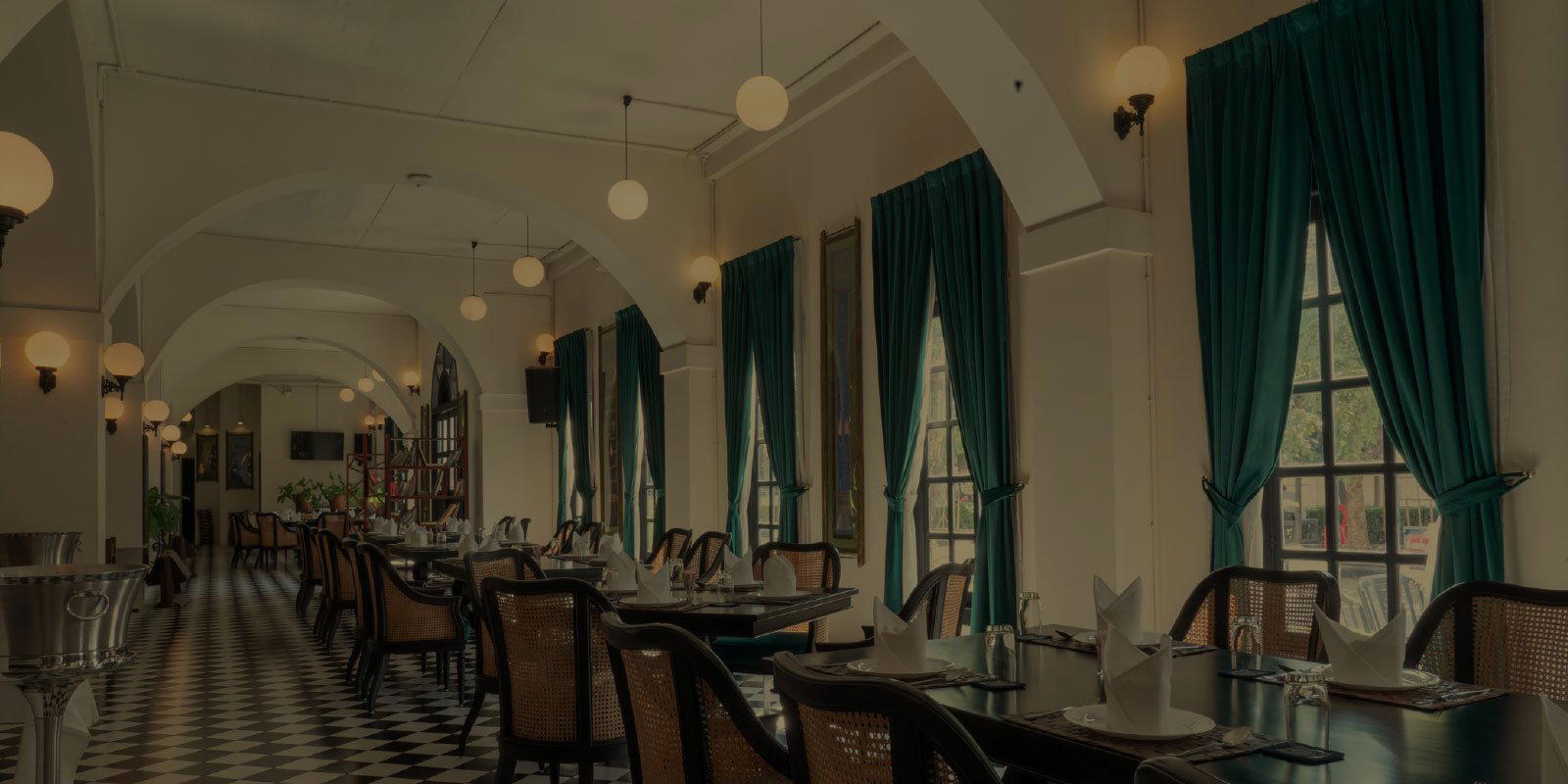
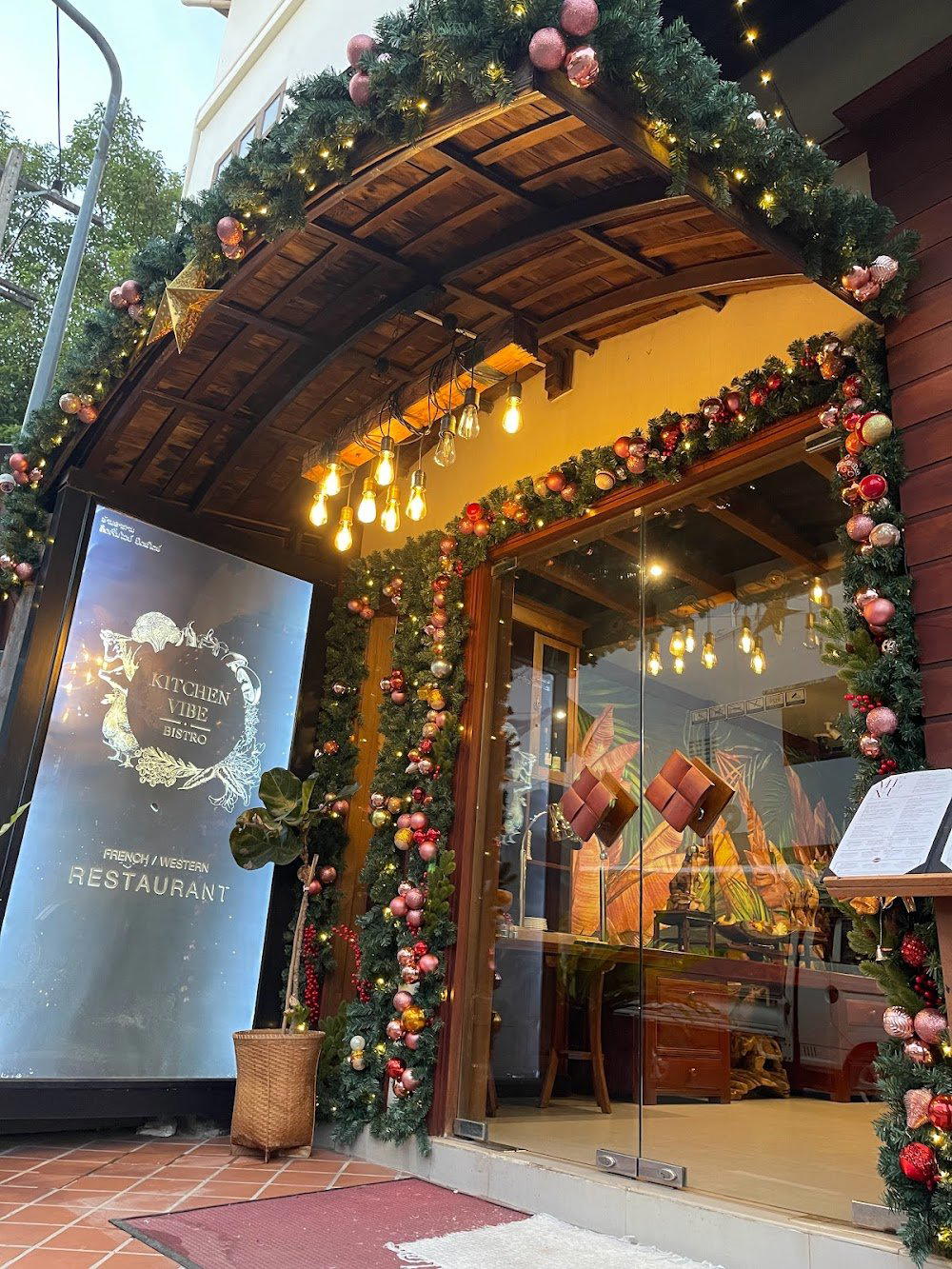
Bars in Vientiane
Browse all →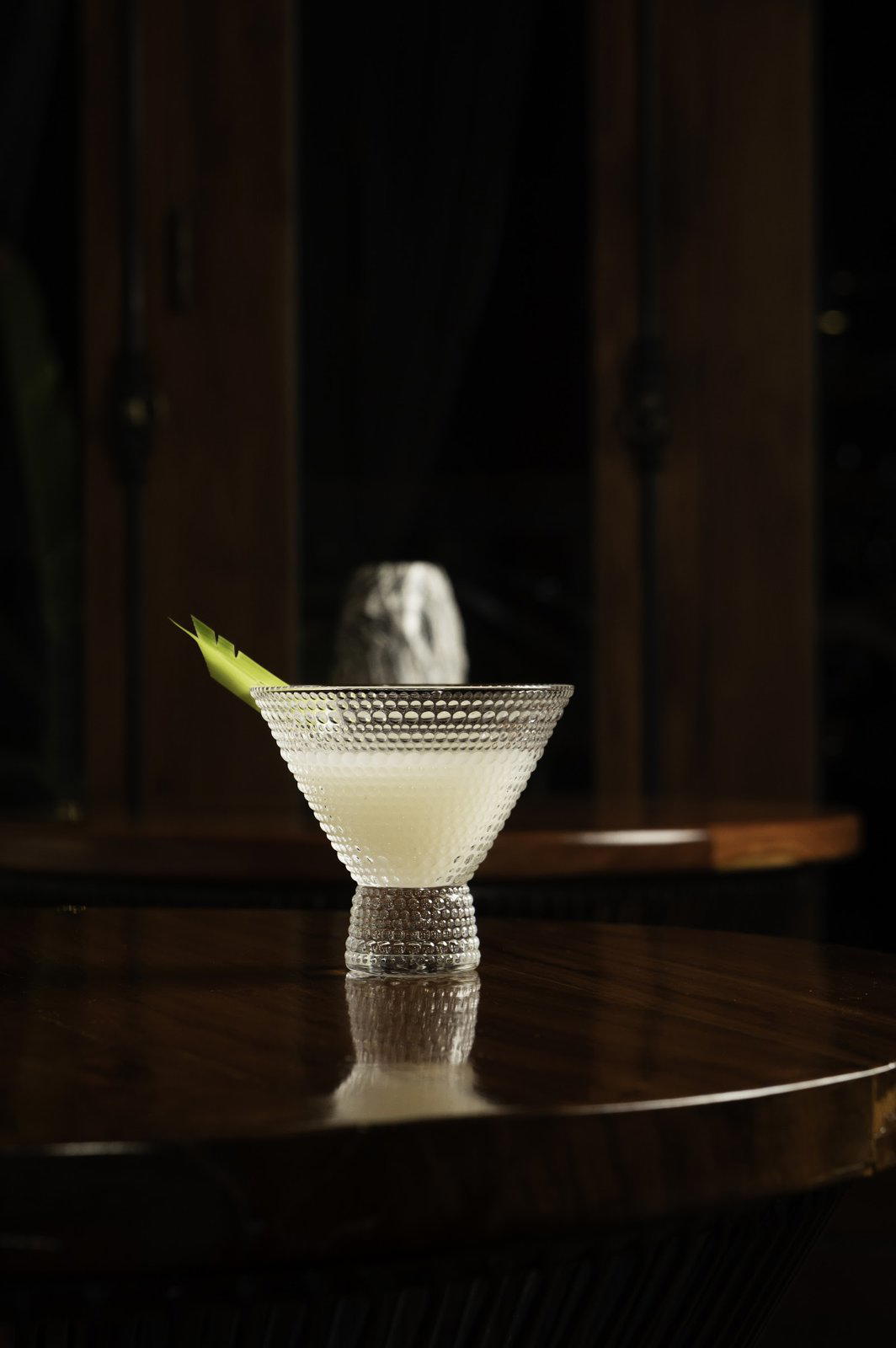
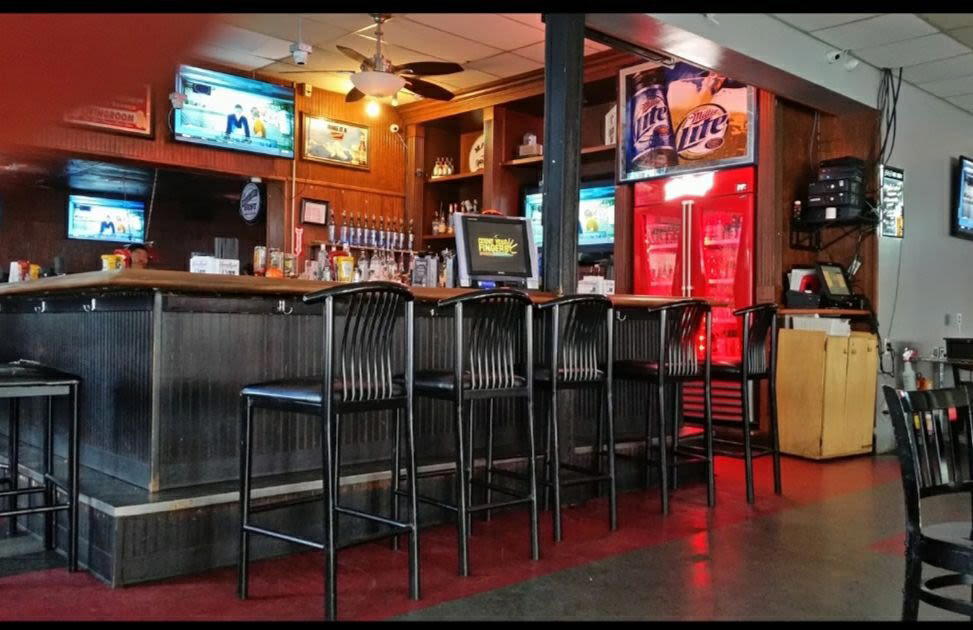
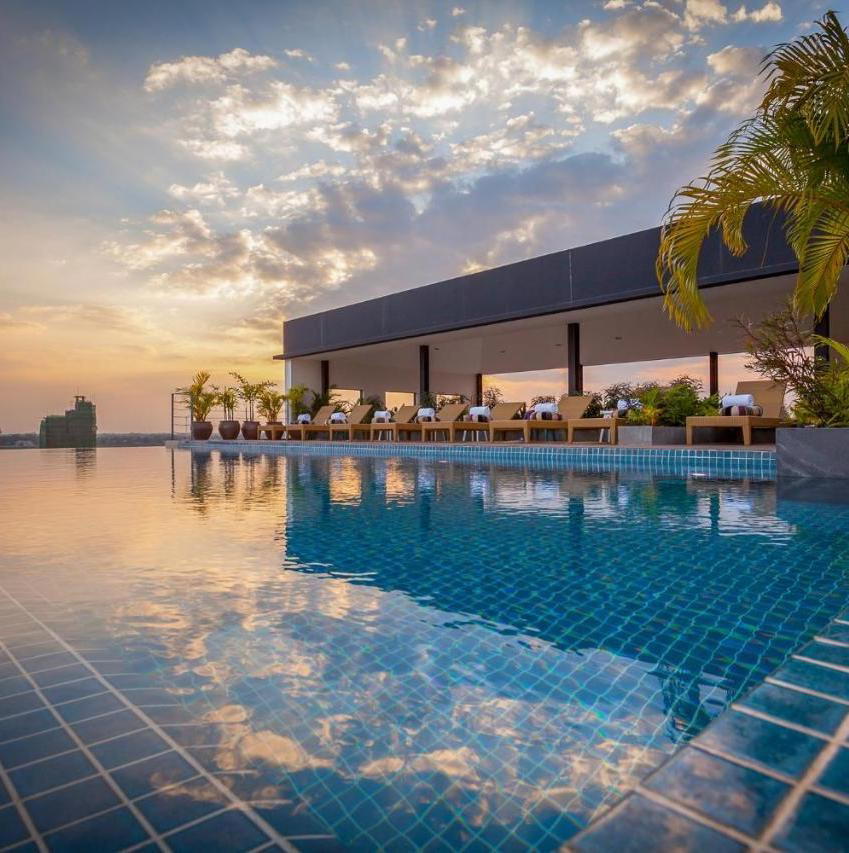
At a Glance
- Elegant
- Sophisticated
- Romantic
- Date Night
- Special Occasion
- Design Destination
Current opening hours
- Monday
- 10 AM–11 PM
- Tuesday
- 10 AM–11 PM
- Wednesday
- 10 AM–11 PM
- Thursday
- 10 AM–11 PM
- Friday
- 10 AM–11 PM
- Saturday
- 10 AM–11 PM
- Sunday
- 10 AM–11 PM
Hours can change for holidays and private events. Last verified .
High-ceilinged room lavishly furnished with elegant chandeliers, ceiling fans, and elaborate trims, creating a measured, confident, and cinematic atmosphere.