
A neighbourhood French restaurant in Stuttgart's Degerloch district, Fässle le Restaurant brings classic French technique to an accessible price point, with a menu that runs from braised veal cheeks to vegetarian plates..
Pearl is the En Primeur Club membership app — saves, bookings, and concierge access live there. Same editors, same standards.
- Address
- Löwenstraße 51, 70597 Stuttgart, Germany
- Phone
- +49 711 760100
- Website
- restaurant-faessle.de
- Directions
- Get directions
 Saves & bookings on Pearl
French Tradition at a Stuttgart Neighbourhood Table
The southern edge of Stuttgart, where the city climbs toward Degerloch and the streets quiet down past the S-Bahn stops, is not where most visitors expect to find a working French kitchen. Yet the neighbourhood-restaurant model, a small room, a focused menu, an accessible price point, and the kind of regulars who book the same table on alternating Fridays, is precisely where classic French cooking has always done its most durable work. Fässle le Restaurant, at Löwenstraße 51 in the Degerloch area, sits in that tradition: closer to a Lyon bouchon in operating logic than to the white-tablecloth dining rooms that define French cuisine's more formal tier.
Wielandshöhe, rated €€€ and holding a Michelin star, occupies the classic French segment at the tier above. Speisemeisterei and 5 sit at the €€€€ mark with Michelin recognition in the creative and modern cuisine categories. Der Zauberlehrling and Délice complete the city's creative-leaning fine dining range. Fässle le Restaurant prices at a single € tier, which in Stuttgart's dining economy places it firmly in the accessible everyday category, a different competition altogether, and one it appears to win with some consistency.
The Brasserie Tradition and What It Actually Means
The grand brasserie tradition in French dining is worth understanding on its own terms before applying it to a neighbourhood setting. The original Alsatian brasseries that spread across Paris in the nineteenth century were not primarily about prestige: they were about reliability, throughput, and breadth of menu. Choucroute garnie, steak frites, onion soup, côte de boeuf, dishes built around technique and repetition rather than novelty. What made a brasserie institution was not a chef's signature but the consistency of the house execution over years, sometimes decades.
That tradition has fractured considerably in the decades since. On one side sit the grand historic rooms, Bofinger, La Coupole, Aux Lyonnais, where the setting carries as much weight as the cooking. On the other sit the smaller neighbourhood operations where the brasserie DNA survives in menu philosophy and price positioning rather than velvet banquettes and mirrored ceilings. Fässle le Restaurant operates at this second level, where the daily kitchen work is the whole point. Dishes such as braised veal cheeks with king oyster mushrooms, risotto, and wild broccoli reflect the brasserie instinct toward comfort-driven French technique, long-cooked proteins, earthy accompaniments, and the kind of plate that returns customers rather than impressing critics.
The inclusion of vegetarian options and children's menus is also worth noting in this context. Traditional brasseries were always more accommodating in their range than the fine dining tier above them: the goal was to seat a full dining room, not a curated guest list. A kitchen that runs vegetarian plates and children's menus alongside veal cheeks is operating in that same all-day, all-guest register, which makes the comparison meaningful rather than merely geographic.
Reading the Review Data
. Volume matters here: 446 reviews is sufficient to smooth out outlier experiences in both directions, and a 4.7 average across that sample reflects consistent kitchen and service performance over a material number of visits. For comparison, Stuttgart's starred restaurants at higher price points often accumulate reviews more slowly, as the frequency of visits naturally decreases as spend increases. A neighbourhood restaurant at the € tier that sustains a 4.7 is getting its regulars to return and to write about it, which says something different from a destination restaurant that attracts one-time visitors with high expectations.
This places the restaurant in an interesting position relative to its regional and national peers. The classic French category in Germany has a strong upper tier: Schwarzwaldstube in Baiersbronn and Vendôme in Bergisch Gladbach represent the category's awarded apex in the country. Further afield, Waterside Inn in Bray and Cheval Blanc by Peter Knogl in Basel define the category's benchmark at the highest European level. The restaurant does not compete in that tier, nor does it need to. Its comparable set is the working French neighbourhood restaurant, a category that has proved harder to sustain in German cities than the fine dining segment, where critical recognition and destination traffic provide a different kind of support.
The Menu Signals
Braised veal cheeks with king oyster mushrooms, risotto, and wild broccoli is a combination that tells you something useful about the kitchen's orientation. Veal cheeks require patience, a multi-hour braise at low temperature to convert collagen without drying the protein, and the pairing of king oyster mushrooms with risotto suggests an Italian-influenced supporting structure rather than a purely French one. This kind of cross-referencing is common in contemporary French restaurants operating outside France, where the menu adjusts to both local ingredient availability and local taste preferences. Wild broccoli signals seasonal awareness. Together, the combination points toward a kitchen applying French technique with a degree of flexibility, which is different from a kitchen rigidly reproducing a fixed canonical repertoire.
For diners approaching from Stuttgart's more technically ambitious rooms, Aqua in Wolfsburg, JAN in Munich, ES:SENZ in Grassau, or CODA Dessert Dining in Berlin represent the format's experimental edge at the national level. The restaurant is not that. It is a place to eat well and simply, with technique as the foundation and comfort as the goal, at a price point that does not require advance planning beyond a reservation.
Planning a Visit
The restaurant is located at Löwenstraße 51, 70597 Stuttgart, in the Degerloch area of the city's southern quarter. The single € price tier signals accessible spend across the menu. Given the 446 reviews and 4.7 rating, the room is clearly popular with local regulars, so booking ahead is the sensible approach particularly on weekend evenings. Booking ahead is the sensible approach, particularly on weekend evenings.
Similar Picks
Comparable venues nearby, for context on price, style, and recognition.
| Venue | Cuisine | Price | Notes |
|---|---|---|---|
| Fässle le RestaurantThis venue — the venue you are viewing | Classic French Fine Dining | $$$ | Not listed |
| Schweizers Restaurant | Modern French Fine Dining | $$$ | Gablenberg |
| Meister Lampe | Regional German Fine Dining | $$$ | Weilimdorf |
| Il Quinto Quarto | Authentic Italian Trattoria | $$$ | Berg |
| Waldhorn | Contemporary French with Spanish and Swabian influences | $$$$ | Dachswald |
| Rotenberger Weingärtle | Modern Swabian | $$$ | Obertuerkheim |
Recognition history
Dated appearances from independent guides and award organizations, with the underlying list record or original source where available.
Michelin Plate
Michelin · 2026 Michelin Plate
Michelin Plate
Michelin
Michelin Plate
Michelin
Continue exploring
More in Stuttgart
Restaurants in Stuttgart
Browse all →
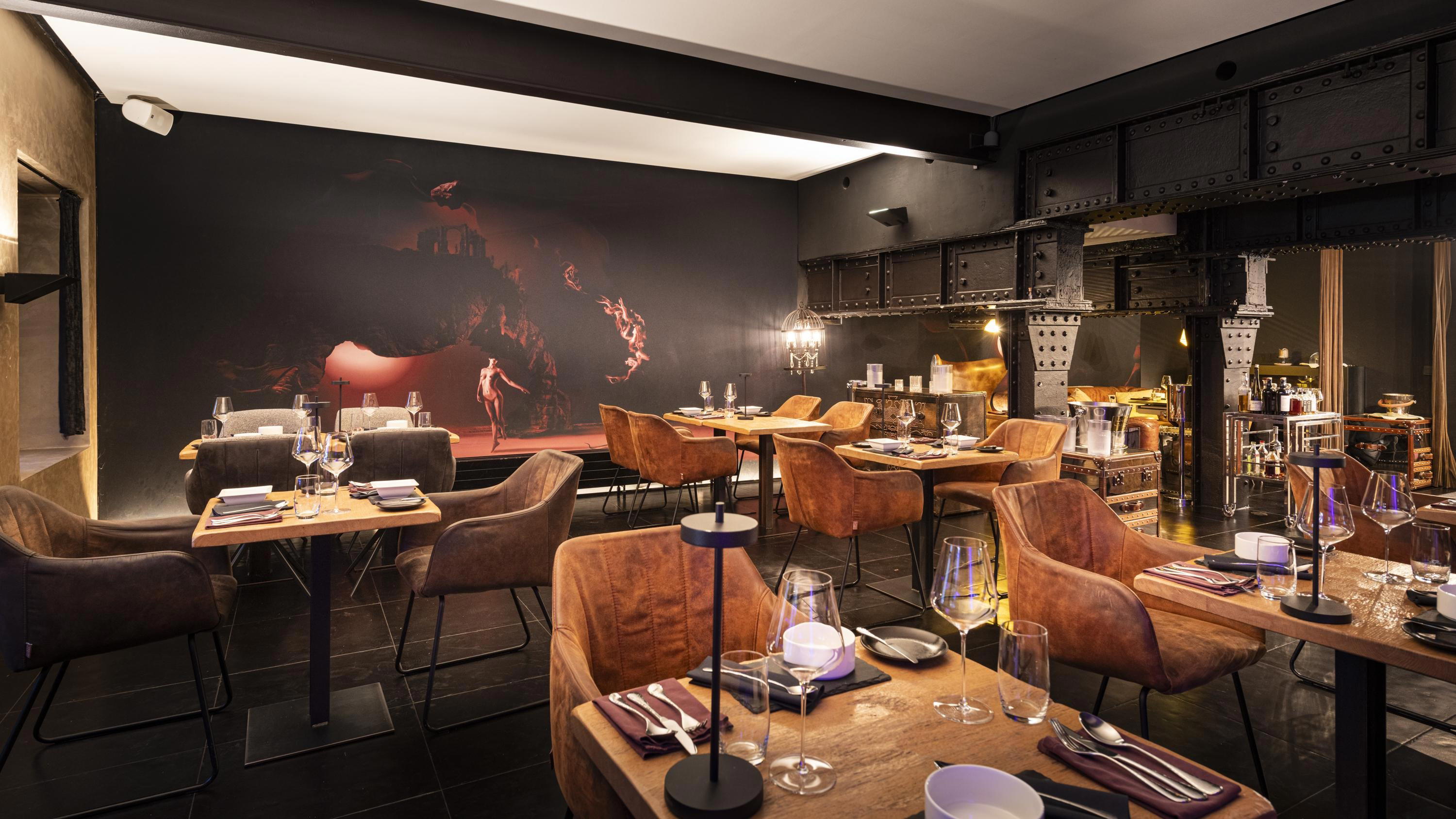
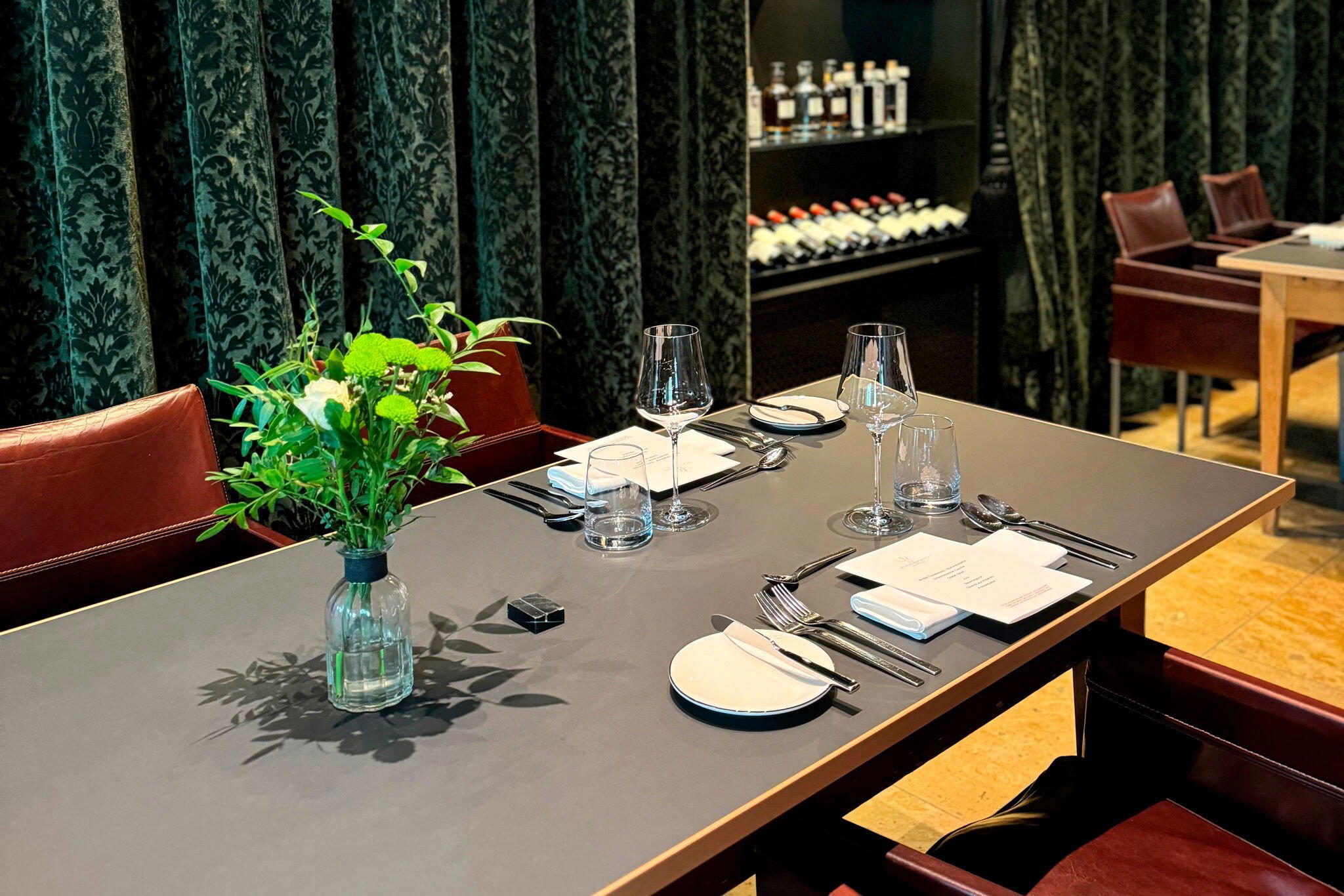
Bars in Stuttgart
Browse all →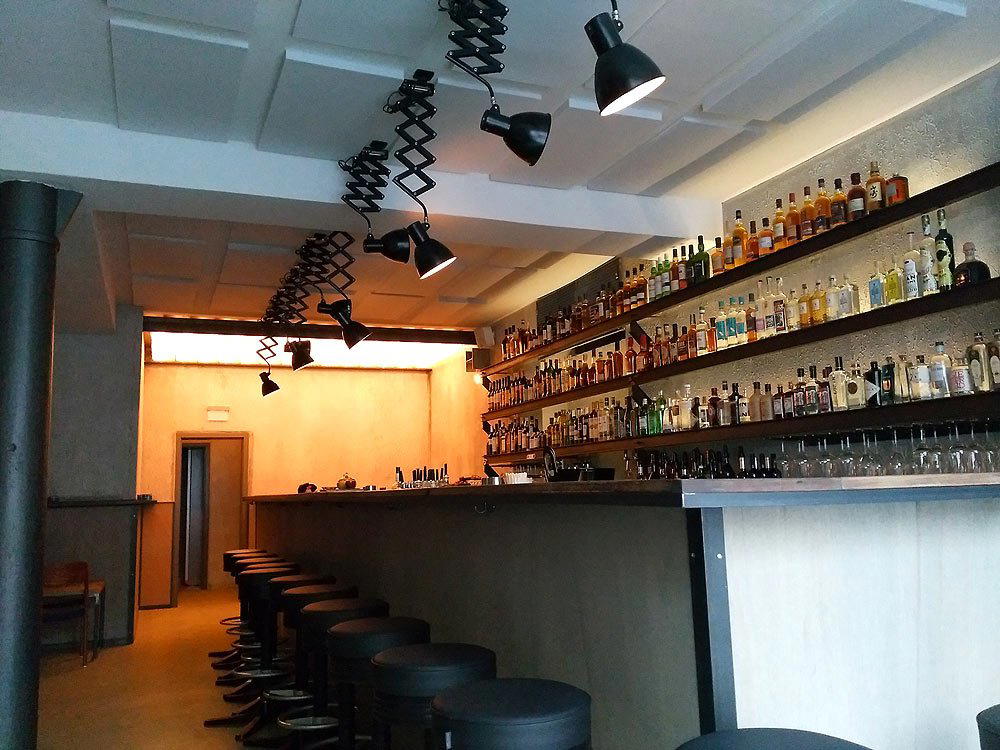
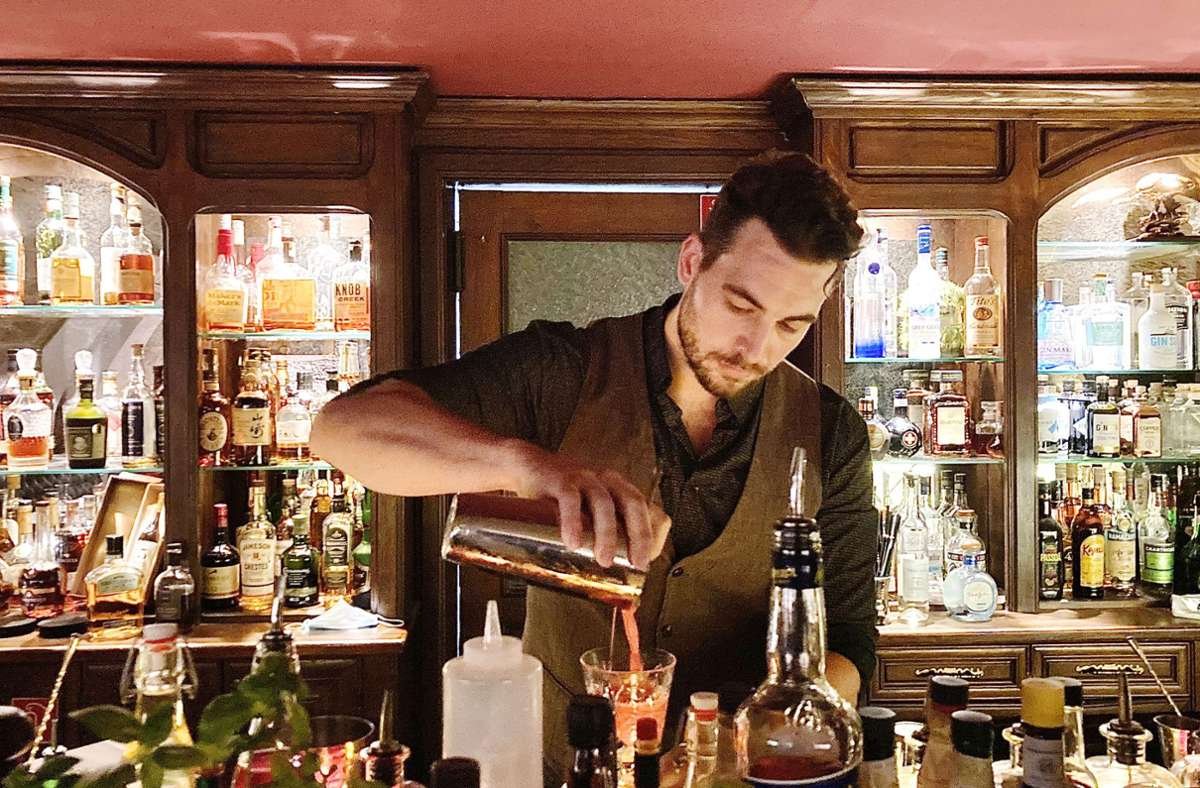
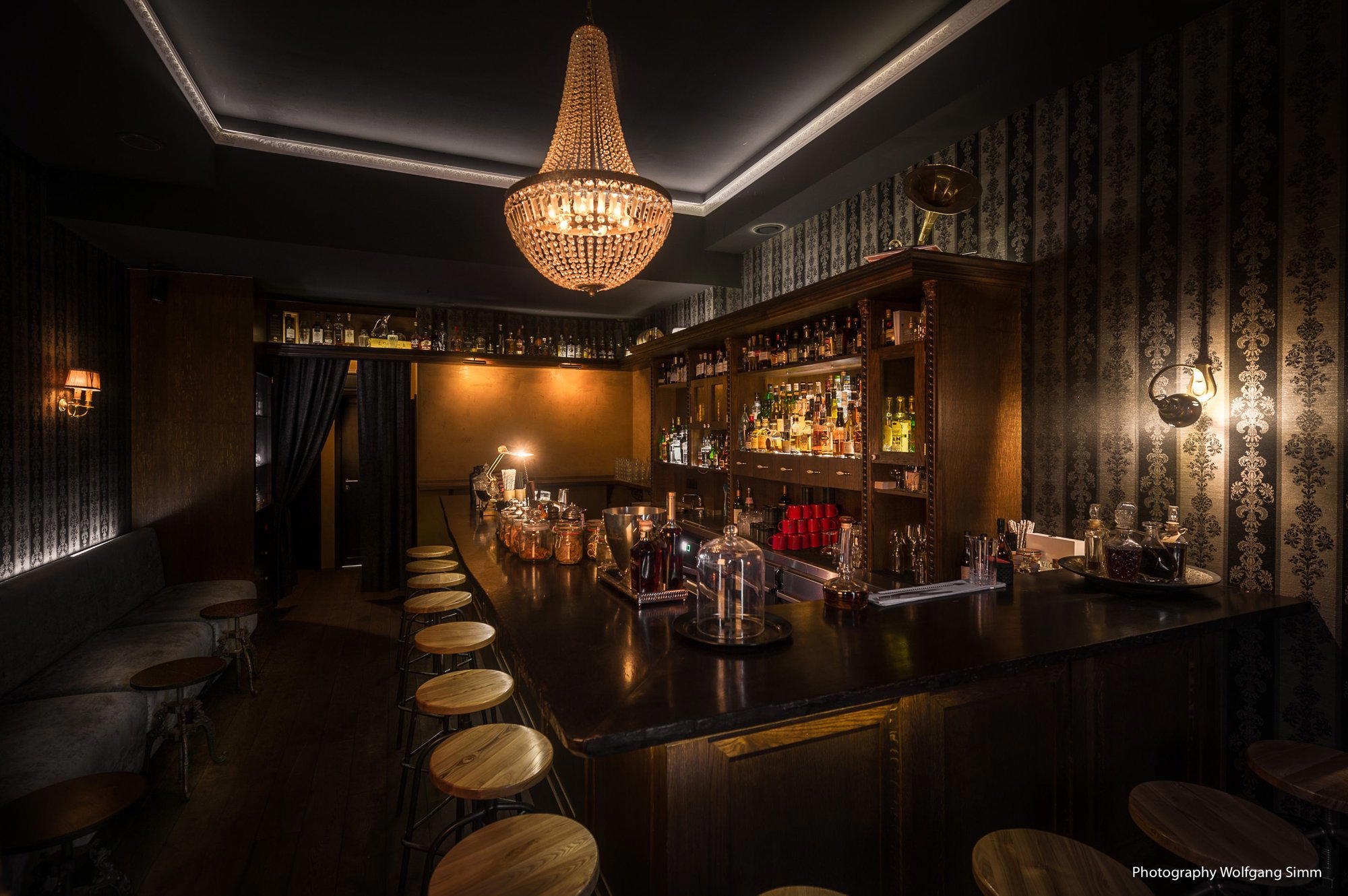
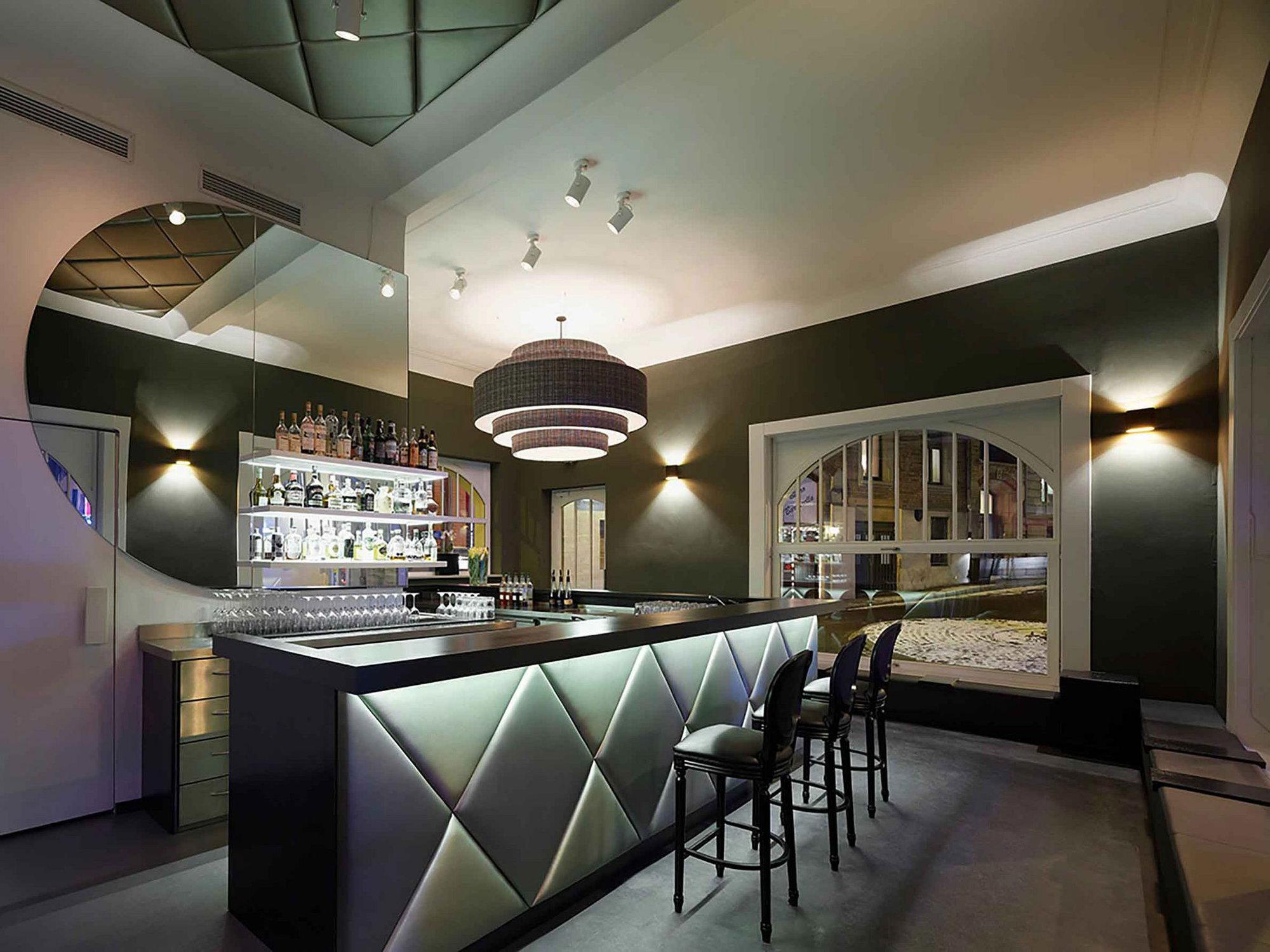
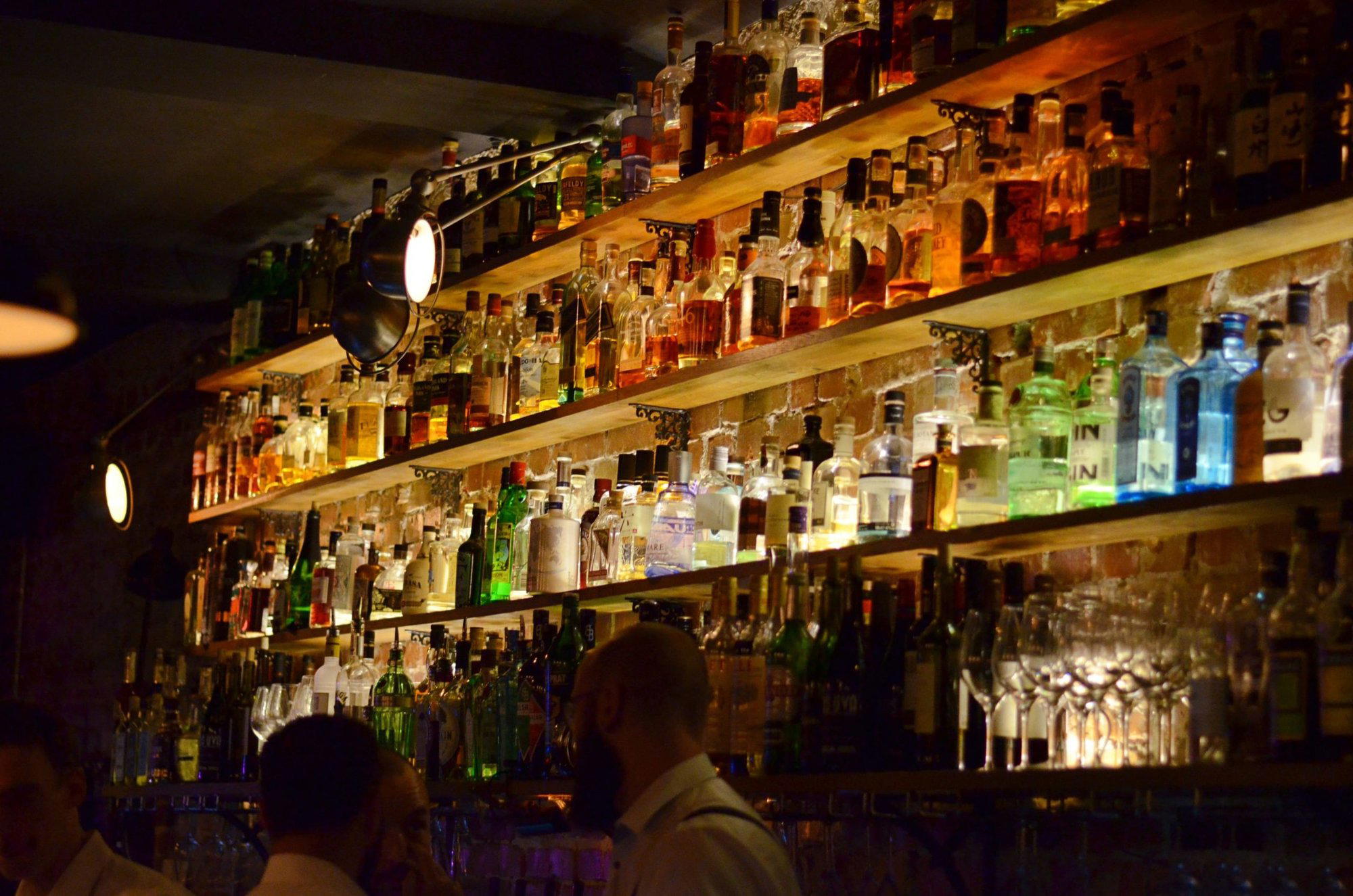
Hotels in Stuttgart
Browse all →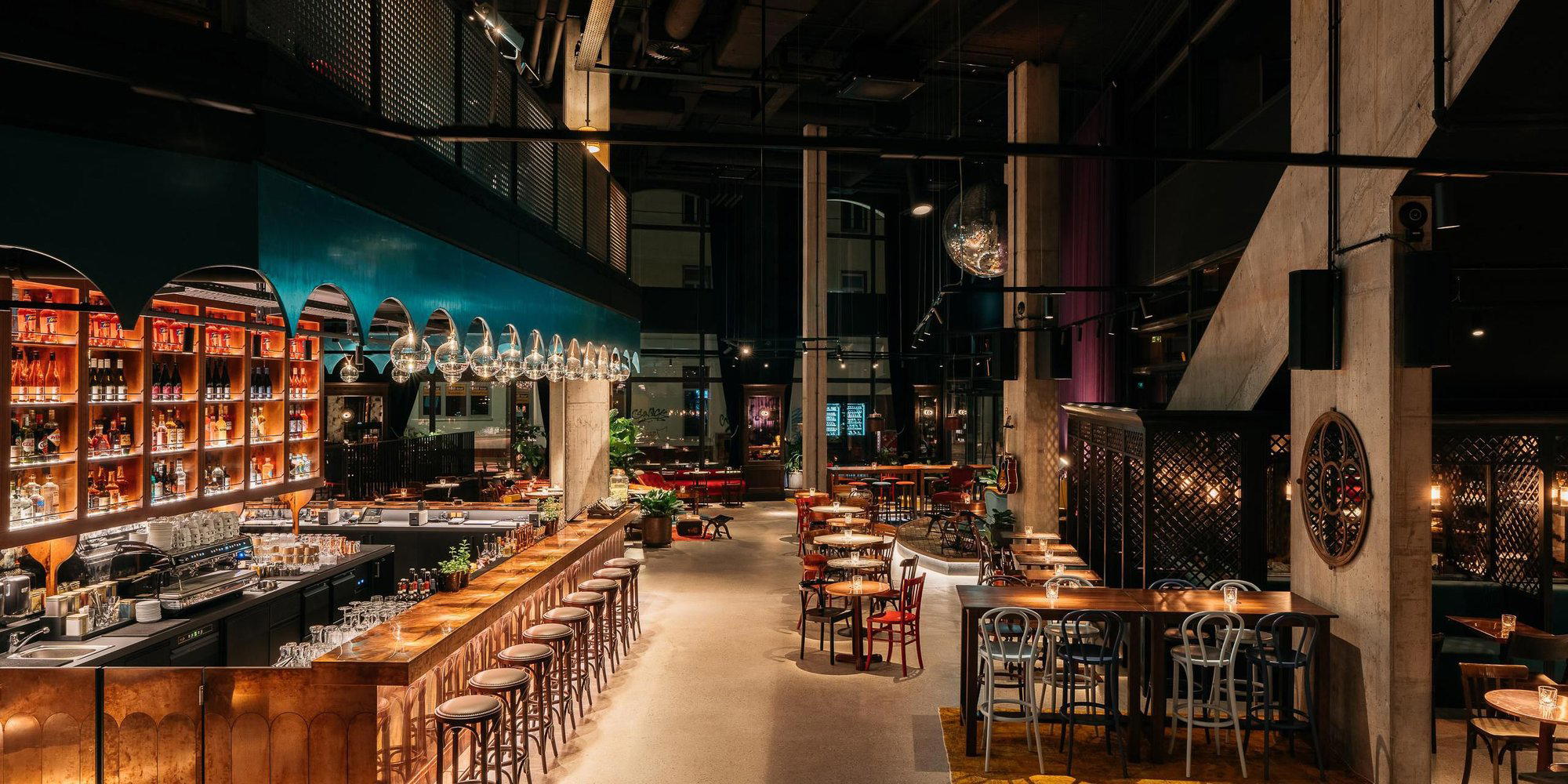

At a Glance
- Cozy
- Elegant
- Intimate
- Classic
- Date Night
- Special Occasion
- Business Dinner
- Terrace
- Historic Building
- Extensive Wine List
- Farm To Table
- Local Sourcing
Current opening hours
- Monday
- Closed
- Tuesday
- 6:30–11 PM
- Wednesday
- 12–2 PM, 6:30–11 PM
- Thursday
- 12–2 PM, 6:30–11 PM
- Friday
- 12–2 PM, 6:30–11 PM
- Saturday
- 12–2 PM, 6:30–11 PM
- Sunday
- Closed
Hours can change for holidays and private events. Last verified .
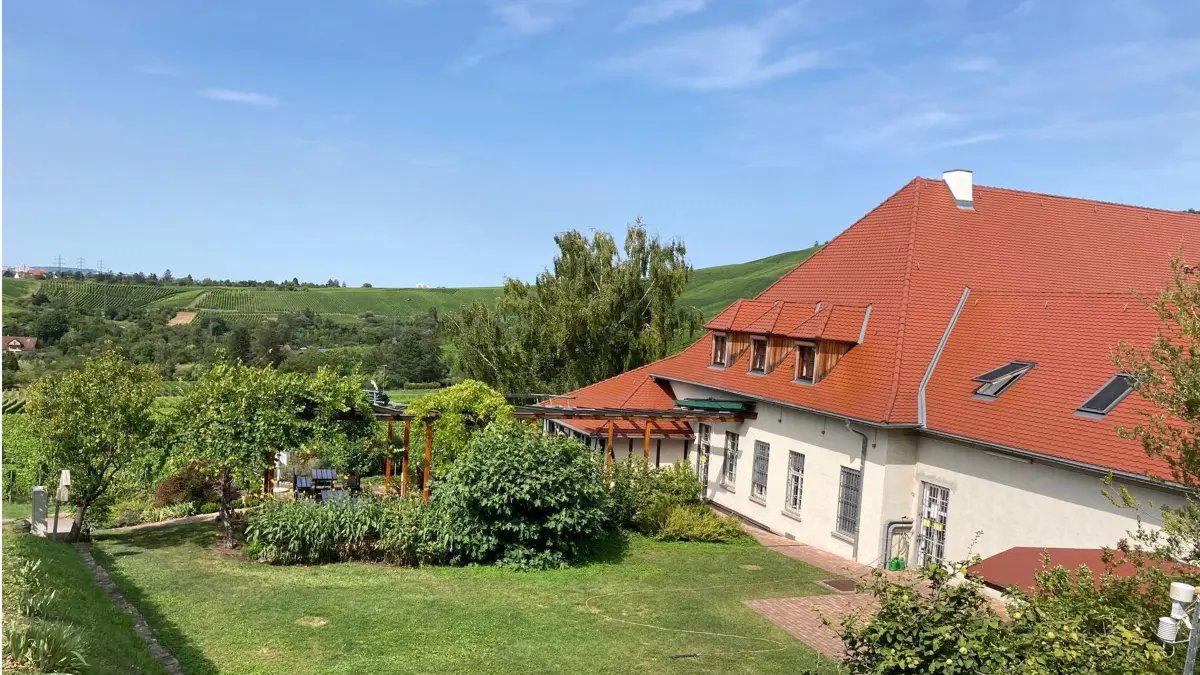
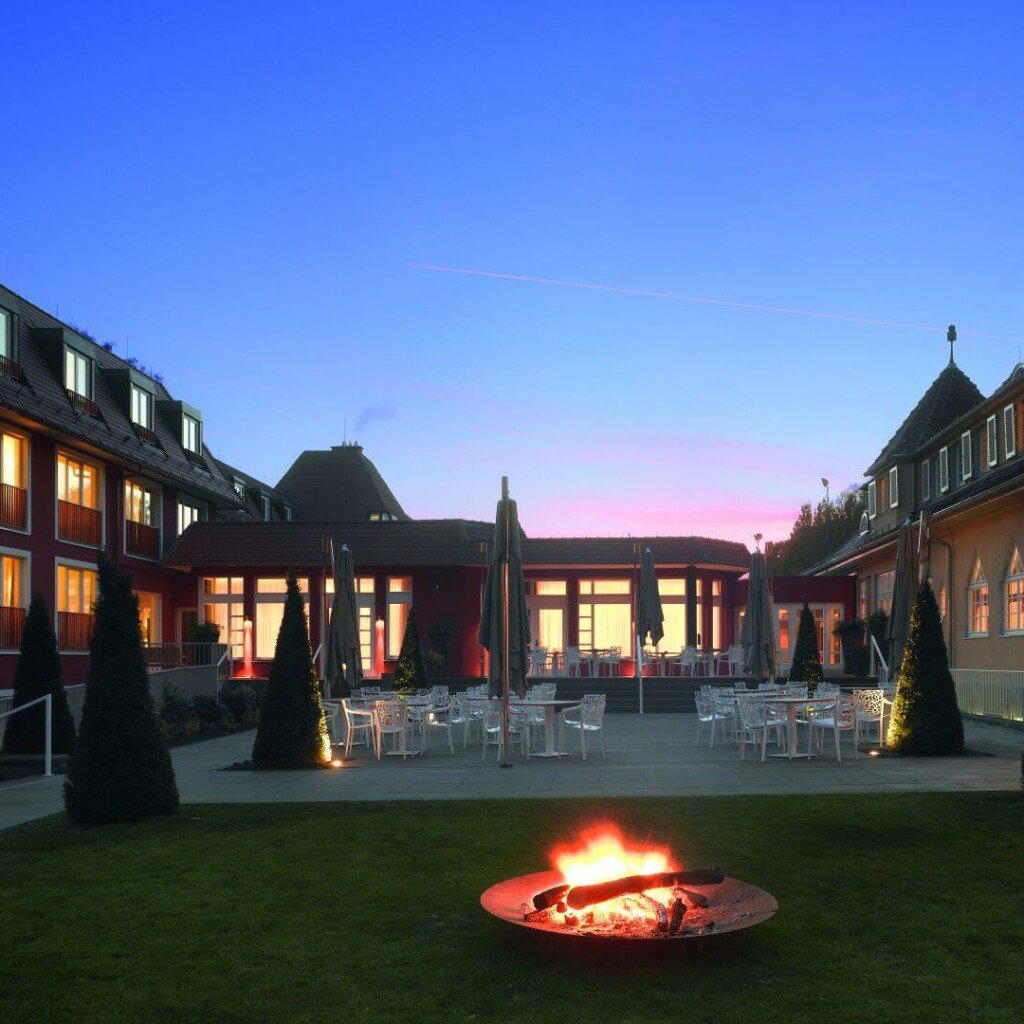
Cozy and elegant atmosphere in historic rooms with stylish, relaxed lighting and welcoming historic wooden seating.