
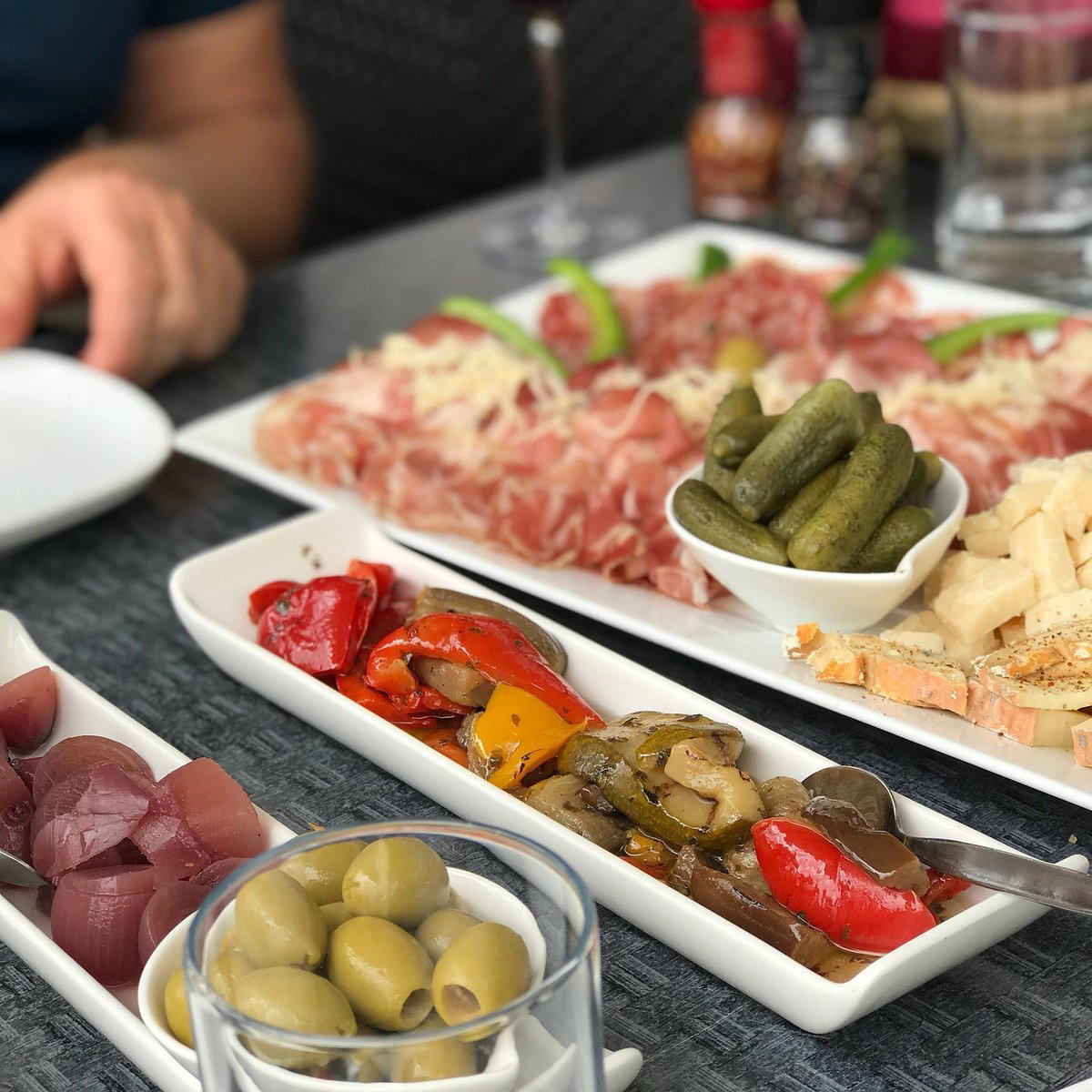
Perched above the village of Zellberg in the Austrian Tyrol, Schulhaus Tirol serves classic regional cuisine with a sourcing philosophy rooted in the surrounding alpine landscape. Tauern lamb, local char, and Wiener schnitzel anchor a menu that reads as a direct argument for Tyrolean ingredients.
Pearl is the En Primeur Club membership app — saves, bookings, and concierge access live there. Same editors, same standards.
- Address
- Zellberg 162, 6277 Zellberg, Austria
- Phone
- +43 5282 3376
- Website
- schulhaus.tirol
- Directions
- Get directions
 Saves & bookings on Pearl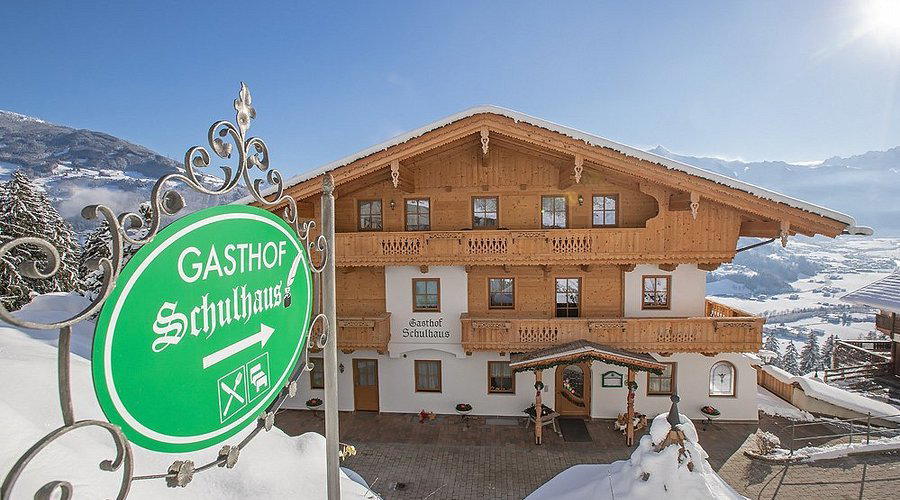
The Road Up and What It Means
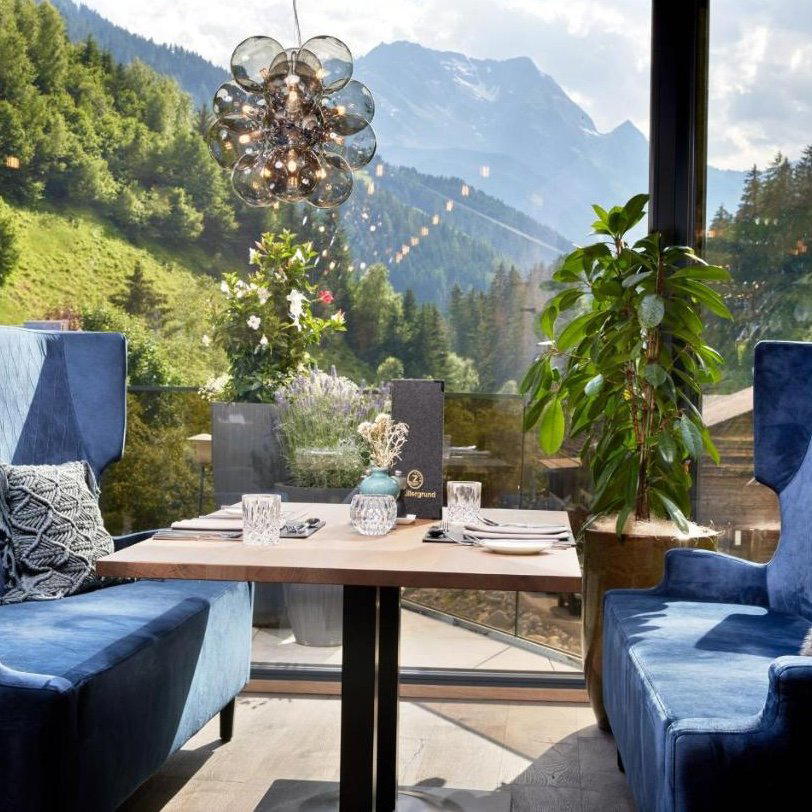
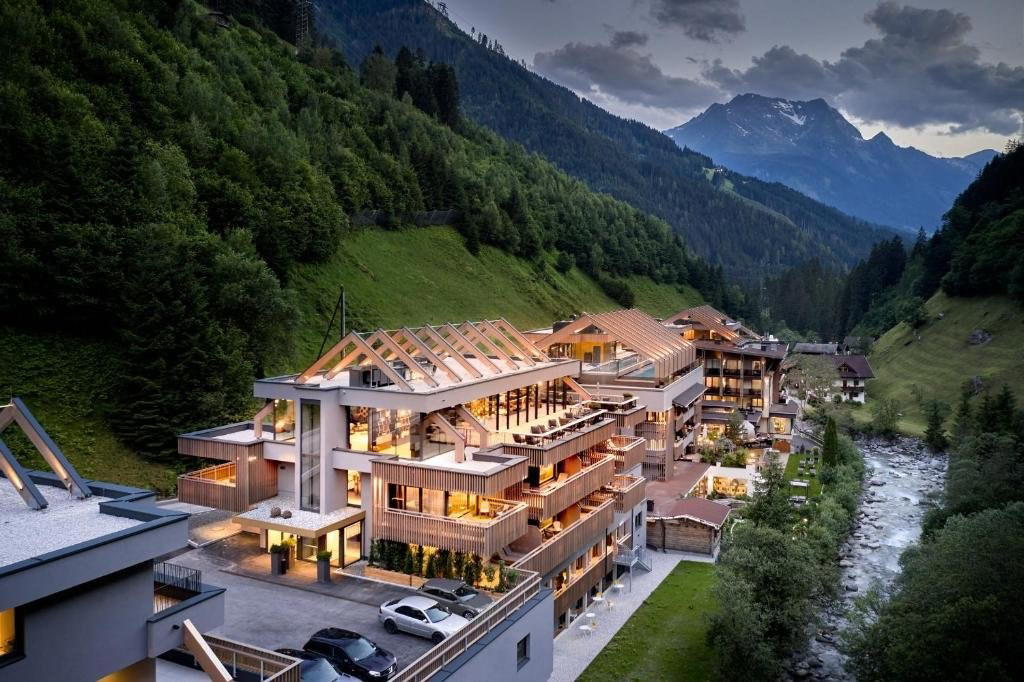
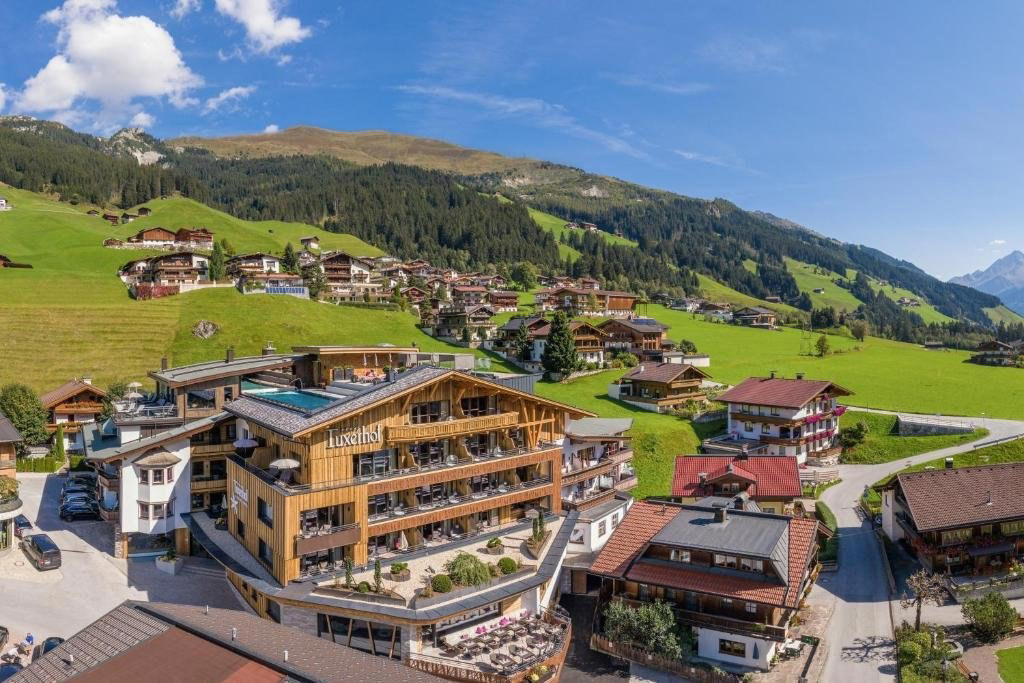
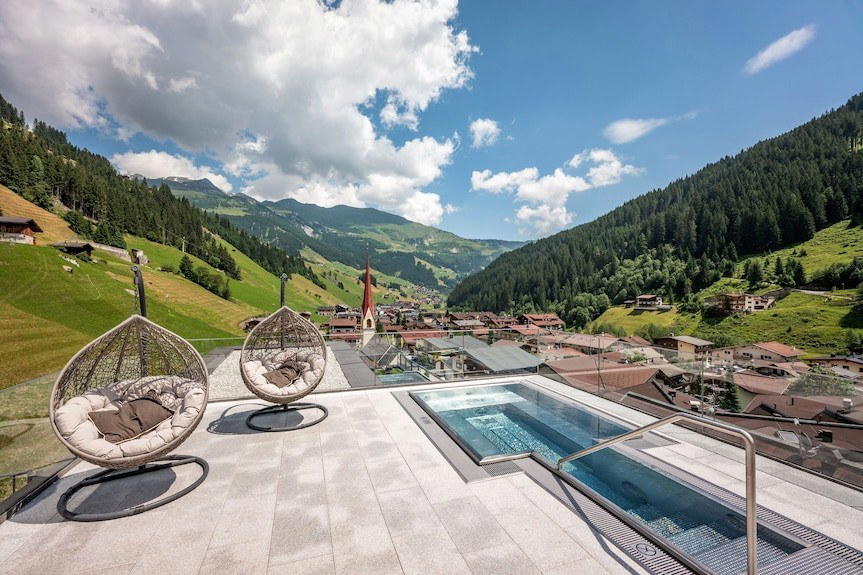
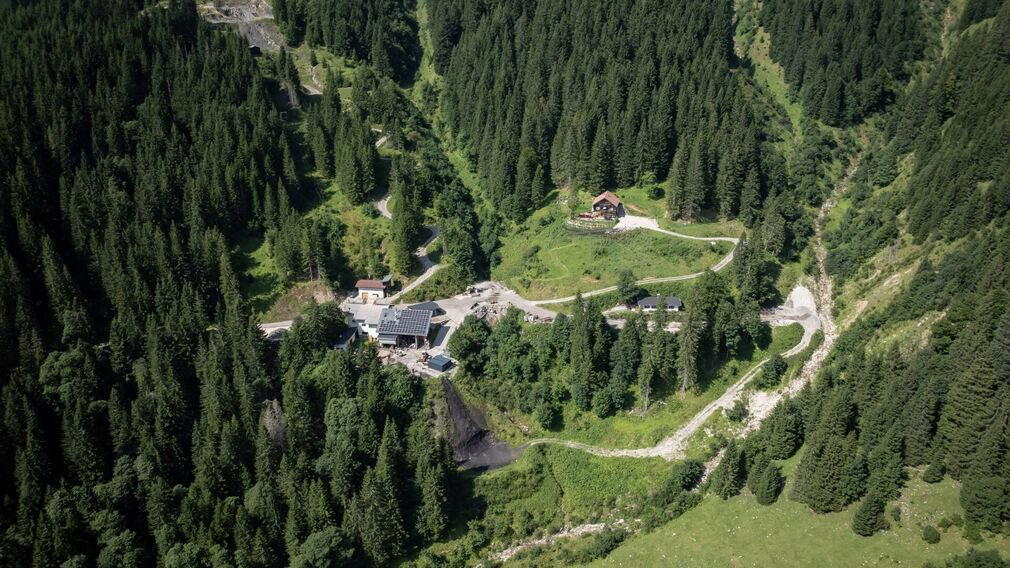
The approach to Schulhaus Tirol tells you something important before you sit down. The restaurant sits above the village of Zellberg in the Zillertal, accessed by a climb steep enough to discourage the uncommitted. What greets you on arrival is a valley panorama that frames the meal in a particular way: this is food that belongs to a place, and the place insists on making itself known. That relationship between altitude, terrain, and the ingredients it produces is not incidental here; it is the operating logic of the kitchen.
Tyrolean mountain cooking has always been shaped by necessity. The short growing season, the altitude, and the proximity of alpine pasture and cold glacial rivers produce a specific larder. Char from mountain lakes, lamb from high-altitude grazing, and the techniques that preserve and concentrate flavour through long winters define the tradition. Schulhaus Tirol works within that tradition while placing it at the €€€ price point, which positions it above casual Gasthäuser but below the tasting-menu format of Tyrolean fine dining addresses such as Gourmetrestaurant Tannenhof in Sankt Anton am Arlberg or Griggeler Stuba in Lech. It is a mid-tier in terms of price, but not in terms of seriousness.
Where the Ingredients Come From and Why It Matters
The menu at Schulhaus Tirol reads as a map of the surrounding region's most legible produce. Local char appears as a central item, and char is worth attention as an ingredient: it requires cold, clean, well-oxygenated water to thrive, which makes it an effective indicator species for the quality of an alpine water system. The Zillertal river network and its feeder streams provide exactly those conditions, and char sourced locally arrives without the loss of texture that comes with transport. The difference between char pulled from a nearby cold-water source and farmed char trucked in from a lowland facility is significant at the table.
Tauern lamb, presented two ways, brings in a different geographical reference. The Hohe Tauern range, the alpine massif that runs through Tyrol and Salzburg, produces lamb that grazes on high pasture through summer. The altitude and the diversity of alpine grasses give the meat a flavour profile that differs from lowland lamb, carrying more mineral depth and less of the lanolin weight that can dominate intensively farmed product. Serving it two ways suggests a kitchen interested in demonstrating what the ingredient can do across different preparations, rather than treating it as a single textural exercise.
The inclusion of Tristan rock lobster extends the sourcing logic outward from the immediate region, representing the kind of considered import that serious Austrian kitchens deploy alongside their local produce. Austrian restaurant cooking has a long tradition of working premium seafood and shellfish into menus that are otherwise deeply landlocked, a pattern visible at addresses from Döllerer in Golling an der Salzach to Obauer in Werfen. The Wiener schnitzel, meanwhile, sits at the opposite end of the provenance argument: it is a dish whose quality depends almost entirely on execution and on the quality of the veal, neither of which can be faked at the table.
The Room and the Service Register
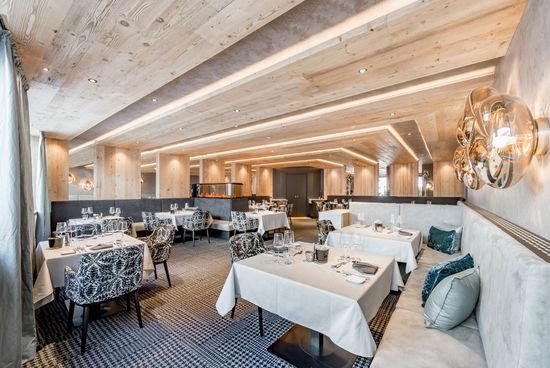
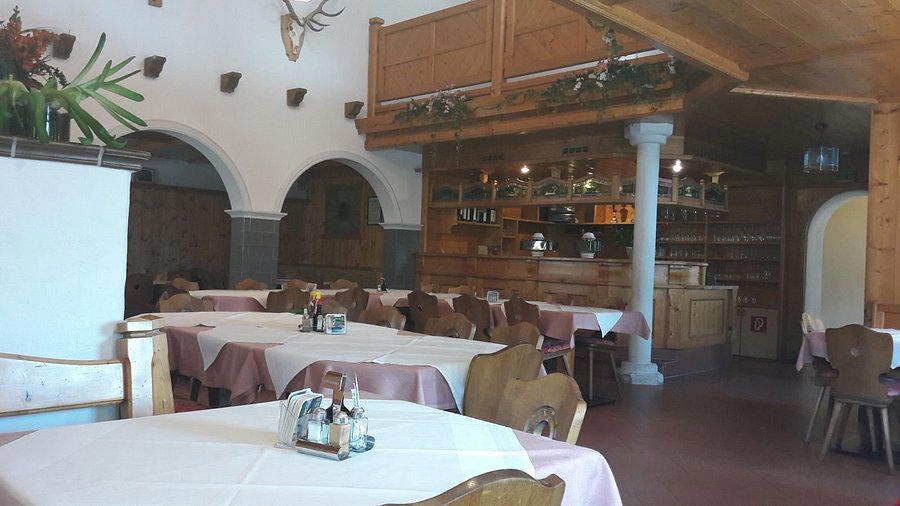
The atmosphere inside is described consistently as cosy, a word that in the Austrian alpine context has specific physical implications: low ceilings, warm materials, a dining room scaled to conversation rather than performance. The service is provided by an experienced team working in a friendly register, which at this price point and in this format means attentive without being formal. The experience sits closer to a well-run inn than to a hotel restaurant, and that distinction matters for how the meal unfolds. There is no theatre of service here, no choreographed presentation. The food is the focus.
Wine selection is described as good, which at a €€€ address in the Tyrol typically means a thoughtful Austrian list with representation from Styria and the Wachau alongside local and South Tyrolean bottles. Austrian wine's strength at this price point lies in its white wine depth, particularly Grüner Veltliner and Riesling, and both pair effectively with alpine fish and lamb.
Schulhaus Tirol in Austrian Mountain Dining Context
Austria's mountain restaurant scene has developed along two distinct lines. On one side, the resort-town fine dining addresses, which operate inside the seasonal rhythms of ski tourism and price accordingly, often running multi-course tasting formats with international reference points. Stüva in Ischgl represents that register. On the other side sit the more regionally grounded inns that prioritise local ingredients and traditional formats over tasting-menu ambition, often achieving guest loyalty and recognition without the formal award infrastructure that resort addresses attract.
The restaurant occupies the second category, but at the serious end of it. For context, that volume of reviews at that average score places it in a small group of Tyrolean addresses that generate genuine word-of-mouth rather than relying on destination tourism alone. The combination of sourcing depth, traditional format, and that rating pattern aligns it more closely with regionally grounded addresses like Gannerhof in Innervillgraten than with the contemporary Austrian fine dining represented by Steirereck im Stadtpark in Vienna or Ikarus in Salzburg.
Within its category, it competes with addresses across the Austrian alpine corridor, including Schwarzer Adler in Hall in Tirol and Restaurant 141 by Joachim Jaud in Mieming. Regionally focused kitchens outside the Tyrol, such as Kräuterreich by Vitus Winkler in Sankt Veit im Pongau and Ois in Neufelden, and Swiss counterpart Fahr in Künten-Sulz, represent the broader European tradition this kitchen belongs to.
Planning Your Visit
Zellberg sits in the Zillertal, accessible from Innsbruck via the A12 motorway and the B169 valley road, with the village of Zellberg reached by a local road climbing above the valley floor. The steep final approach means arriving by car is the practical option; the inn sits at Zellberg 162. Given the 4.8 rating and the limited scale of a village inn, booking ahead is advisable, particularly through summer and winter peak seasons when Zillertal visitor numbers are highest.
Comparison Snapshot
Comparable venues nearby, for context on price, style, and recognition.
| Venue | Cuisine | Price | Awards | Notes |
|---|---|---|---|---|
| Schulhaus TirolThis venue — the venue you are viewing | Modern Austrian Regional Cuisine | $$$ | Michelin Plate | Not listed |
| Wedelhütte | Modern Austrian Mountain Cuisine | $$$ | Not listed | Zellberg |
| Lamark - Stube | Modern Tyrolean Cuisine | $$$ | Michelin Plate | Hochfügen |
| Der Unterwirt | Modern Austrian | $$$ | Michelin Plate | Ebbs |
| Rauchkuchl | Traditional Austrian Alpine | $$$ | Michelin Plate | Stuhlfelden |
| Gasthof Stanglwirt | Seasonal Tyrolean Regional | $$$ | Michelin Plate | Going am Wilden Kaiser |
Recognition history
Dated appearances from independent guides and award organizations, with the underlying list record or original source where available.
Michelin Plate
Michelin
Michelin Plate
Michelin
Continue exploring
More in Zellberg
Restaurants in Zellberg
Browse all →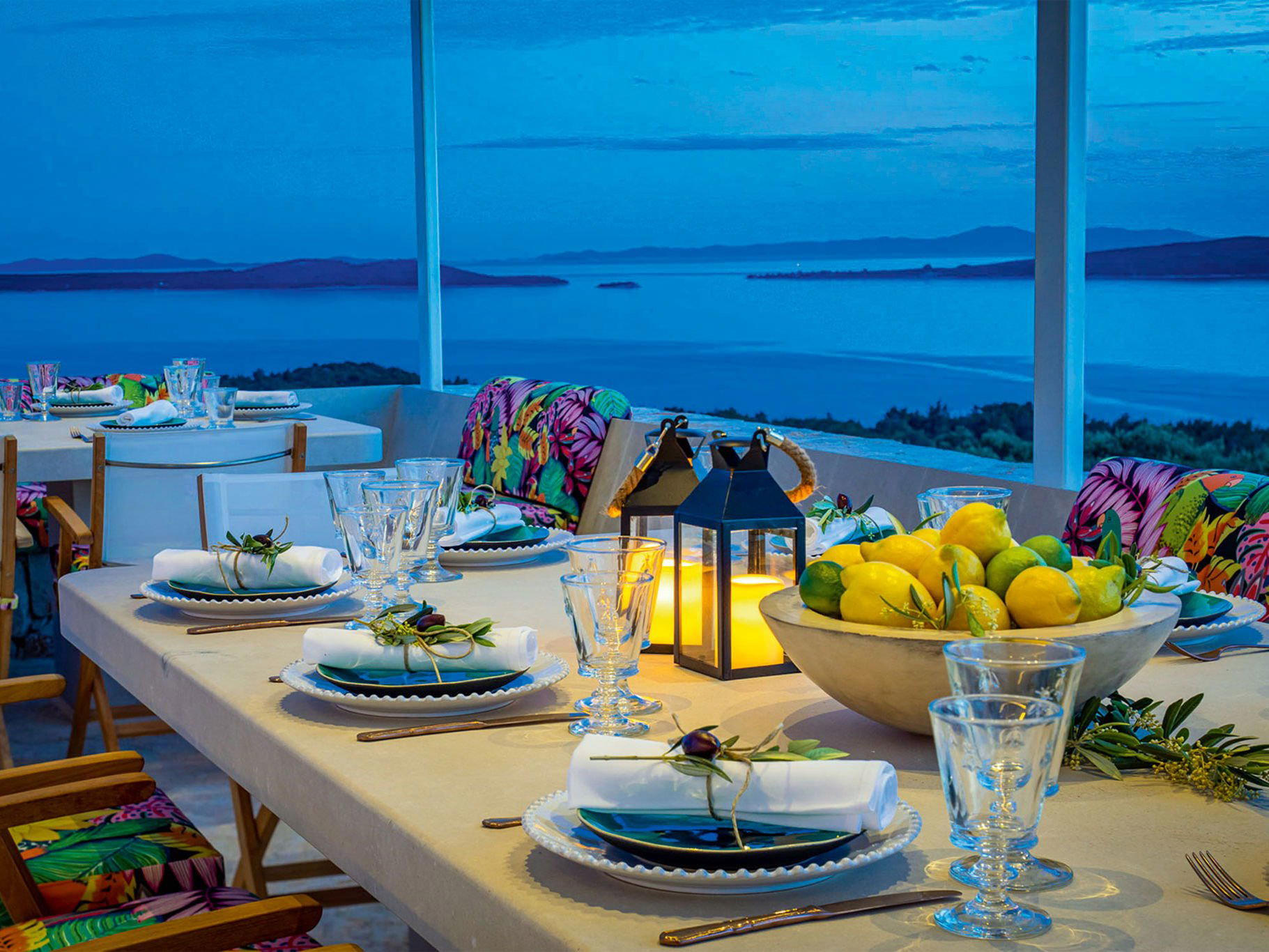
Bars in Zellberg
Browse all →
Hotels in Zellberg
Browse all →

At a Glance
- Romantic
- Cozy
- Elegant
- Scenic
- Classic
- Date Night
- Special Occasion
- Celebration
- Terrace
- Panoramic View
- Standalone
- Extensive Wine List
- Sommelier Led
- Local Sourcing
- Farm To Table
- Mountain
Cosy and elegant atmosphere balancing warmth with sophistication; intimate dining rooms with impressive mountain vistas from the terrace; warm lighting and refined decor create an inviting yet upscale setting.