DieMarie
DieMarie sits at Rohrerstraße 4 in Zell am Ziller, a Tyrolean valley town where the kitchen culture leans heavily on what grows, grazes, and ferments within reach of the surrounding Alps. The address places it within a dining scene that prizes regional sourcing above all else, making it a reference point for visitors wanting to eat with genuine Alpine context rather than resort-menu approximation.
Pearl is the En Primeur Club membership app — saves, bookings, and concierge access live there. Same editors, same standards.
- Address
- Rohrerstraße 4, 6280 Zell am Ziller, Austria
- Phone
- +434352822236
- Website
- diemarie.tirol
- Directions
- Get directions
 Saves & bookings on Pearl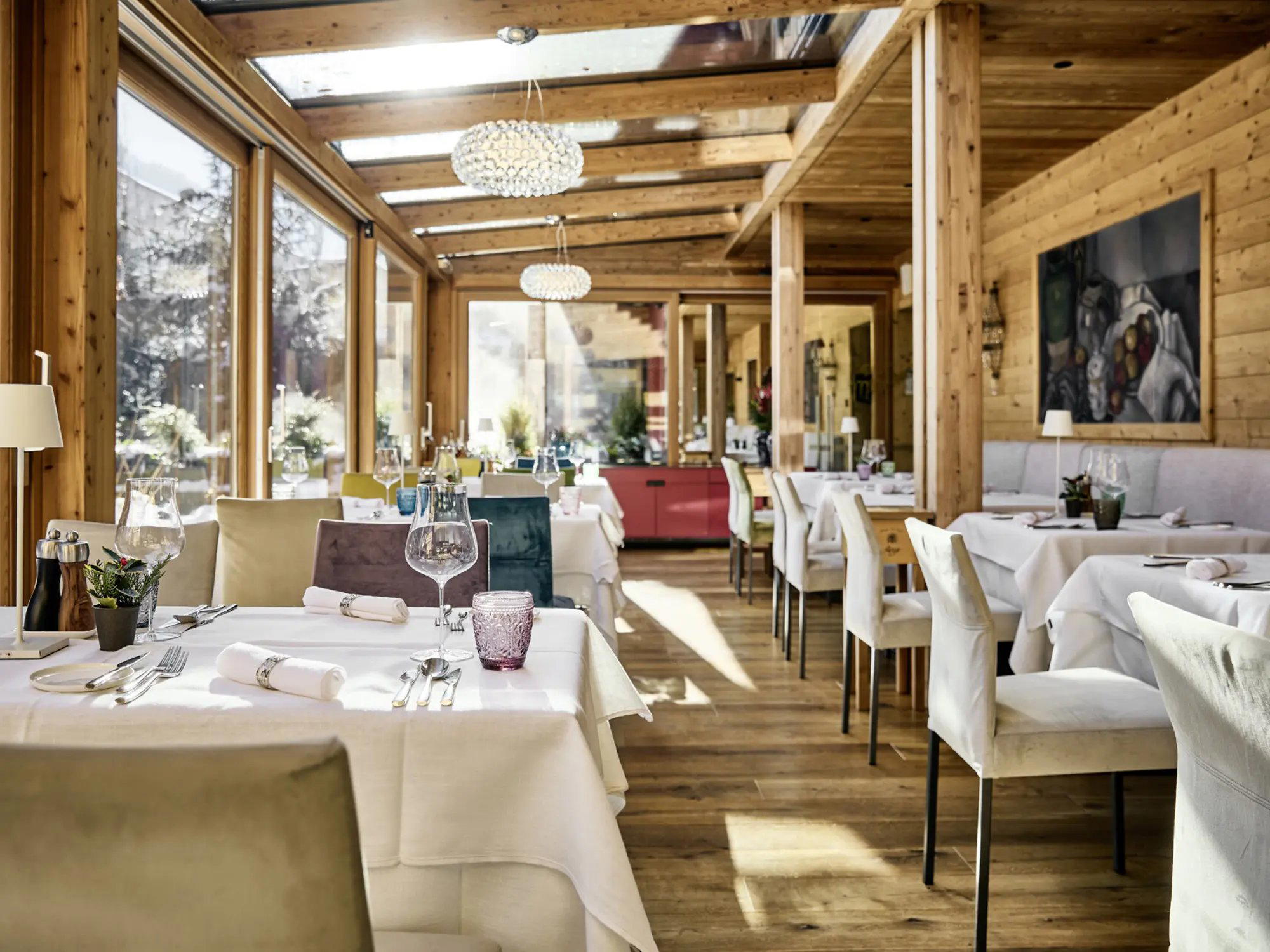
Where the Alps Feed the Kitchen
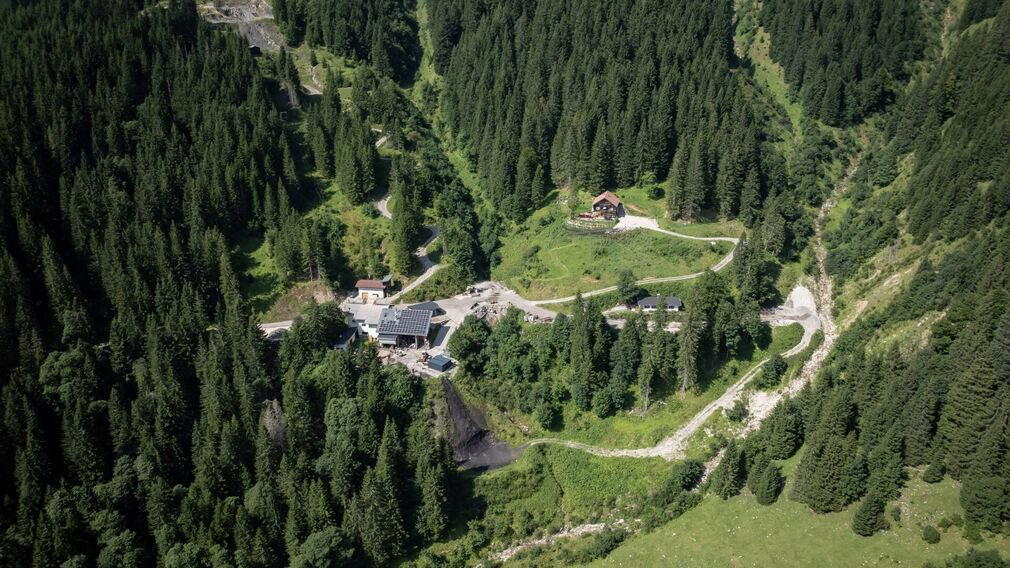
Zell am Ziller occupies the lower Zillertal valley at an elevation where the pastoral and the alpine overlap. The meadows that surround the town produce milk, cheese, and meat with a regional character that Austrian kitchens further afield spend considerable effort trying to replicate. In this context, a restaurant at Rohrerstraße 4 is not simply a dining address: it is a position within a supply network that the surrounding landscape makes unusually direct. The farms are close, the seasons are compressed, and the cold amplifies flavour in ways that lowland producers rarely achieve with the same consistency.
DieMarie operates within that environment as a modern Austrian restaurant. The name itself carries the familiar, unhurried register of a place that positions itself as part of the community rather than above it, a distinction that matters in a town where visitors arrive for the mountain, not for dining theatre. Across the Austrian alpine dining scene, from Gourmetrestaurant Tannenhof in Sankt Anton am Arlberg to Stüva in Ischgl, particularly interesting addresses have learned to use mountain provenance as a structural argument rather than a decorative detail. The question is always the same: does the sourcing determine the menu, or does the menu use sourcing as an afterthought?
Tyrolean Sourcing as Editorial Principle
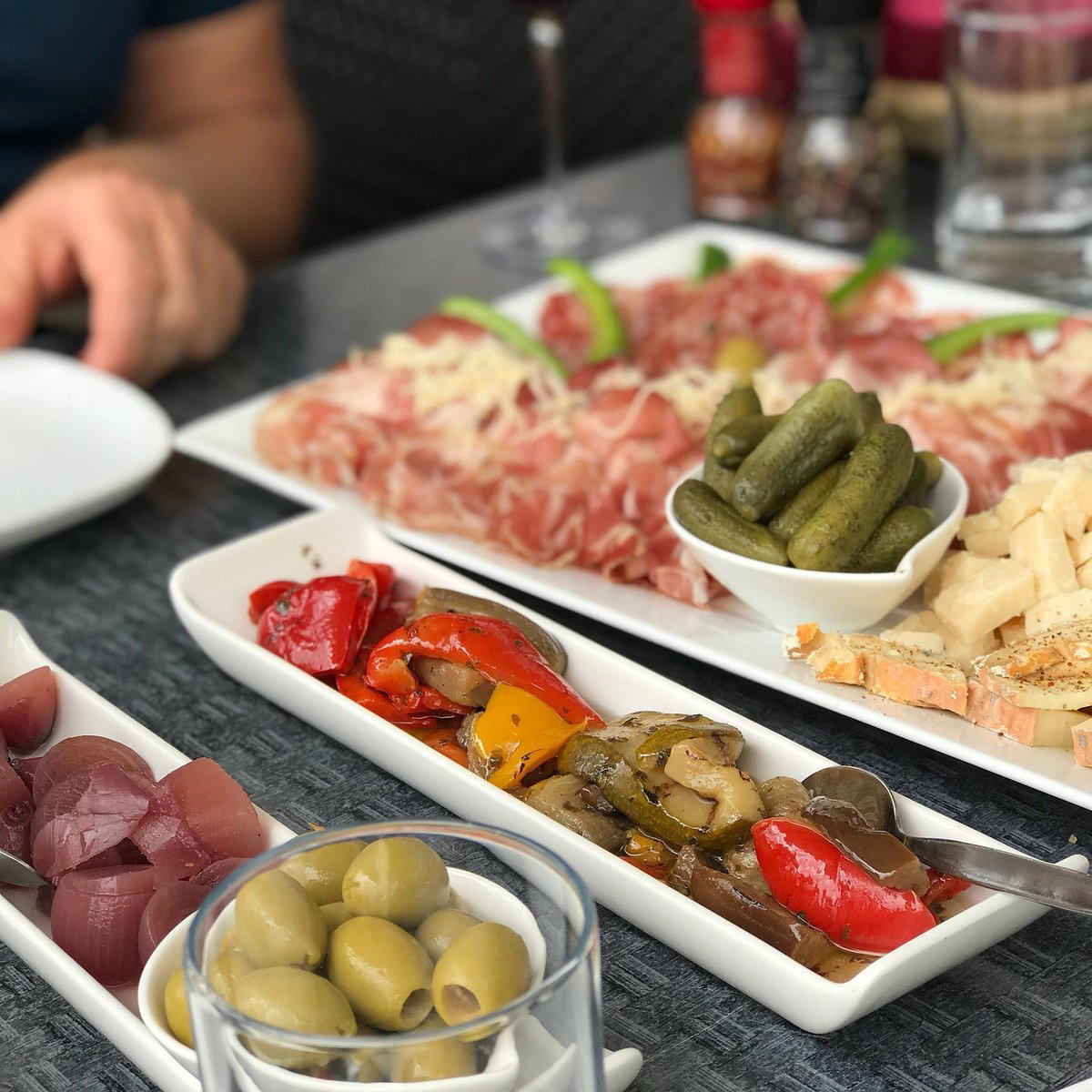
The Zillertal has a specific culinary identity built around dairy farming, rye cultivation, and game. These are not interchangeable with Salzburg or Vorarlberg equivalents: the altitude, the grass composition, and the curing traditions in Tyrol produce a distinct flavour profile that regional kitchens can either honour or squander. At its most considered, Tyrolean cooking treats Speck not as a garnish but as an argument about preservation, smoke, and time. The same logic applies to mountain cheese aged in local cellars, to lamb grazed on high pastures, and to wild herbs that emerge for narrow seasonal windows.
This is the framework within which Austria's most thoughtful kitchens now compete. Döllerer in Golling an der Salzach built its reputation on treating Alpine ingredients with the rigour that urban fine-dining kitchens apply to imported luxuries. Kräuterreich by Vitus Winkler in Sankt Veit im Pongau made wild herb sourcing the explicit centre of its identity. Even at the national level, Steirereck im Stadtpark in Vienna anchors its reputation on the specificity of Austrian regional produce brought to a metropolitan table. In Zell am Ziller, the sourcing advantage is geographic and immediate rather than curated from a distance.
The Dining Character of the Zillertal
The valley's dining scene sits at a moderate price tier, with meals around $50 per person. Zell am Ziller draws a mix of hiking and skiing visitors alongside year-round locals, and its restaurants reflect that balance. The register is generally accessible rather than ceremonial, and the interesting work here happens through ingredient quality and kitchen knowledge rather than elaborate format. HeLeni and Wilde Kräuterküche both represent this accessible-but-serious approach within the same town, a sign that Zell am Ziller has enough culinary ambition to support differentiated options rather than generic resort menus.
For broader comparison across the Austrian alpine dining tier, the comparable set includes addresses like Griggeler Stuba in Lech and Schwarzer Adler in Hall in Tirol, both of which operate with formal structure and strong regional sourcing credentials. DieMarie occupies a different register, one where the value proposition is directness of supply and local rootedness rather than Michelin-tier precision. That is not a lesser position; it is a different one, and for many visitors to the Zillertal it is precisely the point.
What the Surrounding Region Offers
Austria has developed a cohort of serious restaurants outside the obvious urban circuit. Obauer in Werfen demonstrated decades ago that provincial addresses could sustain genuine culinary ambition. Landhaus Bacher in Mautern an der Donau and Taubenkobel in Schützen am Gebirge built destination reputations without relying on a city address. Ois in Neufelden and Restaurant 141 by Joachim Jaud in Mieming extended that pattern into smaller communities. The pattern is consistent: when regional sourcing is treated seriously, the postal code becomes an asset rather than an obstacle. The Zillertal sits within this broader Austrian conversation, and DieMarie's address places it in a valley with the raw material to participate in it.
Internationally, the shift toward provenance-led cooking in mountain environments is not specific to Austria. From Lazy Bear in San Francisco to the tightly sourced tasting format at Le Bernardin in New York City, durable dining arguments in any format tend to begin with a clear answer to where the ingredients come from. In alpine Tyrol, that answer is visible from the dining room window.
Planning Your Visit
DieMarie is located at Rohrerstraße 4, 6280 Zell am Ziller, Austria, accessible from Innsbruck via the A12 motorway with a turn into the Zillertal at Jenbach, a drive of roughly 45 minutes under normal conditions. Zell am Ziller has a train station served by the Zillertal Railway from Jenbach, making car-free arrival practical for visitors coming from Innsbruck or Salzburg. The town operates across two distinct seasonal peaks: winter skiing (typically December through March) and summer hiking (June through September), with the busiest dining periods falling in January and February and again in July and August. Visitors aiming for a quieter experience with the same access to fresh regional produce would do well to consider the shoulder months of May or October. Reservations are recommended, and the restaurant is open daily from 7:15 AM to 9 PM. For high-altitude fine dining with formal recognition, the Austrian alpine circuit runs through Ikarus in Salzburg and the addresses noted above.
How It Stacks Up
Comparable venues nearby, for context on price, style, and recognition.
| Venue | Cuisine | Price | Notes |
|---|---|---|---|
| DieMarieThis venue — the venue you are viewing | Modern Austrian | $$$ | Not listed |
| HeLeni | Modern Austrian Fine Dining | $$$$ | Zell am Ziller |
| Wilde Kräuterküche | Creative Wild Herb Kitchen | $$$ | Zell am Ziller |
| Maierl-Alm | Modern Tyrolean Alpine Cuisine | $$$ | Kirchberg in Tirol |
| im Stadl | Modern Tyrolean with Regional Influences | $$$ | Nußdorf-Debant |
| Bierol | Austrian Craft Brewery Gastropub | $$$ | Schwoich |
Continue exploring
More in Zell am Ziller
Restaurants in Zell am Ziller
Browse all →
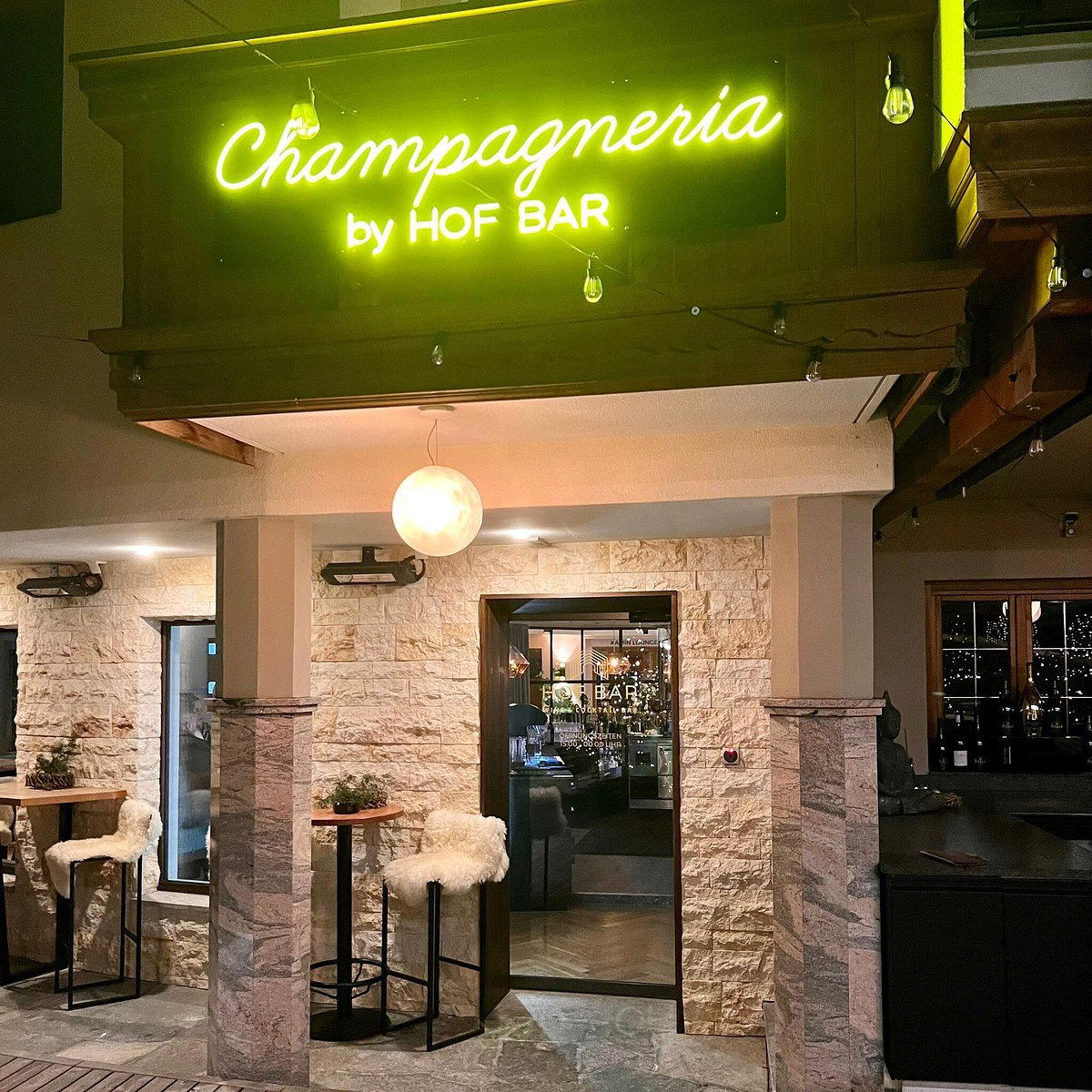
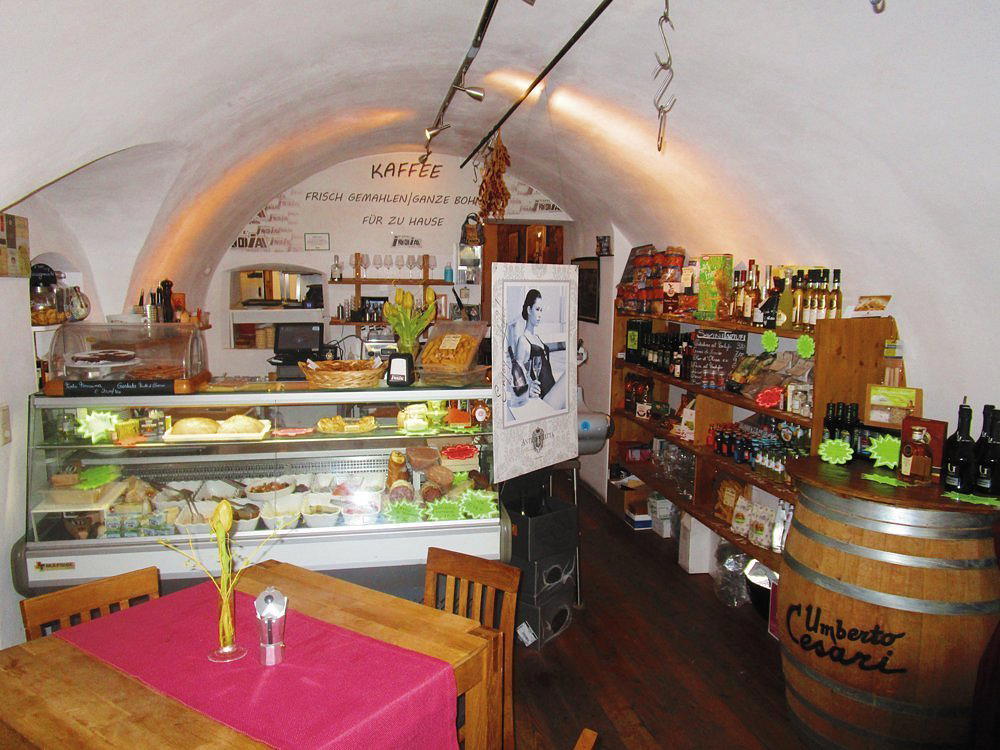
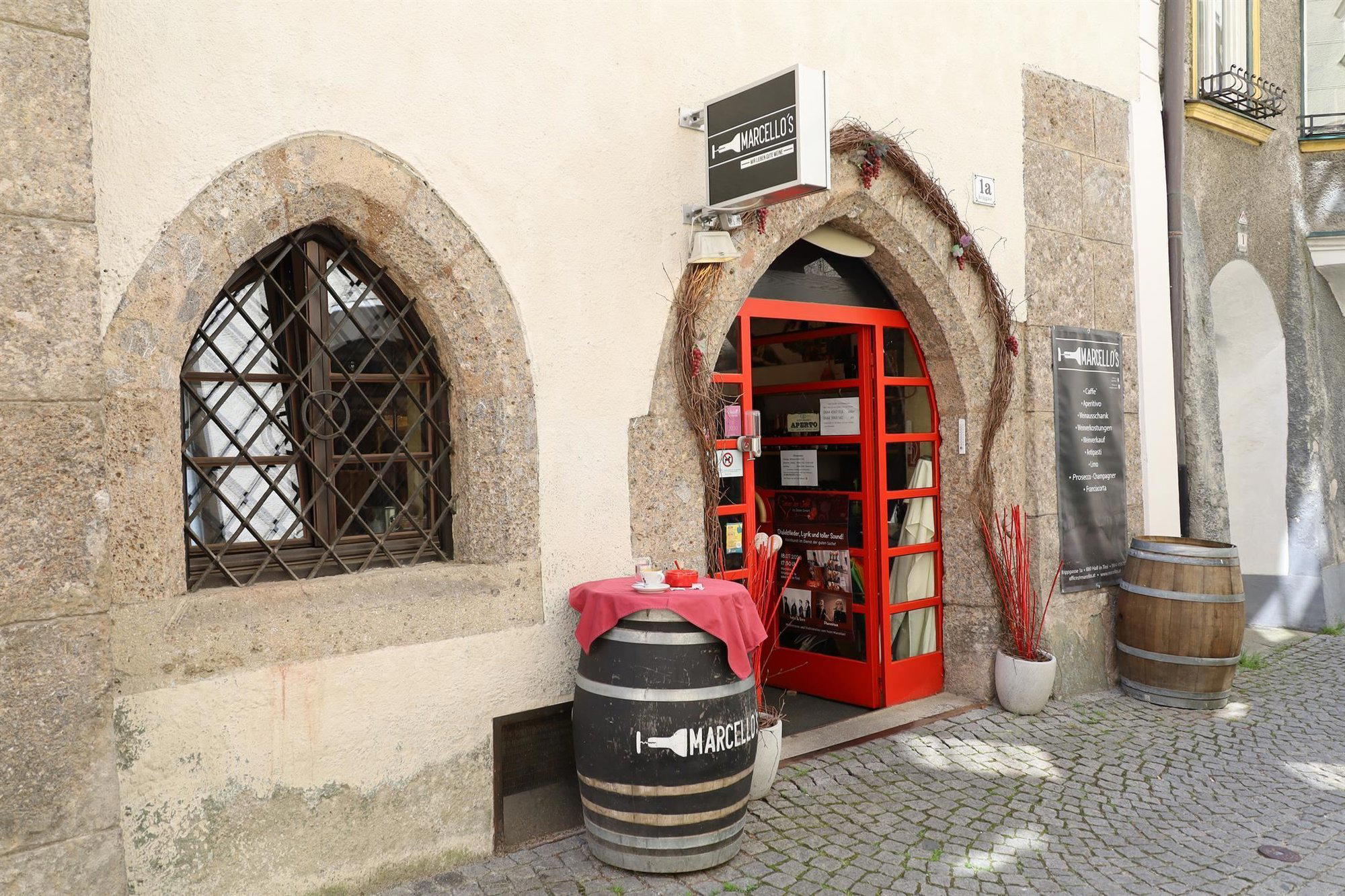
Bars in Zell am Ziller
Browse all →
Hotels in Zell am Ziller
Browse all →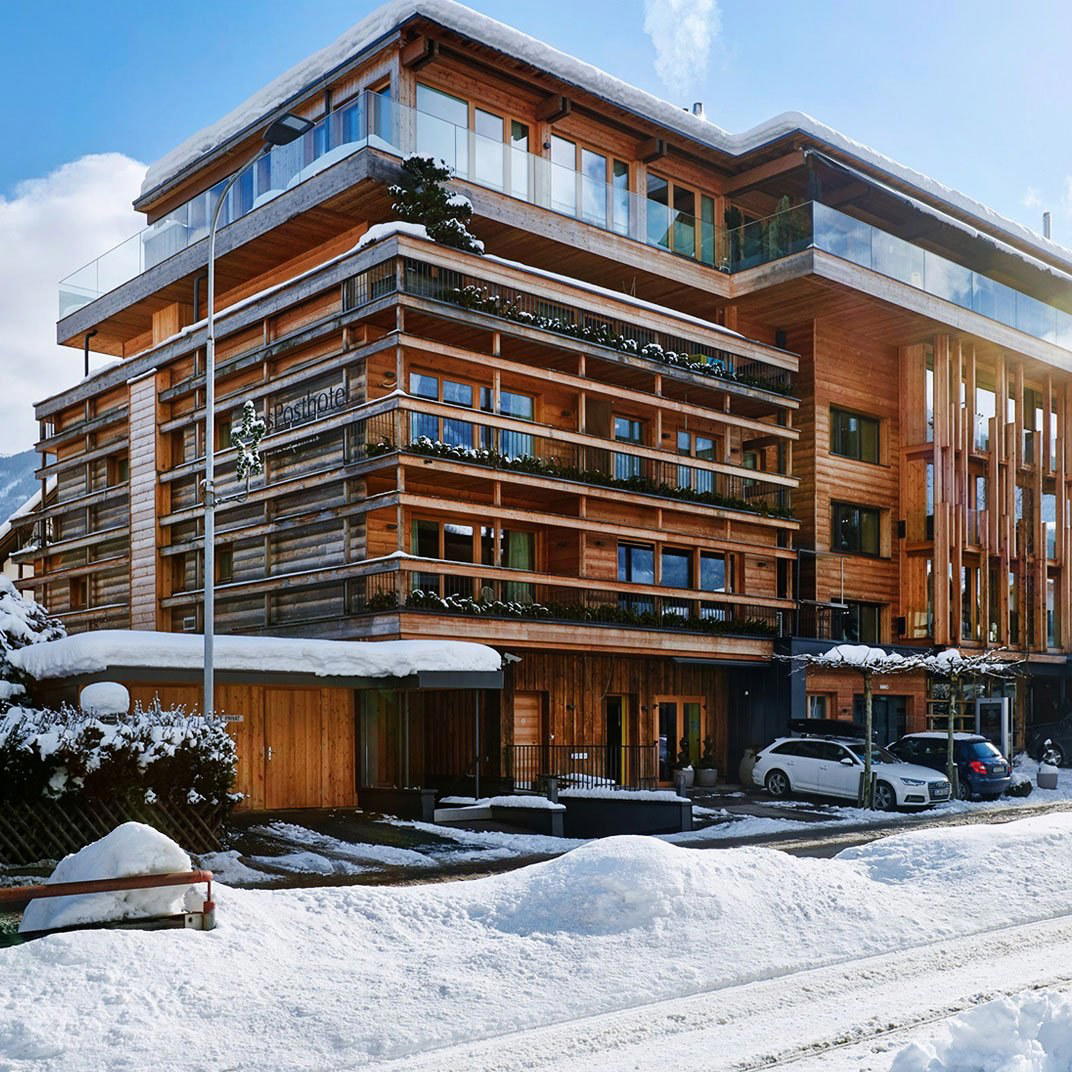

At a Glance
- Cozy
- Rustic
- Elegant
- Special Occasion
- Family
- Hotel Restaurant
- Extensive Wine List
- Organic
- Local Sourcing
- Mountain
Current opening hours
- Monday
- 7:15 AM–9 PM
- Tuesday
- 7:15 AM–9 PM
- Wednesday
- 7:15 AM–9 PM
- Thursday
- 7:15 AM–9 PM
- Friday
- 7:15 AM–9 PM
- Saturday
- 7:15 AM–9 PM
- Sunday
- 7:15 AM–9 PM
Hours can change for holidays and private events. Last verified .
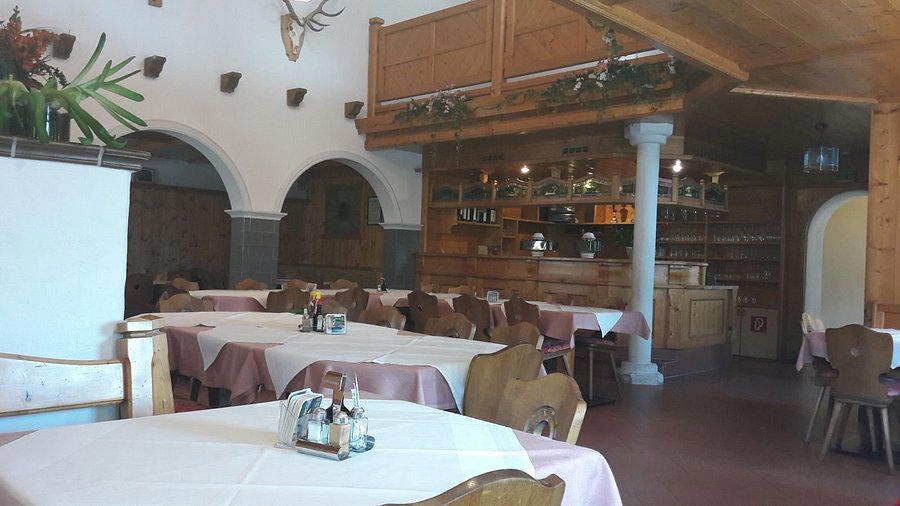
Cozy wooden tables with a warm, down-to-earth yet sophisticated atmosphere.