Our verdict
Waly-Fay sits on Rue Godefroy Cavaignac in the 11th arrondissement, a stretch that has quietly accumulated some of Paris's more interesting independent restaurants over the past decade. The address places it inside a neighbourhood defined less by grand dining rooms than by the kind of cooking that rewards regulars. For those tracking how Paris's east has evolved beyond its bistro roots, this is a useful stop on that map.

Pearl is the En Primeur Club membership app — saves, bookings, and concierge access live there. Same editors, same standards.
- Address
- 6 Rue Godefroy Cavaignac, 75011 Paris, France
- Phone
- +33 1 40 24 17 79
- Hours
- Mon–Fri 12–3 PM, 7 PM–12 AMSat–Sun 7 PM–12 AM
- Website
- walyfay.fr
- Directions
- Get directions
- Booking
- Book on Zenchef
The menu
What to order
- Yassa chicken
- Jumbo shrimp creole
- Poulet ndole
- Sea bream
- Alloco
The 11th and Its Long Reinvention
Paris's 11th arrondissement has been rewriting its dining identity for the better part of fifteen years. What began as a neighbourhood of reliable zinc-bar bistros and neighbourhood canteens gradually absorbed a wave of chefs who found rents lower and expectations more open than in the 8th or the 7th. By the mid-2010s, streets between Bastille and Charonne had become shorthand for the kind of cooking that sits outside the grand Parisian tradition: less formal, more willing to pull from West Africa, the Levant, or Southeast Asia without apologising for it. Waly-Fay, at 6 Rue Godefroy Cavaignac, occupies precisely that context.
The address is in the quieter interior of the 11th, away from the Oberkampf tourist circuit and the density of Rue de la Roquette. This part of the arrondissement has a specific character: the foot traffic is more residential than destination-driven, which tends to produce restaurants that rely on repeat custom rather than first impressions. That pattern shapes everything from portion logic to pricing, and it is worth understanding before you arrive expecting the kind of highly choreographed service that defines something like Le Cinq at the Four Seasons George V or the controlled theatrical energy of Alléno Paris au Pavillon Ledoyen.
How This Address Has Changed
The broader evolution of the 11th is a useful frame for understanding what Waly-Fay represents in 2024. When Paris's neo-bistro wave crested around 2012 to 2015, it was concentrated in a handful of streets in the 10th and 11th, and the model was consistent: small rooms, chalkboard menus, natural wine lists, and a conspicuous rejection of white tablecloths. That moment has aged, and the restaurants that survived it have typically done one of two things: they have tightened their culinary identity and moved upmarket in terms of ingredient sourcing and menu discipline, or they have settled into neighbourhood institution status, valued more for consistency than for edge.
Restaurants that sit between those two poles — trying to maintain the informality of the neo-bistro era while pushing the cooking in more specific cultural directions — are the more interesting cases to track. West African cooking in Paris has a much longer history than the neo-bistro moment, rooted in the city's significant Senegalese, Malian, and Ivorian communities, but the integration of that tradition into the kind of dining room that attracts a mixed, curiosity-driven Parisian crowd is a more recent and still-developing shift. For context on what ambition looks like at the top of French fine dining more broadly, the contrast with Arpège or L'Ambroisie is instructive: those addresses represent a French culinary tradition that has long treated its sources as invisible infrastructure. What is happening in parts of the 11th is almost the opposite impulse.
Reading the Room
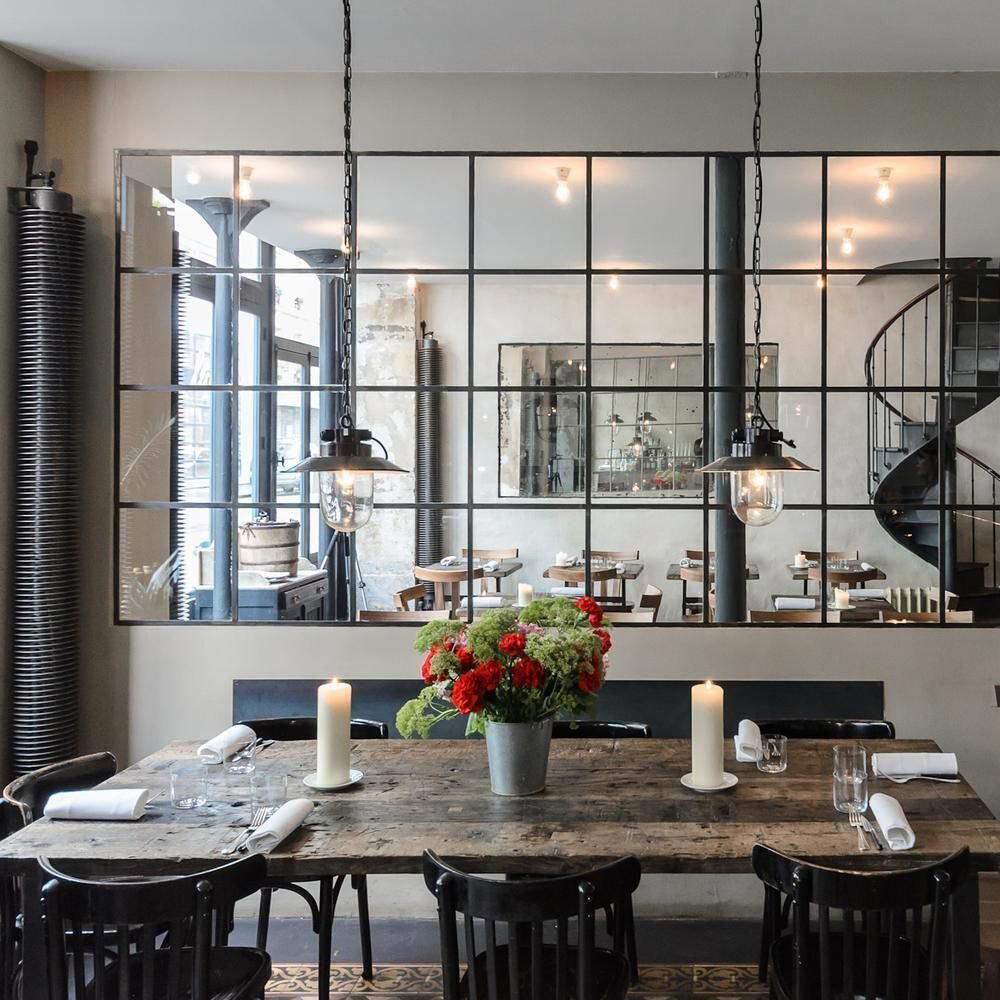
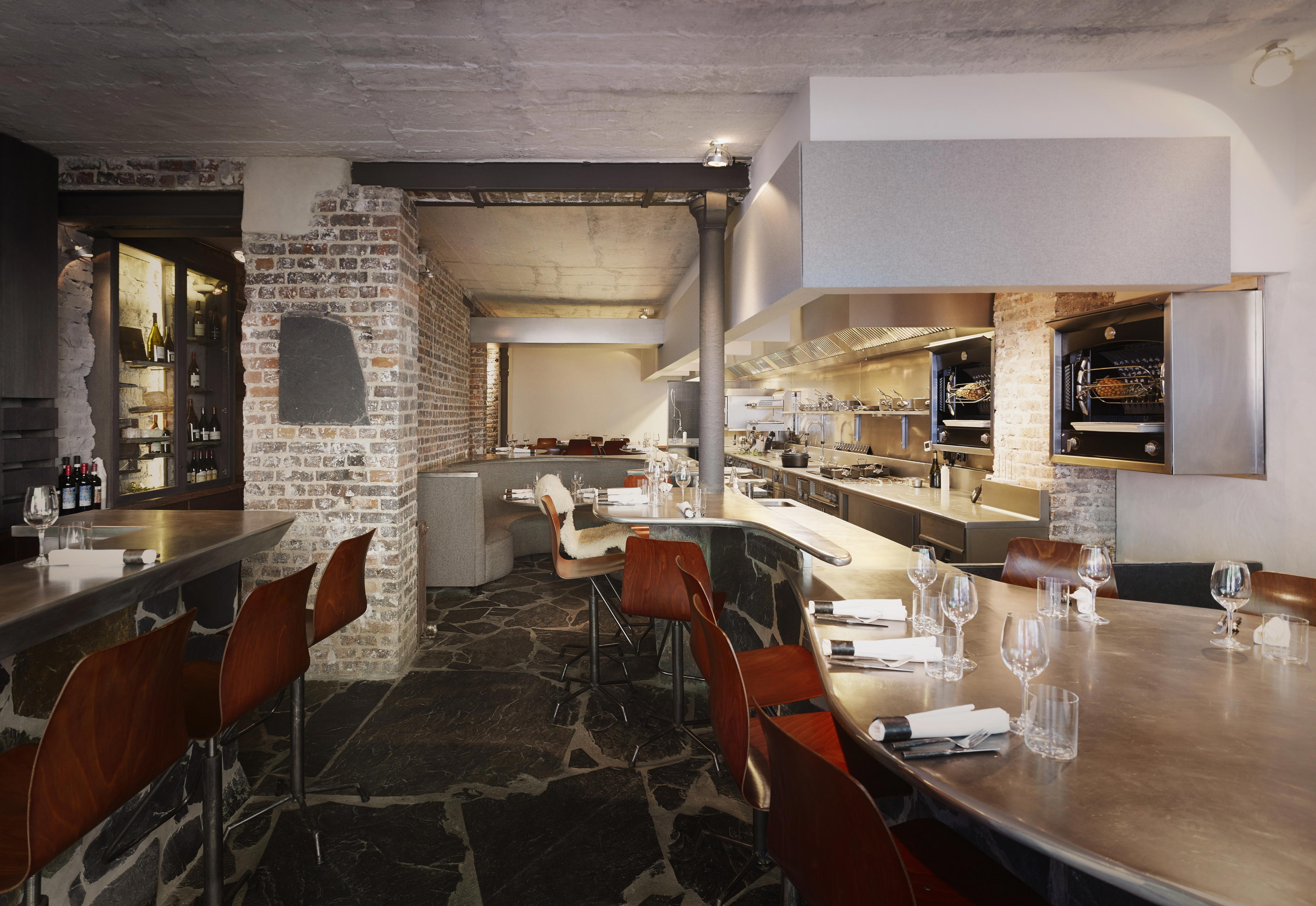
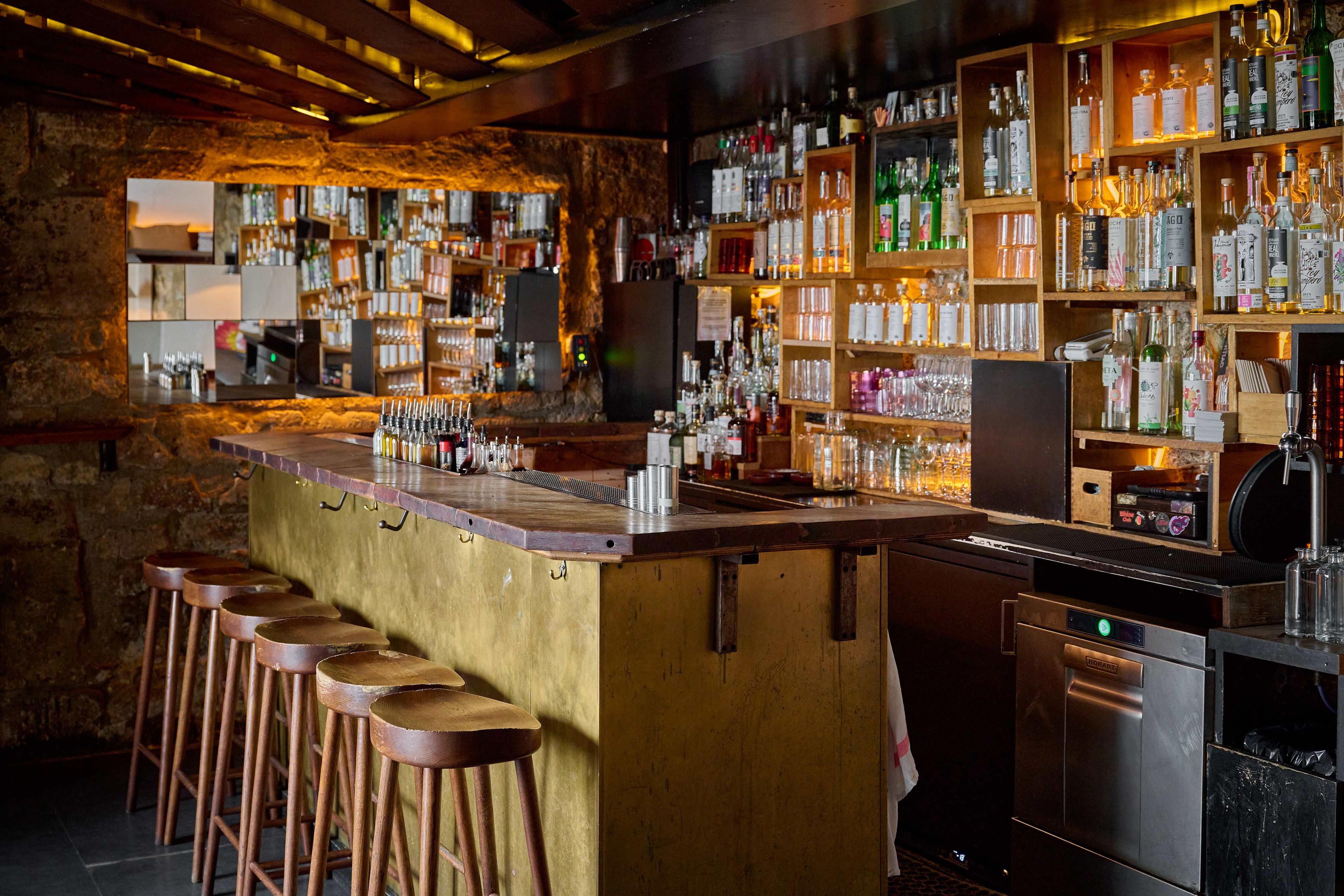
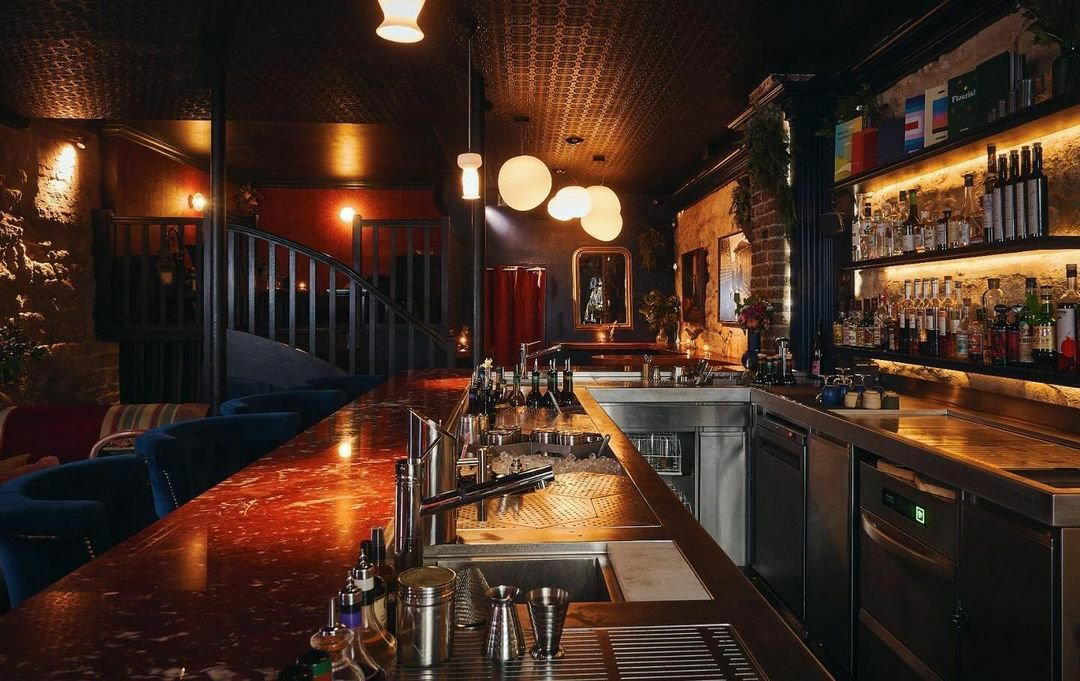
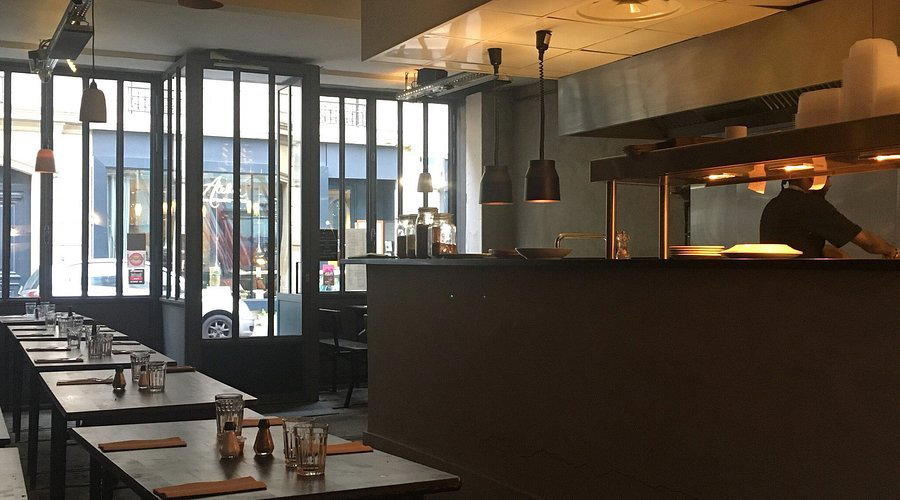
Physical environment at Waly-Fay is consistent with the neighbourhood's prevailing dining register: closer to a well-considered local room than to a destination interior. This is not a space designed to photograph well or to signal arrival. The experience tends to be shaped more by the energy of the tables around you and the specificity of what arrives from the kitchen than by architectural drama. In Paris's east, that is a known trade-off and largely a deliberate one.
Restaurants in this part of the city typically run smaller teams and rely less on the kind of front-of-house choreography you would find at Kei in the 1st. The informality is structural, not accidental. For readers accustomed to tracking French fine dining at its most codified, the multi-course sequencing at Mirazur in Menton, the long institutional confidence of Auberge de l'Ill in Illhaeusern, or the regional rootedness of Bras in Laguiole, Waly-Fay operates in a different register entirely, and that difference is the point.
Where It Sits in the Broader Paris Picture
Paris's dining map in 2024 has two reasonably distinct tiers in the arrondissements east of the Marais. There are the addresses that have accumulated critical recognition and now function as destination restaurants drawing visitors from outside the neighbourhood, and there are the restaurants that remain genuinely local in their rhythm and customer base. Waly-Fay belongs to a category that spans both: known enough to appear on lists and in editorial coverage aimed at curious visitors, but grounded enough in its neighbourhood that the experience does not feel manufactured for that audience.
That position is worth more than it might appear. Restaurants that achieve genuine neighbourhood status in Paris are harder to sustain than destination restaurants, which can rely on a constant churn of new visitors. The regulars who return to a place like this week after week are not doing so because of a review, they are returning because the cooking delivers something specific and consistent that they cannot easily replicate elsewhere in the city. That dynamic is a meaningful trust signal, even in the absence of formal awards.
For a fuller picture of where Waly-Fay sits within Paris's broader restaurant offer, including the addresses that occupy the formal and fine dining end of the spectrum, see our full Paris restaurants guide. For those interested in tracking West African-inflected cooking beyond Paris, the comparison points are international: the way Lazy Bear in San Francisco has built a loyal following around a specific and unconventional format, or the discipline of Le Bernardin in New York City in maintaining a singular culinary identity over decades, both offer useful models for how restaurants outside the mainstream formal tradition sustain relevance over time.
Readers researching French restaurant cooking at a regional and rural scale, from Flocons de Sel in Megève to Troisgros in Ouches, Paul Bocuse in Collonges-au-Mont-d'Or, Michel Guérard in Eugénie-les-Bains, La Table du Castellet, Georges Blanc in Vonnas, or Auberge du Vieux Puits in Fontjoncouse, will find that Waly-Fay represents a genuinely different tradition: urban, diasporic, and shaped by the specific cultural geography of Paris's east rather than by the grand provincial inheritance those addresses carry.
Know Before You Go
- Address: 6 Rue Godefroy Cavaignac, 75011 Paris, France
- Neighbourhood: 11th arrondissement, between Bastille and Charonne
- Nearest Metro: Voltaire (line 9) or Charonne (line 9)
- Booking: Advance reservation advisable, particularly for weekend evenings; walk-in availability varies by day
- Format: Casual dining room; no formal dress code expected
- Price range:
- What do regulars order at Waly-Fay?
- Should I book Waly-Fay in advance?
- Booking ahead is the more reliable approach, particularly for Friday and Saturday evenings. Restaurants in this part of Paris that attract a loyal local following tend to fill their dining rooms with regulars on peak nights, leaving less walk-in capacity than the room size might suggest. Mid-week lunches and early weekday dinners are typically easier to access without a reservation.
- What is Waly-Fay known for?
- Waly-Fay is associated with West African cooking in a neighbourhood that has become one of Paris's more interesting addresses for dining outside the classical French tradition. The restaurant has built a following among both local residents and visitors tracking the evolution of Paris's east.
- Does Waly-Fay serve alcohol, and what does the drinks list look like?
Frequently asked questions
Is Waly-Fay formal or casual?
Waly-Fay reads as a considered local room rather than a formal destination address, consistent with how the 11th arrondissement has positioned itself over the past decade. The neighbourhood register east of the Marais runs deliberately unfussy, and this address on Rue Godefroy Cavaignac follows that grain. Leave the jacket at home.
How do I find Waly-Fay?
Waly-Fay is located at 6 Rue Godefroy Cavaignac, 75011 Paris, France, Paris.
How does Waly-Fay compare to other restaurants in Paris's 11th arrondissement?
Paris's 11th arrondissement now divides broadly into two tiers: addresses that have accumulated press attention and those that function primarily as neighbourhood anchors for local regulars. Waly-Fay at 6 Rue Godefroy Cavaignac sits in a part of the district where the latter category remains the dominant mode, which is a meaningful distinction if you're choosing between a scene-driven booking and a room that rewards repeat visits over time.
What do regulars order at Waly-Fay?
Your best approach is to ask the room what's moving that evening — in a neighbourhood dining context like the 11th, that conversation typically yields better results than arriving with a fixed order in mind.
Should I book Waly-Fay in advance?
The 11th's more established addresses fill quickly, particularly from Thursday through Sunday, and Waly-Fay at Rue Godefroy Cavaignac operates in a part of Paris where walk-ins carry real risk on peak evenings. Booking ahead by at least a few days is the sensible approach, especially if you're working around a fixed travel schedule.
What is Waly-Fay known for?
Waly-Fay sits within the 11th arrondissement's broader dining reinvention, a district that spent fifteen years shifting from a neighbourhood of reliable zinc-counter standbys toward a more considered, destination-worthy scene east of the Marais. The address represents the kind of local room that emerges from that evolution: deliberate in its environment, grounded in its quarter.
Comparison Snapshot
Comparable venues nearby, for context on price, style, and recognition.
| Venue | Cuisine | Price | Notes |
|---|---|---|---|
| Waly-FayThis venue — the venue you are viewing | Senegalese West African | Not listed | Not listed |
| Wally Le Saharien | Authentic Algerian Saharan Cuisine | $30–50 | 9th Arr. |
| Terronia | Authentic Italian | $30–50 | Quartier Latin |
| Les Amis Des Messina | Authentic Sicilian Italian | $30–50 | Bonne-Nouvelle |
| Porte 12 | Mediterranean | Not listed | 10e |
| Sister Midnight | Cocktail Bar | $10–20 | Pigalle |