


World's 50 Best #59 · Pinnacle Guide 2 Pins · Top 500 Bars Best Bars #127
Little Red Door has held a place in the World's 50 Best Bars rankings every year since 2013, reaching as high as sixth globally. Tucked into Rue Charlot in the Haut-Marais, it functions as a serious cocktail address that has shaped how Paris thinks about bar culture, drawing a neighbourhood crowd as readily as international visitors.

Pearl is the En Primeur Club membership app, where members save venues, book tables and use the concierge.
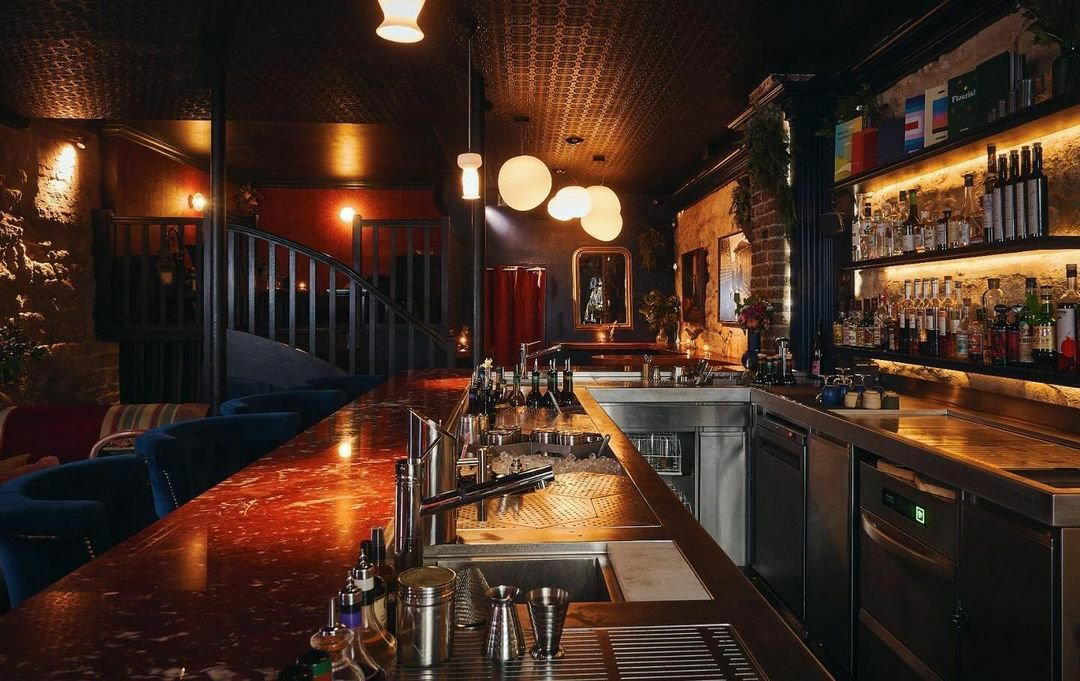
Rue Charlot's Most Decorated Address
The Haut-Marais has developed a specific kind of bar culture over the past decade: spaces that feel genuinely local on a Tuesday and pull an international crowd by the weekend, without performing either identity. Rue Charlot, in particular, has become the axis around which this scene turns, part gallery district, part neighbourhood main street, and increasingly home to some of the most thoughtfully run drinking rooms in the city. Little Red Door, at number 60, sits at the heart of that shift.
The bar's trajectory through the World's 50 Best Bars rankings tells its own story about where serious cocktail culture in Paris has moved. Ranked 49th in 2015, it climbed to 6th globally by 2023, before settling at 29th in 2024 and 127th in the separate Top 500 Bars list in 2025. For context, the bars that hold that kind of ranking history tend to be programme-led operations: places where the menu is an argument about what cocktails can do, not a list of crowd-pleasing classics.
What the Neighbourhood Drinks
To understand Little Red Door as a room rather than a ranking, you have to start with who actually uses it. The Haut-Marais has an unusually dense population of creative-industry workers, gallerists, and the kind of locals who regard a well-made drink as a reasonable Thursday expectation rather than a special-occasion treat. The bar meets that expectation without making a production of it. The red door itself, the literal entrance on Rue Charlot, has become a modest landmark for regulars who pass it several times a week on the way to the market or the metro.
This is a bar that has absorbed New York cocktail culture's technical rigour and French craft sensibility without landing awkwardly between the two. Paris has a complicated relationship with the speakeasy format: it arrived later than in London or New York, and some early iterations felt like imports rather than local expressions. What the Marais specifically has done, and Little Red Door is a clear example, is domesticate that format, giving it a neighbourhood logic that the original speakeasy concept never had. You come back not because the secret is still a secret, but because the bar has become part of the week.
For a broader view of how Paris's bar scene is structured across different neighbourhoods and price points, the EP Club Paris guide maps the city's drinking rooms by district and style.
Programme and Approach
The bar's awards record is consistent with a programme that prioritises conceptual coherence over menu length. Bars that reach and hold top-ten status in the 50 Best rankings tend to share certain characteristics: a seasonal or thematic menu structure, sourcing decisions that are legible to the guest, and a collaborative approach to development that keeps the programme from depending on a single person's tenure. Little Red Door's positioning in the awards record suggests it operates on that model, with sustainability and collaborative hospitality cited in its public profile.
Within Paris, the bar occupies a different register from theatric cocktail destinations like Buddha Bar, which sells spectacle alongside the drink, or approachable neighbourhood formats like Bar Nouveau. It sits closer to the serious-programme tier alongside Danico and Candelaria, both of which have built durable reputations through programme discipline rather than concept novelty. Of those, Candelaria arrived earliest and helped establish that a taco counter at the front and a cocktail room at the back could function as a genuine destination rather than a gimmick. Little Red Door took a different path, no gimmick at all, just a programme and a room that kept improving.
Across France more broadly, bars operating at this level of sustained critical attention are spread thinly. Papa Doble in Montpellier, La Maison M. in Lyon, and Bar Casa Bordeaux in Bordeaux each represent regional variations on what a serious cocktail address looks like outside the capital. Internationally, the comparison set for a bar with Little Red Door's awards history extends well beyond France: Bar Leather Apron in Honolulu is one of the few bars outside major cocktail capitals that holds comparable recognition for programme depth.
A Note on the 50 Best Trajectory
The movement between rankings years matters more than any single placement. Little Red Door appeared in the 50 Best list in 2013, dropped out briefly, returned, and then made a sustained climb from the mid-twenties into the leading ten by 2023. A fall to 59th in 2024 and then off the top-50 entirely into the wider Top 500 in 2025 is worth acknowledging honestly: these lists shift with panel composition, travel patterns, and the emergence of new programmes in other cities. A bar that held 6th globally in 2023 does not become a lesser bar the following year; it operates in a competitive field where new entrants and renewed attention to other cities regularly reshuffle the order.
What the long record does confirm is that this is not a bar that benefited from a single moment of hype. Eleven years of appearances across two different ranking formats is a credential that holds regardless of where any individual year lands.
Planning Your Visit
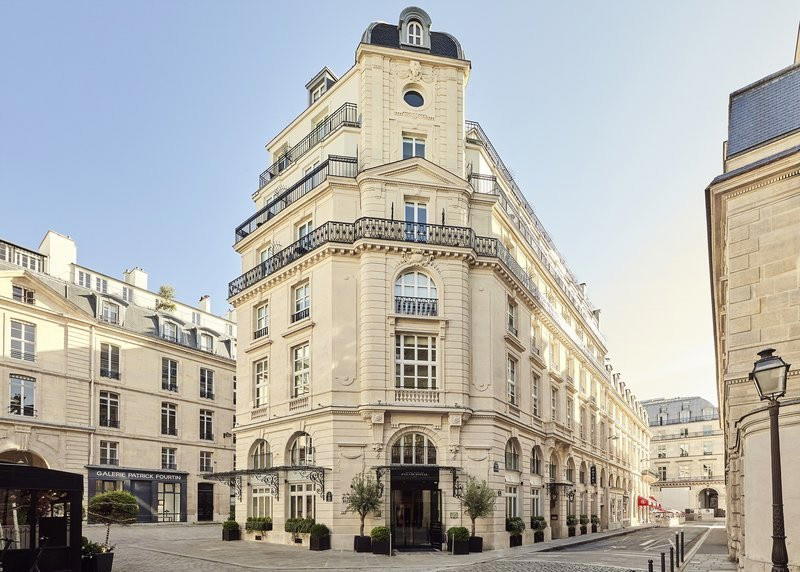
Little Red Door is at 60 Rue Charlot, in the 3rd arrondissement. The surrounding block is walkable from the Arts et Métiers and Filles du Calvaire metro stations, and the street itself is worth the approach on foot through the upper Marais.
| Venue | Location | 50 Best Bars Recognition | Format | |
|---|---|---|---|---|
| Little Red Door | Rue Charlot, 3rd arr. | Yes (2013–2024, peak #6) | Cocktail bar, neighbourhood room | |
| Danico | 1st arr. | Not listed | Not available | Cocktail bar, restaurant-adjacent |
| Candelaria | 3rd arr. | Not listed | Not available | Taqueria front, cocktail room rear |
| Buddha Bar | 8th arr. | Not listed | Not available | Venue-led, high-capacity |
| Bar Nouveau | Paris | Not listed | Not available | Neighbourhood bar |
Across the wider France network, bars at a similar standard of ambition include Au Brasseur in Strasbourg, Coté Vin in Toulouse, and Le Café de la Fontaine in La Turbie, each operating with a distinct regional character that reflects how drinking culture in France has decentralised from the capital over the past decade.
A Credentials Check
Comparable venues nearby, for context on price, style, and recognition.
| Venue | Cuisine | Price | Awards | Notes |
|---|---|---|---|---|
| Little Red DoorThis venue (the venue you are viewing) | speakeasy | $30–50 | World's 50 Best #59 · Pinnacle Guide 2 Pins | Not listed |
| Candelaria | Mexican-Cocktails | $20–30 | World's 50 Best #42 · Pinnacle Guide 1 Pin | Le Marais |
| Bar Nouveau | cocktail_bar | $30–50 | World's 50 Best #5 · Top 500 Bars Best Bars #18 | Marais (3rd Arrondissement) |
| The Cambridge Public House | pub | $20–30 | World's 50 Best #7 · Pinnacle Guide 2 Pins | Le Marais |
| Buddha Bar | lounge | $100–150 | World's 50 Best #20 | Faubourg Saint-Honoré |
| Harry's Bar | cocktail_bar | $30–50 | World's 50 Best #27 · Top 500 Bars Best Bars #60 | Gaillon |
Recognition history
Dated appearances from independent guides and award organizations, with the underlying list record or original source where available.
World's 50 Best Bars #59
World's 50 Best
Pinnacle Guide 2 Pins
Pinnacle Guide
Top 500 Bars Best Bars #127
Top 500 Bars
Full recognition history (12 entries)
World's 50 Best Bars #6
World's 50 Best
World's 50 Best Bars #29
World's 50 Best
World's 50 Best Bars #24
World's 50 Best
World's 50 Best Bars #36
World's 50 Best
World's 50 Best Bars #33
World's 50 Best
World's 50 Best Bars #11
World's 50 Best
World's 50 Best Bars #24
World's 50 Best
World's 50 Best Bars #49
World's 50 Best
World's 50 Best Bars #39
World's 50 Best
Little Red Door
Featured Guides
Continue exploring
More in Paris
Bars in Paris
All bars in Paris →
Restaurants in Paris
All restaurants in Paris →

Little Red Door
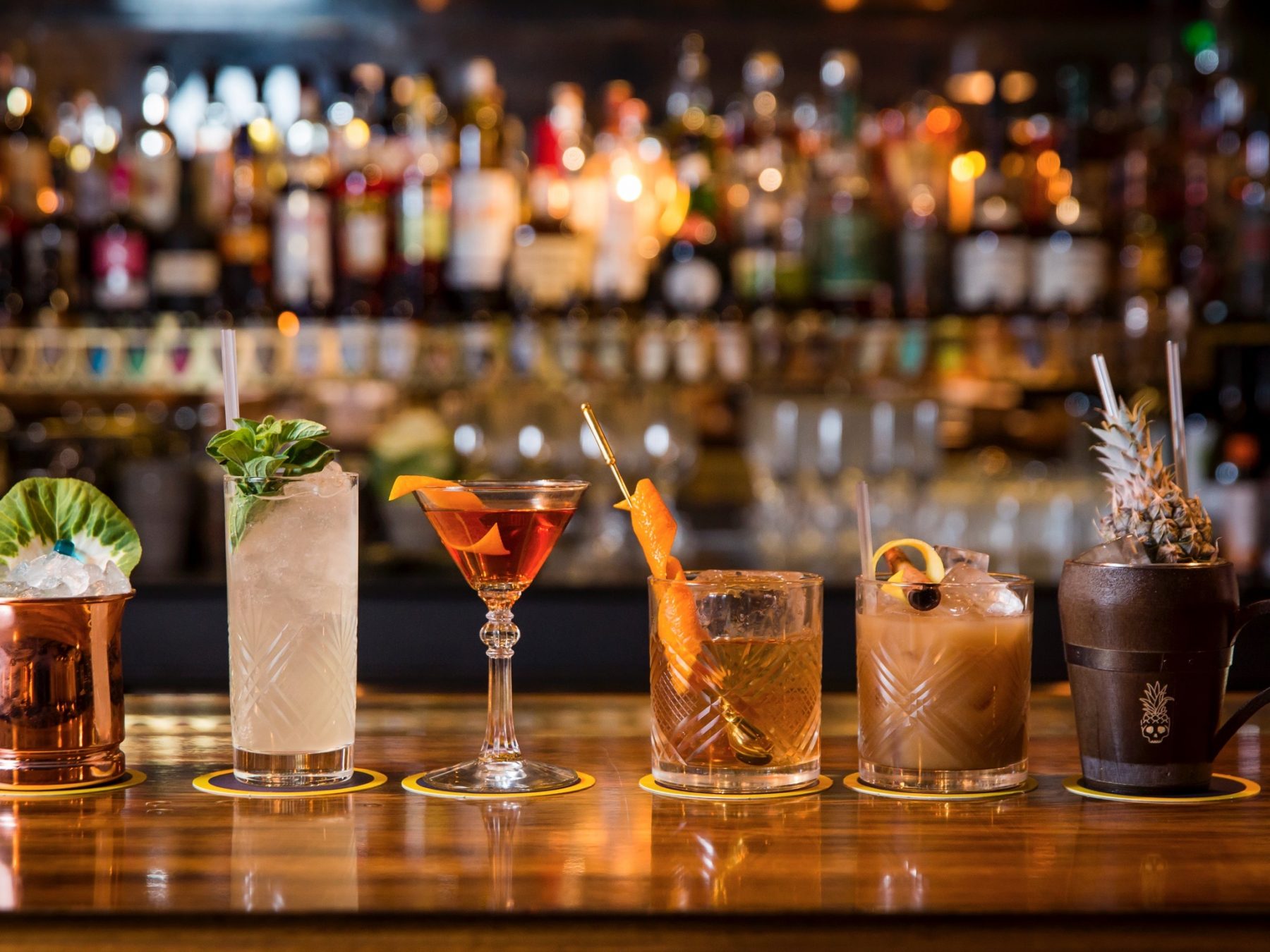
The drinks
- Craft cocktails
Signature drinks: The Olive, The Walnut.
Details
- Cozy
- Intimate
- Elegant
- Sophisticated
- Date Night
- Special Occasion
- Speakeasy
- Design Destination
- Seated Bar
- Lounge Seating
- Craft Cocktails
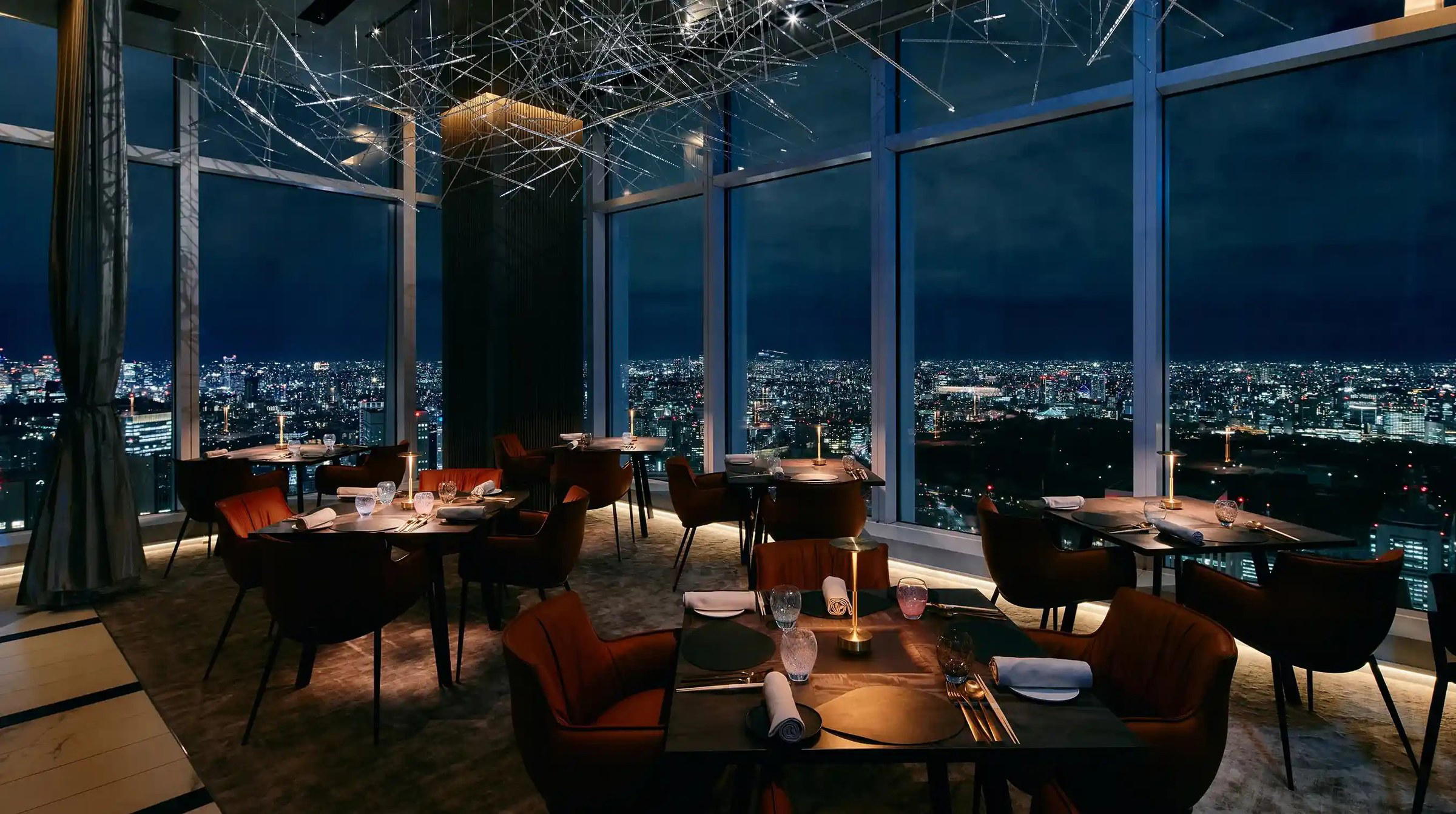
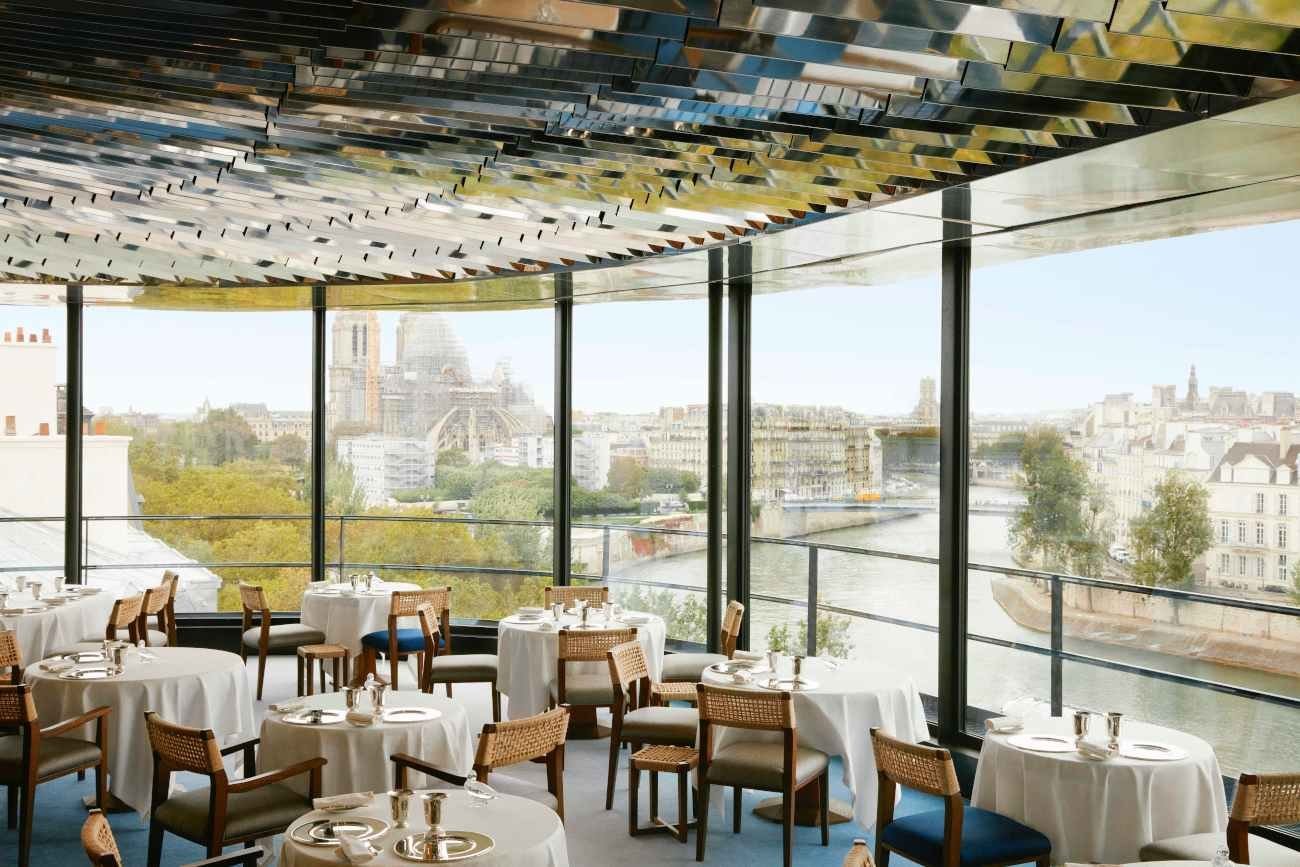
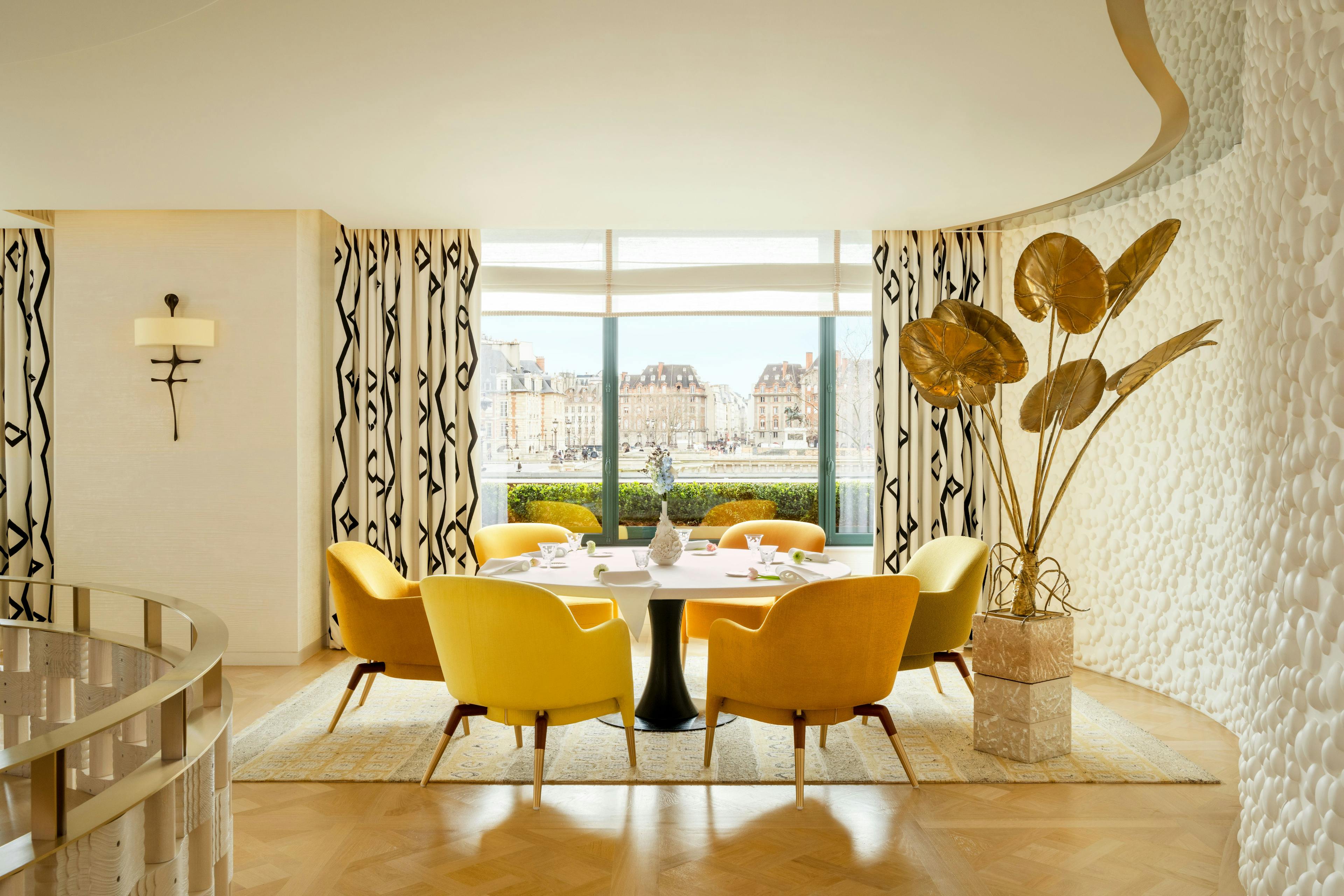
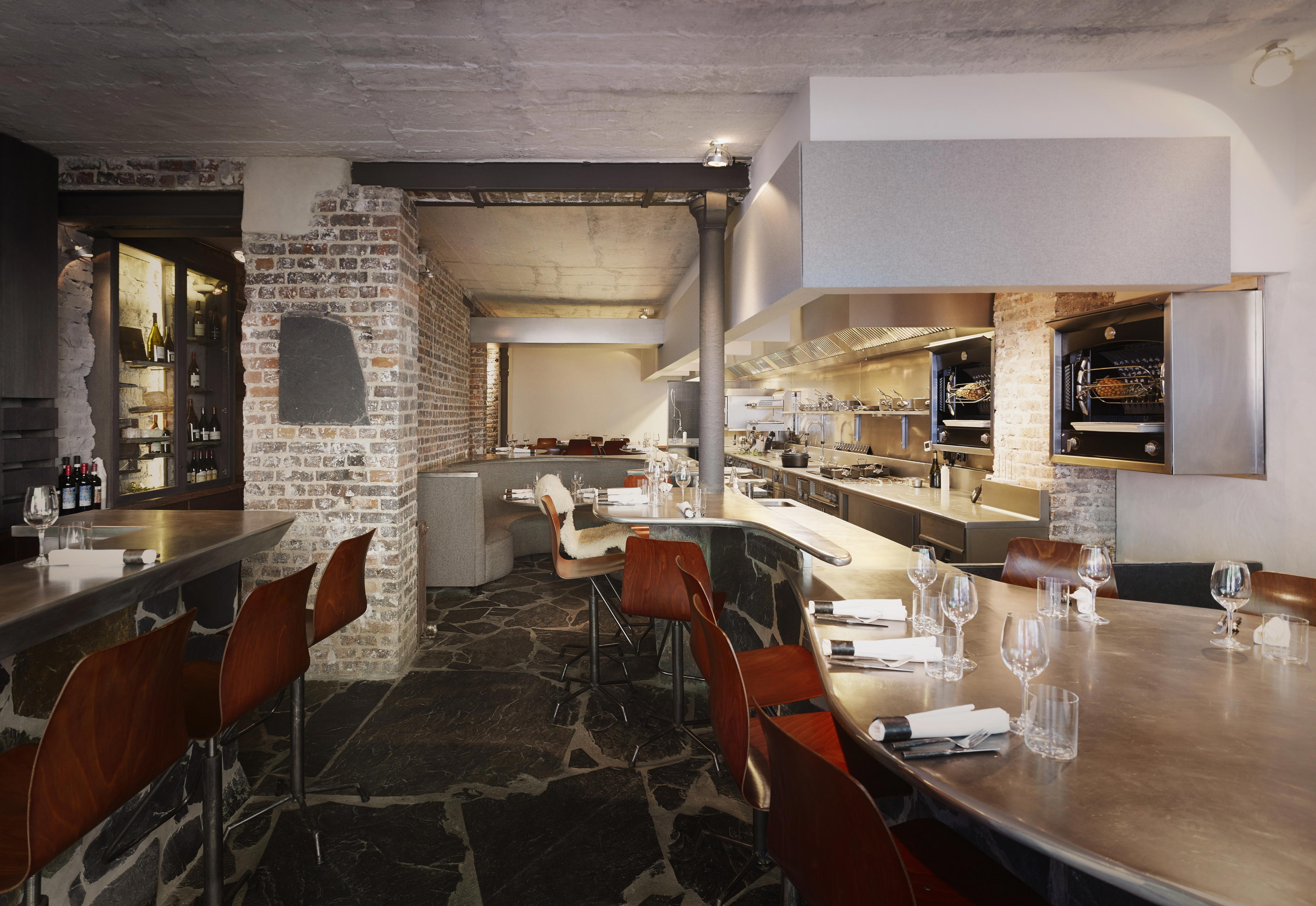
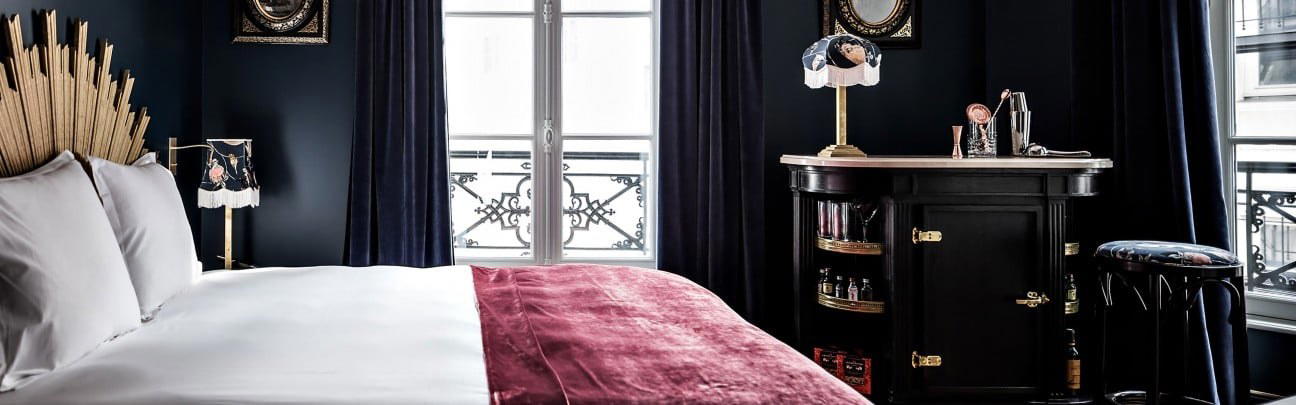
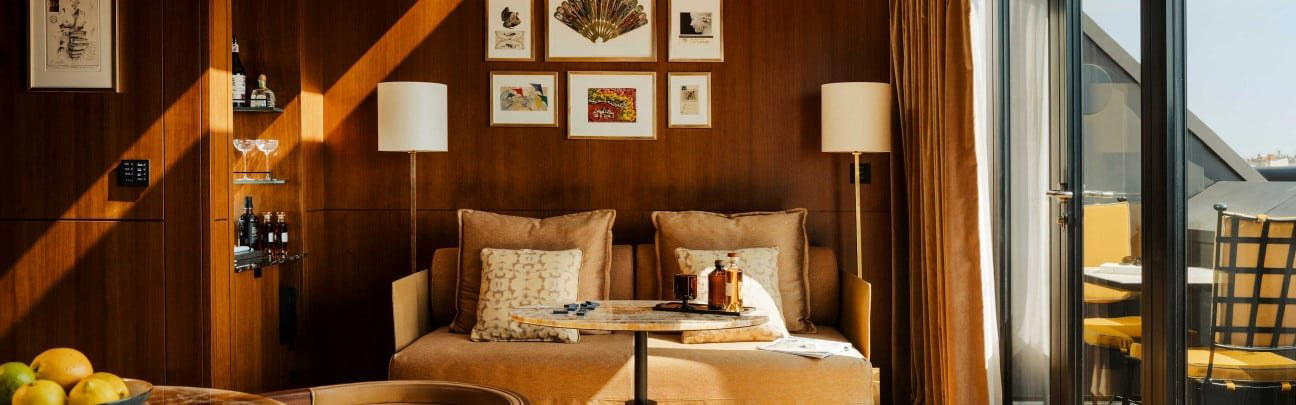
Dimly lit with flickering candles, cozy brick walls, subdued atmosphere well-suited for intimate conversations.