On a quiet stretch of the 9th arrondissement, Wally Le Saharien occupies a specific and underserved corner of Paris dining: North African cuisine with a considered, unhurried register. The address at 36 Rue Claude Rodier draws those tracking something distinct from the city's dominant French and fusion circuits, and the room's character does most of the communicating before a single dish arrives.
Pearl is the En Primeur Club membership app — saves, bookings, and concierge access live there. Same editors, same standards.
- Address
- 36 Rue Claude Rodier, 75009 Paris, France
- Phone
- +33142855190
- Website
- wallylesaharien.com
- Directions
- Get directions
 Saves & bookings on Pearl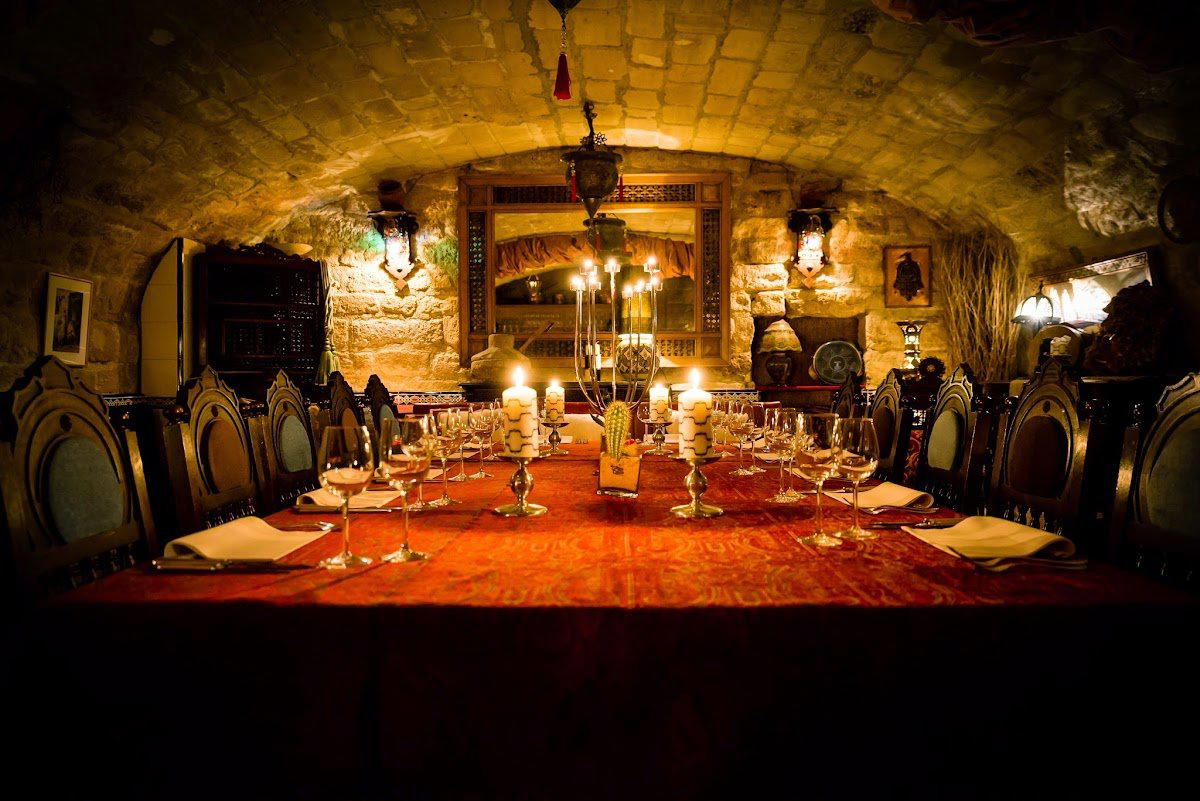
A Different Register in the 9th Arrondissement
Paris's 9th arrondissement sits between the grand-boulevard formality of the Opéra district and the denser, more neighbourhood-grained streets climbing toward Montmartre. It is not an area the city's dining press treats as a primary destination, which is partly why restaurants that hold ground here over time do so on terms that have everything to do with consistency. Wally Le Saharien, at 36 Rue Claude Rodier, occupies one of those positions. The address is residential in feel, the kind of street where restaurants survive because the food sustains them rather than because foot traffic carries them.
North African cuisine in Paris operates at two different altitudes. At one end sits the mass-market couscous restaurant, reliable and formulaic, distributed across almost every arrondissement. At the other sits a smaller cohort of addresses that treat the Maghreb's culinary traditions with the same attention to sourcing, technique, and seasonal rhythm that French gastronomy reserves for its own canon. Wally Le Saharien belongs to that second group, and that positioning is what draws a specific kind of diner: one who has already worked through the obvious circuits and is looking for depth rather than novelty.
The Room Before the Meal
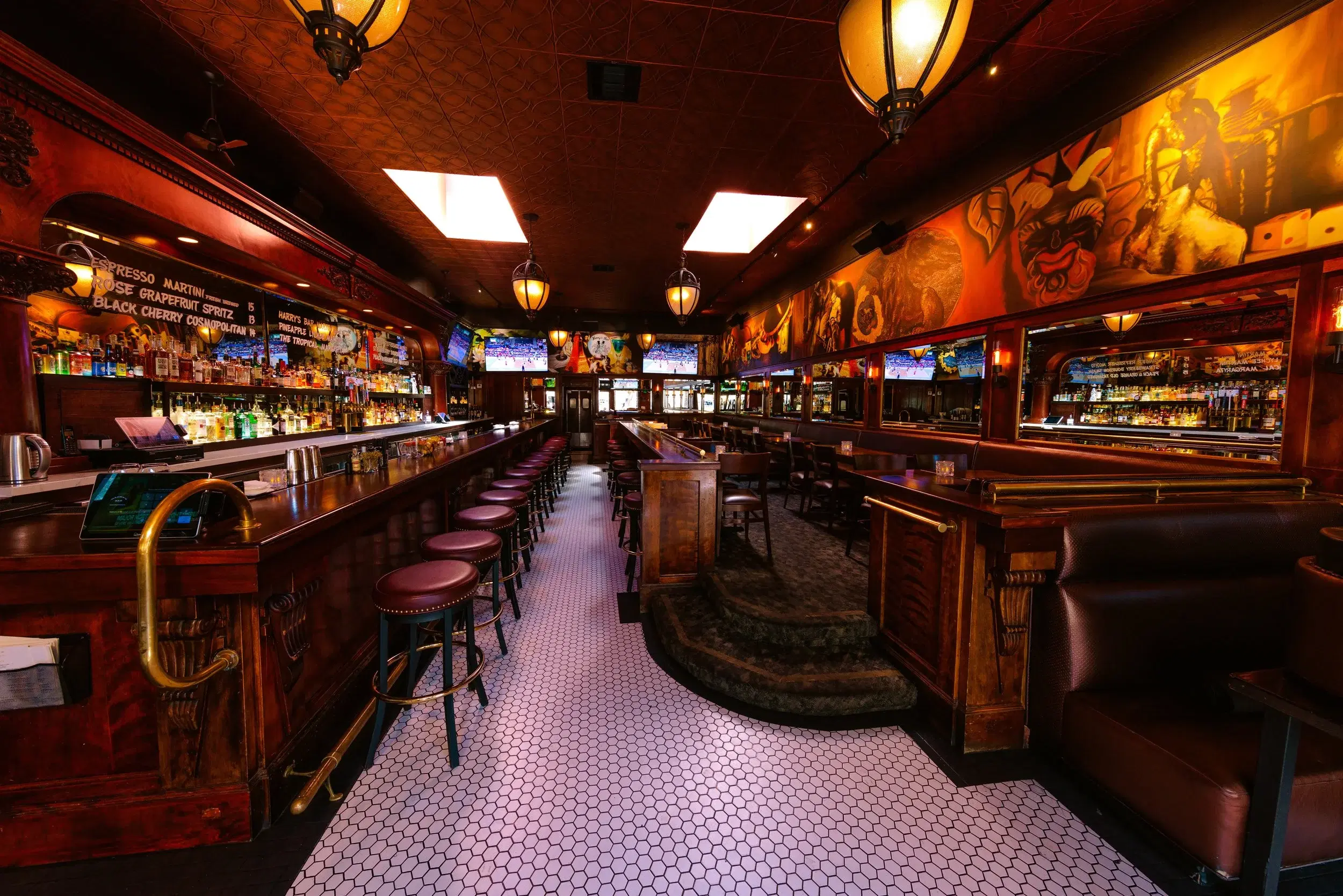
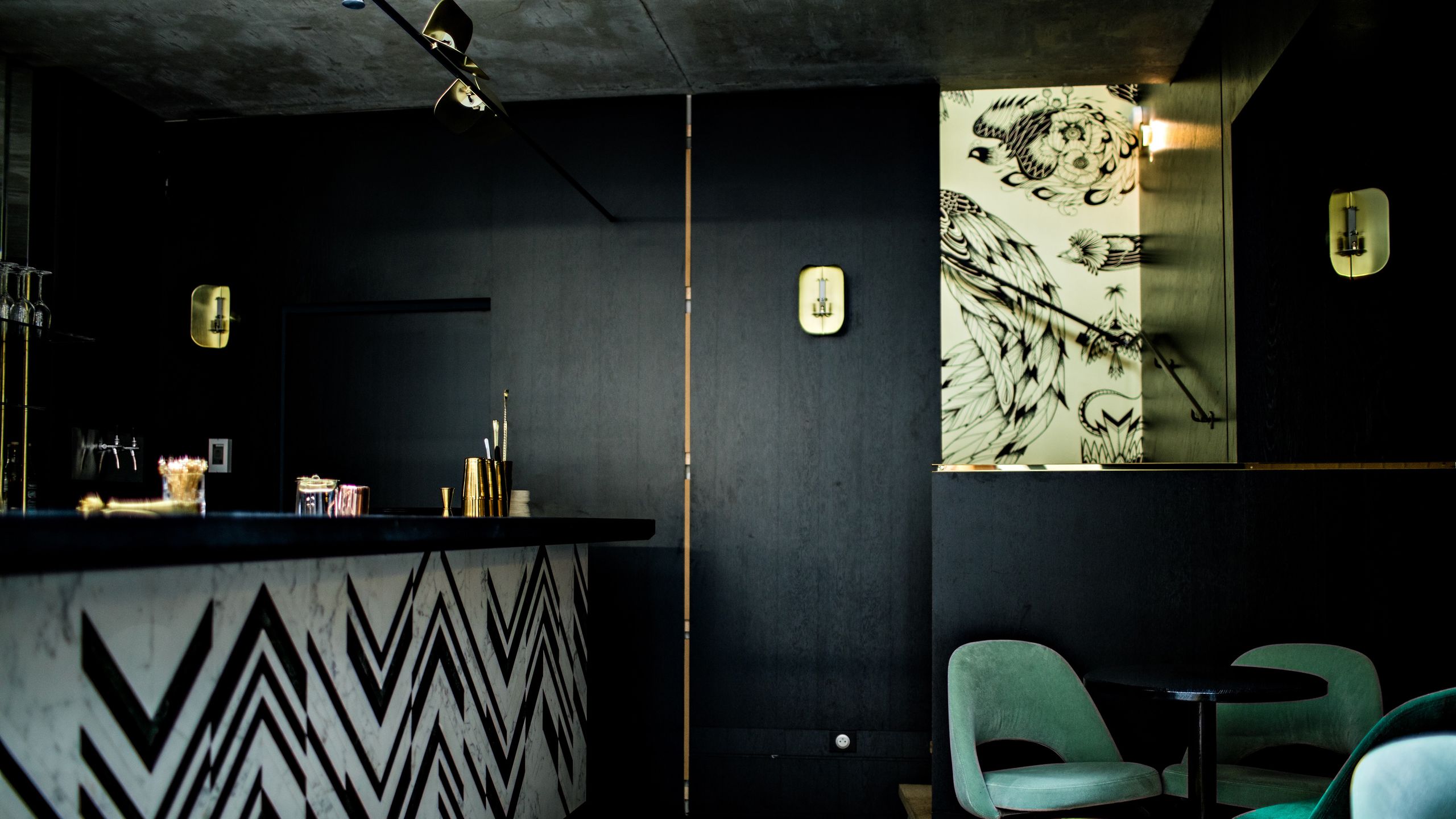
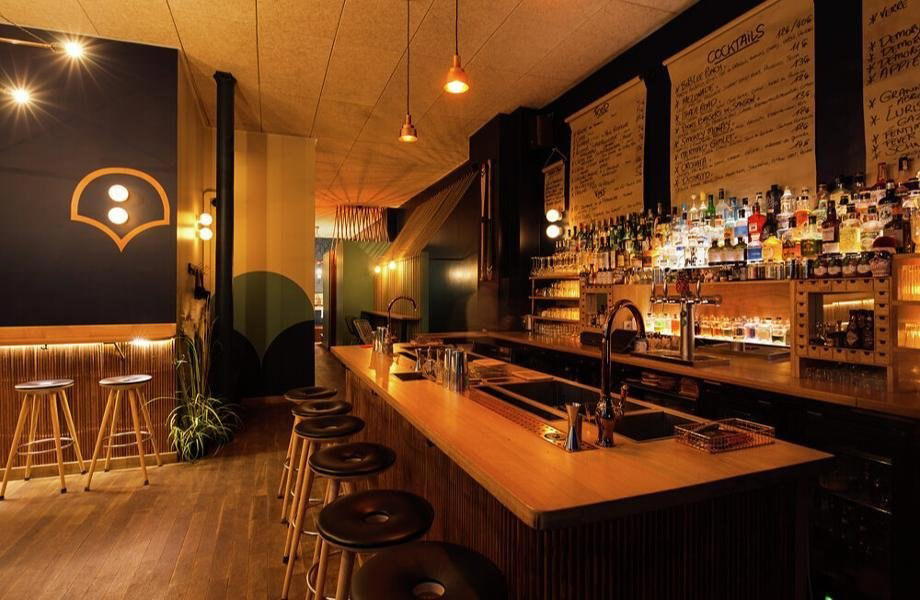
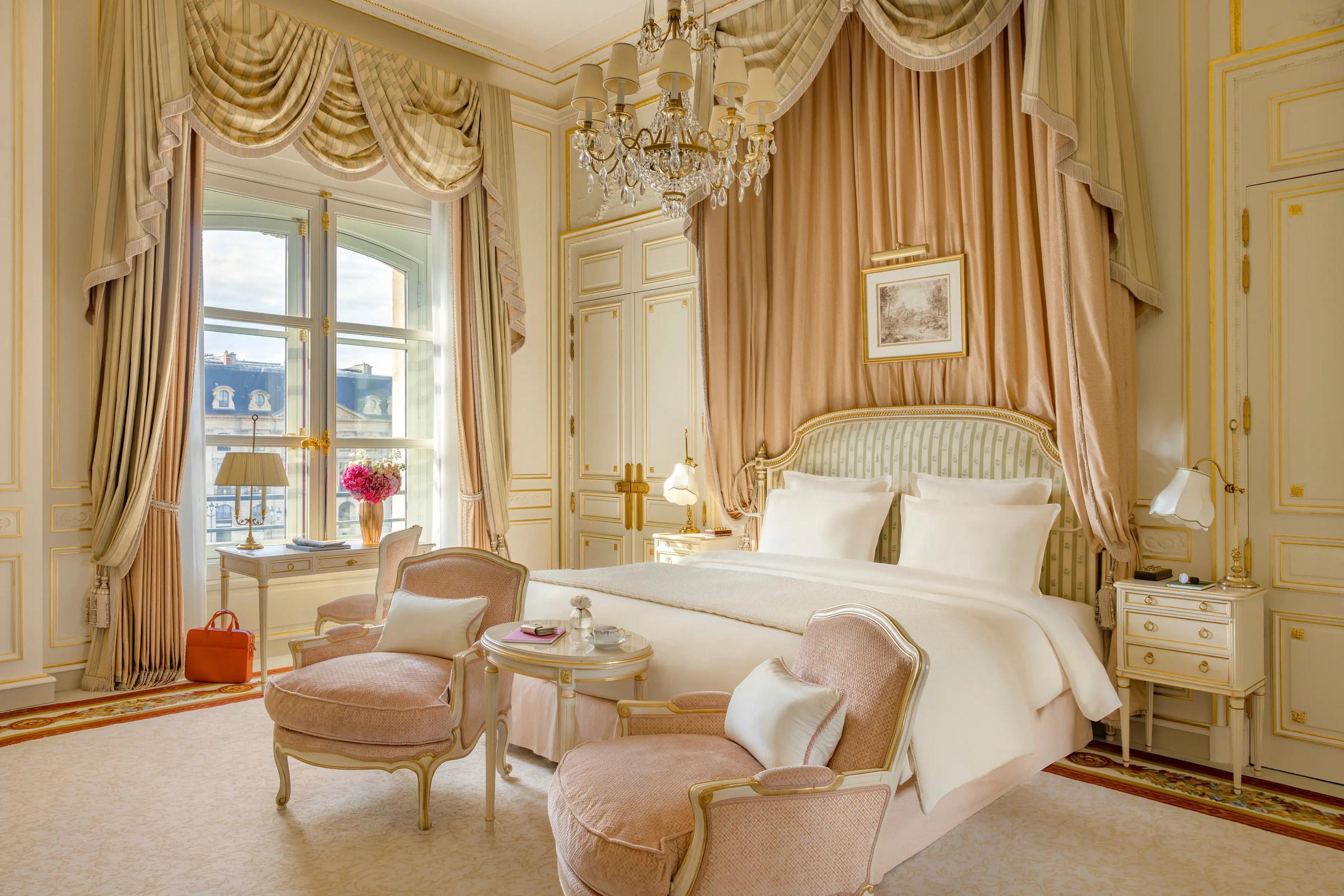
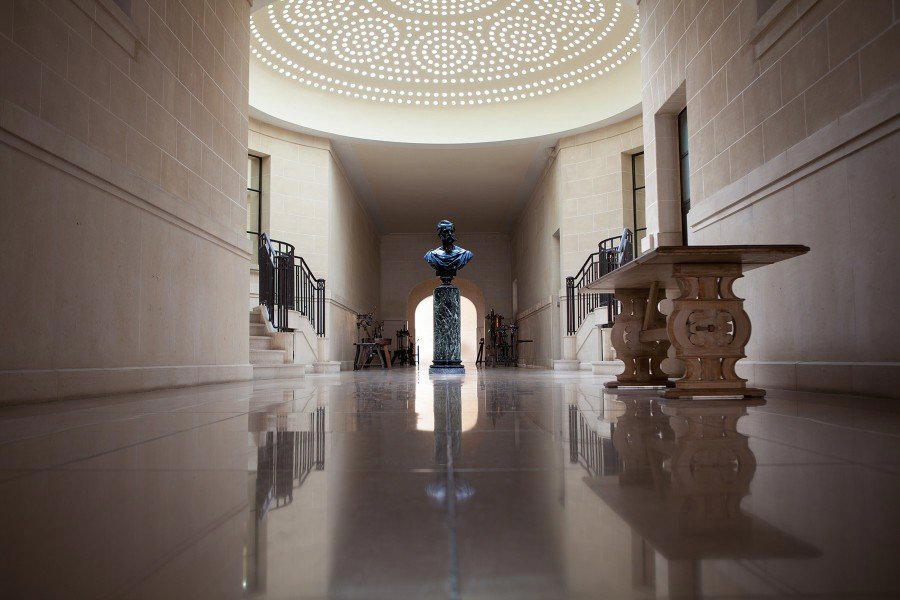
Walking into Wally Le Saharien, the atmosphere does not perform. There is no manufactured exoticism, no decorative shorthand borrowed from a generic idea of the Sahara. The space carries an interior logic that reads as considered rather than curated for effect. Low lighting, materials that suggest warmth without theatrical staging, and a room scale that encourages conversation rather than spectacle. In Paris, where a great number of restaurants of every stripe default either to hushed fine-dining rigidity or calculated informality, this particular register, settled, specific, adult, is less common than it should be.
The sensory tone matters because it frames how the food reads. Dishes rooted in North African tradition carry their own internal logic of spice, slow cooking, and layered flavour that can be overwhelmed by rooms that compete with them. Here the environment recedes appropriately.
Sourcing, Tradition, and What the Kitchen Is Actually Doing
The broader conversation in French gastronomy around sourcing and ethical supply chains has largely played out inside the country's French-cuisine institutions. Alléno Paris au Pavillon Ledoyen and Arpège represent the high end of that conversation, where provenance is documented and celebrated as part of the dining proposition. Bras in Laguiole and Mirazur in Menton have built reputations in part on the relationship between the kitchen and specific landscapes. That conversation has been slower to extend to non-French cuisines operating in the capital, even when those kitchens apply equivalent standards.
For a kitchen working within North African traditions, the sourcing questions are not simpler, they are different. Spice integrity, the quality of preserved ingredients, the origin of lamb and grain: these are categories where shortcuts are immediately legible in the finished dish. A kitchen that takes those inputs seriously produces food that reads with a different kind of clarity, even to diners who cannot name exactly what they are detecting. The Saharan and Maghrebi culinary traditions that restaurant draws from are built around long-cooked dishes and spice combinations with deep historical roots. Getting those right is not a question of technique alone but of ingredient quality across a supply chain that most Paris restaurants have not prioritised.
This is the sustainability argument that rarely gets made about restaurants outside the mainstream fine-dining conversation: sourcing discipline matters as much in a slow-cooked lamb dish as it does in a three-Michelin-star tasting menu. The difference is that at addresses like L'Ambroisie or Kei, the sourcing story is part of the marketing. At a restaurant operating on the quieter margins of the 9th, it simply shows up in the food.
Where This Sits in the Paris Dining Picture
Paris's top tier of formal dining is well-documented and well-connected. Le Cinq at the Four Seasons Hôtel George V operates within the hotel grand-luxe tradition. Outside the capital, the country's longer dining heritage includes addresses like Auberge de l'Ill in Illhaeusern, Troisgros in Ouches, Paul Bocuse in Collonges-au-Mont-d'Or, and Auberge du Vieux Puits in Fontjoncouse, all of which function within a specifically French gastronomic lineage. Assiette Champenoise in Reims, Au Crocodile in Strasbourg, Flocons de Sel in Megève, and AM par Alexandre Mazzia in Marseille extend that map across regions. Even internationally relevant reference points like Le Bernardin and Atomix in New York operate within established critical frameworks that support their positioning.
The restaurant operates outside all of those frameworks, which is both its limitation and its specific value. There is no Michelin architecture around North African cuisine in Paris to place it within. There is no established critical vocabulary that processes these dishes with the same fluency as French gastronomy's mainstream. For the reader, that is precisely the kind of information worth having.
Comparable Venues
Comparable venues nearby, for context on price, style, and recognition.
| Venue | Cuisine | Price | Notes |
|---|---|---|---|
| Wally Le SaharienThis venue — the venue you are viewing | Authentic Algerian Saharan Cuisine | $$$ | Not listed |
| Ethiopia | Traditional Ethiopian | $$ | Roquette |
| Bistro L'Olivier | French Mediterranean Bistro | $$$ | Montmartre |
| Café Pierre Hermé | French Patisserie Café | $$$ | 7th arrondissement |
| Les Fables de La Fontaine | Modern French Seafood Fine Dining | $$$ | 7th Arrondissement |
| Le Saut du Crapaud | Franco-Mexican Fusion Bistro | $$$ | 14e Arr. |



At a Glance
- Cozy
- Intimate
- Rustic
- Family
- Group Dining
- Special Occasion
- Historic Building
Current opening hours
- Monday
- Closed
- Tuesday
- 12–2 PM, 6–11 PM
- Wednesday
- 12–2 PM, 6–11 PM
- Thursday
- 12–2 PM, 6–11 PM
- Friday
- 12–2 PM, 6–11 PM
- Saturday
- 12–2 PM, 6–11 PM
- Sunday
- Closed
Hours can change for holidays and private events. Last verified .
Chaleureuse oriental decor evoking the Mille et Une Nuits with a cozy, welcoming atmosphere.