Terronia occupies a quiet address on Rue des Boulangers in Paris's 5th arrondissement, a street that has fed students and scholars for generations. The restaurant sits within the Latin Quarter's dense residential fabric, where neighbourhood loyalty tends to matter more than destination hype. For visitors willing to look beyond the boulevards, that context is itself the point.
Pearl is the En Primeur Club membership app — saves, bookings, and concierge access live there. Same editors, same standards.
- Address
- Terronia, 11 Rue des Boulangers, 75005 Paris, France
- Phone
- +33142384296
- Website
- terronia.fr
- Directions
- Get directions
 Saves & bookings on Pearl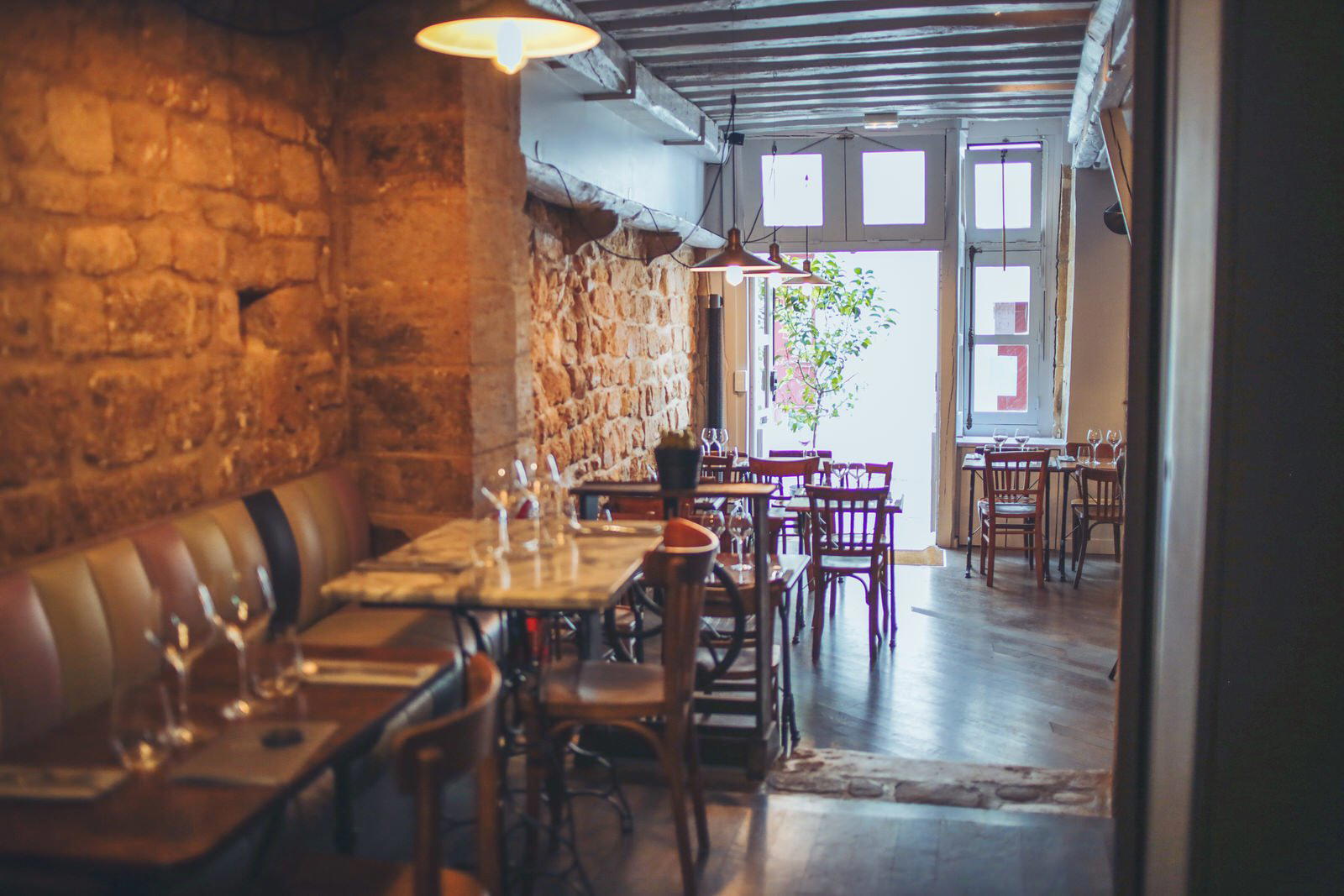
Rue des Boulangers and the Logic of the Latin Quarter
The 5th arrondissement does not need to perform for tourists. Its credentials, the Sorbonne, the Jardin des Plantes, centuries of academic and intellectual life along the Left Bank, are structural, not cosmetic. Restaurants here operate under a different set of pressures than those in the 1st or 8th: neighbourhood regulars are unforgiving, and the dining room that fills on reputation alone tends to empty within a season. Rue des Boulangers, where Terronia holds its address at number 11, sits a short walk from the Seine and within the dense residential grid that defines the quarter's character. The street name itself carries a trace of the old trade guilds that organised this part of Paris for centuries, and the area around it remains more daily-life than spectacle.
That positioning matters for how you read any restaurant operating here. The Latin Quarter's dining scene spans cheap crêperies aimed at tourists near the Panthéon, solid brasseries feeding locals on fixed-price lunches, and a smaller cohort of neighbourhood restaurants that have earned sustained loyalty from residents who could easily cook at home or take the Métro to a better-known address. Terronia belongs to this third category in terms of its geography.
The Italian Register in a French Arrondissement
The name Terronia carries a specific regional charge. In Italian usage, it references the South, Campania, Calabria, Sicily, Puglia, and carries both affection and a hint of provocation depending on who deploys it. Italian restaurants in Paris occupy a varied tier. At the leading, serious Italian cooking in the city commands attention alongside French fine dining; at the other end, the market is flooded with addresses running on thin margins and generic pasta. A restaurant that anchors itself through a name this specific in its regional signalling is making a statement about which part of that range it intends to occupy.
Southern Italian cooking has a logic that differs substantially from the northern traditions more commonly represented in French cities. It is built on legumes, preserved vegetables, grilled proteins, and bread cultures that predate wheat-paste pasta as the dominant carbohydrate. Olive oil from Calabria or Sicily carries a different weight and fruitiness than Ligurian oils; the spice register reaches further south and east into the Mediterranean. A kitchen serious about this tradition would source ingredients with specificity, and the quality of that sourcing is usually legible in the simplest dishes on the menu, the ones with nowhere to hide.
Paris has seen sustained appetite for serious Italian regional cooking over the past decade, partly driven by a broader European turn toward produce-led menus and partly by the influence of Italian natural wine culture, which has migrated into the city's bistronomie circuit and raised expectations for what a carafe on a neighbourhood table should taste like. In that context, a restaurant named for the Italian South, operating in a residential Left Bank neighbourhood, is positioning itself within a recognisable and competitive subculture.
Neighbourhood Placement and What It Implies for the Visit
Eating in the 5th requires a different frame than eating in Saint-Germain or the Marais. The arrondissement is not a dining destination in the way that certain Paris neighbourhoods have become known internationally. It draws fewer food-press pilgrimages, fewer reservation-hunting visitors. That means the restaurants here that sustain themselves do so through something more durable than a hot opening or a wave of social coverage. The Latin Quarter's density of students and long-term residents creates a customer base that is price-sensitive, repetition-tolerant, and difficult to fool with presentation over substance.
For a visitor, that context offers a useful signal: if Terronia is well-regarded among the people who live within walking distance, that is a different kind of endorsement than a Michelin star or a placement on a list, not necessarily better or worse, but more granular. The restaurants in this part of Paris that have earned neighbourhood trust over multiple years tend to be worth the walk precisely because they were not built for you specifically. They were built for the person who eats there every other Tuesday.
Rue des Boulangers itself is not a high-traffic restaurant corridor. It functions as a residential connector, which means the experience of arriving at Terronia is quieter and less curated than the approach to addresses in more visited quartiers. That is its own form of editorial curation: you find it because you looked for it.
Paris's Broader Table and Where Terronia Sits
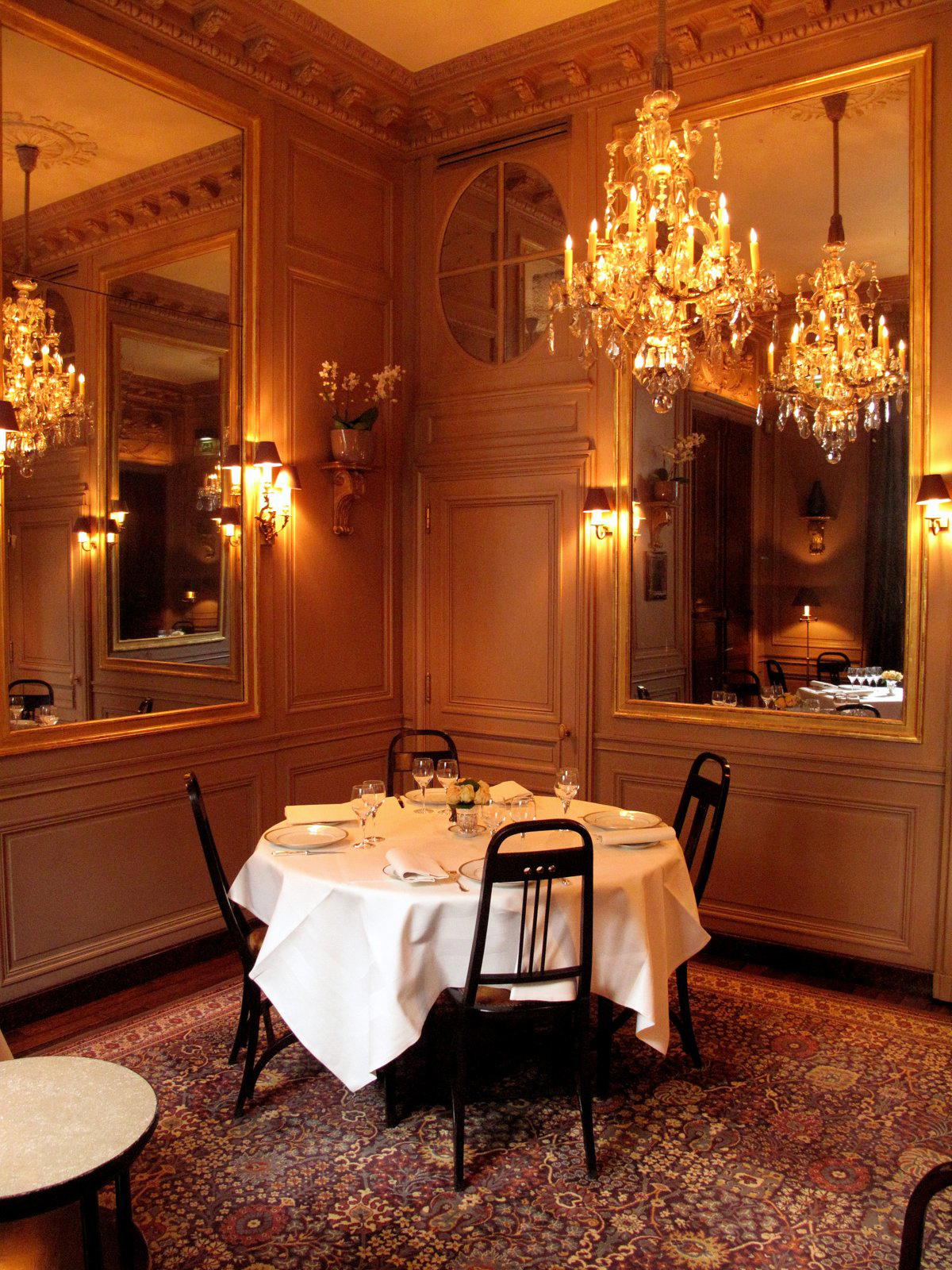
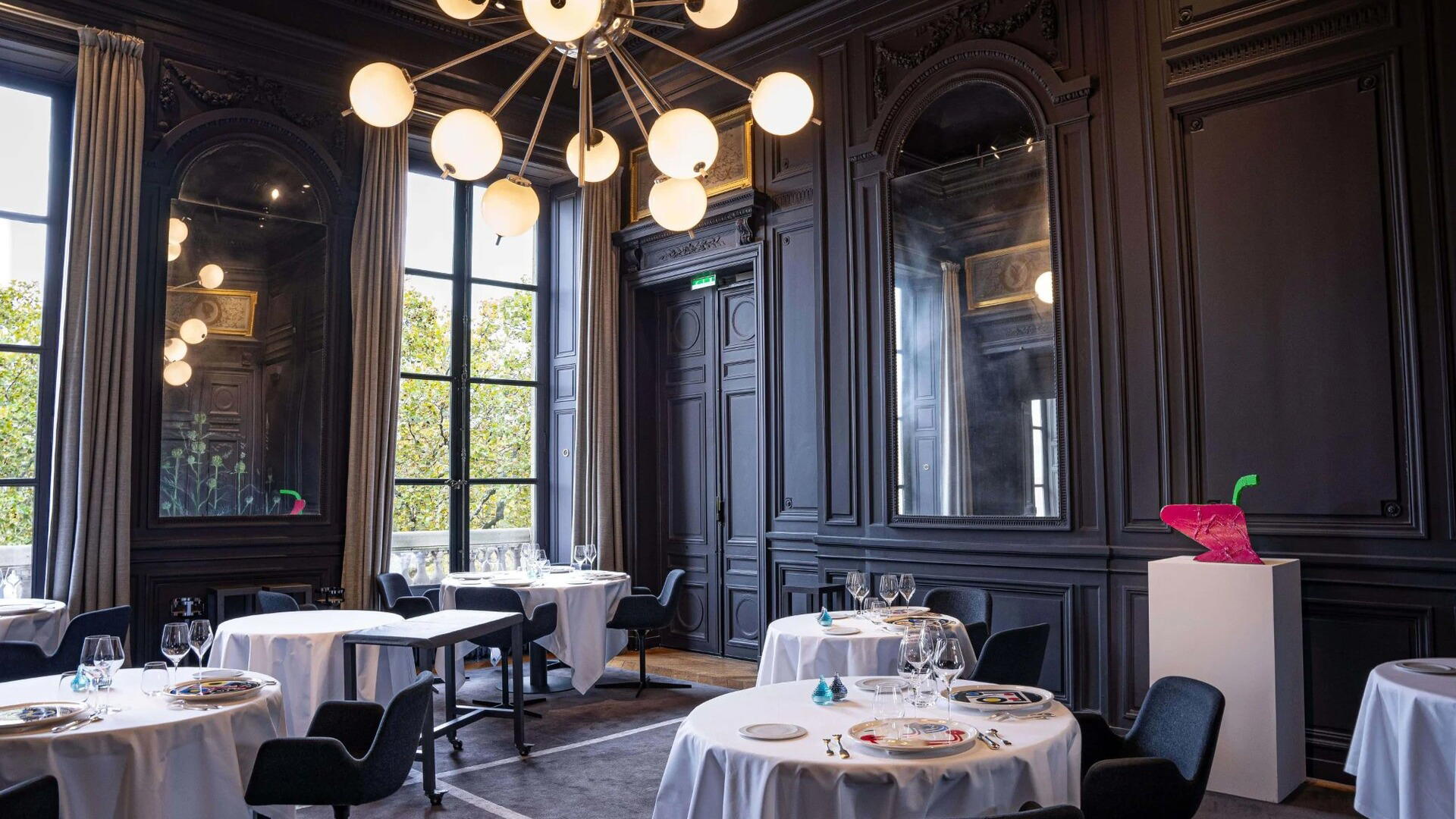
At the furthest end of Paris's restaurant range, the city maintains a tier of three-Michelin-star cooking that draws international comparison. Alléno Paris au Pavillon Ledoyen operates at the creative extreme of French haute cuisine; Arpège has spent decades making vegetable-forward cooking credible at the highest tier; L'Ambroisie on the Place des Vosges maintains the case for classical French form; Le Cinq at the Four Seasons Hôtel George V represents French modern cooking inside grand hotel formality; and Kei demonstrates how Japanese precision has been applied to French technique at a starred level. These are not Terronia's peers in price or category. They are its context, stronger examples from a pyramid that has many more layers below it, and those lower layers are where most Paris dining actually happens.
Within France more broadly, the country's most referenced restaurants extend well beyond Paris: Mirazur in Menton, Flocons de Sel in Megève, Troisgros in Ouches, Auberge de l'Ill in Illhaeusern, Bras in Laguiole, Paul Bocuse outside Lyon, AM par Alexandre Mazzia in Marseille, Assiette Champenoise in Reims, Au Crocodile in Strasbourg, and Auberge du Vieux Puits in Fontjoncouse. None of these operate on the same register as a Latin Quarter neighbourhood restaurant. The comparison is useful only to fix a sense of scale: Terronia is not competing with that tier, and the leading version of a visit here is not measured against it.
For travellers whose Paris itinerary already includes a dinner at one of those upper-bracket addresses, Terronia and its Latin Quarter context offer a different kind of evening, residential, lower-key, tied to a specific neighbourhood identity rather than to international recognition. That contrast is part of how a good Paris trip is constructed. See also our full Paris restaurants guide for the complete picture across price tiers and arrondissements. Internationally, French-influenced cooking at high levels can also be traced through addresses like Le Bernardin in New York City and Atomix, which show how French culinary frameworks have been adopted and reinterpreted at distance.
Planning Your Visit
Address: 11 Rue des Boulangers, 75005 Paris. Arrondissement: 5th (Latin Quarter). Getting there: The address is reachable on foot from the Cardinal Lemoine or Jussieu Métro stations. Reservations: Contact details are not currently listed; walk-in availability in this neighbourhood is generally higher than in more visited Paris quartiers, though weekend evenings in the 5th carry their own pressure from local demand. Dress: No dress code is documented; the Latin Quarter norm runs toward casual and presentable.
Cuisine and Credentials
Comparable venues nearby, for context on price, style, and recognition.
| Venue | Cuisine | Price | Notes |
|---|---|---|---|
| TerroniaThis venue — the venue you are viewing | Authentic Italian | $$$ | Not listed |
| Assaporare 10 sur 10 | Authentic Italian Trattoria | $$$ | Bastille |
| Vecchio au Perchoir | Italo-American | $$$ | 11th Arrondissement |
| Pink Mamma | Authentic Italian Trattoria | $$$ | Pigalle |
| Fragola Marais | Authentic Italian Pizza and Pasta | $$ | Marais |
| DICE Caffè | Seasonal Italian Bistro | $$ | Le Marais |
Continue exploring
More in Paris
Restaurants in Paris
Browse all →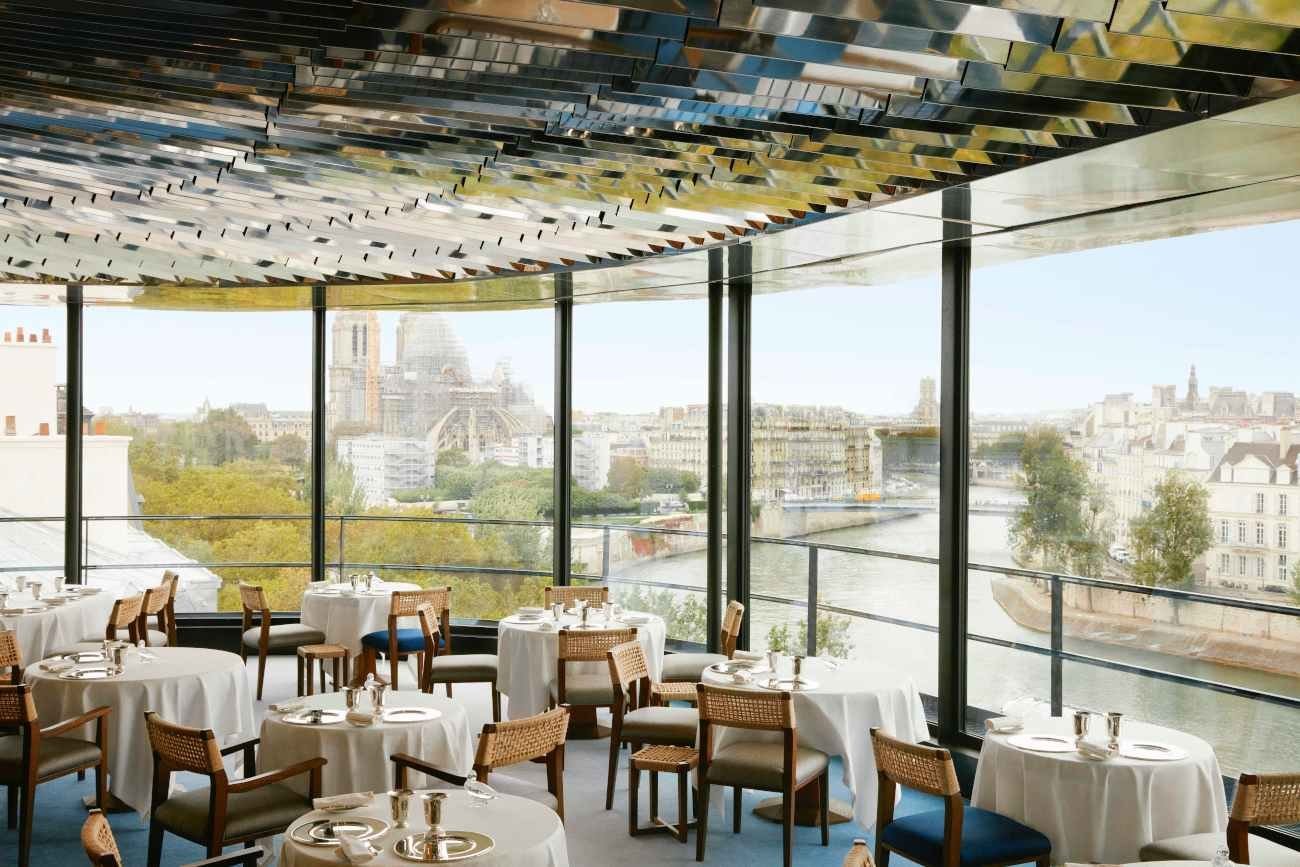
Bars in Paris
Browse all →
Hotels in Paris
Browse all →

At a Glance
- Intimate
- Cozy
- Classic
- Date Night
- Special Occasion
- Open Kitchen
- Extensive Wine List
- Local Sourcing
- Organic
Current opening hours
- Monday
- Closed
- Tuesday
- 12–2 PM, 7–10 PM
- Wednesday
- 12–2 PM, 7–10 PM
- Thursday
- 12–2 PM, 7–10 PM
- Friday
- 12–2:30 PM, 7–10:30 PM
- Saturday
- 12–2:30 PM, 7–10:30 PM
- Sunday
- Closed
Hours can change for holidays and private events. Last verified .
Cozy and warm with a welcoming, home-like atmosphere and view of the open kitchen.