




1 Michelin Star · Michelin Guide 1 Star · World's 50 Best #40
Our verdict
Labyrinth holds a Michelin star and a place on the World's 50 Best list (#97, 2025) for its precise reinterpretation of Singapore's hawker canon. Chef LG Han works from homegrown produce to rebuild dishes like chicken rice and bak chor mee into set-menu courses that preserve heritage flavour while shifting every texture and technique. It occupies a distinct tier among Singapore's fine-dining restaurants: locally anchored, internationally recognised, and priced at the $$$ range rather than the city's top bracket.

Pearl is the En Primeur Club membership app, where members save venues, book tables and use the concierge.
The menu
What to order
- Cereal Prawn
- Kaya Toast
- Laksa
- Char Kway Teow
A Dark Room Built Around Memory
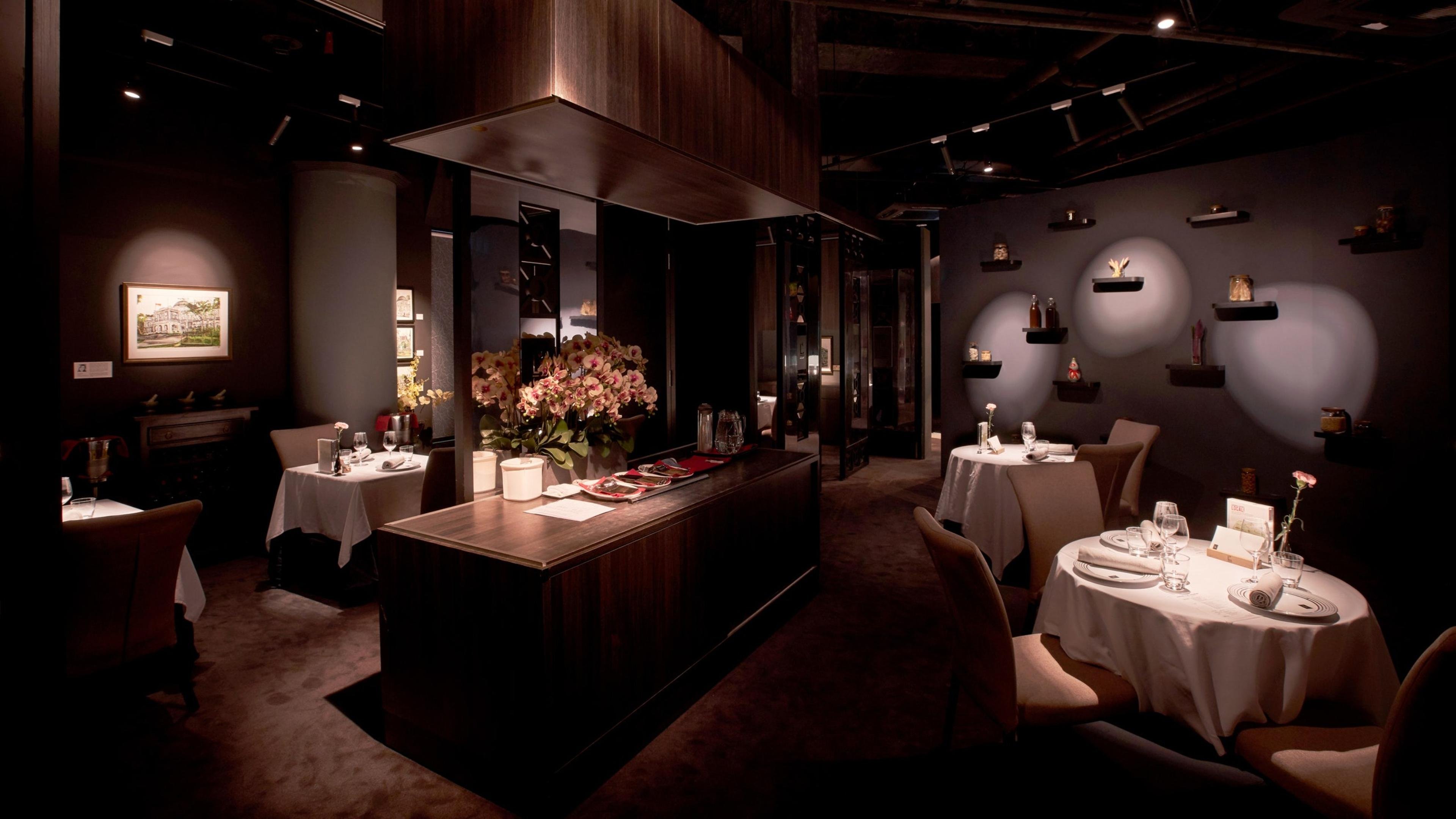
The dining room at Labyrinth operates on contrast. The space is intentionally spare: black walls, a controlled absence of visual noise, and razor-sharp directional lighting that pulls focus onto the plate. In Singapore's fine-dining circuit, where maximalist interiors have long competed for attention, that restraint is a deliberate editorial choice. The room instructs you to pay attention to the food, not to the architecture around it.
Located at 8 Raffles Avenue in the Esplanade Mall, the restaurant sits within one of Singapore's most prominent cultural and commercial zones, surrounded by concert halls and waterfront views that belong to the city's tourist geography. Inside, those reference points dissolve. The service team, described consistently across recognition bodies as clued up and well organised, reinforces the focus: the pacing is measured, the knowledge specific, and the intent clear from the first course.
What the $$$ Price Point Buys You Here
Singapore's fine-dining tier splits roughly into two price bands. At the $$$ level, a smaller number of restaurants make a case for comparable seriousness with a different culinary proposition. Labyrinth is among the more credentialed entries in that second group.
The value proposition is not one of low price. It is one of recognition density relative to cost. A Michelin star earned in 2024, a position at #97 on the World's 50 Best Restaurants list in both 2023 and 2025 (with a peak of #92 in 2024), and a ranking of #37 on Asia's Leading Restaurants 2025 represent a tier of external validation that most $$$ restaurants in Asia do not carry. For the price bracket, the credential stack is unusually heavy. Opinionated About Dining, which tracks restaurants through an aggregated critic-vote methodology, placed the restaurant at #65 in Asia in 2025, up from #72 in 2023, indicating a trajectory of consolidation rather than flash-in-the-pan recognition.
Peer comparison sharpens the picture. Thevar, also at $$$, works in a comparable register of modern reinterpretation applied to a specific culinary heritage. Cloudstreet occupies similar pricing territory with a different creative framework. What separates Labyrinth within that bracket is the specificity of its source material: Singapore's hawker culture, not Southeast Asian cooking in a generalised sense, and not European technique applied to Asian ingredients as a loose concept.
The Menu as Cultural Argument
The set menu at Labyrinth uses dishes from Singapore's hawker canon as raw material for reconstruction. Chicken rice and bak chor mee, two dishes embedded in everyday Singaporean food culture, appear not as reference points or garnishes but as the structural basis for courses. The kitchen works with homegrown produce from Singapore, a logistical constraint that also functions as a creative and philosophical position: the ingredients come from the same geography as the food memories being reinterpreted.
The technique involves transforming familiar textures and flavours into new forms, with reductions, lardo preparations, and precision cooking methods used to shift the register of recognisable dishes without abandoning the flavour logic that makes them identifiable. This approach places Labyrinth inside a broader category of restaurants across Asia that treat national or regional food identity as a serious fine-dining subject rather than a marketing backdrop. Meta works in a related mode within Singapore. Across the region, comparable arguments are being made at Soigné and alla prima in Seoul, at Vea in Hong Kong, and at MAZ in Tokyo. The format differs in each city, but the underlying premise, that a national food culture is a serious creative medium, is consistent across the category.
Chef LG Han's role in that argument is one of sustained authorship. He uses recognisable local flavours and childhood food memories as his starting point, then reinterprets them with high-specification ingredients sourced across Singapore. The result, as documented by the restaurant's recurring recognition from both mainstream and critic-driven bodies, is a set menu that surprises within a framework the guest already understands. That balance, between the familiar and the transformed, is technically harder than it appears. It requires the kitchen to manage two sets of expectations simultaneously: what the dish is supposed to taste like, and what this version of it does differently.
Where Labyrinth Sits Among Singapore's Innovative Tier
Singapore has produced a concentrated cluster of innovative restaurants over the past decade, several of which have achieved international ranking. Araya and Chaleur represent different approaches within the broader creative-cuisine category. What distinguishes Labyrinth from most of its Singapore peers is the degree to which its creative logic is geographically bounded. The menu does not draw from a pan-Asian or globally eclectic ingredient vocabulary. It stays close to Singapore's specific food culture, which gives the restaurant a more defined editorial position and a clearer point of differentiation within the city's fine-dining field.
In the wider Asian innovative-restaurant tier, that kind of geographic specificity has proven commercially and critically durable. Fujiya 1935 and KAHALA in Osaka, and Shimmonzen Yonemura in Kyoto, all operate within tight cultural and geographic frames. Evett in Seoul takes a different route, layering international technique over a Korean base. Labyrinth's trajectory, steady improvement across three years of OAD and 50 Best rankings, suggests the locally anchored model is holding.
Planning a Visit
Labyrinth is open Wednesday through Sunday, with dinner service running from 6:30 PM to 11:00 PM on all five days. Lunch service runs on Friday, Saturday, and Sunday from 12:00 PM to 2:30 PM. The restaurant is closed on Monday and Tuesday. The Esplanade address is accessible by MRT via Esplanade station on the Circle Line, and the surrounding precinct has paid parking. Given the restaurant's current ranking position and Michelin status, advance booking is advisable; lead times will vary by day and season, but weekend dinner is the period with highest demand.
| Venue | Cuisine | Price | Michelin | 50 Best Global (2025) |
|---|---|---|---|---|
| Labyrinth | Innovative / Singaporean | $$$ | 1 Star | #97 |
| Thevar | Modern Indian | $$$ | 1 Star | — |
| Jaan by Kirk Westaway | British Contemporary | $$$ | 1 Star | — |
| Burnt Ends | Australian Barbecue | $$$ | 1 Star | |
| Born | Creative / Innovative | $$$$ | 2 Stars | |
| Zén | European Contemporary | $$$$ | 3 Stars |
For broader dining context in the city, see our full Singapore restaurants guide. For hotels near the Esplanade precinct and across the city, the Singapore hotels guide covers the main options by area. Cocktail bars and wine destinations are mapped in the Singapore bars guide. The Singapore experiences guide and wineries guide round out the full picture for extended stays.
Frequently asked questions
What dish is Labyrinth famous for?
The Quick Read
| Venue | Cuisine | Price | Awards | Notes |
|---|---|---|---|---|
| LabyrinthThis venue (the venue you are viewing) | Modern Singaporean | $300–500 | 1 Michelin Star · Michelin Guide 1 Star | Not listed |
| Zén | Yakitori & Japanese Izakaya | $50–100 | Tabelog 100 #92 | European Contemporary |
| Jaan by Kirk Westaway | Modern British Fine Dining | $200–300 | 2 Michelin Stars · Michelin Guide 2 Stars | British Contemporary |
| Burnt Ends | Modern Australian Barbecue | $100–150 | 1 Michelin Star · Michelin Guide 1 Star | Australian Barbecue, Barbecue |
| Summer Pavilion | Michelin-Starred Cantonese | $100–150 | 1 Michelin Star · Michelin Guide 1 Star | Cantonese |
| Born | Contemporary Fusion Fine Dining | $200–300 | 1 Michelin Star · Michelin Guide 1 Star | Creative Cuisine, Innovative |
Recognition history
Dated appearances from independent guides and award organizations, with the underlying list record or original source where available.
Michelin 1 Star
Michelin
Michelin Guide 1 Star
Michelin Guide
World's 50 Best Asia's Best Restaurants #40
World's 50 Best
Opinionated About Dining Top Restaurants in Asia Ranked #60
Opinionated About Dining
Tatler Listed in Best Restaurants Asia-Pacific
Tatler
Full recognition history (13 entries)
Opinionated About Dining Top Restaurants in Asia Ranked #65
Opinionated About Dining
World's 50 Best Restaurants #97
World's 50 Best
World's 50 Best Asia's Best Restaurants #37
World's 50 Best
Michelin 1 Star
Michelin
Opinionated About Dining Top Restaurants in Asia Ranked #60
Opinionated About Dining
World's 50 Best Restaurants #92
World's 50 Best
Opinionated About Dining Top Restaurants in Asia Ranked #72
Opinionated About Dining
World's 50 Best Restaurants #97
World's 50 Best
Continue exploring
More in Singapore
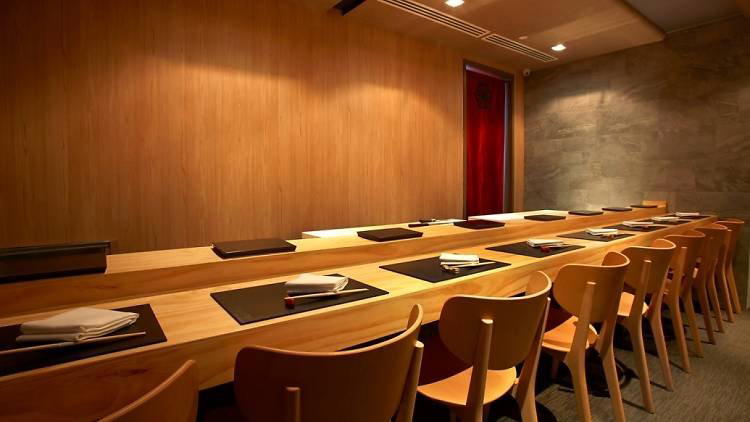
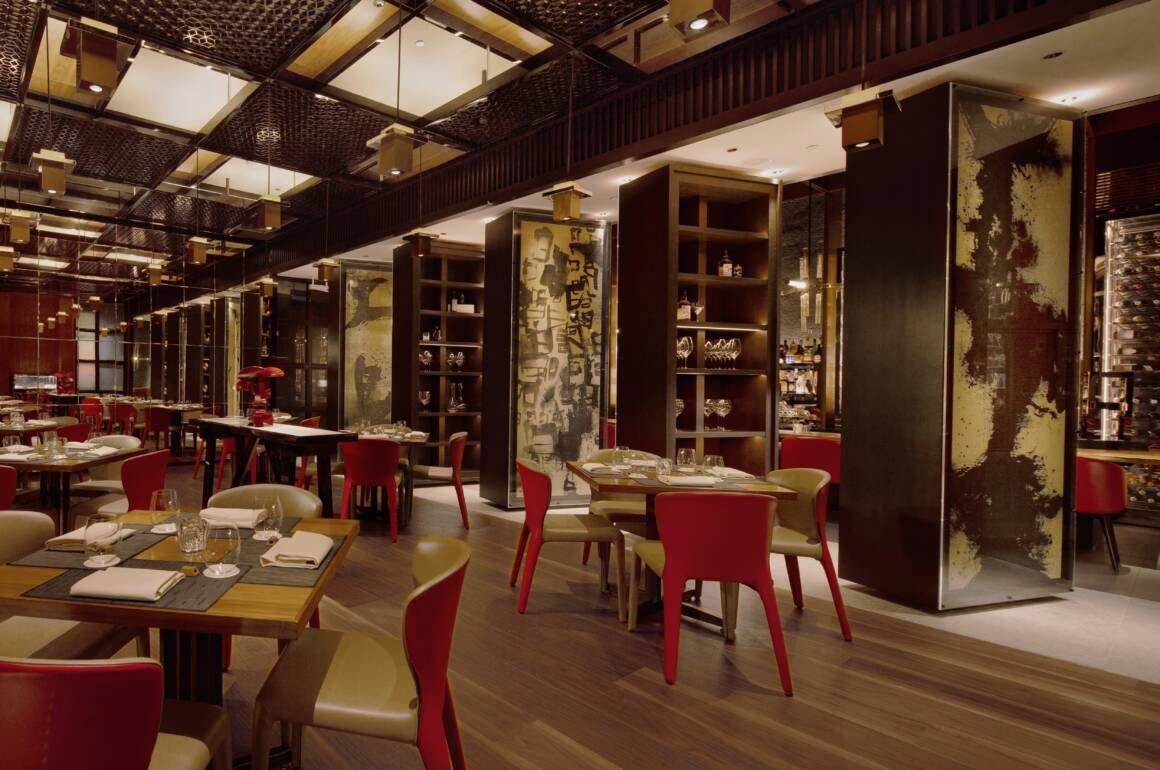
Restaurants in Singapore
All restaurants in Singapore →
Bars in Singapore
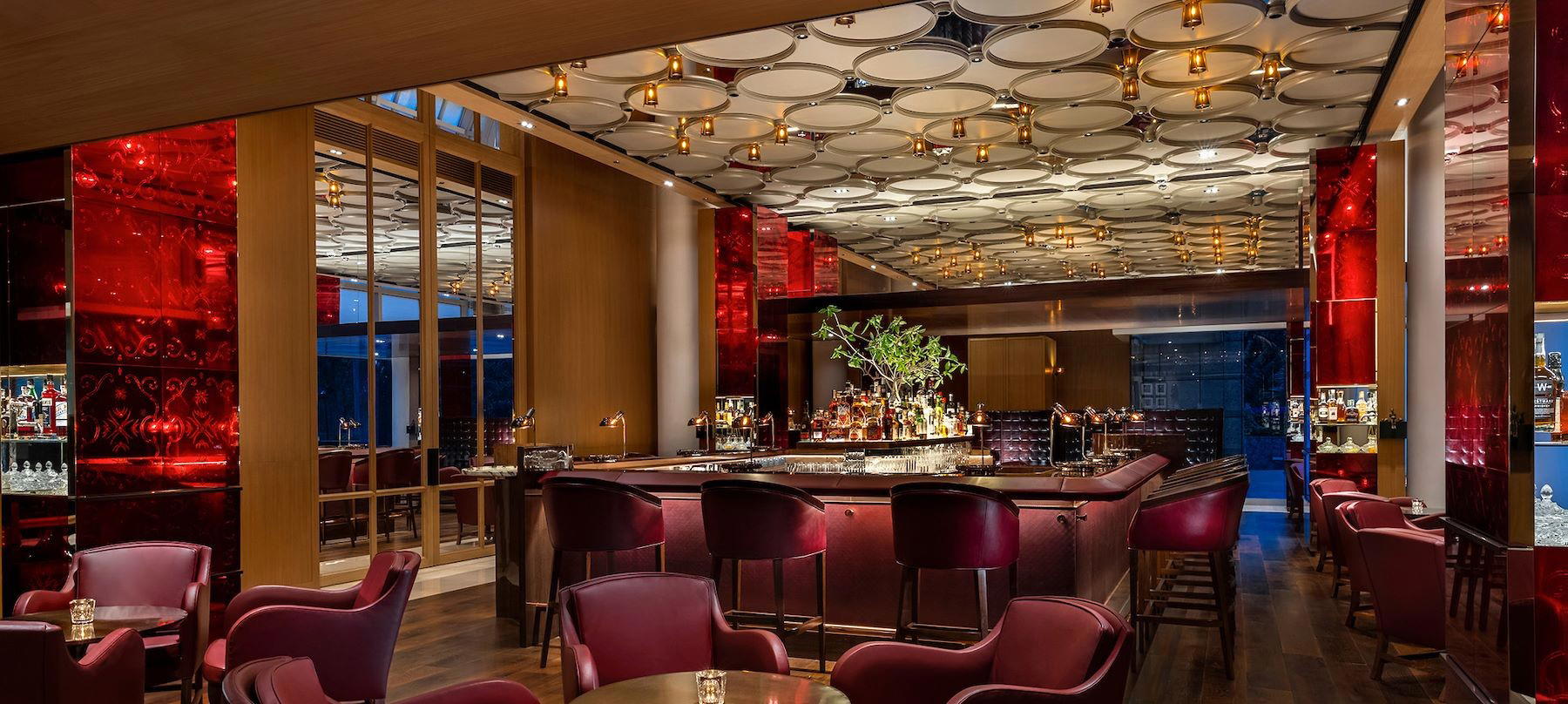
All bars in Singapore →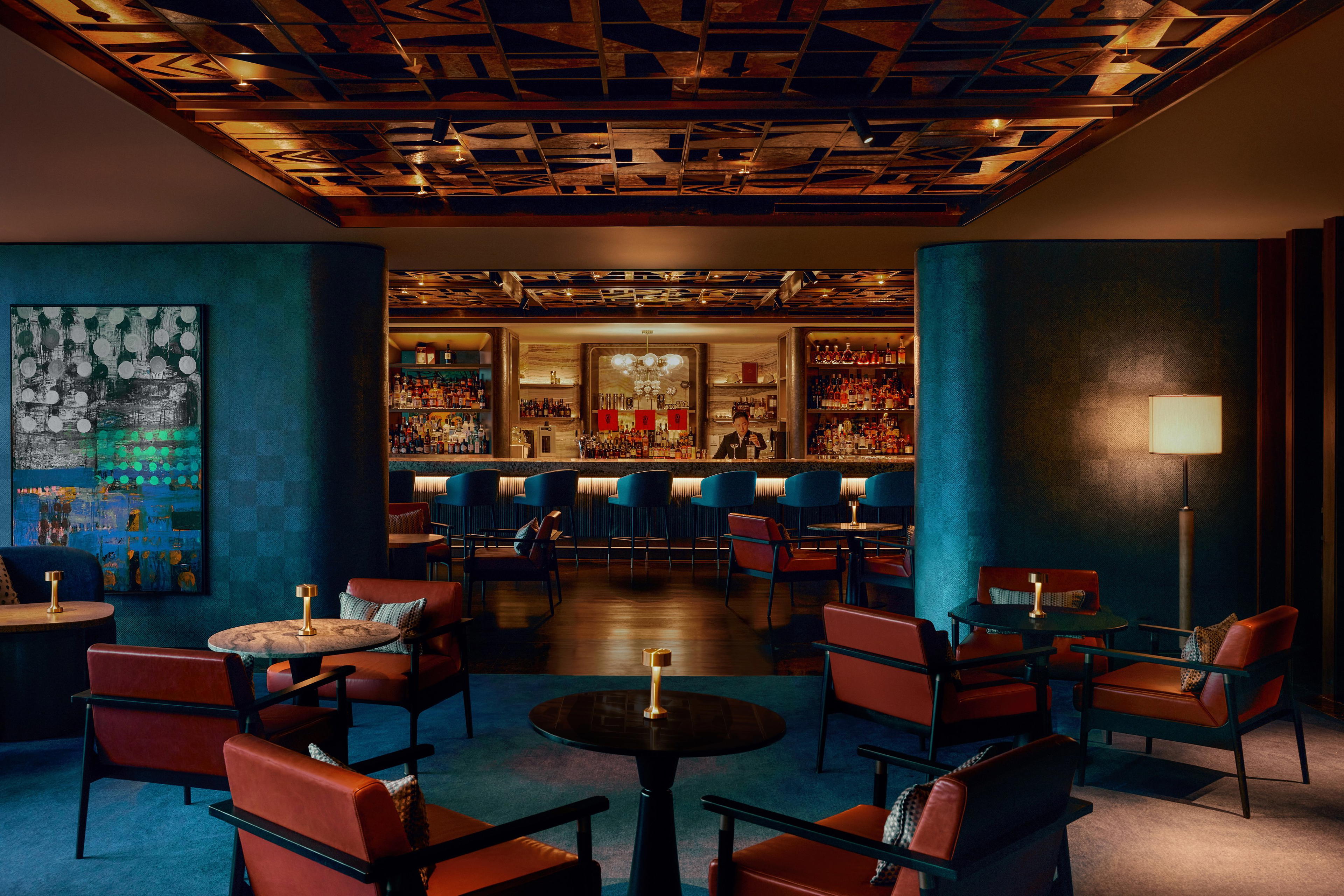
Details
- Modern
- Elegant
- Sophisticated
- Intimate
- Whimsical
- Date Night
- Special Occasion
- Open Kitchen
- Extensive Wine List
- Local Sourcing
- Tasting Menu
- Vegetarian Friendly
- Allergy Accommodating
Current opening hours
- Monday
- Closed
- Tuesday
- Closed
- Wednesday
- 6:30–11 PM
- Thursday
- 6:30–11 PM
- Friday
- 12–2:30 PM, 6:30–11 PM
- Saturday
- 12–2:30 PM, 6:30–11 PM
- Sunday
- 12–2:30 PM, 6:30–11 PM
Hours can change for holidays and private events. Hours as of .
Dark interior with dramatic razor-sharp lighting creating an enigmatic, intimate atmosphere.