
Ki Su holds consecutive Michelin Plate recognition (2024 and 2025), placing it among Singapore's most decorated vegetarian addresses. Operating at the mid-tier price point on Tras Street in Tanjong Pagar, it makes the case that plant-based fine dining in the city no longer requires a premium surcharge to earn serious critical attention.
Pearl is the En Primeur Club membership app — saves, bookings, and concierge access live there. Same editors, same standards.
- Address
- 60 Tras St, #01-01, Singapore 078999
- Phone
- +65 8522 6824
- Website
- kisu.com.sg
- Directions
- Get directions
 Saves & bookings on Pearl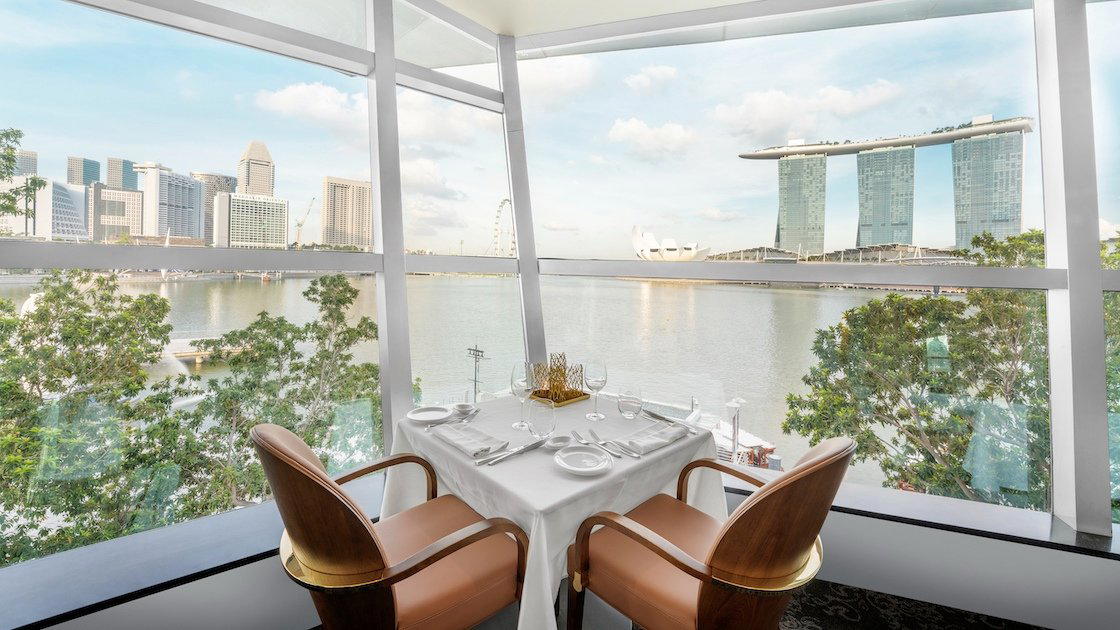
Vegetarian Fine Dining in Singapore: Where Ki Su Sits in the Pecking Order
Singapore's fine dining circuit has long been anchored by protein-heavy tasting menus. The city's Michelin geography runs through French houses like Les Amis and Odette, Scandinavian-inflected counters like Zén, and British contemporary menus at Jaan by Kirk Westaway. Against that backdrop, the emergence of critically recognised vegetarian restaurants in the city is a more recent development, and Ki Su on Tras Street in Tanjong Pagar is one of the clearest signals of that shift. Two consecutive Michelin Plate awards, in 2024 and 2025, confirm what.
The Michelin Plate is a meaningful marker here. It sits below starred recognition but above the anonymous mass of listed restaurants, indicating that inspectors found cooking worth attention. At Ki Su's mid-range price point, that rating places it in a different competitive conversation from the $$$ and $$$$ tasting menu houses clustered around Marina Bay and Orchard. It belongs instead to a growing cohort of serious vegetarian rooms operating globally, including Dirt Candy in New York City, El Invernadero in Madrid, and Fu He Hui in Shanghai, all of which have demonstrated that removing meat from the equation sharpens rather than limits the kitchen's creative range.
Tanjong Pagar and the Case for Tras Street
Tanjong Pagar is one of Singapore's most layered dining neighbourhoods, a corridor where pre-war shophouses sit alongside contemporary restaurant fitouts and where the density of serious kitchens per block is higher than almost anywhere else in the city. Tras Street, in particular, has accumulated a quiet reputation for mid-to-upper-tier independent restaurants, the kind of address that draws repeat diners rather than tourists working through a list. Ki Su at 60 Tras Street sits in this context, operating at street level in a shophouse row that encourages the kind of unhurried approach the format demands.
This part of the city rewards the visitor who is not simply moving between landmarks.
The Wine Question: Pairing Without the Protein Anchor
The editorial argument for vegetarian fine dining has often rested on ingredient quality and technical creativity. Less discussed is the wine dimension, which is where the format creates a genuinely distinct set of problems for a sommelier. At most tasting menus, wine pairing logic follows a familiar arc: lighter whites with delicate fish courses, structured reds with protein-driven mains, something sweet or oxidative to close. When that protein anchor disappears, the progression has to be rebuilt from the ground up.
Vegetable-forward menus tend to produce more textural and flavour range within courses than a meat-driven menu might, with fermented, bitter, umami-rich, and sweet elements appearing in less predictable sequences. That complexity actually opens the pairing programme rather than constraining it. It creates space for wines that conventional tasting menus rarely deploy, oxidative whites, skin-contact wines, lower-alcohol bottles from cool-climate producers, and lighter reds that would be overwhelmed by a heavy braise but find purchase against earthy or bitter vegetable preparations.
This is the same challenge that has informed the wine programmes at vegetarian destinations operating at higher price tiers globally. Bonvivant in Berlin and Cookies Cream, also in Berlin, have both built reputations partly on the intelligence of their vegetable-and-wine pairing logic. Lamdre in Beijing approaches the problem through a tea and fermentation lens. At Ki Su's price point, the approach will differ in scope, but the underlying question is the same.
For the wine-literate diner, this makes Ki Su an interesting test case within Singapore's mid-tier. The city is not short of technically accomplished wine programmes at the $$$$ end. What remains rarer is a thoughtfully constructed pairing list at the $$ tier, calibrated to a plant-based menu. That gap, if Ki Su addresses it with the same seriousness the kitchen's Michelin recognition implies, it could be a strong reason to visit.
Ki Su in the Singapore Vegetarian Context
Singapore has had a long-standing vegetarian dining tradition, much of it anchored in temple food and the South Indian tiffin format. The contemporary fine dining vegetarian room is a newer development, and one of the few restaurants to have occupied that space with any longevity is Whole Earth, which holds its own Michelin recognition and operates in a different register, drawing on Peranakan and Thai influences. The city now has multiple critically recognised options at different price tiers.
For comparison across other major cities, the vegetarian fine dining category has seen considerable investment in the past decade. I Tenerumi on Isola Vulcano and Guat'z Essen in Stumm represent the format operating in remote, ingredient-driven contexts. Ki Su's Tanjong Pagar address positions it differently, as an urban, accessible option with the critical credentials to hold its own against the city's more expensive rooms.
What the Numbers Say
At that sample size, it reflects a genuine consistency of experience rather than a handful of enthusiastic early adopters. Combined with consecutive Michelin Plate recognition, it suggests a kitchen that has maintained its level across two full inspection cycles. For a mid-price vegetarian restaurant in a market where the default critical attention flows toward higher-ticket addresses, that record warrants attention.
Know Before You Go
- Address: 60 Tras St, #01-01, Singapore 078999
- Neighbourhood: Tanjong Pagar, Tras Street shophouse row
- Cuisine: Vegetarian
- Price tier: $$ (mid-range)
- Awards: Michelin Plate 2024, Michelin Plate 2025 9 from 161 reviews
- Booking: Reservation policy: essential
- Hours: Mon: 12–3 PM, 6–10 PM; Tue: 12–3 PM, 6–10 PM; Wed: 12–3 PM, 6–10 PM; Thu: 12–3 PM, 6–10 PM; Fri: 12–3 PM, 6–10 PM; Sat: 12–3 PM, 6–10 PM; Sun: Closed
The Essentials
Comparable venues nearby, for context on price, style, and recognition.
| Venue | Cuisine | Price | Notes |
|---|---|---|---|
| Ki SuThis venue — the venue you are viewing | CHINATOWN, Plant-Based Shojin Omakase | $$$$ | Not listed |
| Sushi Ryujiro | BOULEVARD, Edomae Omakase | $$$$ | Not listed |
| Sushi Katori | CHINATOWN, Premium Edomae Omakase | $$$$ | Not listed |
| Ushidoki Wagyu Kaiseki | CHINATOWN, Wagyu Kaiseki | $$$$ | Not listed |
| Vue | Not listed | $$$$ | CLIFFORD PIER, Modern Fusion with Binchotan Grill |
| Ishizawa | CITY HALL, Edomae Sushi Omakase | $$$$ | Not listed |
Recognition history
Dated appearances from independent guides and award organizations, with the underlying list record or original source where available.
Michelin Guide Plate
Michelin Guide
Michelin Plate
Michelin
Michelin Plate
Michelin
Continue exploring
More in Singapore
Restaurants in Singapore
Browse all →
Bars in Singapore
Browse all →

At a Glance
- Minimalist
- Elegant
- Intimate
- Cozy
- Special Occasion
- Date Night
- Celebration
- Chefs Counter
- Open Kitchen
- Private Dining
Current opening hours
- Monday
- 12–3 PM, 6–10 PM
- Tuesday
- 12–3 PM, 6–10 PM
- Wednesday
- 12–3 PM, 6–10 PM
- Thursday
- 12–3 PM, 6–10 PM
- Friday
- 12–3 PM, 6–10 PM
- Saturday
- 12–3 PM, 6–10 PM
- Sunday
- Closed
Hours can change for holidays and private events. Last verified .
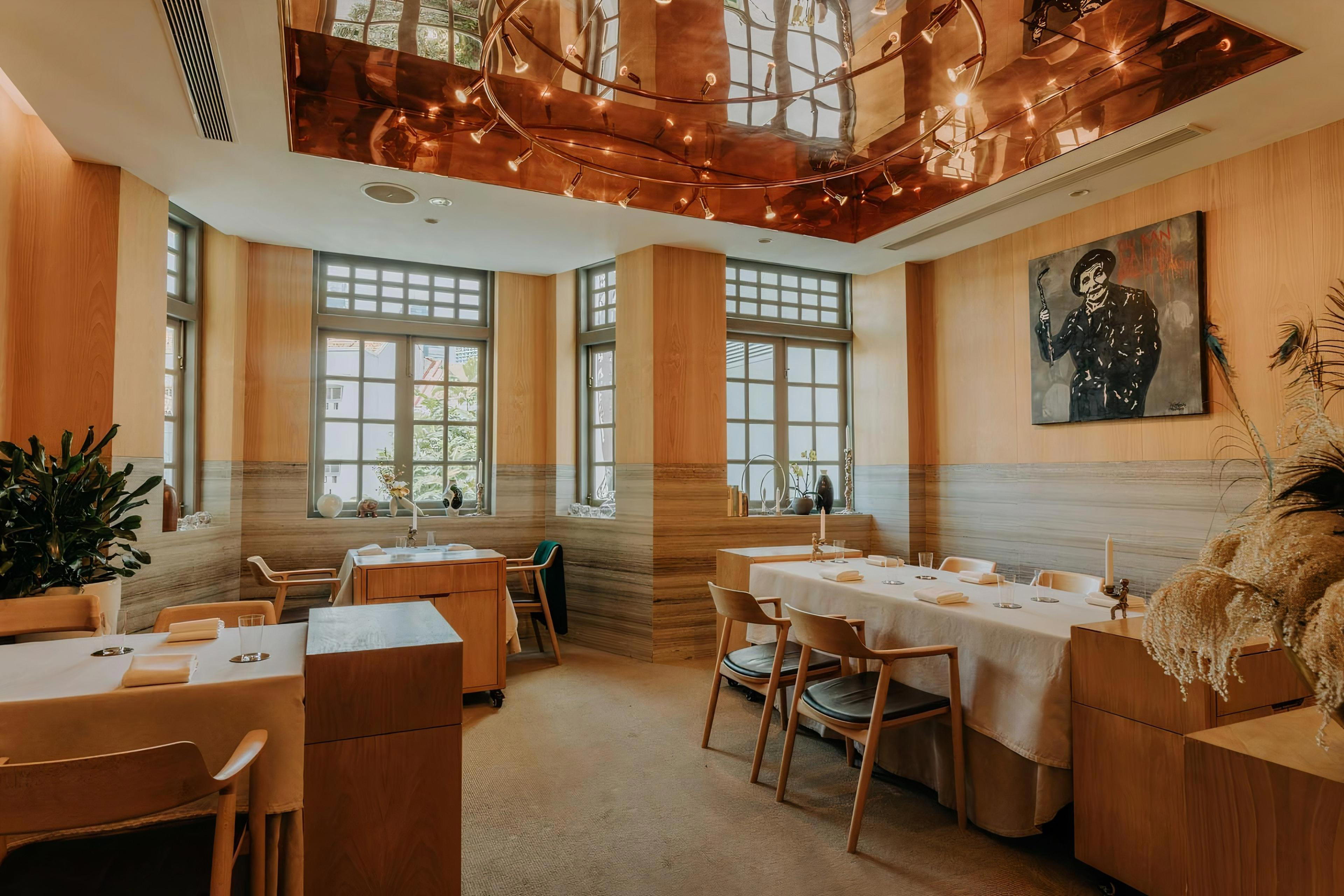
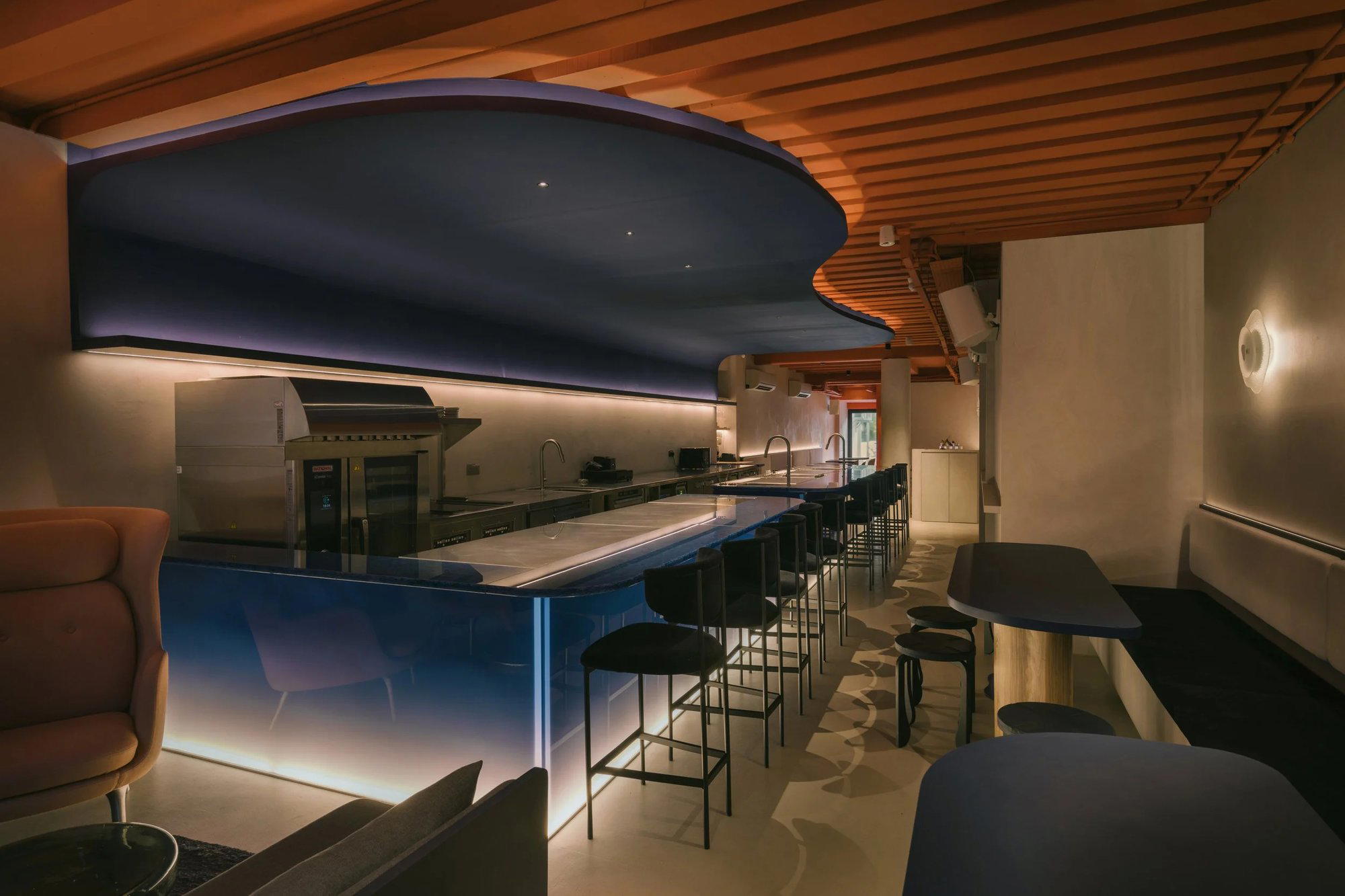
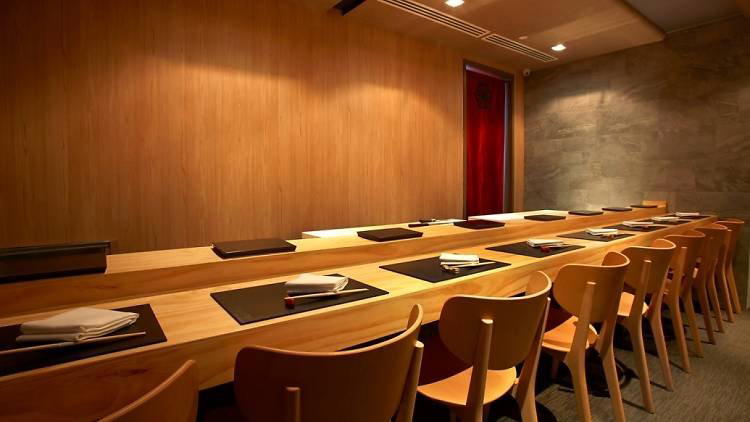
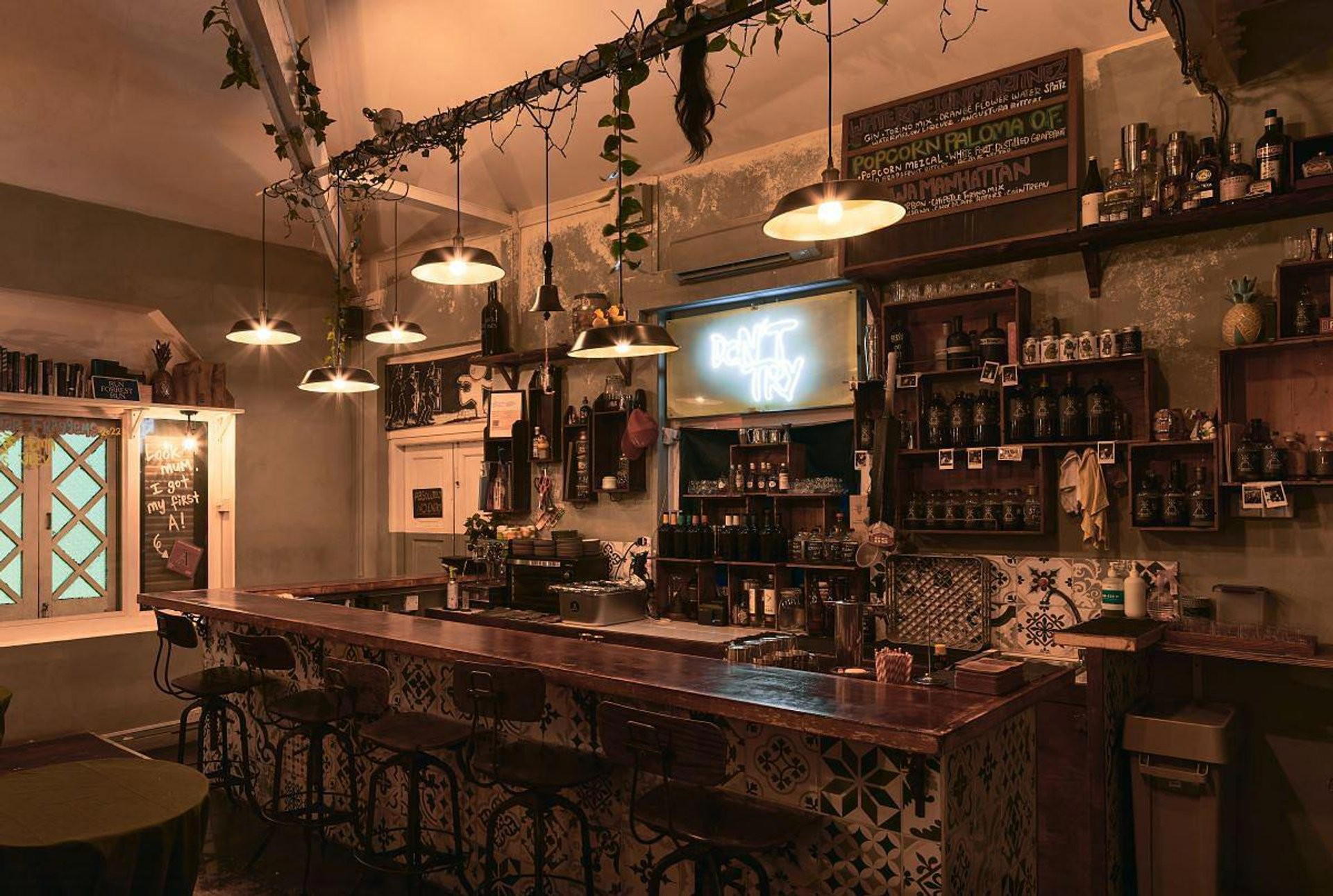
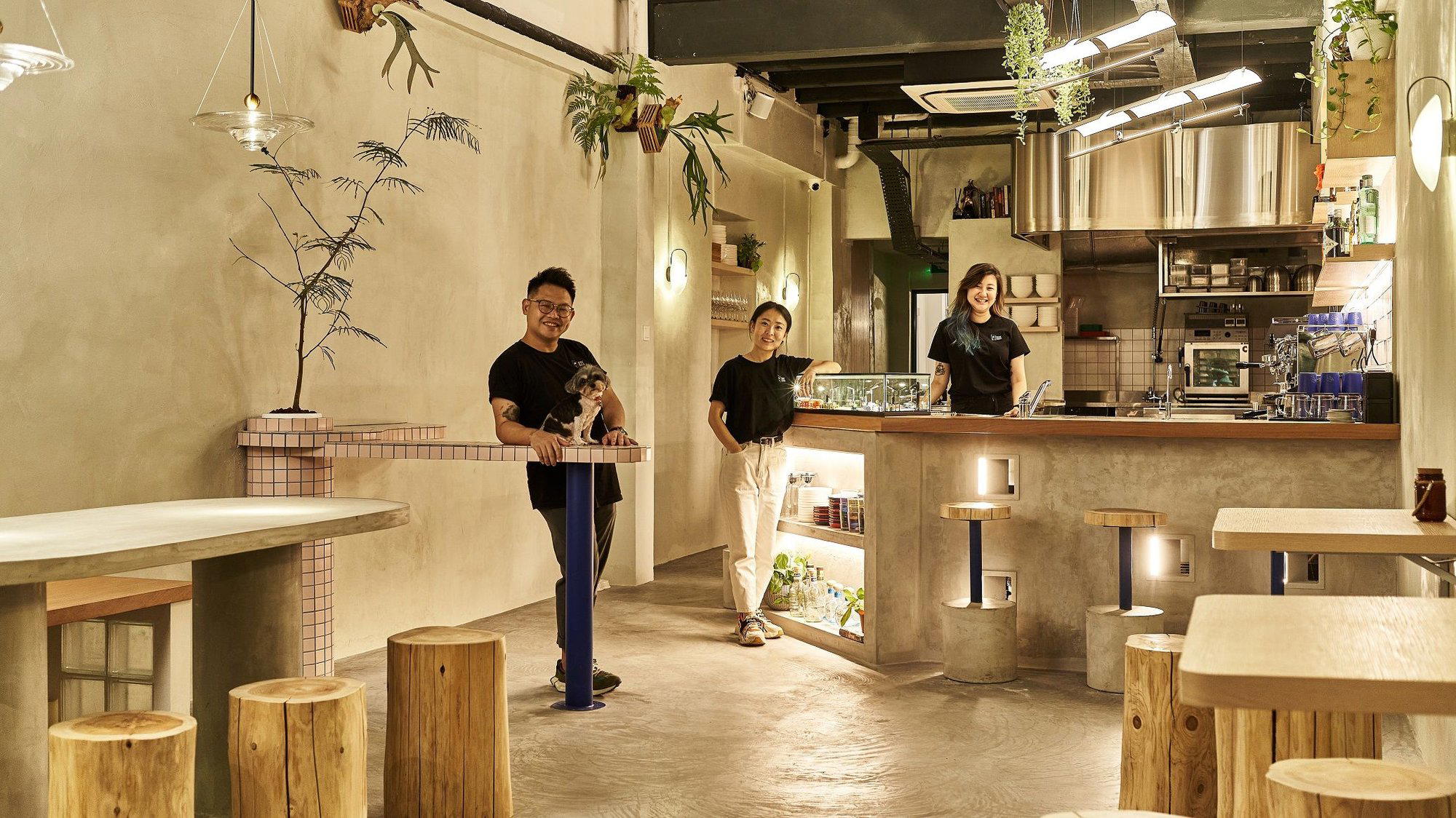
Minimalistic room with cozy zen atmosphere, tranquil and soothing with calm, refined lighting.