







CUT by Wolfgang Puck reimagines the modern steakhouse with exacting precision, internationally prominent sourcing, and cinematic flair. In a sleek, artful setting, guests embark on a progression of meticulously selected beef, Japanese Wagyu, American ribeye, and rare cuts, each kissed by fire, perfumed with woodsmoke, and finished with a jeweler’s attention to detail. Polished sides and lively, globally inflected sauces add nuance, while an encyclopedic cellar offers vintages as bold or restrained as your evening requires. Service is poised yet warmly intuitive, ensuring every moment feels both exclusive and effortless. For the traveler who collects experiences, not just reservations, CUT delivers a singular expression of luxury: elemental, sensual, and unmistakably modern.
Pearl is the En Primeur Club membership app — saves, bookings, and concierge access live there. Same editors, same standards.
- Address
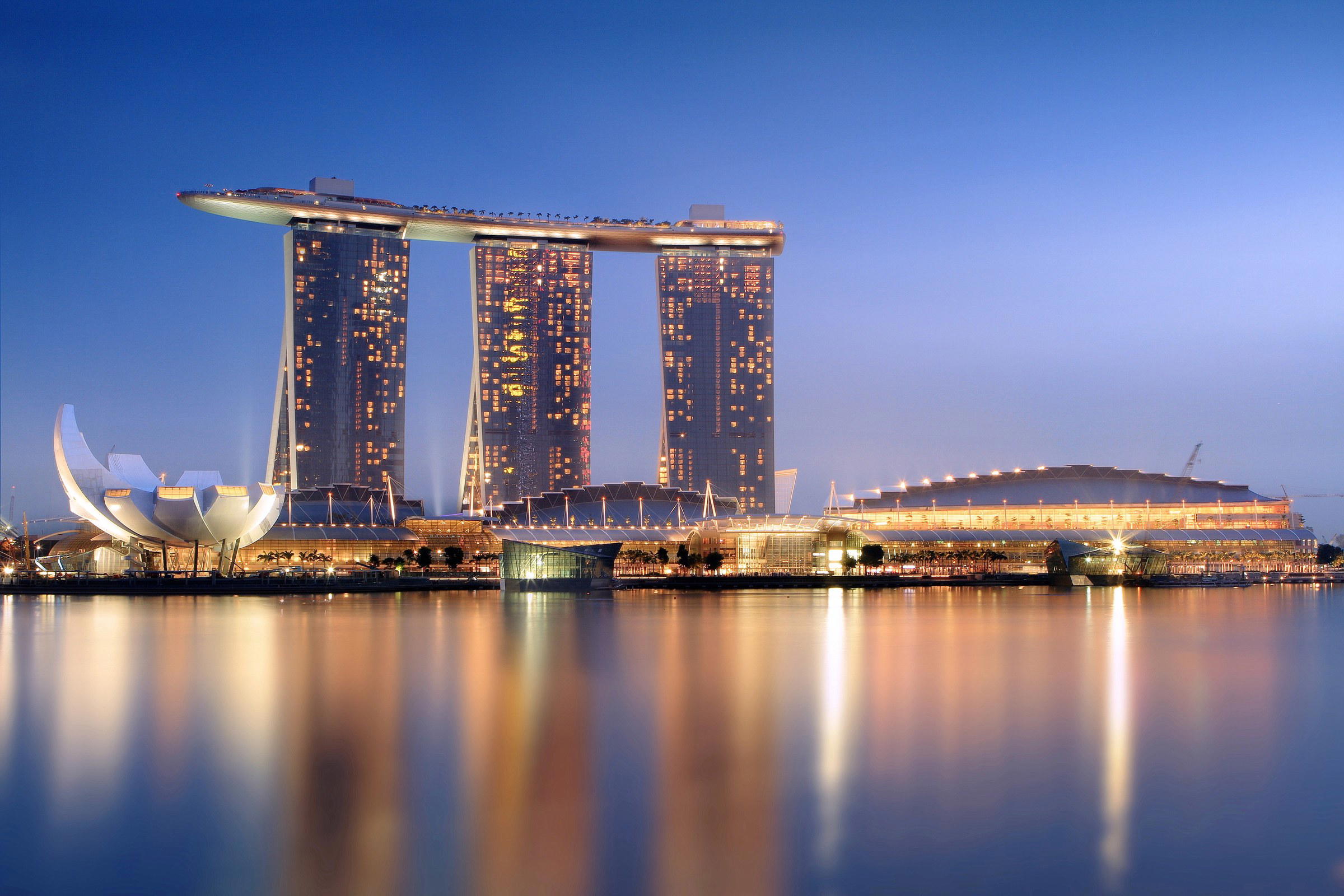
- 10 Bayfront Ave, B1-71 The Shoppes, Marina Bay Sands, Singapore 018956
- Phone
- +65 6688 8517
- Website
- marinabaysands.com
- Directions
- Get directions
 Saves & bookings on Pearl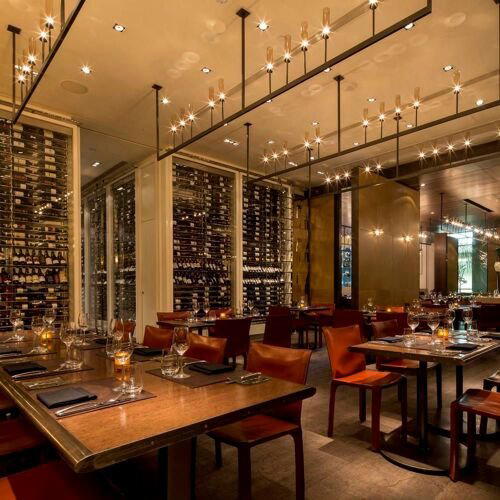
Inside the Room
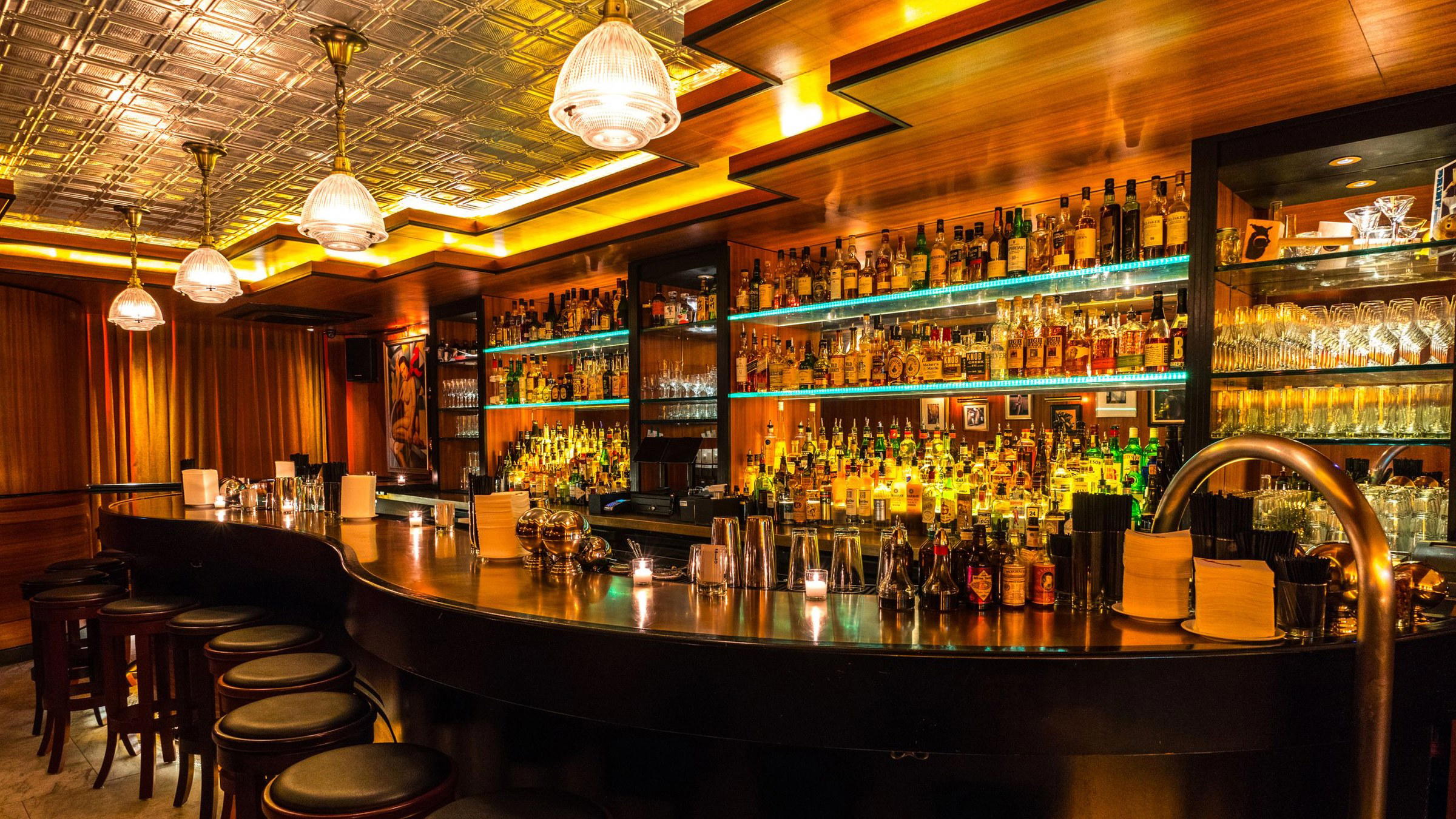
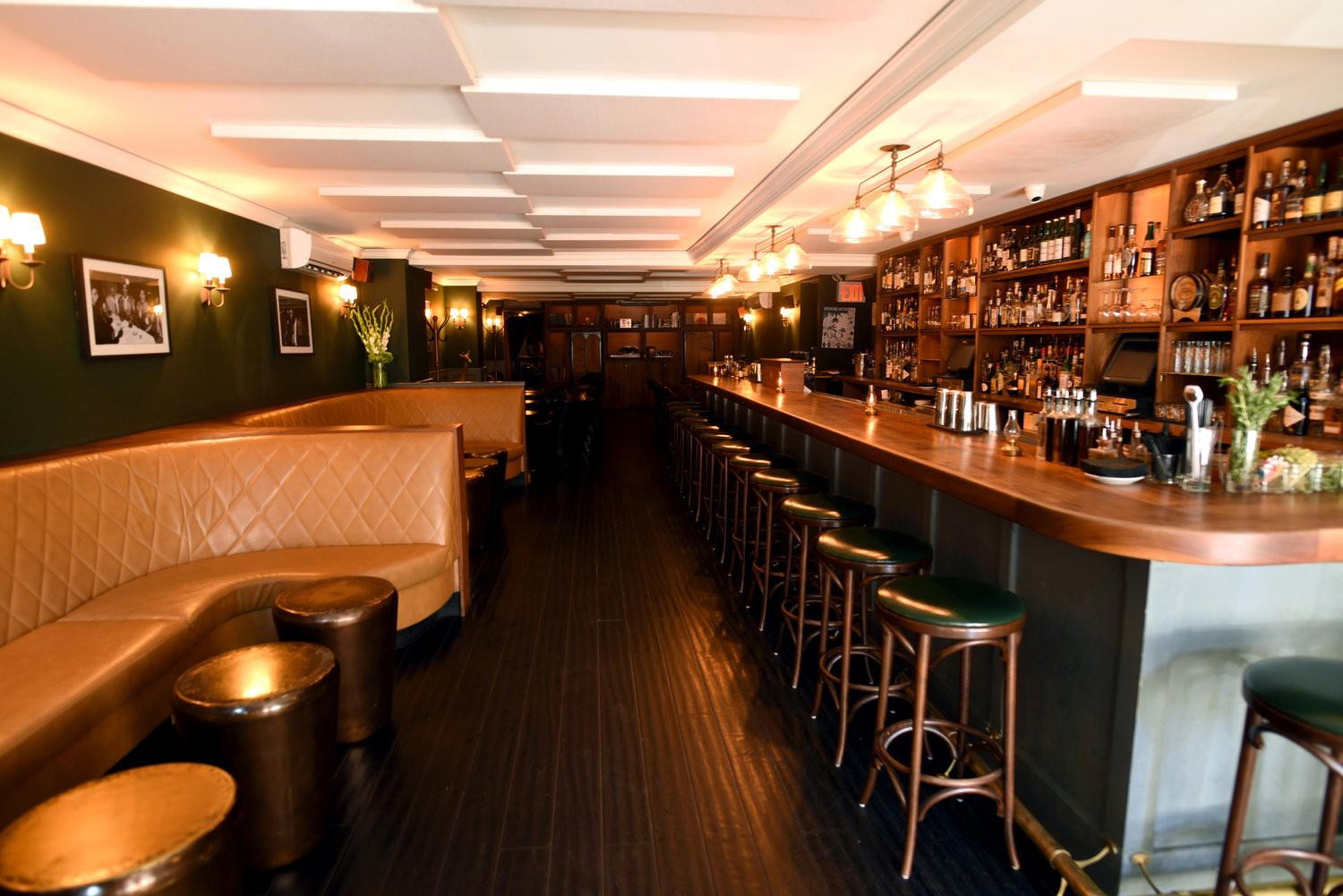
The descent to CUT's Galleria Level address in Marina Bay Sands sets the tone before you reach the host stand. This steakhouse does not hide its ambitions. Hospitality designer Tony Chi's main dining room deals in mirrored glass walls, earth tones, and Mario Bellini leather furnishings, the kind of interior language that signals occasion without theatrical excess. Mod chandeliers catch the light overhead while a soundtrack of classic rock keeps the 138-seat room from tipping into stiffness. The effect is masculine and polished, a room that knows its purpose and commits to it.
Singapore's premium dining circuit has historically concentrated its serious reputation in European and Asian-led kitchens. The city's Michelin-starred and critically recognised fine dining, including addresses like Odette, Zén, and Les Amis, occupies a European register. The American steakhouse format sits outside that tradition and has had to make its case differently, through provenance, grilling discipline, and the breadth of its beef sourcing rather than through tasting-menu structure. CUT has made that case consistently enough to appear on La Liste's global rankings in both 2025 and 2026, and to hold a position in Opinionated About Dining's Asia Leading Restaurants across multiple consecutive years.
The Cuts: What Actually Arrives at the Table
The editorial angle at CUT is not the room or the address. It is the meat program, and within that, the specific question of what differentiates one cut from another in a list that spans three countries of origin and several ageing protocols.
The beef roster operates across distinct tiers. Rangers Valley Australian Wagyu, grain-fed and aged for at least 35 days, anchors the middle of the sourcing spectrum: a cut with fat distribution that rewards a longer cook and enough structural integrity to hold up to the kitchen's grilling method. Snake River Farms American Wagyu, sometimes labelled in the US market as "Kobe-style" beef, sits at a different point on the flavour register, leaning toward richness with a marbling score that puts it well above commodity American beef without reaching the intensity of full Japanese grades. Then come the Japanese entries: Kagoshima bone-in craft Wagyu and Hokkaido Snow beef, the latter carrying the regional designation that points to Hokkaido's cooler-climate cattle-raising conditions and the marbling profile that results from them.
Grilling method applied across all these cuts involves searing over charcoal and apple wood before finishing under a 1,200-degree broiler. That two-stage approach is worth understanding: the initial wood-fire stage introduces smoke and surface caramelisation, while the extreme-heat broiler finish sets the crust and drives internal temperature quickly, reducing moisture loss in the final stage of the cook. The technique is a refinement of the classic American steakhouse broiler method rather than a departure from it, and it is the approach Wolfgang Puck's kitchen has used since the original CUT opened in Beverly Hills.
Sauce choices run from Argentinean chimichurri to a wasabi and yuzu-kosho butter. The latter reflects Singapore's position as a kitchen where Japanese flavour references read as natural additions rather than fusion gestures. For comparison, American steakhouses operating in their home market, such as Peter Luger in New York or Mastro's in Beverly Hills, work within a narrower flavour frame that rarely incorporates Asian condiment references at this level of the menu.
Beyond Beef: The Seafood Program
CUT Singapore carries a seafood program that its menu positions as a parallel offering rather than an afterthought. The sourcing list is specific: oysters from New Zealand, Alaskan king crab, abalone from Jeju Island in South Korea, and razor clams from Scottish coastal waters. The geographic spread of that list is a function of Singapore's port-city logistics and its proximity to both Pacific and European supply chains. Few steakhouses outside of East and Southeast Asia could assemble the same list with equivalent freshness guarantees. Jaan by Kirk Westaway and Meta represent the city's inventive end of the protein conversation, but neither operates in this format.
The Wine List
With 1,150 selections and an inventory of approximately 3,350 bottles, CUT's cellar is scaled for a room that takes wine seriously. The program is weighted toward Burgundy, Bordeaux, California, France broadly, and Italy. Wine Director Britt Ng and Sommelier Max Chong manage a list that falls into the leading pricing tier, with many bottles above SGD 100. For a steakhouse of this format, the California and Burgundy emphases make sense: the former pairs against American Wagyu and the broader menu's American reference points, the latter for guests working through the Japanese cuts, where the higher fat content often calls for higher-acid, less tannic counterparts. Comparable steakhouse wine programs at addresses like Craftsteak in Las Vegas or Bourbon Steak in Miami tend to emphasise California more heavily; the Burgundy weighting here reflects both the Singapore market's appetite for French wine and the range of the beef program.
Awards and Critical Context
The record here is consistent rather than spectacular. La Liste placed CUT Singapore at 80.5 points in 2025 and 77 points in 2026. Opinionated About Dining ranked it at 305 in Asia for 2025, following a 166 placement in 2024 and a Highly Recommended designation in 2023. The venue sits at Marina Bay Sands. The trajectory on OAD's list shows movement, but the La Liste score compression between the two years reflects the broader competitive pressure on Singapore's premium dining market, which has seen a significant increase in highly regarded openings.
Among international American steakhouse comparisons, addresses like Kayne Prime in Nashville, Yuta in Park City, and Rockefeller Room in Williamsburg each operate within narrower sourcing briefs than CUT Singapore's multi-origin program. Dunton Hot Springs in Colorado occupies an entirely different hospitality register. The closest structural peer in the celebrity-chef steakhouse format may be CUT's own Las Vegas sibling, but the Singapore version has built a distinct identity through its Japanese beef selections and seafood program.
Private Dining and the Group Format
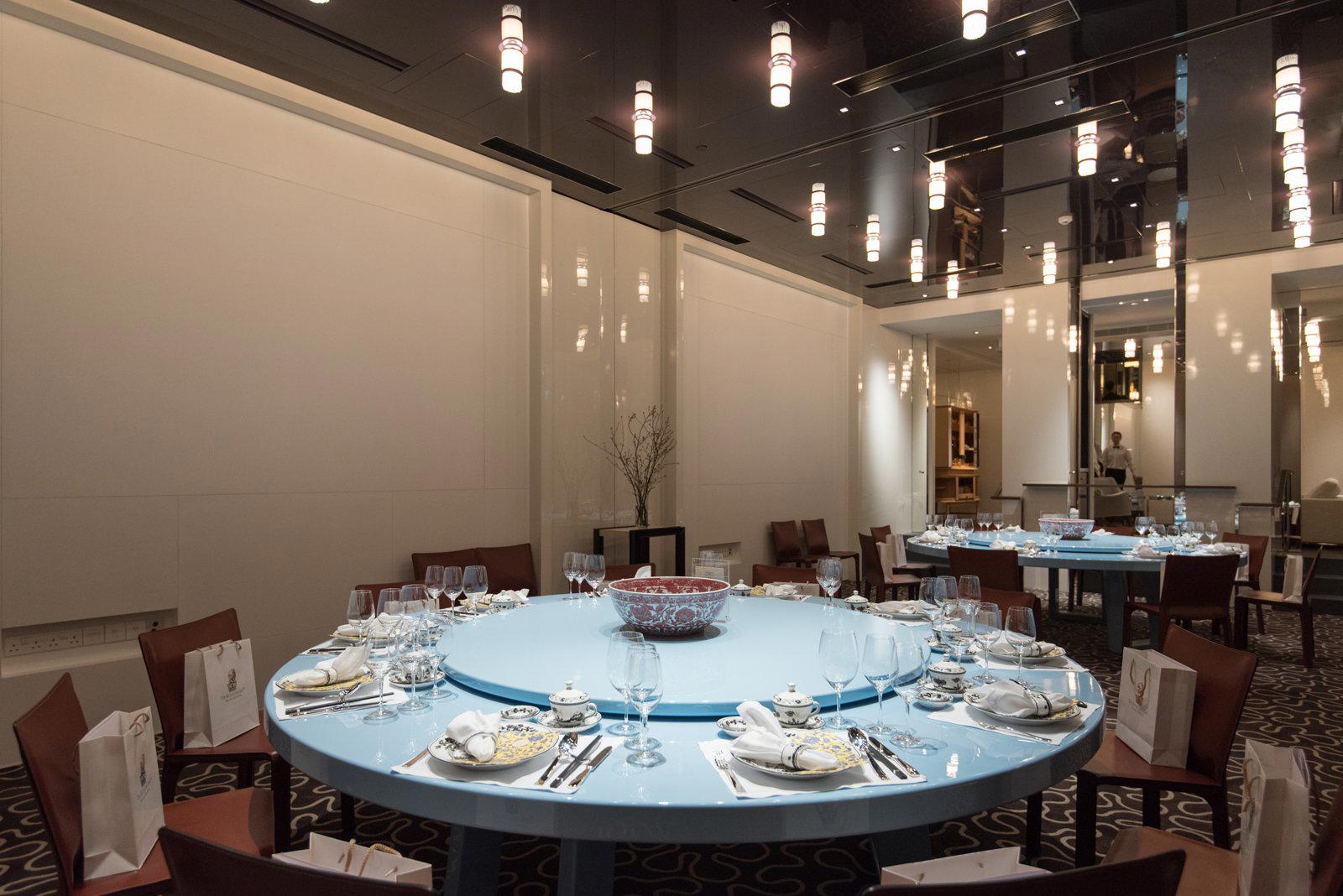
A private dining room with lacquered wine cabinets and glass walls accommodates up to 40 guests. For corporate groups or larger celebrations, that room represents one of the more architecturally considered private spaces in Singapore's hotel dining circuit. The glass wall design allows the room to maintain a visual connection to the wider dining space, which works better in practice than fully enclosed rooms that can feel cut off from the restaurant's energy.
Planning a Visit
CUT opens daily at 4 PM and closes at midnight, a dinner-only operation every day of the week. The kitchen's hours make it a natural late-evening option after events at Marina Bay Sands or along the Bayfront corridor. Reservations are practically necessary, particularly on weekends when open tables are scarce. Walk-ins are accommodated when space allows, but the 138-seat room fills consistently. The address is at B1-71, Galleria Level, The Shoppes at Marina Bay Sands, 10 Bayfront Avenue, Singapore 018956, accessible directly through the integrated mall-and-hotel complex at the Bayfront MRT interchange. For hotels in the area and across the city,
What to Order at CUT Singapore
What should I eat at CUT Singapore? The beef program is the primary reason to be here, and the Japanese cuts, specifically the Kagoshima bone-in craft Wagyu and the Hokkaido Snow beef, represent particularly distinctive choices on a menu that already offers strong Australian and American options. The 35-day minimum ageing on the Rangers Valley Australian Wagyu makes it a reliable middle-ground order for guests who want measurable ageing character without the full intensity of an A5-grade Japanese cut. The house-made sauces, particularly the yuzu-kosho butter, work better against the richer marbling of the Japanese selections than against the leaner American cuts. The seafood program, with Jeju Island abalone and Alaskan king crab, is worth serious consideration as a table-sharing starter course, particularly given the sourcing specificity that Singapore's logistics enable. On the wine side, the Burgundy section of the list pairs well against the Japanese Wagyu, and the California selections are the natural complement to the American and Australian cuts. Chef Greg Bess has led the kitchen since 2010, and the consistency across the OAD rankings over three consecutive years reflects that continuity. The EP Club Singapore restaurant guide provides comparative context across the city's full dining range for those building a wider itinerary.
Awards and Standing
Comparable venues nearby, for context on price, style, and recognition.
| Venue | Cuisine | Price | Awards | Notes |
|---|---|---|---|---|
| CUT SingaporeThis venue — the venue you are viewing | Michelin-Starred Steakhouse | $$$$ | Michelin 1 Star | Not listed |
| Labyrinth | Modern Singaporean | $$$$ | Michelin 1 Star | MARINA CENTRE |
| Waku Ghin | Modern Japanese Omakase | $$$$ | Michelin 1 Star | BAYFRONT SUBZONE |
| Born | Contemporary Fusion Fine Dining | $$$$ | Michelin 1 Star | CHINATOWN |
| Thevar | Modern Indian Fine Dining | $$$$ | Michelin 2 Star | INSTITUTION HILL |
| Nae:um | Modern Korean Fine Dining | $$$$ | Michelin 1 Star | CHINATOWN |
Recognition history
Dated appearances from independent guides and award organizations, with the underlying list record or original source where available.
La Liste Top Restaurants
La Liste
Opinionated About Dining Top Restaurants in Asia Recommended
Opinionated About Dining
Star Wine List
Star Wine List
Wine Spectator Best of Award of Excellence
Wine Spectator
Forbes 4-Star
Forbes
La Liste Top Restaurants
La Liste
Michelin 1 Star
Michelin
Opinionated About Dining Top Restaurants in Asia Ranked #305
Opinionated About Dining
Wine Spectator Best of Award of Excellence
Wine Spectator
World's 50 Best MENA's Best Restaurants #43
World's 50 Best
World's Best Steaks 101 Best Steak Restaurants #59
World's Best Steaks
Opinionated About Dining Top Restaurants in Asia Ranked #166
Opinionated About Dining
Opinionated About Dining Top Restaurants in Asia Highly Recommended
Opinionated About Dining
Continue exploring
More in Singapore
Restaurants in Singapore
Browse all →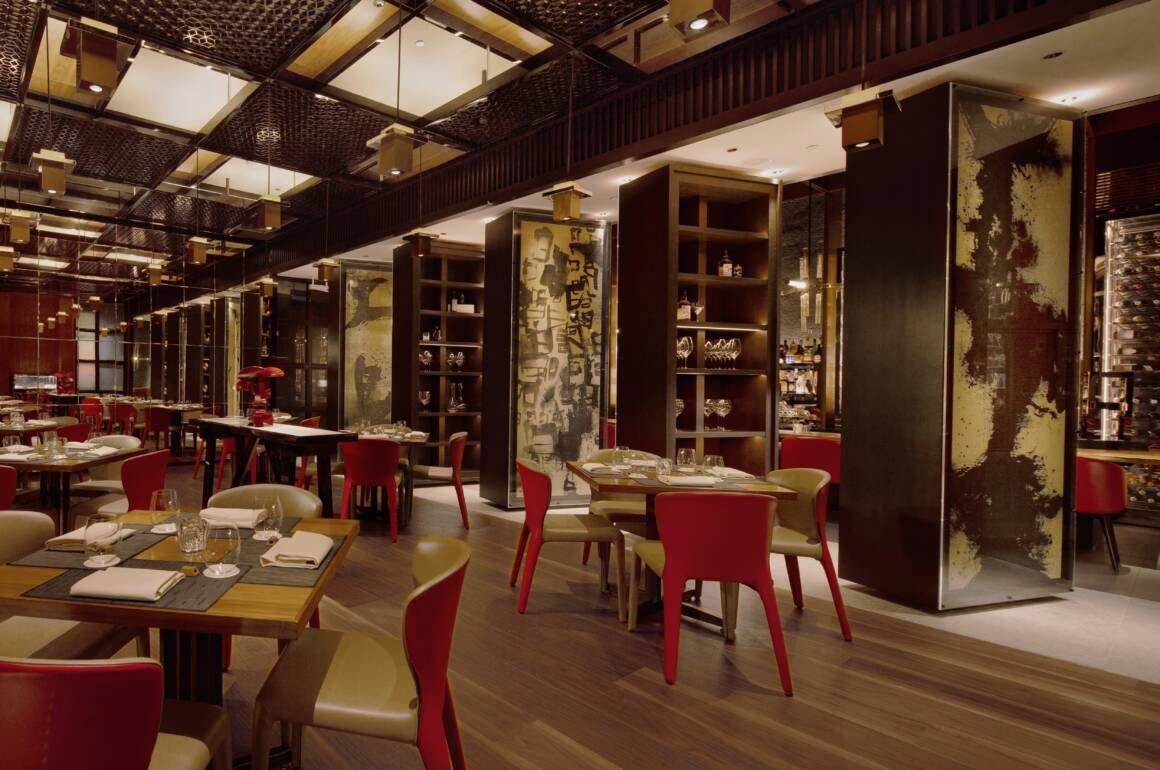
Bars in Singapore
Browse all →
At a Glance
- Elegant
- Sophisticated
- Modern
- Date Night
- Business Dinner
- Celebration
- Special Occasion
- Hotel Restaurant
- Extensive Wine List
- Sommelier Led
Current opening hours
- Monday
- 5–10 PM
- Tuesday
- 5–10 PM
- Wednesday
- 5–10 PM
- Thursday
- 5–10 PM
- Friday
- 5–10 PM
- Saturday
- 5–10 PM
- Sunday
- 5–10 PM
Hours can change for holidays and private events. Last verified .
Refined and elegant with dimmed lighting, sleek sophisticated interior, and a comfortable fine dining atmosphere.