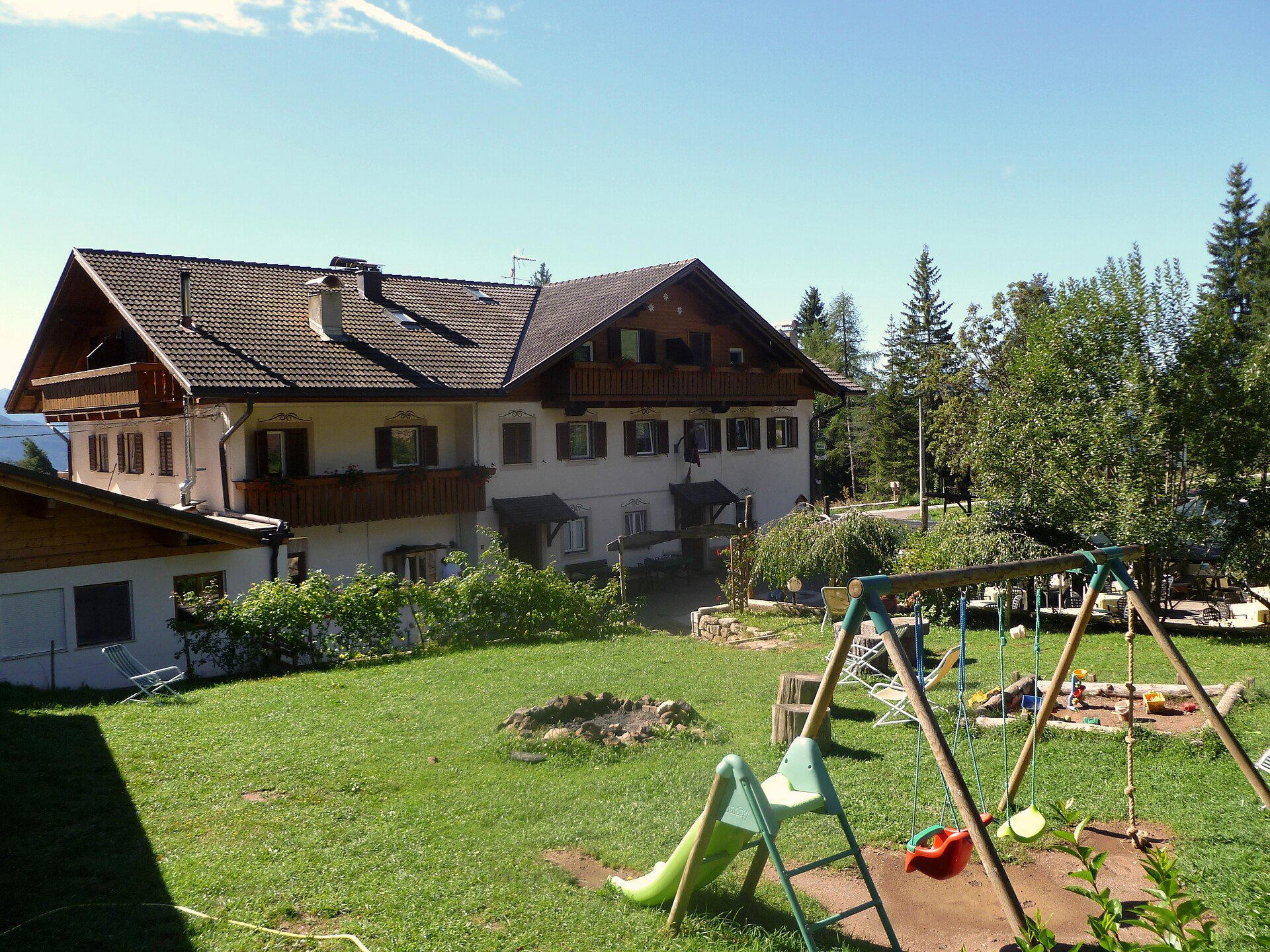
Waidmannalm sits in Hafling, the high-altitude village above Merano in South Tyrol, where mountain farming traditions and Alpine ingredient culture shape how the area eats. The address on Via Pivigna places it within a community where proximity to pasture, forest, and seasonal harvest is not a selling point but a structural fact of life. For visitors making the winding ascent from the valley, the setting frames expectations before the meal begins.
Pearl is the En Primeur Club membership app — saves, bookings, and concierge access live there. Same editors, same standards.
- Address
- Via Pivigna, 30, 39010 Avelengo BZ, Italy
- Phone
- +39 0473 279461
- Directions
- Get directions
 Saves & bookings on Pearl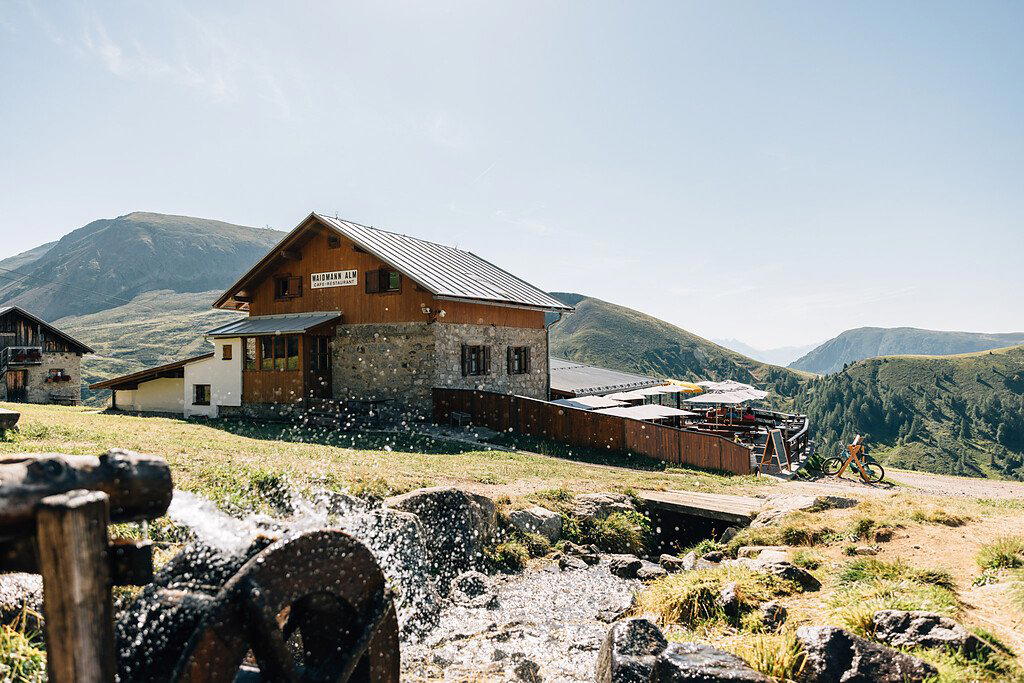
Where Altitude Shapes the Plate
South Tyrol's dining identity is built on a geographic argument: that what grows or grazes at elevation tastes different, and that the cooks who work closest to those sources tend to reflect it most honestly. Hafling, sitting above 1,200 metres on the plateau overlooking Merano, belongs to a small cluster of Alpine communities where that argument is not theoretical. The village's economy has long rotated around the Haflinger horse breed, upland dairy farming, and forest management, and the kitchens that draw from those immediate surroundings carry a distinct material logic. Waidmannalm, addressed at Via Pivigna 30 in the comune of Avelengo, operates within that context. The approach from Merano involves a sustained climb through hairpin bends, and by the time the valley has disappeared behind the treeline, the altitude has already done editorial work on the visitor's expectations.
The name itself signals a particular South Tyrolean register: Waidmann refers to the traditional hunter or woodsman, and Alm to the high Alpine pasture or farmstead. That combination locates the place within a Tyrolean hospitality tradition that predates the region's modern gastronomy boom, one where the sourcing story begins not in a supplier relationship but in the surrounding land itself. For our full Hafling restaurants guide, this kind of rootedness in immediate geography is what separates the area's most compelling tables from more generic mountain dining.
The Ingredient Argument in South Tyrol
South Tyrolean cuisine sits at a cultural and agricultural crossroads. The Germanic and Italian influences that shape its cooking traditions are well documented, but the more interesting tension is between altitude and altitude: what the lower valley produces versus what the upland farms yield. Dairy from high-altitude grazing carries different fat profiles and flavour intensity than lowland equivalents, a consequence of the mineral-rich pastures and the shorter, more concentrated growing season. Wild herbs, foraged mushrooms, game, and cured mountain meats form the backbone of a regional pantry that changes sharply across the calendar.
The region's most recognized kitchens have been working this ingredient argument for years at various price points. Atelier Moessmer Norbert Niederkofler in Brunico has built a Michelin-starred program explicitly around Alpine sourcing, using the Dolomite environment as both larder and design philosophy. That approach represents one end of a spectrum, the formal tasting-menu expression of mountain produce. Waidmannalm in Hafling occupies a different register within the same geographic logic: a farmstead address in a working upland village, where ingredient provenance is a structural feature of the setting rather than a curated program imposed on it.
The broader Italian fine dining circuit, from Dal Pescatore in Runate to Osteria Francescana in Modena and Enoteca Pinchiorri in Florence, tends to express regional identity through technique applied to produce. In Alpine Tyrol, the relationship inverts: the produce often drives the technique, and the season sets the menu before the kitchen has a say. That inversion is what gives places like Hafling a different kind of culinary authority from, say, Piazza Duomo in Alba or Enrico Bartolini in Milan. The comparison is not about prestige tier but about where the editorial energy originates.
Hafling as a Destination, Not a Detour
Visitors who treat Hafling as an extension of a Merano trip tend to underestimate the plateau's own character. The village functions as a destination in its own right for those interested in the physical environment as the context for eating and staying. The Haflinger horse, bred here since the nineteenth century and now the area's most exported cultural product, speaks to a long tradition of working with the land at elevation rather than despite it. That tradition shapes what the area's hospitality looks like: less spa-resort polish, more working farmstead authenticity.
The seasonal calendar matters here in ways that affect the visitor calculus. Summer brings the full range of Alpine herbs, wild berries, and pasture milk at peak quality. Autumn shifts toward game, mushroom, and preservation traditions that are among the more developed in the entire Alpine arc. Winter narrows the available palette but concentrates it, producing the smoked, cured, and aged products that define South Tyrolean winter eating. Planning a visit around the season is not a luxury consideration but a practical one: the ingredient story changes enough across the year that timing shapes the experience substantially.
Proximity to Merano means the logistical base is well served. The city below has direct rail connections to Bolzano and onward to the Brenner corridor, and the drive up to Hafling takes around twenty minutes under normal conditions. Visitors combining Hafling with wider South Tyrolean dining, using Le Calandre in Rubano or Casa Perbellini 12 Apostoli in Verona as anchor destinations in a wider northern Italian circuit, will find the detour manageable and the contrast in register useful.
Where Waidmannalm Sits in the Field
Without published awards data or a confirmed tasting format on record, placing Waidmannalm inside a specific tier of the South Tyrolean dining scene requires caution. What the address and name signal, taken together, is alignment with the region's farmstead and Alm hospitality tradition rather than its formal fine dining circuit. That tradition has its own credibility in South Tyrol, one built on directness of ingredient, seasonal honesty, and the kind of setting that produces a particular kind of meal: one where the environment outside the window is also the environment on the plate.
For reference, the high end of Italian Alpine dining is represented by destinations like Uliassi in Senigallia, Reale in Castel di Sangro, Da Vittorio in Brusaporto, Villa Crespi in Orta San Giulio, La Pergola in Rome, Quattro Passi in Marina del Cantone, and Gambero Rosso in Marina di Gioiosa Ionica. Internationally, the Alpine sourcing conversation has parallels with format-driven programs such as Le Bernardin in New York City and Atomix in New York City, where the relationship between origin and plate is structurally foregrounded. Waidmannalm's register is different from all of these, but the underlying argument about provenance and place runs through the same tradition.
Planning Your Visit
Waidmannalm is located at Via Pivigna 30, 39010 Avelengo BZ, Italy, on the Hafling plateau above Merano. Given the absence of published booking or hours data, contacting the venue directly before arrival is the practical approach, particularly during peak summer and autumn seasons when upland South Tyrolean destinations fill early. The ascent from Merano is accessible by car; public transport options to the plateau are limited, so independent or hired transport is the realistic means of arrival. Visitors combining this with a broader South Tyrolean itinerary should account for seasonal road conditions in winter months, when the plateau can be affected by snow closures.
How Waidmannalm Hafling compares with similar nearby venues.
| Venue | Cuisine | Price |
|---|---|---|
| Terra The Magic Place | Contemporary Italian, Creative | €€€€ |
Continue exploring
More in Hafling
Restaurants in Hafling
Browse all →
Bars in Hafling
Browse all →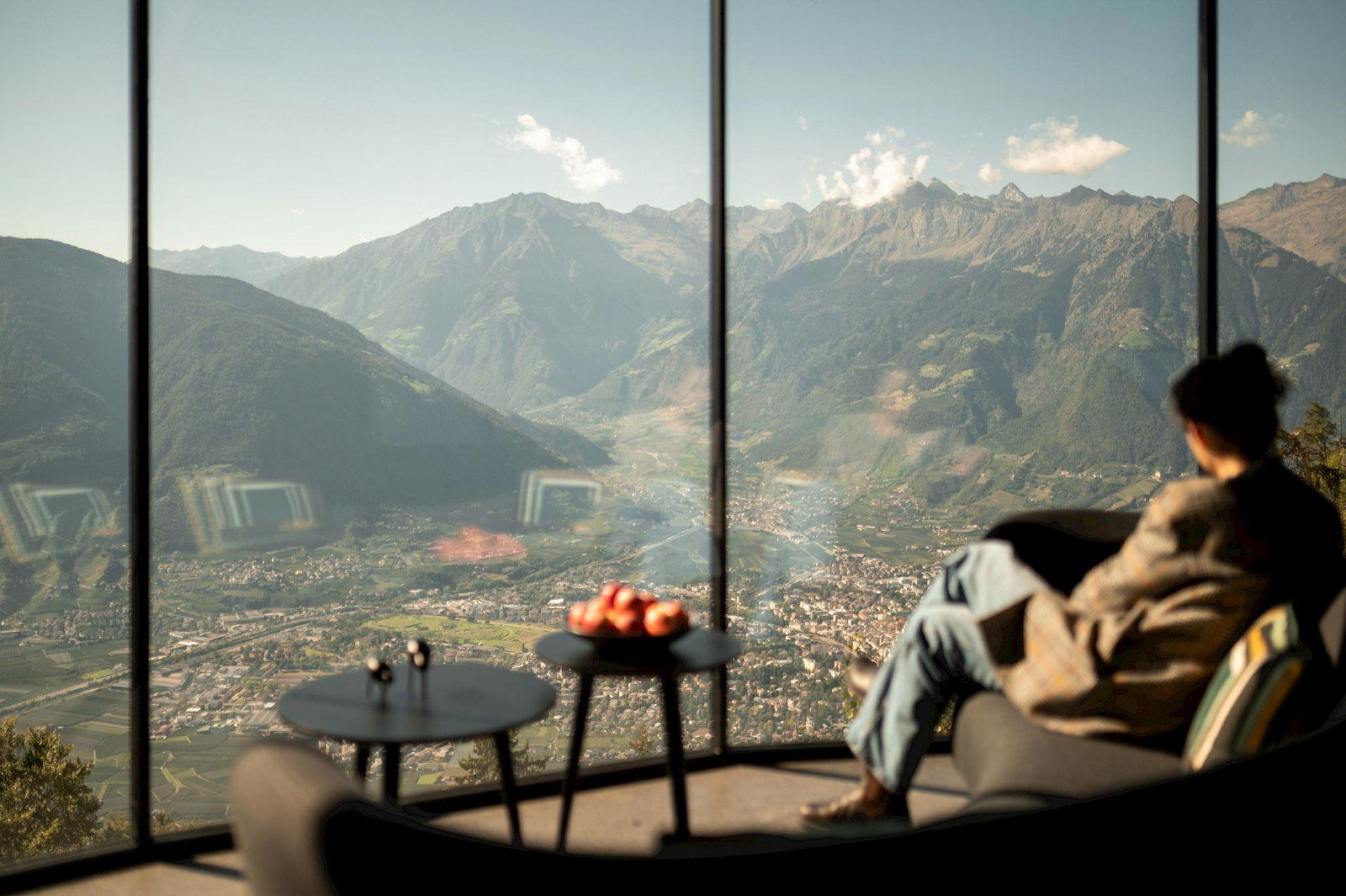
Hotels in Hafling
Browse all →
At a Glance
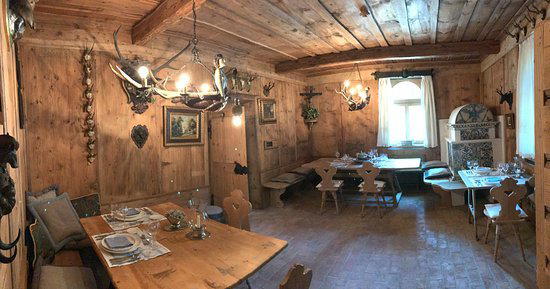
- Rustic
- Scenic
- Cozy
- Family
- Casual Hangout
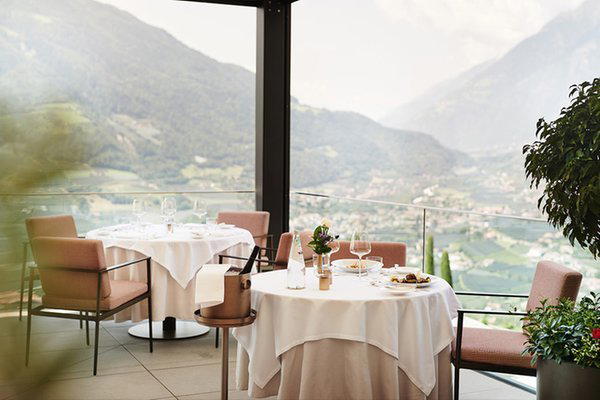
- Terrace
- Panoramic View
- Mountain
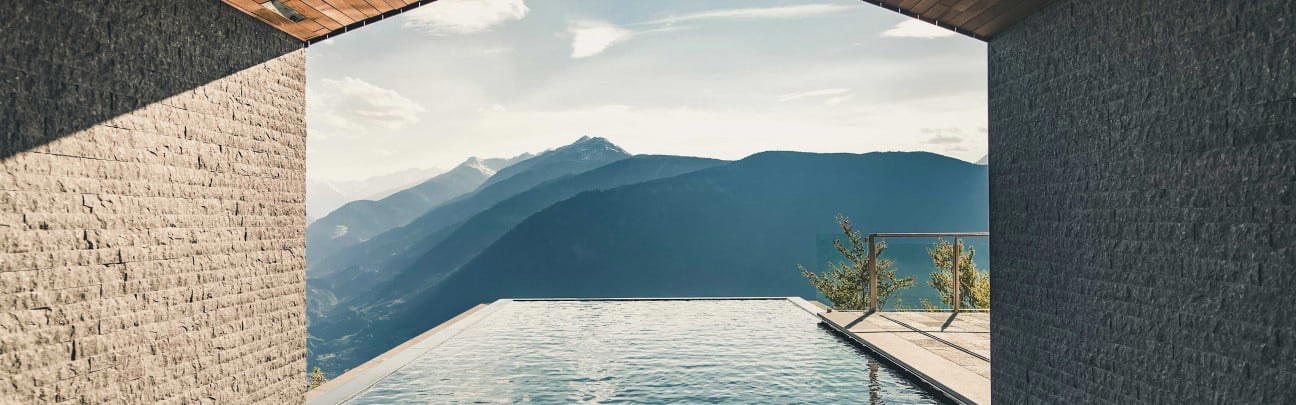
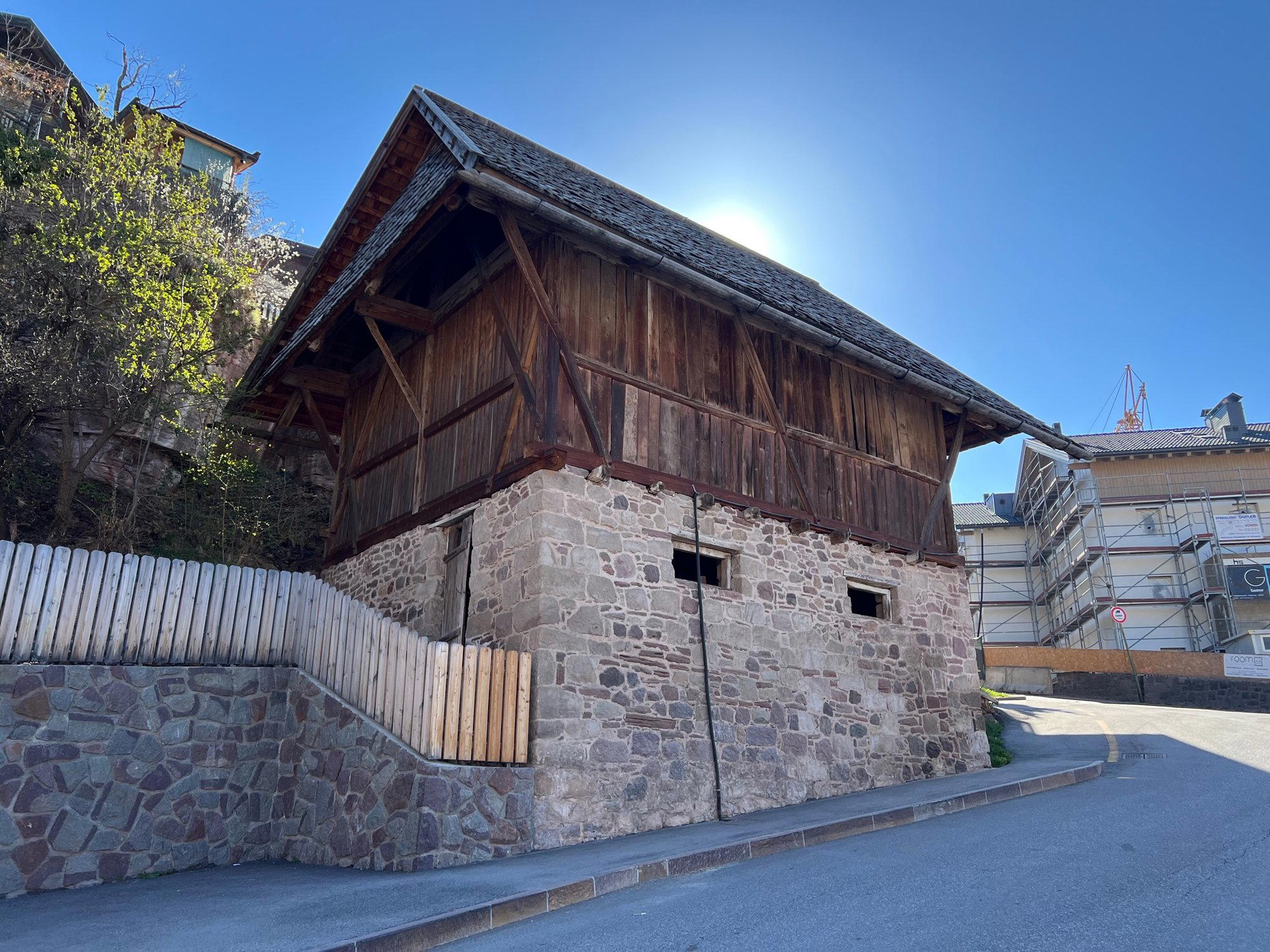
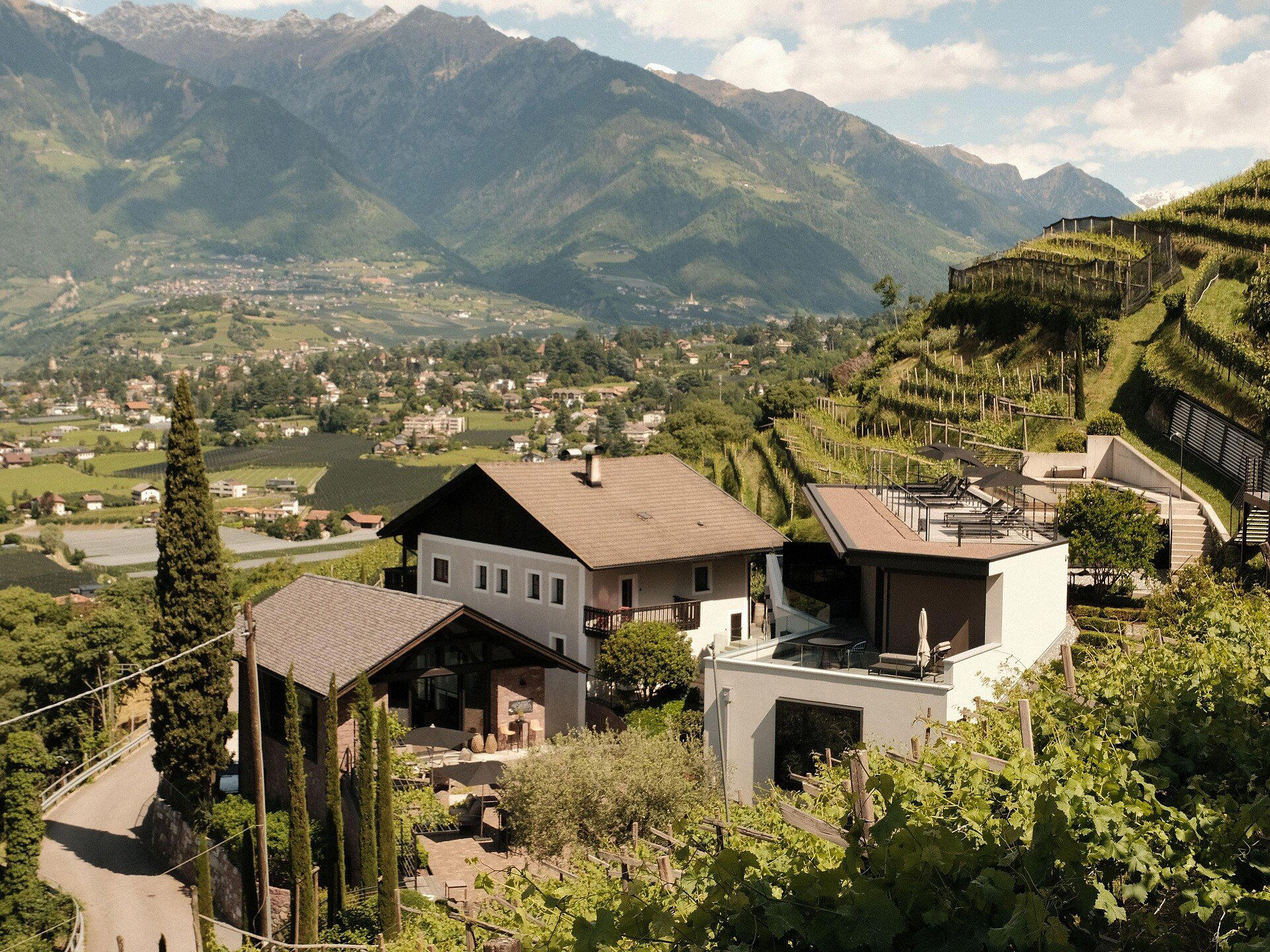
Rustic alpine atmosphere with sunny terrace and cozy indoor seating amid dramatic mountain scenery.