Sofitel Mexico City Reforma


1 Michelin Key · Virtuoso Luxury Hotel Partner
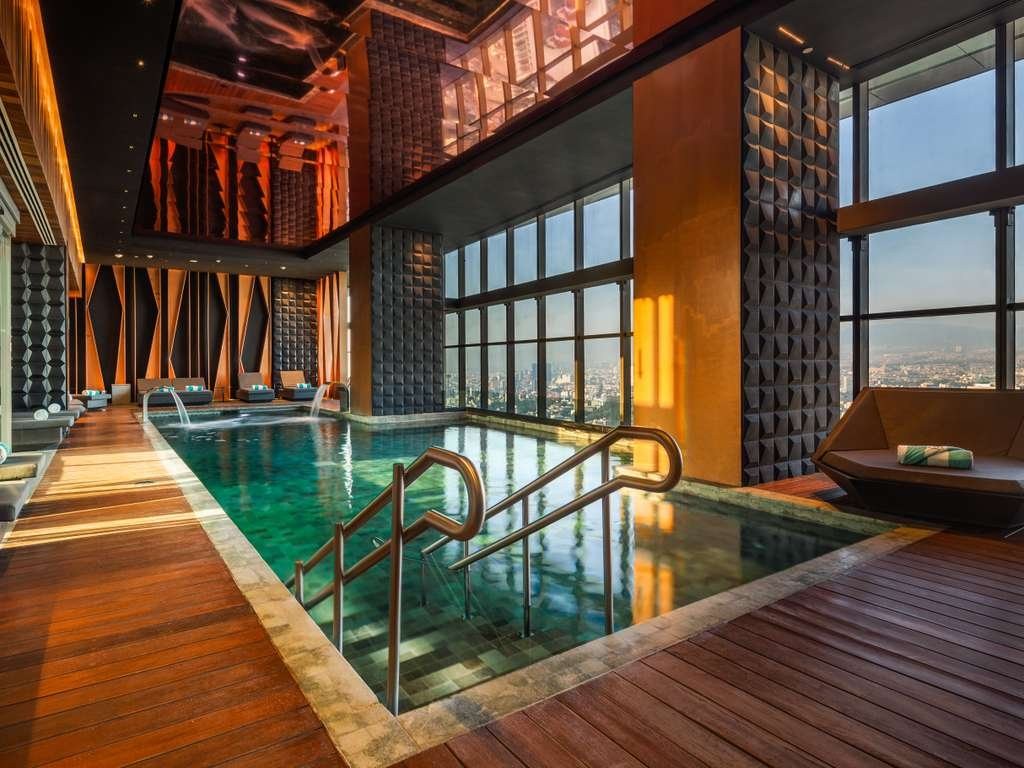
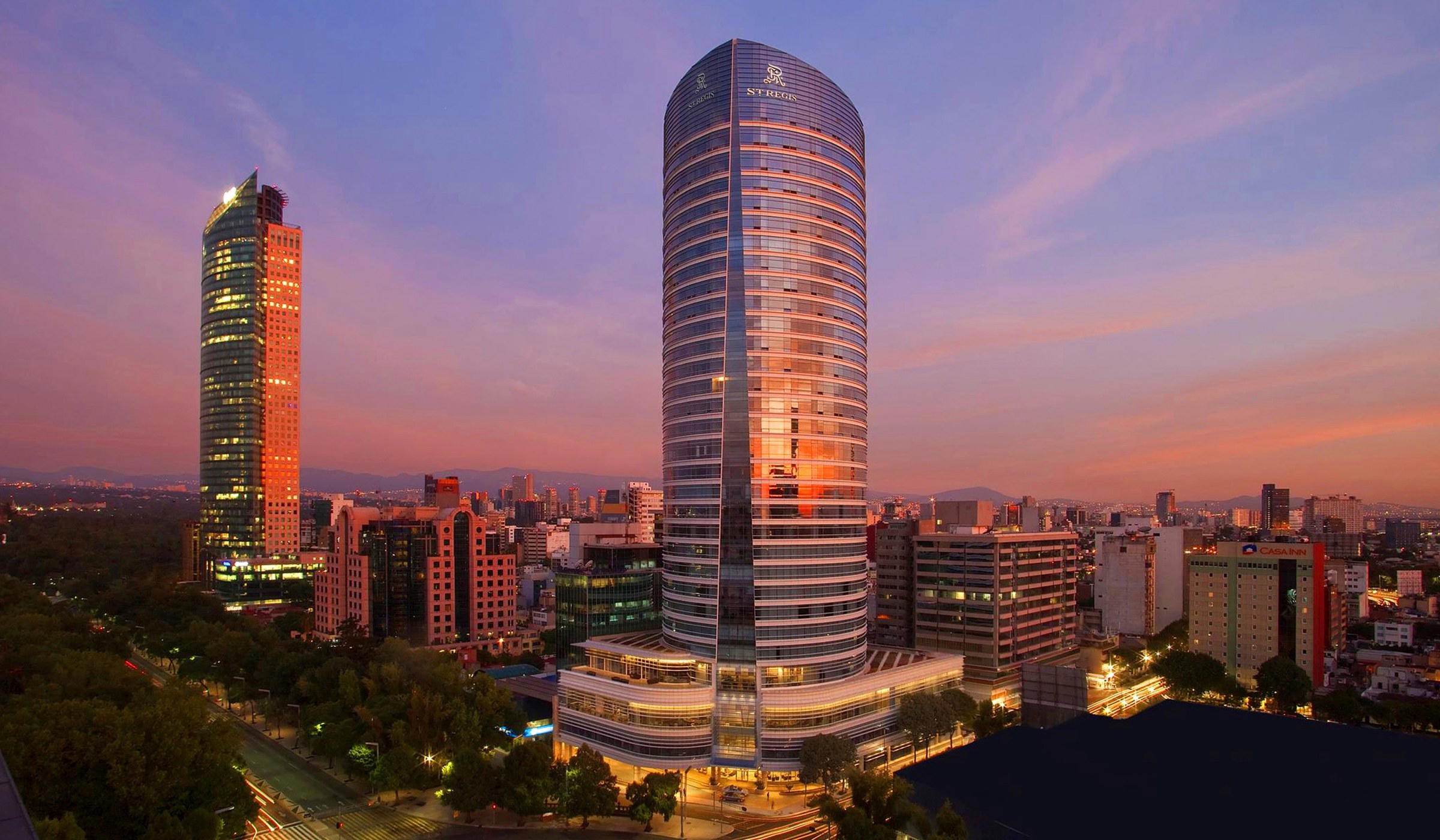
A 40-story tower on Paseo de la Reforma, the Sofitel Mexico City Reforma places Michelin-recognised dining, a 38th-floor saltwater pool, and 275 rooms with floor-to-ceiling city views inside one of the avenue's most architecturally distinct addresses. The French brand's signature art de vivre sits in deliberate dialogue with Mexican material culture, making it one of the few international luxury hotels in the city where the cross-cultural brief actually holds.

Pearl is the En Primeur Club membership app — saves, bookings, and concierge access live there. Same editors, same standards.
Reforma's Vertical Address
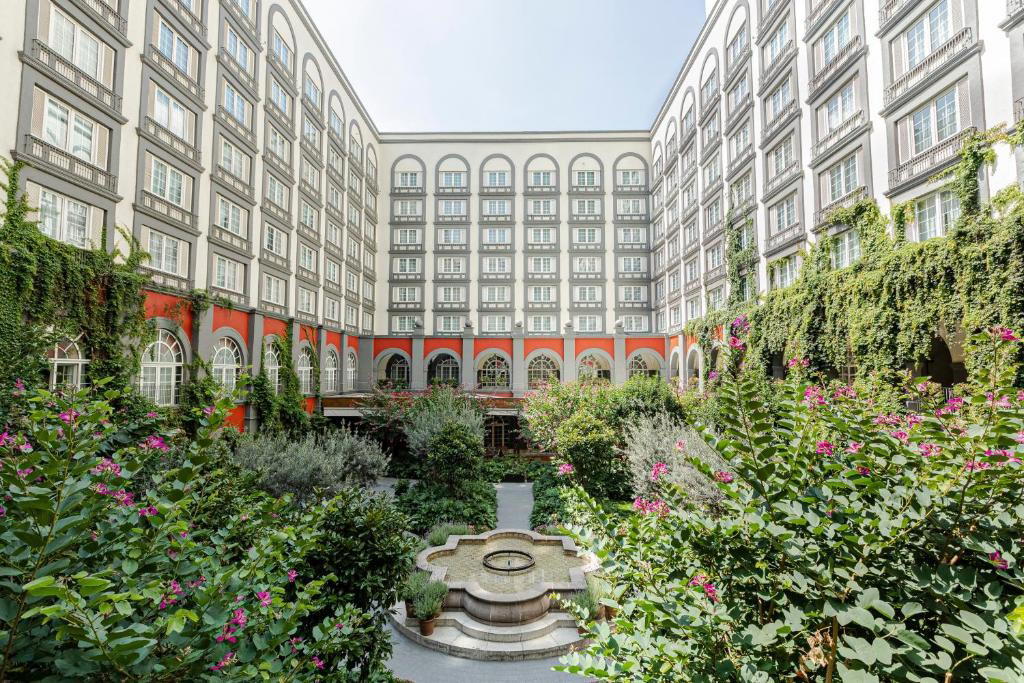
Paseo de la Reforma has always been Mexico City's axis of ambition: the boulevard that Maximilian of Habsburg commissioned in the 1860s to mirror the Champs-Élysées, and which has since accumulated the density of monuments, financial towers, and flagship hotels that signal where a city takes itself seriously. The Sofitel Mexico City Reforma slots into that lineage at the upper end of the international chain tier, occupying a 40-story tower that grants it something most of its Polanco-based competitors cannot offer: sightlines down the full length of the boulevard, with Chapultepec at one end and the historic centre at the other. For guests whose orientation in a new city begins with reading its geography from above, that positioning matters considerably.
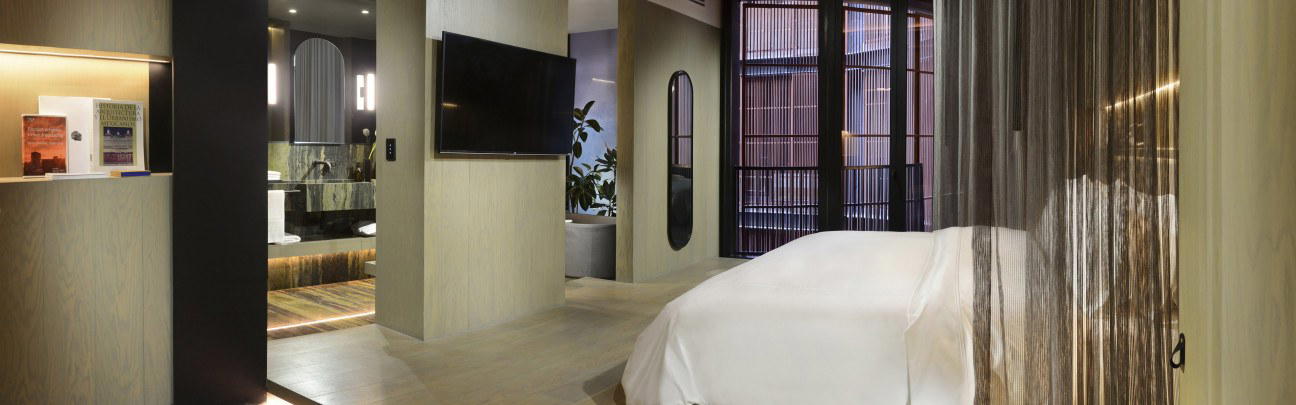
The hotel's 275 rooms and suites are built around that view. Floor-to-ceiling windows are the primary design gesture in most categories, and the interiors work with, rather than against, that dominance of glass and city light. The aesthetic reads as modernist-warm rather than the stripped-back minimalism that defines some of Mexico City's more design-forward boutique properties. Patterned carpets, organic textures, and a considered use of warm tones keep the spaces from feeling corporate, while the French accent surfaces in smaller details: L'Occitane bath products, Nespresso machines, and automated curtains that allow guests to black out the panorama entirely or flood the room with morning light over the Reforma.
Where the Cross-Cultural Brief Holds
Luxury hotels that attempt a fusion identity between a European brand and a local culture frequently produce something that satisfies neither. The Sofitel model, applied here, works better than average in Mexico City because the French and Mexican traditions share a genuine common ground in gastronomy, craft, and a particular seriousness about hospitality ritual. The hotel's two principal restaurants represent that dialogue at its most concrete.
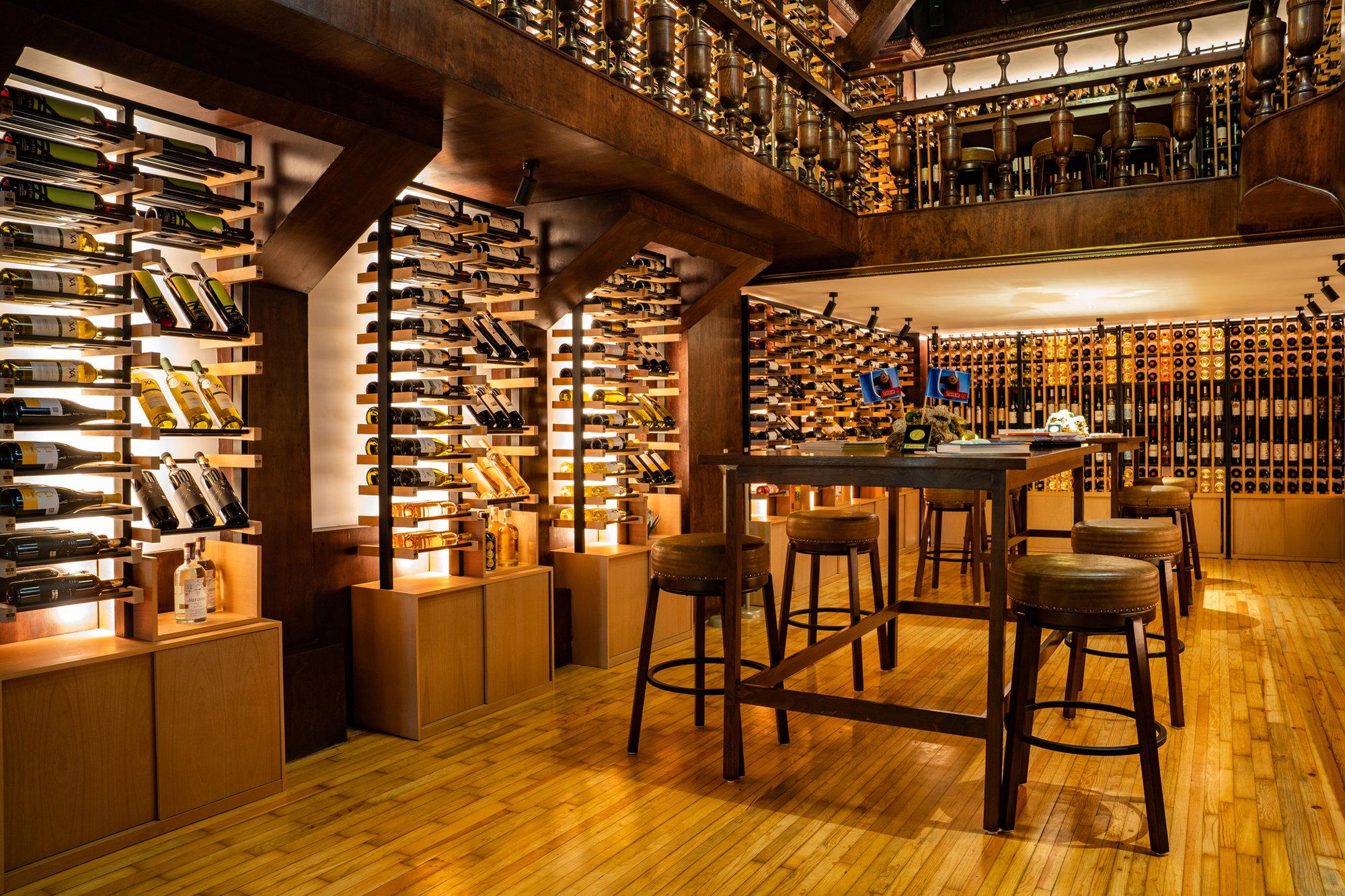
Bajel, the hotel's flagship dining room, has received Michelin recognition for its modern Mexican cuisine, placing it in a different competitive category from the hotel restaurants at properties like the Four Seasons Hotel Mexico City or the St. Regis, where dining tends to function as amenity rather than destination. Michelin recognition in Mexico City's rapidly expanding guide context carries real weight: the guide's arrival in the city in 2024 compressed what had been a loosely hierarchical dining scene into a more legible tier structure, and a restaurant inside a hotel earning that recognition signals a kitchen operating independently of its address.
The front-of-house dynamic at Bajel follows a pattern that Mexico City's more serious dining rooms have converged on in recent years: service that bridges formality with warmth, and a floor team fluent enough in both Spanish and English to move between local business guests and international visitors without a register shift. That kind of team discipline is harder to build than menu development, and it is what separates hotel restaurants that have genuine regulars from those that subsist primarily on captive guests.
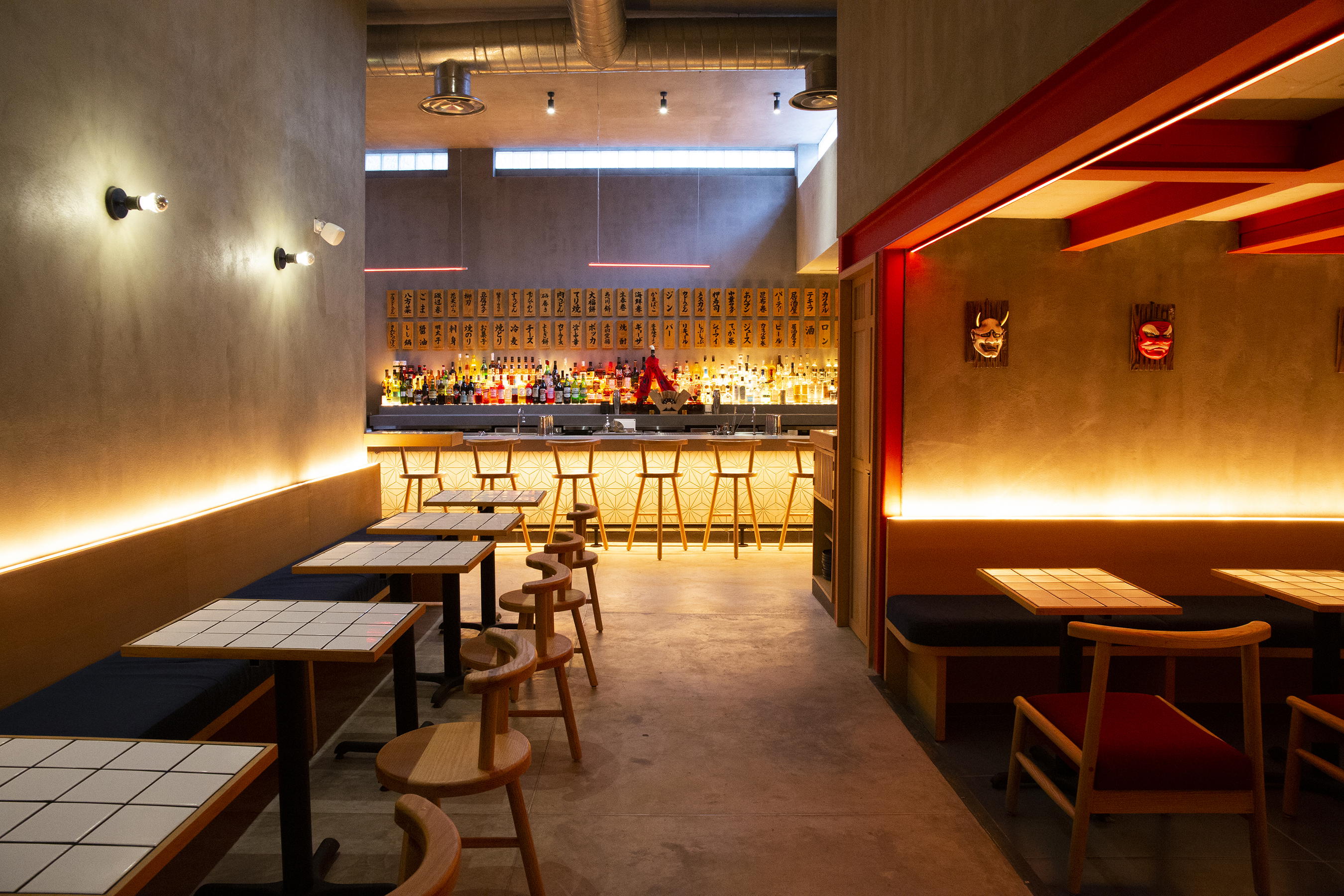
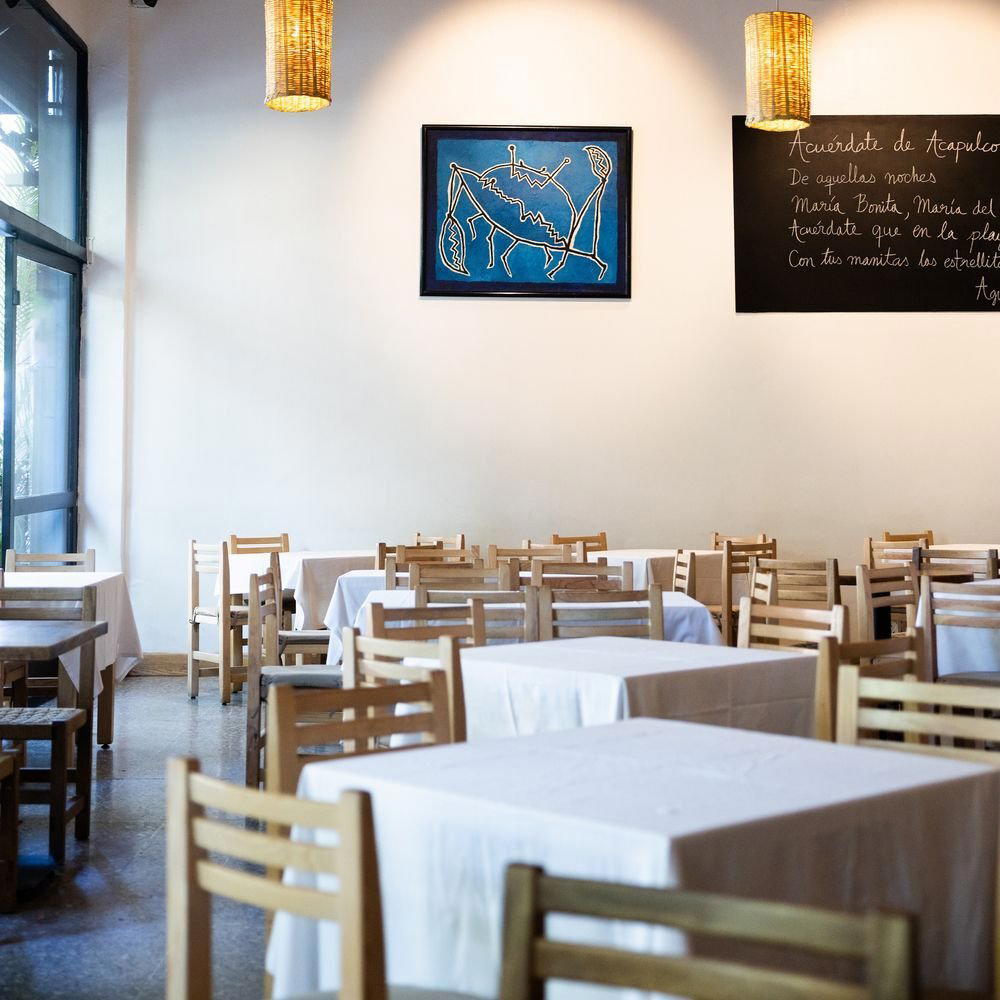
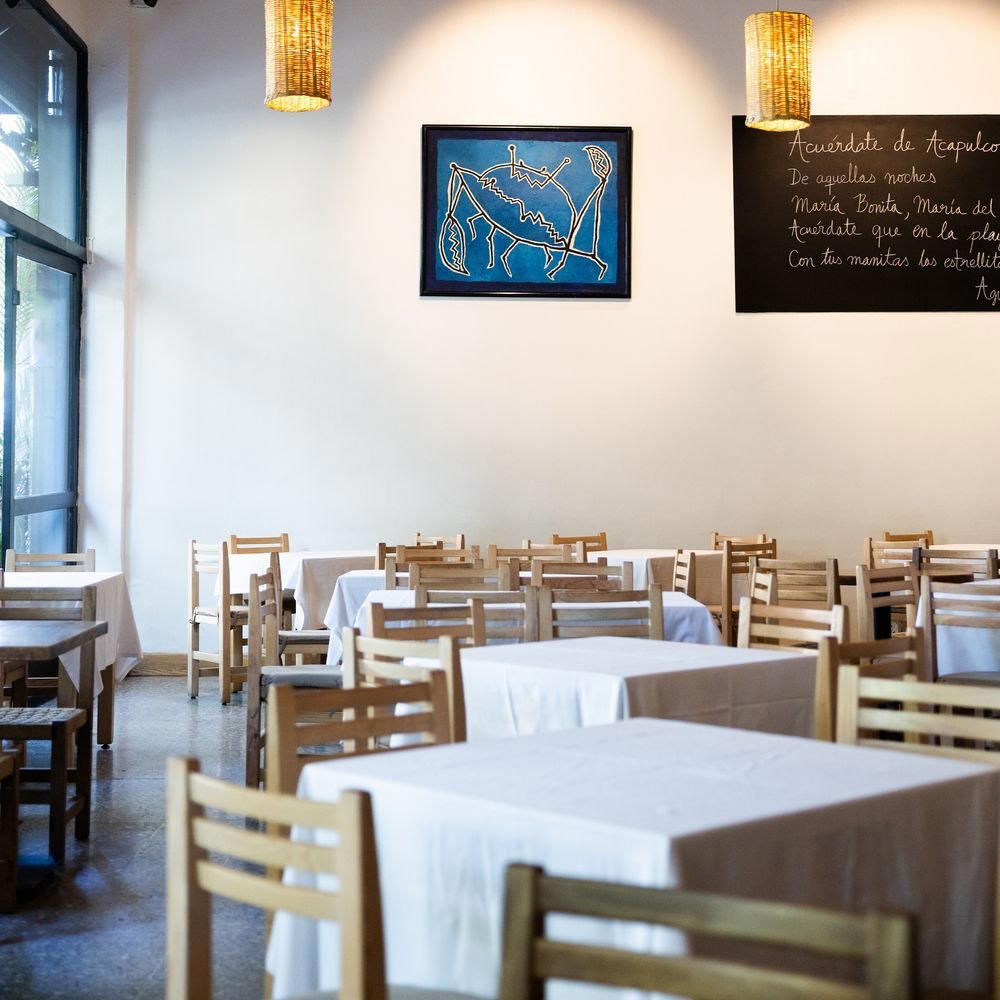
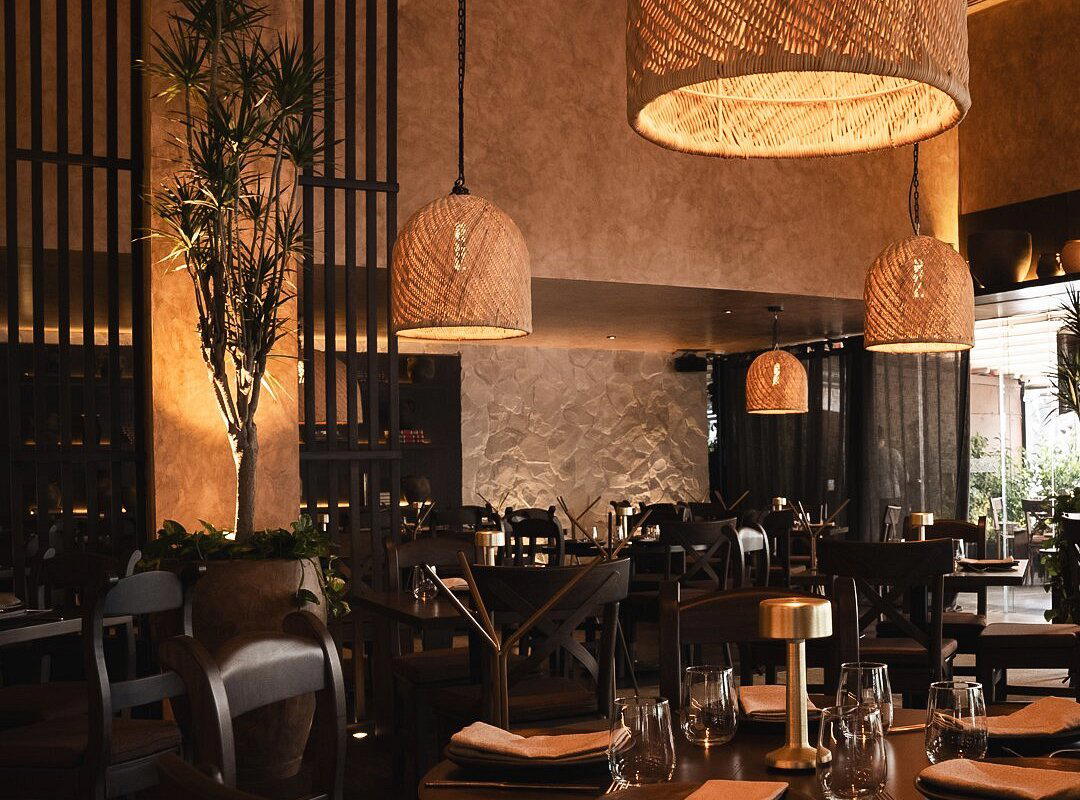
Balta, positioned as a Mediterranean-Mexican wood-fired kitchen with coastal Latin flair, occupies a different brief. Where Bajel reaches toward the upper end of Mexico City's contemporary dining conversation, Balta is designed for longer, more informal meals, with the wood fire providing both the cooking method and much of the room's character. The combination of Mediterranean technique and Mexican produce is well-trodden territory in the city's Roma and Condesa neighbourhoods, where a generation of chefs trained in Europe returned to work with local ingredients, but it sits less commonly inside a major hotel format.
The 38th Floor
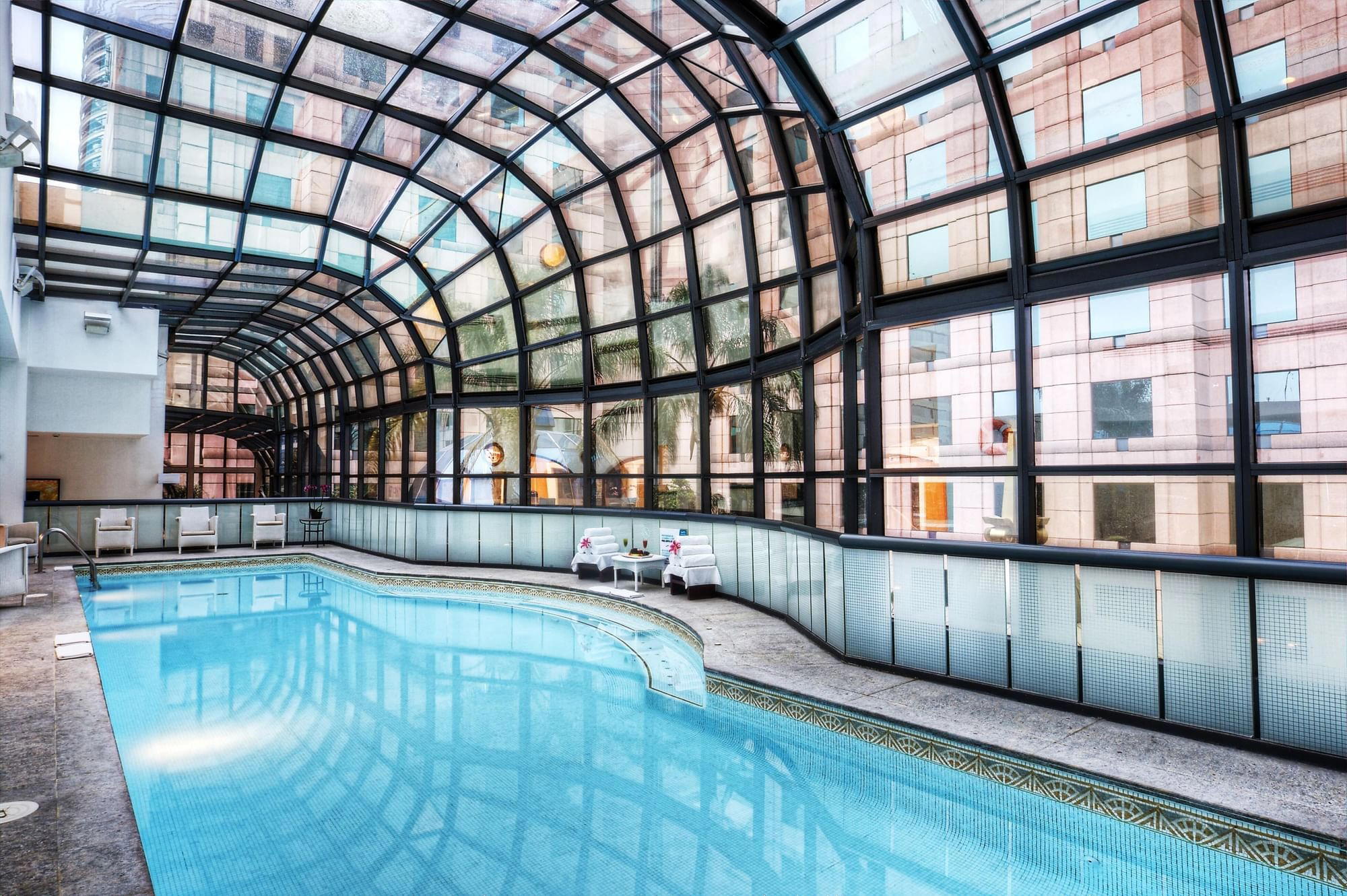
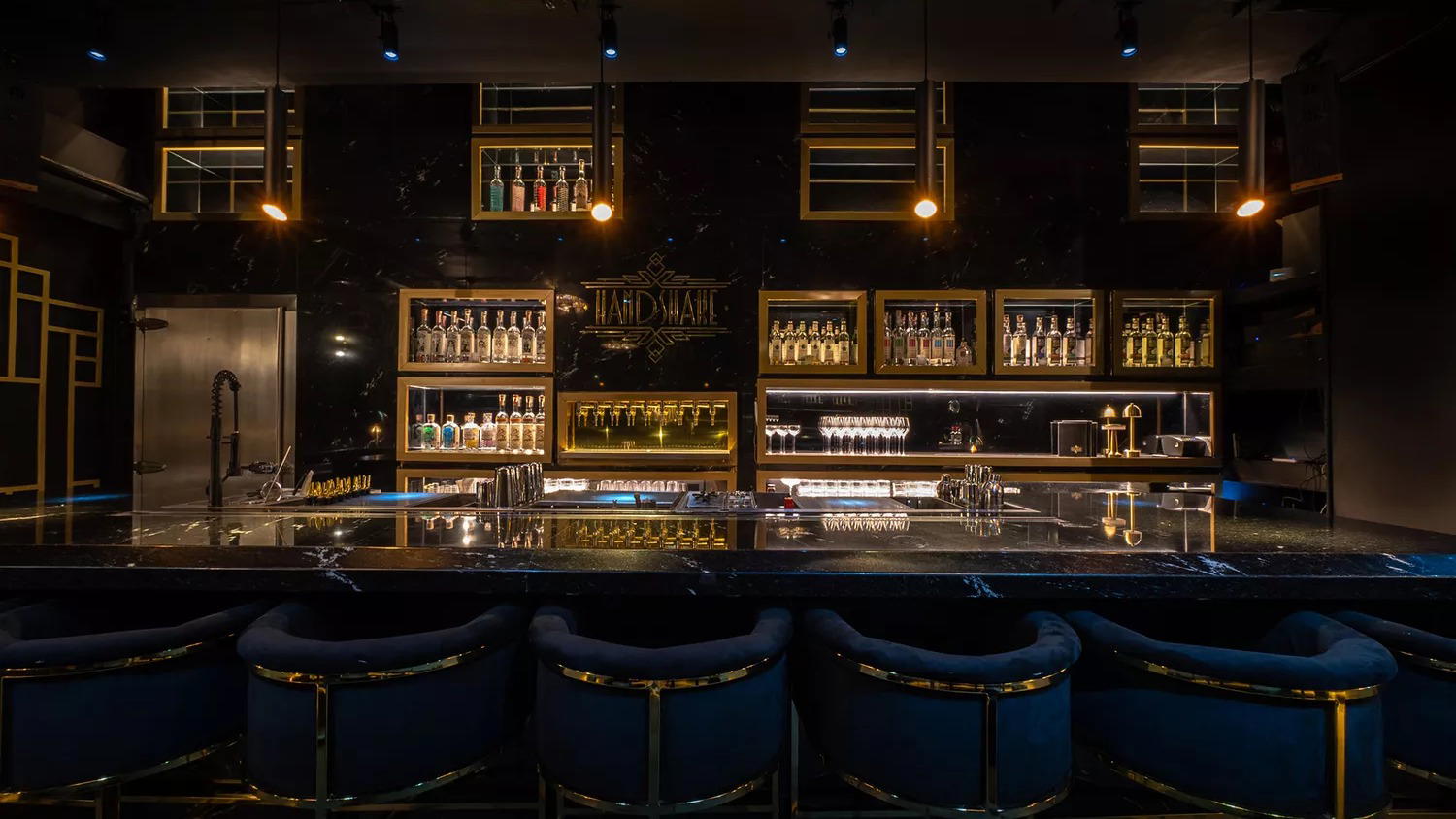
The Cityzen Rooftop Bar on the 38th floor operates in a city where rooftop culture has become a serious hospitality category. Mexico City's altitude and sprawl make refined vantage points genuinely dramatic, and the better rooftop bars have moved away from the pure spectacle model toward more considered beverage programs. The Cityzen pairs craft cocktails with a skyline view that includes the Reforma corridor, Chapultepec park, and, on clear days, the volcanic peaks beyond the city's southern edge. The saltwater pool on the same floor is one of the highest in the city, a logistical detail that speaks to the engineering ambition of the tower itself.
The spa occupies a different register entirely. L'Occitane's partnership extends beyond bath products to the full spa program, and the treatments draw on pre-Hispanic Mexican wellness traditions rather than defaulting to the generic luxury spa vocabulary. That grounding in local tradition rather than imported wellness concepts is consistent with the hotel's broader approach: the French brand as frame, Mexican substance as content.
Placing It in the Field
Mexico City's luxury hotel market has stratified in ways that make placement more meaningful than it was a decade ago. The Ritz-Carlton, the St. Regis, and Las Alcobas operate at or near the apex of the Polanco tier, where prices and address reinforce each other. The Sofitel Reforma competes on a slightly different basis: its Reforma address rather than Polanco, its Michelin-recognised restaurant, and its rooftop infrastructure give it a distinct profile from the neighbourhood-first hotels in quieter residential zones like Casa Polanco or Alexander. Boutique alternatives in Roma Norte such as Casona Roma Norte, Brick Hotel, or Casapani attract a different type of traveller entirely, one who prioritises neighbourhood immersion over vertical scale.
For Mexico-wide context, the Sofitel Reforma competes in a tier that includes resort properties like One&Only; Mandarina in Riviera Nayarit and Las Ventanas al Paraíso, A Rosewood Resort in San José del Cabo, though the urban high-rise format is its own category. Those considering coastal alternatives might also weigh Hotel Esencia in Tulum, Maroma in Riviera Maya, or Chablé Yucatán in Merida. Other Mexico City options worth assessing include Campos Polanco, Casa Nuevo León Hotel, CASA TEO, and Casa de Sierra Nevada, A Belmond Hotel, San Miguel de Allende in San Miguel de Allende. See our full Mexico City restaurants guide for broader dining context across the city's neighbourhoods.
Planning Your Stay
The hotel sits at 297 Avenida Paseo de la Reforma in the Cuauhtémoc borough, one of the most transit-accessible points in the city. The Reforma address puts guests within walking distance of major cultural institutions and a short ride from both Polanco and the Roma-Condesa axis, which matters in a city where traffic patterns can consume significant portions of a day. At a rate of approximately $1,254 per night, the hotel sits at the upper register of Mexico City's international chain offering, though pricing varies by room category and season. The 275 rooms give it a scale that suits both corporate travel and longer leisure stays.
How It Stacks Up
Comparable venues nearby, for context on price, style, and recognition.
| Venue | Cuisine | Price | Awards | Notes |
|---|---|---|---|---|
| Sofitel Mexico City ReformaThis venue — the venue you are viewing | Modern luxury high-rise with French chic and panoramic city views | Not listed | 1 Michelin Key · Virtuoso Luxury Hotel Partner | Not listed |
| Brick Hotel | Restored Belle Époque mansion with modern luxury updates | $300–500 | 1 Michelin Key · Mr & Mrs Smith Seal of Approval | Roma Norte |
| La Valise Mexico City | Artfully curated luxury boutique hotel blending 1920s French architecture with contemporary Mexican design and regional artisanal craftsmanship. | $300–500 | 1 Michelin Key · Vogue 2026 Vogue Best Hotels in Mexico City | Roma Norte |
| The Wild Oscar | Intimate boutique aparthotel blending home-like comfort with sophisticated luxury for informed business travelers. | $200–300 | 1 Michelin Key | Chapultepec Morales |
| Volga | Sophisticated brutalist design with contemporary Mexican influences | Not listed | 1 Michelin Key · Mr & Mrs Smith Seal of Approval | Cuauhtemoc |
| Casona Roma Norte | Restored historic art nouveau mansion blending classic charm with modern sophistication. | Not listed | 1 Michelin Key · Vogue 2026 Vogue Best Hotels in Mexico City | Nva Anzures |
Recognition history
Dated appearances from independent guides and award organizations, with the underlying list record or original source where available.
Michelin 1 Key
Michelin
Virtuoso Luxury Hotel Partner
Virtuoso
Full recognition history (3 entries)
Michelin 1 Key
Michelin
Continue exploring
More in Mexico City
Hotels in Mexico City
All hotels in Mexico City →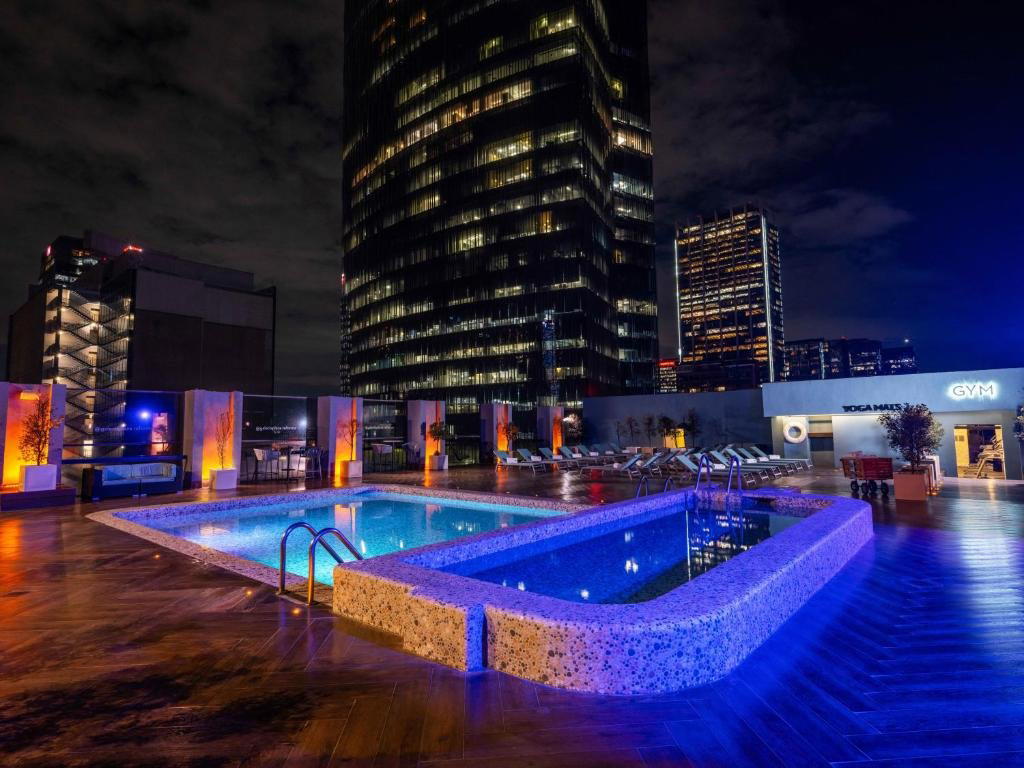
Details
- Modern
- Elegant
- Sophisticated
- Ornate
- Business Trip
- Romantic Getaway
- Weekend Escape
- Rooftop Pool
- Panoramic View
- Wi Fi
- Pool
- Spa
- Fitness Center
- Room Service
- Concierge
- Restaurant
- Bar
- Skyline
- Wheelchair Accessible
- Step Free Entrance
Sophisticated and calming with natural light from expansive windows, serene spa-like atmosphere, and modern French elegance.