
Ginza’s sweets culture is not only tea-room ceremony; it is also counter service, takeaway boxes, and the precision of wagashi made for daily city life. Wagashi Dokoro Oosumi Tamaya Ginza ten belongs to that practical, craft-led tier, with Tabelog 100 Tokyo recognition in 2023 and a focus on Japanese traditional sweets including daifuku and dorayaki.
Pearl is the En Primeur Club membership app — saves, bookings, and concierge access live there. Same editors, same standards.
- Address
- Japan, 〒100-0006 Tokyo, 中央区銀座西3−1 銀座INZ1
- Phone
- +81 3-3563-1535
- Website
- oosumi-tamaya.co.jp
 Saves & bookings on Pearl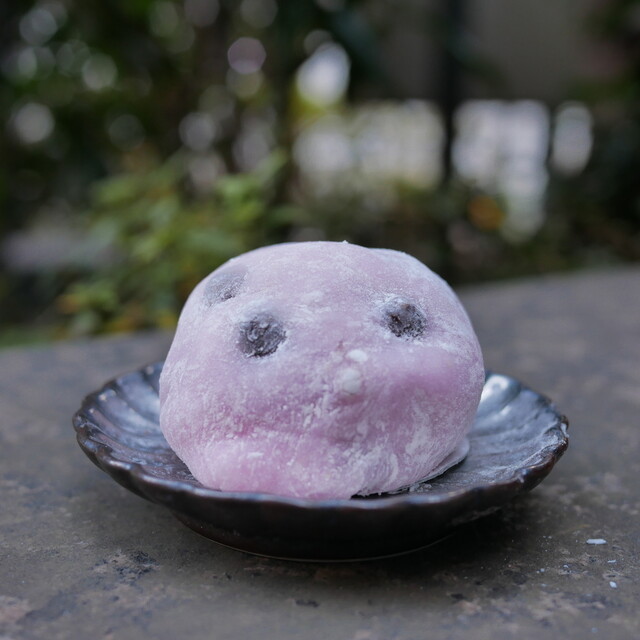
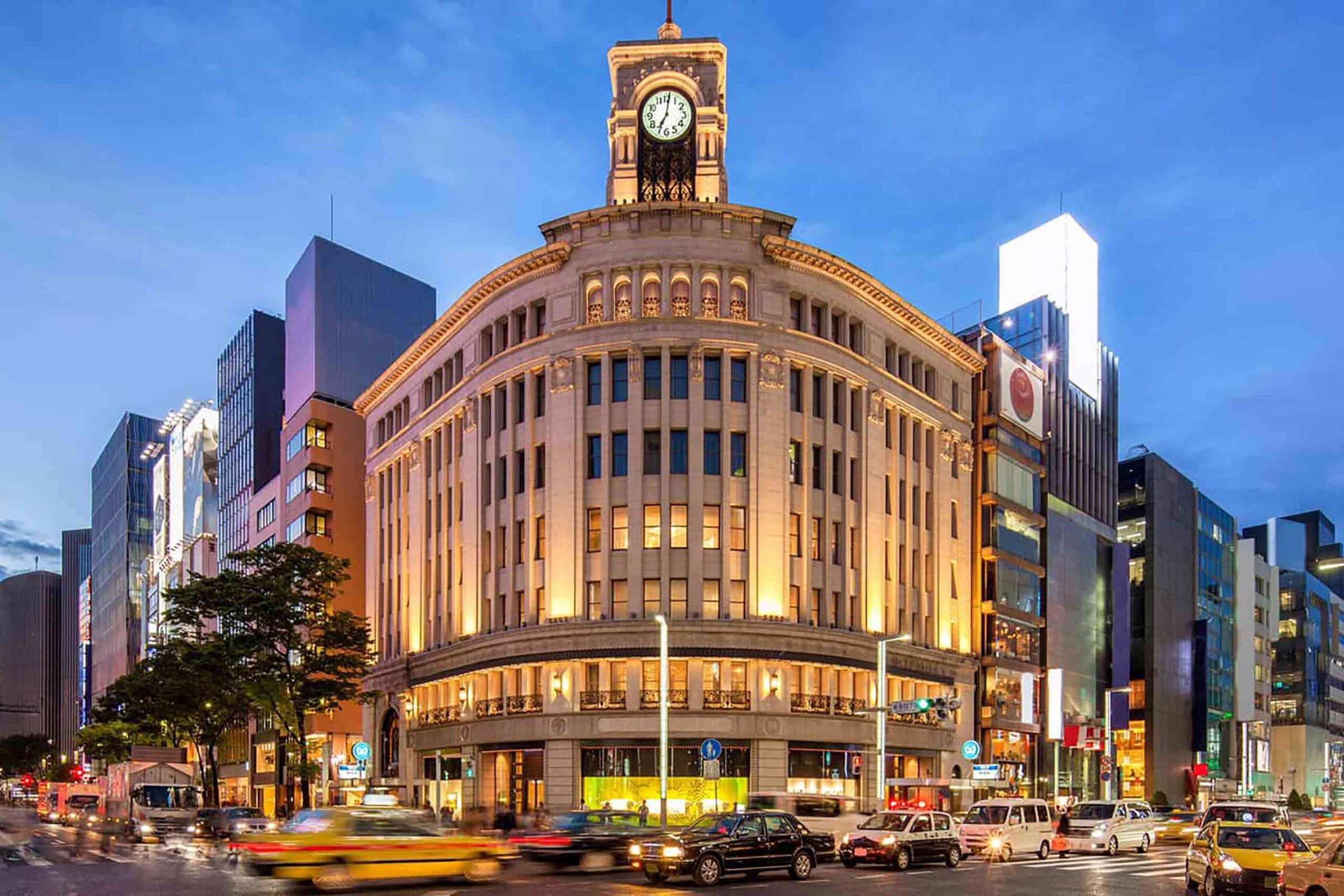
Ginza INZ has the particular rhythm of central Tokyo commerce: station traffic, department-store errands, narrow shopfronts, and customers who know exactly what they came to collect. In that setting, wagashi reads less as ceremony than as urban routine. The pleasure is compact, portable, and disciplined, shaped by a long Japanese habit of turning bean paste, rice flour, and griddled batter into sweets that can survive the commute without losing their point.
Wagashi Dokoro Oosumi Tamaya Ginza ten sits inside that tradition rather than the city’s high-formality dining circuit. Tokyo’s luxury food conversation often runs toward sushi counters and kaiseki rooms, including comparison-room references such as 銀座 すきやばし次郎 本店 and Mibu, but wagashi occupies a different register: lower spend, shorter visits, and a sharper dependence on repetition. A sweet shop has fewer theatrical tools than a tasting-menu restaurant. The craft has to announce itself through texture, portion, wrapping, pacing, and the confidence of a limited category.
Ginza wagashi at the everyday end of luxury
The useful way to read this address is not as dessert after dinner, but as part of Ginza’s daytime food grammar. Japanese traditional sweets shops operate in a space between gift culture, tea culture, and personal snacking. Daifuku and dorayaki carry strong category expectations: rice cake should have elasticity without heaviness, bean paste should be sweet enough to register but not blur the grain, and dorayaki depends on the balance between pancake softness and filling density. Those are broad craft benchmarks, not flourishes.
The shop’s Tabelog 100 selection for Tokyo Japanese traditional sweets and Japanese sweets cafes in 2023 is the relevant trust signal here. It places the address within a curated citywide set for wagashi rather than a generic café category. The Tabelog score of 3.74 adds another public signal in a market where incremental differences matter, especially for specialist counters where the format gives diners little distraction from the product itself.
That matters in Yurakucho and Ginza, where choice density can flatten judgment. Nearby sweet-shop and bakery comparisons such as Kanmi Okame Yuurakuchou ten and Bigo no Mise Toukyou honten point to the area’s broad daytime appetite: quick, precise, easy to fold into shopping or train transfers. Wagashi Dokoro Oosumi Tamaya Ginza ten belongs to the Japanese-sweets side of that map, not the European pastry or café-linger category. Its listed service format is take-out, which makes the front-of-house exchange part of the product: selection, packaging, payment, and exit have to work cleanly because there is no dining room atmosphere to rescue a muddled visit.
The counter, not the chef, carries the experience
For this kind of shop, the team dynamic is less visible than in a restaurant with a chef, sommelier, and floor captain, but no less important. The equivalent collaboration happens between production, counter staff, and packaging. Wagashi is vulnerable to small failures: a poorly handled box, a slow queue, or an unclear product rhythm can undo the restraint built into the sweets. The identity sits in the house style and category discipline rather than a personality-led menu.
That anonymity is also part of Tokyo’s craft economy. Some of the city’s serious food experiences are built around declared authorship; others work through continuity and repeat purchase. Yakitori rooms such as 124. KAGURAZAKA (Yakitori) and seafood-focused addresses such as . 鮪と炭火焼き うお炭 秋葉原店 ask the diner to read fire, sourcing, and timing across a meal. A wagashi counter asks for a tighter form of attention. The decision happens fast, but the standards behind it are not casual.
The categories listed for the shop, Japanese traditional sweets, daifuku, and dorayaki, give enough direction without turning the visit into a hunt for a named signature. That is the correct expectation. Tokyo has plenty of engineered novelty, from graphic cafés such as 2D Cafe to specialist curry rooms such as 3 Chome no Curry Ya San and [Curry Senmon Ten] Maruyama Kyoju. in Sapporo. Wagashi works by a different logic: small variations inside inherited forms, judged by balance rather than surprise.
How to place it in a Tokyo food day
This is a smart add-on to a Ginza or Yurakucho route, especially for travelers who already have Tokyo’s formal reservations fixed and want a lower-commitment way to understand local sweet culture. Pairing a wagashi stop with a broader city plan also prevents category fatigue. A day that moves from sweets to yakitori, sushi, curry, or sake bar formats shows how Tokyo splits precision across price points and service styles. For broader planning, use Our full Tokyo restaurants guide, then cross-check drinking rooms through Our full Tokyo bars guide, hotels through Our full Tokyo hotels guide, specialist activities through Our full Tokyo experiences guide, and regional producers through Our full Tokyo wineries guide.
The broader EP Club map is useful because Japanese food culture changes sharply by format and city. Compare Tokyo’s compact wagashi errand with 12/10 Shinjuku ten, a Kamakura beef-focused meal at -Grilled beef Sukiyaki- KAMAKURA TANUKIAN 鎌倉 たぬき庵 in Kamakura, café culture at.cafe in Osaka, or Kyoto’s quieter register at [ki:] in Kyoto. Even outside Japan, the comparison is instructive: Jōdo Saké Bar in Los Angeles and Onigiri Time in Pasadena show how Japanese formats travel, while.know in Kumamoto and (Shoku) Vietnam in Kawasaki underline how local context changes the reading of familiar categories.
The reason to seek out Wagashi Dokoro Oosumi Tamaya Ginza ten is its position in that matrix: a recognized Tokyo wagashi shop in a high-traffic central district, operating in a take-out format and focused on traditional sweets rather than café spectacle. It will not explain itself through a long menu narrative. It rewards the traveler who understands that in Tokyo, a short errand can carry as much cultural information as a long reservation.
Accolades, Compared
Comparable venues for context, by category and price tier.
| Venue | Cuisine | Price | Notes |
|---|---|---|---|
| Wagashi Dokoro Oosumi Tamaya Ginza tenThis venue — the venue you are viewing | Japanese Wagashi Shop | $ | Not listed |
| Kagaribi | Handmade Shoyu Ramen Counter | $ | Chūō |
| Sanfuku Tei | Yoshoku cafeteria & tonkatsu | $ | Chūō |
| Tonkatsu Marugo | Tonkatsu (Japanese Pork Cutlet) | $ | Chiyoda |
| Tokyo Style Noodle Hotate Biyori | Scallop-focused Tsukemen & Ramen | $ | Chiyoda |
| Naniwaya Sohonten | Traditional Japanese taiyaki & sweets shop | $ | Minato |
Recognition history
Dated appearances from independent guides and award organizations, with the underlying list record or original source where available.
Tabelog 100 #71 · No. 71
Tabelog · Tabelog 100 - Japanese traditional sweets / Japanese sweets cafe - TOKYO - 2023







At a Glance
- Classic
- Cozy
- Well Known
- Solo
- Casual Hangout
- Family
- Standalone
- Local Sourcing
Current opening hours
- Monday
- 10 AM–8 PM
- Tuesday
- 10 AM–8 PM
- Wednesday
- 10 AM–8 PM
- Thursday
- 10 AM–8 PM
- Friday
- 10 AM–8 PM
- Saturday
- 10 AM–8 PM
- Sunday
- 10 AM–8 PM
Hours can change for holidays and private events. Last verified .
A classic, no-frills wagashi shop atmosphere centered on takeaway sweets rather than a full dine-in experience.