
Sanfuku Tei belongs to Tokyo’s small-format shokudo tradition rather than the city’s luxury dining circuit: cafeteria, tonkatsu, and yoshoku categories under one modest roof in Nihonbashibakurocho. Its Tabelog 100 Diner 2026 selection and earlier Tabelog 100 Yoshoku 2020 recognition place it among everyday restaurants whose reputation depends on consistency, local rhythm, and value rather than ceremony.
Pearl is the En Primeur Club membership app — saves, bookings, and concierge access live there. Same editors, same standards.
- Address
- 東京都中央区日本橋馬喰町1-4-10
- Phone
- +81336616955
- Website
- tabelog.com
 Saves & bookings on Pearl
Approaching the Bakurocho side of Nihonbashi, the mood changes from polished department-store Tokyo to a workday grid of wholesalers, office buildings, small restaurants, and station exits. This is a district built for people who eat on schedule, not for diners staging an evening around a tasting menu. In that setting, the shokudo has a different kind of authority: a compact room, a short decision path, and a kitchen expected to deliver familiar Japanese-Western cooking without turning it into theatre.
Sanfuku Tei sits inside that tradition. Its public categories, cafeteria, tonkatsu, and yoshoku, point to a strain of Tokyo dining that predates the current obsession with counter omakase and high-concept reservations. The useful comparison is not a luxury dining room with a cellar and a sommelier hovering over Burgundy allocations. It is the everyday restaurant that survives on repeat custom, lunch discipline, and the quiet precision of fried cutlets, rice plates, and Japanese interpretations of Western comfort food.
Yoshoku, tonkatsu, and the discipline of the everyday table
Tokyo’s yoshoku culture is often misunderstood by visitors because it looks casual from the outside. The category developed around Western-derived dishes absorbed into Japanese dining habits, then judged by local standards of texture, portion, speed, and price. Tonkatsu belongs to that same grammar when it appears in this setting: not as a luxury protein showcase, but as a benchmark of frying control and plate composition.
The credibility here comes from recognition in two adjacent categories. Sanfuku Tei was selected for Tabelog 100 Diner in 2026 and Tabelog 100 Yoshoku in 2020. Those are not Michelin-style signals of ceremony; they are more useful for this genre because they reward places embedded in Japanese dining life. A Tabelog score of 3.57 carries similar meaning in Tokyo, where scores are conservative and small independent restaurants often sit below the numbers international readers expect from Western review platforms.
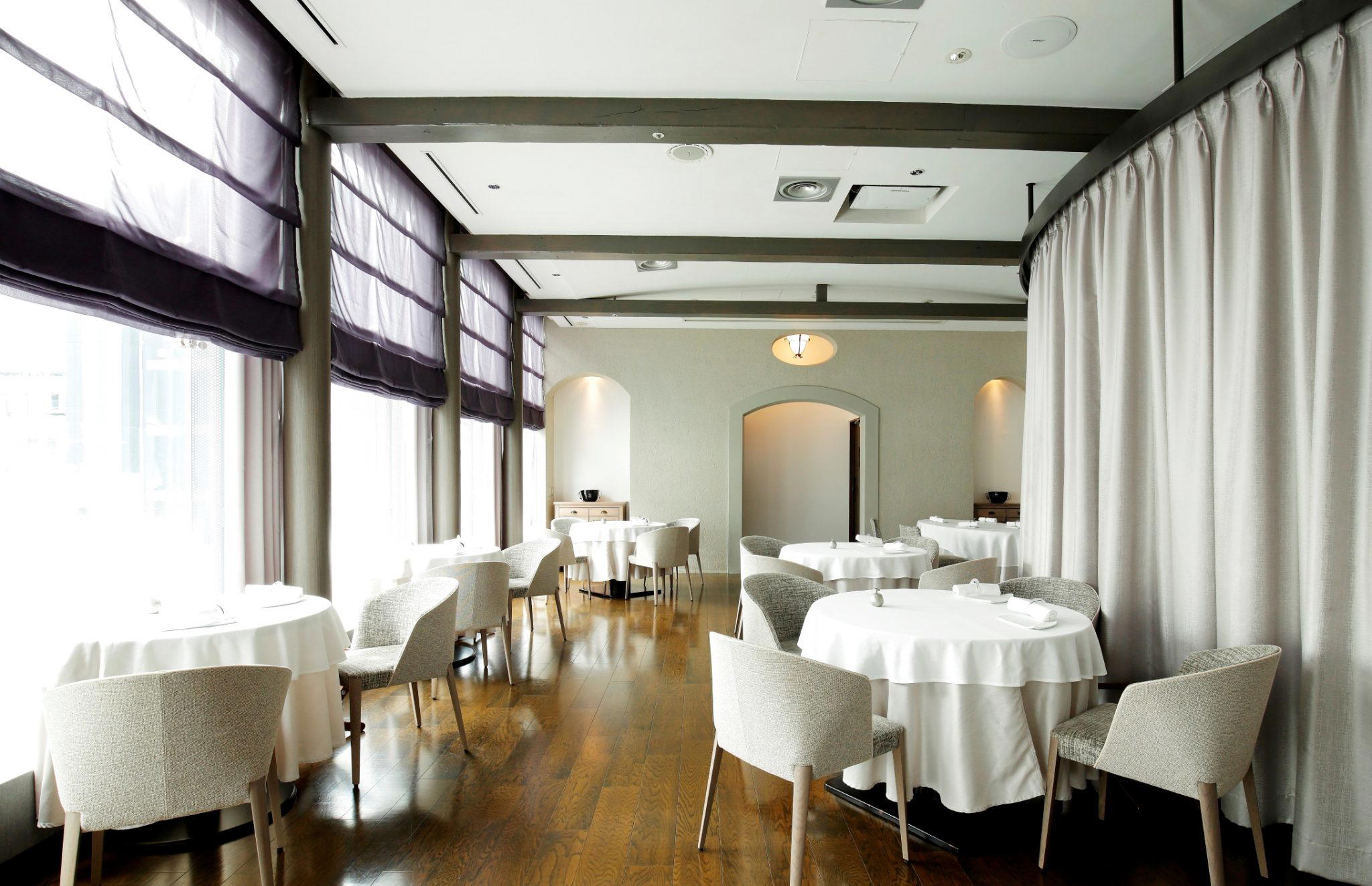
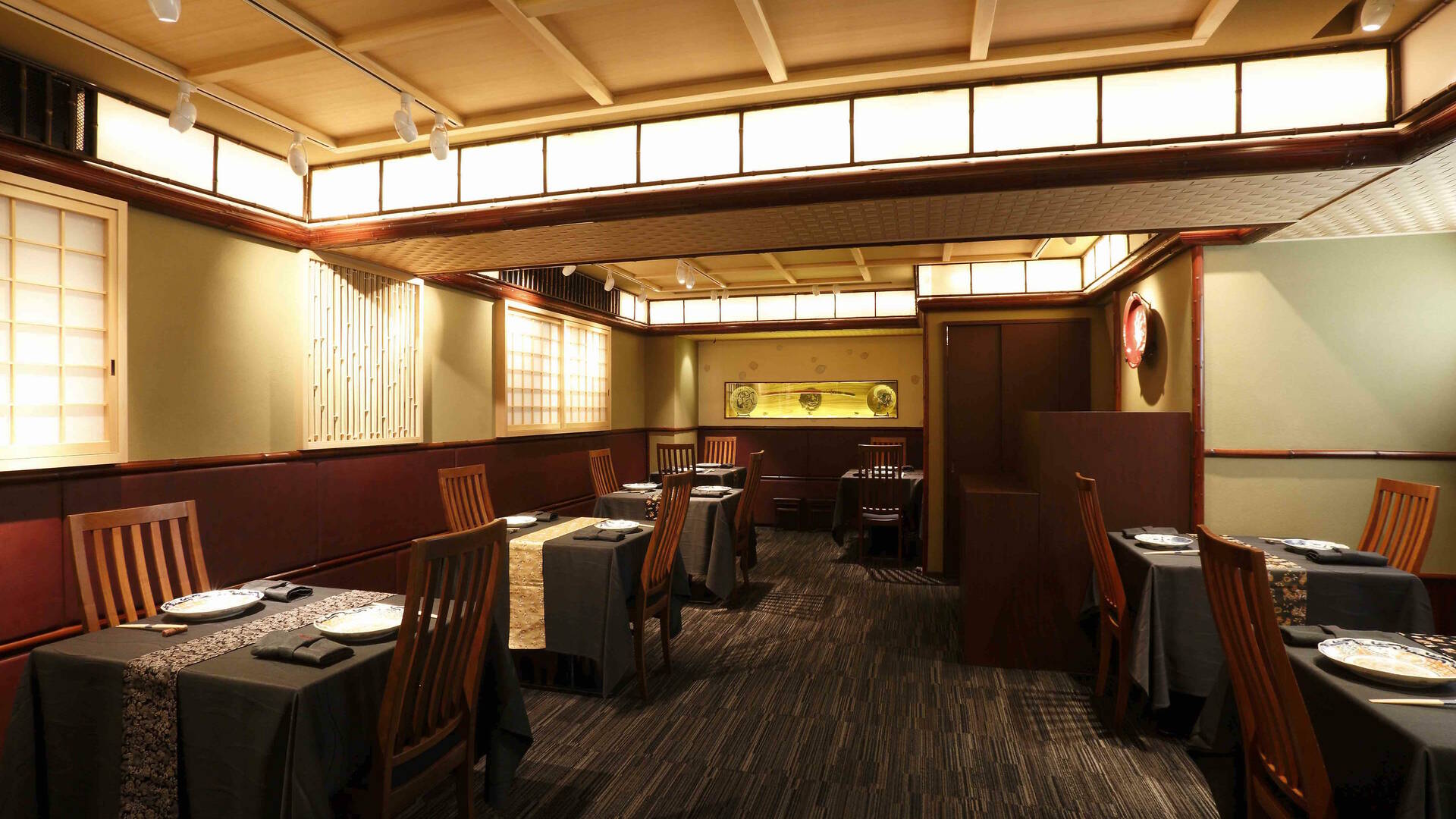
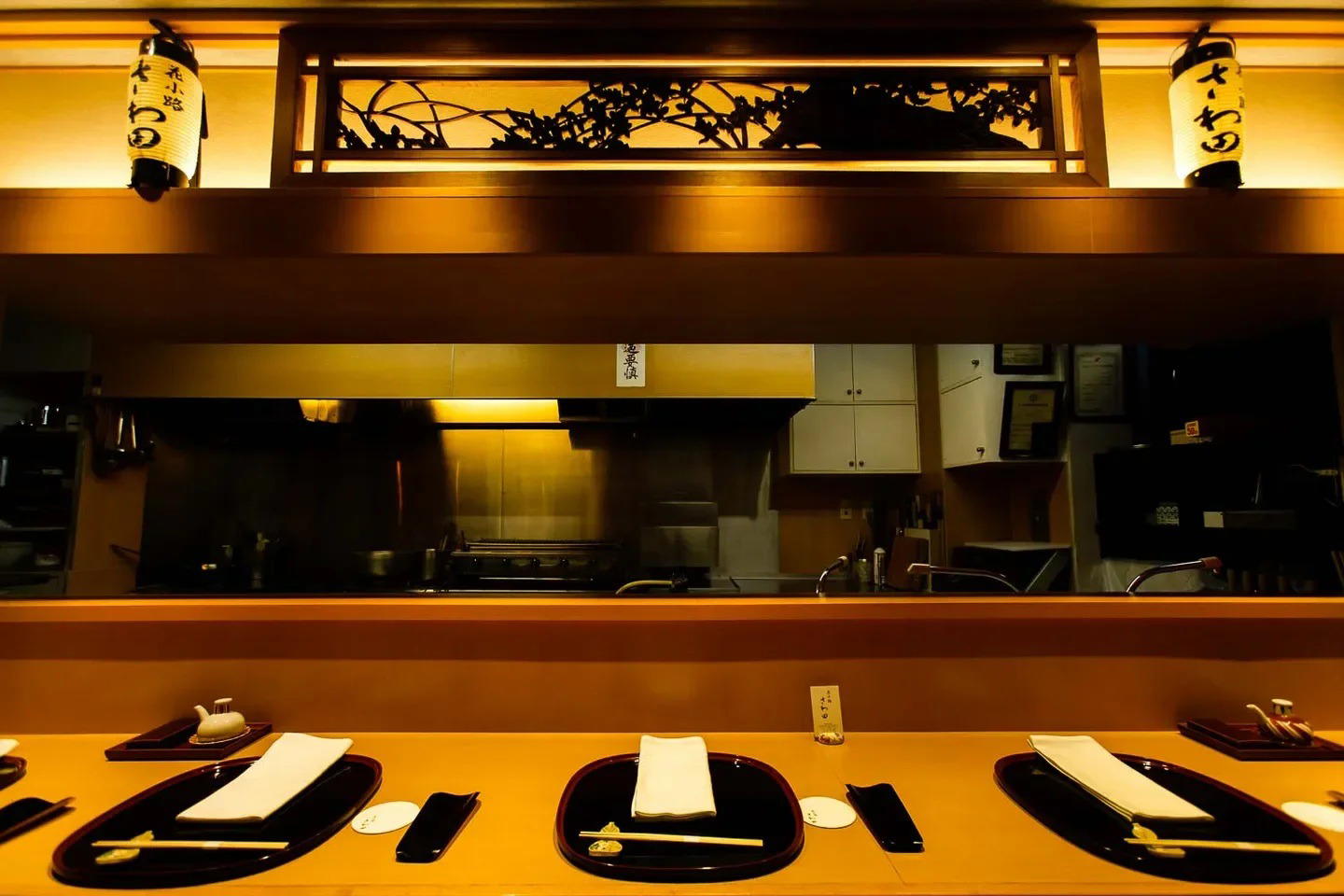
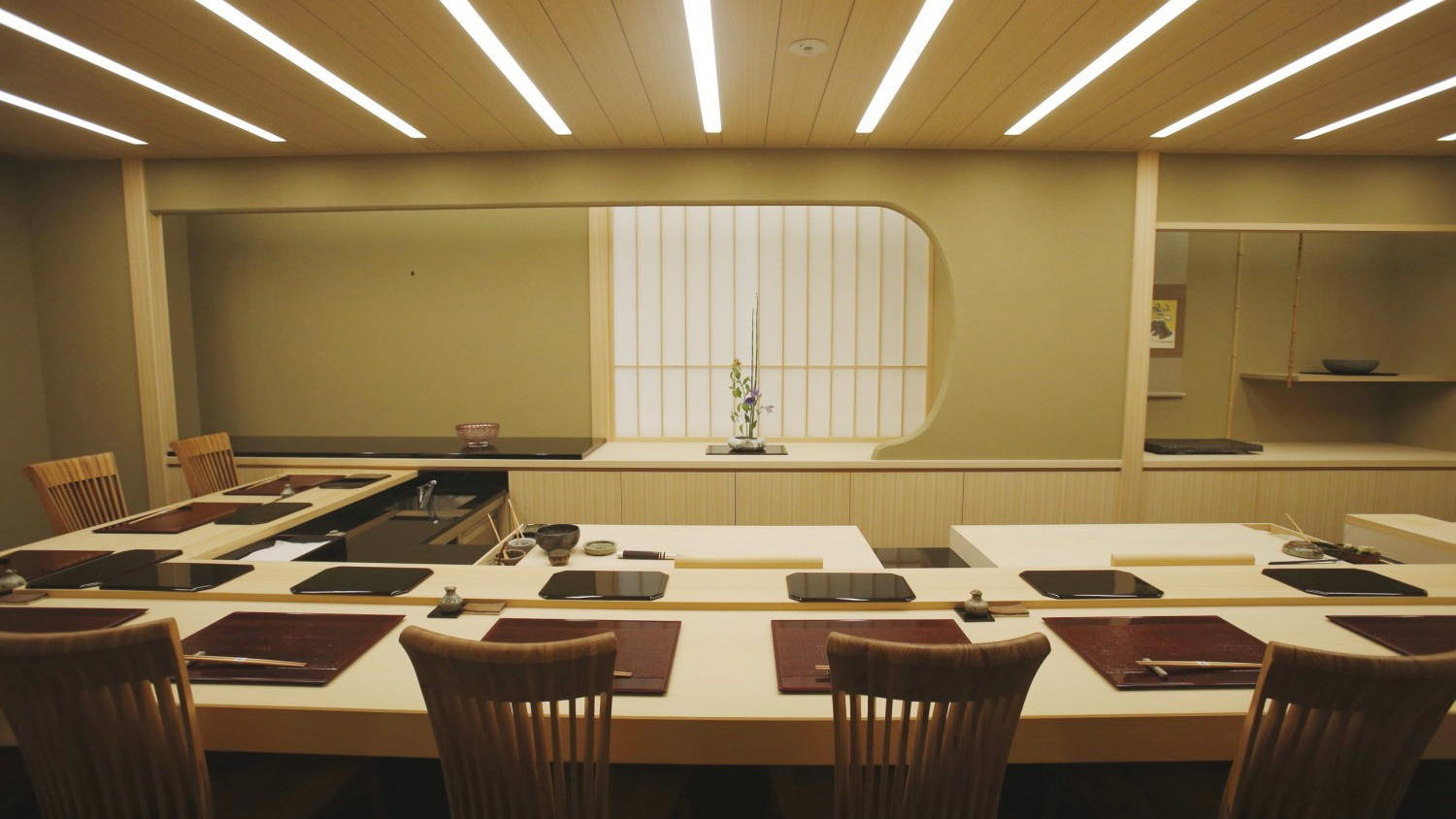
The room is correspondingly small, with 18 seats split between tables and counter seating. That matters because this type of cooking depends on turnover and proximity rather than scale. A large yoshoku restaurant can become generic; a compact one has less room to hide weak timing. The format also explains why the experience reads better as a focused meal than a long session. There is no need to stretch it into a full evening when the restaurant’s strength sits in the lunch-and-dinner rhythm of the neighborhood.
For Tokyo context, this is a different lane from the city’s reservation-heavy dining culture. A place such as TROMPETTE occupies a higher-spend bracket, while Nihonbashi Iseju operates in another price and occasion tier altogether. At the lower-spend end, Jack37Burger and BEAVER BREAD show how Tokyo’s casual scene can be deeply specialized without behaving like fine dining. Sanfuku Tei belongs to that latter argument: narrow, practical, and judged on repetition rather than spectacle.
Where drinks are background, not the main event
The assigned wine-list question is revealing precisely because this is not a cellar-led restaurant. Tokyo has many rooms where the beverage program frames the meal, from French dining rooms to sake bars and cocktail counters. A neighborhood shokudo works by a different hierarchy. Food carries the identity; drinks remain secondary unless the restaurant explicitly builds itself around pairing, bottles, or a named beverage specialist.
That distinction is useful for planning. Diners looking for deep wine curation, sommelier intervention, or a long evening built around bottles should look elsewhere in Tokyo. The more convincing read is to treat this as part of the city’s everyday dining architecture, where rice, cutlet, sauce, and service pace matter more than stemware. That does not make the meal less serious. It places seriousness in a category that Tokyo locals understand well: modest formats executed with enough consistency to earn repeat attention.
Bakurocho and Nihonbashibakurocho also sharpen the point. This side of Chuo is not Ginza, Aoyama, or Ebisu. It is practical central Tokyo, close to transit, business blocks, and old commercial streets. Restaurants here are often judged by whether they serve the neighborhood efficiently and reliably. In that context, awards recognition for a cafeteria-yoshoku address says something different from a tasting-menu accolade: it identifies a working restaurant that has become visible beyond its immediate catchment.
Travelers building a wider Tokyo dining map can use the restaurant as a corrective to a schedule overloaded with chef counters. Pairing it with other casual and mid-range addresses gives a clearer picture of how the city actually eats. For broader planning, see Our full Tokyo restaurants guide, then compare nearby and cross-city options such as . 鮪と炭火焼き うお炭 秋葉原店, 12/10 Shinjuku ten, 124. KAGURAZAKA (Yakitori), 2D Cafe, and 3 Chome no Curry Ya San.
Know Before You Go
- Format: Small shokudo-style restaurant covering cafeteria cooking, tonkatsu, and yoshoku.
- Recognition: Selected for Tabelog 100 Diner 2026 and Tabelog 100 Yoshoku 2020.
- Scale: 18 seats, including table seating and a small counter.
- Setting: Nihonbashibakurocho, a practical central Tokyo district with strong weekday dining rhythms.
- Use it for: A concise meal that explains Tokyo’s everyday Japanese-Western cooking better than another luxury reservation.
- Do not use it for: A wine-led dinner, formal service choreography, or a long tasting-menu evening.
Visitors extending the trip beyond restaurants can cross-reference Our full Tokyo hotels guide, Our full Tokyo bars guide, Our full Tokyo wineries guide, and Our full Tokyo experiences guide. For a wider Japan and diaspora casual-dining comparison, consider -Grilled beef Sukiyaki- KAMAKURA TANUKIAN 鎌倉 たぬき庵 in Kamakura.cafe in Osaka.know in Kumamoto, (Shoku) Vietnam in Kawasaki, [Curry Senmon Ten] Maruyama Kyoju. in Sapporo, [ki:] in Kyoto, Jōdo Saké Bar in Los Angeles, and Onigiri Time in Pasadena.
Similar Picks
Comparable venues in the metro at similar price points.
| Venue | Cuisine | Price | Notes |
|---|---|---|---|
| Sanfuku TeiThis venue — the venue you are viewing | Yoshoku cafeteria & tonkatsu | $ | Not listed |
| Ayu Ramen Plus (鮎ラーメンプラス) | Traditional Ayu Ramen | $ | Toranomon |
| Curry & Wine Bistro Beppinsha Ochanomizu ten | Japanese Curry | $ | Chiyoda |
| Kagaribi | Handmade Shoyu Ramen Counter | $ | Chūō |
| Imojin | Traditional Japanese sweets & ice cream café | $ | Bunkyō |
| Chomeiji Sakura Mochi | Traditional Japanese wagashi (Chomeiji-style sakuramochi) | $ | Sumida |
Recognition history
Dated appearances from independent guides and award organizations, with the underlying list record or original source where available.
Tabelog 100 #84 · No. 84
Tabelog · Tabelog 100 - Diner - 2026



At a Glance
- Classic
- Cozy
- Solo
- Family
- Casual Hangout
- After Work
- Standalone
Small, no-frills house-restaurant with simple tables and a short counter, relaxed and non-smoking, drawing solo diners and local families for casual, everyday meals.