wagamama covent garden
Wagamama Covent Garden sits at 17 Bedford St in one of London's most-visited theatre and shopping districts, offering the chain's signature Japanese-inspired ramen, katsu, and gyoza format at a price point well below the neighbourhood's fine-dining tier. For a fast, filling meal between a matinee and an evening in the West End, it occupies a dependable middle ground in a postcode otherwise dominated by tourist pricing and occasion dining.
Pearl is the En Primeur Club membership app — saves, bookings, and concierge access live there. Same editors, same standards.
- Address
- 17 Bedford St, London WC2E 9HP, United Kingdom
- Phone
- +442038763727
- Website
- wagamama.com
- Directions
- Get directions
 Saves & bookings on Pearl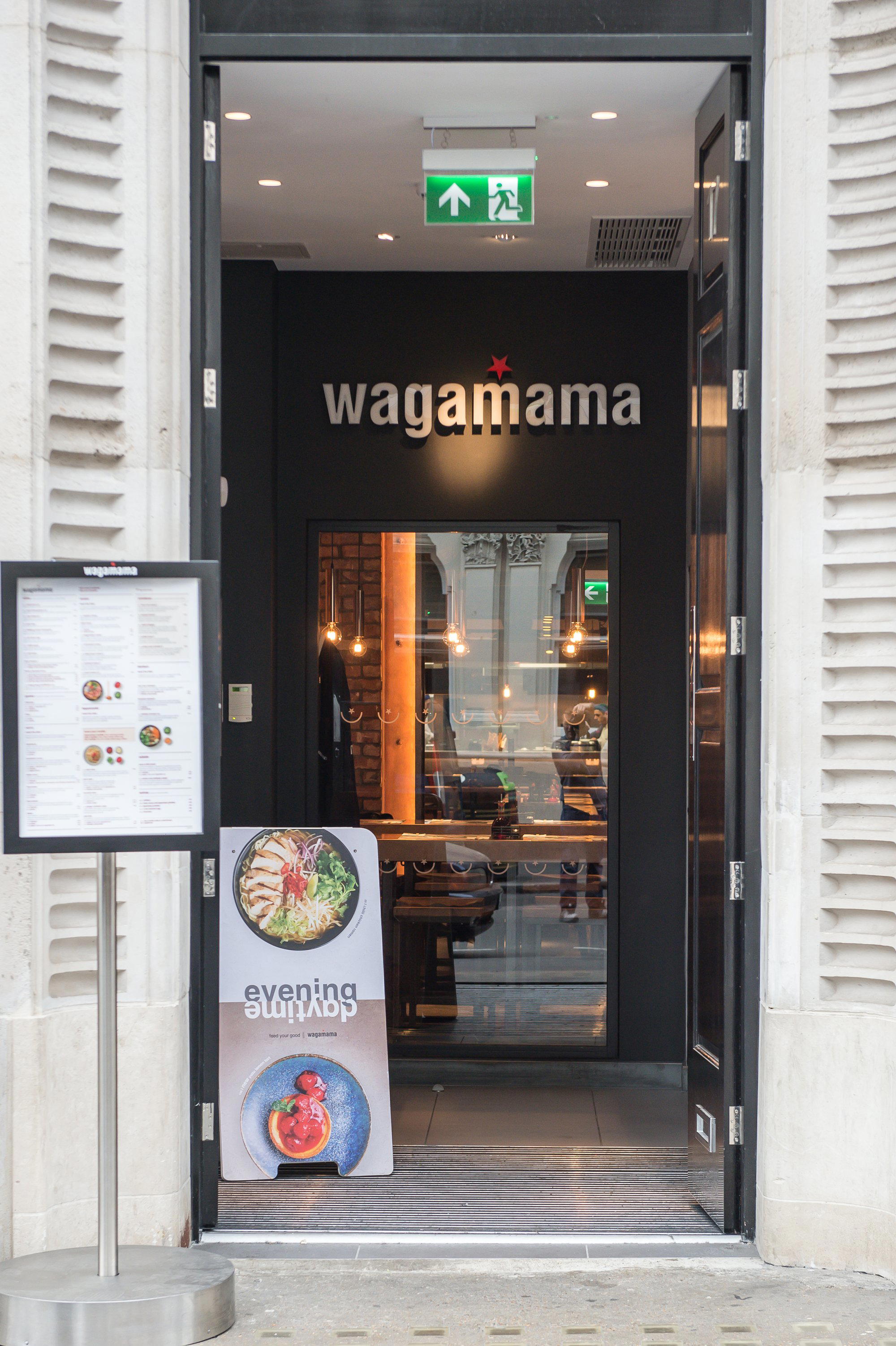
The West End's Casual Asian Counter, Placed in Context
Covent Garden's dining scene divides sharply along price and purpose. On one end, occasion restaurants and pre-theatre tasting menus command serious spend; on the other, fast-food chains fill the gaps with little editorial interest. Wagamama sits at a third point on that spectrum: a mid-market, queue-friendly format with a recognisable pan-Asian menu that has become a reliable fixture for Londoners and visitors who want something filling, reasonably priced, and faster than a sit-down reservation allows. The Bedford Street location, a short walk from the Strand and the Royal Opera House, places it directly inside one of the city's highest foot-traffic corridors.
Compared to the capital's Michelin-tracked Japanese dining, which includes long-counter omakase and high-spec kaiseki formats, wagamama operates in an entirely different register. That comparison is worth making plainly: diners considering CORE by Clare Smyth, Restaurant Gordon Ramsay, or Sketch, The Lecture Room and Library are making a different kind of evening entirely. Wagamama's value is practical rather than aspirational, and it is best understood on those terms.
Sustainability Infrastructure at Scale
Chain dining in the UK has undergone a measurable shift on environmental commitments over the past decade, and wagamama has been among the more visible participants in that shift. The brand has operated a policy of plant-forward menu expansion, with a substantial portion of its menu now designed to work as vegan or plant-based without requiring substitution hacks. This is not incidental to the Covent Garden visit: it shapes what is available and how the kitchen is structured.
More substantively, wagamama committed publicly to becoming a fully plant-based business by 2030, a target that places it ahead of most UK casual dining chains in terms of stated ambition, even if execution timelines are subject to revision. The chain has also worked on waste reduction at the supply chain level, including partnerships aimed at reducing food miles and sourcing proteins with lower environmental impact. For a venue operating across dozens of sites, those commitments carry different weight than they do at a single-site farm-to-table restaurant, where sourcing relationships are more directly traceable. Here, the question is whether systemised sustainability commitments translate into meaningful practice at site level, and the honest answer is: partially, and with the caveats that apply to all large-format hospitality businesses. The menu architecture, at least, reflects genuine structural intent rather than marketing language.
For visitors who track restaurant sustainability credentials alongside food quality, the Covent Garden site offers a useful comparison point against London's fine-dining tier, where restaurants like The Ledbury and Dinner by Heston Blumenthal approach provenance from a different angle: bespoke supplier relationships, named farms, and seasonal menu rotation driven by availability rather than logistics. Both models have validity; they operate at different scales and for different purposes.
The Menu Format and What It Reflects
Wagamama's menu draws from Japanese noodle and rice formats, with ramen, udon, and rice bowls forming the backbone, supplemented by small plates in the gyoza and bao category. The katsu curry has become the chain's most recognisable dish across the UK, functioning as a kind of entry point for diners unfamiliar with the format. The dishes are not claiming to replicate regional Japanese cooking with precision; they occupy a Westernised pan-Asian category that the brand has built and now largely owns in the UK casual dining tier.
The plant-based versions of core dishes, including katsu options using plant-based proteins, have been developed with enough culinary attention that they do not read as afterthoughts. This matters in the context of the broader sustainability frame: menus designed from the start to accommodate plant-based eating, rather than adding options as retrofits, signal a different operational commitment. Whether that matters to a given diner depends on what they are optimising for at that particular meal.
Covent Garden as a Dining District
The Bedford Street address puts wagamama within easy reach of the theatres clustered around the Strand and the broader Covent Garden market area. Pre-theatre dining in this postcode is a well-worn pattern, and the format is suited to it: no booking required at most visit times, a menu that moves quickly, and a price point that leaves budget for a show. The communal bench seating typical of wagamama locations encourages a particular kind of dining, efficient, sociable, and without the ceremony of a tasting menu evening.
For a broader picture of London's dining scene across all price tiers, including the fine-dining houses that define the city's international reputation, the full London restaurants guide maps the competitive set from neighbourhood bistros to three-Michelin-star counters. Elsewhere in the UK, standout destination restaurants include Waterside Inn in Bray, Le Manoir aux Quat'Saisons in Oxford, L'Enclume in Cartmel, Moor Hall in Aughton, Gidleigh Park in Chagford, Hand and Flowers in Marlow, hide and fox in Saltwood, Midsummer House in Cambridge, Opheem in Birmingham, and Restaurant Andrew Fairlie in Auchterarder. Those looking at high-ambition casual formats internationally can reference Le Bernardin in New York City and Atomix in New York City for a sense of how different cities price and position their upper-mid and fine-dining tiers.
Planning a Visit
Wagamama Covent Garden is at 17 Bedford Street, WC2E 9HP, within walking distance of Covent Garden and Charing Cross stations. The format does not typically require advance reservations, making it accessible for spontaneous visits or post-shopping stops. Pricing sits in the casual dining range for London, with most mains landing at a fraction of the cost of the neighbourhood's occasion restaurants. The venue's layout accommodates groups without the booking complexity of a formal restaurant, which is relevant for pre-theatre parties or family visits to the West End.
The Quick Read
Comparable venues nearby, for context on price, style, and recognition.
| Venue | Cuisine | Price | Notes |
|---|---|---|---|
| wagamama covent gardenThis venue — the venue you are viewing | Not listed | $$ | Not listed |
| Kiku | Not listed | $$ | Mayfair, Authentic Japanese Sushi & Kaiseki |
| Yaki Ya Finchley Road | Hampstead, Halal Japanese Street Food | $$ | Not listed |
| Kuyamoto | Acton Green, Casual Japanese Sushi | $$ | Not listed |
| Konnichiwa Japanese Cuisine | Hornsey, Authentic Japanese Sushi | $$ | Not listed |
| wagamama camden | Chalk Farm, Japanese Ramen & Noodles | $$ | Not listed |
Continue exploring
More in London
Restaurants in London
Browse all →
Bars in London
Browse all →
Hotels in London
Browse all →




At a Glance
- Lively
- Modern
- Trendy
- Energetic
- Casual Hangout
- Group Dining
- After Work
- Open Kitchen
Current opening hours
- Monday
- 11 AM–10 PM
- Tuesday
- 11 AM–10 PM
- Wednesday
- 11 AM–10 PM
- Thursday
- 11 AM–11 PM
- Friday
- 11 AM–11:30 PM
- Saturday
- 11 AM–11:30 PM
- Sunday
- 11 AM–10 PM
Hours can change for holidays and private events. Last verified .
Noisy, energetic atmosphere with modern urban design and communal seating.