Yaki Ya Finchley Road
On a residential stretch of Frognal in NW3, Yaki Ya Finchley Road occupies a neighbourhood tier that sits well apart from the Michelin-chasing rooms of Mayfair and Chelsea. The format here belongs to a category of local Japanese-inflected dining that London's northern suburbs have quietly developed over the past decade, where grilling traditions and proximity to a regular clientele matter more than critic attention.
Pearl is the En Primeur Club membership app — saves, bookings, and concierge access live there. Same editors, same standards.
- Address
- 14 Frognal, London NW3 5HH, United Kingdom
- Phone
- +442045685212
- Website
- yakiya.co.uk
- Directions
- Get directions
 Saves & bookings on Pearl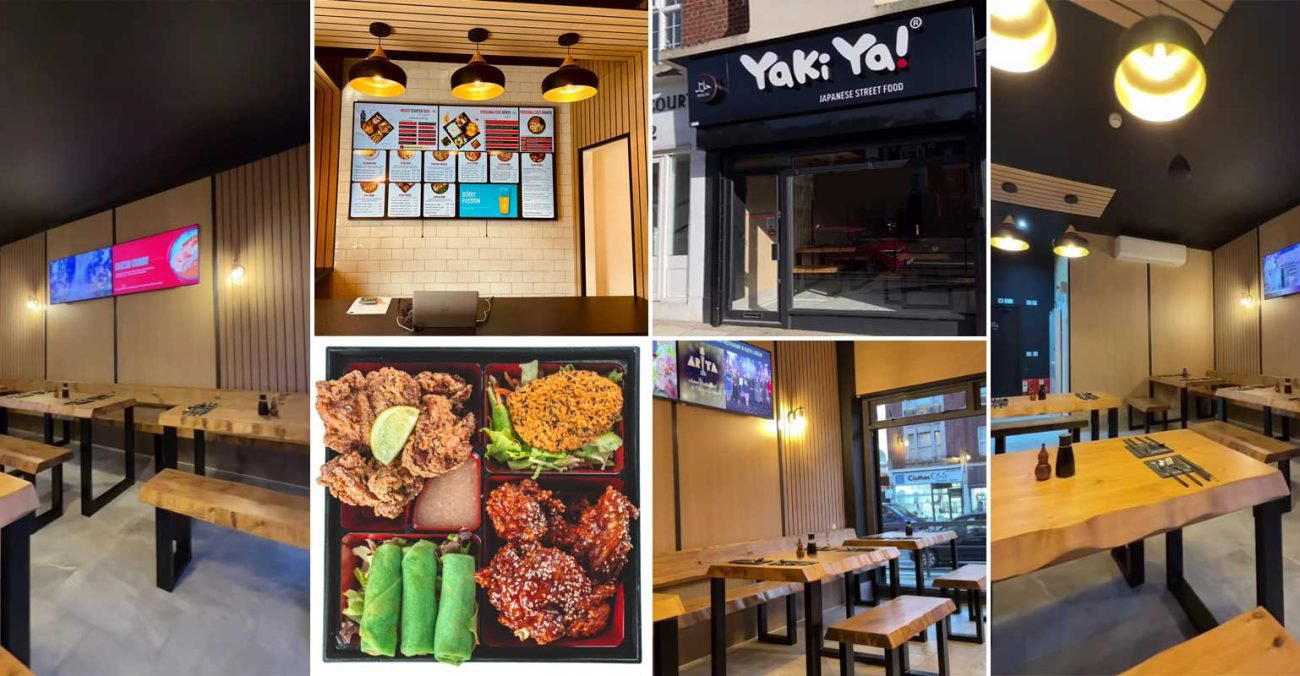
The Neighbourhood Tier That Mayfair Ignores
London's premium dining conversation tends to collapse around a handful of postcodes. The rooms that earn column inches, CORE by Clare Smyth, Restaurant Gordon Ramsay, Sketch, The Lecture Room and Library, operate in a West End and Chelsea bracket where covers are priced against international competition and every plate is designed with a critic's notebook in mind. Yaki Ya Finchley Road is a restaurant at 14 Frognal, London NW3 5HH, serving Halal Japanese Street Food. Yaki Ya Finchley Road is rooted in a tradition that predates the city's omakase boom: the neighbourhood yakiniku and Japanese grill house, where regulars return on weeknights and the kitchen's relationship with a known clientele shapes the menu far more than any awards cycle.
NW3's food scene has historically operated in the shadow of more documented neighbourhoods, but the concentration of long-term residents with high expectations for everyday dining has produced a collection of serious local operators. The Frognal address places Yaki Ya within walking distance of Finchley Road and Frognal station, making it accessible without requiring a destination-dining mindset to justify the trip.
The Grilling Tradition Behind the Format
Yakiniku, the Japanese tradition of grilling small cuts of meat, offal, and vegetables over charcoal or gas at the table, arrived in Japan from Korean barbecue influences in the postwar period and has since developed its own distinct identity, with regional Japanese variations governing cut selection, sauce composition, and sequencing. In London, the format has split into two tiers. A small number of high-specification operators, primarily in the West End, run premium wagyu-focused menus with price points that align them with the tasting-menu rooms at The Ledbury or Dinner by Heston Blumenthal. Below that, a broader category of neighbourhood Japanese grill operations serves a more accessible, regular-use audience. Yaki Ya Finchley Road belongs to the latter category.
The significance of that positioning is practical. Where destination yakiniku rooms structure the evening around a fixed progression, lighter cuts first, fattier preparations later, finishing with rice or noodles, neighbourhood grill formats tend to give the table more agency. The sequencing still exists, because any coherent grill session follows a logic of heat management and palate fatigue, but the kitchen's job is to support the table's instincts rather than choreograph them from above. This produces a different kind of meal: less theatrical, more conversational, and often more honest about what grilled food actually tastes like when the focus is on sourcing and technique rather than presentation.
Reading the Meal as a Progression
The editorial angle most useful for understanding any serious grill format is progression: how a meal moves from first cut to last, and what that arc says about the kitchen's priorities. In well-executed yakiniku, the opening sequence typically features leaner cuts, tongue, short rib, sirloin, that respond well to high heat and quick cooking, producing a clean, savoury entry point before the session moves into fattier preparations where marbling and lower temperatures create a different textural register. The close of a grilling session, almost universally, involves carbohydrate, rice, ramen, cold noodles, that absorbs the residual fat and acid from the table and provides a definitive endpoint to what might otherwise be an open-ended format.
For a venue at Yaki Ya's address and neighbourhood positioning, the relevant comparison set is not the high-specification wagyu rooms of the West End but rather the kind of honest, technically grounded grill operations that have defined Japanese neighbourhood dining in cities like Osaka and Tokyo's residential wards for decades. The standard there is less about provenance credentials on a printed card and more about whether the kitchen can read a table's pace and adjust accordingly. That skill, timing cuts, managing the grill surface, and knowing when to introduce a dipping sauce variation, is demanding to execute well.
London's Wider Japanese Grill Context
London's relationship with Japanese cuisine has deepened considerably since the early 2000s, moving from a sushi-dominant model to a more textured picture that includes ramen specialists, izakaya formats, and increasingly, dedicated grill and robata operations. The grill category specifically benefits from a shift in London dining culture toward sharing formats and longer table times, both of which align naturally with the yakiniku model, where the meal's duration is partly determined by how quickly the table chooses to cook.
That cultural fit has produced a steady expansion of Japanese grill concepts across London's neighbourhoods, though the majority of serious critical attention has remained concentrated in zones one and two. Venues further north, including the NW3 stretch around Finchley Road, operate with less media visibility but often with stronger ties to a consistent local audience. For diners who approach venues like Waterside Inn in Bray, Le Manoir aux Quat'Saisons in Oxford, or L'Enclume in Cartmel as reference points for a serious meal, the Frognal address represents a different kind of value proposition: not a destination event, but a reliable neighbourhood operation where the standard of cooking is maintained across regular visits rather than calibrated for a single high-stakes sitting.
That reliability is, in many ways, the more demanding test. Destination rooms like Moor Hall in Aughton, Gidleigh Park in Chagford, or Midsummer House in Cambridge can focus their leading effort on a fixed number of sittings per week. A neighbourhood grill operation must deliver across a higher volume of covers, with a more varied clientele, and without the protective buffer of a two-month waitlist. The comparison is not flattering to either category, it simply reflects different pressures and different definitions of success.
Situating Yaki Ya in the NW3 Context
Frognal is not a restaurant street in the conventional sense. It is a residential road that happens to contain a small number of food-and-drink operations, which gives Yaki Ya a character closer to a local essential than a dining destination. That positioning aligns with a broader pattern visible in London's northern suburbs, where the density of long-term residents with sophisticated everyday expectations has produced serious kitchens operating without the overhead of a high-footfall location. For context on how London's most recognised rooms function in comparison, the full London restaurants guide maps the broader picture across price tiers and neighbourhoods.
Internationally, the neighbourhood Japanese grill format has parallels in New York's more documented operator scene, venues like Atomix and Le Bernardin represent a different stratum entirely, but the cultural shift toward serious everyday Japanese dining that those cities have experienced over the past fifteen years is now visible in London's outer neighbourhoods. Venues like those at Opheem in Birmingham, Restaurant Andrew Fairlie in Auchterarder, and Hand and Flowers in Marlow demonstrate that serious cooking increasingly escapes the gravity of capital city centre postcodes. Yaki Ya Finchley Road operates in that same decentralised tradition, even if its format is more casual than any of those examples.
Know Before You Go
Address: 14 Frognal, London NW3 5HH, United Kingdom
Nearest station: Finchley Road and Frognal (Overground), approximately 5 minutes on foot
Format: Neighbourhood Japanese grill; sharing format suited to groups of two to four
Booking: Contact details not currently listed; walk-in availability likely during off-peak weeknights
Price tier: Mid-range London pricing, around $20 per person
At a Glance
Comparable venues nearby, for context on price, style, and recognition.
| Venue | Cuisine | Price |
|---|---|---|
| Yaki Ya Finchley RoadThis venue — the venue you are viewing | Hampstead, Halal Japanese Street Food | $$ |
| TEMAKI | Brixton, Modern Japanese Handroll Bar | $$ |
| Sanjugo Shoreditch | Shoreditch, Japanese Izakaya | $$ |
| Shack-Fuyu | Soho, Yōshoku Japanese Izakaya | $$ |
| Sachi | Belgravia, Modern Kappo-Style Japanese | $$$ |
| 123V Browns | Mayfair, Modern Vegan Garden Sushi | $$$ |
Continue exploring
More in London
Restaurants in London
Browse all →
Bars in London
Browse all →
Hotels in London
Browse all →

At a Glance
- Cozy
- Trendy
- Family
- Casual Hangout
- Open Kitchen
Current opening hours
- Monday
- 12–9:45 PM
- Tuesday
- 12–9:45 PM
- Wednesday
- 12–9:45 PM
- Thursday
- 12–9:45 PM
- Friday
- 12–9:45 PM
- Saturday
- 12–9:45 PM
- Sunday
- 12–9:20 PM
Hours can change for holidays and private events. Last verified .
Warm, inviting, and cozy with a casual street food atmosphere praised for cleanliness and comfort.