Konnichiwa Japanese Cuisine
Konnichiwa Japanese Cuisine occupies a spot on Hornsey's High Street in north London's N8 postcode, placing it within a neighbourhood where independent restaurants increasingly define the local dining identity. The address situates it well outside the central Japanese dining corridors of Soho and Mayfair, making it a reference point for residents seeking Japanese food north of the city's core.
Pearl is the En Primeur Club membership app — saves, bookings, and concierge access live there. Same editors, same standards.
- Address
- 10 High St, London N8 7PB, United Kingdom
- Phone
- +442080377757
- Website
- konnichiwa.uk
- Directions
- Get directions
 Saves & bookings on Pearl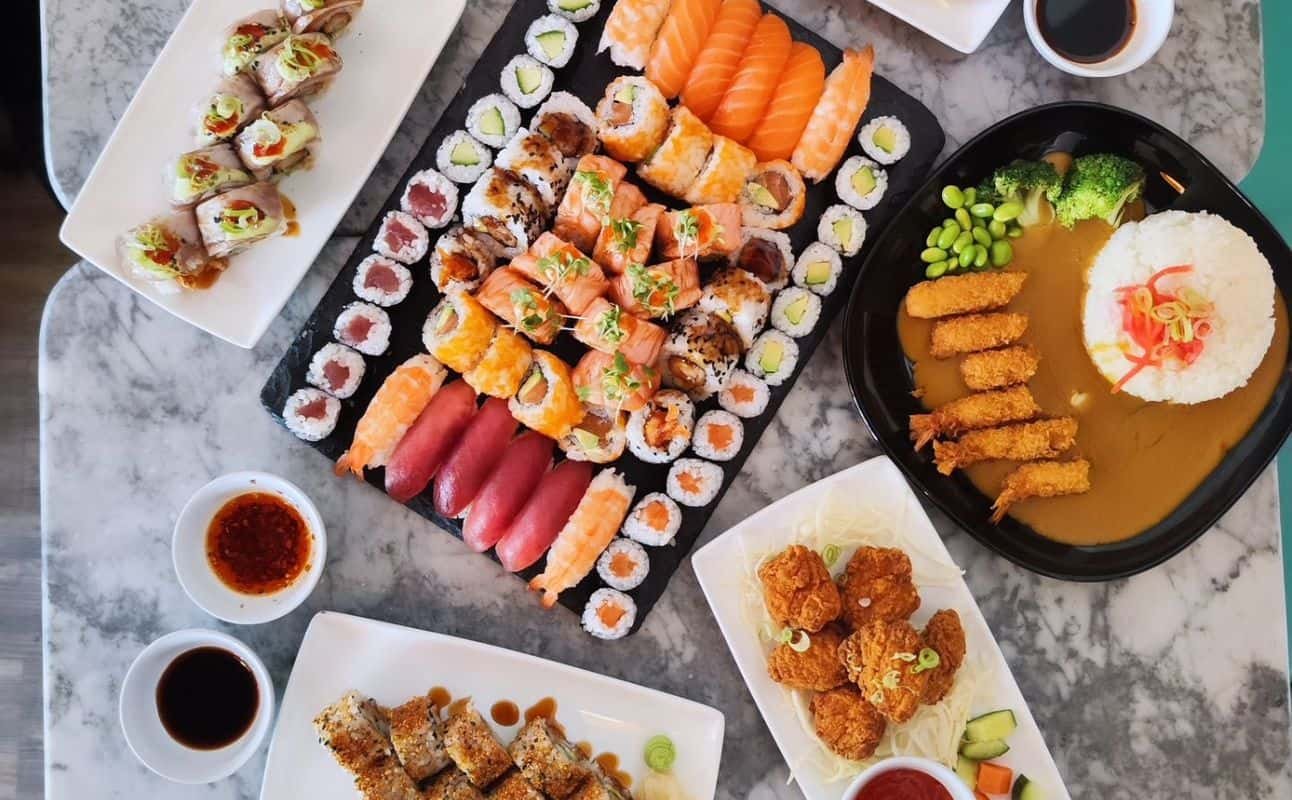
Japanese Dining in North London: Where the Neighbourhood Has Moved
London's Japanese restaurant scene has always been centred on a tight geography: the ramen counters of Soho, the high-end omakase rooms of Mayfair, the izakaya-style operations in Fitzrovia. What has shifted over the past decade is the gradual dispersal of credible Japanese cooking into residential postcodes that once defaulted to pizza and curry for their independent dining. Crouch End and the surrounding N8 corridor have been part of that shift, absorbing operators who read the neighbourhood's appetite for something more considered than a delivery-optimised menu. Konnichiwa Japanese Cuisine at 10 High Street is an authentic Japanese sushi restaurant in London N8, a casual neighbourhood spot where prices are around £25 per person.
The N8 Address and What It Signals
Hornsey's High Street is not a destination strip in the way that Heddon Street or Charlotte Street pull diners from across the city. It functions as a neighbourhood anchor, which means the clientele walking in on a Tuesday are overwhelmingly local, and the expectations they bring are shaped by daily routine rather than special-occasion calculus. For a Japanese restaurant operating in that context, the competitive pressure is horizontal rather than vertical: the comparison set is other neighbourhood independents. That positioning carries its own demands. Neighbourhood regulars are less forgiving of inconsistency precisely because they return more often, and word of mouth travels faster inside a tight residential community than it does across a city. The contrast with central London's trophy-dining tier, where CORE by Clare Smyth and Restaurant Gordon Ramsay operate at ££££ price points with destination-driven footfall, is instructive: the economics and the social contract are entirely different at the neighbourhood end of the spectrum.
How Japanese Cooking Translates at the Local Level
The evolution of Japanese cuisine in British cities follows a recognisable arc. The first wave was defined by the big sushi chains and the high-street conveyor-belt format. The second brought a sharper awareness of regional Japanese categories: tonkotsu ramen houses, yakitori counters, katsu specialists. The third, which is where the current moment sits, is a more granular conversation about quality within each format, whether the dashi is made in-house, whether the rice is properly seasoned, whether the knife work on sashimi reflects training or shortcut. Restaurants operating at this neighbourhood level now sit within that third wave by default, because the dining public in places like N8 has absorbed enough Japanese food literacy to notice the difference. The question for any operator at this address is less about which format to choose and more about how faithfully that format is executed when the margin pressure of a suburban high street is constant. Neighbourhood Japanese in London is working in a different register entirely, though the cultural knowledge gap between those tiers has narrowed considerably.
London's Wider Restaurant Frame
Any independent restaurant in London operates against the gravitational pull of the city's central fine-dining identity. The concentration of Michelin-starred Modern British and European kitchens, The Ledbury, Dinner by Heston Blumenthal, Sketch, The Lecture Room and Library, sets a ceiling for what London diners understand fine dining to mean, but it also creates a clear separation between that tier and the neighbourhood restaurant economy where most people actually eat most of the time. That separation is not a deficiency on the neighbourhood side; it is simply a different category with different metrics. Within London itself, neighbourhood Japanese restaurants fill a specific and genuine function in the dining ecosystem that no amount of central-London fine dining can replace.
Planning Your Visit
Location: 10 High Street, London N8 7PB. Getting there: The N8 postcode is served by Turnpike Lane and Hornsey overground and underground connections, with multiple bus routes along the High Street corridor. Reservations: Reservations are recommended. Budget: Around £25 per person.
Peers You’d Cross-Shop
Comparable venues nearby, for context on price, style, and recognition.
| Venue | Cuisine | Price | Notes |
|---|---|---|---|
| Konnichiwa Japanese CuisineThis venue — the venue you are viewing | Authentic Japanese Sushi | $$ | Not listed |
| Kiku | Authentic Japanese Sushi & Kaiseki | $$ | Mayfair |
| Wild at Heart | Casual Japanese Fusion | $$$ | Notting Hill |
| wagamama camden | Japanese Ramen & Noodles | $$ | Chalk Farm |
| Yaki Ya Finchley Road | Halal Japanese Street Food | $$ | Hampstead |
| Sachi | Modern Kappo-Style Japanese | $$$ | Belgravia |
Continue exploring
More in London
Restaurants in London
Browse all →
Bars in London
Browse all →
Hotels in London
Browse all →



At a Glance
- Cozy
- Trendy
- Casual Hangout
- Family
- Sake Program
Current opening hours
- Monday
- 1–10 PM
- Tuesday
- Closed
- Wednesday
- 1–10 PM
- Thursday
- 1–10 PM
- Friday
- 1–10 PM
- Saturday
- 1–10 PM
- Sunday
- 1–9:30 PM
Hours can change for holidays and private events. Last verified .
Cozy family atmosphere with fun 80s and 90s music and warm service.