Kiku
Kiku on Half Moon Street has served London's most committed Japanese diners since 1978, making it one of the capital's longest-standing Japanese restaurants. Positioned in Mayfair, it draws a crowd that comes for the discipline of the meal as much as the food itself, a counter-culture to the city's louder, trendier Japanese openings. Serious cooking, quiet room, no theatre required.
Pearl is the En Primeur Club membership app — saves, bookings, and concierge access live there. Same editors, same standards.
- Address
- 17 Half Moon St, London W1J 7BE, United Kingdom
- Phone
- +44 20 7499 4208
- Website
- kikurestaurant.co.uk
- Directions
- Get directions
 Saves & bookings on Pearl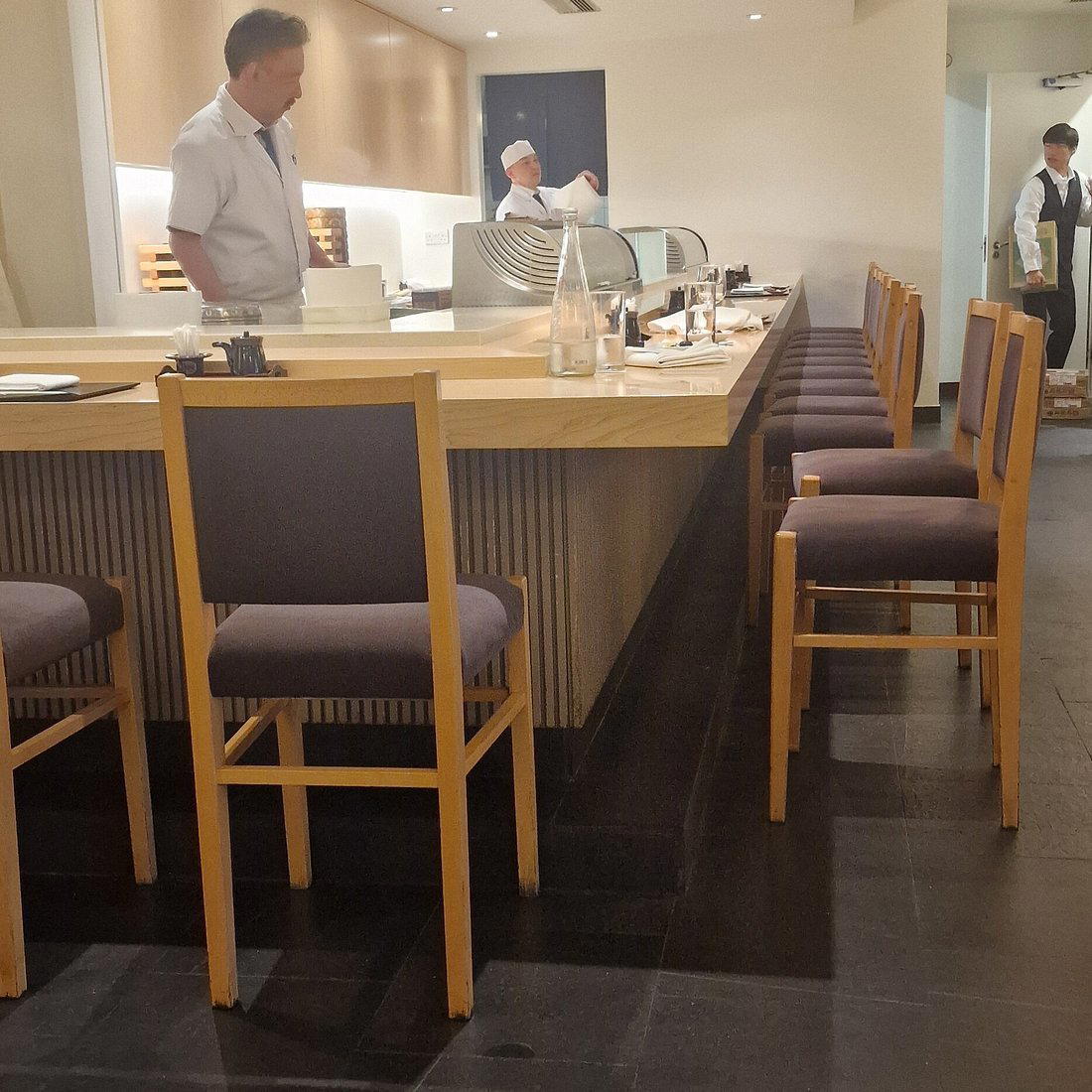
London's Longest Japanese Tradition at the Table
Mayfair has absorbed several waves of Japanese dining over the decades: the austere sushi bars of the 1980s, the omakase premium tier that arrived in the 2010s, and the more recent generation of izakaya-inflected openings that trade on informality and late-night energy. Kiku, at 17 Half Moon Street, predates almost all of them. Opened in 1978, it represents an early stratum of serious Japanese cooking in London, a period when the form itself was still unfamiliar enough that the restaurant had to function as an education as much as a meal. That founding context shapes everything about how the experience still reads today.
The address places it squarely in Green Park Mayfair, a pocket of the neighbourhood associated more with discreet business lunches and hotel dining than with destination-led restaurant culture. That positioning is not incidental. It reflects the kind of clientele Kiku built in its early decades: Japanese executives, embassy staff, and the subset of British professionals who understood what they were looking at. A restaurant that opened this early in London's Japanese scene was not competing for the same audience as the noodle bars of Soho or the robatayaki of Covent Garden, it was serving people for whom the ritual of the meal, not its novelty, was the point.
The Architecture of a Japanese Meal in London
Japanese dining, at its most considered, operates on principles of pacing and sequence that differ sharply from the European tasting menu format. Where French or Modern British meals build through flavour intensity, often arriving at a peak with the main protein course, the Japanese structure is more cyclical. Small dishes establish a baseline; sashimi requires full palate attention; cooked courses follow; rice and miso signal the meal's formal close. That sequence is not arbitrary. It reflects a philosophical relationship between cook and guest in which the timing of each element is part of the communication.
In London, that ritual has been compressed and reinterpreted by much of the market. The omakase counters that now occupy the premium tier, drawing comparisons with the kind of tightly sequenced precision eating more common in Tokyo than in the West End, represent one response. The broader izakaya model represents another, trading ritual for sociability. Kiku's longevity suggests it has remained closer to the traditional structure than either of those alternatives, maintaining a meal format that respects the internal logic of Japanese service without adapting it for speed or spectacle.
That discipline is increasingly rare in London's Japanese category. Across the capital's restaurant scene, even high-end Japanese openings tend to borrow liberally from other traditions, Peruvian-Japanese fusion, Japanese-French technique hybrids, and omakase formats that borrow the counter aesthetic without the training lineage behind it. Kiku's four-decade record suggests a more consistent orientation, though the specifics of its current menu and format are best confirmed directly ahead of a visit.
Mayfair's Japanese Dining Tier and Where Kiku Sits
London's premium Japanese category is now a crowded and expensive field. The new generation of omakase-format restaurants in Mayfair and the City price against Tokyo's Ginza rather than against London's broader restaurant market, with per-head spend at the summit of the bracket reaching levels comparable to three-Michelin-star European dining. For context, the city's most recognised European restaurants in the same neighbourhood, including Restaurant Gordon Ramsay, Sketch, The Lecture Room and Library, and CORE by Clare Smyth, all operate at the ££££ tier with Michelin three-star recognition. Kiku is in a lower price tier, with an estimated spend of about $40 per person.
Kiku operates in a different register, not as an omakase specialist or a counter-format destination, but as a full-service Japanese restaurant with a menu broad enough to accommodate both casual and formal dining. That positioning places it closer to the traditional Tokyo neighbourhood restaurant model than to the high-ceremony counter format. For London diners familiar with the tightly curated, booking-required experience of newer Japanese openings, Kiku offers something structurally different: a room where the meal is shaped by what you order rather than what the chef has pre-decided.
That format has its own discipline. Ordering well from a comprehensive Japanese menu requires a different kind of attention than following a tasting sequence. The better approach, across most Japanese full-service restaurants, is to anchor the meal around one preparation style, sushi, sukiyaki, shabu-shabu, or tempura, rather than assembling a disparate cross-section of the menu. That focus produces a more coherent meal and allows the kitchen to show its register clearly.
Placing Kiku in the Broader London Restaurant Scene
London's dining map at the leading end is dominated by European cooking traditions. The Ledbury and Dinner by Heston Blumenthal represent different poles of the Modern British and Modern European spectrum; further afield, The Fat Duck in Bray, L'Enclume in Cartmel, and Moor Hall in Aughton anchor the country-house tier. Japanese dining in London has always occupied a specialist lane within that structure, drawing dedicated followers rather than casual walk-in traffic. Kiku's position in Half Moon Street, a short walk from Green Park station, in a street without significant restaurant competition, reinforces that self-selecting quality. You go there knowing why you are going.
The comparison point most relevant to Kiku is less the Mayfair European fine-dining tier and more the wave of serious Japanese cooking that has arrived in New York and other global cities. Restaurants like Atomix in New York City represent the Korean-Japanese precision end of that spectrum; Le Bernardin in New York City demonstrates how European technique applied to seafood-forward cooking can sustain decades of critical recognition. Kiku's equivalent credential is its tenure: over forty-five years in continuous operation in one of the world's most competitive restaurant cities is a form of evidence that marketing cannot manufacture.
Planning Your Visit
Half Moon Street sits between Piccadilly and Curzon Street, with Green Park Underground station under ten minutes on foot. For destination dining outside London, Gidleigh Park in Chagford and Hand and Flowers in Marlow represent the kind of long-standing kitchen reputations that, like Kiku's, are built over decades rather than press cycles. Hide and Fox in Saltwood is worth noting for those making a Kent excursion.
Quick reference: Kiku, 17 Half Moon Street, London W1J 7BE. It is open Monday to Saturday for lunch and dinner, and closed on Sunday.
Comparable Spots
Comparable venues nearby, for context on price, style, and recognition.
| Venue | Cuisine | Price | Notes |
|---|---|---|---|
| KikuThis venue — the venue you are viewing | Authentic Japanese Sushi & Kaiseki | $$ | Not listed |
| wagamama royal festival hall | Pan-Asian Ramen & Noodles | $$ | South Bank |
| wagamama westfield stratford | Japanese Asian Ramen Bar | $$ | Stratford |
| Kiki Restaurant | Authentic Japanese | $$ | Kentish Town |
| Jeux Jeux | Hiroshima-Style Okonomiyaki | $$ | South Bank |
| Titu | Modern Pan-Asian Gyoza Specialist | $$$ | Mayfair |
Continue exploring
More in London
Restaurants in London
Browse all →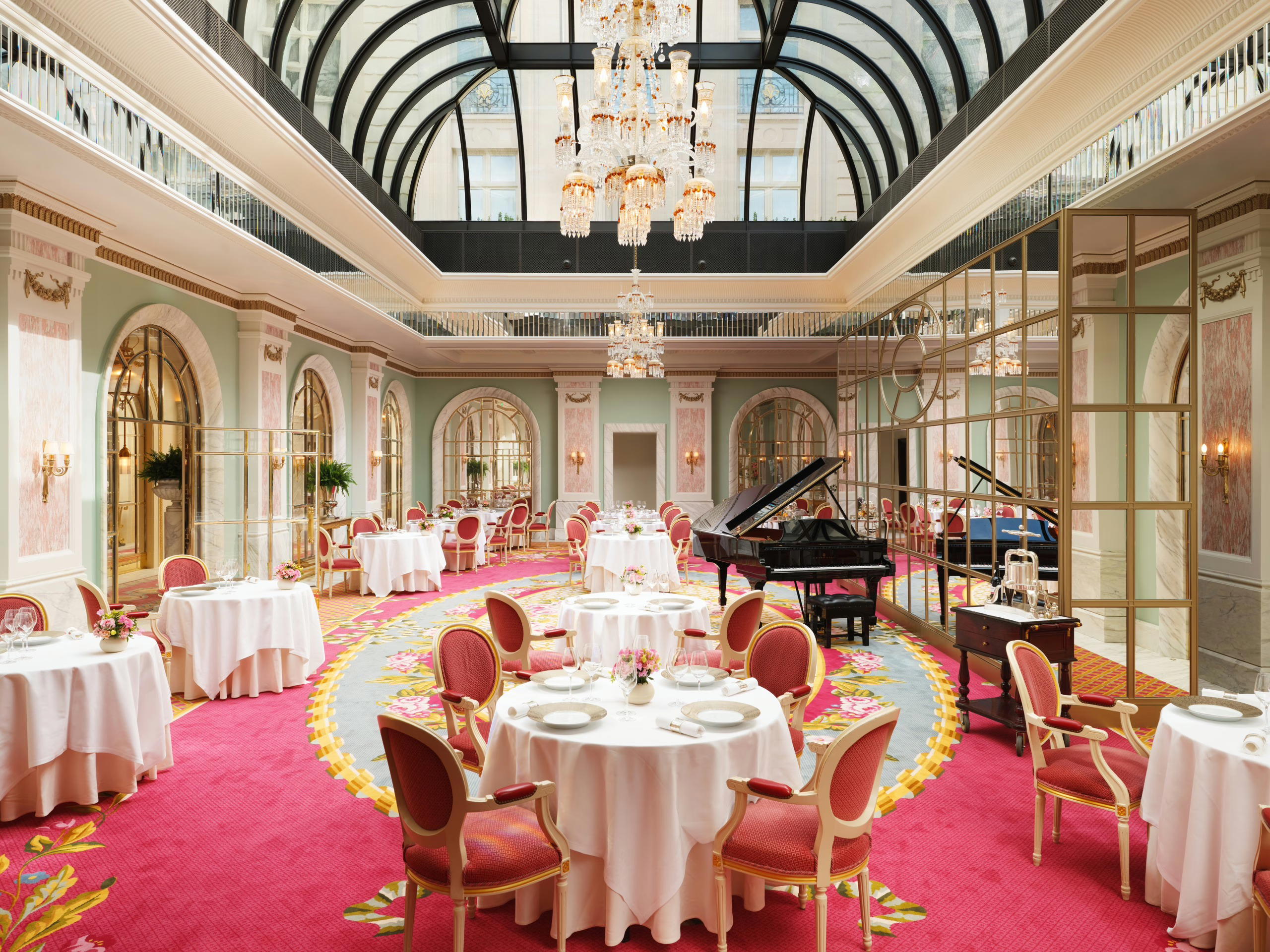
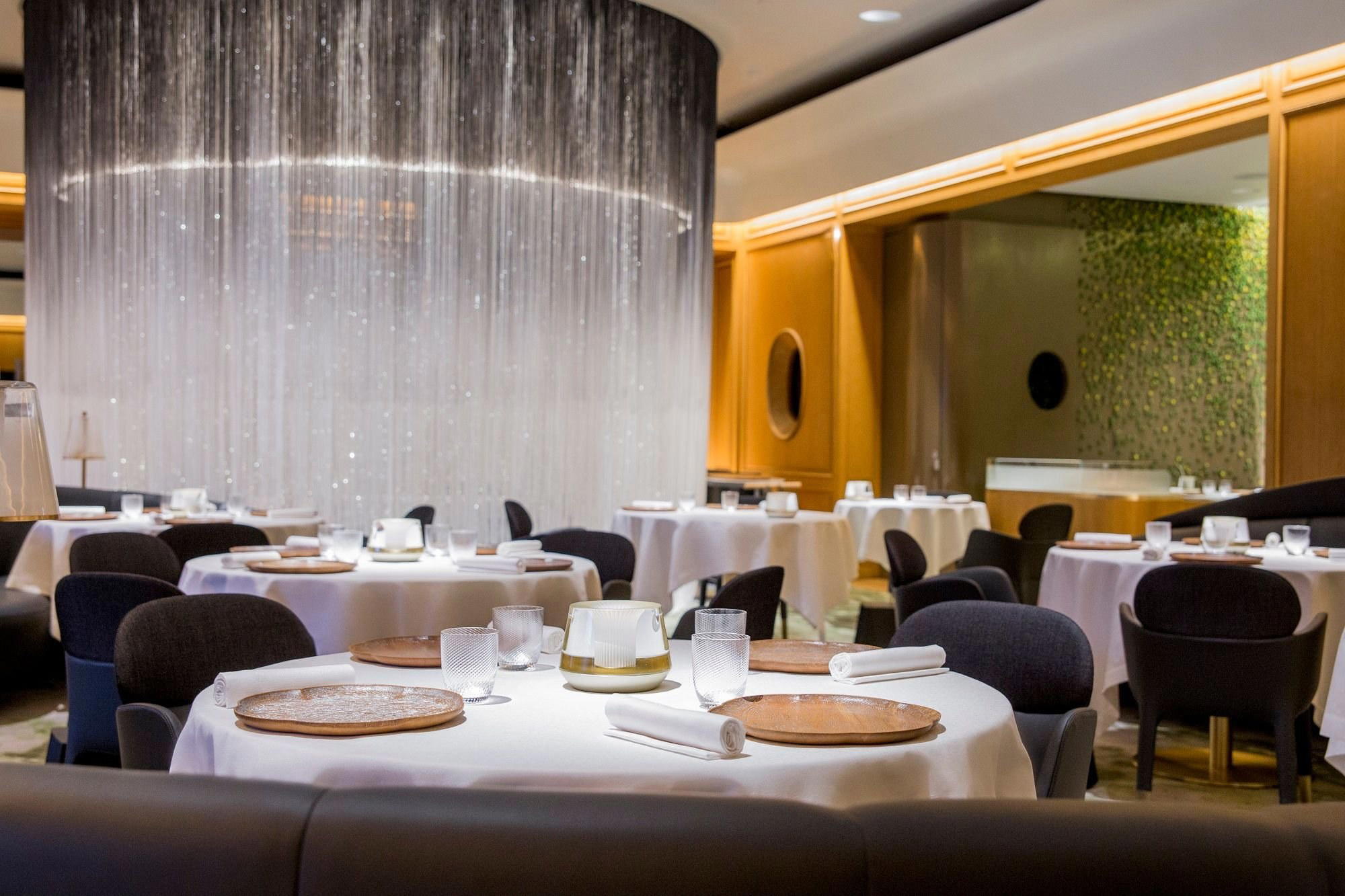
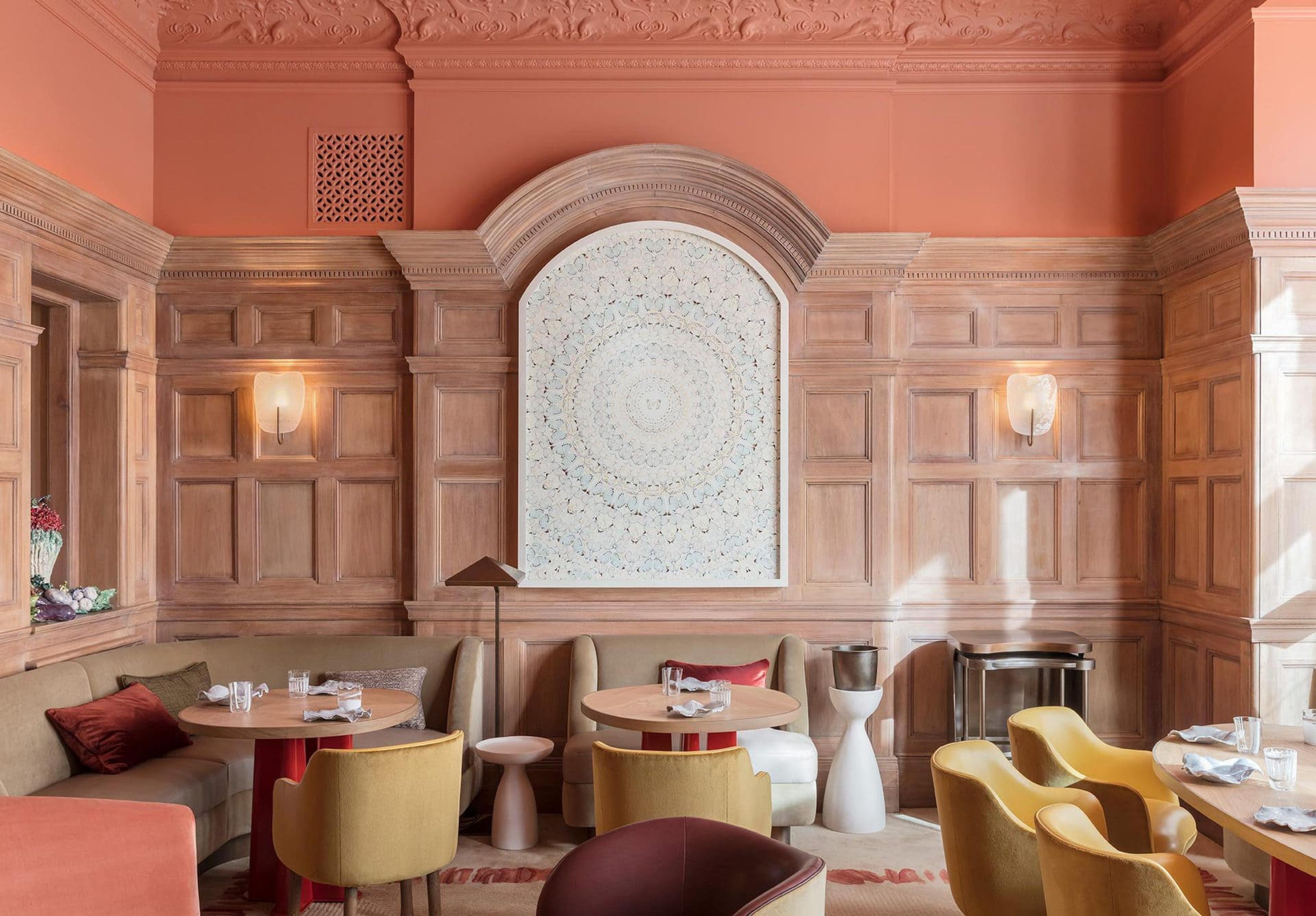
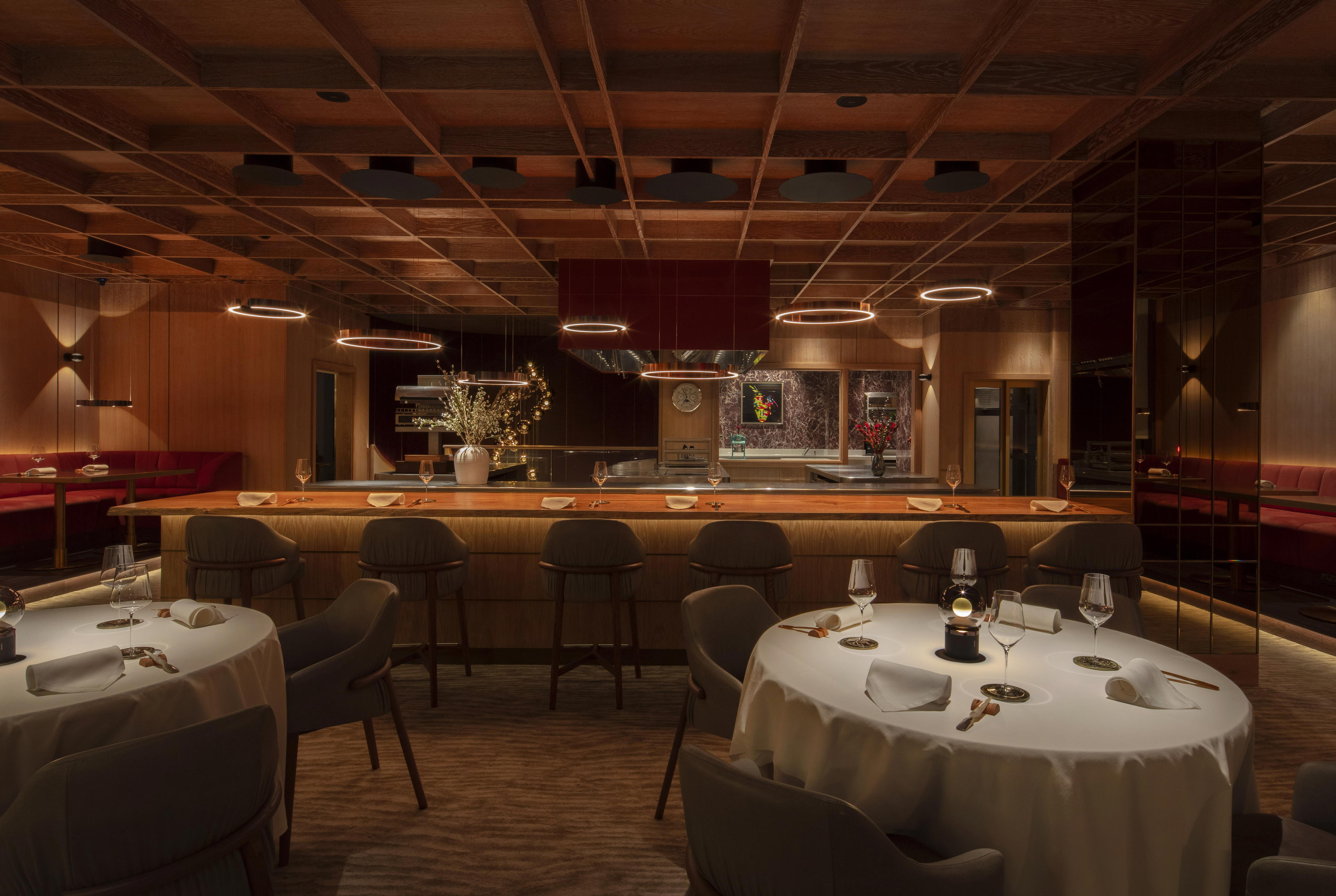
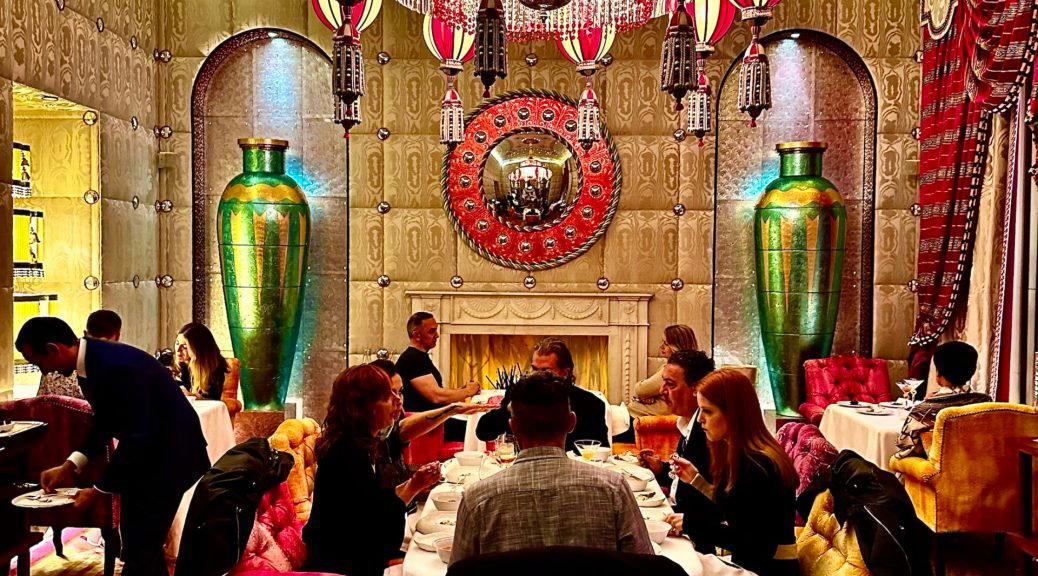
Bars in London
Browse all →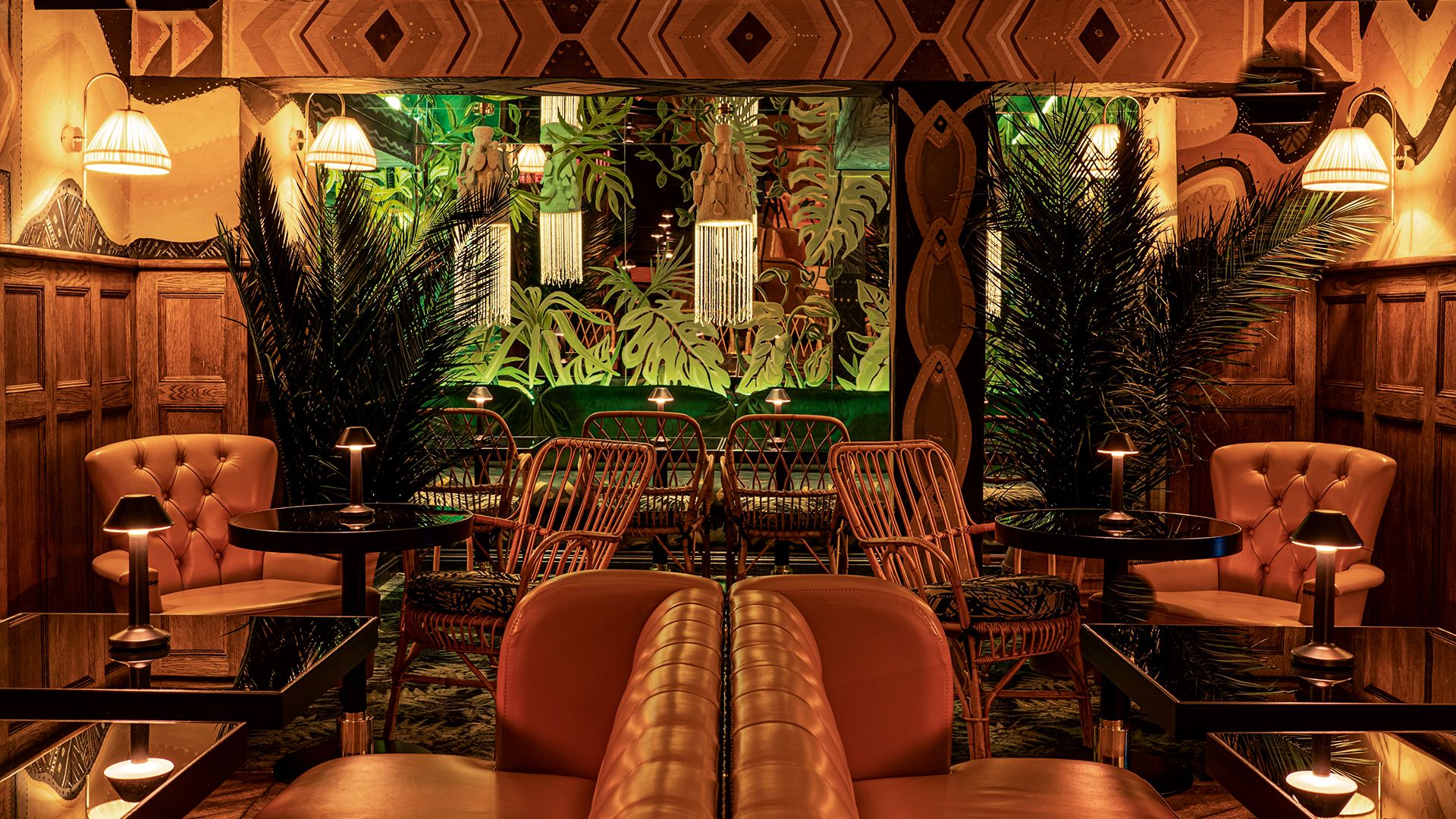
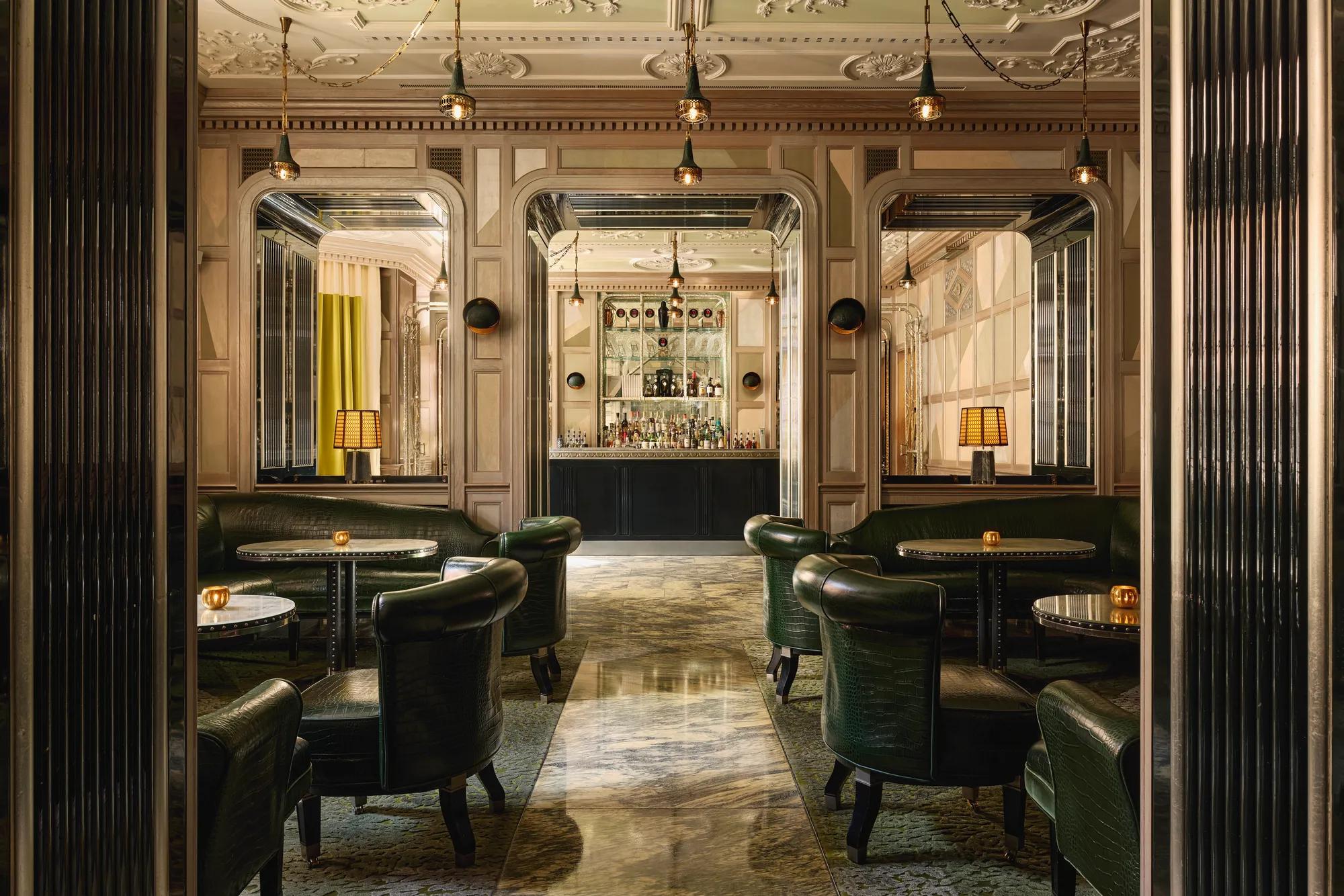
Hotels in London
Browse all →



At a Glance
- Minimalist
- Classic
- Intimate
- Business Dinner
- Private Dining
- Sake Program
Current opening hours
- Monday
- 12–2:30 PM, 6–10 PM
- Tuesday
- 12–2:30 PM, 6–10 PM
- Wednesday
- 12–2:30 PM, 6–10 PM
- Thursday
- 12–2:30 PM, 6–10 PM
- Friday
- 12–2:30 PM, 6–10 PM
- Saturday
- 12–2:30 PM, 6–10 PM
- Sunday
- Closed
Hours can change for holidays and private events. Last verified .
Minimalist Japanese design with blond wood, lattice screens, and a calm, grown-up atmosphere.