Vivanda
Located on Bahnhofstrasse in central Zermatt, Vivanda occupies a position within the resort's mid-to-upper dining tier, where front-of-house craft and kitchen collaboration define the experience as much as the food itself. Zermatt's car-free streets and Alpine setting create a particular kind of dining pressure: guests arrive with high expectations shaped by altitude, exertion, and occasion. Vivanda meets that moment with a focused, team-driven approach.
Pearl is the En Primeur Club membership app — saves, bookings, and concierge access live there. Same editors, same standards.
- Address
- Bahnhofstrasse 41, 3920 Zermatt, Switzerland
- Phone
- +41279671931
- Website
- hotelpost.ch
- Directions
- Get directions
 Saves & bookings on Pearl
Dining in Zermatt: The Pressure of the Mountain Setting
Few dining contexts in Europe carry as much ambient expectation as Zermatt. The resort sits at 1,620 metres, car-free by statute, with the Matterhorn as a constant visual reference point. Guests arrive by cog railway from Täsch having already committed to the altitude — physically and financially. The restaurants that hold their ground here do so not because of a single standout element but because their entire operation, kitchen to floor, functions as a coherent unit. Vivanda, at Bahnhofstrasse 41, operates within that demanding environment.
Bahnhofstrasse is Zermatt's main pedestrian artery, running from the train station through the commercial heart of the village. It is a street that sees every category of visitor: day-trippers on a budget, week-long ski guests, and the kind of traveller who books months ahead and expects a room and a table to match. Dining establishments along this corridor span a wide range, which means positioning matters. Vivanda sits in a part of the street where the foot traffic is consistent but the expectation is for something more considered than a après-ski pit stop.
The Case for Team-Led Dining in an Alpine Resort
Switzerland's leading dining addresses — Hotel de Ville Crissier in Crissier, Schloss Schauenstein in Fürstenau, Cheval Blanc by Peter Knogl in Basel, Memories in Bad Ragaz, tend to operate with a clearly structured team where sommelier work and front-of-house management are treated as disciplines equal in weight to what happens in the kitchen. That model has filtered into Alpine resort dining at a broader level, partly because the guest base in places like Zermatt and St. Moritz is internationally experienced and reads the quality of a room's service as readily as it reads the food.
What this means in practice is that the strongest dining experiences in high-altitude Swiss resorts are increasingly defined by the coherence between teams rather than by any single person. The sommelier who can navigate a cellar built around Swiss Valais producers alongside international references, the floor staff who understand pacing in a mountain context where guests may have skied six hours or hiked to altitude, the kitchen that communicates clearly about timing: these are the operational markers that separate a good evening from a poor one. Vivanda's placement on Bahnhofstrasse positions it within a Zermatt dining scene that rewards exactly this kind of internal coordination.
For comparative reference within the resort, After Seven operates in the creative tier at the upper end of the price range, while Brasserie Uno takes a contemporary approach at a similar price point. Chez Vrony anchors the regional cuisine end of the spectrum, and 1818 Eat and Drink rounds out the mid-range options. Alpine Gourmet Prato Borni takes the experience outside the village centre entirely, requiring a gondola or snowcat transfer. Vivanda operates within the walkable core, which matters for guests who want to eat well without building a logistical operation around the reservation.
How Zermatt's Dining Scene Compares to Switzerland's Broader Alpine Tier
Switzerland's mountain resort dining competes in a specific regional context. 7132 Silver in Vals and Da Vittorio in St. Moritz represent what happens when destination resort dining aligns with significant culinary investment. Focus Atelier in Vitznau and Colonnade in Lucerne show how the Swiss German-speaking dining scene handles the tension between local produce sourcing and international technique. In Zurich, IGNIV by Andreas Caminada and Einstein Gourmet in Sankt Gallen operate at the upper end of the Swiss fine dining tier.
Zermatt sits apart from all of these because its guest composition is so specifically resort-oriented. Unlike Zurich or Basel, where business travel and local patronage provide a stable year-round base, Zermatt dining operates within two high seasons, winter skiing from December through April, summer hiking and climbing from July through September, with quieter shoulder periods between. This seasonality shapes everything from staffing models to menu construction, and it creates a different kind of operational pressure from what city restaurants face. The strongest Zermatt restaurants build teams that can handle a compressed, high-intensity season rather than the slow accumulation of regulars that sustains urban fine dining.
For context on what team-led fine dining looks like at international scale, Le Bernardin in New York City has long been cited as a model for how front-of-house and kitchen operate in genuine parity. Atomix, also in New York, takes a different approach, using the counter format to make the kitchen-to-guest relationship structurally direct. Both represent endpoints on a spectrum that Alpine resort dining is navigating in its own way.
Planning a Visit: What to Know Before You Go
Zermatt is accessible only by train from Täsch, the nearest point where private vehicles are permitted. The journey from Täsch takes approximately twelve minutes on the Matterhorn Gotthard Bahn. From Geneva, the total rail journey runs to around three and a half hours depending on connections through Visp. Arriving by rail is not optional, it is the only way in, which gives the resort an unusual stillness compared to other Alpine destinations and makes the walk along Bahnhofstrasse to any restaurant a genuinely pedestrian experience, free of traffic noise.
Zermatt's dining scene peaks during the winter ski season, with the highest concentration of visitors and the most competitive reservation windows running from late December through March. Summer sees strong but slightly less pressured demand. For any table at a restaurant operating in the mid-to-upper tier on Bahnhofstrasse, contacting the venue directly ahead of arrival is the practical approach, particularly for weekend evenings during peak season. Given that no specific booking details for Vivanda are currently listed in public directories, reaching out via direct inquiry at the address or through local concierge services is the recommended route.
For a wider view of where Vivanda sits within Zermatt's full dining picture, the EP Club Zermatt restaurants guide maps the resort's options across cuisine type, price tier, and setting.
How Vivanda Zermatt compares with similar nearby venues.
| Venue | Cuisine | Price |
|---|---|---|
| After Seven | Creative | €€€€ |
Continue exploring
More in Zermatt
Restaurants in Zermatt
Browse all →
Bars in Zermatt
Browse all →
Hotels in Zermatt
Browse all →

At a Glance
- Cozy
- Romantic
- Elegant
- Date Night
- Late Night
- Terrace
- Hotel Restaurant
- Extensive Wine List
- Mountain
Current opening hours
- Monday
- 6 PM–1 AM
- Tuesday
- 6 PM–1 AM
- Wednesday
- 6 PM–1 AM
- Thursday
- 6 PM–1 AM
- Friday
- 6 PM–1 AM
- Saturday
- 6 PM–1 AM
- Sunday
- 6 PM–1 AM
Hours can change for holidays and private events. Last verified .
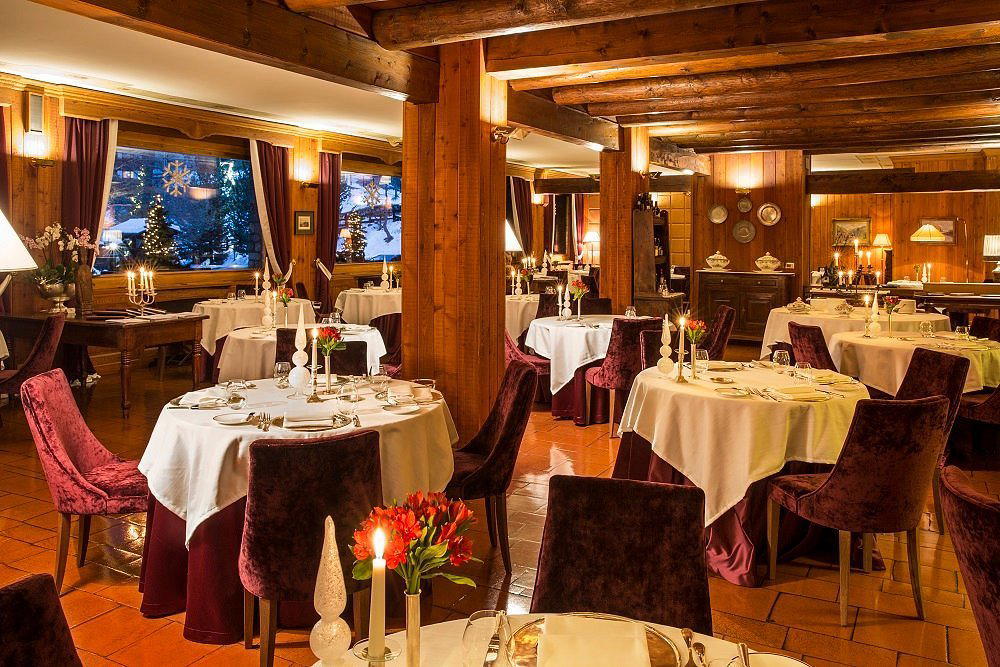
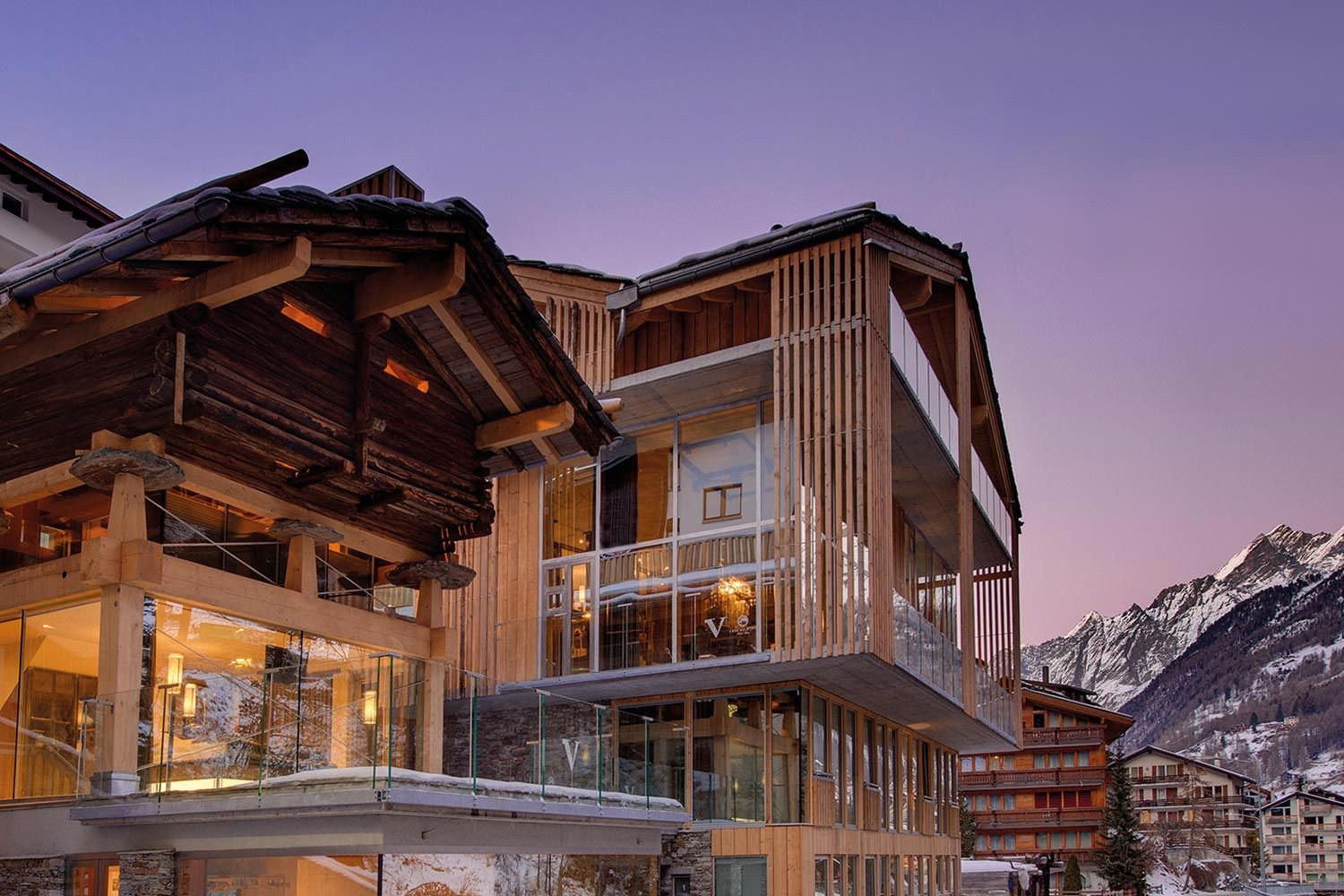
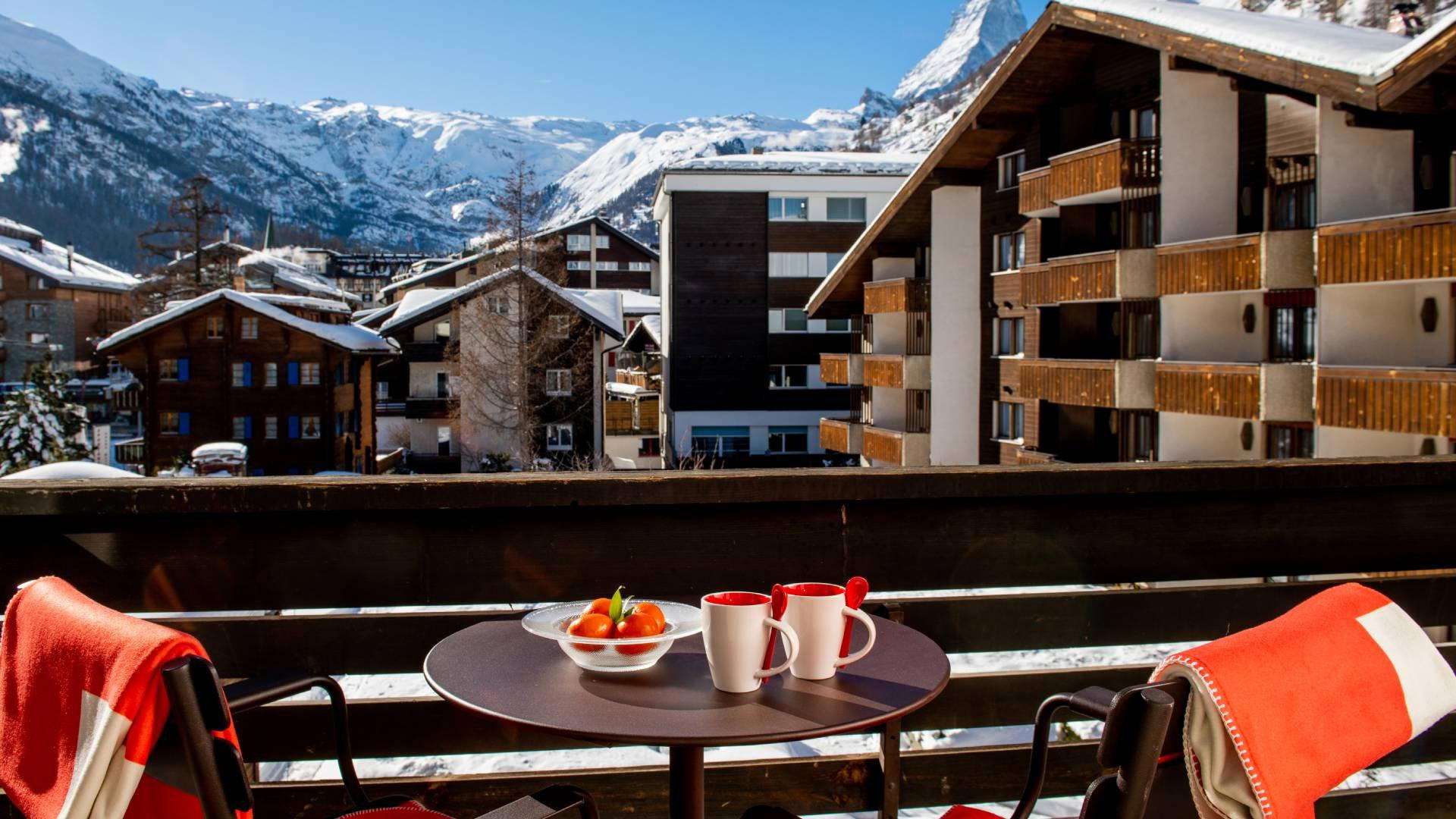
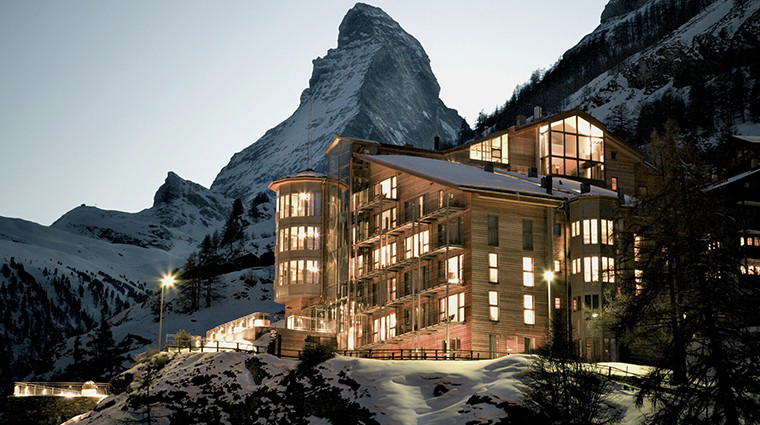
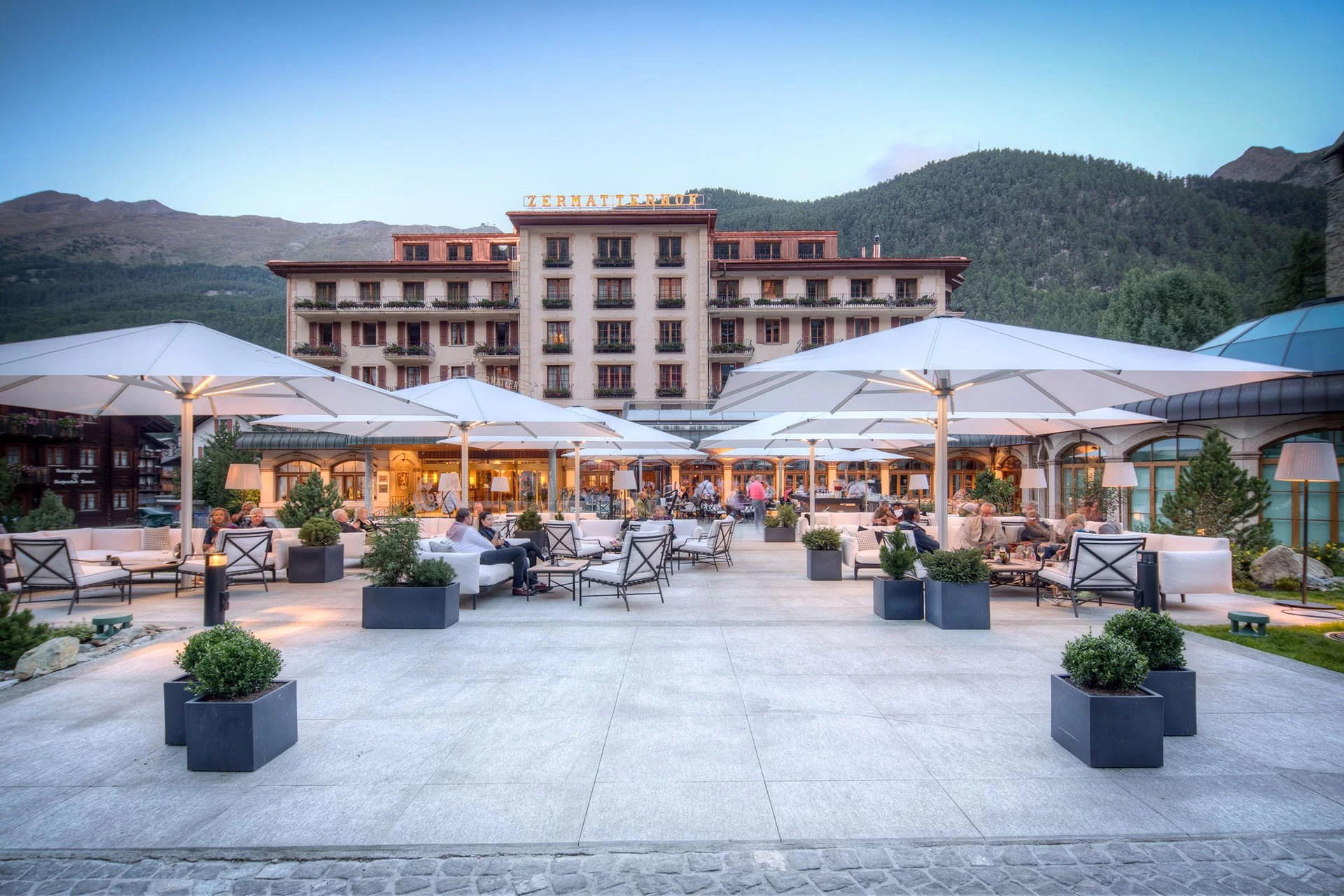
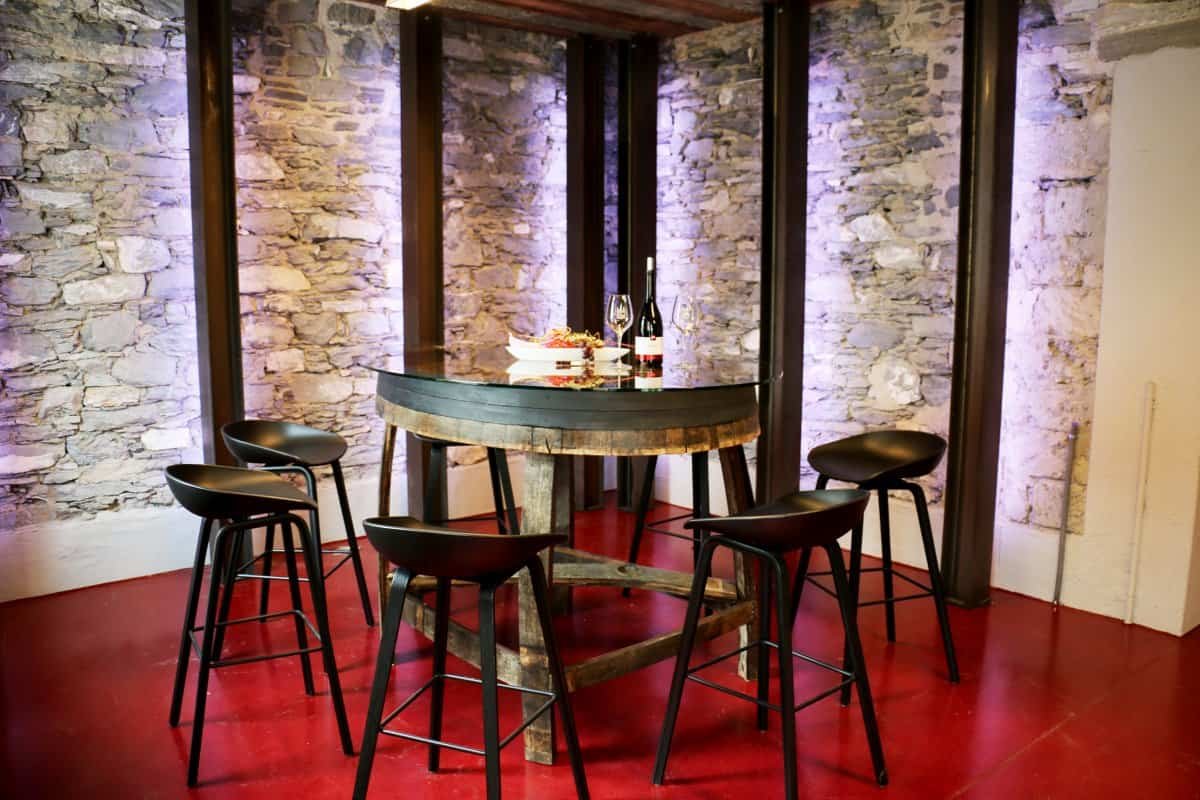
Cozy and intimate with a casually romantic atmosphere, warm historic chalet-style interior divided into corners for privacy, and a welcoming vibe.
Know Before You Go
- Getting there
- Bahnhofstrasse 41, 3920 Zermatt, Switzerland