Grand Hotel Zermatterhof


1 Michelin Key · Virtuoso Luxury Hotel Partner · Preferred Hotels L.V.X. Collection
Open since 1879, Grand Hotel Zermatterhof is one of Switzerland's longest-serving grand hotels, positioned at the centre of Zermatt with 78 rooms and suites, three restaurants including the Michelin-starred Alpine Gourmet Prato Borni, and the newly renovated Vita Borni spa. Members of Preferred Hotels & Resorts and Swiss Deluxe Hotels, the property sits in the upper tier of Zermatt's accommodation market, with direct Matterhorn views from most rooms.

Pearl is the En Primeur Club membership app, where members save venues, book tables and use the concierge.
A Grand Hotel on the Matterhorn's Doorstep
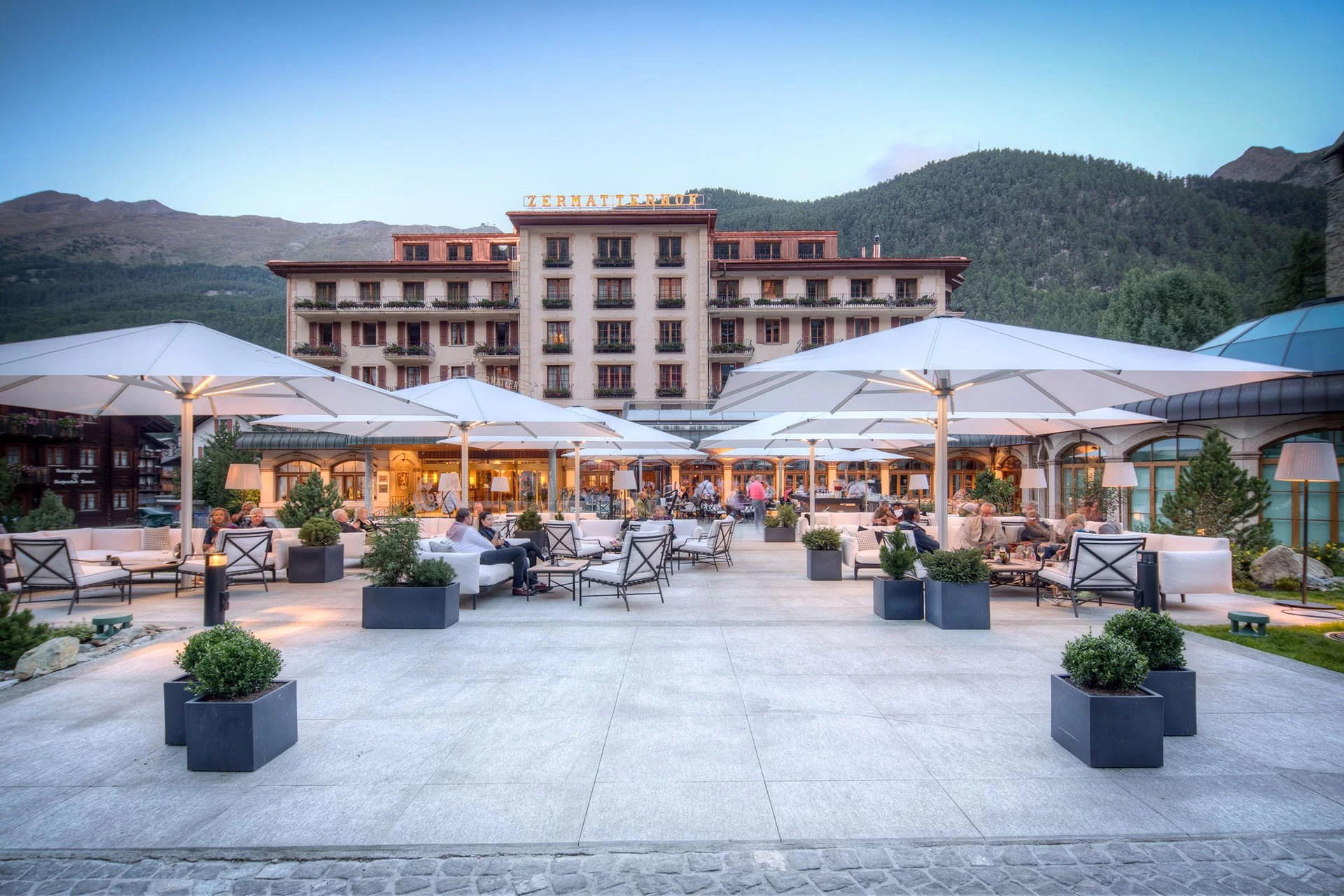
Approach Zermatt by train and the car-free village announces itself as something apart from the Swiss mainstream: electric taxis, horse-drawn carriages, and a skyline dominated by one of the most photographed mountain peaks in the world. Guests arriving at Grand Hotel Zermatterhof are met at the station and transferred to Bahnhofstrasse 55 either by electric car or, for those who choose it, the hotel's blue horse-drawn carriage, a detail that signals the property's relationship with tradition before you've seen a single room. The hotel has operated from this central position since 1879, and its tenure through two world wars, the rise of mass skiing, and the subsequent transformation of Zermatt into an international resort town gives it a historical continuity that younger properties in the village cannot manufacture.
What 145 Years of Alpine Hospitality Looks Like
Switzerland's grand hotel tradition has always been distinct from the palace hotel cultures of the Côte d'Azur or the Adriatic. Where those models prized spectacle and theatrical scale, Swiss grand hotels were built around discretion, precision of service, and the particular pleasure of watching extraordinary landscapes from a position of domestic comfort. Grand Hotel Zermatterhof belongs to that lineage. The 78 rooms, including 44 suites and junior suites, are individually furnished and sized generously enough that, in the words of one long-standing editorial reference, you could mistake the interior for a five-star city hotel were it not for the Matterhorn occupying the view beyond the balcony.
The rooms themselves follow the conventions of the Swiss grand hotel form: marble bathrooms with heated towel racks, in-room Nespresso machines, Ronnefeldt tea, and complimentary mineral water and soft drinks from the minibar. Fruit and wine arrive on check-in. These are not unusual amenities in the Swiss Deluxe Hotels category, the same association that counts Badrutt's Palace Hotel in St. Moritz, Baur au Lac in Zurich, and Beau-Rivage Geneva among its members, but the combination, delivered consistently, defines the category's baseline expectations.
The Restaurant Program: From Michelin to Fondue
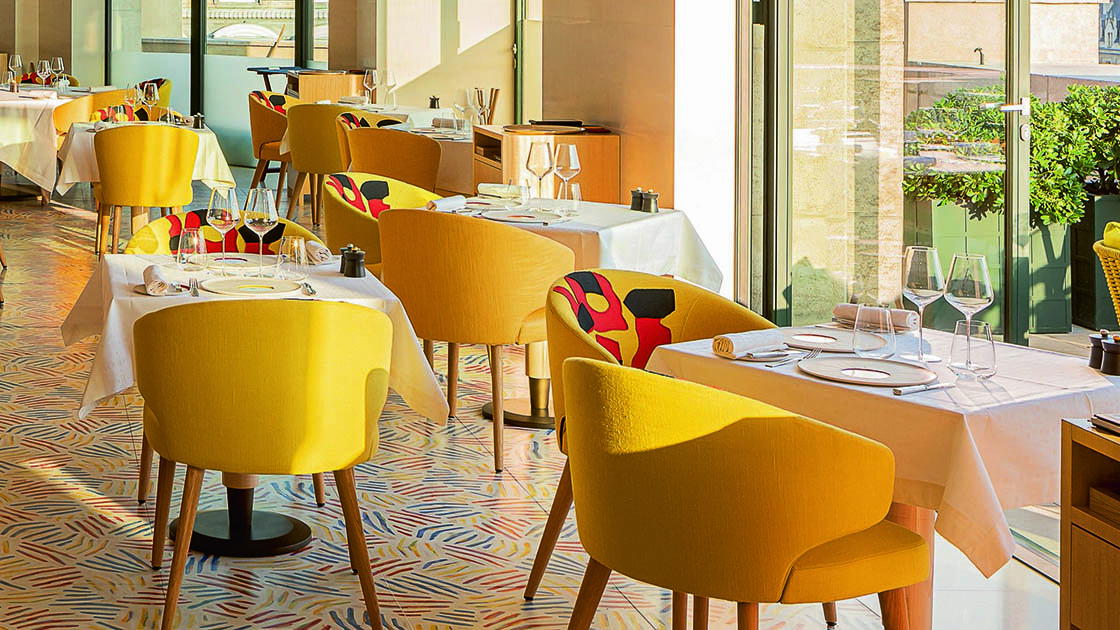
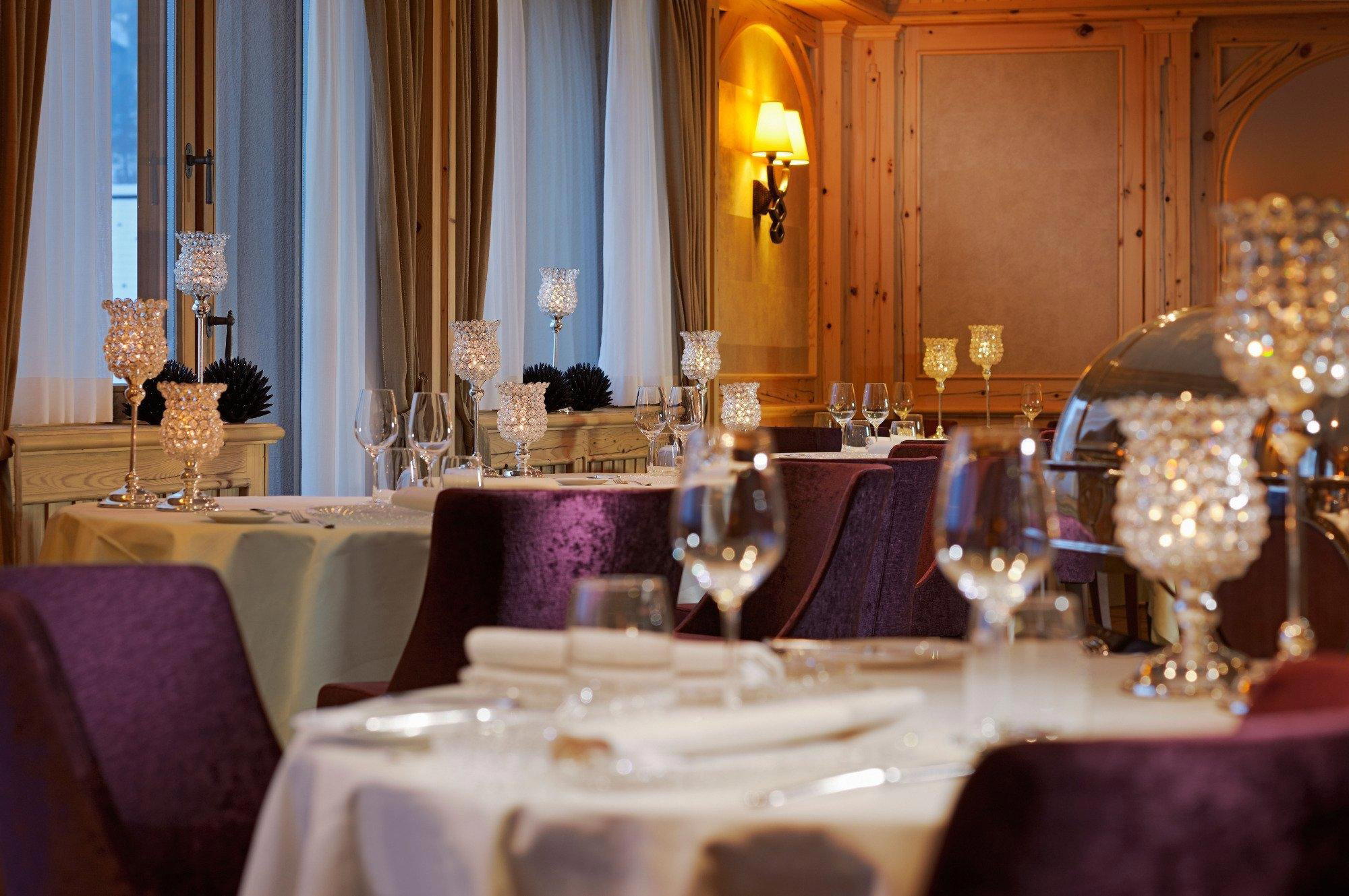
Zermatt's dining scene has become more sophisticated over the past decade, with a handful of properties now carrying serious culinary credentials. Within the Zermatterhof, the restaurant program covers a deliberate range: three distinct formats under one roof, each addressing a different appetite. The Alpine Gourmet Prato Borni holds one Michelin star and 16 GaultMillau points, serving Valais-influenced cuisine in a formal setting, the kind of room where the food is framed as a reason to stay in the hotel rather than a supplement to skiing. That dual-award combination, Michelin and GaultMillau, positions it within a small subset of Zermatt's dining options and makes it one of the more credentialed tables in the Valais region. For broader context on eating in the village, our full Zermatt restaurants guide maps the wider field.
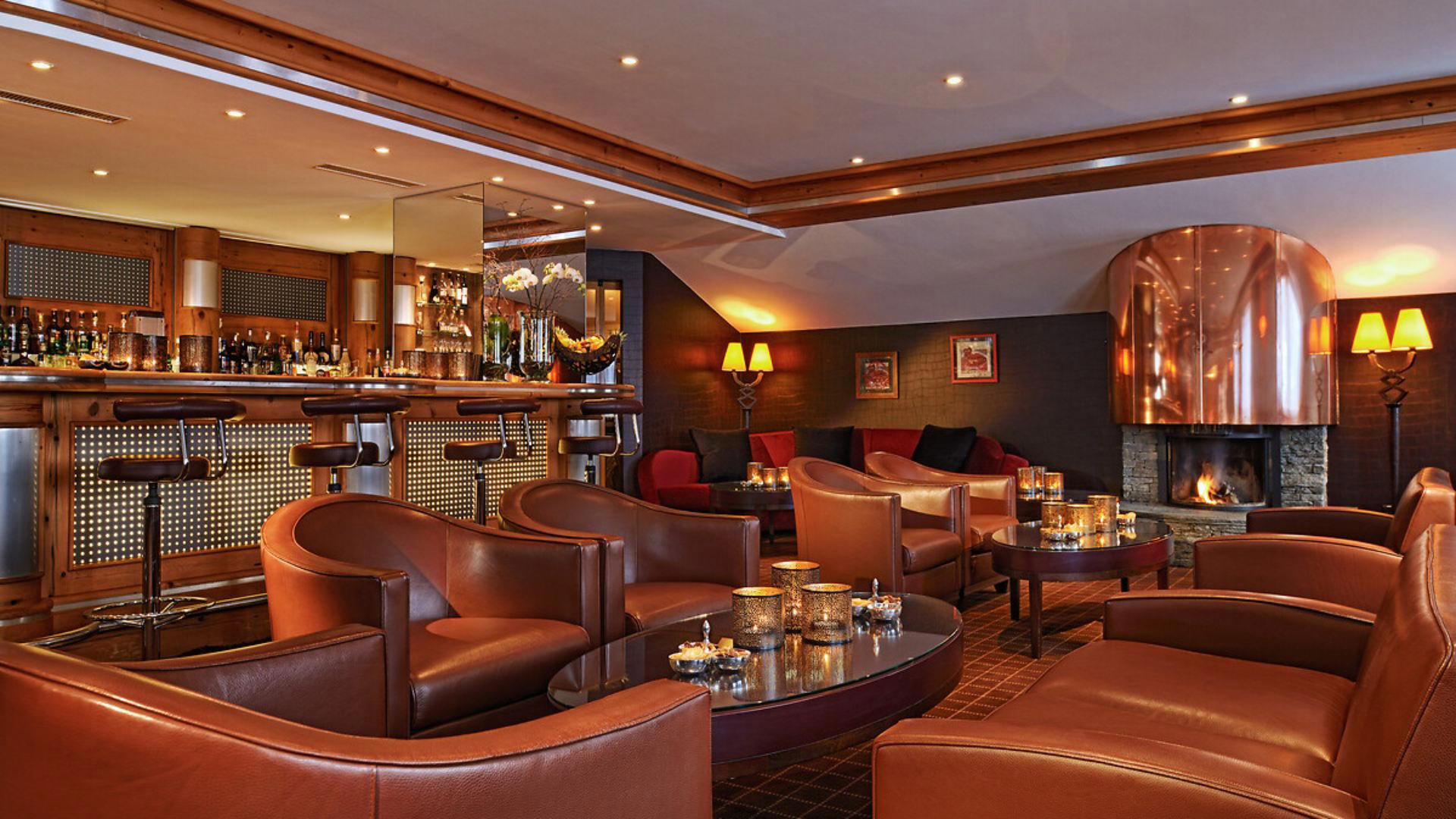
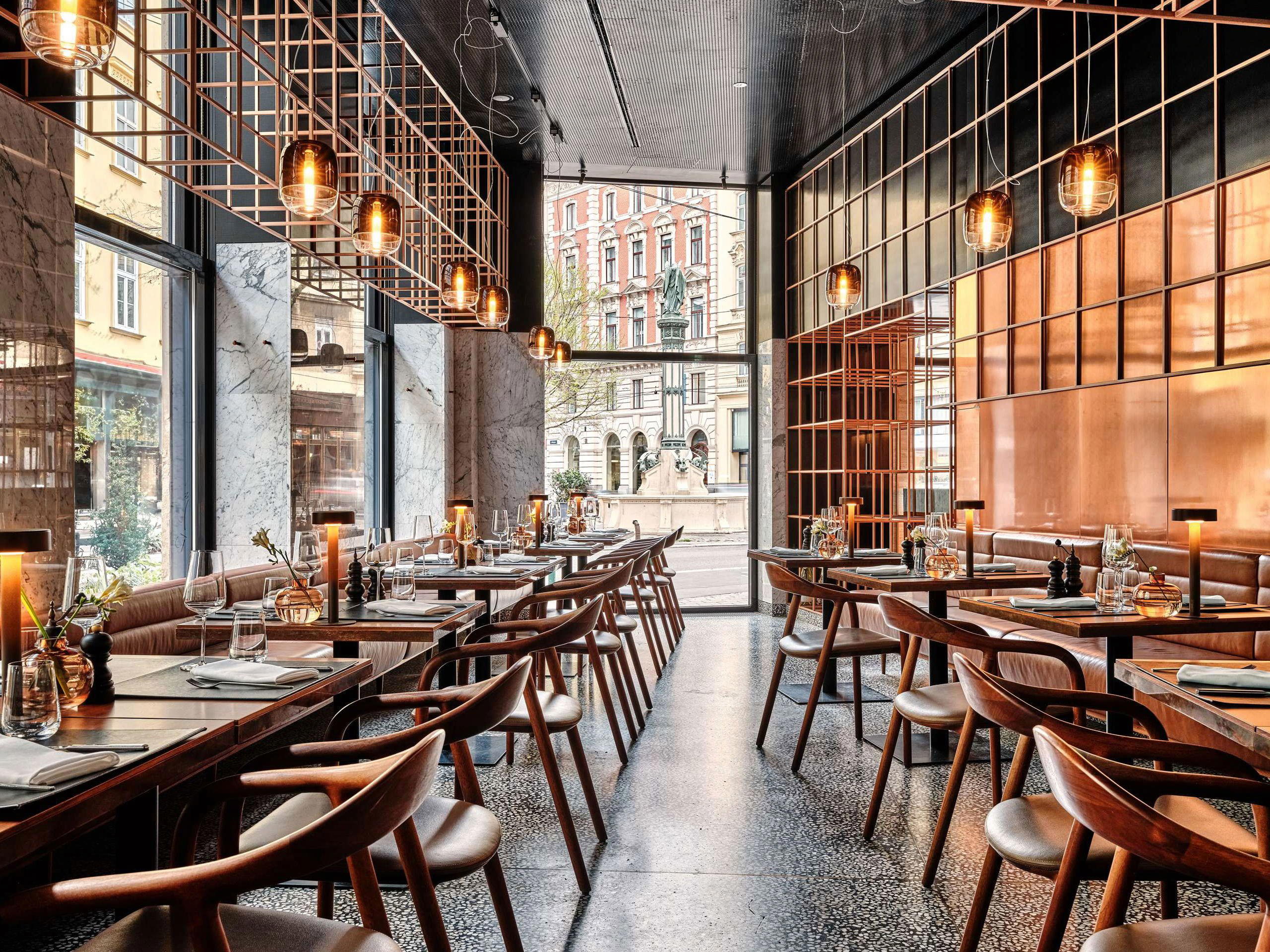
The Brasserie Lusi operates in a different register: French-influenced, less structured, suited to an evening that doesn't require the formality of the starred room. The saycheese! Restaurant addresses a different tradition entirely. Swiss cheese culture, raclette scraped at the table, fondue in communal pots, is not a novelty act in this context; it is a regional cuisine with its own discipline, and Zermatt's position in the Valais gives it direct geographic claim to both traditions. Classic afternoon tea is served daily at the Rudenbar, and the Stars Bar runs live piano music every evening, maintaining the rhythm of a full-service grand hotel rather than a property that treats food and drink as secondary to the ski operation.
Vita Borni Spa and the Wider Offer
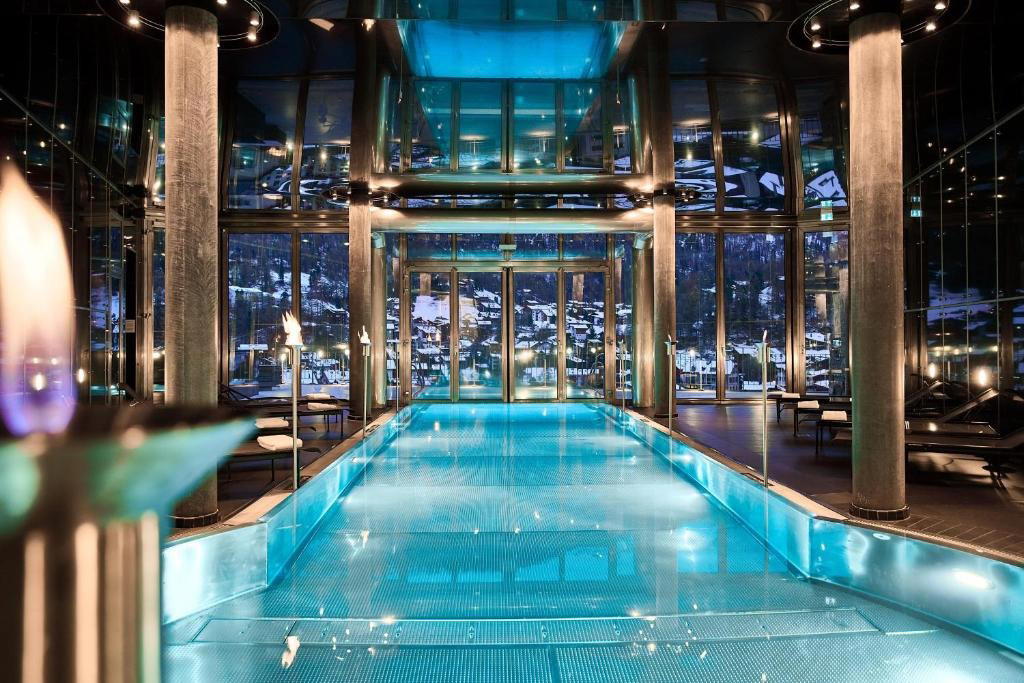
The Vita Borni spa, renovated in 2025, operates across an indoor swimming pool, sauna, steam bath, and whirlpool, supported by five massage and beauty treatment rooms using Alpeor and Niance products. Spa infrastructure at this level is standard within the Swiss Deluxe Hotels tier, comparable properties including Grand Resort Bad Ragaz and The Alpina Gstaad run larger wellness operations, but the 2025 renovation means the facility is current rather than inherited from a previous decade's specification. The hotel also holds five conference and banquet rooms with capacity for between 5 and 250 guests, functioning event spaces that extend the property's utility beyond leisure travel.
Zermatt's Hotel Tier and Where Zermatterhof Sits
Zermatt's accommodation market has stratified sharply. At one end, a cluster of design-forward boutique properties has emerged: CERVO Mountain Resort, Matterhorn FOCUS, 22 SUMMITS Boutique Hotel, Backstage Hotel Vernissage, and Boutique Hotel Matthiol represent a cohort that prizes architectural distinctiveness and lower key counts. At the other, the traditional grand hotel format, of which Mont Cervin Palace and Zermatterhof are the clearest examples, maintains its claim through historical depth, service infrastructure, and the sheer weight of institutional continuity. BEAUSiTE Zermatt and Chalet Hotel Schönegg occupy middle positions between these poles.
For guests choosing between them, the distinction is less about quality than format. The design boutiques optimise for intimacy and visual cohesion; the grand hotels optimise for range of offer, depth of staffing, and a particular kind of unruffled professionalism that benefits from decades of institutional memory. Zermatterhof's history as a preferred address of European aristocracy, and its current guest roster that still draws the kind of traveller who values discretion over visibility, places it in a lineage that the newer properties are simply not old enough to occupy. Comparable Swiss addresses for the same type of guest include Hotel Les Trois Rois in Basel, Beau-Rivage Palace in Lausanne, and Grand Hotel Kronenhof in Pontresina, properties whose authority derives from tenure as much as from current programming.
Planning Your Stay
Winter is the primary season, aligned with Zermatt's skiing, but the hotel operates across multiple seasons; the combination of summer hiking access to the Matterhorn area and year-round spa facilities sustains demand outside the peak months. Ski passes are available directly at the front desk, removing one logistical layer for guests arriving primarily for the mountain. Arrival is via train to Zermatt Bahnhof, the village is car-free, and the hotel's station transfer, by electric car or carriage depending on preference, handles the final leg. The property's central location on Bahnhofstrasse places it within walking distance of the village's main commercial and dining streets without exposure to the resort's busier pedestrian corridors.
Same-City Peers
Comparable venues nearby, for context on price, style, and recognition.
| Venue | Cuisine | Price | Awards | Notes |
|---|---|---|---|---|
| Grand Hotel ZermatterhofThis venue (the venue you are viewing) | Historic grand hotel blending traditional Alpine luxury with modern comforts | Not listed | 1 Michelin Key · Virtuoso Luxury Hotel Partner | Not listed |
| Mont Cervin Palace | Relaxed 5-star luxury blending alpine cosiness with generous hospitality in Zermatt's heart. | Not listed | 1 Michelin Key · Virtuoso Luxury Hotel Partner | Zermatt City Centre |
| THE OMNIA Mountain Lodge | Contemporary mountain lodge polished above Zermatt rooftops | Not listed | La Liste Top Hotels · Forbes 4-Star | central Zermatt |
| 22 SUMMITS Boutique Hotel | Trendy Alpine boutique with well-suited comfort and casual ambience. | Not listed | 1 Michelin Key | Zermatt |
| Monte Rosa Boutique Hotel | Historic boutique in the heart of Zermatt with access to sister hotel's spa. | $300–500 | 1 Michelin Key | central Zermatt |
| Boutique Hotel Matthiol | Alpine luxury boutique with authentic mountain charm and modern style. | $300–500 | 1 Michelin Key | Zermatt |
Recognition history
Dated appearances from independent guides and award organizations, with the underlying list record or original source where available.
Michelin 1 Key
Michelin
Virtuoso Luxury Hotel Partner
Virtuoso
Preferred Hotels L.V.X. Collection
Preferred Hotels
Full recognition history (4 entries)
Michelin 1 Key
Michelin
Continue exploring
More in Zermatt
Hotels in Zermatt
All hotels in Zermatt →
Bars in Zermatt
All bars in Zermatt →

Details
- Elegant
- Classic
- Sophisticated
- Cozy
- Ornate
- Honeymoon
- Romantic Getaway
- Anniversary
- Wellness Retreat
- Panoramic View
- Historic Building
- Terrace
- Wi Fi
- Pool
- Spa
- Fitness Center
- Room Service
- Concierge
- Sauna
- Massage
- Mountain
- Wheelchair Accessible
- Elevator
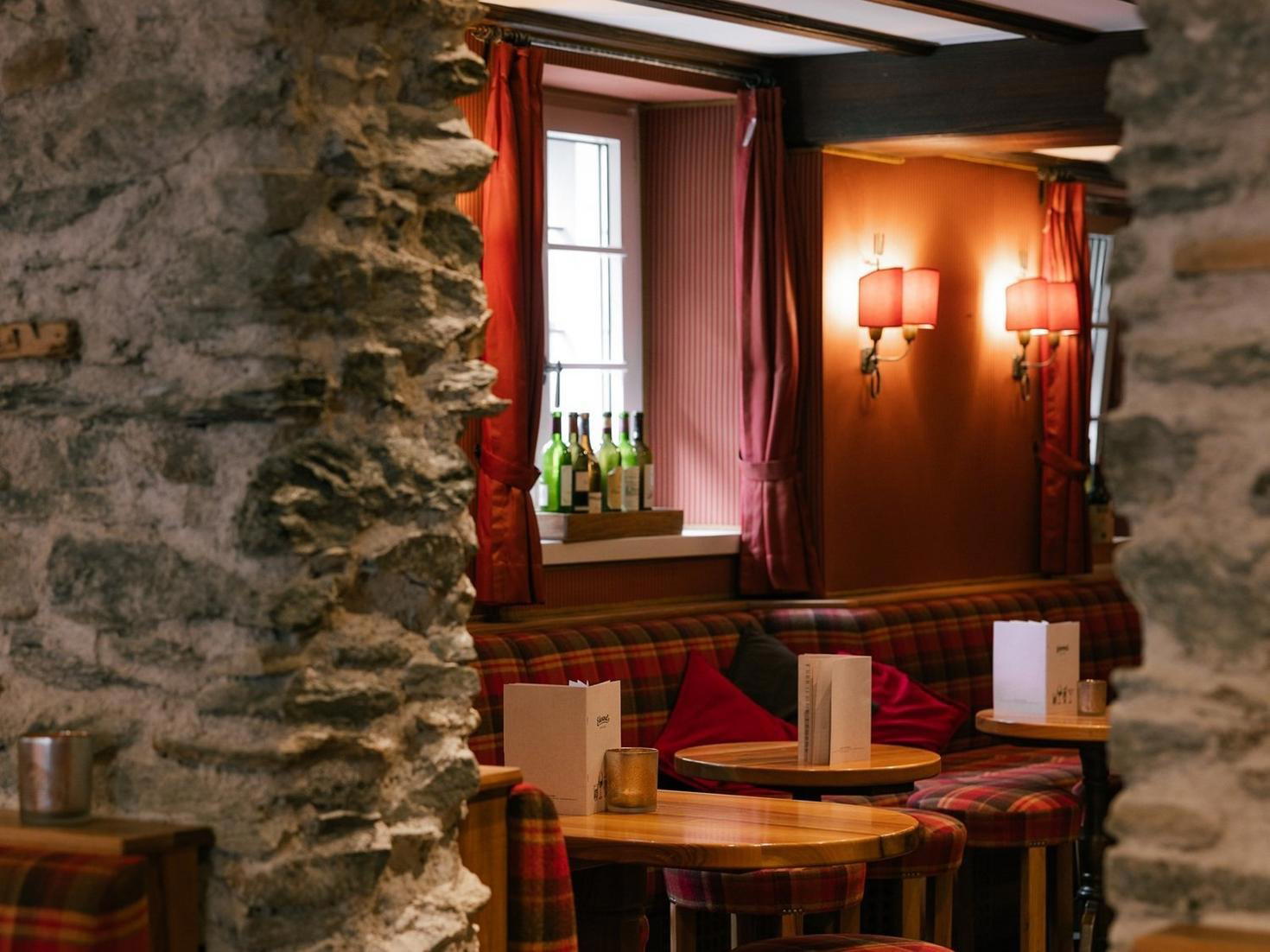
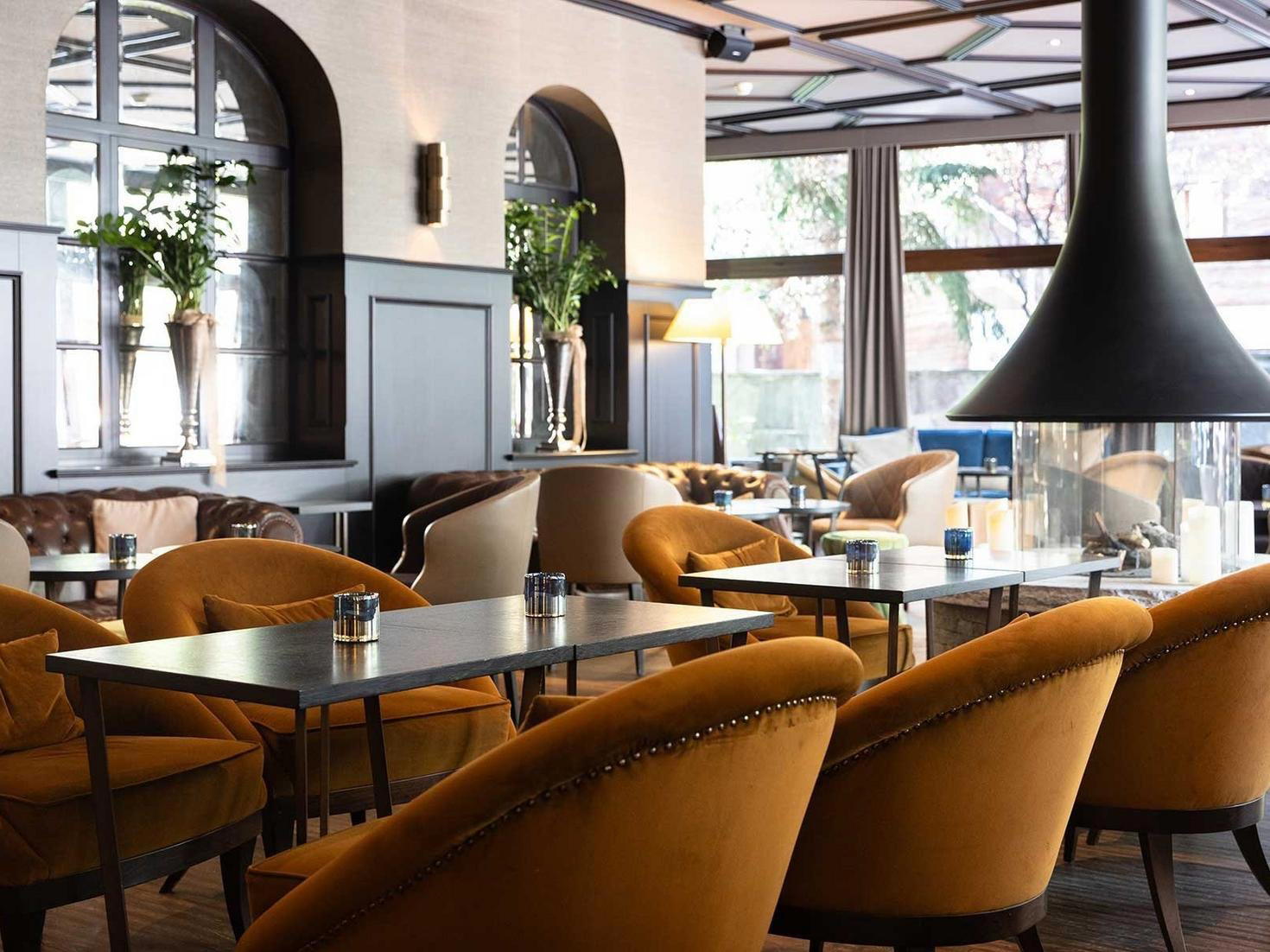
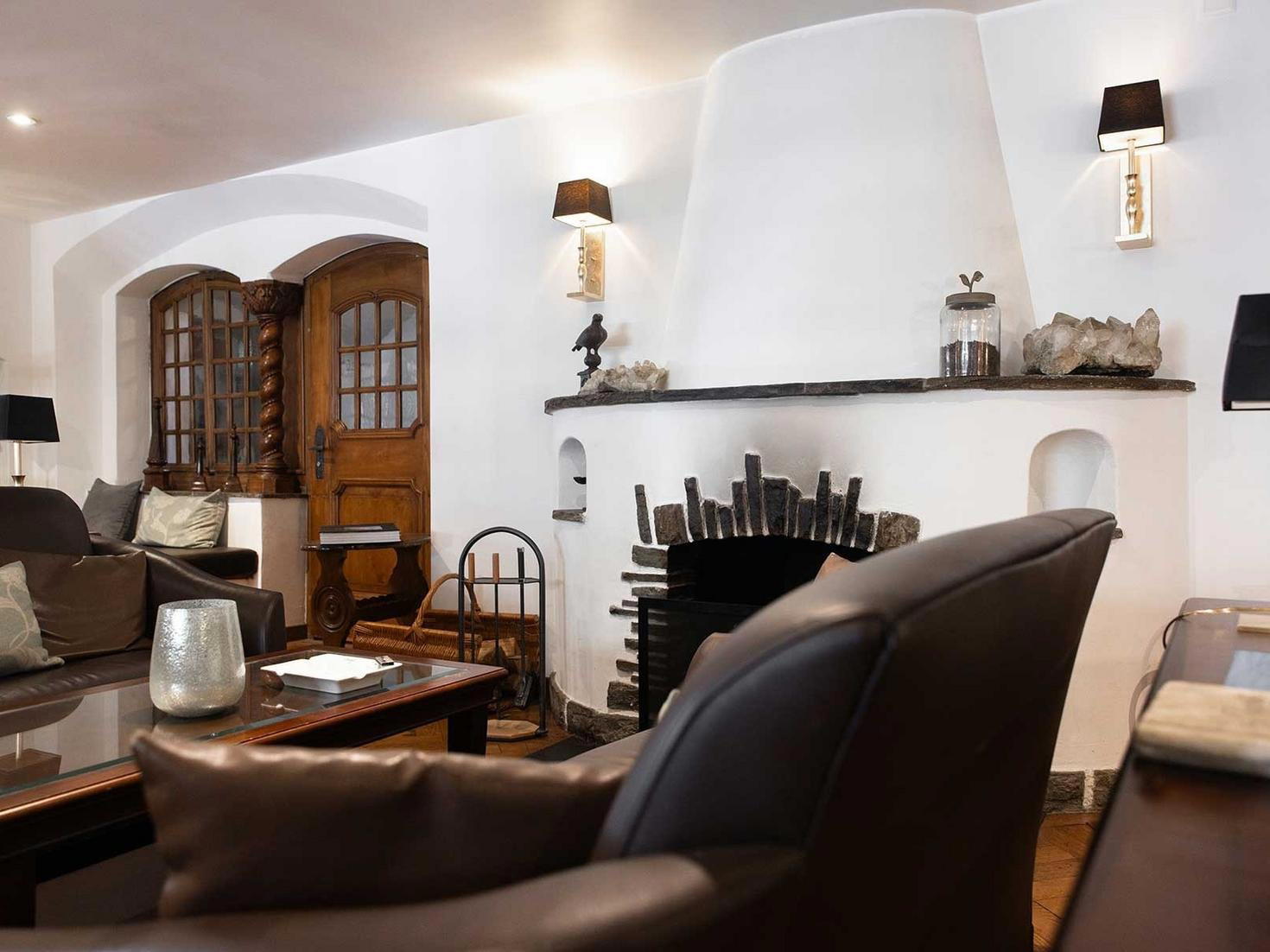
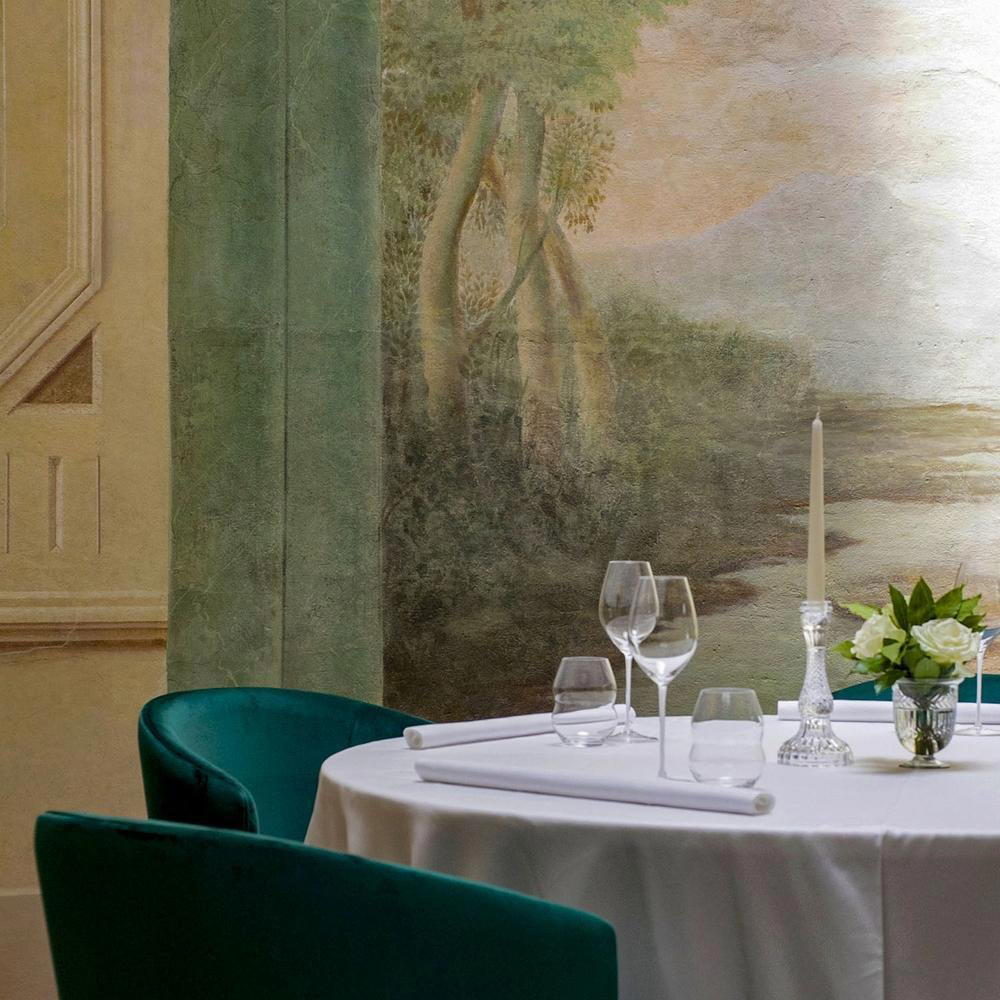
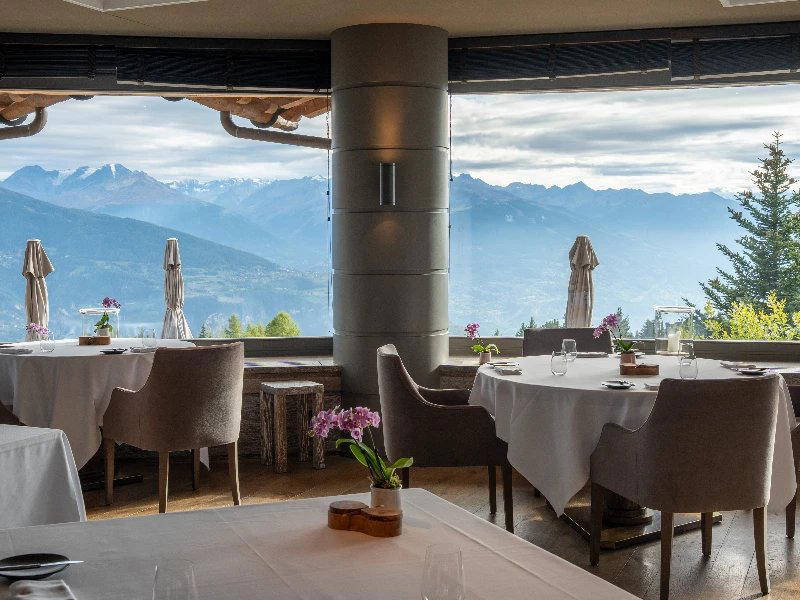
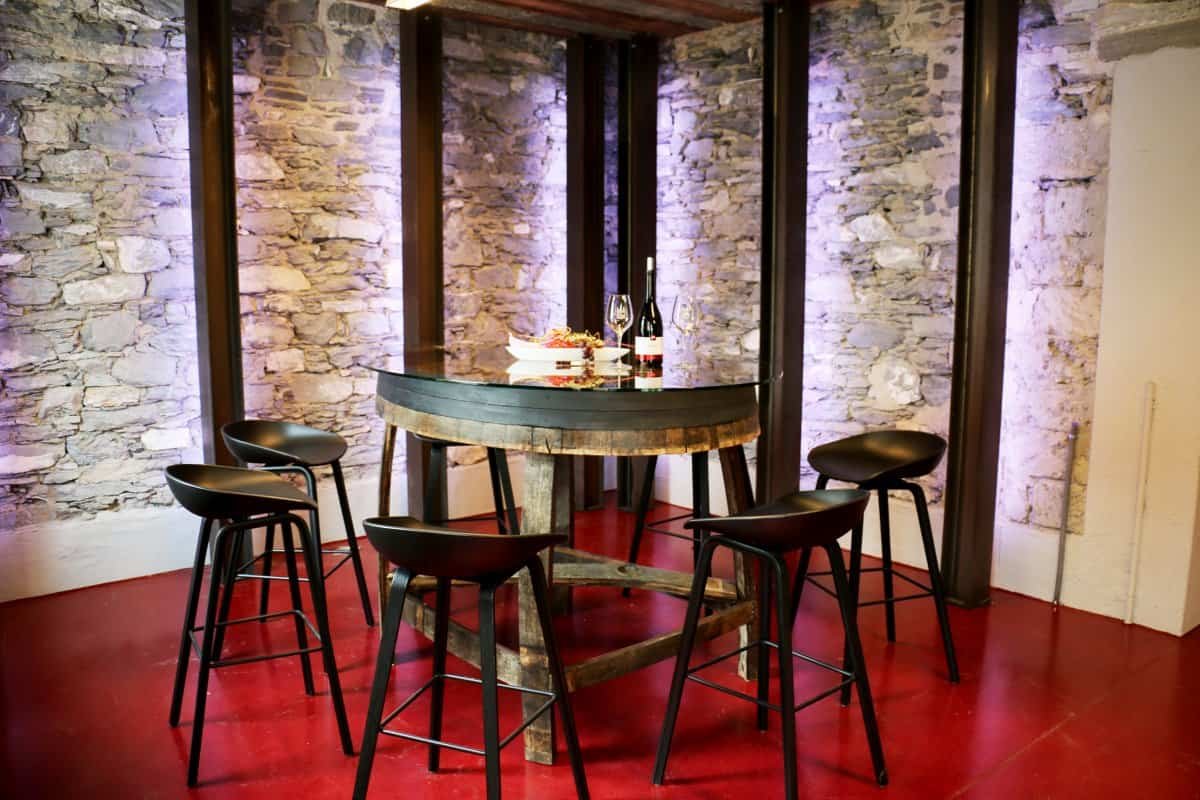
Elegant and inviting with warm pine accents, soft leather furnishings, and a peaceful atmosphere enhanced by live music and spa relaxation areas.