Arvenstube

Arvenstube occupies a considered position within Zermatt's dining scene, recognised by Star Wine List with a White Star award for its wine program as of December 2023. Located on Bahnhofstrasse 28, the restaurant reflects the broader Alpine tradition of pairing regional hospitality with serious cellars. For visitors prioritising wine alongside mountain dining, it warrants attention in a town where strong lists are less common than the altitude might suggest.
Pearl is the En Primeur Club membership app — saves, bookings, and concierge access live there. Same editors, same standards.
- Address
- Bahnhofstrasse 28, 3920 Zermatt, Switzerland
- Phone
- +41 27 966 40 00
- Website
- hotelpollux.ch
- Directions
- Get directions
 Saves & bookings on Pearl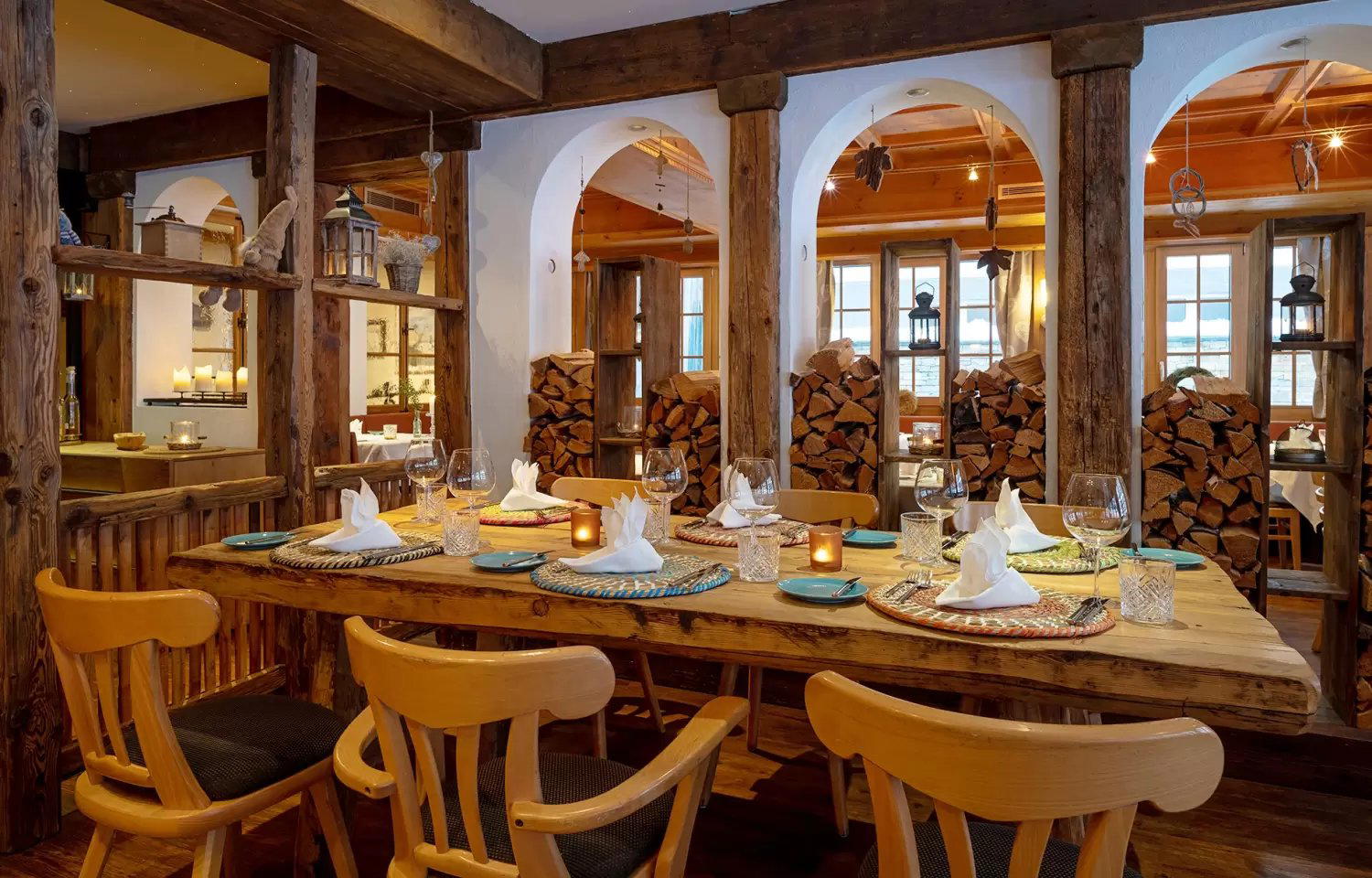
Where Zermatt's Wine Culture Comes Into Focus
Zermatt is not, by default, a wine town. The village sits at 1,600 metres, car-free and deliberately insulated from the wider world by its own topography and the slow chug of the Matterhorn Gotthard Bahn. Most visitors arrive with skis or hiking poles in mind, and the restaurant scene reflects that: the dominant register is Alpine comfort, fondue, and raclette, with wine lists that function as an afterthought to the schnapps trolley. Against that backdrop, a White Star recognition from Star Wine List — awarded to Arvenstube in December 2023 — carries weight. The designation, which our full Zermatt restaurants guide contextualises within the broader dining picture, signals a wine program worth engaging with seriously, not just consulting for a glass of house red before the cheese course.
The Alpine Setting and What It Demands of a Kitchen
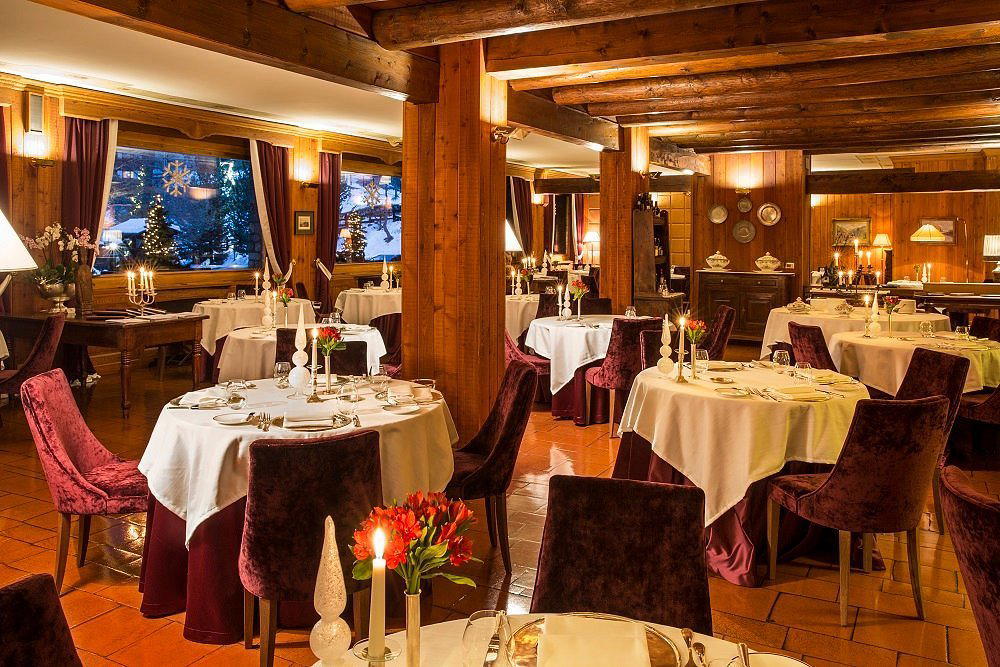
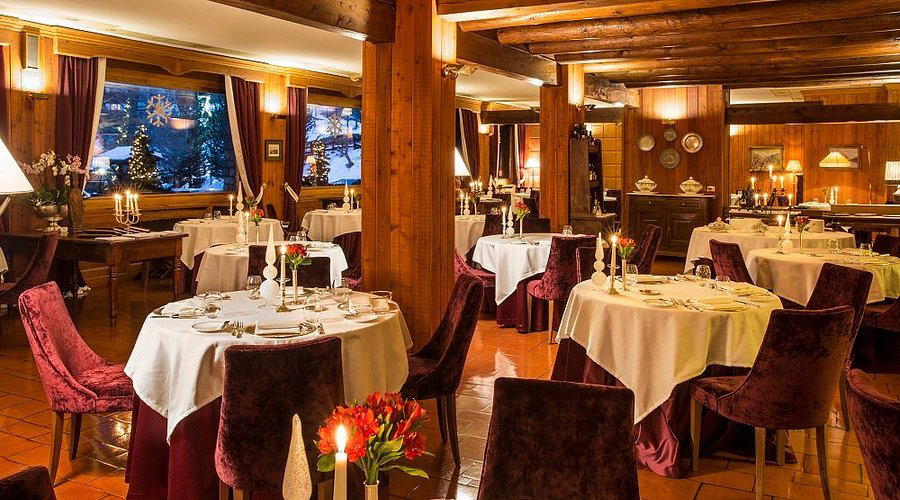
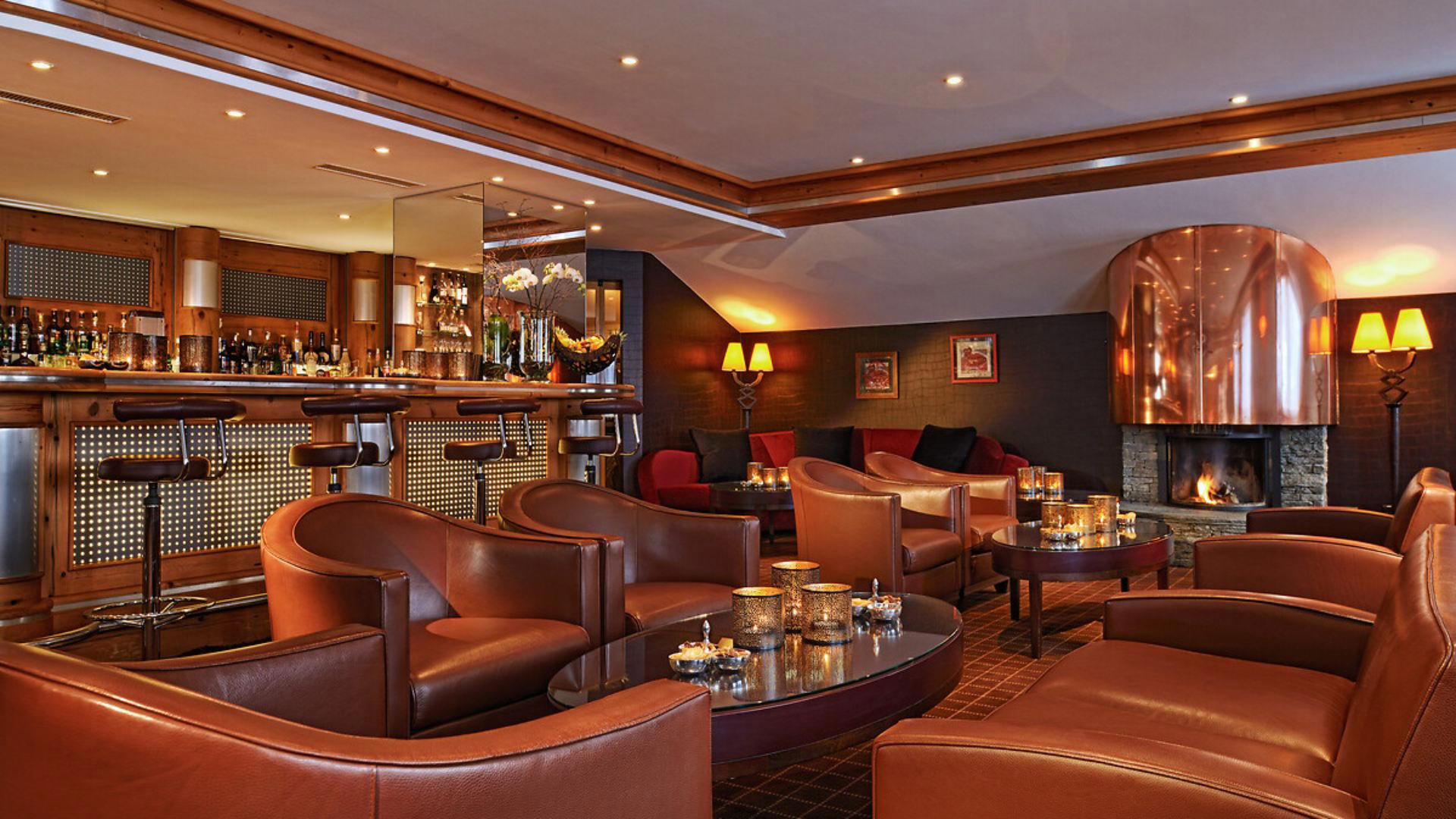
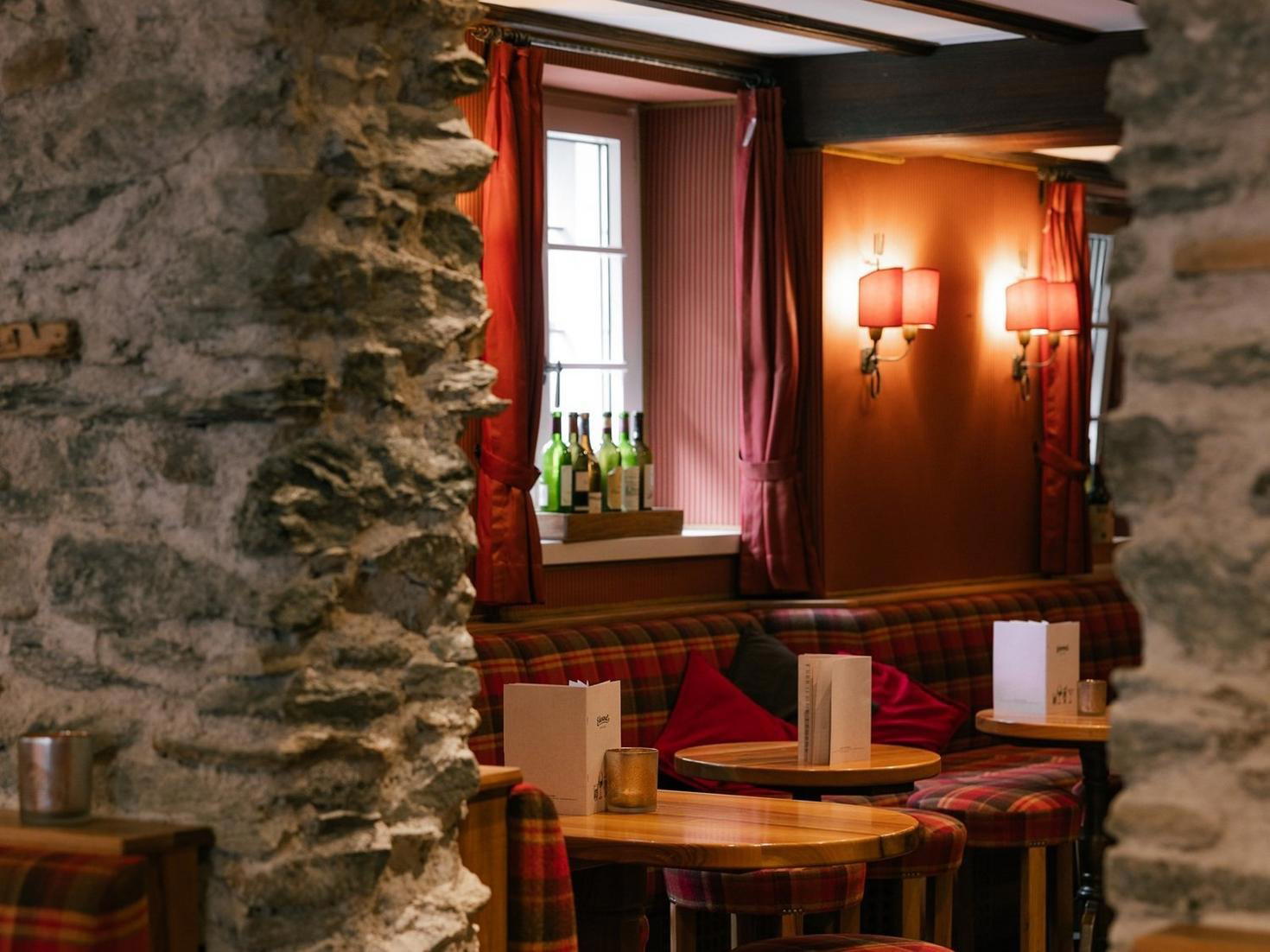
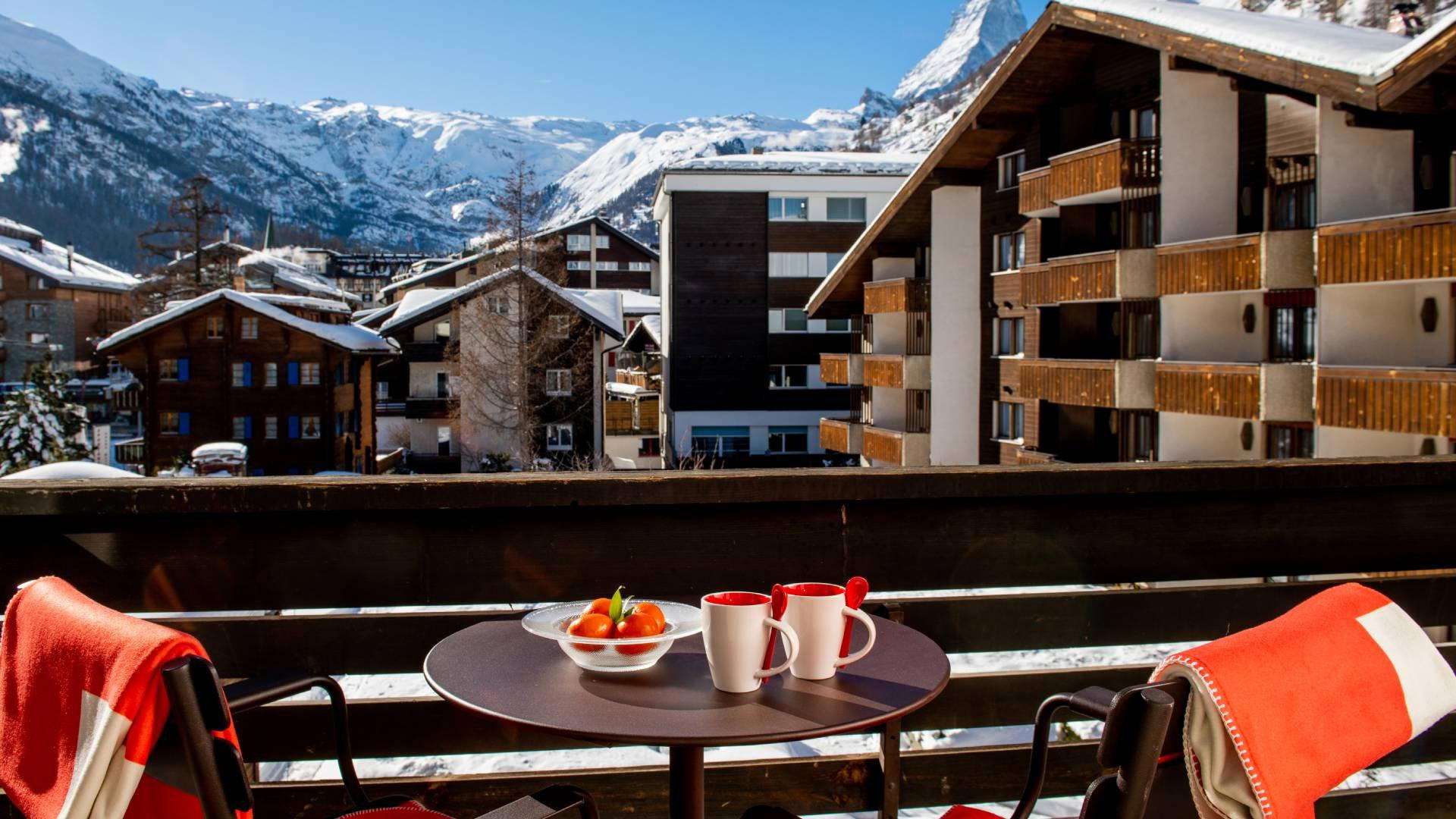
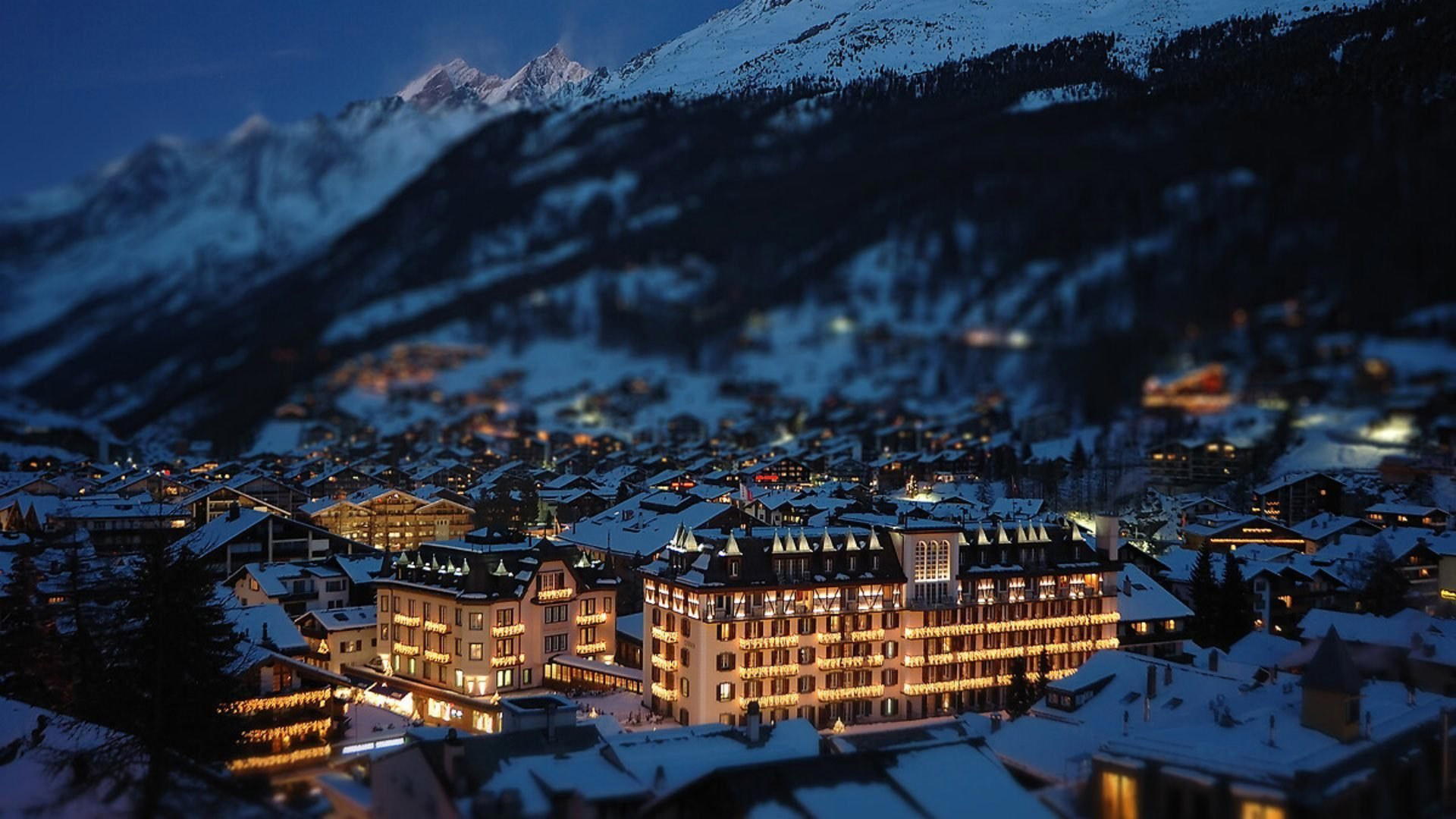
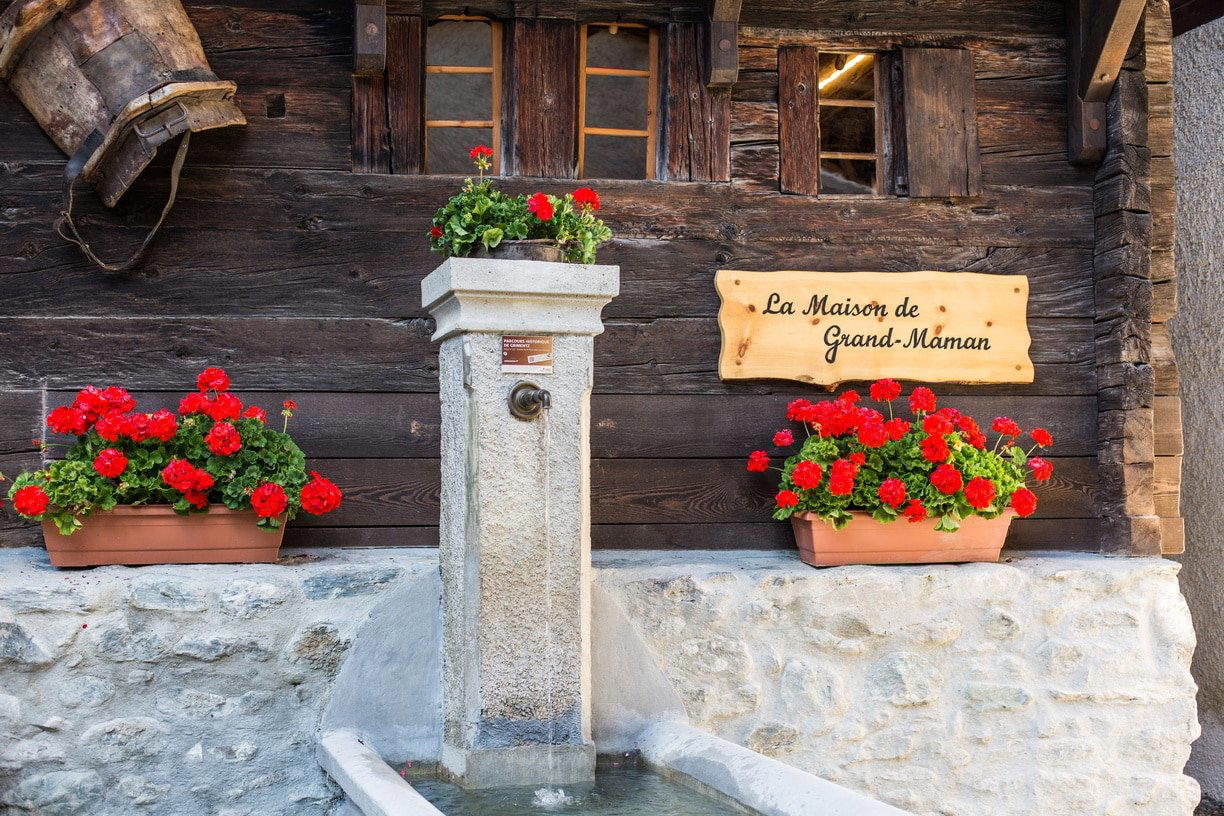
Bahnhofstrasse 28 places Arvenstube on one of Zermatt's central arteries, the street running parallel to the Vispa river that links the train station to the village core. The physical environment of a restaurant at this address matters in ways that don't apply in urban dining rooms: guests arrive cold, sometimes wet, frequently at altitude, and the expectation is warmth and substance delivered quickly. The Arven in the restaurant's name refers to the Swiss stone pine, a native Alpine timber with a warm, resinous scent, which signals the design language common to the leading traditional Walliser Stuben: dark, close-grained wood panelling, low ceilings, and a sensory enclosure that makes the outside weather irrelevant within seconds of crossing the threshold.
This format has a specific logic in the Swiss Alpine context. The Stube tradition is not decorative nostalgia; it's a functional response to mountain winters, a dining room designed to hold heat and compress conviviality. The leading examples in Switzerland's mountain resorts understand that the interior must do work the menu alone cannot. Arvenstube operates within that tradition, where the room and the sourcing philosophy reinforce each other.
Ingredient Sourcing in a Mountain Context
The editorial angle that matters most for Arvenstube is not what appears on the plate, but where it comes from and why the logistics of that matter in Zermatt specifically. Switzerland's high Alpine valleys have developed distinct food cultures shaped by what survives at altitude: cured meats, aged cheeses, dried pulses, and root vegetables that store through winter. The Valais, the canton in which Zermatt sits, has a particularly pronounced regional identity, it produces some of Switzerland's most characterful wines (Fendant from Chasselas, Cornalin, Humagne Rouge), as well as air-dried beef known as Bundnerfleisch and the Raclette du Valais AOP, a legally protected cheese with a traceable regional provenance.
Sourcing within that framework is a different proposition from sourcing in Geneva or Basel, where supply chains are dense and flexible. A restaurant in Zermatt that engages seriously with Valaisian producers is working against geography: goods arrive by train, not truck, because the village prohibits private motor vehicles. That constraint either becomes an excuse for generic resort menus or a design parameter that pushes kitchens toward preserved, cured, and locally produced ingredients that travel well and age on-site. The better restaurants in the Valais, including Chez Vrony, which has built a reputation on exactly this kind of regional rootedness, treat the logistics as an asset rather than a limitation. Arvenstube's positioning within this tradition, evidenced by the wine program that earned its Star Wine List recognition, suggests a similar orientation toward regional provenance.
Wine as the Defining Credential
A White Star from Star Wine List is not a Michelin distinction, but it speaks to a specific and often underappreciated aspect of a restaurant's identity: the coherence and ambition of the cellar. In Switzerland, where the wine program at a mountain restaurant often defaults to a predictable selection of international labels, recognition of this kind typically indicates a list with meaningful Swiss content, probably anchored in Valaisian producers, and curated with some editorial intent rather than assembled for margin alone.
Switzerland's wine scene is worth contextualising here. The country exports little of its production, estimates suggest around two percent leaves Swiss borders, which means that a well-composed Swiss list at a restaurant like Arvenstube functions as genuine access to wines that most international visitors will not encounter elsewhere. The Valais alone produces over half of Switzerland's total wine output, and the range runs from the lean, mineral Fendants of the Rhône valley floor to the structured reds made from Syrah, which perform exceptionally in the sun-exposed south-facing slopes above Sierre and Sion. For context on how this sits within Switzerland's broader fine dining picture, restaurants like Hotel de Ville Crissier in Crissier, Schloss Schauenstein in Fürstenau, and Cheval Blanc by Peter Knogl in Basel define the country's highest tier; Arvenstube operates in a different register, one defined by Alpine setting and regional specificity rather than metropolitan ambition.
Zermatt's Wider Dining Field
The village's restaurant economy sorts into distinct tiers. At the informal end, mountain huts and après-ski stations handle volume with speed. The mid-tier covers hotel dining rooms and established chalet-style restaurants. Above that sits a cluster of more considered operations: After Seven and Alpine Gourmet Prato Borni represent the creative end of that upper tier, while Brasserie Uno anchors the contemporary end. Aroleid Restaurant operates at a more accessible price point within the creative category. Arvenstube's wine credential places it in a niche within this competitive set: it is less about ambitious tasting menus and more about the kind of cellar depth that rewards guests who arrive with serious wine intent rather than simply hunger after a day on the Gornergrat.
For visitors building a broader itinerary, our full Zermatt hotels guide, bars guide, and experiences guide map the village's full range of options. Internationally, restaurants like Le Bernardin in New York City and Memories in Bad Ragaz illustrate how wine programs function as a primary editorial credential at different ends of the fine dining spectrum.
Planning a Visit
Arvenstube is located at Bahnhofstrasse 28 in central Zermatt, walkable from the train station. Because the village is car-free, arrival is by rail from Visp or Täsch, and the address is within easy reach on foot. Given the wine program is the primary credential, it is worth confirming the cellar focus when reserving, particularly if a specific Valaisian producer or style is a priority.
How Arvenstube Zermatt compares with similar nearby venues.
| Venue | Cuisine | Price | Awards |
|---|---|---|---|
| Arvenstube | Not listed | Not listed | Star Wine List (2026) |
| After Seven | Creative | €€€€ | Not listed |
Recognition history
Dated appearances from independent guides and award organizations, with the underlying list record or original source where available.
Star Wine List
Star Wine List
Continue exploring
More in Zermatt
Restaurants in Zermatt
Browse all →
Bars in Zermatt
Browse all →
Hotels in Zermatt
Browse all →

At a Glance
- Cozy
- Rustic
- Classic
- Family
- Group Dining
- Celebration
- Hotel Restaurant
- Extensive Wine List
Current opening hours
- Monday
- 6–10 PM
- Tuesday
- 6–10 PM
- Wednesday
- 6–10 PM
- Thursday
- 6–10 PM
- Friday
- 6–10 PM
- Saturday
- 6–10 PM
- Sunday
- 6–10 PM
Hours can change for holidays and private events. Last verified .
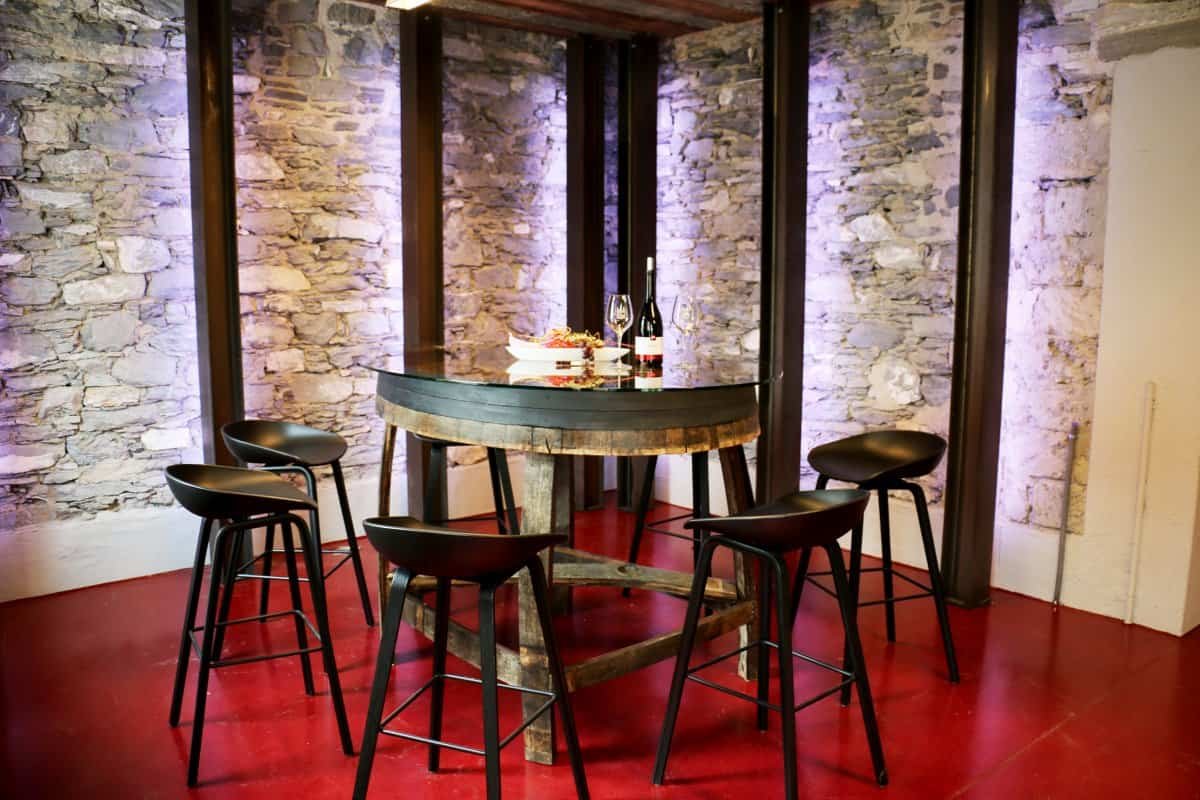
Warm and cosy atmosphere with old wood and quarry stone decor creating an inviting alpine chic vibe.