Backstage Hotel Vernissage

1 Michelin Key
At roughly $367 per night, Backstage Hotel Vernissage occupies a specific niche in Zermatt's accommodation market: 20 rooms, a working cinema, and an adjacent cultural centre that shapes the property's identity more than any mountain view does. The Cube Lofts, with 3.70-metre ceilings, represent the format's most considered offering. Design runs to the individual piece rather than the coordinated set.

Pearl is the En Primeur Club membership app, where members save venues, book tables and use the concierge.
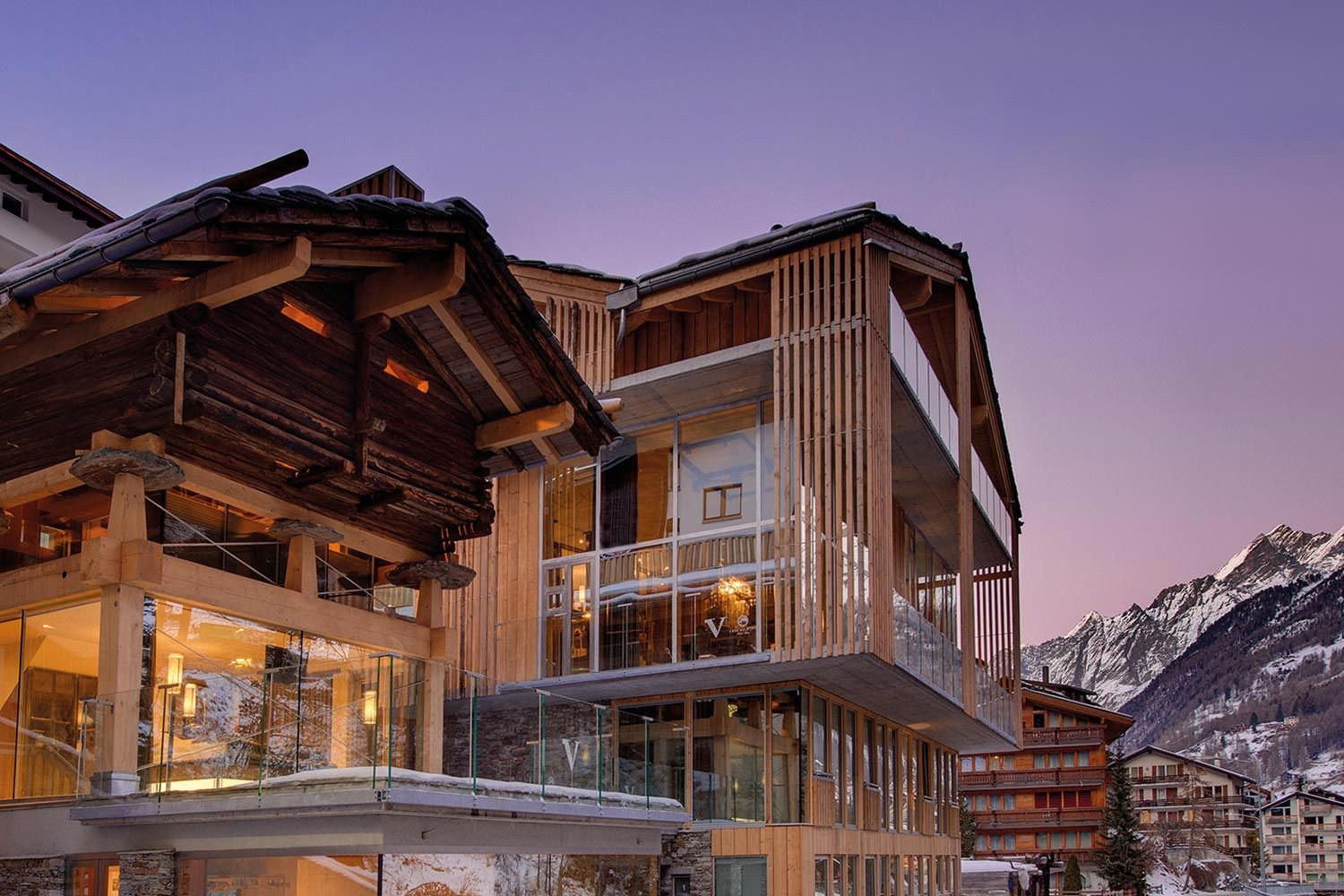
Where Zermatt's Art-Hotel Format Gets Its Most Sustained Expression
Zermatt's hotel stock splits along a familiar axis. On one side sit the grand alpine hotels, the chandeliers and wood-panelled dining rooms, the white-glove service traditions that date back to nineteenth-century mountaineering tourism. On the other, a smaller cohort of design-led properties has taken shape over the past two decades, responding to a different kind of visitor: one who arrives for the mountain environment but wants an interior that doesn't perform heritage it didn't earn. CERVO Mountain Resort and Matterhorn FOCUS belong to this second tier. So does Backstage Hotel Vernissage, though it positions itself at a more culturally specific point than either: the property is physically integrated with the Vernissage cultural centre, and that adjacency is load-bearing to its identity, not incidental.
The address is Hofmattstrasse 4, a short walk from Zermatt's car-free main street. At 20 rooms, the property operates at a scale where individual design decisions register rather than recede into aggregate impressions. Every element, the furniture, the fittings, the programming, is conceived as part of a coherent interior proposition rather than assembled from hospitality industry defaults. This is the format that smaller Swiss design hotels have pursued most seriously, and Backstage commits to it with less hedging than most.
The Cube Lofts and What the Format Signals
Within the 20-room count, the Cube Lofts carry the most architectural ambition. At 3.70 metres of ceiling height, they occupy a different volumetric register from standard alpine rooms, where low ceilings and exposed beams define the dominant aesthetic. The additional vertical space changes the feel of a room in ways that additional square footage alone does not: light distributes differently, furniture relationships shift, the sense of enclosure that defines most mountain accommodation dissolves. For travellers who find the chalet aesthetic oppressive rather than cosy, the Cube Lofts offer a genuine alternative within the same destination.
The broader property design follows the logic of the one-off piece rather than the coordinated collection. Hospitality interiors at this price point often default to a single design language applied consistently across all surfaces. Backstage takes a different position, sourcing individual items and allowing variation to generate character. The result requires more curatorial confidence to pull off than a unified scheme does, and the property earns it.
Compare this approach to what 22 SUMMITS Boutique Hotel or Boutique Hotel Matthiol offer at the smaller end of Zermatt's market, and the distinctions become clearer. Both operate as boutique properties with strong design sensibilities, but neither integrates a cultural centre as a structural element of the guest experience. That integration is what places Backstage in its own competitive niche.
The Cultural Centre Connection and What It Means Practically
The Vernissage cultural centre next door is not a lobby gallery with rotating prints. It functions as a genuine programming venue for Zermatt, hosting exhibitions, events, and screenings that draw an audience beyond hotel guests. For a mountain resort town whose cultural programming is otherwise thin relative to its hospitality offer, this represents a meaningful gap filled. The in-house cinema extends the same logic: film programming in alpine hotels is rare, and its presence here reflects a deliberate choice about what kind of stay the property is trying to support.
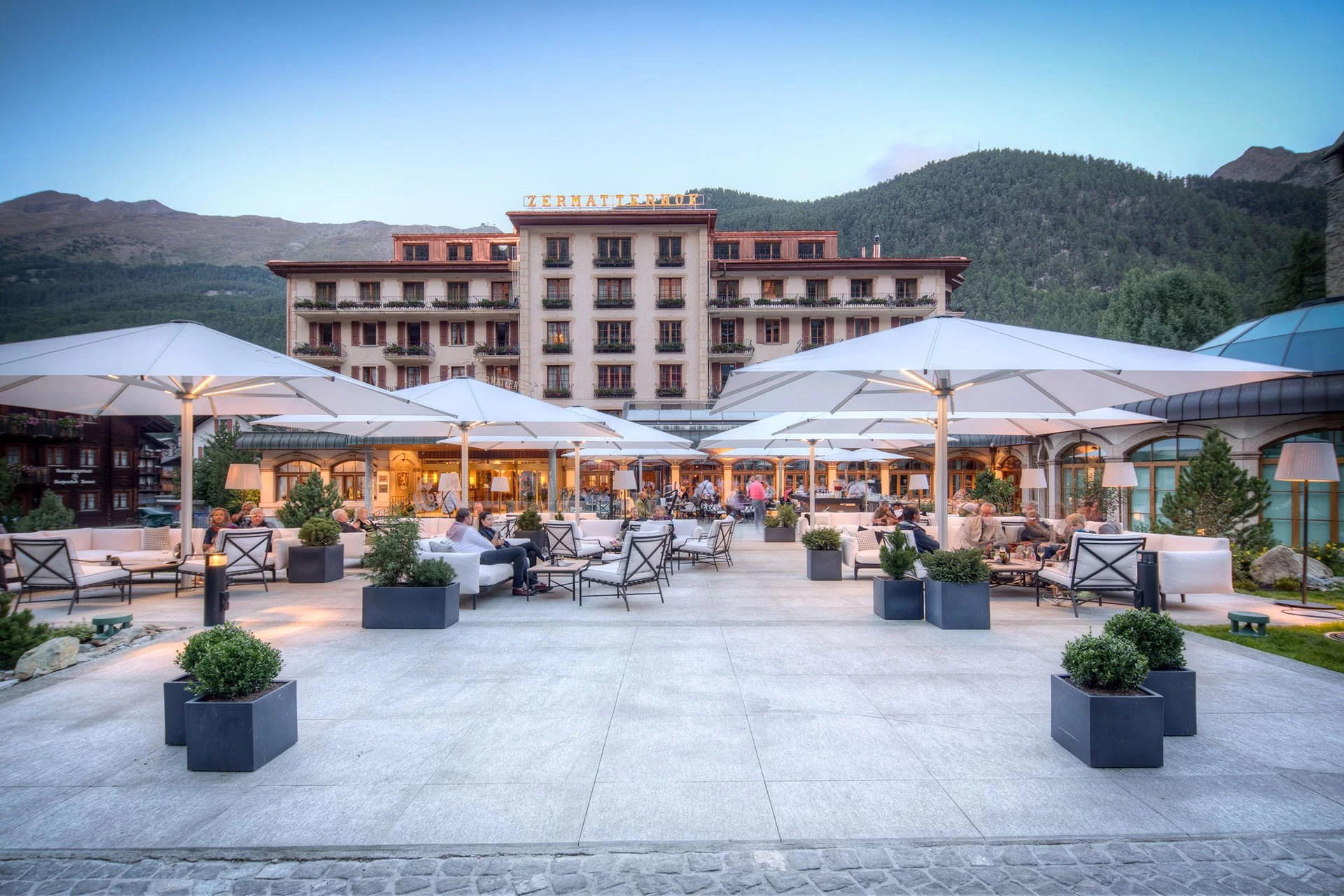
At roughly $367 per night, Backstage sits in Zermatt's mid-to-upper range without reaching the rate levels of Mont Cervin Palace or Grand Hotel Zermatterhof. For that price, the guest is buying the design programme and the cultural adjacency more than F&B; depth or spa scale. The spa exists and carries its own thematic coherence, a creation story concept that distinguishes it from the generic wellness suite, but it is not the property's primary value proposition in the way that spa infrastructure drives decisions at, say, BEAUSiTE Zermatt or Chalet Hotel Schönegg.
Zermatt's Design-Hotel Tier in Swiss Context
Across Switzerland's premium hotel market, the design-led boutique format has produced some of the country's most discussed properties. 7132 Hotel in Vals built its identity around Peter Zumthor's thermal baths. The Alpina Gstaad pursues a different kind of design ambition at larger scale. The Swiss alpine hotel tradition runs deep, represented by properties like Grand Hotel Kronenhof in Pontresina and Badrutt's Palace Hotel in St. Moritz, while urban counterparts including Baur au Lac in Zurich and Beau-Rivage Geneva define the luxury benchmark in Switzerland's cities. Backstage operates at a smaller scale than any of these, with 20 rooms and a rate that reflects its boutique positioning rather than grand-hotel infrastructure. What it offers instead is conceptual clarity: the property knows what it is and delivers that consistently, which is harder to achieve than it sounds in a market where many hotels attempt to cover too many guest profiles at once.
For travellers planning wider Switzerland itineraries, the country's design-conscious hotel stock extends across regions: Beau-Rivage Palace in Lausanne, Castello del Sole Beach Resort & Spa in Ascona, Guarda Golf Hôtel & Résidences in Crans-Montana, and Bürgenstock Resort each represent different approaches to premium alpine or lakeside hospitality. The more intimate end of the Swiss hotel spectrum is explored at Boutique Hotel Restaurant Krone Regensberg. For the full picture of what Zermatt offers across categories, our full Zermatt restaurants guide covers the broader dining and hospitality scene.
Planning a Stay
Backstage Hotel Vernissage sits at Hofmattstrasse 4 in Zermatt, a village accessible only by rail (the Matterhorn Gotthard Bahn from Täsch, where private vehicles must be parked) or electric taxi within the village. Rates run from approximately $367 per night. With only 20 rooms, availability over peak ski season and summer high season tightens quickly; the Cube Lofts in particular are the category most likely to book out early. The adjacent Vernissage cultural centre's programming schedule is worth checking before arrival for guests who want to align their stay with exhibitions or events.
Travellers for whom the art-hotel format matters beyond Switzerland will find relevant comparisons at properties like Hotel Les Trois Rois in Basel, Grand Resort Bad Ragaz, The Fifth Avenue Hotel in New York City, Aman New York, and Aman Venice, each of which pursues design seriousness at different scales and price points.
A Pricing-First Comparison
Comparable venues nearby, for context on price, style, and recognition.
| Venue | Price | Awards | Notes |
|---|---|---|---|
| Backstage Hotel VernissageThis venue (the venue you are viewing) | Not listed | 1 Michelin Key | Not listed |
| Mont Cervin Palace | Not listed | 1 Michelin Key · Virtuoso Luxury Hotel Partner | Zermatt City Centre, Relaxed 5-star luxury blending alpine cosiness with generous hospitality in Zermatt's heart. |
| Monte Rosa Boutique Hotel | $300–500 | 1 Michelin Key | central Zermatt, Historic boutique in the heart of Zermatt with access to sister hotel's spa. |
| Boutique Hotel Matthiol | $300–500 | 1 Michelin Key | Zermatt, Alpine luxury boutique with authentic mountain charm and modern style. |
| Schweizerhof Zermatt | Not listed | 1 Michelin Key · Small Luxury Hotels of the World Member | Zermatt City Centre, Modern Alpine luxury boutique |
| Grand Hotel Zermatterhof | Not listed | 1 Michelin Key · Virtuoso Luxury Hotel Partner | central Zermatt, Historic grand hotel blending traditional Alpine luxury with modern comforts |
Recognition history
Dated appearances from independent guides and award organizations, with the underlying list record or original source where available.
Michelin 1 Key
Michelin
Full recognition history (2 entries)
Michelin 1 Key
Michelin
Continue exploring
More in Zermatt
Hotels in Zermatt
All hotels in Zermatt →
Bars in Zermatt
All bars in Zermatt →

Details
- Modern
- Trendy
- Elegant
- Sophisticated
- Industrial
- Romantic Getaway
- Wellness Retreat
- Weekend Escape
- Panoramic View
- Terrace
- Wi Fi
- Pool
- Spa
- Sauna
- Room Service
- Concierge
- Mountain
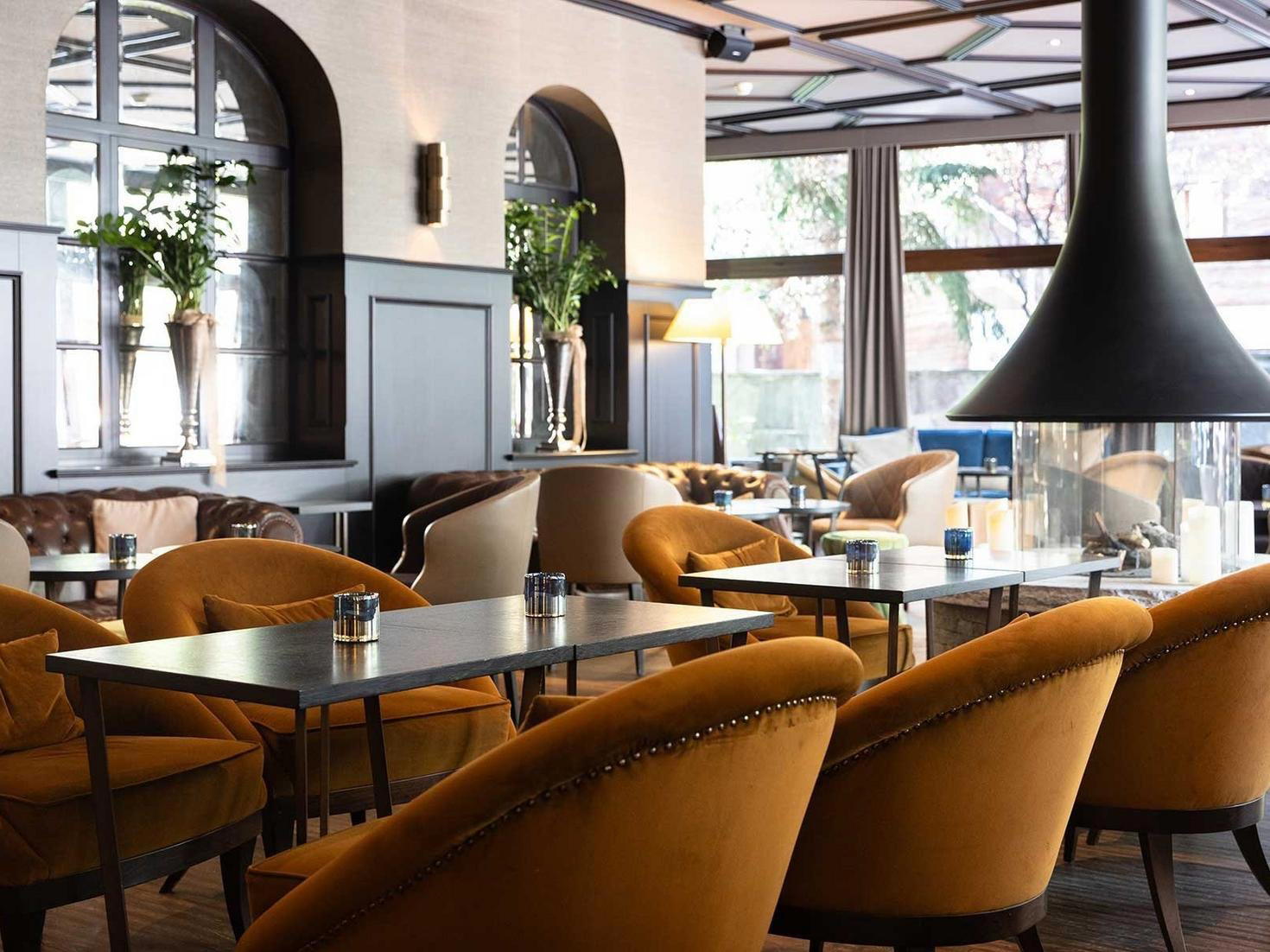
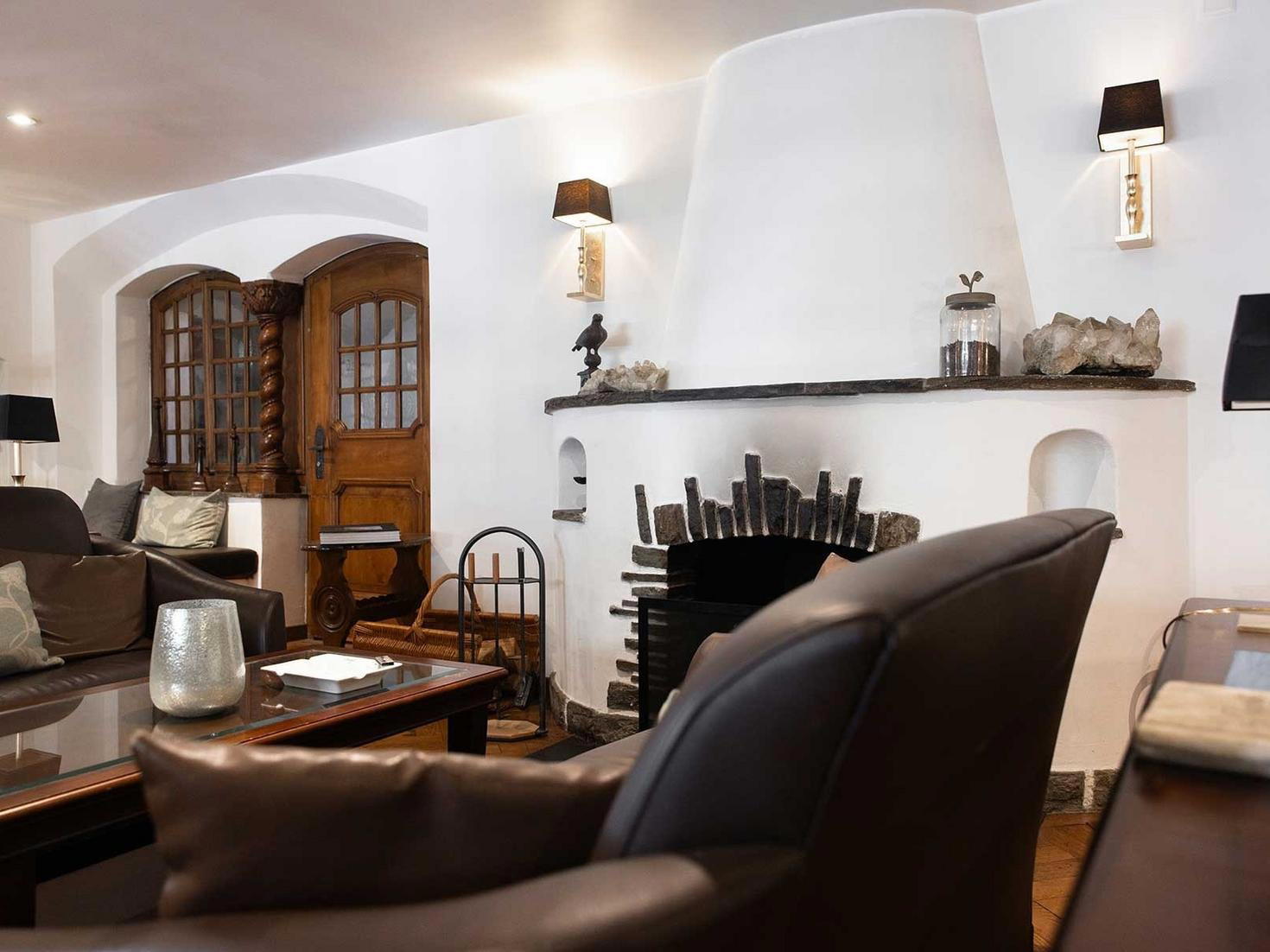
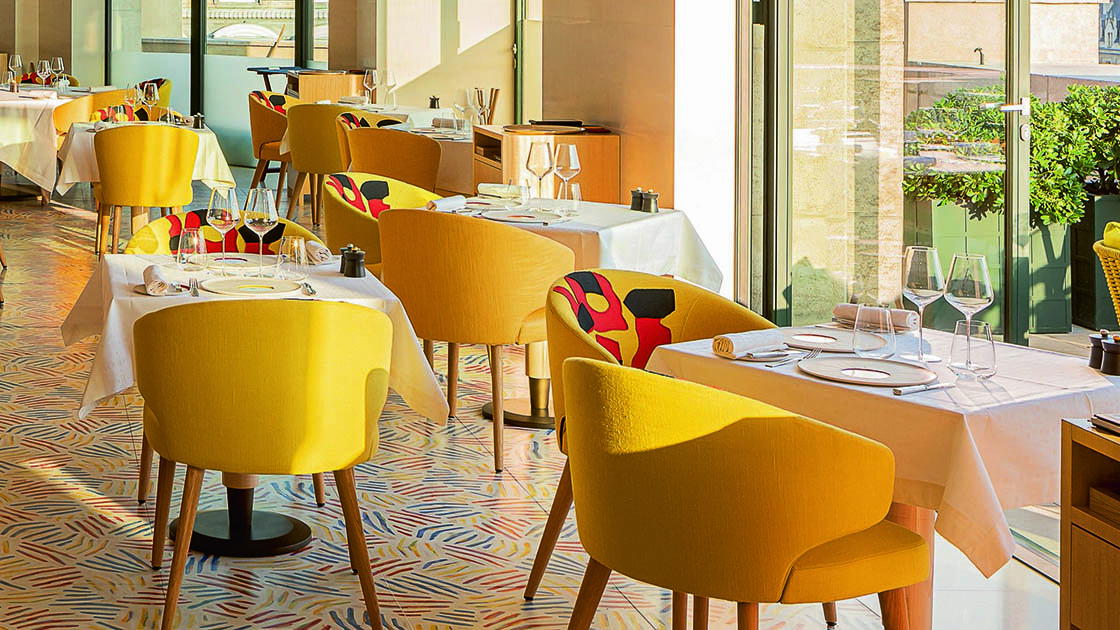
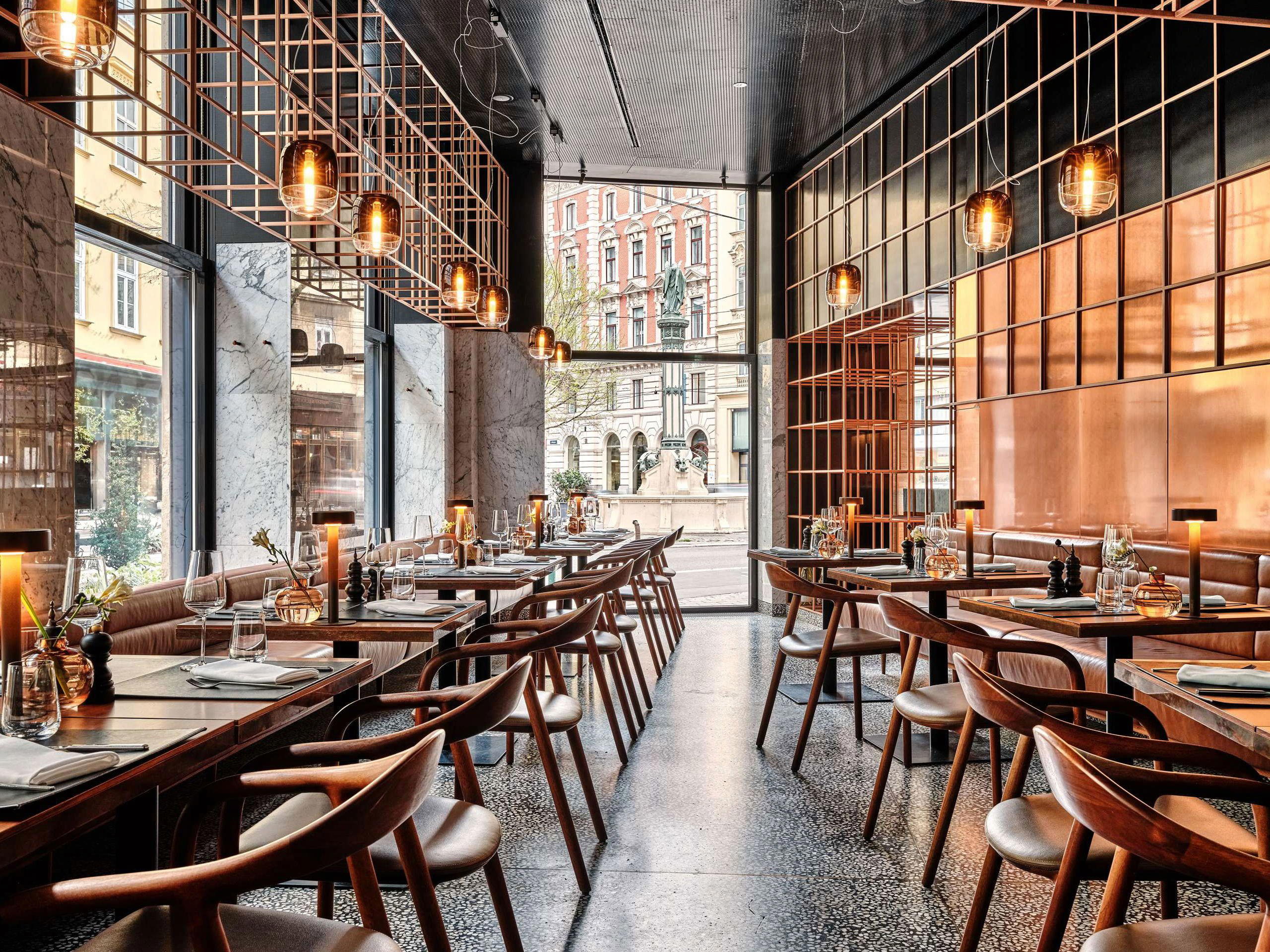
Artsy and lively with creative lighting, industrial metal and wood elements, and a stimulating, avant-garde atmosphere.